Great Indian plantain (Arnoglossum reniforme)
Discover Great Indian plantain (Arnoglossum reniforme), a tall, low-maintenance herbaceous perennial perfect for naturalizing in woodlands.
Scroll down to discover growing tips, care requirements, companion plants, and more
Complete Plant Information
Overview
Arnoglossum reniforme, widely recognized as the Great Indian plantain, stands out as a substantial, tall herbaceous perennial native to the Eastern United States. Gardeners value this plant for its vigorous, easy-to-manage nature and its suitability for large, naturalized settings where it can establish significant vertical presence. Its structure offers interest even when not in full bloom, making it a reliable backdrop plant.
This species thrives in average soils, preferring well-drained conditions, and handles anything from full sun down to part shade. While it is generally considered low maintenance, gardeners should note that Arnoglossum reniforme freely self-seeds, potentially leading to wider colonization over time, especially in ideal, calcareous soil environments.
The structure of the Great Indian plantain features stiff flower stems that generally do not require staking, supporting its characteristic flat-topped clusters of small, whitish flowers. For those aiming to cultivate native landscapes or create woodland borders, Arnoglossum reniforme offers an easily integrated, sturdy perennial framework.
Fast Facts
- Plant Family: Asteraceae
- Plant Type: Herbaceous perennial
- Native Range: Eastern United States
- Hardiness Zones: USDA Zones 3-8
- Size at Maturity:
- Height: 3-9 ft
- Spread: 2-4 ft
- Bloom Time: May to September
- Bloom Description: Whitish
- Sun Exposure: Full sun to part shade
- Water Needs: Medium
- Maintenance Level: Low
How to Grow
The Great Indian plantain establishes best when planted in spring or fall, allowing it time to settle before intense summer heat or deep winter cold arrives. It performs excellently in average, medium, well-drained soils. A slightly neutral to limey soil pH is preferred, which often reflects its native woodland habitat in calcareous regions.
Watering needs are medium; while establishing, maintain consistent moisture. Once mature, Arnoglossum reniforme is reasonably drought tolerant but appreciates supplemental water during prolonged dry spells. Fertilization is rarely necessary, as rich, native soil conditions usually suffice, and over-fertilizing can lead to floppier growth.
A significant cultural note is its tendency to self-seed. If you wish to control its spread, deadheading the flower clusters before seeds fully mature can help limit unwanted offspring. If starting Arnoglossum reniforme from seed, expect that the first couple of seasons will yield only large basal leaves; the robust flower stems typically emerge in the second or third year of growth.
Landscape Uses
The suggested use for Arnoglossum reniforme is primarily to naturalize, making it ideal for large swaths in woodland garden settings, natural plant borders, or wild garden designs. Its impressive height, reaching up to nine feet in ideal conditions, positions it perfectly for grouping in the rear of mixed borders where taller plants act as a screen or backdrop.
While the plant offers substantial height and an interesting texture, it is important to manage expectations regarding ornamental flair; it is not generally selected for prominent, formal display beds. Instead, pair the Great Indian plantain with other robust, shade-tolerant natives that share similar soil preferences, allowing it to blend seamlessly into a wilder aesthetic. Since this perennial only focuses energy on basal growth initially, companion planting in the first year with shorter, quick-growing fillers can help mask any bare patches near the base.
Standout Features
Flower Qualities
- Showy
Noteworthy Characteristics
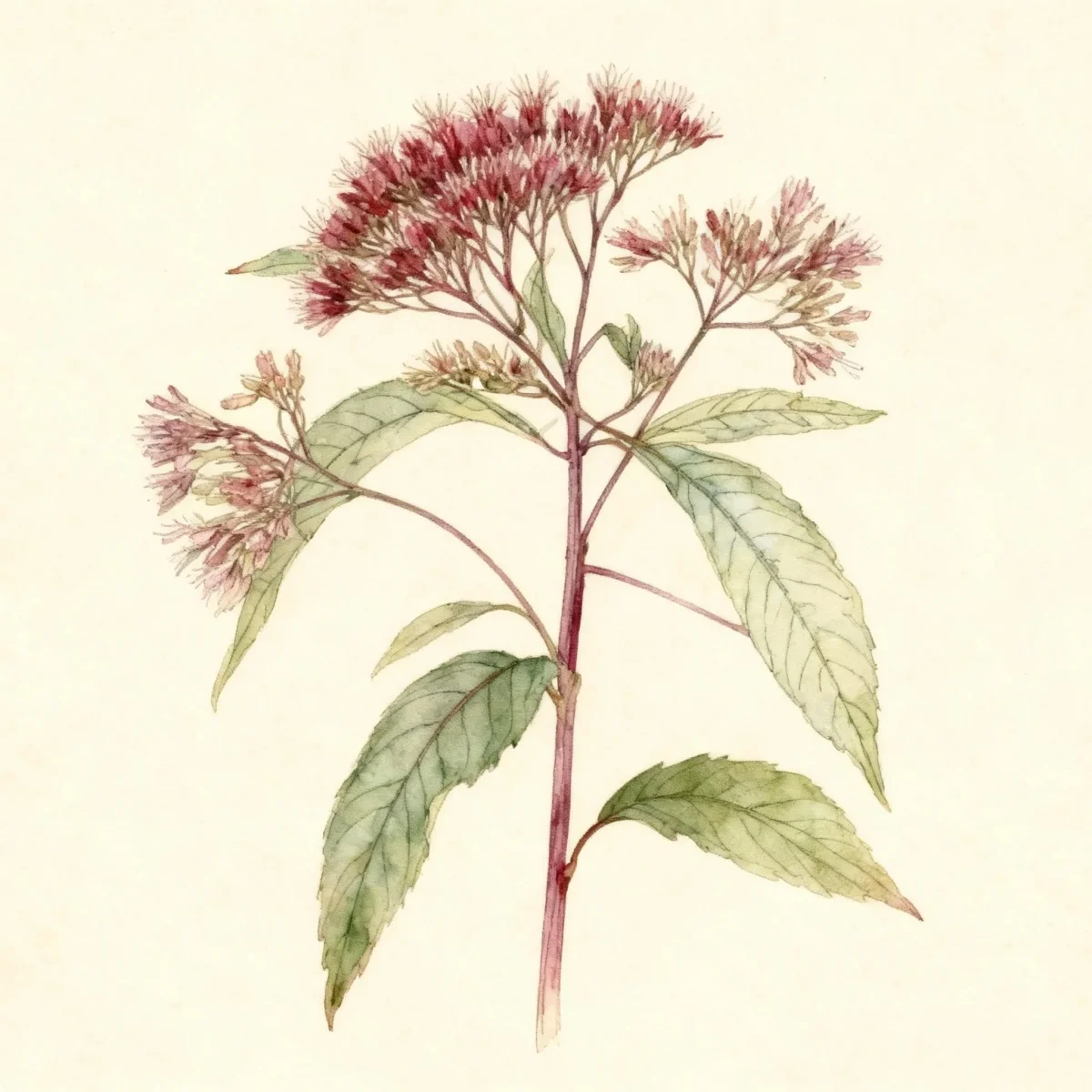
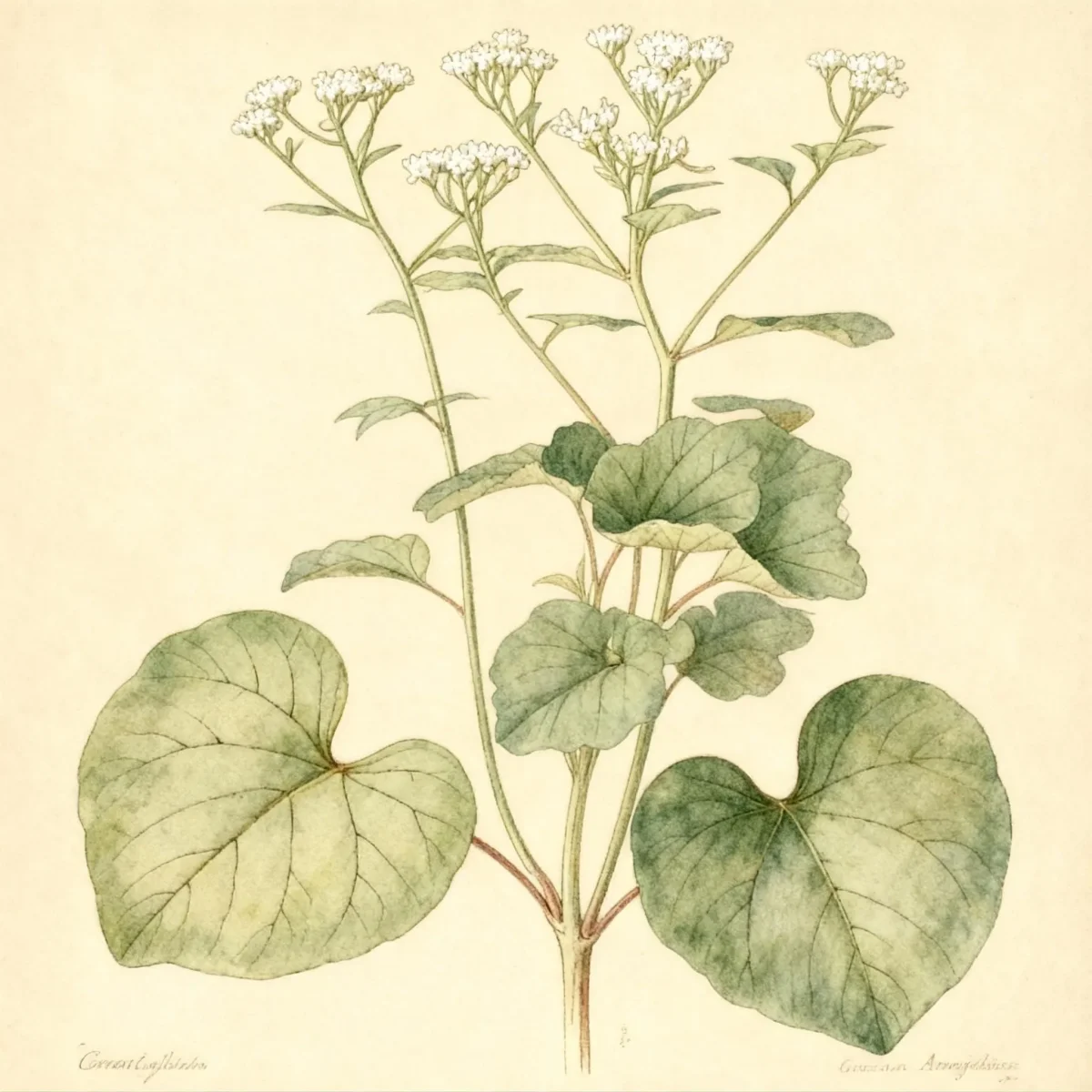
Arnoglossum reniforme, commonly called great Indian plantain, is a tall Missouri native herbaceous perennial which typically occurs in woods and on wooded slopes, often in calcareous soils, in the southern, central and eastern parts of the State. This is a large, substantial plant which typically grows 3-6’ tall (sometimes to 9’). Features small, whitish, tubular flowers arranged in flat-topped clusters (corymbs) atop stiff stems which usually do not need staking.
Tolerances
No listed tolerances are available in the data source.
Potential Problems
Gardeners of the Great Indian plantain will be pleased to find that this species generally experiences no serious insect or disease problems. Its robust nature contributes to its low-maintenance rating. Proactive health management usually involves ensuring the soil remains well-drained to prevent any root issues typical of overly wet conditions.
Due to its inherent vigor and lack of common pests, management usually centers on controlling its self-seeding habit if the gardener desires to keep the plant confined to a specific area. If unchecked, many seedlings may appear the following spring.
Frequently Asked Questions
What hardiness zones is Great Indian plantain suitable for?
Arnoglossum reniforme is hardy across a wide range, suitable for USDA Zones 3 through 8.
How large does Arnoglossum reniforme grow?
This substantial perennial typically matures to a height between 3 and 9 feet, with a spread ranging from 2 to 4 feet wide.
What sun exposure does Great Indian plantain need?
For the best performance, plant Arnoglossum reniforme where it receives full sun or light part shade exposure.
When does Arnoglossum reniforme bloom?
The blooming period for this species spans from May through September, featuring small, whitish flowers borne in flat-topped clusters.
Conclusion
The Great Indian plantain (Arnoglossum reniforme) offers robust structure and very low maintenance needs, making it an excellent choice for gardeners seeking vertical accentuation in naturalized or woodland areas. Its adaptability across USDA Zones 3 to 8 provides a generous planting window for many regions of the Eastern US. Before planting, confirm your soil is well-drained and consider its mature height when planning border placement.
Companion Planting
When selecting partners for Arnoglossum reniforme in a native setting, prioritize species that appreciate similar medium moisture levels and perhaps appreciate dappled light. Good companions might include ferns that can handle slightly less light than the plantain prefers, or other tall, late-season bloomers from the Asteraceae family that share a similar native range. Since the plant spends its first years establishing basal foliage, pairing it with groundcovers that tolerate light summer shade can enhance the visual density of the area.
Propagation Tips
While the natural method of propagation for Great Indian plantain is through abundant self-seeding, gardeners can actively manage its spread or attempt division. Division should ideally be performed in early spring before strong new growth begins, splitting the crowns gently. If you choose to manage the seedlings resulting from self-seeding, ensure you wait until they have developed their characteristic kidney-shaped basal leaves, which aids in correct identification before transplanting them to new locations.