Shrubby yellowcrest (Heimia salicifolia)
Discover Heimia salicifolia, the Shrubby yellowcrest. A medium-sized shrub blooming bright yellow flowers from July to October.
Scroll down to discover growing tips, care requirements, companion plants, and more
Complete Plant Information
Overview
The Shrubby yellowcrest (Heimia salicifolia) is a distinctive, densely-branched deciduous shrub prized for its extended bloom period and unique foliage characteristics. Offering vibrant yellow flowers that persist from mid-summer well into autumn, this species provides reliable color when many other shrubs have finished their display. It forms a substantial, spreading presence in the landscape, ideal for mild winter regions.
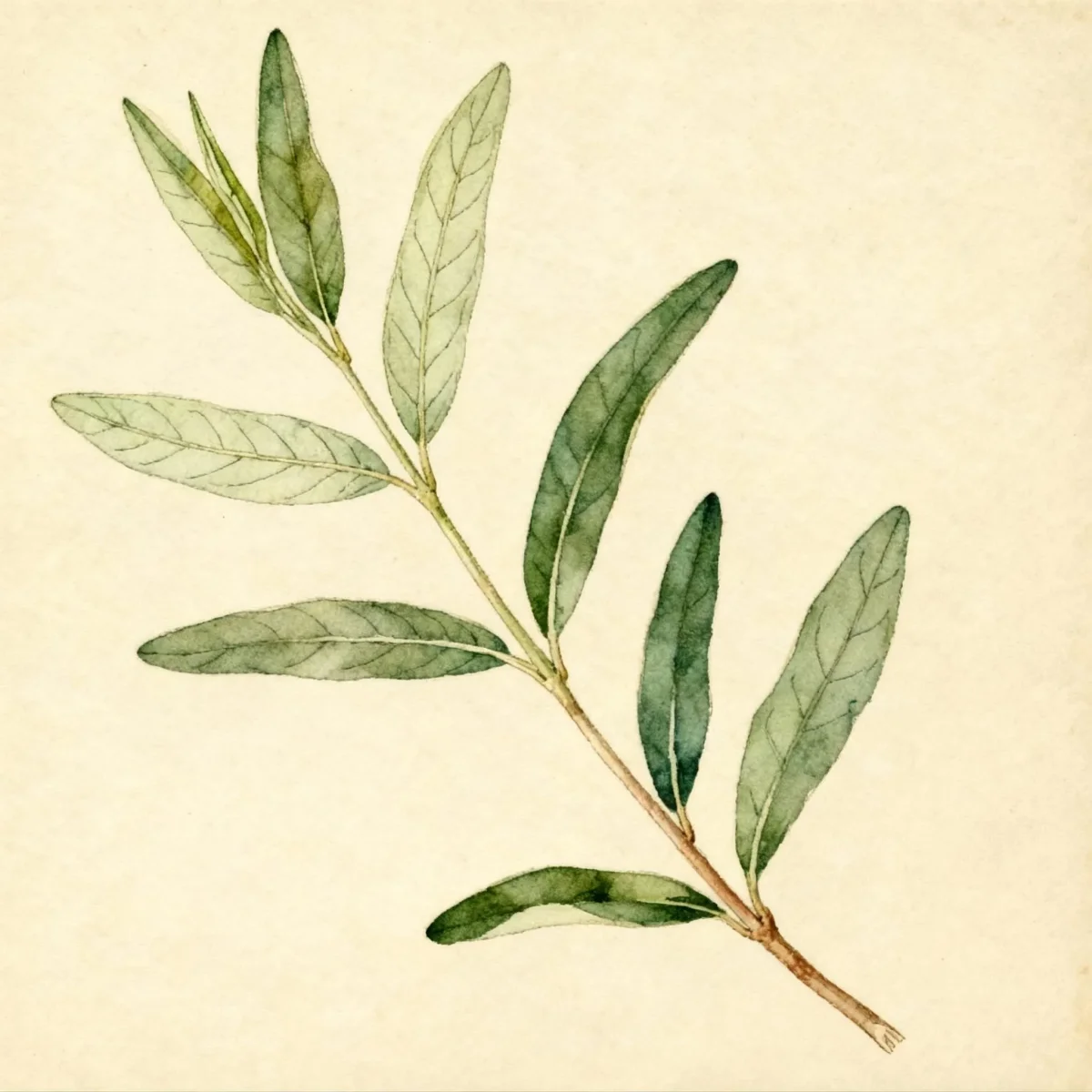
Native from the southern reaches of North America down through Central and South America, Heimia salicifolia adapts well to sunny borders and defined hedges where it can reach heights of 6 to 10 feet. Its willow-like, narrow leaves provide an attractive texture throughout the growing season, complementing the profusion of solitary yellow blossoms. Gardeners value this plant for its ornamental attributes, particularly in USDA Zones 9 through 11.
While ornamental, this plant carries historic significance under names like Sinicuichi or Sun opener. For the landscape gardener, however, Heimia salicifolia serves simply as a robust, medium-maintenance flowering shrub effective in mass plantings or as visual screening. Planning its placement to accommodate its mature spread of up to 10 feet is key to successful integration.
Fast Facts
- Plant Family: Lythraceae
- Plant Type: Deciduous shrub
- Native Range: Southern North America, central South America
- Hardiness Zones: USDA Zones 9-11
- Size at Maturity:
- Height: 6-10 ft
- Spread: 6-10 ft
- Bloom Time: July to October
- Bloom Description: Yellow
- Sun Exposure: Full sun to part shade
- Water Needs: Medium
- Maintenance Level: Medium
How to Grow
Planting Heimia salicifolia is best achieved in the spring after the last frost date, allowing the shrub to establish its roots before summer heat. Choose a location receiving full sun to light afternoon shade for the best flowering performance. This shrub thrives in rich, moist, well-drained soil; avoid heavy clay that retains too much water, as consistent moisture is critical.
Watering requirements for the Shrubby yellowcrest are medium. Once established, water deeply during dry spells but ensure the soil does not become soggy. A key cultural directive is to never allow the soils to totally dry out, especially in hot conditions. Limited fertilization is usually required if the native soil is rich; supplemental feeding should be light.
Maintenance is generally straightforward, rating as medium. Pruning, if needed, should focus on shaping the dense branching structure or removing older, less productive wood, best performed in late winter or early spring before new growth begins. Where winter temperatures dip below Zone 9 lows, treat this plant as a potted specimen, overwintering it indoors in a bright, sunny spot until spring returns.
Landscape Uses
The robust, spreading habit of Heimia salicifolia makes it highly effective when tasked with creating structural green elements in the garden. Its suggested use as a formal or informal hedge is excellent, as it fills out to 6-10 feet tall and wide, providing dense screening from July through October when its yellow blooms are present. This continuity of dense foliage is valuable in hedging applications.
Beyond utility pruning for hedges, the Shrubby yellowcrest is perfectly suited for large shrub borders where its size can be allowed to develop naturally. It pairs well with other late-season bloomers or evergreen structures that benefit from the contrasting, fine texture of its willow-like leaves. Because of its size, ensure adequate space is left between specimens to maintain good air circulation.
For gardeners in borderline hardiness zones, growing Heimia salicifolia in large containers allows relocation indoors during unexpected cold snaps. This mobility permits enjoyment of its continuous summer color in patios or courtyards before moving it to a protected space for winter dormancy.
Standout Features
Flower Qualities
- Showy
Noteworthy Characteristics
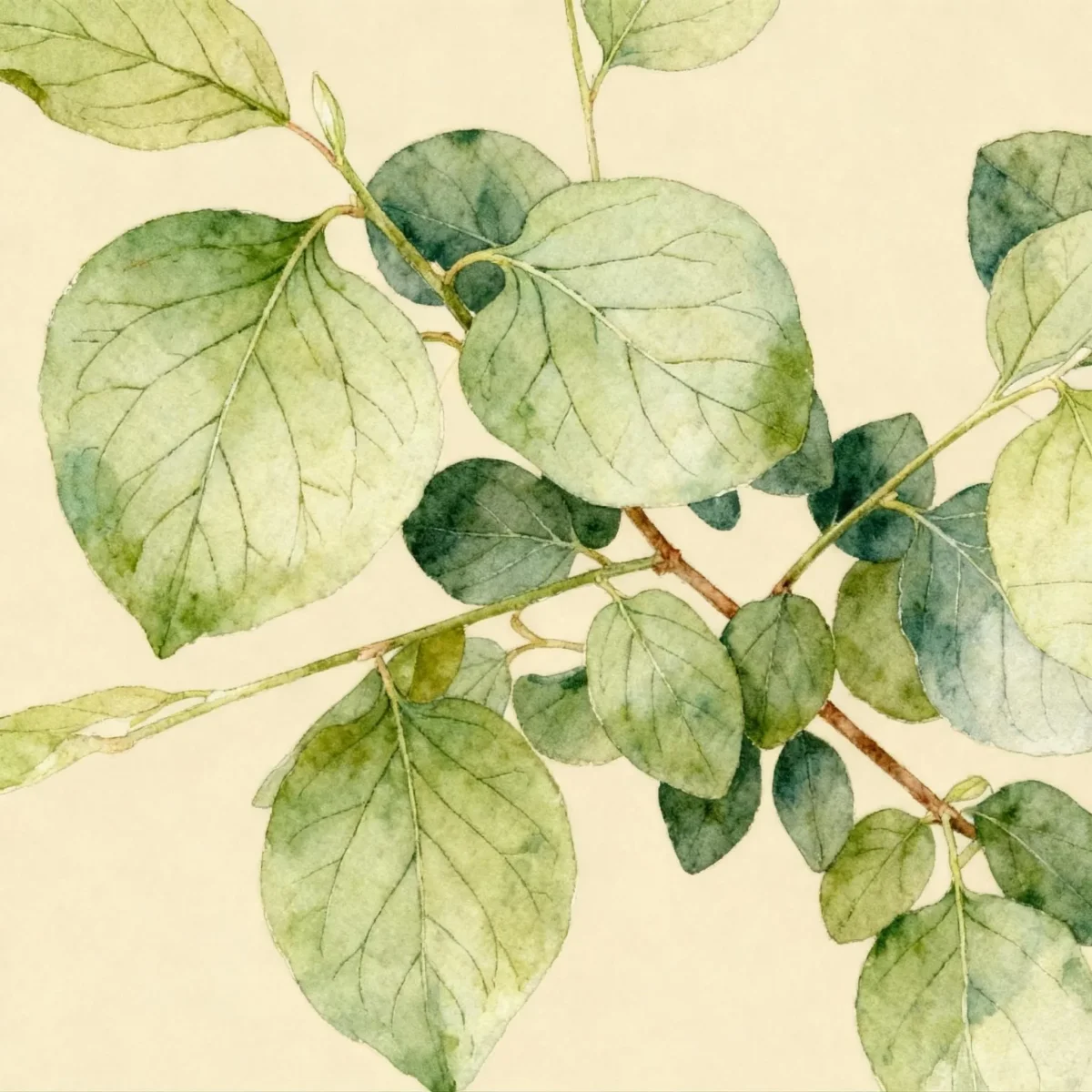
Heimia salicifolia, known by a variety of common names including sinicuichi, narrow-leaf heimia, Shrubby yellowcrest or sun opener, is a deciduous, densely-branched, flowering shrub of the loosestrife family that grows in the wild to 10’ tall and as wide. Its willow-like, narrow-oblong to linear-lanceolate leaves contrast nicely with the spring to fall bloom of solitary yellow flowers, which are about 3/4” across. Although recognized for its reported psychoactive and medicinal uses dating back to the Aztecs, this plant is legally and safely grown worldwide purely as an ornamental providing excellent season-long interest.
Tolerances
- No serious insect or disease problems
Potential Problems
This shrub boasts a favorable profile regarding pests, as it generally suffers from no serious insect or disease problems that would compromise its ornamental value. By adhering to proper cultural requirements—namely providing rich, moist, well-drained soil and avoiding severe drought—gardeners can significantly preempt any minor issues. Good air circulation, achieved by not overcrowding the plants, further minimizes fungal risks common to dense shrubs.
If grown outside its preferred range (Zone 9-11), the primary potential problem is freeze damage. In these areas, protect the roots if temperatures dip severely, or opt to grow the Shrubby yellowcrest in a container that can be moved indoors during winter months to ensure survival until spring.
Frequently Asked Questions
What hardiness zones is Shrubby yellowcrest suitable for?
Heimia salicifolia is reliably hardy in USDA Zones 9 through 11, where it can be grown outdoors year-round.
How large does Shrubby yellowcrest grow?
This deciduous shrub typically achieves a height between 6 and 10 feet, with a similar spread of 6 to 10 feet at full maturity.
When does Shrubby yellowcrest bloom?
The bloom time for Heimia salicifolia is notably long, running from July through October, featuring bright yellow flowers.
What sun exposure does Shrubby yellowcrest need?
This plant prefers filtering light, thriving in full sun to part shade conditions, though it may prefer afternoon shade in the hottest climates.
Conclusion
The Shrubby yellowcrest (Heimia salicifolia) offers gardeners a lush, spreading habit and reliable performance, highlighted by its lengthy bloom season of cheerful yellow flowers. Its adaptability as a hedge or general border plant makes it a valuable asset in mild climates. Before planting, confirm your garden resides within USDA Zones 9-11 to ensure its successful, long-term establishment.
Companion Planting
Selecting appropriate neighbors for Heimia salicifolia will enhance its appeal throughout the growing season. Since this shrub requires medium water and rich soil, look for accompanying perennials or smaller shrubs that share similar needs. Consider pairing it with plants that offer contrasting foliage texture, perhaps fine-textured ornamental grasses or broad-leafed, shade-tolerant groundcovers if planted on the shadier side of its preferred range.
Late-flowering perennials like Sedum ‘Autumn Joy’ or sturdy summer bloomers such as Lantana provide excellent ground-level interest beneath the spreading canopy of the Shrubby yellowcrest. This combination ensures continuous color interest from early summer right up until the first hard frost of autumn.
Design Ideas
For formal garden styles, plant Heimia salicifolia tightly together to form a dense, flowering green screen or hedge, utilizing its fast growth to quickly define boundaries. Use it as a vertical backdrop against a lighter-colored fence for maximum visual impact when the yellow flowers emerge. Its height also lends itself well to screening utility areas or neighboring properties unobtrusively.
In more relaxed cottage or naturalized settings, allow the Heimia salicifolia to mingle more loosely with hardier shrubs native to the warmer regions of North America. This informal placement capitalizes on its natural, somewhat sprawling form. Ensure that pruning is minimal to encourage the development of its somewhat attractive reddish stems visible during dormancy.