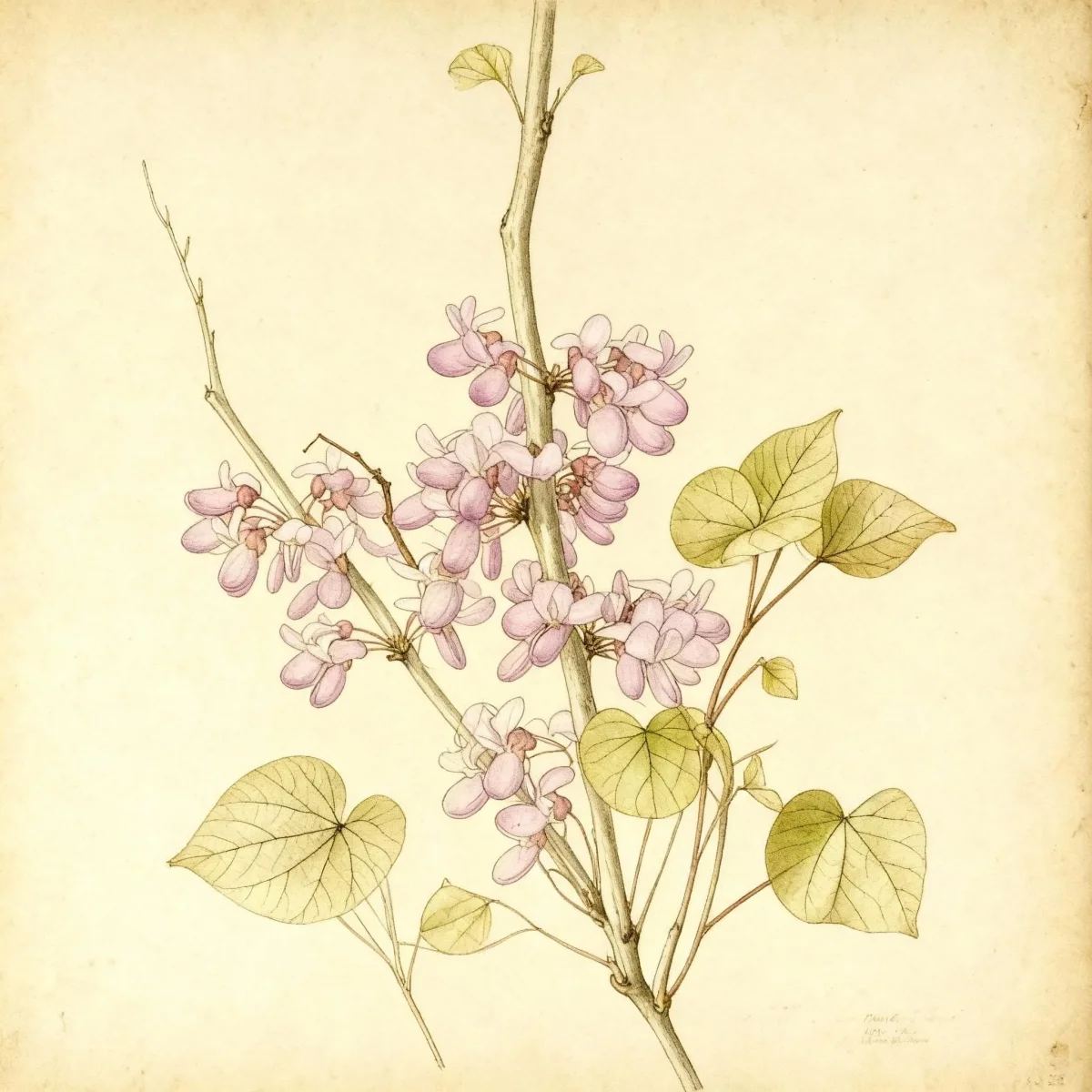
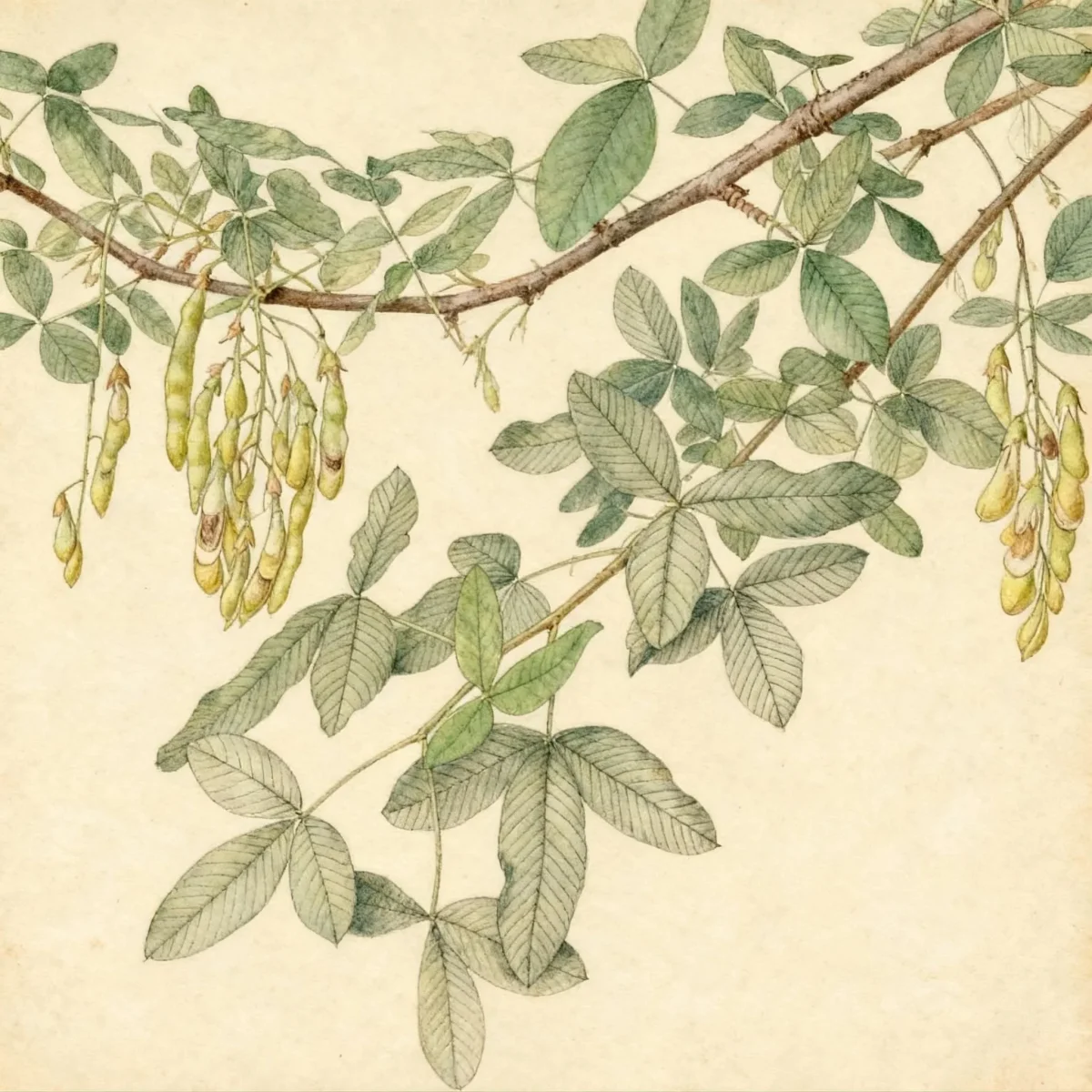
Little volcano bush clover (Lespedeza thunbergii subsp. thunbergii 'Little Volcano')
Discover Lespedeza thunbergii subsp. thunbergii 'Little Volcano', the Little volcano bush clover, sporting rosy-purple blooms late summer. Ideal for zones 6-10.
Scroll down to discover growing tips, care requirements, companion plants, and more
Complete Plant Information
Overview
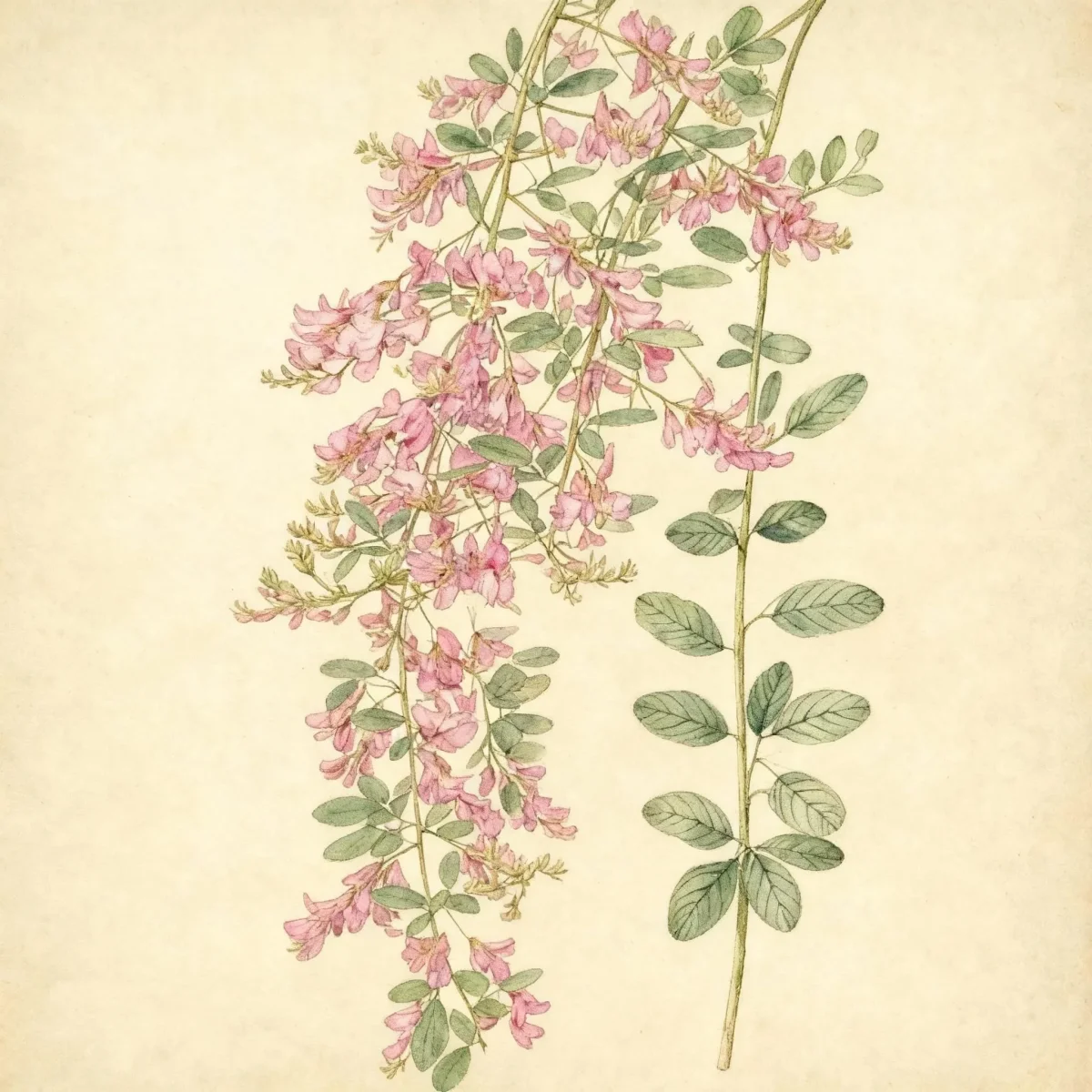
The Lespedeza thunbergii subsp. thunbergii ‘Little Volcano’, commonly known as Little volcano bush clover, is highly valued for its dramatic, arching habit and profuse late-season floral display. This deciduous, semi-woody shrub transforms the late summer landscape with cascading branches covered in rosy-purple, pea-like flowers. It offers significant ornamental impact while proving surprisingly tough once established.
Gardeners appreciate the fountain-like structure of this cultivar, which typically reaches 3 to 6 feet tall and spreads wider. Unlike some related species, Lespedeza thunbergii subsp. Thunbergii ‘Little Volcano’ does not pose invasive risks due to its reduced seed production, making it a responsible and reliable choice for naturalizing areas. It thrives in full sun, rewarding gardeners with its spectacular bloom period from August through September.
This Little volcano bush clover provides excellent late-season color when many flowering shrubs are fading, making it an essential addition to cottage gardens or shrub borders needing seasonal interest. Its structure also lends itself well to planting on slopes, where its rooting ability helps anchor the soil.
Fast Facts
- Plant Family: Fabaceae
- Plant Type: Deciduous shrub
- Hardiness Zones: USDA Zones 6-10
- Size at Maturity:
- Height: 3-6 ft
- Spread: 6-10 ft
- Bloom Time: August to September
- Bloom Description: Rosy-purple
- Sun Exposure: Full sun to part shade
- Water Needs: Medium
- Maintenance Level: Medium
How to Grow
Plant Lespedeza thunbergii subsp. thunbergii ‘Little Volcano’ in average, medium-moisture, well-drained soils. While it tolerates part sun, achieving the best flowering requires placement in full sun. Good drainage is critical for the long-term health of this bush clover. This shrub performs exceptionally well even in somewhat infertile or sandy soils.
Watering needs are medium; once the Little volcano bush clover is established, it exhibits good drought tolerance. Avoid over-fertilizing, as this can encourage excessive leafy growth at the expense of flowers. Pruning is a key maintenance task to manage its shape and encourage robust new growth for blooming.
Prune the plant as needed in late winter or early spring while it is still dormant. Because this shrub blooms readily on new wood, cutting it back encourages the best display. In colder parts of its range (Zone 6), gardeners often simply cut the entire top growth to the ground in late winter, allowing beautiful new 3-6 foot stems to develop over the season.
While the roots are hardy to Zone 6, severe winter conditions can sometimes kill the above-ground stems back to the ground. Be aware that the Lespedeza thunbergii subsp. Thunbergii ‘Little Volcano’ may naturalize modestly via prostrate stems rooting at nodes, though this cultivar is noted for not producing invasive seed.
Landscape Uses
The magnificent late-season display of the Little volcano bush clover makes it an excellent specimen plant for sunny borders where its cascading form can be fully appreciated. It is highly recommended for softening the edges of retaining walls or spilling down a slope, where its roots contribute to erosion control. Integrate it into mixed perennial borders to provide structure and color contrast during late summer and early autumn.
For a cottage garden aesthetic, plant it alongside summer-blooming perennials that will fade as the bush clover begins to flower, ensuring continuous visual interest. Consider pairing the rosy-purple of the Lespedeza thunbergii subsp. thunbergii ‘Little Volcano’ with late-blooming goldenrod or ornamental grasses for textural contrast. Its ability to thrive in less-than-ideal soils also makes it useful for large-scale plantings meant to naturalize or cover low-maintenance areas.
Standout Features
Flower Qualities
- Showy
Noteworthy Characteristics
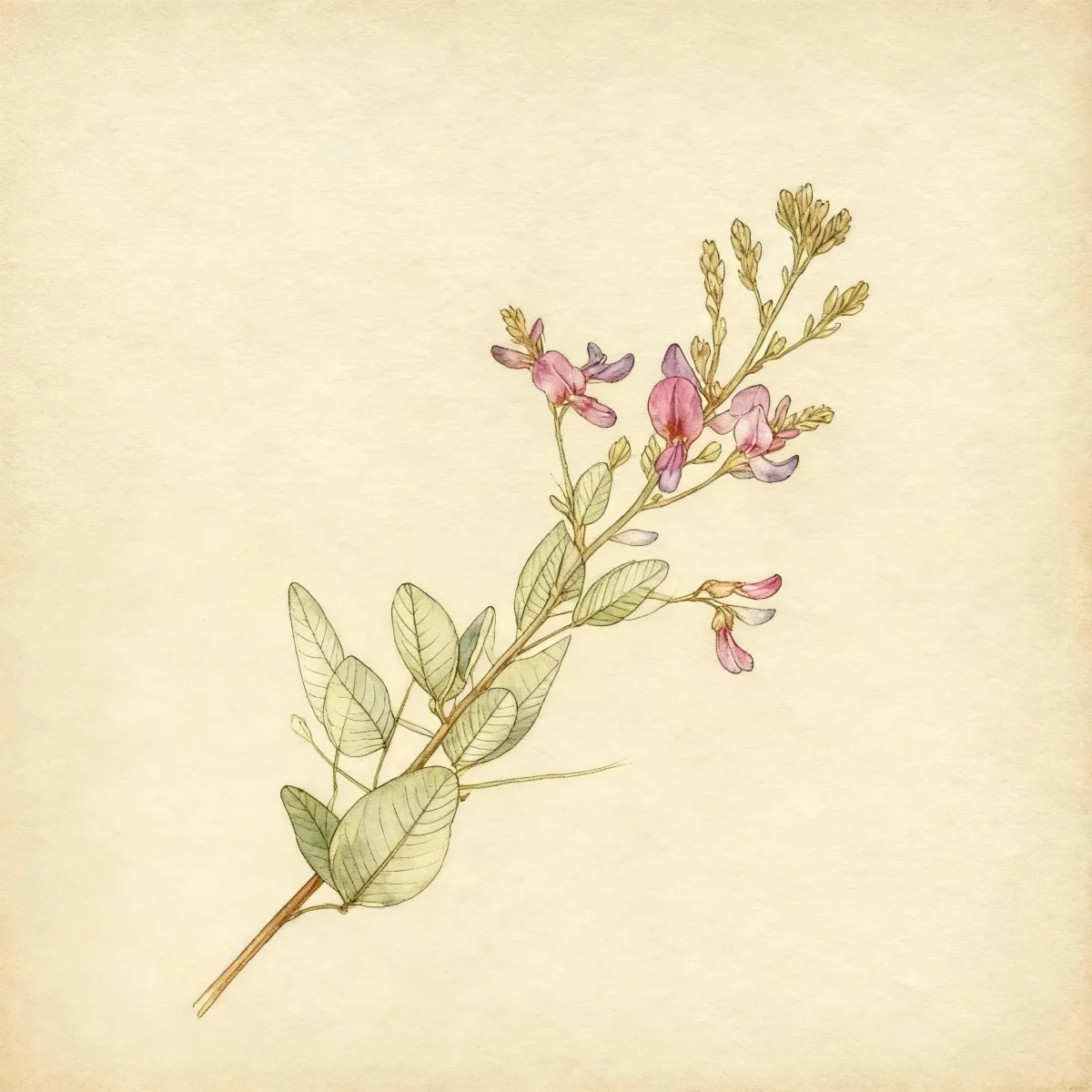
Lespedeza thunbergii, commonly called bush clover, is a deciduous, semi-woody shrub with an arching, fountain-like habit. When cut to the ground in late winter to early spring, it responds by producing rapid annual growth to 3- 6’ tall and as wide during the following growing season. It features alternate, trifoliate, bluish-green leaves (leaflets to 1-2” long) and drooping racemes (to 6” long) of rosy-purple, pea-like flowers which are grouped into loose, pendulous flower panicles (to 2’ long). ‘Little Volcano’ typically grows to 3-6’ tall with a spread to 6-10’ wide and is noted for producing a profuse late summer to early fall bloom on arching, cascading branches.
Tolerances
- Drought
- Erosion
Potential Problems
This plant generally experiences no serious insect or disease problems, making it relatively easy to manage in the garden environment. Because it thrives without rich inputs, avoid over-fertilizing, which can be its primary preventable issue, leading to weak stems. Proper siting in well-drained soil mitigates most cultural challenges.
Frequently Asked Questions
What hardiness zones is Little volcano bush clover suitable for?
The Lespedeza thunbergii subsp. thunbergii ‘Little Volcano’ is suitable for USDA Hardiness Zones 6 through 10.
How large does Little volcano bush clover grow?
At maturity, this deciduous shrub typically reaches a height between 3 and 6 feet, with a substantial spread ranging from 6 to 10 feet wide.
When does Little volcano bush clover bloom?
This shrub is prized for its late flowering, displaying rosy-purple blooms steadily from August through September.
What sun exposure does Lespedeza thunbergii subsp. Thunbergii ‘Little Volcano’ need?
For best results and the most dramatic bloom display, plant the Lespedeza thunbergii subsp. Thunbergii ‘Little Volcano’ in full sun, although it tolerates light afternoon shade.
Conclusion
The Lespedeza thunbergii subsp. thunbergii ‘Little Volcano’ offers spectacular, low-maintenance beauty through the transition from summer to fall with its graceful habit and profuse blooms. This particular cultivar, the Little volcano bush clover, provides reliable seasonal color without aggressive spreading tendencies. Always ensure your planting location offers the full sun and excellent drainage necessary for this stunning shrub to perform at its best.
Companion Planting
When selecting companions for your Little volcano bush clover, focus on plants that share its requirements for full sun/part shade and medium water, especially those that bloom at different times. Asters, sedums, and ornamental grasses provide wonderful texture and color contrast as the bush clover begins its late-season show. Planting it near taller, upright perennials ensures the arching habit of the Lespedeza thunbergii subsp. thunbergii ‘Little Volcano’ is showcased effectively, creating movement in the border.
Seasonal Care Calendar
For late summer to fall flowering, proper spring preparation is key for the Lespedeza thunbergii subsp. Thunbergii ‘Little Volcano’. In late winter or very early spring, cut the previous year’s growth back to just a few inches above the ground. This aggressive pruning stimulates the rapid, vigorous new shoots that produce the season’s flowers. Monitor moisture closely during the first year of establishment; after that, rely on its drought tolerance unless the season is exceptionally dry.