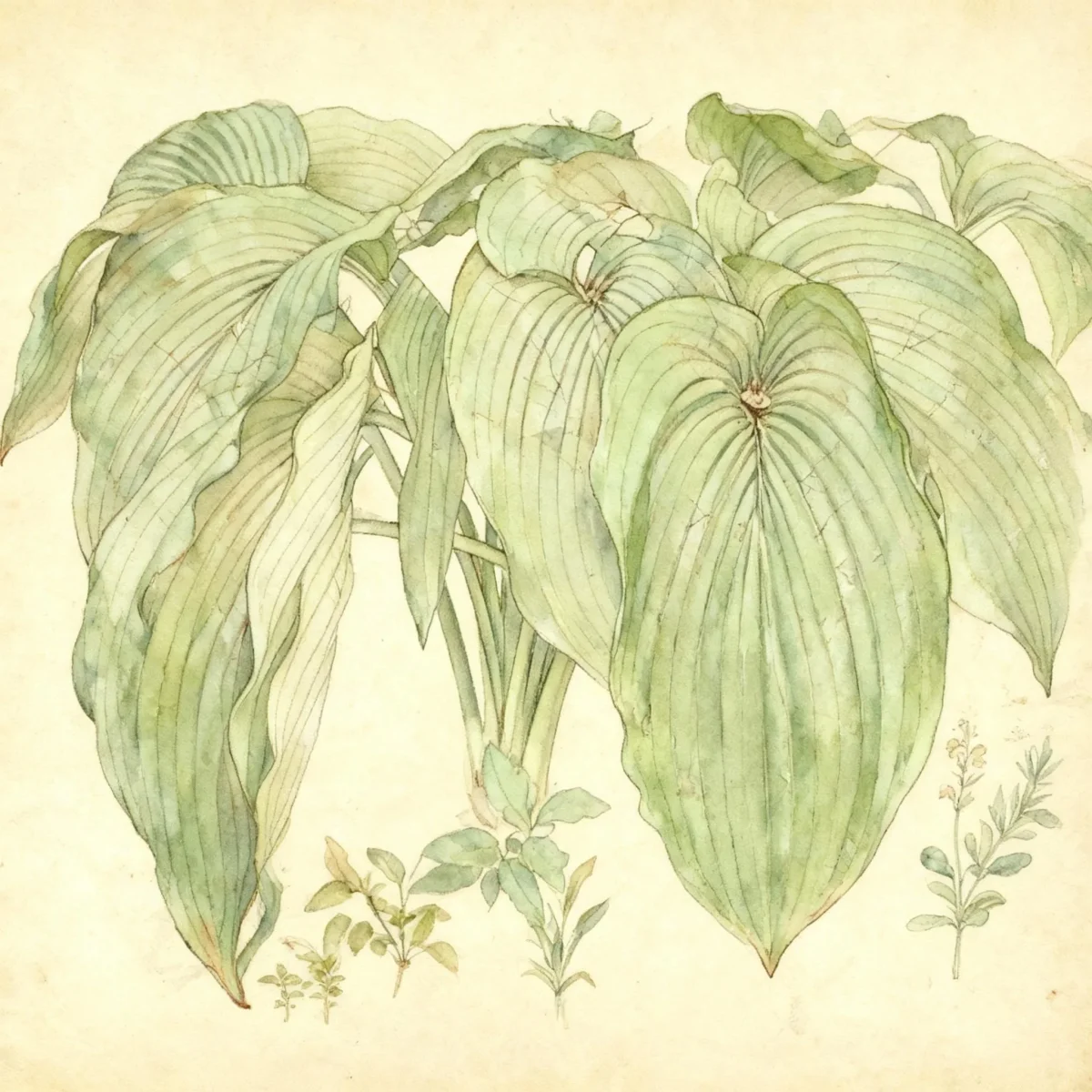
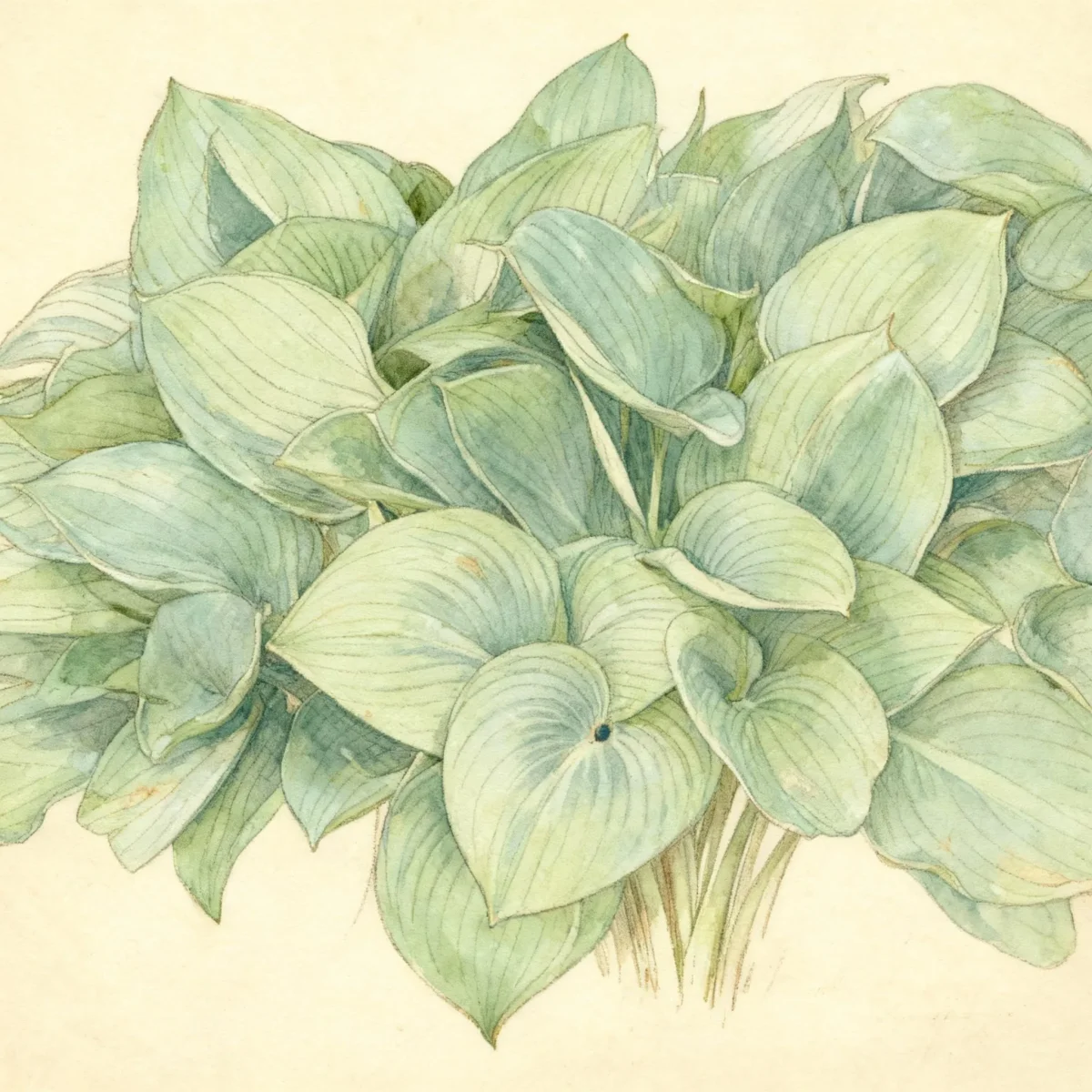
Hosta (Hosta 'Designer Genes')
Striking Hosta 'Designer Genes' offers chartreuse foliage maturing from yellow, blooming lavender. Low maintenance for USDA Zones 3-8.
Scroll down to discover growing tips, care requirements, companion plants, and more
Complete Plant Information
Overview
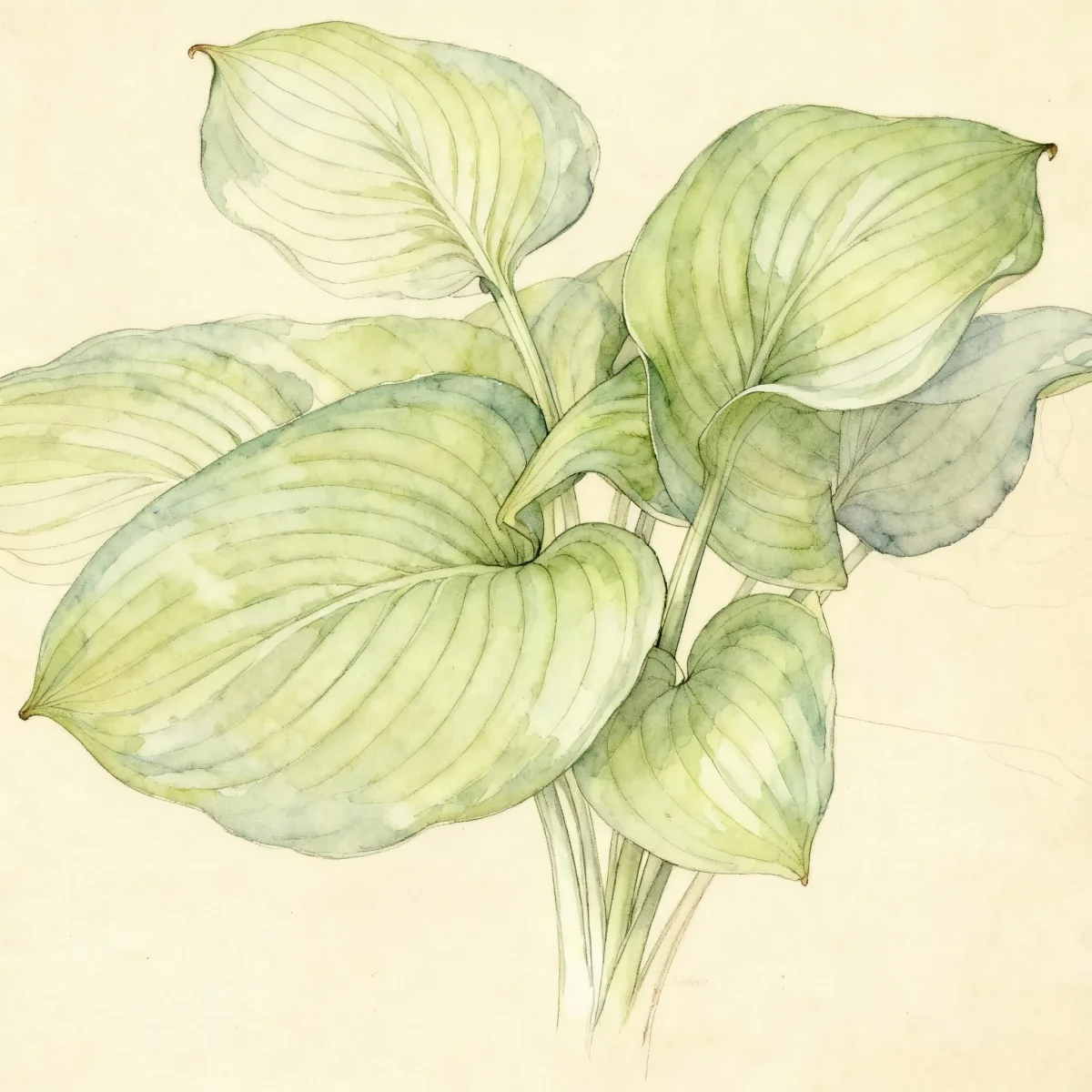
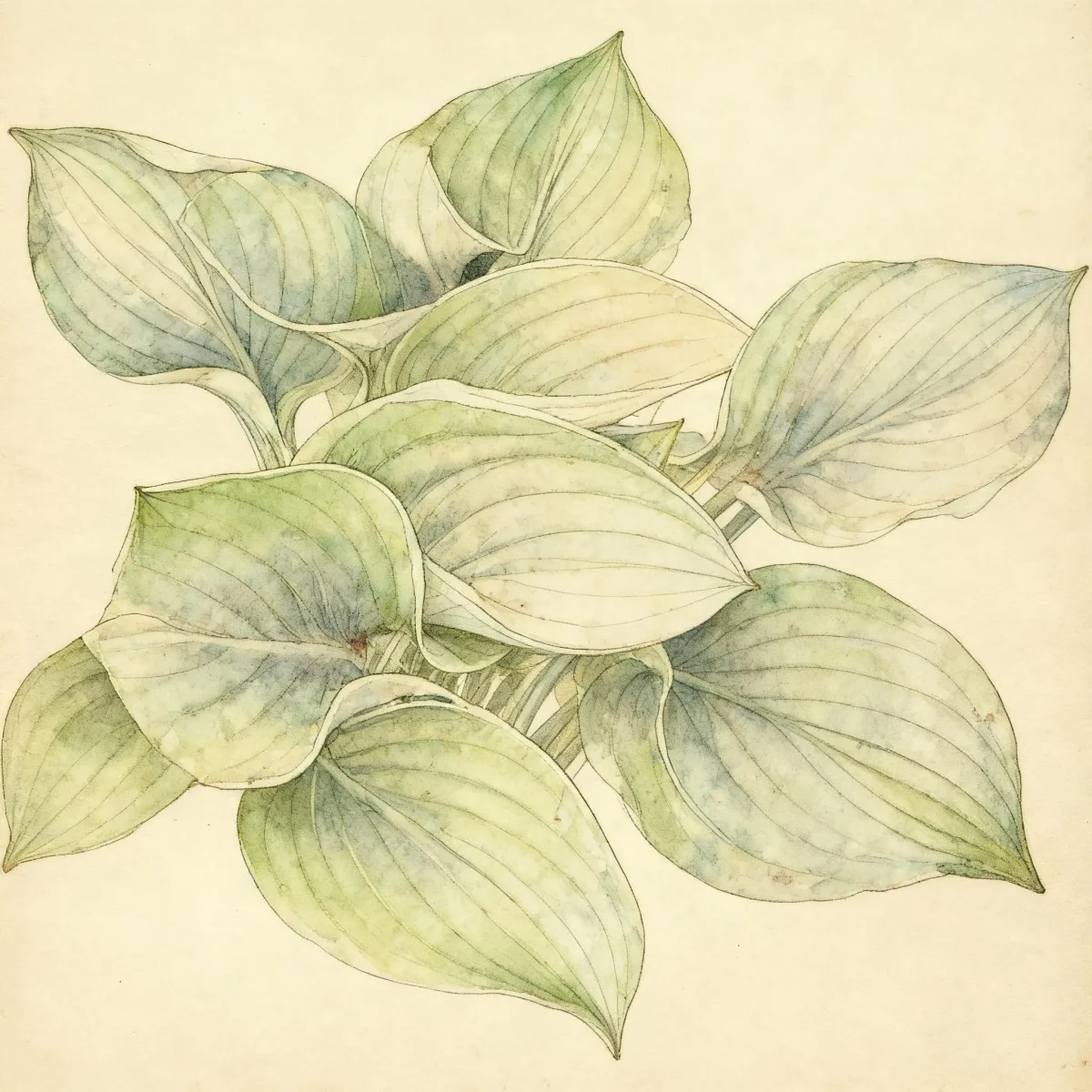
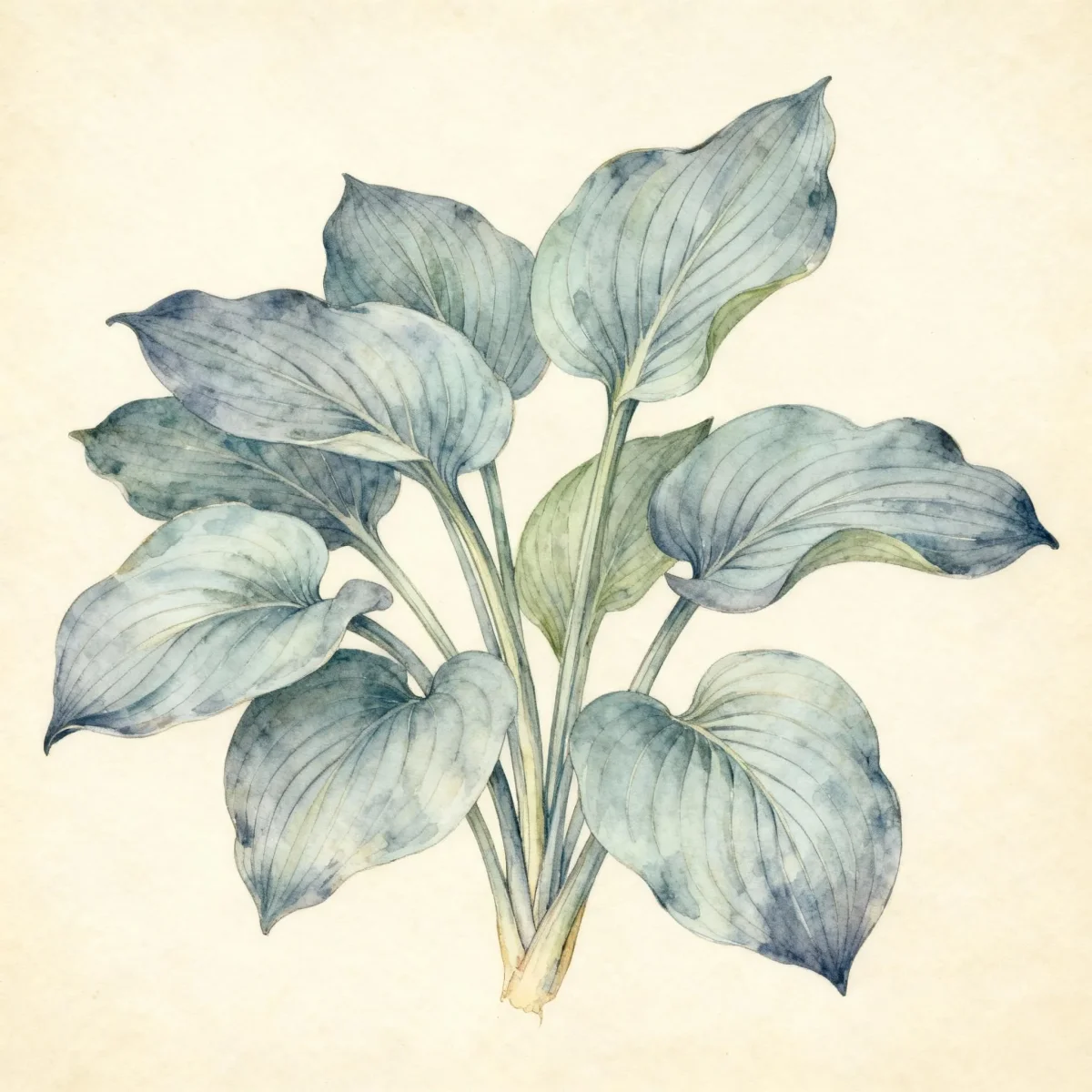
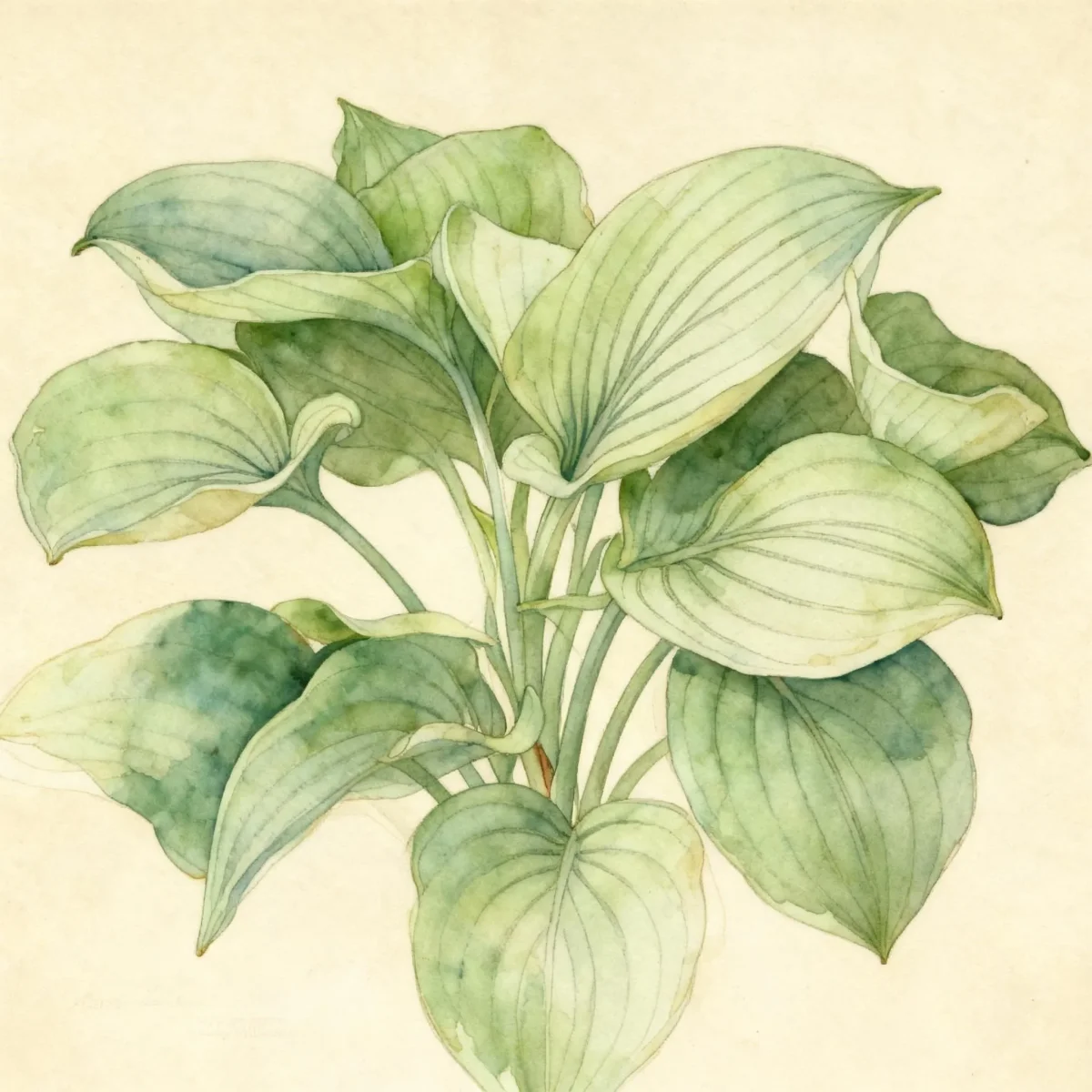
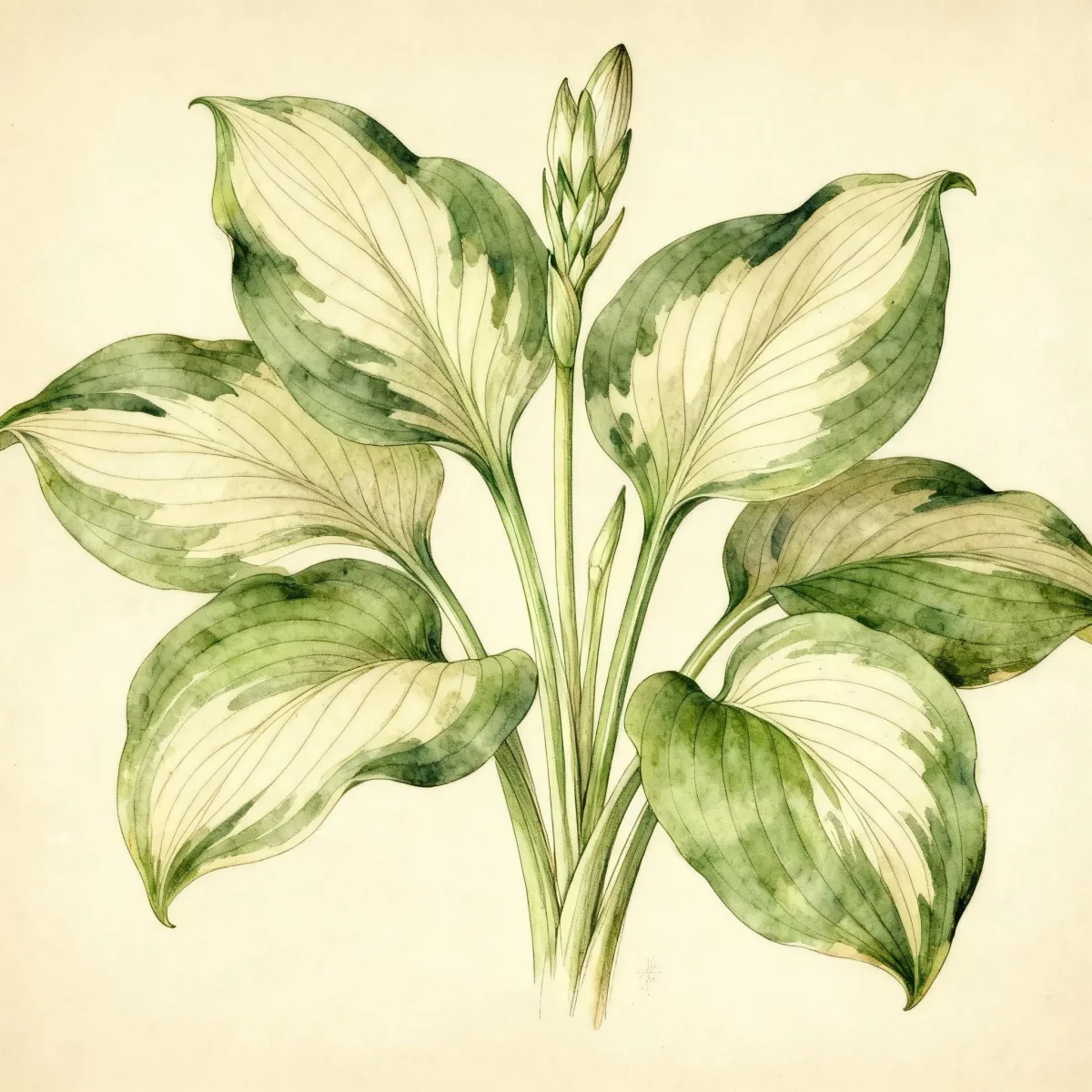
Hosta ‘Designer Genes’ is an outstanding herbaceous perennial prized for its dynamic foliage progression throughout the growing season. This cultivar emerges in spring displaying bright yellow leaves accentuated by deep red petioles, providing significant early visual interest in the landscape. As the season advances, the leaves transition to a beautiful shade of chartreuse green, creating a continually evolving texture in shady areas.
As a member of the Hosta genus, this plant thrives in lower light conditions and offers substantial ornamental reward for minimal effort. It forms a tidy mound, reaching less than a foot high, making Hosta ‘Designer Genes’ an excellent edging plant or component for mass plantings in woodland settings. Its strong performance and developing foliage colors cement its status as a premier choice for shaded garden borders.
The lavender blooms that appear atop tall, red scapes in mid to late summer provide an extra layer of beauty, confirming why Hostas remain essential shade garden staples. Gardeners value the reliability and architectural structure provided by Hosta ‘Designer Genes’ across diverse hardiness zones.
Fast Facts
- Plant Family: Asparagaceae
- Plant Type: Herbaceous perennial
- Hardiness Zones: USDA Zones 3-8
- Size at Maturity:
- Height: 0.75-1 ft
- Spread: 1.5-2 ft
- Bloom Time: July to August
- Bloom Description: Lavender
- Sun Exposure: Part shade to full shade
- Water Needs: Medium
- Maintenance Level: Low
How to Grow
For optimal establishment, plant Hosta ‘Designer Genes’ in spring or autumn in organically rich, well-drained soil. This Hosta performs best when sited where it receives dappled sunlight or reliable morning sun, although it tolerates heavy shade. Consistent moisture is key to achieving the best size and leaf quality, so ensure soils do not dry out completely between waterings.
Watering should always be directed to the soil level beneath the foliage to prevent splashing and potential leaf spotting. While established plants show some tolerance to dry shade, especially those with naturally thicker leaves, consistent hydration is crucial for maintaining the vibrant color of Hosta ‘Designer Genes’. Hostas are generally considered a very low-maintenance perennial once settled.
Division of your Hosta clump is best performed in early spring before the leaves have unfurled, or alternatively in the autumn. When situating your plant, remember to choose a location protected from strong winds, which can easily tear or damage the leaves of any Hosta variety.
Landscape Uses
Hostas are fundamentally the backbone of successful shade gardens, celebrated primarily for the ornamental excellence of their foliage rather than strictly their flowers. Hosta ‘Designer Genes’ works exceptionally well when massed or planted in groups to create a sweeping tide of chartreuse texture throughout a shaded border or woodland edge.
Because of its respectable 1.5 to 2-foot spread and manageable height, it serves excellently as a textured mid-layer plant or a repeating element along shady pathways. Consider pairing this Hosta with plants that contrast sharply in color or texture, such as dark green ferns or plants with fine, airy foliage, to accentuate the bold, emerging yellow and chartreuse hues of ‘Designer Genes’.
This variety is highly effective when massed or planted in clusters to create bold impact in shady borders, woodland settings, or dedicated shade gardens.
Standout Features
Flower Qualities
- Showy
- Good Cut
Noteworthy Characteristics
Hosta is a genus primarily cultivated for its ornamental, veined foliage that forms dense, basal mounds. The specific cultivar ‘Designer Genes’, developed in 2005, provides a unique seasonal drama: new leaves appear brilliant yellow with distinct red petioles before maturing to a chartreuse green. In late summer, this spectacular foliage display is complemented by lavender flowers borne on tall, red scapes, perfectly finishing the aesthetic contribution of this Hosta.
Tolerances
- Heavy Shade
- Black Walnut
Potential Problems
The primary aesthetic threat to Hosta foliage, including Hosta ‘Designer Genes’, comes from slugs and snails. These pests are strongly attracted to the leaves and chew characteristic jagged holes, which can rapidly degrade the appearance if unchecked. Regular monitoring and implementing slug control methods, such as baiting or beer traps, are essential management practices.
Foliar nematodes present a less common but serious issue, causing interveinal browning on the leaves. Always remove and destroy any plant showing signs of viral infection, such as Hosta Virus X (HVX), immediately to prevent spread. Furthermore, protect the leaves from harsh hail storms, and be aware that deer and rabbits frequently find Hosta foliage palatable.
Frequently Asked Questions
What hardiness zones is Hosta ‘Designer Genes’ suitable for?
Hosta ‘Designer Genes’ is hardy and thrives within USDA Zones 3 through 8.
How large does Hosta ‘Designer Genes’ grow?
This elegant perennial typically matures to a height range of 0.75 to 1 foot tall with a spread between 1.5 and 2 feet wide.
What sun exposure does Hosta need?
Hostas, including this variety, require protection from intense afternoon sun and perform best in part shade to full shade conditions.
When does Hosta bloom?
Hosta ‘Designer Genes’ produces its distinctive lavender flowers typically from July through August.
Conclusion
Hosta ‘Designer Genes’ offers exceptional value in shaded landscapes due to its stunning color-changing foliage and resilient, low-maintenance nature. Successful cultivation hinges upon providing consistent moisture and suitable light, maximizing the visual impact of this dynamic Hosta. Before planting, always confirm that your local USDA zone falls between 3 and 8 to ensure the long-term success of your Hosta ‘Designer Genes’.
Companion Planting in the Shade
Selecting appropriate companions enhances the beauty and structure of a shade garden surrounding Hosta. Because these plants prefer similar moisture and light levels, pairing them with fine-textured ferns, such as Japanese Painted Ferns, creates a beautiful contrast against the broad leaves of Hosta ‘Designer Genes’. Fine-textured foliage helps emphasize the substantial substance of the Hosta leaves.
Consider adding plants that bloom earlier or later than the Hosta’s July bloom time to ensure continuous color interest. Brunnera or Bleeding Hearts can provide early spring color while Astilbe offers contrasting vertical plumes of color later in the season. Ensure all companion plants share the requirement for medium water needs characteristic of Hosta culture.
Propagation Tips
The primary and easiest method for increasing your supply of Hosta ‘Designer Genes’ is through division of the crown. This process rejuvenates older clumps and is best undertaken in either early spring before new leaves emerge, or in the autumn after the foliage naturally dies back.
To divide, carefully dig up the entire clump using a sharp spade or garden fork. Gently pull or slice the plant into sections containing a healthy set of roots and at least two growth buds (eyes). Each resulting division of Hosta ‘Designer Genes’ should be replanted promptly at the same depth as the original plant to ensure continued vigor.