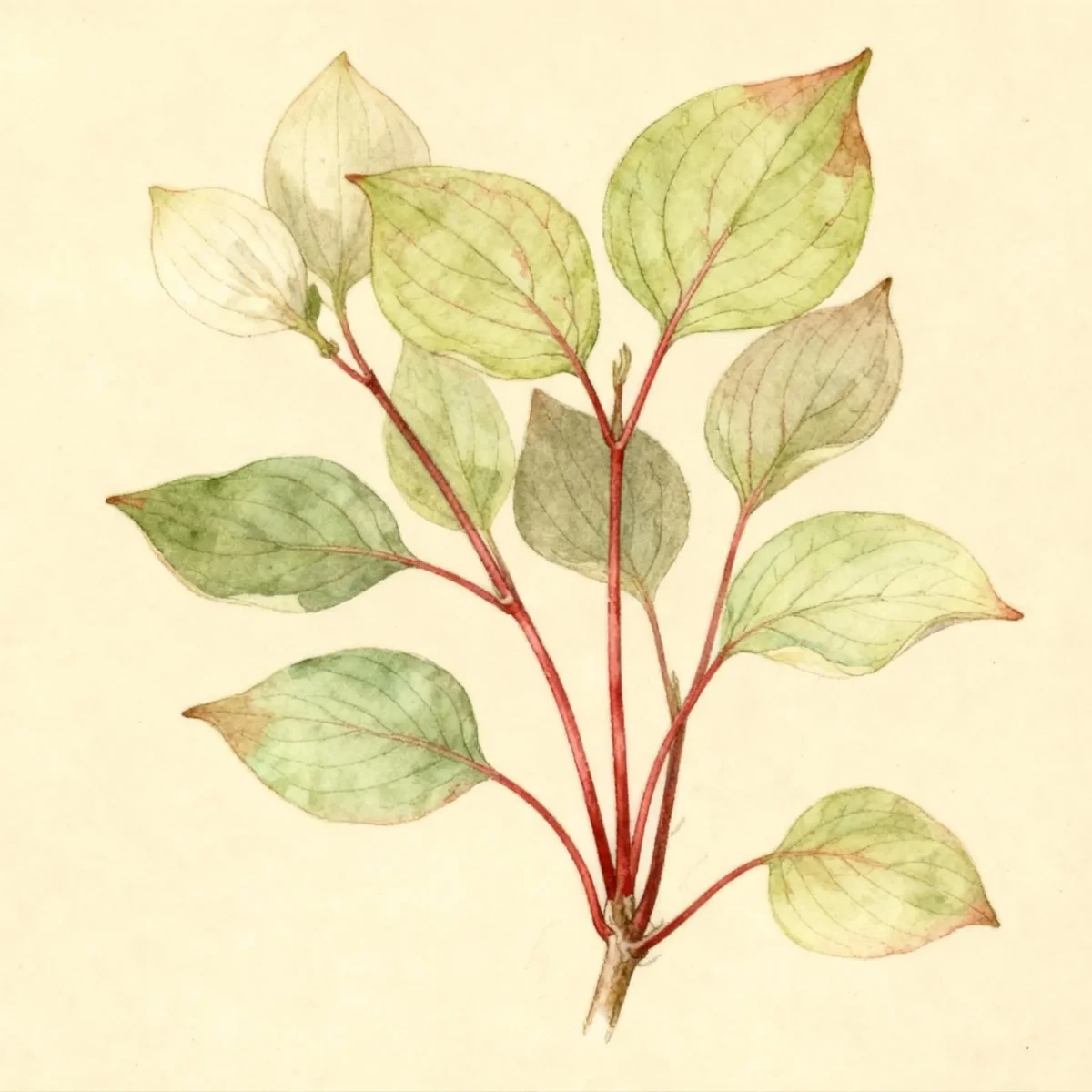
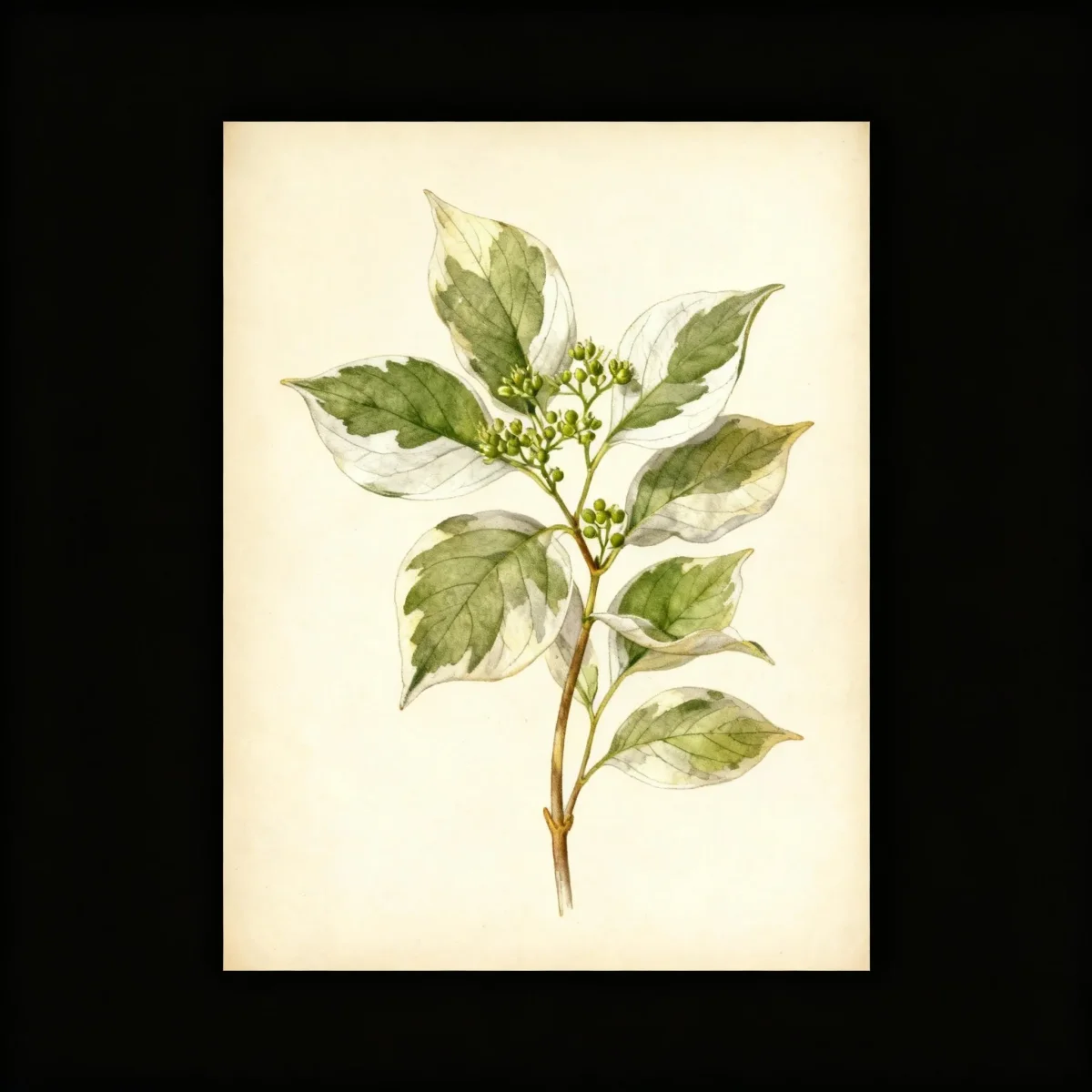
Dogwood (Cornus drummondii)
Roughleaf dogwood, Cornus drummondii, is a thicket-forming shrub perfect for moist areas, offering white summer blooms and bird-attracting berries.
Scroll down to discover growing tips, care requirements, companion plants, and more
Complete Plant Information
Overview
Cornus drummondii, commonly known as rough-leaved dogwood, is a versatile shrub native to Eastern North America highly valued for its naturalistic growth habit. Unlike the famous flowering dogwood, this species forms dense thickets, making it excellent for bank stabilization or creating informal screens. Gardeners appreciate this Dogwood for its resilience and the wildlife value provided by its late summer fruit display.
This species spreads via underground stems, quickly developing into substantial colonies in ideal, moist conditions, though in some regions like Missouri, Cornus drummondii is surprisingly adaptable to drier sites. It provides multi-season interest, starting with small, creamy flowers followed by white berries highly attractive to birds, and finishing with variable, often attractive fall foliage.
If you are seeking a functional native shrub that thrives in damp soil but can handle neglect, the rough-leaved Dogwood is an excellent choice. Its medium growth rate and ability to form dense masses make it a staple in naturalistic landscape designs where minimal intervention is desired for this specific Dogwood variety.
Fast Facts
- Plant Family: Cornaceae
- Plant Type: Deciduous shrub
- Native Range: Eastern North America
- Hardiness Zones: USDA Zones 5-8
- Size at Maturity:
- Height: 6-15 ft
- Spread: 6-15 ft
- Bloom Time: May to June
- Bloom Description: Yellowish-white
- Sun Exposure: Full sun to part shade
- Water Needs: Medium to wet
- Maintenance Level: Medium
How to Grow
The best time to establish Cornus drummondii is typically during the dormant season, either in early spring before bud break or in the fall after leaf drop. Select a site receiving full sun to partial shade, as this Dogwood is quite adaptable. Planting requires average soil, but it particularly favors medium to wet conditions, performing better than many other Missouri native dogwoods in damper areas.
Cornus drummondii requires medium maintenance. While it tolerates a wide range of soils, including poorer substrates, consistent moisture is beneficial until the plant is fully established. Fertilization is rarely necessary for native species grown in their preferred range. Pruning should focus on occasional removal of damaged or errant stems, or heavier renewal pruning if you wish to control its spreading, thicket-forming nature.
Due to its spreading nature, plant this shrub where its colonies are welcome. If you need to restrict its spread, plant it within a root barrier or a deep container sunk into the ground. This allows you to enjoy the beauty of Cornus drummondii without letting it dominate a border area.
Landscape Uses
The ornamental value of this particular Dogwood is centered less on singular specimen appeal and more on mass effect and function. Because Cornus drummondii forms such dense thickets by spreading underground, it excels in naturalistic plantings where the goal is to mimic native habitat or create an effective ecological buffer. It is best utilized in moist soils where its tendency to spread can be fully embraced.
Use rough-leaved dogwood as robust property line screens, offering year-round structure and seasonal interest. It also performs well as an informal hedge, softening hard lines in the landscape, or at the back of a shrub border where its height (up to 15 feet) won’t overwhelm shorter features. Avoid placing it in highly formal settings where strict shape maintenance is expected.
When designing groupings, pair Cornus drummondii with other moisture-loving native shrubs or perennials that appreciate similar growing conditions. Its foliage and structure provide an excellent backdrop against plants offering different textures or brighter flower colors throughout the summer.
Standout Features
Noteworthy Characteristics
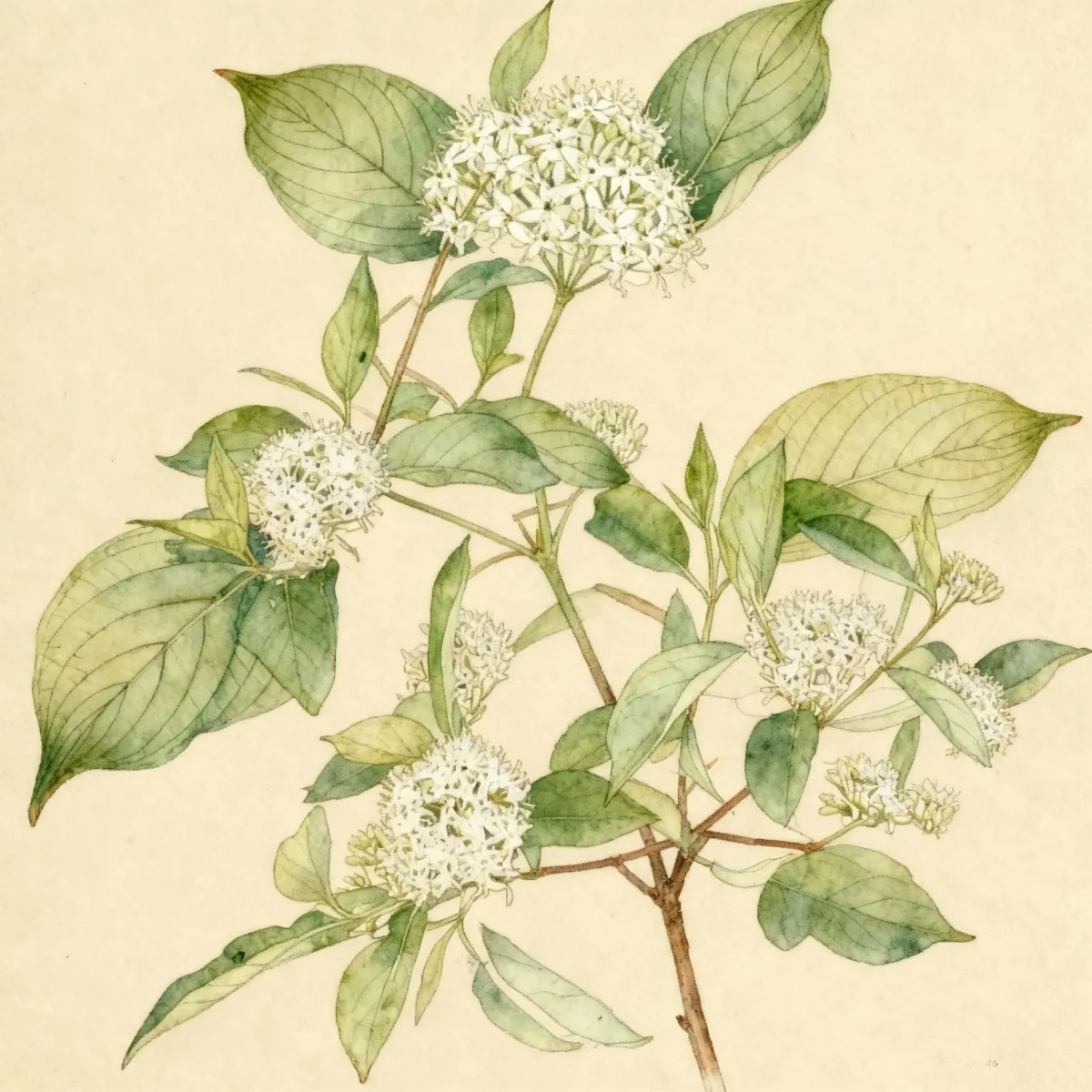
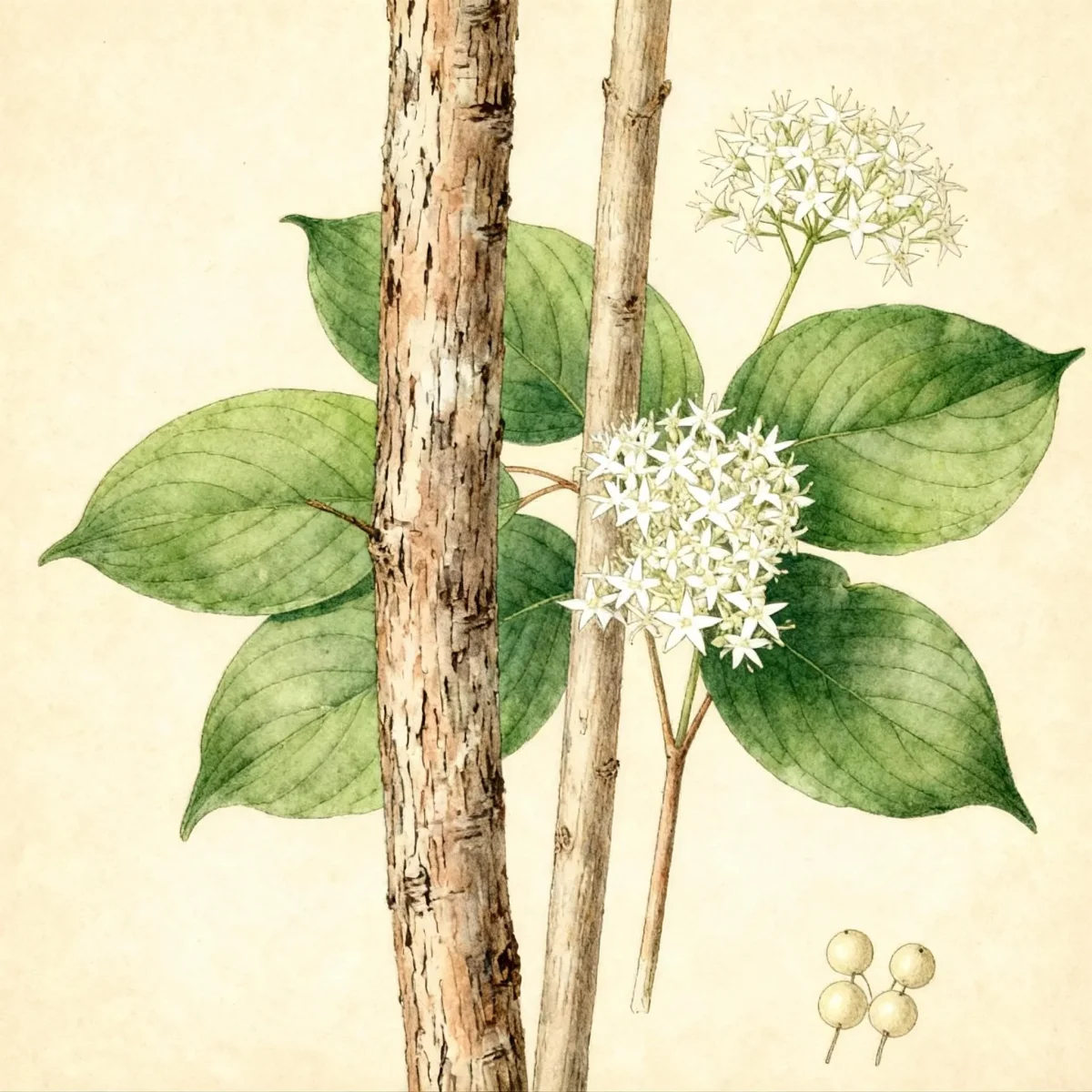
Cornus drummondii, commonly called rough-leaved dogwood, is a common, thicket-forming, Missouri-native dogwood that typically grows 6-15’ tall and as wide. Flowers lack the showy bracts of flowering dogwood (Cornus florida), being more similar in appearance to the flowers of gray dogwood (Cornus racemosa). Flowers give way to clusters of white drupes which mature in late summer. Genus name comes from the Latin word cornus meaning “horn”, possibly in reference to the strength and density of the wood.
Tolerances
- Deer
Potential Problems
This native species is generally robust and well-adapted, meaning it avoids serious insect or disease issues in its native range. However, you may occasionally observe some susceptibility to minor fungal issues such as leaf spot, twig and leaf blights, and canker. Occasionally, borers, scale, or leaf miners may become present, usually only on stressed plants. Good air circulation and avoiding overhead watering can help prevent most leaf spot issues common to Dogwood species.
Frequently Asked Questions
What hardiness zones is Dogwood suitable for?
Cornus drummondii is hardy and thrives across USDA Zones 5 through 8.
How large does Cornus drummondii grow?
This deciduous shrub typically reaches a height between 6 and 15 feet, developing a spread of 6 to 15 feet wide, often forming a thicket.
What sun exposure does rough-leaved dogwood need?
Plant Cornus drummondii where it can receive full sun or partial shade for best performance and health.
When does this Dogwood bloom?
The yellowish-white flowers of this Dogwood appear relatively late in the season, typically blooming from May into June.
Conclusion
The rough-leaved dogwood is a highly valuable plant for establishing naturalistic plantings, providing essential habitat, and managing moist soil areas effectively. Combining adaptability, summer blooms, and autumnal fruit interest, Cornus drummondii offers significant ecological benefits. Always check your local USDA zone compatibility before planning your placement of this sturdy Dogwood variety this season.
Wildlife Benefits
This Dogwood species serves as an important food source within its native landscape. The clusters of white drupes that mature in late summer are highly desirable for numerous bird species, significantly boosting backyard biodiversity. While the flowers are small and less showy than some other Dogwoods, they still provide nectar resources for early-season pollinators navigating the transition from spring blooms.
Allowing the fruit to remain on the branches through fall and winter provides critical sustenance when other food sources become scarce. Its dense, suckering habit also creates ideal cover and nesting sites for smaller wildlife, further cementing its value in native-focused garden designs.
Propagation Tips
Since Cornus drummondii readily spreads via underground stems, the most straightforward method of propagation, especially for maintaining genetic consistency, is division. During dormancy (late fall or early spring), carefully dig up rooted suckers that have developed away from the parent plant. Ensure each division has a healthy section of root attached, as this greatly increases establishment success.
For starting new plants from seed, collect the white drupes after they achieve full maturity in late summer. The seeds require a period of cold stratification to break dormancy, mimicking a natural winter cycle. Clean the seeds and plant them in a protected nursery bed or cold frame system, keeping the medium consistently moist through the stratification period needed for germination the following spring.