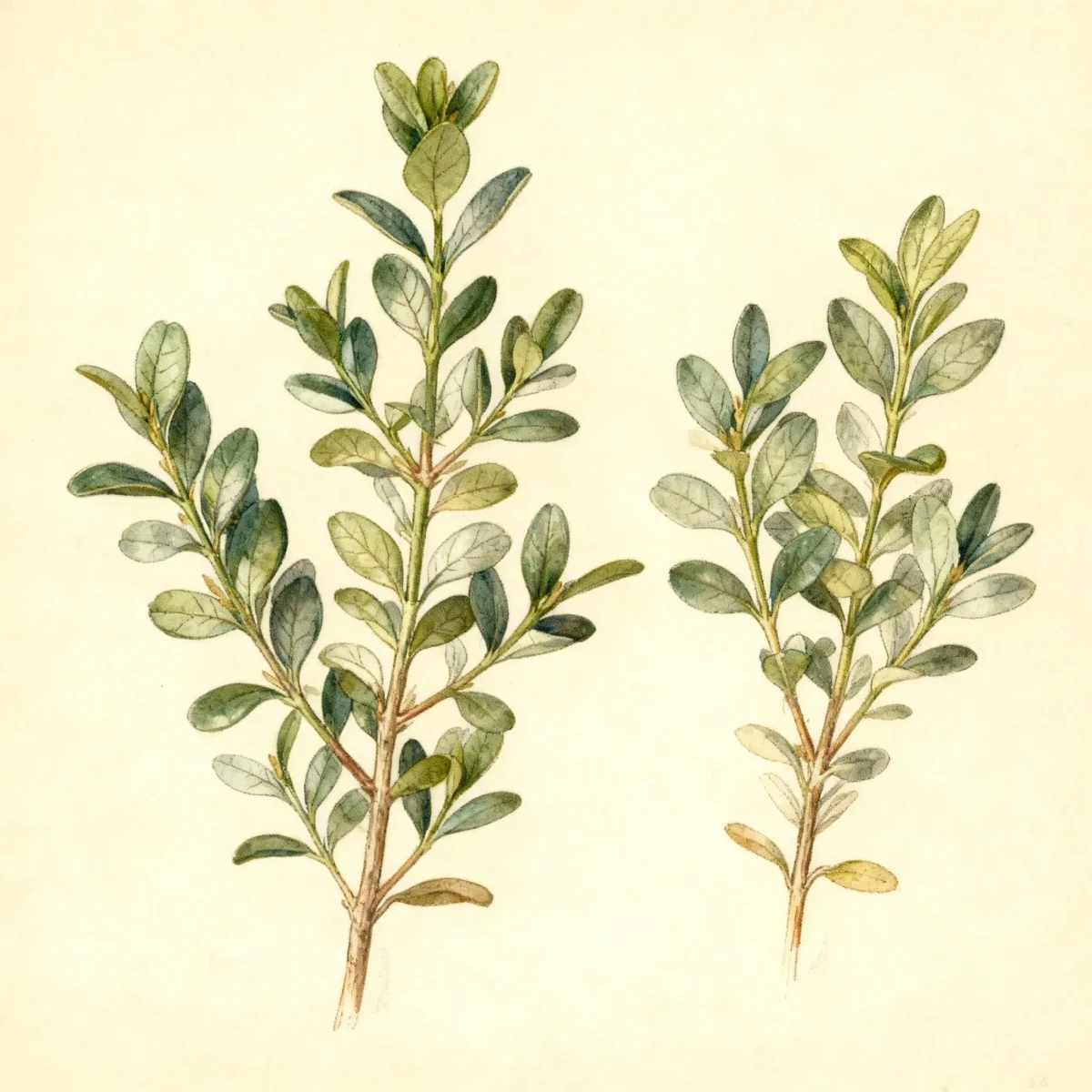
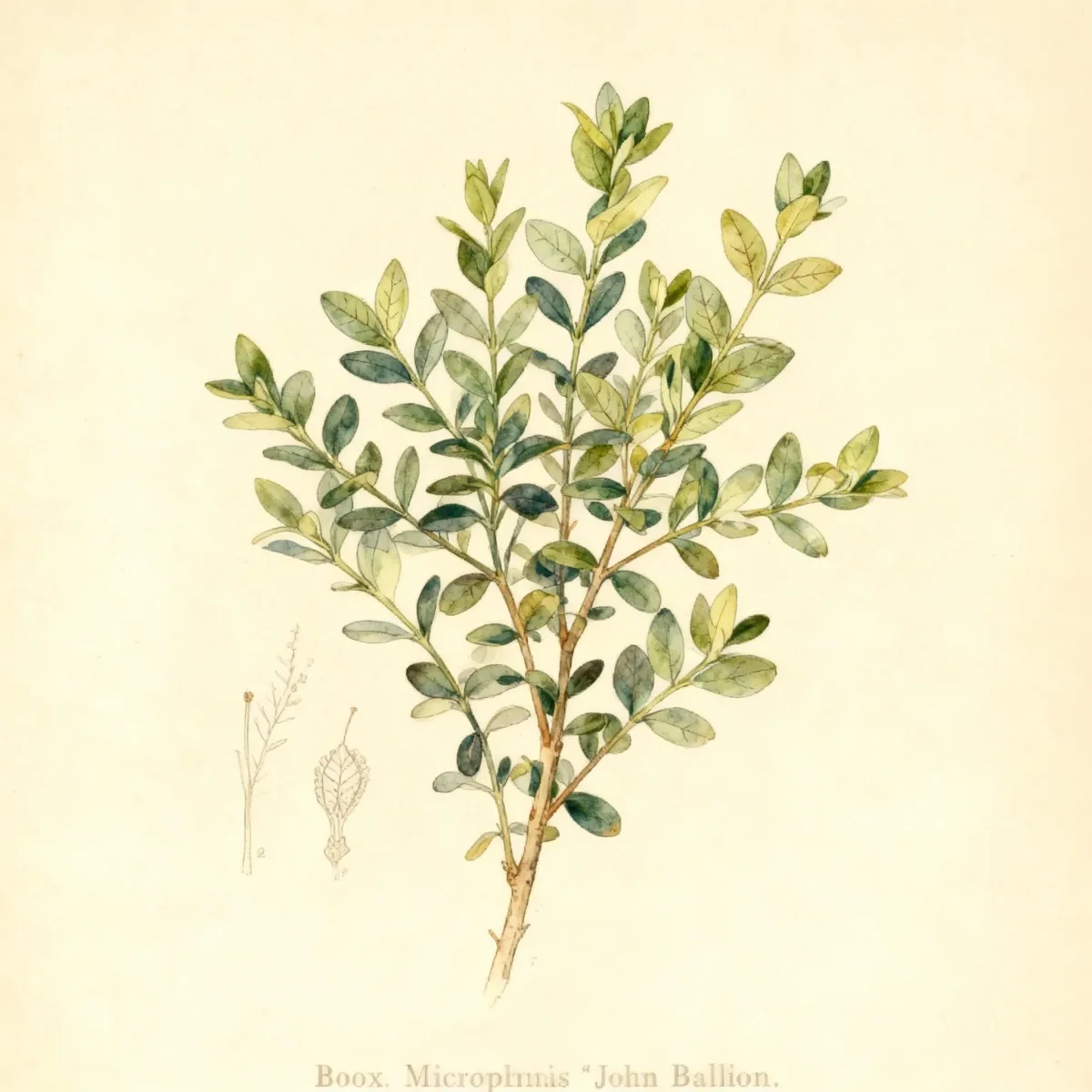
Boxwood (Buxus sempervirens 'Chloe')
Buxus sempervirens 'Chloe' Boxwood is an elegant, low-maintenance evergreen shrub valued for its silvery-green, compact form suitable for formal gardens or hedges.
Scroll down to discover growing tips, care requirements, companion plants, and more
Complete Plant Information
Overview
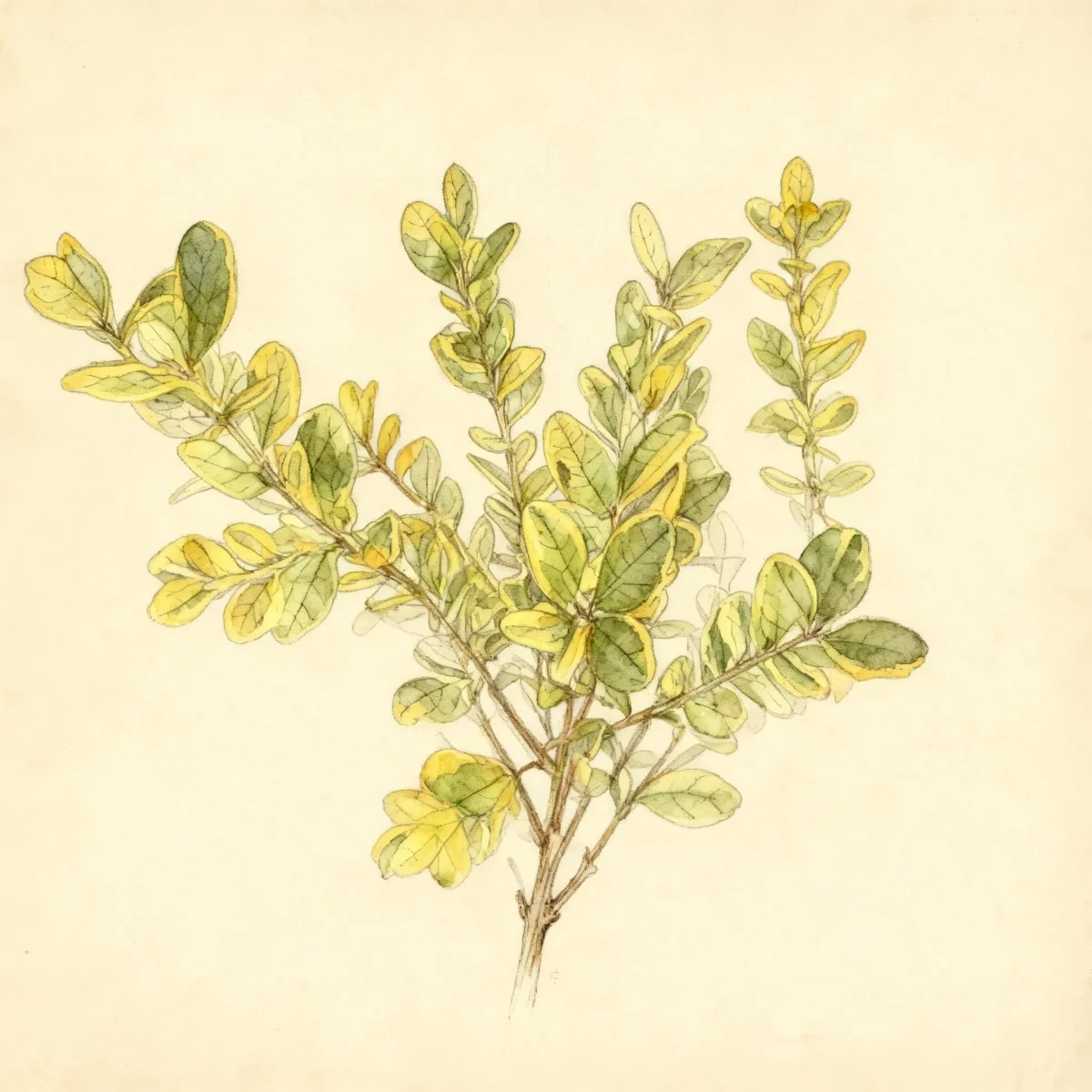
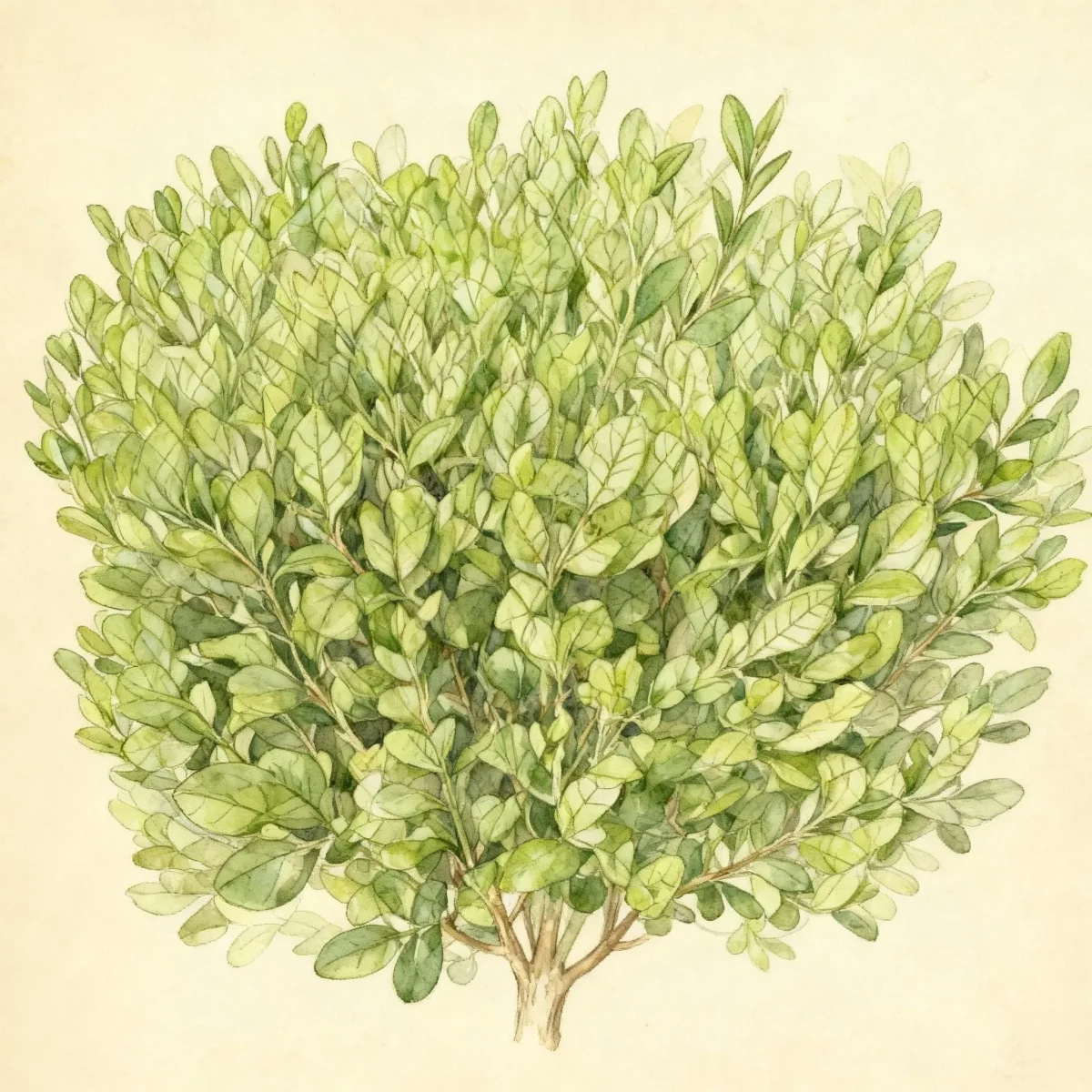
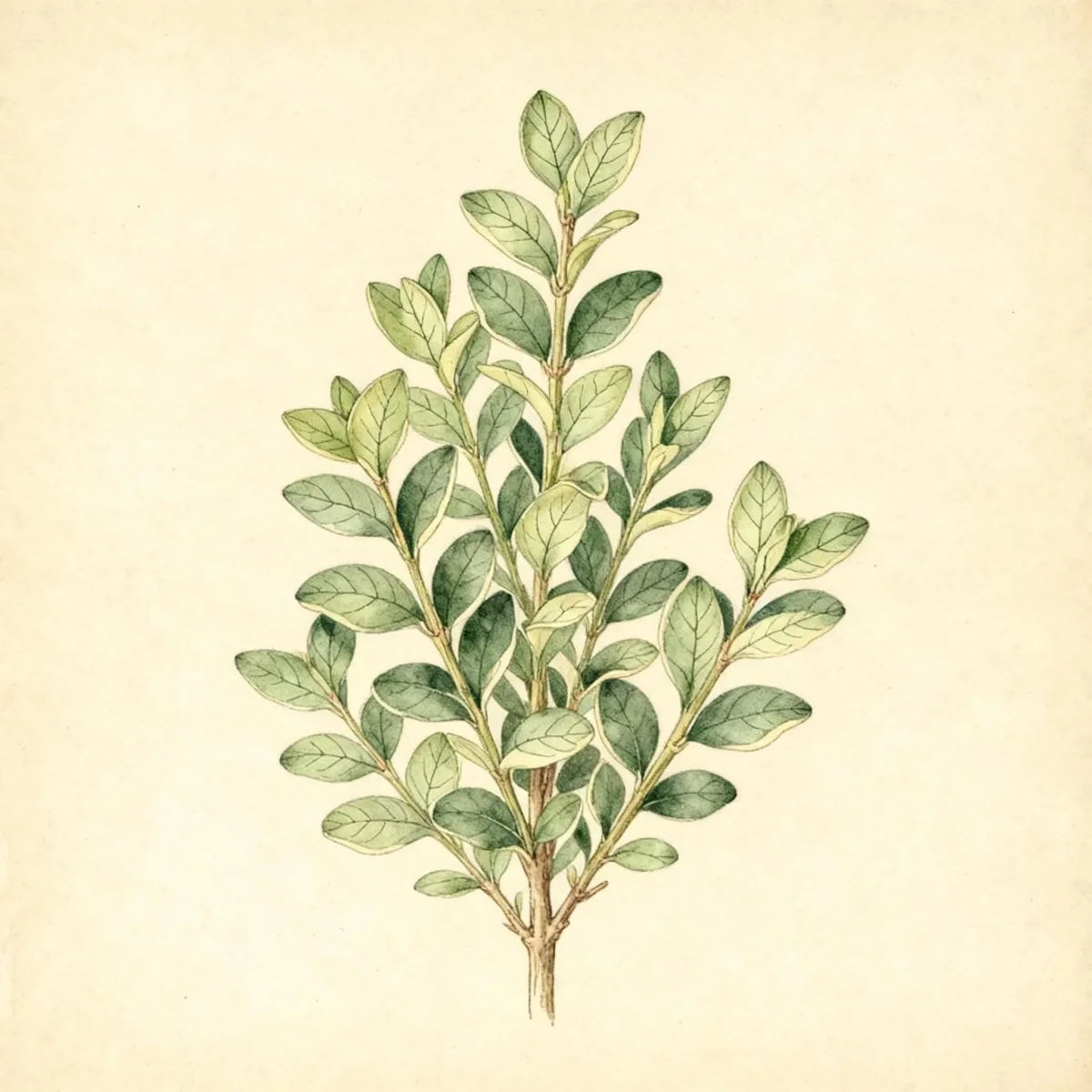
The Buxus sempervirens ‘Chloe’, commonly known as Boxwood, is an exceptionally valued broadleaf evergreen, prized for providing year-round structure in the landscape. This cultivar is particularly noteworthy because it maintains a naturally beautiful, rounded shape, often requiring minimal pruning to achieve a refined aesthetic. Maturing at approximately 5 feet tall and 4 feet wide, this Boxwood variation offers dense, attractive silvery-green foliage trimmed with a creamy-ivory margin.
As a classic element in garden design, Buxus sempervirens ‘Chloe’ excels where permanent structure is needed, making it a reliable choice for foundation plantings or defining formal garden beds. Although it flowers modestly, its primary ornamental value lies in its evergreen habit and clean silhouette. Gardeners appreciate its medium maintenance needs, provided it is sited correctly to avoid harsh winter exposure.
This Boxwood offers excellent versatility across USDA Hardiness Zones 5 through 8. Its resilience, coupled with its manageable size, ensures that the rich texture and color of Buxus sempervirens ‘Chloe’ remain a focal point regardless of the season.
Fast Facts
- Plant Family: Buxaceae
- Plant Type: Broadleaf evergreen
- Hardiness Zones: USDA Zones 5-8
- Size at Maturity:
- Height: 4.5-5 ft
- Spread: 3.5-4 ft
- Bloom Time: April to May
- Bloom Description: Whitish
- Sun Exposure: Full sun to part shade
- Water Needs: Medium
- Maintenance Level: Medium
How to Grow
Planting Buxus sempervirens ‘Chloe’ should ideally occur in the spring or early fall, allowing the shallow root system time to establish before extreme weather arrives. Select a location that offers protection from strong winter winds and intense afternoon sun, which can cause foliage bronzing. This Boxwood performs best in evenly moist, well-drained loams—a sand-clay mixture is often ideal. While it tolerates light shade, aim for a location receiving several hours of filtered morning sun or dappled light for best vigor.
Watering needs are medium; maintain consistently moist soil conditions, especially during establishment and dry summer periods. Avoid cultivating directly around the base of the plant due to its shallow roots; instead, apply a 1-2 inch layer of organic mulch, such as bark or compost, to help regulate soil temperature and moisture. Fertilizing should be approached conservatively.
Pruning should be minimal for this naturally rounded cultivar. If shearing is necessary, always wait until after the last damaging spring frost has passed. Trimming too early encourages tender new growth that is highly vulnerable to late frosts. Annually thin out the interior branches to enhance air circulation, which is crucial for preventing fungal issues.
Seasonal care focuses heavily on winter protection. If planted in a prominent full-sun spot, foliage can dehydrate and bronze under the combined stress of winter sun and desiccating winds. Ensure plants receive deep watering before the ground freezes completely in the late fall.
Landscape Uses
The compact size and naturally geometric habit of Buxus sempervirens ‘Chloe’ make it a superb choice for adding permanent structure to diverse garden styles. It is highly recommended when massed to create a narrow, formal hedge, where its defined 5-foot height provides excellent low screening or edging. Alternatively, use individual specimens as vertical accents within foundation plantings near entryways, offering year-round green interest.
This Boxwood integrates seamlessly into formal or Mediterranean garden schemes, where symmetry and clipped forms are desired. Its silvery-green and ivory-margined leaves pair beautifully with darker evergreens or the soft textures of perennials. Furthermore, Buxus sempervirens ‘Chloe’ is suitable for use as topiary subjects or as robust plantings within large containers, adding lasting definition to patios or terraces.
Standout Features
Flower Qualities
- Insignificant
Noteworthy Characteristics
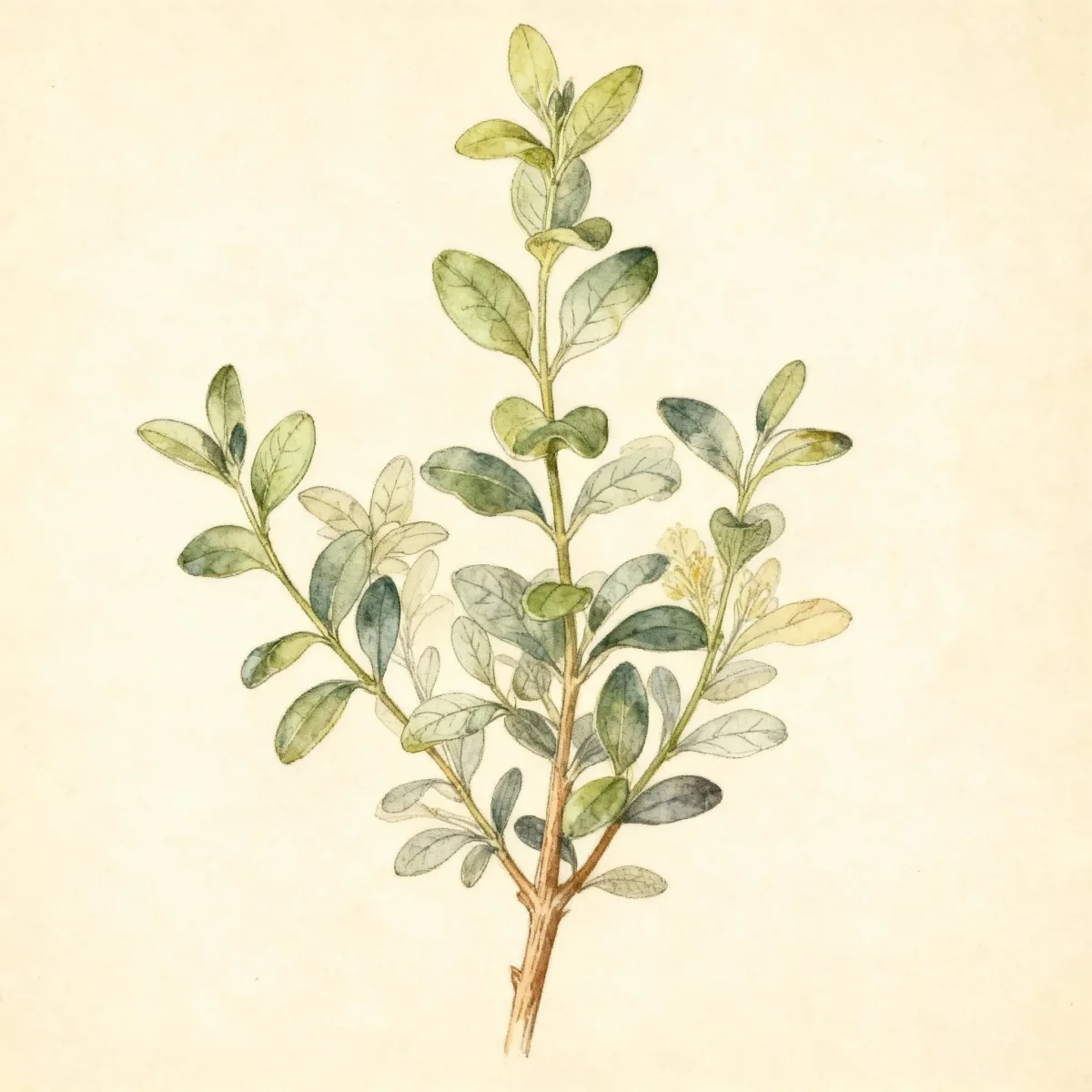
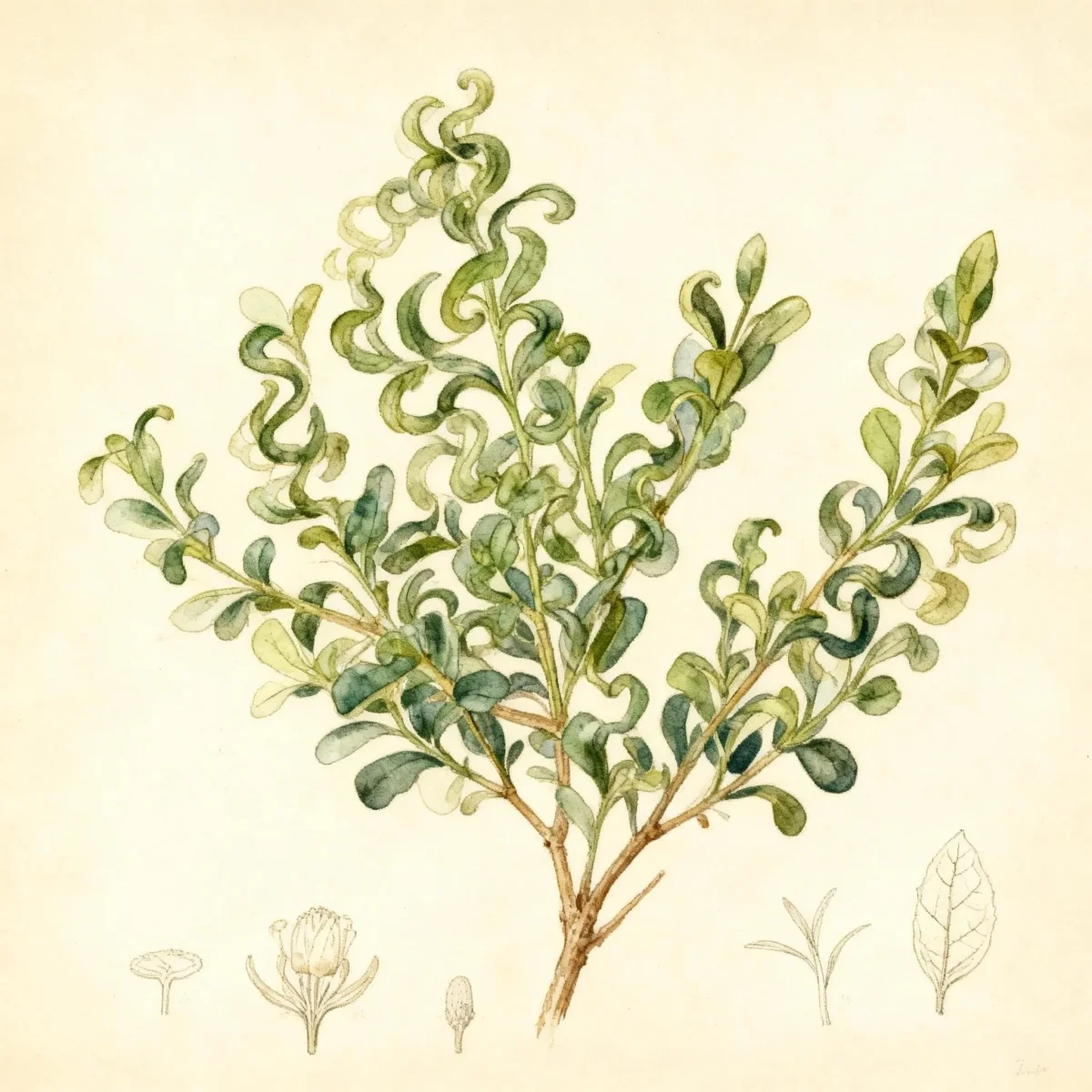
Buxus sempervirens is typically a rounded to broad-rounded shrub native to open woodlands and rocky hillsides across Southern Europe and Western Asia. Its small, evergreen leaves are simple, opposite, and dark glossy green above, providing year-round visual appeal. The ‘Chloe’ cultivar is an elegant selection, maturing around 5 feet tall and wide, distinguished by its attractive silvery-green foliage edged with a creamy-ivory margin, maintaining its beautiful rounded shape naturally.
Tolerances
- Rabbit
- Deer
Potential Problems
Boxwood foliage frequently exhibits winter bronzing, turning an unattractive brownish-yellow, particularly when exposed to full sun and winter drying winds. To mitigate this, site the plant where it receives some protection from the harshest winter elements, and ensure deep watering before frost. Fungal diseases are a concern; susceptible issues include boxwood blight, volutella blight, and leaf spot, often exacerbated by poor air circulation. Annual pruning to thin the interior can improve airflow and reduce humidity buildup. Root rot is a risk in saturated soils, emphasizing the need for well-drained planting locations. Watch for common pests like the boxwood leafminer, mite, or psyllid, treating promptly if infestations occur.
Frequently Asked Questions
What hardiness zones is Boxwood suitable for?
Buxus sempervirens ‘Chloe’ is well-suited for growing in USDA Hardiness Zones 5 through 8.
How large does Buxus sempervirens ‘Chloe’ grow?
This elegant Boxwood typically reaches a height between 4.5 and 5 feet, with a spread ranging from 3.5 to 4 feet at maturity.
What sun exposure does Boxwood need?
This cultivar thrives best in locations receiving full sun to part shade, making it adaptable to various light conditions, though afternoon shade can protect foliage from harsh summer scorch.
When does Boxwood bloom?
The inconspicuous blooms of Buxus sempervirens ‘Chloe’ appear between April and May and are described as whitish.
Conclusion
The Boxwood (Buxus sempervirens ‘Chloe’) remains a premier choice for gardeners needing reliable, year-round structure and elegant contrasting foliage in temperate landscapes. Its self-shaping habit minimizes maintenance while providing formal appeal suitable for hedges or specimen use. Before planting, confirm your site offers well-drained soil and sufficient wind protection to ensure this beautiful Boxwood maintains its deep green structure through the winter months.
Design Ideas
The strong evergreen presence of Buxus sempervirens ‘Chloe’ establishes excellent contrast against deciduous plant material or flowering perennials. Use it to line walkways or frame doorways, providing a formal, architectural backbone that remains visible even when other plants are dormant. Its tighter form compared to standard Buxus sempervirens means it requires less intensive shearing, preserving its natural grace.
Consider mass planting Buxus sempervirens ‘Chloe’ to create a low, continuous boundary or low hedge along property lines or garden paths. The silvery overlay on the leaves catches light beautifully, offering highlights in darker borders. Pair it with plants that prefer similar pH levels and moisture requirements, such as certain Japanese maples (in shade) or small conifers that offer deep, contrasting needle texture.
Companion Planting
Due to its preference for slightly acidic to slightly alkaline, well-drained soil, the Boxwood pairs well with many common foundation shrubs that share similar cultural needs, provided they don’t require highly moist conditions that lead to root rot. White or blue flowering hydrangeas, particularly those in shady margins, can offer seasonal color against the steady green backdrop of the Buxus sempervirens ‘Chloe’.
For texture contrast, consider pairing this fine-textured evergreen with coarse groundcovers or upright grasses that offer seasonal movement. Since Boxwood roots are shallow, avoid aggressively tilling the soil near the plant base; instead, select companion plants that establish easily without disturbing the established Boxwood root zone.