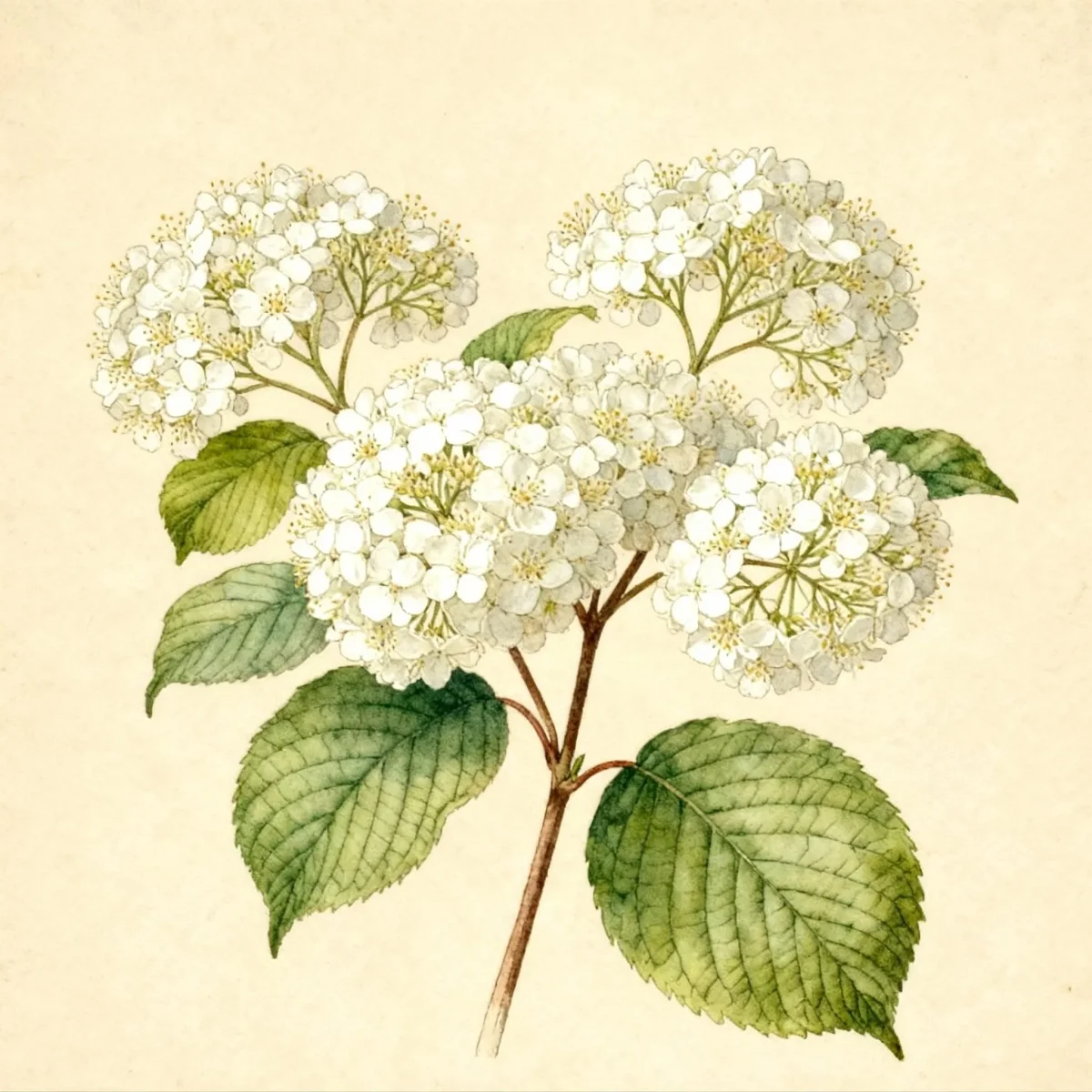
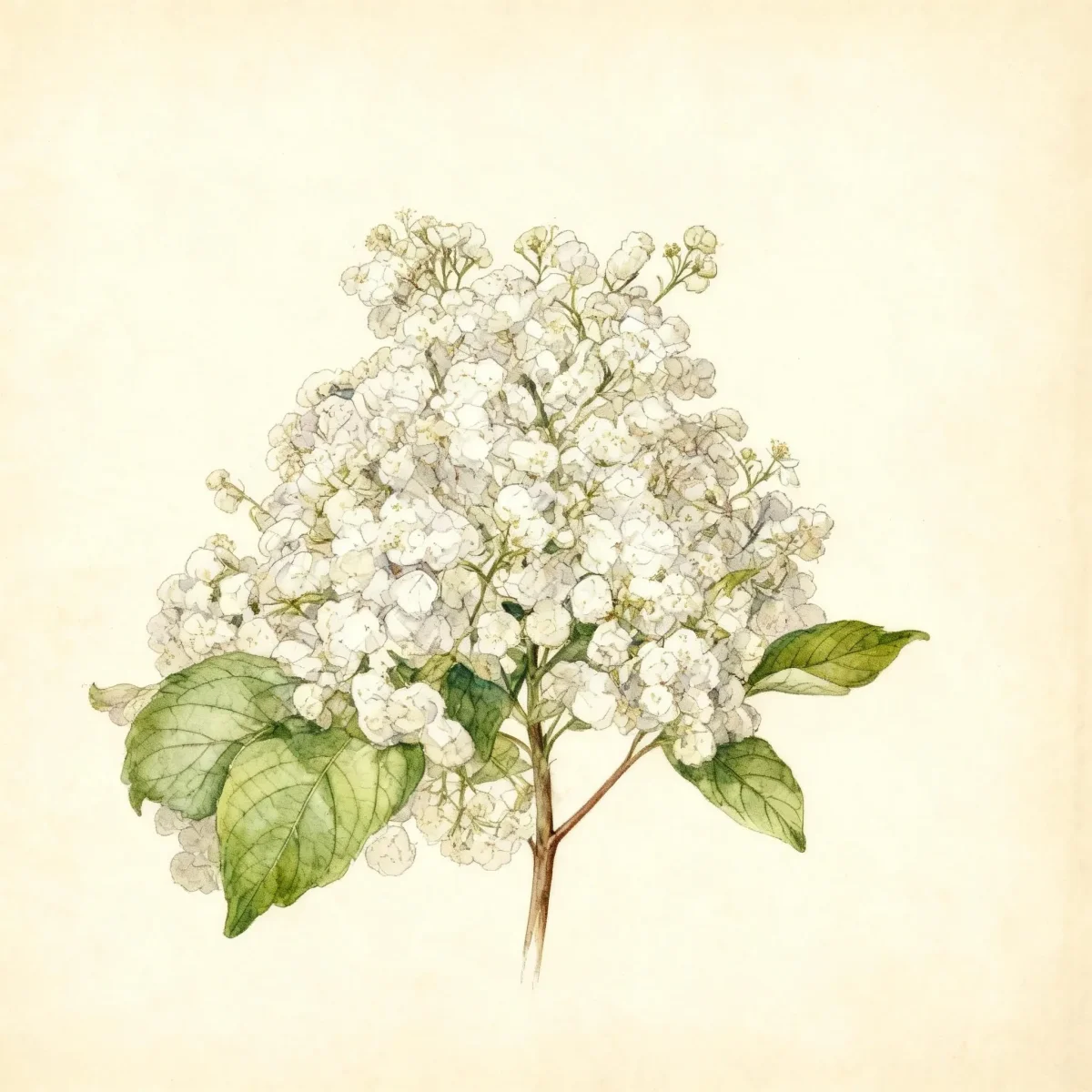
Japanese snowball (Viburnum plicatum f. tomentosum 'Summer Snowflake')
The Summer Snowflake Japanese snowball, Viburnum plicatum f. tomentosum 'Summer Snowflake', offers long-lasting white blooms and low maintenance in zones 5-8.
Scroll down to discover growing tips, care requirements, companion plants, and more
Complete Plant Information
Overview
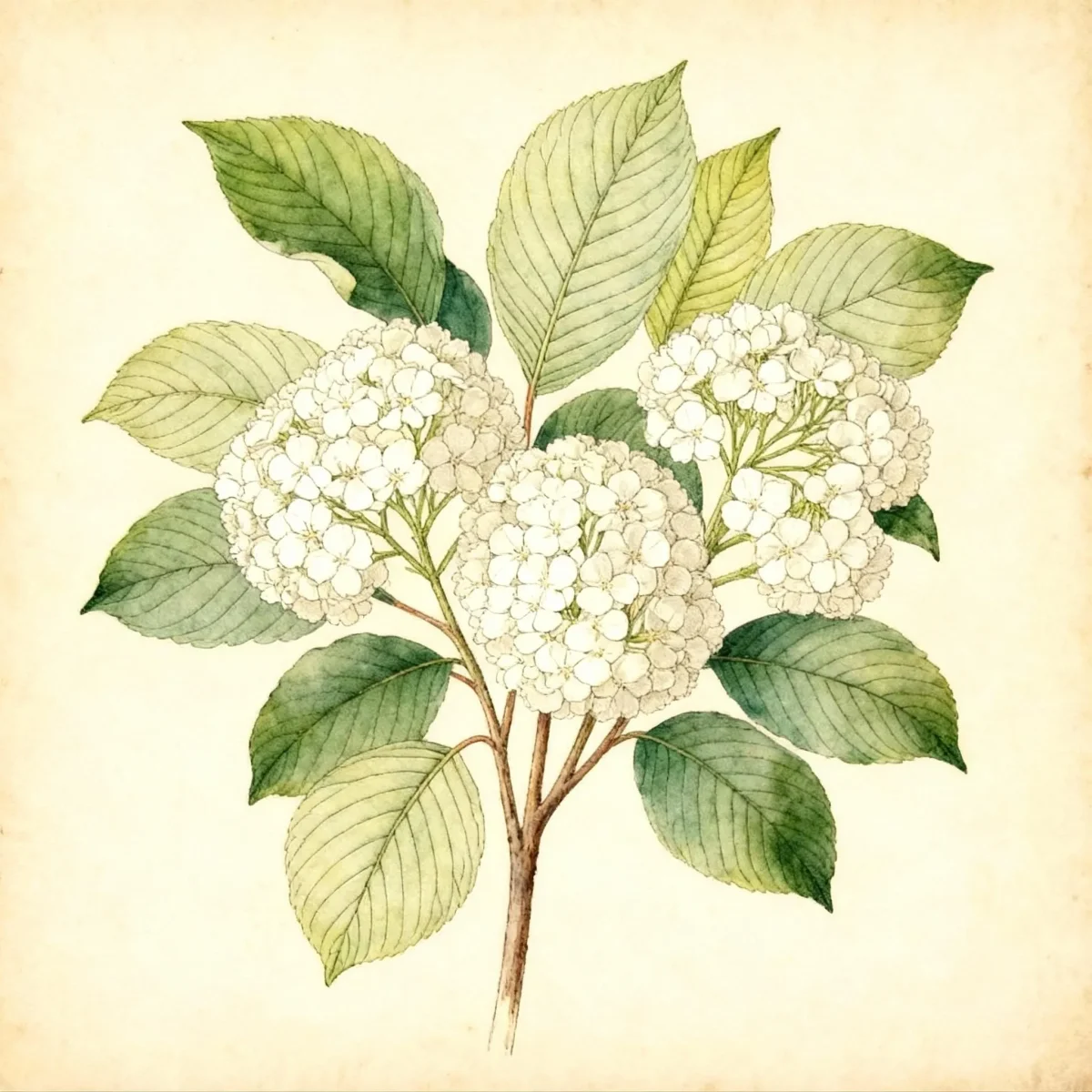
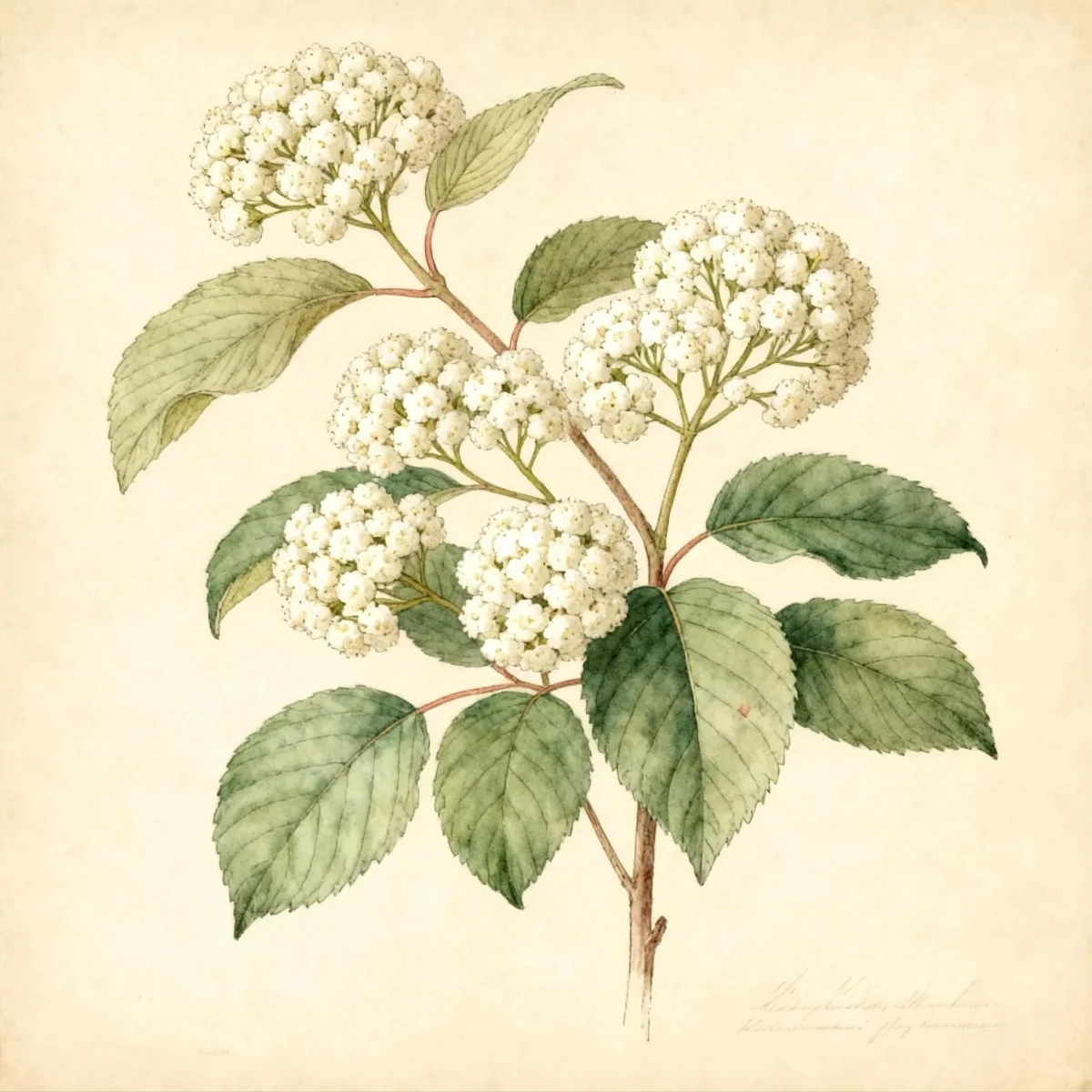
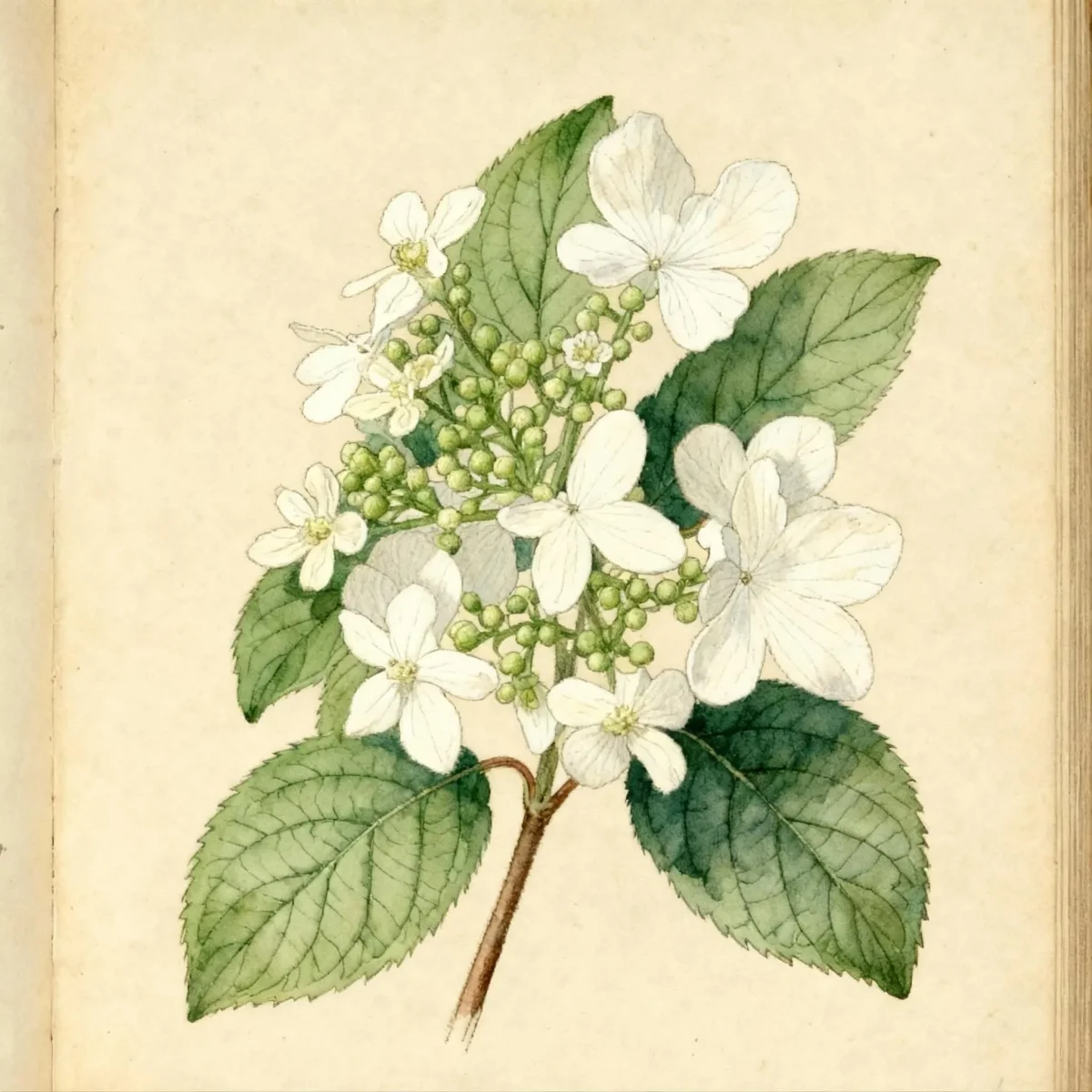
Viburnum plicatum f. tomentosum ‘Summer Snowflake’ is a highly valued ornamental deciduous shrub known for its extended beauty throughout the growing season. This cultivar of the Japanese snowball provides a consistent display of white, lacecap-like flowers, appearing first in spring and then sporadically continuing well into autumn. Its dense, upright habit and tiered branching make it an excellent structural element in the landscape.
This specific variety, sometimes referred to simply as Japanese snowball, offers gardeners a blend of elegance and resilience. It matures to a moderate size, fitting nicely into various garden settings without overwhelming the space. Gardeners appreciate the low maintenance requirements coupled with the dependable performance of Viburnum plicatum f. Tomentosum ‘Summer Snowflake’.
The foliage emerges distinctly veined and dark green, often developing attractive burgundy or purplish tones in the fall, adding seasonal interest beyond the long bloom period. For those seeking continuous floral rewards and reliable structure, the ‘Summer Snowflake’ Japanese snowball continues to be a staple choice.
Fast Facts
- Plant Family: Adoxaceae
- Plant Type: Deciduous shrub
- Hardiness Zones: USDA Zones 5-8
- Size at Maturity:
- Height: 5-8 ft
- Spread: 8-10 ft
- Bloom Time: May to September
- Bloom Description: White
- Sun Exposure: Full sun to part shade
- Water Needs: Medium
- Maintenance Level: Low
How to Grow
The ideal time to establish your Viburnum plicatum f. tomentosum ‘Summer Snowflake’ is during the cooler months of fall or early spring. Ensure the planting location offers good drainage; this shrub thrives in average, medium moisture, well-drained soils, though it tolerates a wide soil range provided moisture is consistent. Loamy soils that retain some moisture are preferred for the best performance.
Watering should be approached with consistency. While Viburnum plicatum f. tomentosum ‘Summer Snowflake’ exhibits drought tolerance once established, it flourishes best with even moisture, especially during the establishment phases and peak summer heat. Fertilizing is rarely required unless the soil is exceptionally poor; focus instead on maintaining good soil health through organic mulch.
Pruning should be managed judiciously. Prune this Japanese snowball as needed immediately after the main spring flowering period concludes. Avoid heavy pruning in late summer or fall, as you may remove developing buds for the next season’s sporadic blooms. Squirrels sometimes target early buds, but otherwise, this shrub faces no serious pest or disease pressures.
Landscape Uses
The upright and layered structure of the ‘Summer Snowflake’ Japanese snowball makes it highly versatile. It serves excellently as a specimen plant where its tiered branching habit can be fully appreciated. Furthermore, it performs reliably when used in shrub borders, providing mid-level height and continuous flowering interest throughout the season.
Because of its moderate size (5 to 8 feet tall), this Viburnum is also suitable for placement near foundations, provided there is adequate space for its mature 8 to 10-foot spread. Consider pairing Viburnum plicatum f. tomentosum ‘Summer Snowflake’ with late-season bloomers or plants known for strong fall color to complement its burgundy foliage. Its structure also works well in naturalized settings or mixed borders alongside early-blooming perennials.
Standout Features
Flower Qualities
- Showy
Fruit Qualities
- Showy
Noteworthy Characteristics
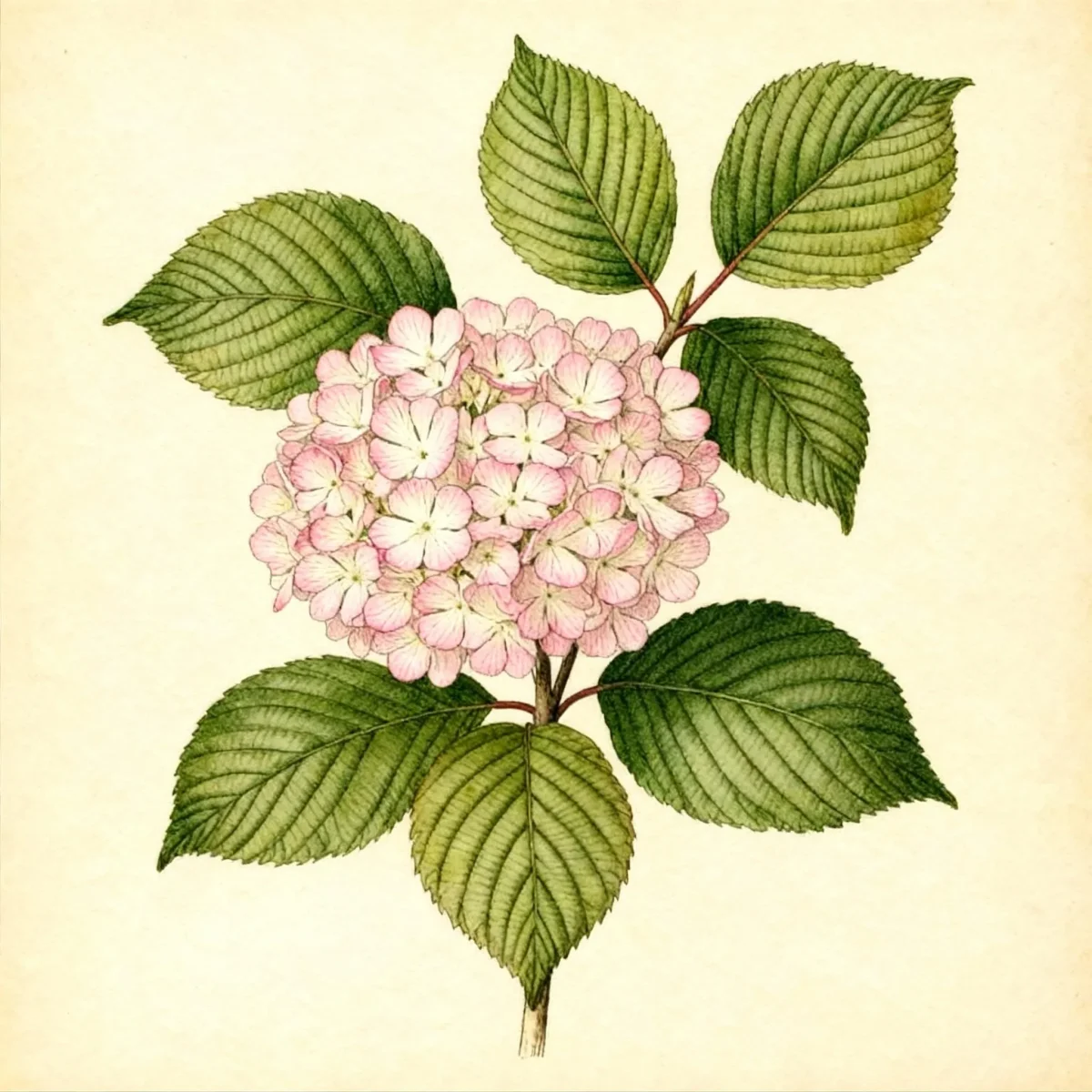
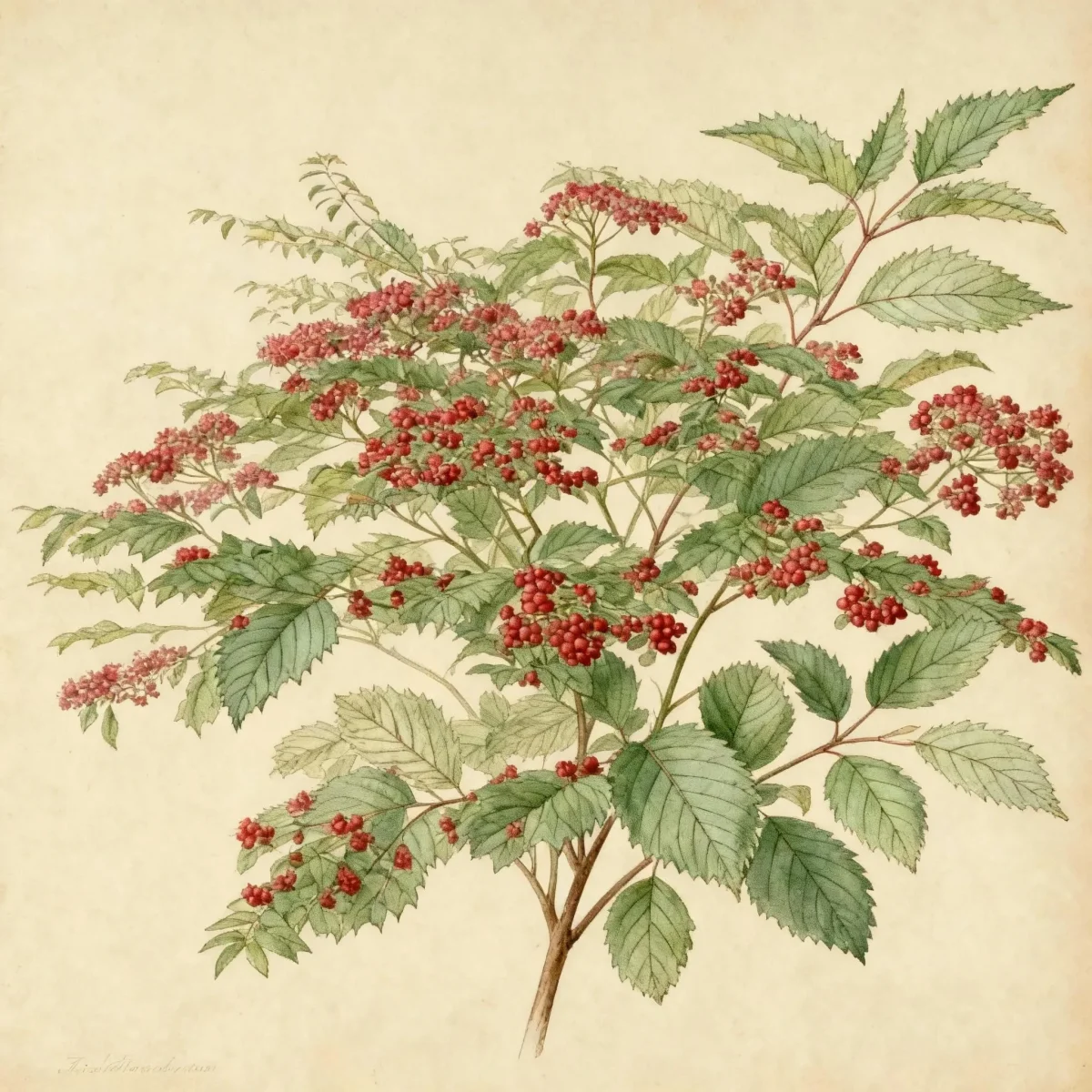
Viburnum plicatum f. Tomentosum ‘Summer Snowflake’ is distinguished by its extended bloom cycle, producing white, lacecap-like flowers from spring well into early fall. The foliage is ovate with strongly defined, pleated veins, turning attractive burgundy red hues in autumn. This upright cultivar typically matures smaller than the species, reaching 5-8 feet tall, offering flowers, developing fruits, and fall color simultaneously in early autumn.
Tolerances
- Drought
Potential Problems
This Japanese snowball generally avoids serious insect or disease issues, contributing to its low maintenance rating. The primary concern reported is pre-bloom bud damage caused by squirrels, particularly in late winter, which can lead to reduced or absent spring blooms. To mitigate this, ensure plants are well-established and healthy, as vigorous plants are sometimes less susceptible to bud loss.
Frequently Asked Questions
What hardiness zones is Japanese snowball suitable for?
The Viburnum plicatum f. tomentosum ‘Summer Snowflake’ performs best in USDA Hardiness Zones 5 through 8.
How large does Viburnum plicatum f. tomentosum ‘Summer Snowflake’ grow?
This cultivar typically reaches a mature height between 5 and 8 feet, with a spread ranging from 8 to 10 feet wide.
What sun exposure does Japanese snowball need?
For optimal flowering and health, provide your Japanese snowball with sun exposure ranging from full sun up to partial shade conditions.
When does Viburnum plicatum f. tomentosum ‘Summer Snowflake’ bloom?
This shrub is noted for blooming from May through September, showcasing profuse white flowers that reappear sporadically after the initial spring flush.
Conclusion
The Viburnum plicatum f. tomentosum ‘Summer Snowflake’ offers exceptional value due to its season-long floral display, attractive foliage, and exceptionally low maintenance needs. Integrating this reliable Japanese snowball into your garden guarantees structural beauty from spring through fall. Before planting, confirm your site conditions align with its USDA Zones 5-8 range and ensure consistent moisture during its first year in the ground.
Companion Planting
When planning plantings around your ‘Summer Snowflake’ Japanese snowball, select companions that enjoy similar growing conditions—medium moisture and full sun to part shade. Hostas and Astilbes are excellent partners for the shadier edges of its canopy, as they appreciate similar moisture levels and offer contrasting leaf textures during the summer lull. For areas receiving more sun, pair it with late-blooming perennials like Sedum ‘Autumn Joy’ or ornamental grasses such as Hakonechloa macra, ensuring your garden maintains visual interest as the Viburnum slows down its sporadic summer flowering.
Seasonal Care Calendar
Spring preparation for this Viburnum involves monitoring for squirrel activity affecting the emerging flower buds; healthy plants are the best defense. Once flowering subsides in late spring/early summer, this is the prime time for any necessary shaping or size reduction pruning. Throughout the summer, maintain consistent, medium watering, especially during dry spells to support the sporadic reblooming habit. In autumn, appreciate the burgundy leaf coloring and avoid heavy pruning to protect next year’s buds, ensuring the plant is well-mulched before winter sets in.