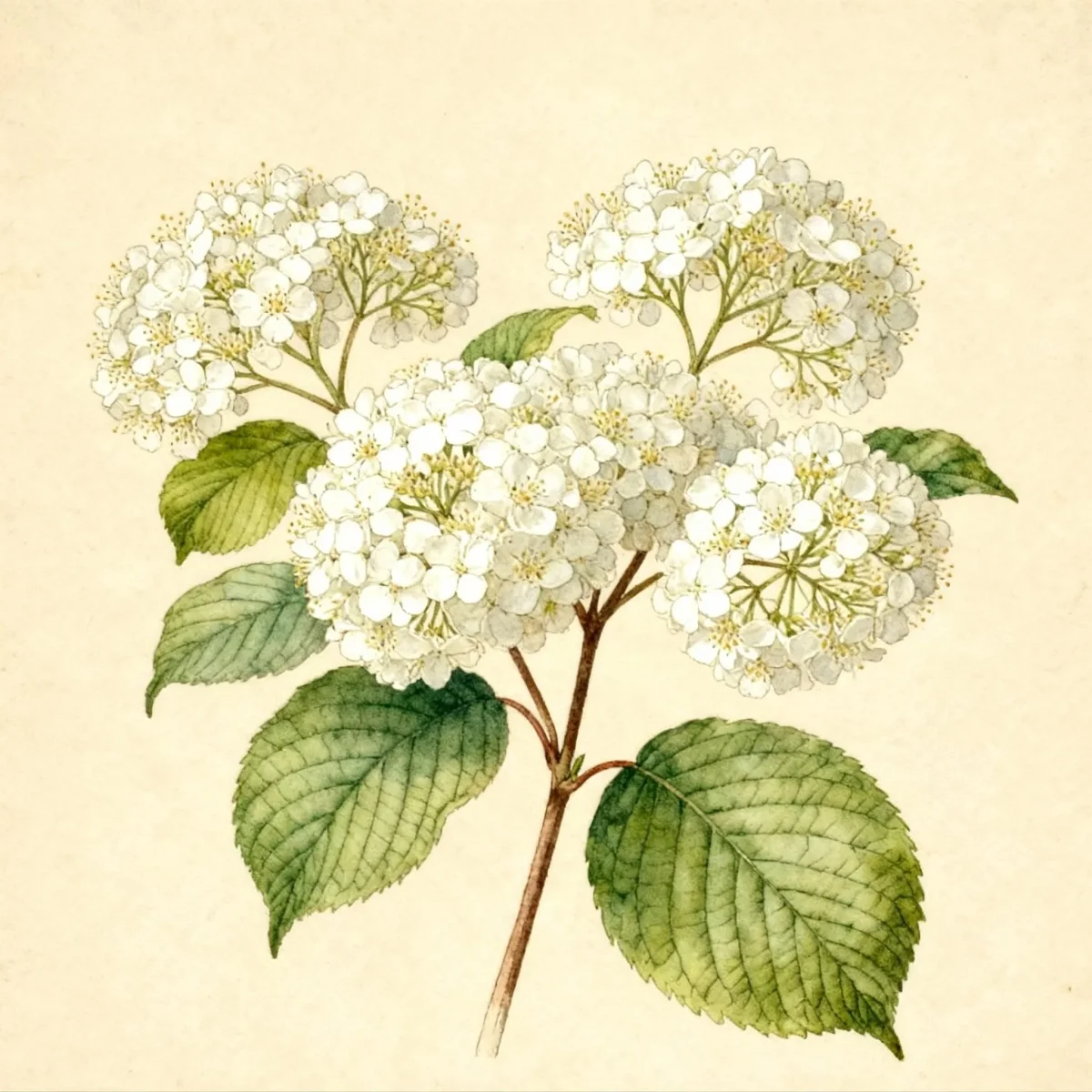
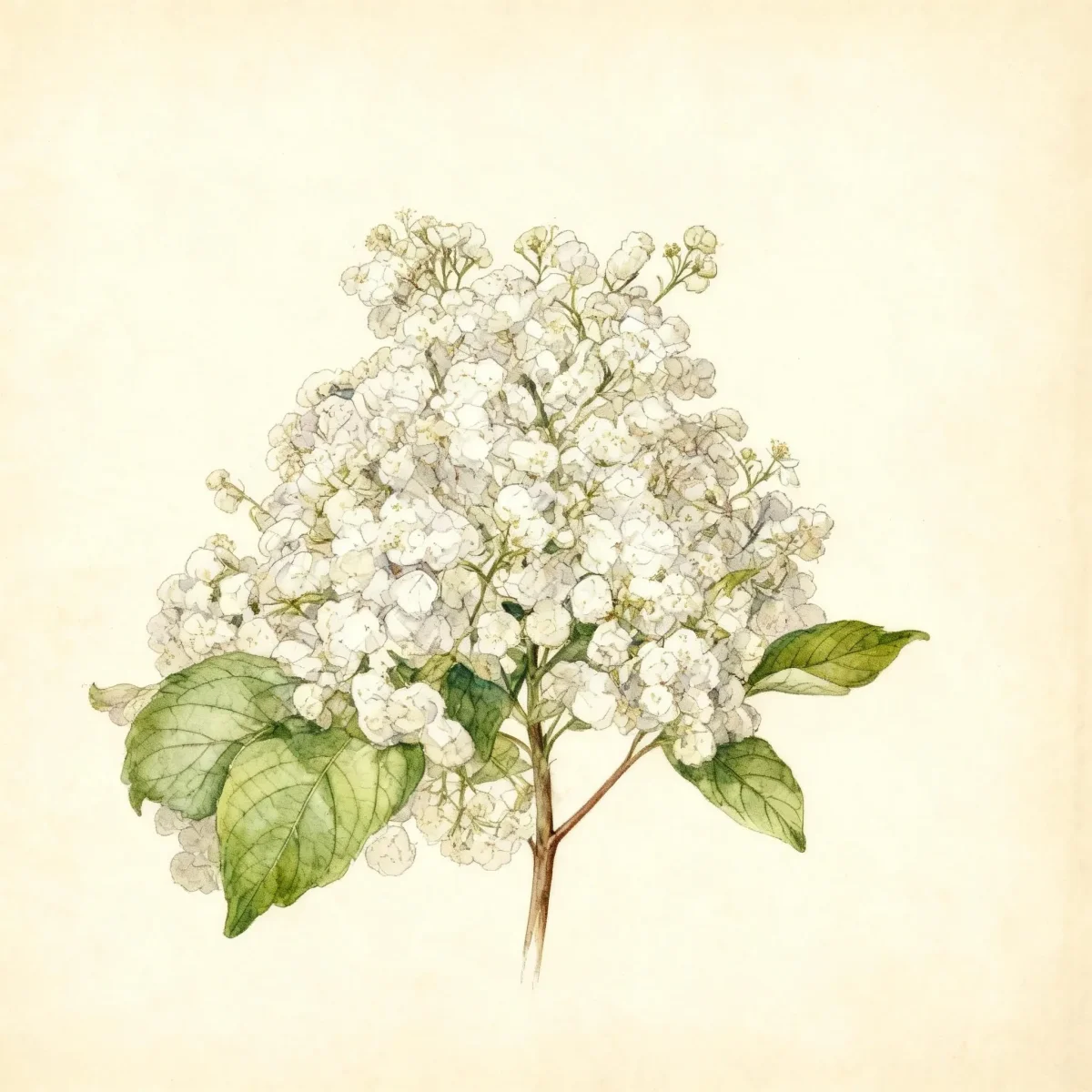
Japanese snowball (Viburnum plicatum f. tomentosum 'Roseum')
Enhance your landscape with Viburnum plicatum f. tomentosum 'Roseum', the low-maintenance Japanese snowball, offering spectacular pink-tinged white spring blooms.
Scroll down to discover growing tips, care requirements, companion plants, and more
Complete Plant Information
Overview
The Viburnum plicatum f. tomentosum ‘Roseum’, commonly known as the Japanese snowball, is cherished for its dense, upright growth habit and highly ornamental spring display. This deciduous shrub matures into a substantial specimen, capable of anchoring larger garden designs with its layered branching structure. Gardeners value this cultivar for its reliably low maintenance requirements once established.
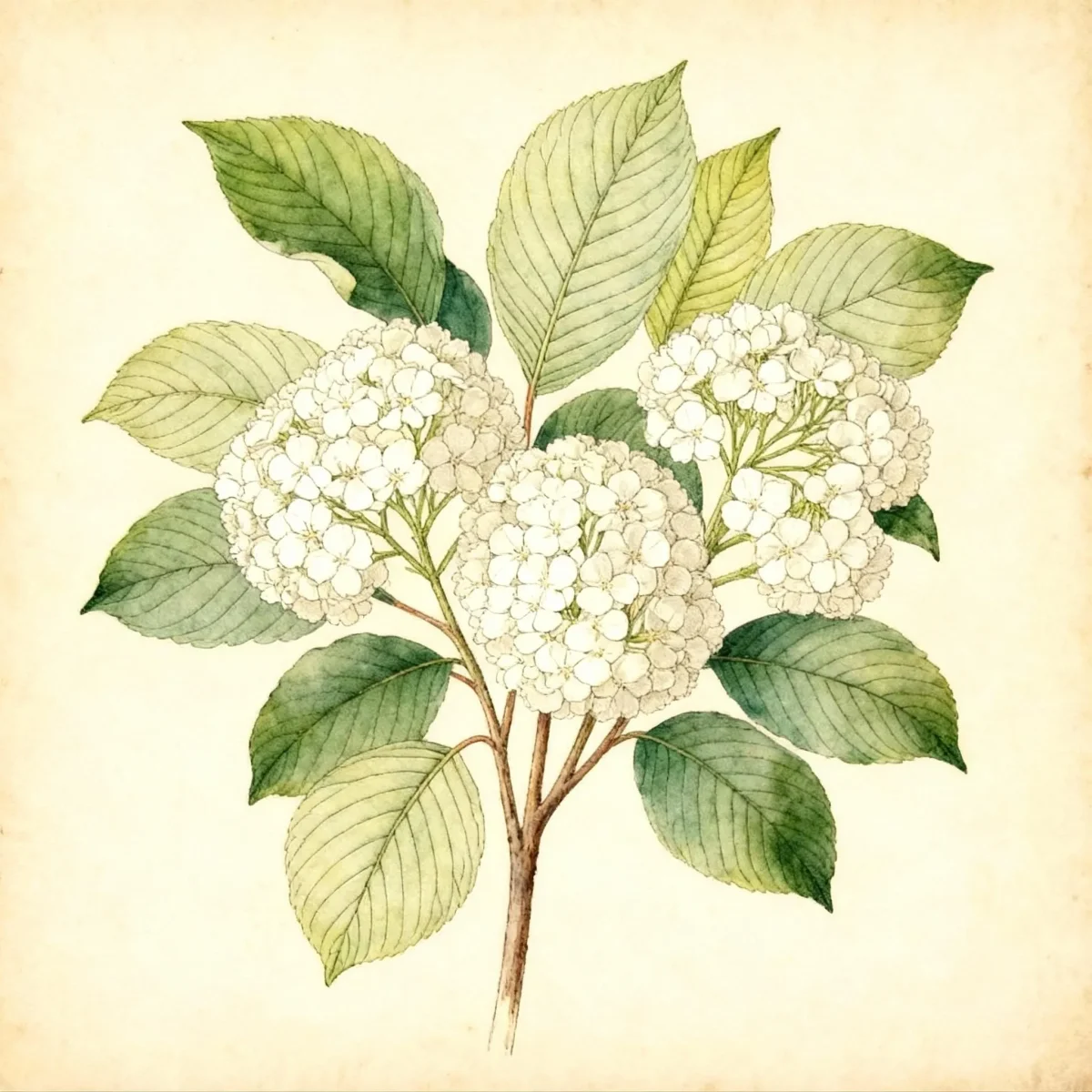
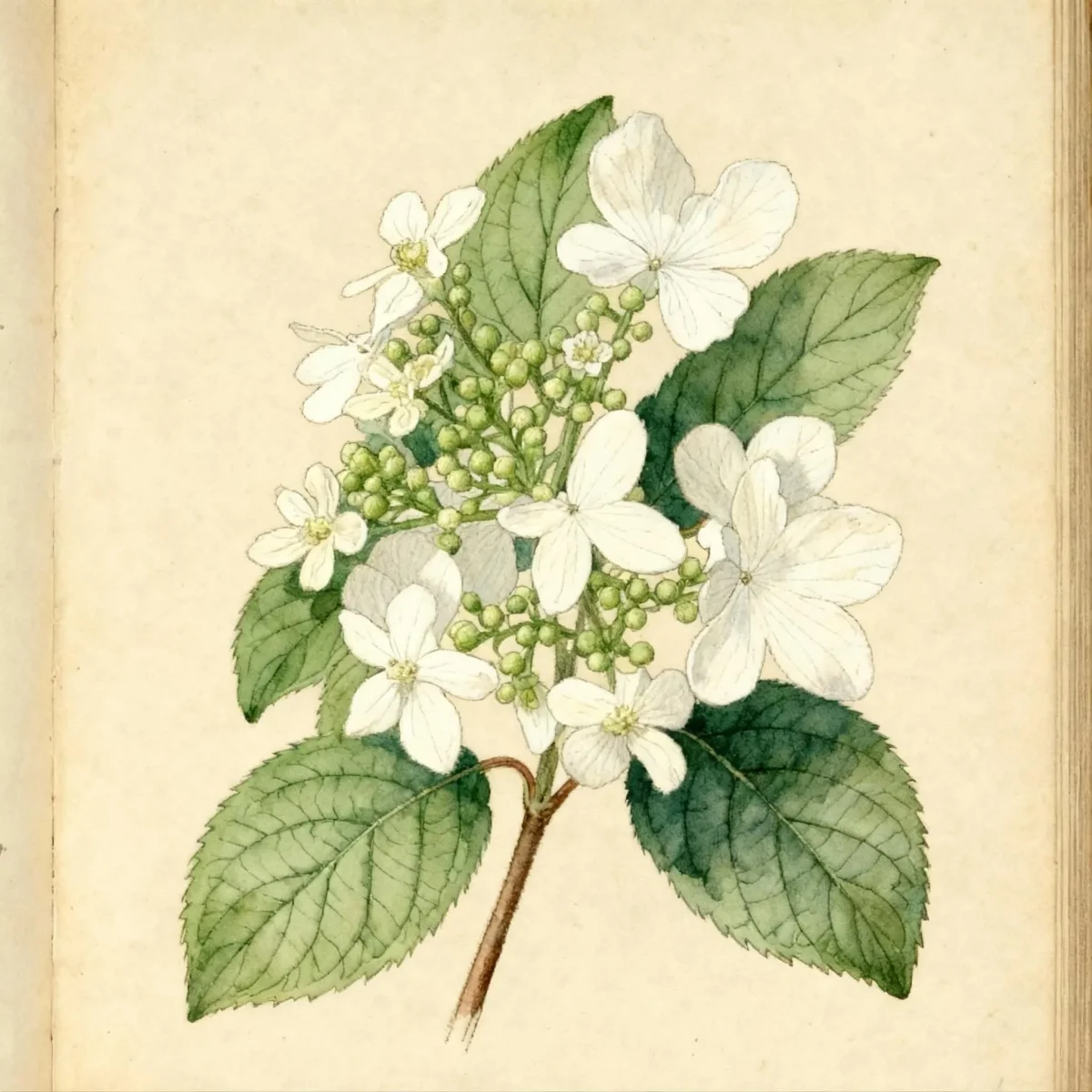
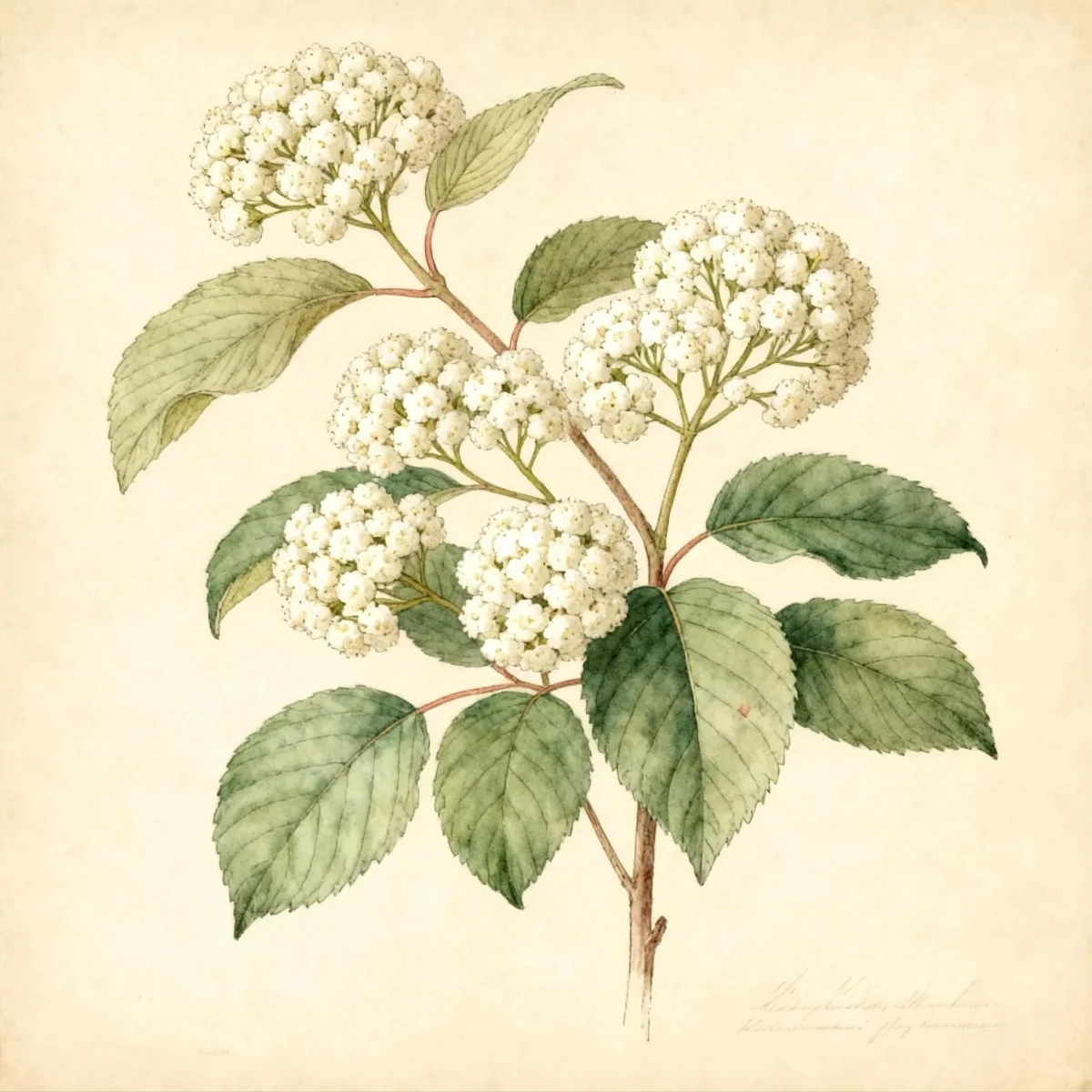
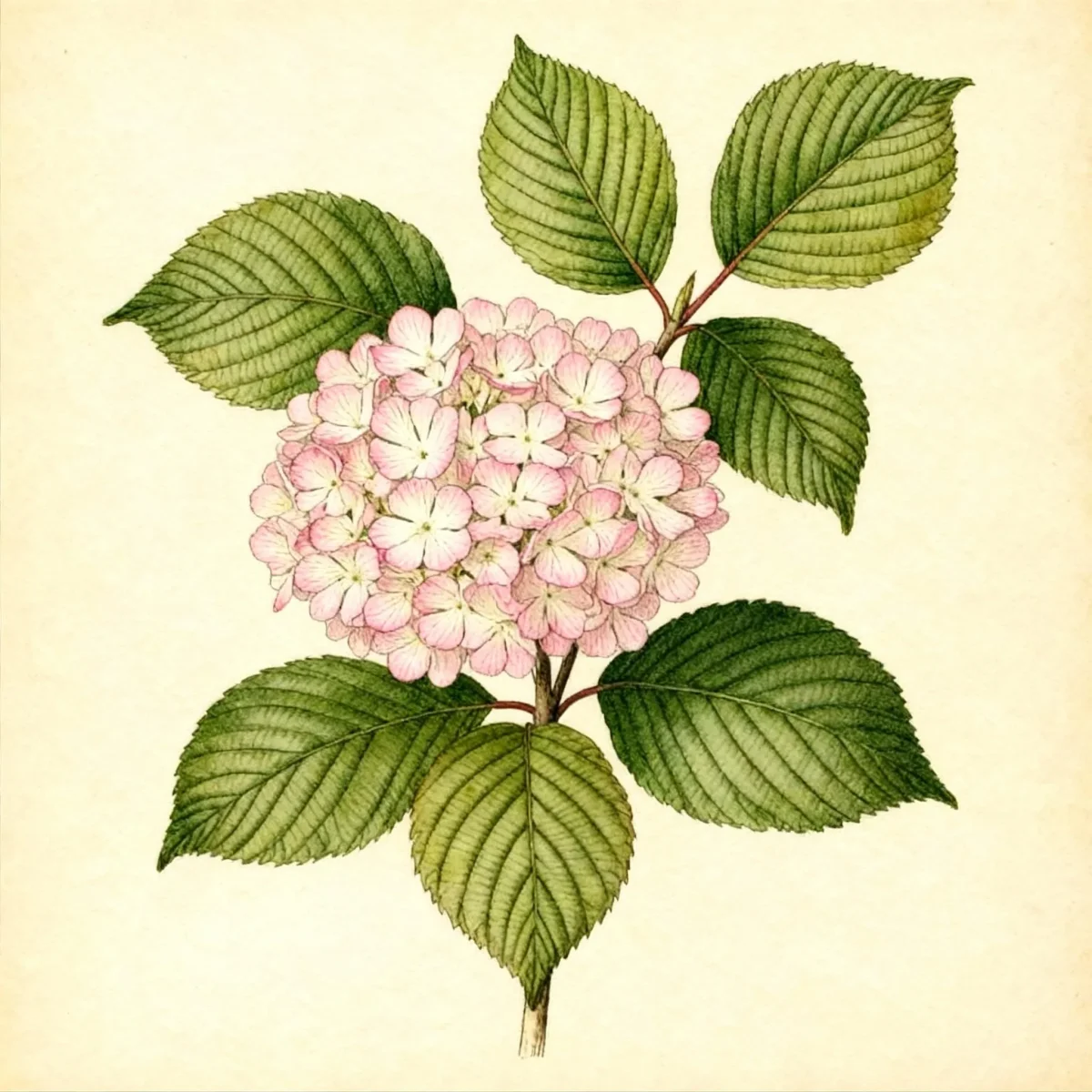
The signature feature of the Japanese snowball is its striking bloom, where sterile white flowers emerge before gradually maturing to an attractive deep pink hue. Foliage on Viburnum plicatum f. Tomentosum ‘Roseum’ is strongly veined and turns handsome burgundy red or purplish red in the autumn, extending its ornamental season beyond the flowering period.
This robust shrub offers significant aesthetic value, transitioning beautifully from spring flowers to attractive fall color and providing year-round structure. Finding the right location for Viburnum plicatum f. tomentosum ‘Roseum’ ensures a rewarding, long-loved landscape feature.
Fast Facts
- Plant Family: Adoxaceae
- Plant Type: Deciduous shrub
- Hardiness Zones: USDA Zones 5-8
- Size at Maturity:
- Height: 10-15 ft
- Spread: 10-15 ft
- Bloom Time: May
- Bloom Description: White aging to pink
- Sun Exposure: Full sun to part shade
- Water Needs: Medium
- Maintenance Level: Low
How to Grow
Planting the Japanese snowball is best achieved in the spring or fall while the plant is dormant to minimize transplant shock. Select a site offering full sun for the best flowering, though it tolerates part shade, which may slightly reduce bloom density. This species thrives in average, medium moisture, well-drained soil, though it shows adaptability and prefers moist loams.
Consistent watering is key, especially during the establishment phase. While Viburnum plicatum f. Tomentosum ‘Roseum’ shows drought tolerance once mature, providing medium, even moisture will ensure vigorous growth and optimal flowering. Fertilizing is rarely necessary if the soil is reasonably rich; an application of balanced slow-release fertilizer in early spring is sufficient if growth appears lackluster.
Pruning should be managed carefully. To maintain shape and encourage best flowering, prune the Viburnum plicatum f. tomentosum ‘Roseum’ only as needed, immediately after the spring flowering period concludes. Avoid heavy pruning in late summer or fall, as this removes next year’s developing flower wood.
Landscape Uses
The substantial size and layered branching habit of the Viburnum plicatum f. tomentosum ‘Roseum’ make it an excellent choice for creating bold structural statements in the garden. It performs exceptionally well when used formally as a screen or clipped hedge, utilizing its dense growth to define property lines or hide less attractive views. Its low maintenance status further aids its functionality in these high-impact locations.
Beyond formal hedging, this Japanese snowball excels as a specimen plant where its tiered structure can be admired, or massed in shrub borders to provide continuous seasonal interest. Its strong foliage, which features distinctive pleated veins, offers excellent texture against finer-leaved companions. Pair it with evergreens nearby to emphasize its beautiful burgundy fall coloration.
Consider its use near foundations where its mature height (10-15 ft) can be absorbed by the building structure, provided adequate space is given for its 10-15 ft spread to develop naturally.
Standout Features
Flower Qualities
- Showy
Noteworthy Characteristics
The scientific names refer to two distinct forms of the plant: the sterile cultivar, often sold as Viburnum plicatum f. Plicatum (true Japanese snowball bush), features orbicular, snowball-like flower clusters, while the wild-related taxon, f. Tomentosum, has flower clusters along tiered horizontal branches which can produce fruit. ‘Roseum’ exhibits flower clusters that emerge white and age beautifully to deep pink. The attractive, strongly-veined, ovate leaves contribute further interest by developing reddish to bronze-purple fall color.
Tolerances
- Drought
Potential Problems
The Japanese snowball generally presents few serious challenges regarding pests or diseases, contributing to its low maintenance ranking. The main concern reported by gardeners involves wildlife interference rather than true pathology. Squirrels have been observed nibbling on the unopened flower buds late in winter, which can significantly reduce or entirely eliminate the spectacular spring bloom display. To mitigate this, ensure continuous moisture throughout dry winter periods, as stressed plants are more susceptible to damage, or consider temporary physical deterrents until flowering begins.
Frequently Asked Questions
What hardiness zones is Japanese snowball suitable for?
Viburnum plicatum f. tomentosum ‘Roseum’ is hardy and reliably grows in USDA Hardiness Zones 5 through 8.
How large does Viburnum plicatum f. Tomentosum ‘Roseum’ grow?
This shrub typically reaches mature heights between 10 and 15 feet, with a comparable spread of 10 to 15 feet.
When does Japanese snowball bloom?
The bloom time for this cultivar is May, featuring flowers that initially display as white before aging to shades of pink.
What sun exposure does Viburnum plicatum f. tomentosum ‘Roseum’ need?
It performs best when situated in full sun to partial shade conditions.
Conclusion
The Viburnum plicatum f. tomentosum ‘Roseum’ is an excellent structural backbone for any garden, delivering dramatic spring blooms and dependable fall color with minimal required attention. Its size and aesthetic appeal confirm why the Japanese snowball remains a highly recommended choice for borders and screens. Assess your site conditions, ensuring you are within USDA Zones 5-8 and can provide a spot with full sun or partial shade, before planning your planting this season.
Companion Planting
Choosing companions carefully enhances the visual impact of Viburnum plicatum f. tardosum ‘Roseum’. Because it is a substantial shrub that demands medium moisture, pair it with other robust woodland edge plants that share similar cultural needs. Consider pairing the Japanese snowball with reliable, shade-tolerant perennials like Hosta cultivars, especially those with chartreuse or blue foliage, to contrast with its dark green summer leaves. For spring accents before the shrub fully blooms, early-blooming bulbs such as Daffodils work well near the base.
Design Ideas
The strong horizontal layering inherent in the Viburnum plicatum species lends itself beautifully to Asian-inspired or woodland-edge garden designs. Use Viburnum plicatum f. tomentosum ‘Roseum’ as a mid-to-background element in mixed borders, prioritizing its bloom time in May. When used as a foundation planting, ensure there is ample space (10-15 ft spread) to prevent overcrowding, allowing the classic tiered structure to emerge naturally without constant pruning intervention.