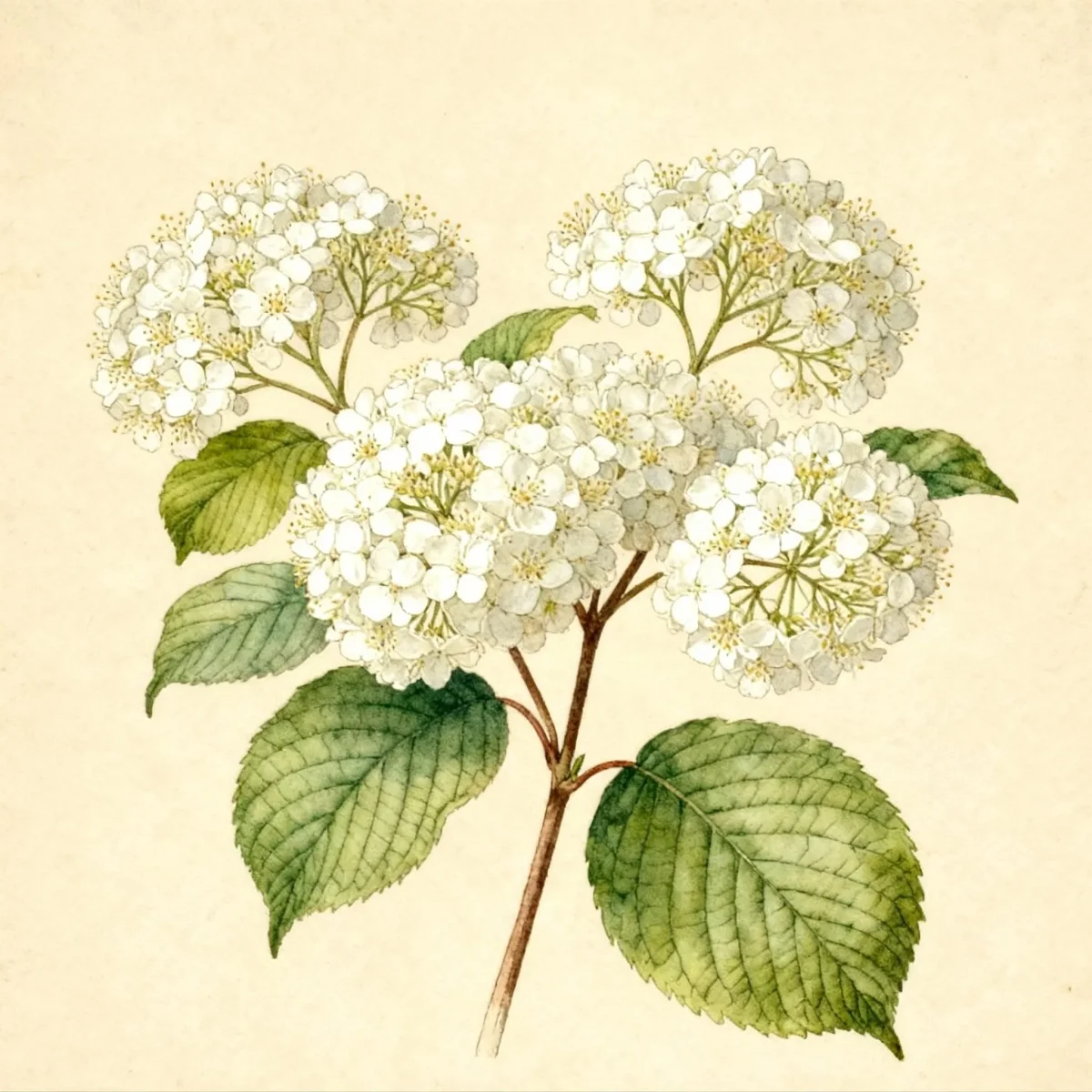
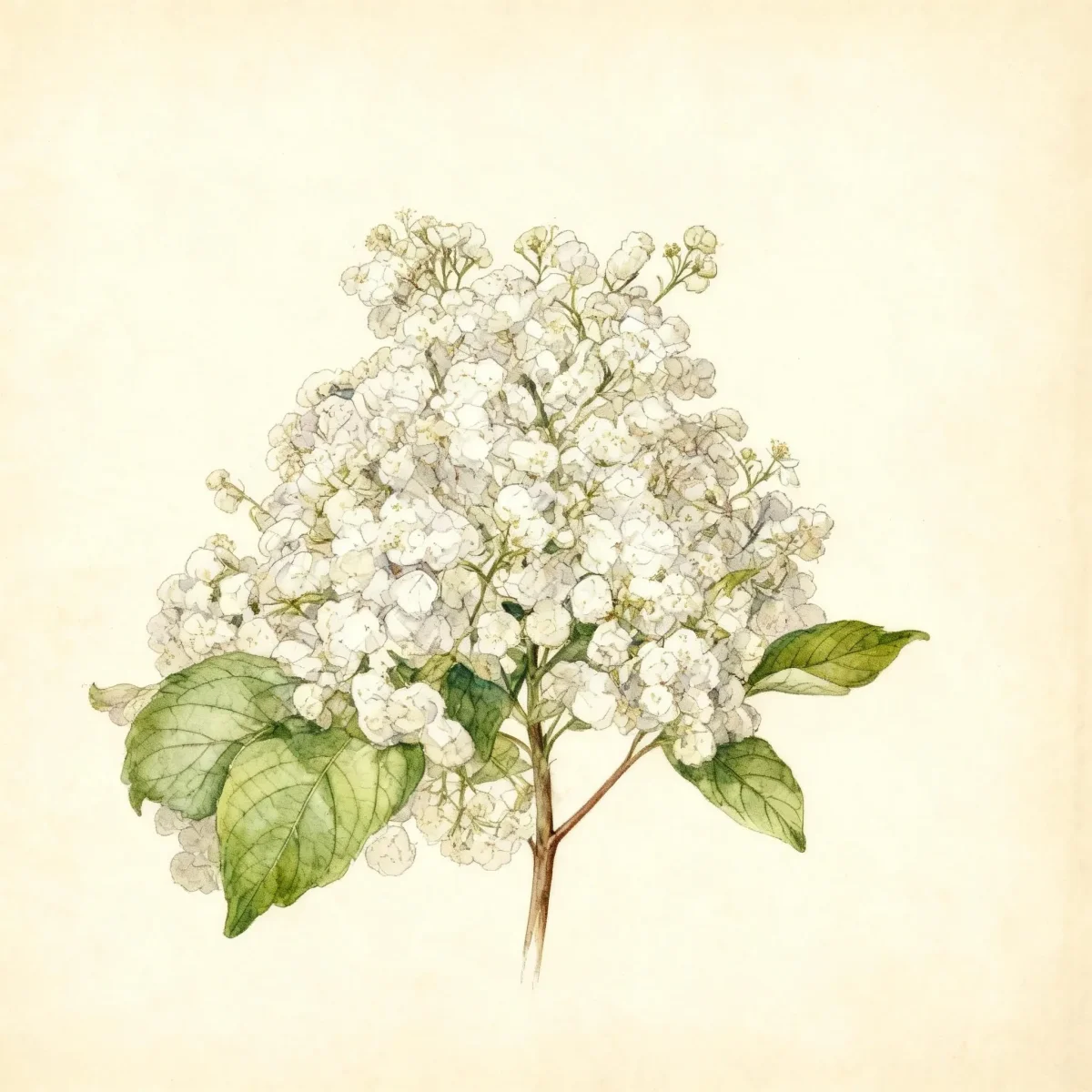
Japanese snowball (Viburnum plicatum f. plicatum 'Popcorn')
The compact Viburnum plicatum f. plicatum 'Popcorn' (Japanese snowball) offers profuse white blooms from April to May. A low-maintenance, drought-tolerant shrub ideal for borders.
Scroll down to discover growing tips, care requirements, companion plants, and more
Complete Plant Information
Overview
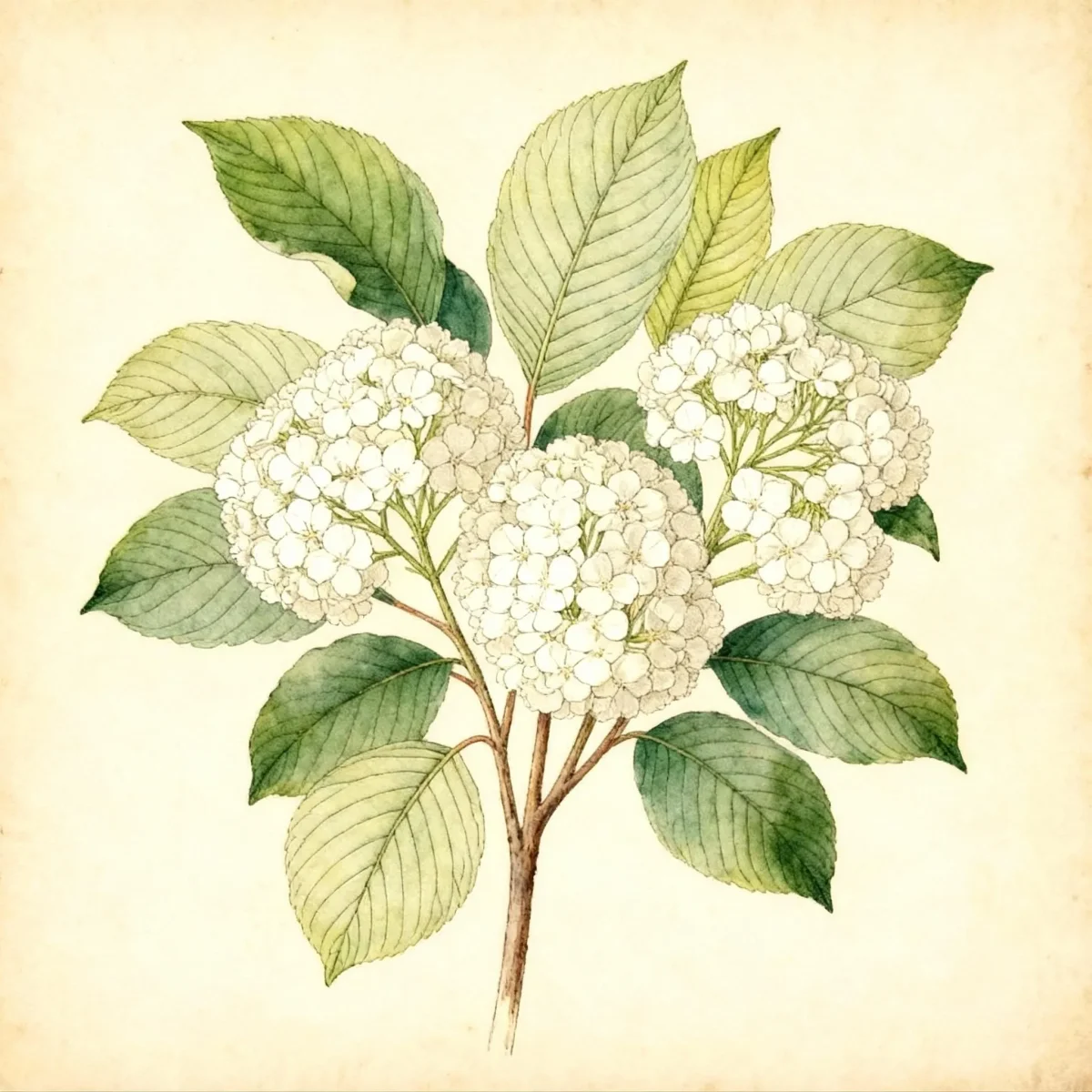
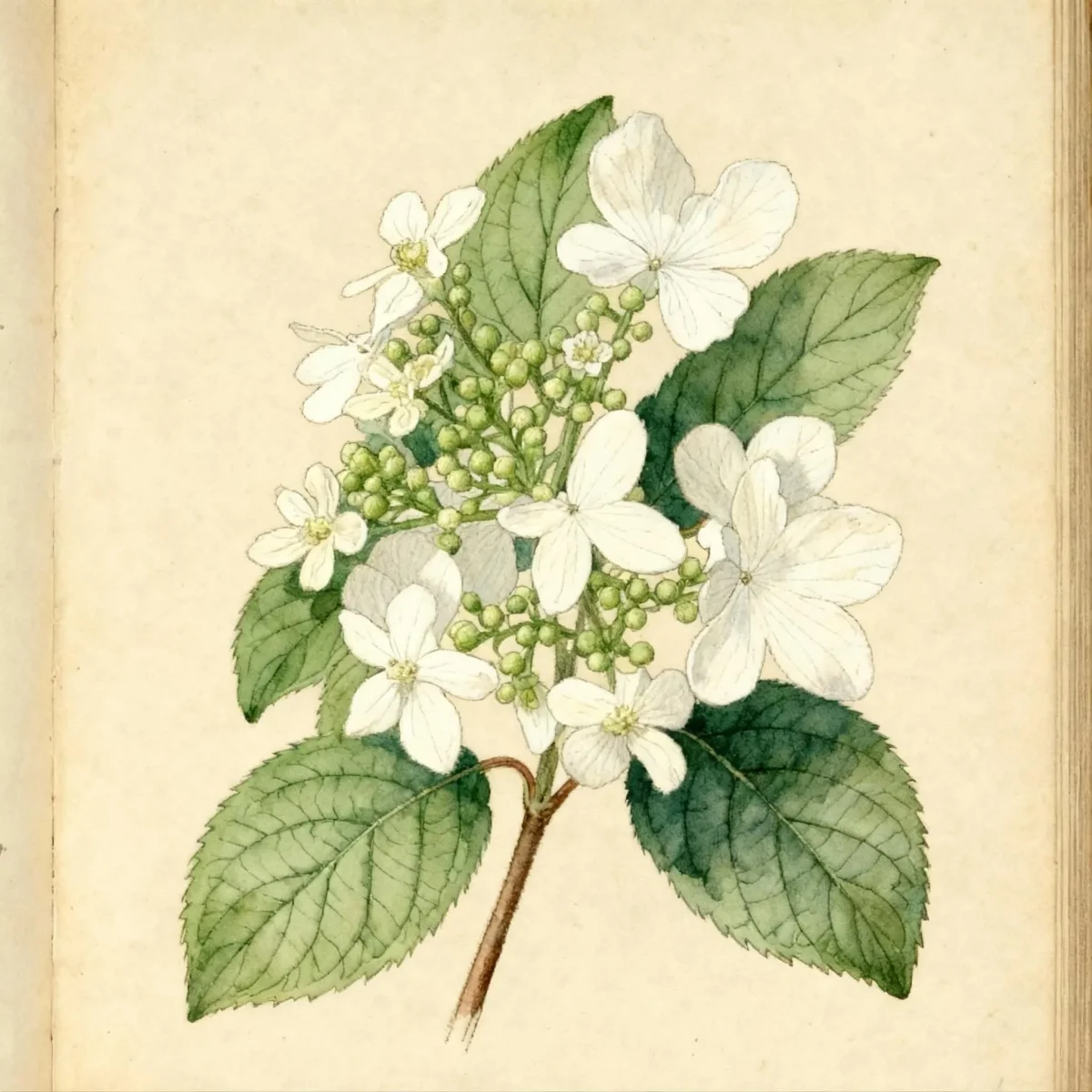
Viburnum plicatum f. plicatum ‘Popcorn’ is a highly valued deciduous shrub, celebrated for its abundance of sterile, snowball-like white flowers that cover the branches in late spring. This cultivar, a form of the Japanese snowball, provides reliable structure and seasonal interest with minimal effort from the gardener. Its dense, upright habit makes it an outstanding choice for defined garden spaces.
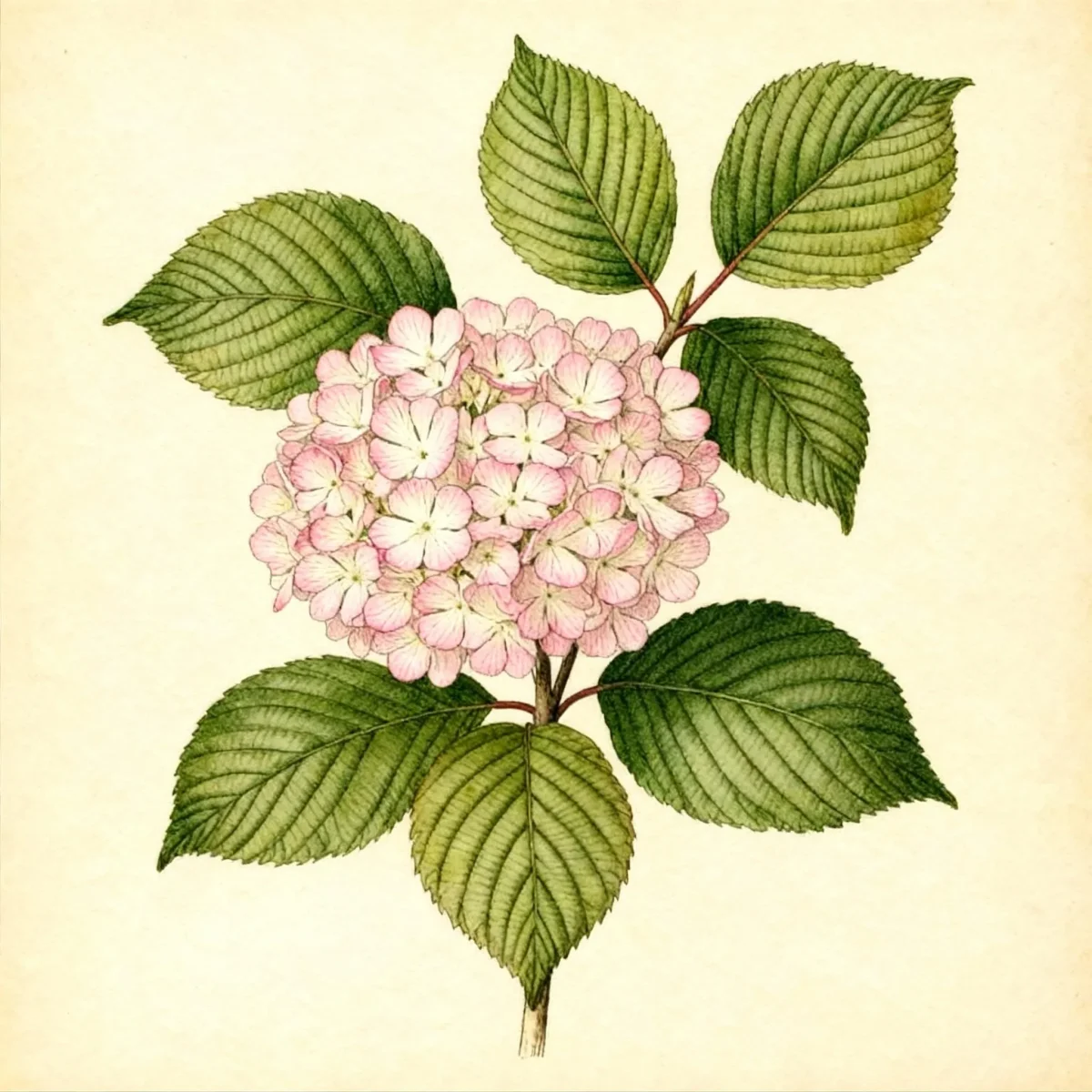
Specifically, the ‘Popcorn’ variety tends to mature slightly smaller than the species, typically reaching heights between 5 and 8 feet, making it versatile for various landscape applications. It combines excellent aesthetic appeal, featuring pleated dark green foliage that transitions to attractive red or burgundy tones in the fall, with robust adaptability. Gardeners favor this sterile form, known correctly as Viburnum plicatum f. Plicatum ‘Popcorn’, due to its low maintenance requirements and good drought tolerance once established.
This shrub brings significant impact to the landscape during its bloom time from April to May, offering bright white, popcorn-like flower clusters. As a tough, easy-to-grow specimen, the Japanese snowball integrates well into foundation plantings or dense hedges, offering dependable performance across USDA Hardiness Zones 5 through 8.
Fast Facts
- Plant Family: Adoxaceae
- Plant Type: Deciduous shrub
- Hardiness Zones: USDA Zones 5-8
- Size at Maturity:
- Height: 5-8 ft
- Spread: 4-7 ft
- Bloom Time: April to May
- Bloom Description: White
- Sun Exposure: Full sun to part shade
- Water Needs: Medium
- Maintenance Level: Low
How to Grow
The Japanese snowball thrives when planted in average, medium-moisture, well-drained soil. While it prefers moist loams, this shrub demonstrates notable adaptability across various soil types and establishes good drought tolerance once its root system is mature. Aim to plant during late fall or early spring to minimize transplant shock, ensuring it receives either full sun or partial shade for best flowering performance.
Ongoing care for Viburnum plicatum f. plicatum ‘Popcorn’ is minimal. Water consistently during the first year to encourage deep root growth. Established plants require only medium watering, especially during prolonged dry periods, taking advantage of their inherent drought tolerance. Fertilization is rarely necessary if the soil is reasonably fertile; otherwise, a light application of balanced slow-release fertilizer in early spring is sufficient.
Pruning should be done promptly immediately following the bloom period in late spring or early summer, as the plant sets its buds for the following year shortly thereafter. Avoid heavy pruning late in the season or in winter. For structure maintenance or hedge shaping, shear lightly right after flowering concludes, focusing on removing any crossing or damaged wood to maintain the shrub’s dense, upright form.
Landscape Uses
Viburnum plicatum f. plicatum ‘Popcorn’ is exceptionally versatile due to its refined habit and striking spring display. It excels when placed in shrub borders where its early flowers can brighten the spring awakening, linking taller background plants with shorter foreground specimens. Its consistent size makes it an excellent choice for foundation plantings where a medium-height screen is desired.
The dense nature of this Japanese snowball variety lends itself perfectly to use as a formal or informal hedge. When lined up, these shrubs create a beautiful screen or boundary, offering excellent texture contrast against broad-leaved evergreens. Furthermore, individual Viburnum plicatum f. Plicatum ‘Popcorn’ specimens can act as effective low-maintenance focal points in smaller yards or entryways.
Standout Features
Flower Qualities
- Showy
Noteworthy Characteristics
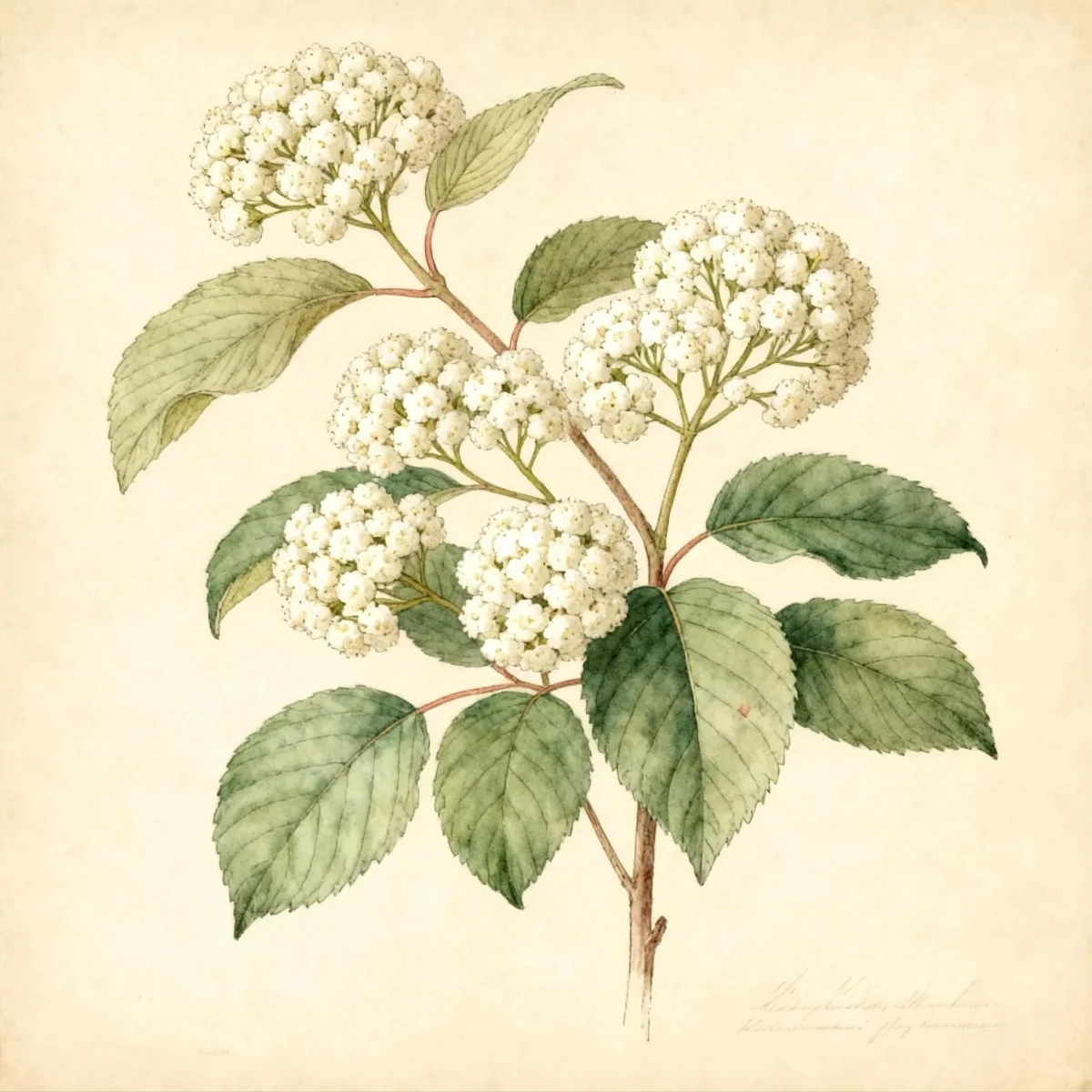
Viburnum plicatum is a dense, upright, multi-stemmed, deciduous shrub that typically matures to 8-15’ tall with a slightly larger spread. Ovate, toothed, strongly-veined, dark green leaves (to 4” long) have pleated upper surfaces, turning burgundy red to purplish red in the fall. The sterile snowball form (f. Plicatum) features orbicular inflorescences of non-fragrant, showy white flowers along the branches in spring. The ‘Popcorn’ cultivar is slightly smaller, yielding 2-3 inch popcorn-like clusters of white flowers, often blooming earlier than many other f. Plicatum selections.
Tolerances
- Drought
Potential Problems
This cultivar exhibits strong resilience, generally experiencing no serious insect or disease problems under typical garden conditions. As a result, maintenance remains low, and intensive chemical treatments are usually unnecessary. Should localized pest issues arise, standard cultural practices like ensuring good air circulation and avoiding overhead watering late in the day can mitigate minor fungal concerns.
If deer pressure is high in your region, be aware that Viburnum species can occasionally suffer light browsing, as they are listed as deer-susceptible by some sources. However, the severity is typically low compared to other ornamentals. For the vast majority of gardeners, the primary concern will be correctly timing the annual pruning immediately following the flower display.
Frequently Asked Questions
What hardiness zones is Japanese snowball suitable for?
Viburnum plicatum f. plicatum ‘Popcorn’ is reliably cold-hardy in USDA Hardiness Zones 5 through 8.
How large does Viburnum plicatum f. Plicatum ‘Popcorn’ grow?
This shrub typically reaches a mature height between 5 and 8 feet tall, with a spread ranging from 4 to 7 feet wide.
When does Japanese snowball bloom?
The signature white, popcorn-like flower clusters appear prolifically from April to May, often slightly earlier than other common cultivars of this species.
What sun exposure does Viburnum plicatum f. plicatum ‘Popcorn’ need?
For the best performance, this shrub prefers full sun to part shade conditions, offering good adaptability to different light levels.
Conclusion
The ‘Popcorn’ cultivar offers gardeners a compact, low-maintenance deciduous shrub renowned for its profuse, sterile white blooms in spring and attractive fall foliage. The reliability and adaptability of the Japanese snowball make it a staple for structure in perennial borders and hedges across zones 5-8. Check your soil drainage and plan your light exposure carefully to ensure Viburnum plicatum f. plicatum ‘Popcorn’ meets its full potential this coming planting season.
Companion Planting
Selecting companions for Viburnum plicatum f. plicatum ‘Popcorn’ should focus on plants that share similar cultural needs—namely, medium moisture and full sun to part shade tolerance. Spring-flowering bulbs like daffodils or grape hyacinths (Muscari) are excellent foreground partners, blooming before the shrub reaches its peak, creating layers of color.
Consider planting contrasting foliage nearby to emphasize the pleated texture of the Japanese snowball leaves. Hostas or Japanese Forest Grass (Hakonechloa macra) thrive well in the light shade cast by the Viburnum during the hotter parts of the day. These pairings maintain structural interest throughout the season, complementing the shrub’s low maintenance profile.
Seasonal Care Calendar
Spring preparation should begin with a thorough check of the area around the base of your Japanese snowball. If necessary, apply a slow-release fertilizer just before new growth starts in early spring (March or April, depending on zone) to support the heavy spring bloom. Ensure the soil is adequately moist as temperatures rise.
Summer maintenance is minimal due to the shrub’s drought tolerance, though deeper, less frequent watering during extreme heat waves is beneficial. The most crucial task occurs immediately after flowering ceases in late spring/early summer: perform any necessary shaping or corrective pruning during this short window to maintain the desirable silhouette of Viburnum plicatum f. Plicatum ‘Popcorn’.
Fall is a time to appreciate the foliage transformation. As the leaves transition to attractive shades of red and burgundy, resist the urge to prune heavily; allow the branches to enter dormancy naturally. Prepare for winter by ensuring the plant has received sufficient moisture before the ground freezes, especially important for younger plantings in zones near the hardiness limit.