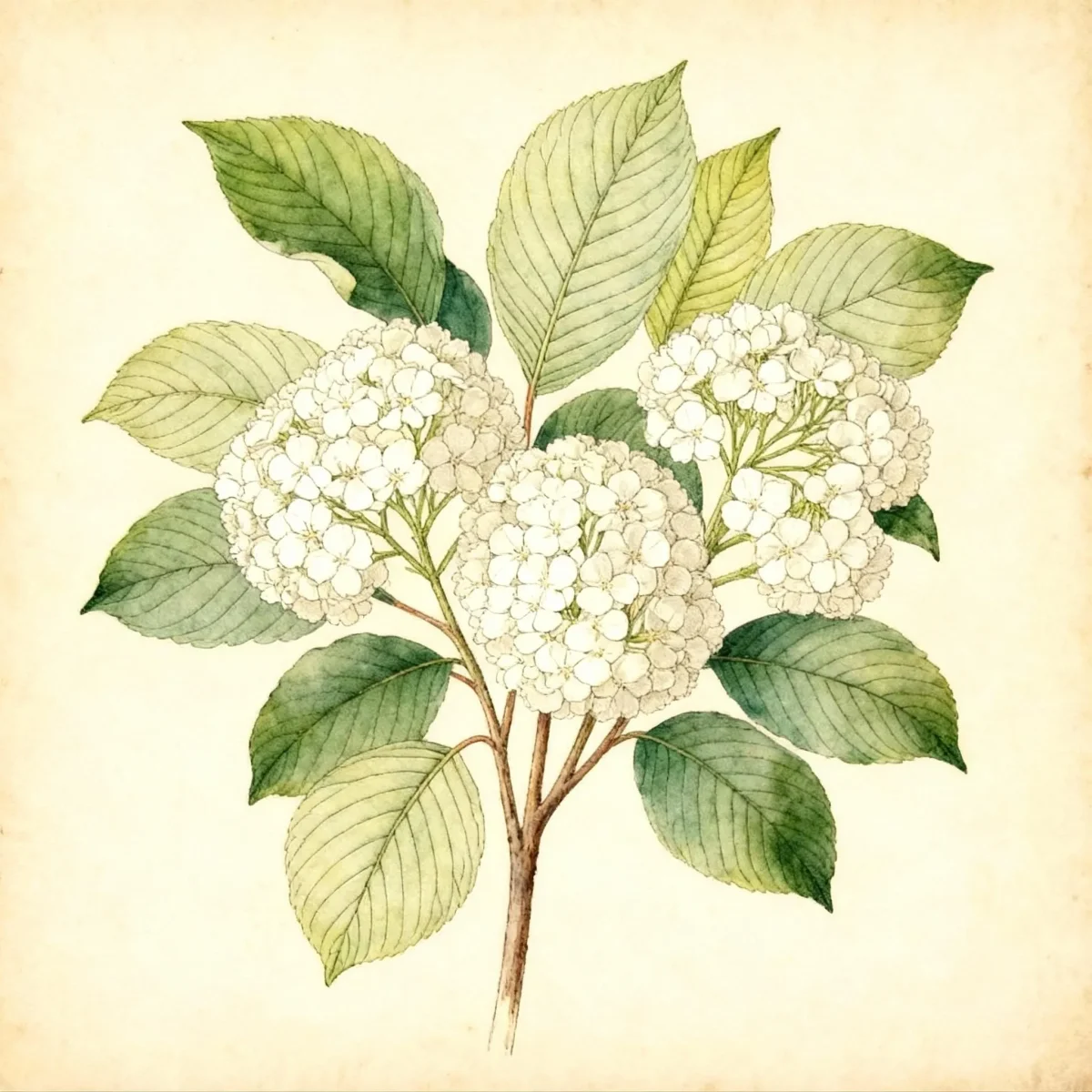
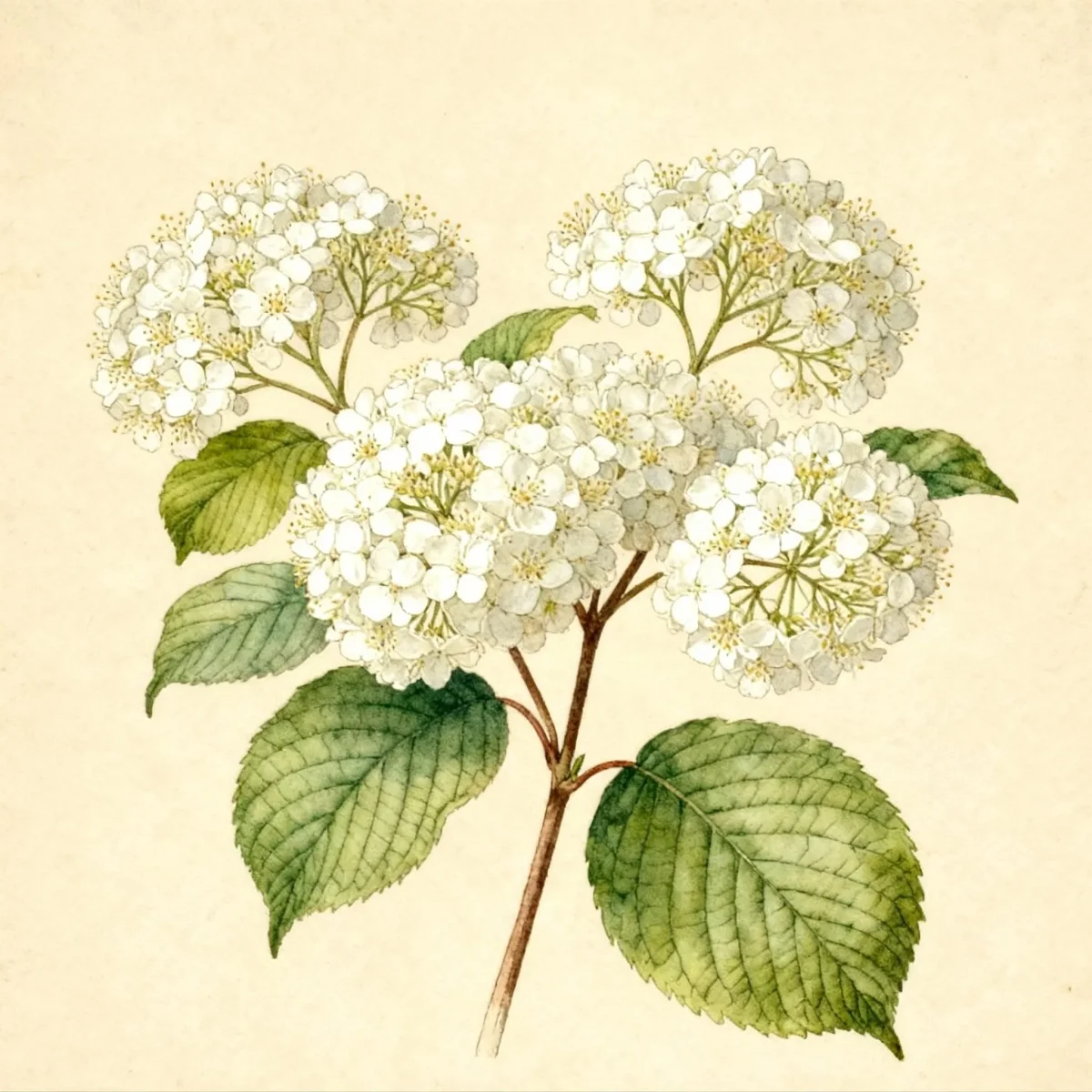
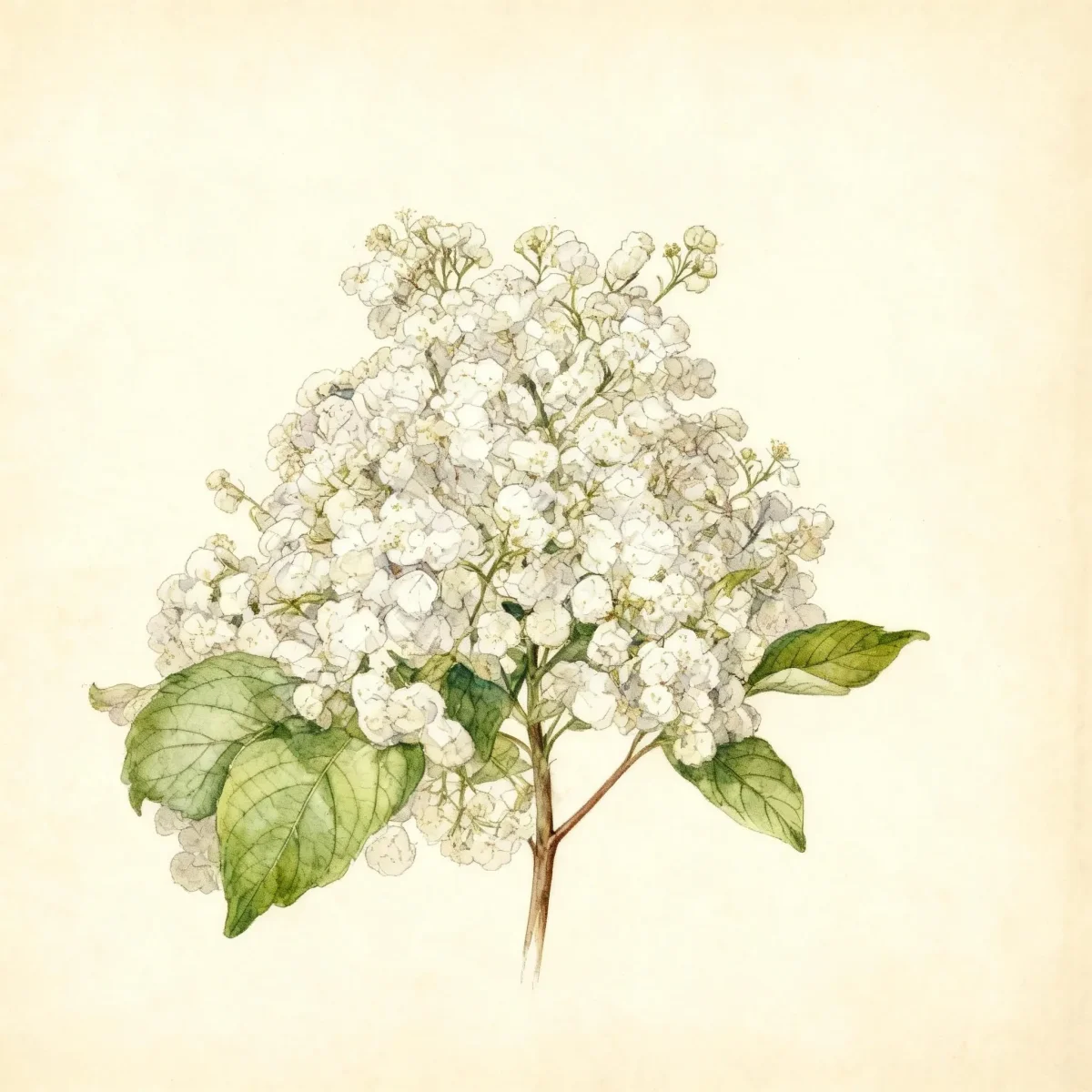
Japanese snowball (Viburnum plicatum f. plicatum 'Pink Sensation')
The Japanese snowball, Viburnum plicatum f. plicatum 'Pink Sensation', is a low-maintenance deciduous shrub offering pink-tinged spring blooms.
Scroll down to discover growing tips, care requirements, companion plants, and more
Complete Plant Information
Overview
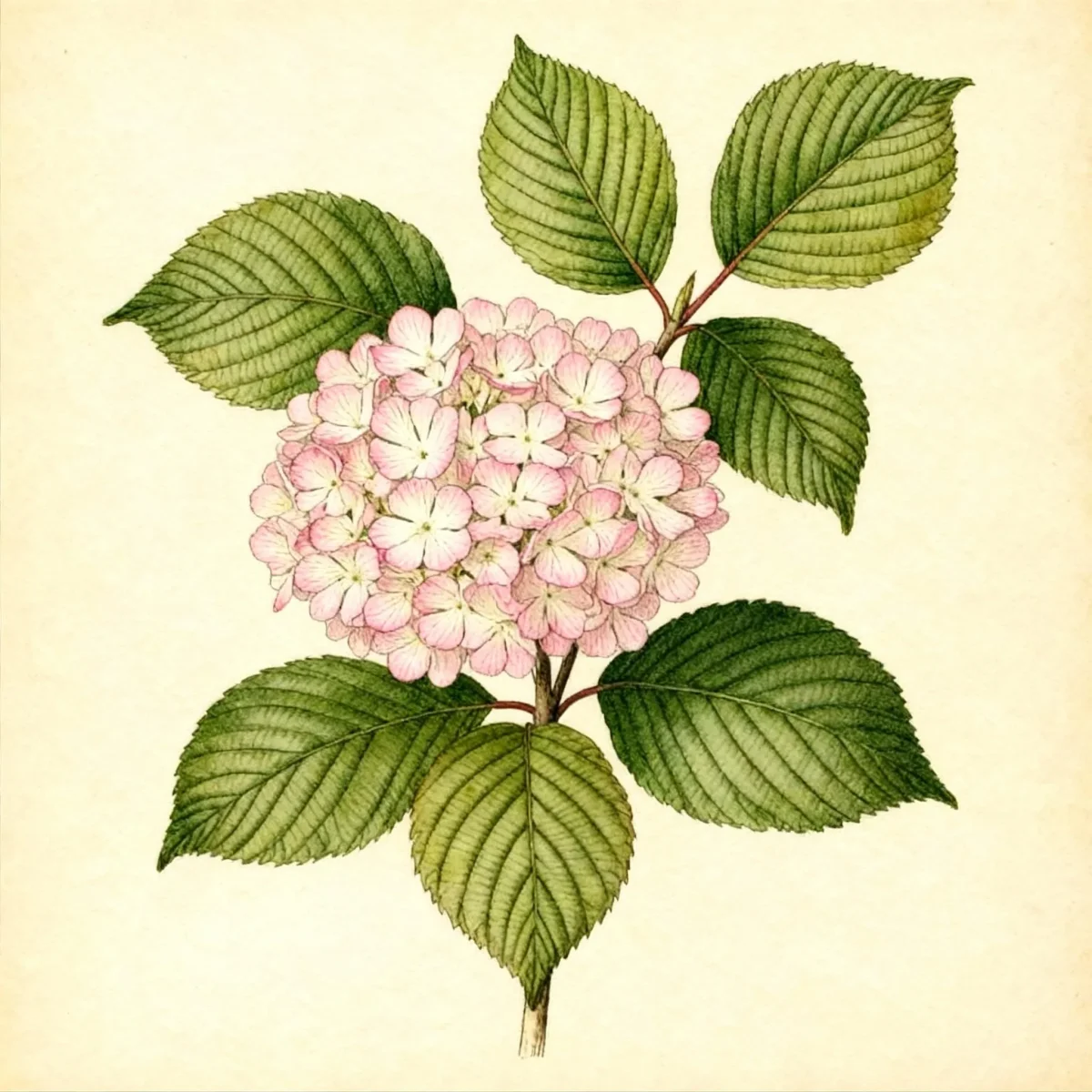
The compact Viburnum plicatum f. plicatum ‘Pink Sensation’ provides reliable structure and late spring interest for many landscapes. This cultivar of the Japanese snowball is highly valued for its dense, upright habit and the beautiful globular inflorescences that emerge in May, often starting with a subtle pink blush. As an easy-to-grow deciduous shrub, it offers consistent year-round appeal, especially with its attractive burgundy fall foliage display.
Viburnum plicatum f. Plicatum ‘Pink Sensation’ thrives in average to well-drained soils, exhibiting moderate drought tolerance once established, making it a low-maintenance choice. Gardeners appreciate this specific cultivar because it is sterile, meaning it produces no messy fruit, focusing all its energy instead on its showy blooms and reliable structure. Planting a Japanese snowball variety like ‘Pink Sensation’ guarantees a sculptural element and reliable color without demanding excessive care.
Fast Facts
- Plant Family: Adoxaceae
- Plant Type: Deciduous shrub
- Hardiness Zones: USDA Zones 5-8
- Size at Maturity:
- Height: 6-10 ft
- Spread: 6-12 ft
- Bloom Time: May to June
- Bloom Description: Pink
- Sun Exposure: Full sun to part shade
- Water Needs: Medium
- Maintenance Level: Low
How to Grow
For optimal performance, plant your Viburnum plicatum f. plicatum ‘Pink Sensation’ in the spring or fall when temperatures are moderate. Select a location that receives full sun to partial shade; while it prefers moist loams, this variety adapts well to various soil types as long as drainage is adequate. Ensure the planting site allows for its mature spread of up to 12 feet, especially when planting multiples for hedging or border definition.
Care for this Japanese snowball is relatively straightforward due to its low maintenance rating. Ensure consistent medium watering until the shrub is well-established in its new location. Once mature, its good drought tolerance means supplemental watering is usually only necessary during prolonged, intense dry spells. Avoid heavy fertilization, as this can promote leggy growth at the expense of blooms.
Pruning should be kept minimal and performed only as necessary, primarily to maintain shape or remove crossing branches. Crucially, prune immediately after the spring flowering finishes in June. Pruning later in the season will remove next year’s developing flower buds, resulting in fewer blooms the following spring for your Viburnum plicatum f. Plicatum ‘Pink Sensation’.
Landscape Uses
The classic form of the Japanese snowball makes Viburnum plicatum f. plicatum ‘Pink Sensation’ an excellent choice for use as a formal or informal hedge, providing dense green screening during the growing season. Its manageable size, maturing around 6 to 10 feet tall, also allows it to function beautifully as a specimen plant that commands attention when its blooms emerge. Consider planting groups near foundations where their structural form softens hard architectural lines.
Because they prefer similar conditions, space should be given for companion planting with other woodland edge shrubs or perennials that appreciate protection from the hottest afternoon sun. Look for late-blooming hydrangeas or shade-tolerant evergreens that can offer textural contrast when the Viburnum is dormant. The clean lines of this cultivar also lend themselves well to naturalistic groupings or as a backdrop in mixed shrub borders.
Standout Features
Flower Qualities
- Showy
Noteworthy Characteristics
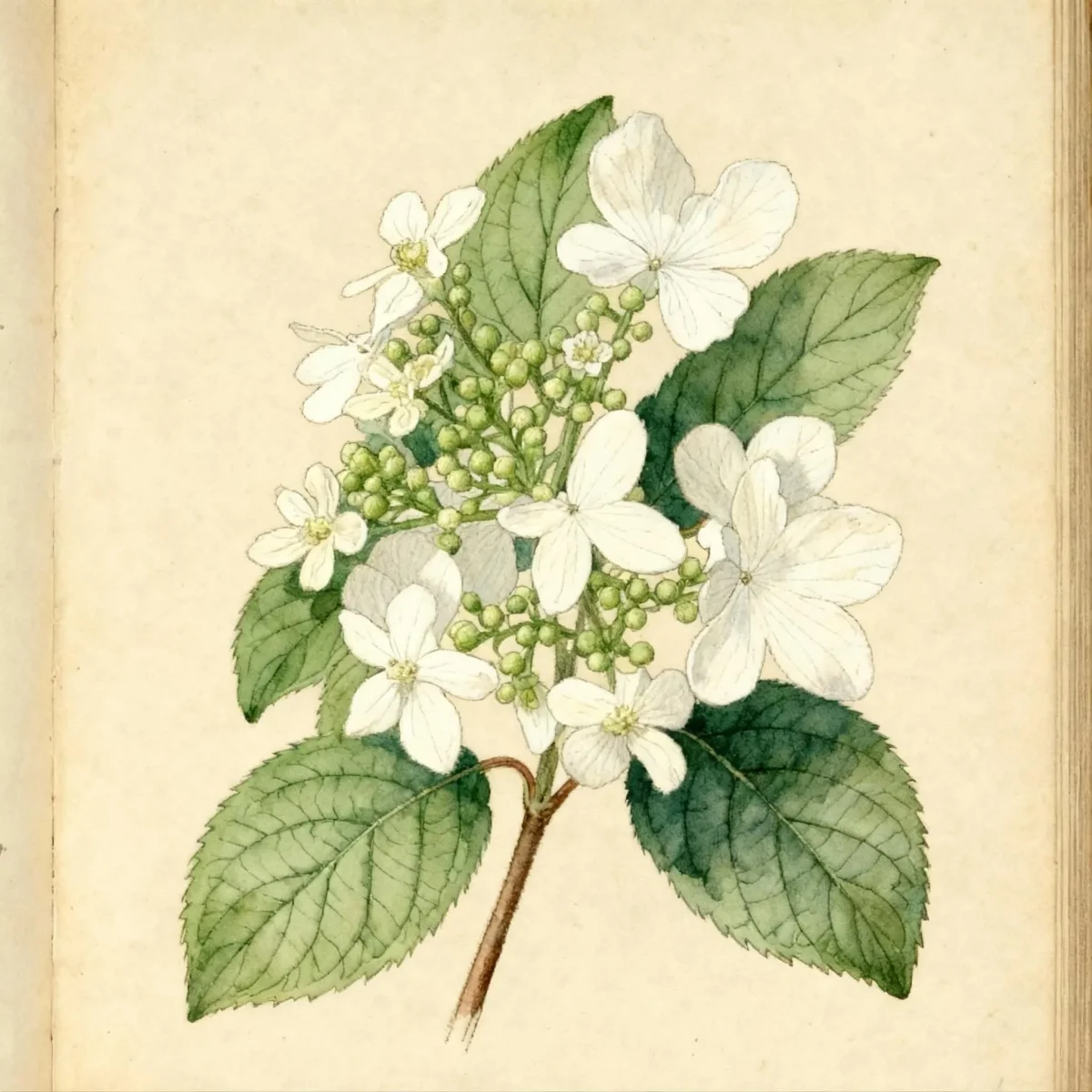
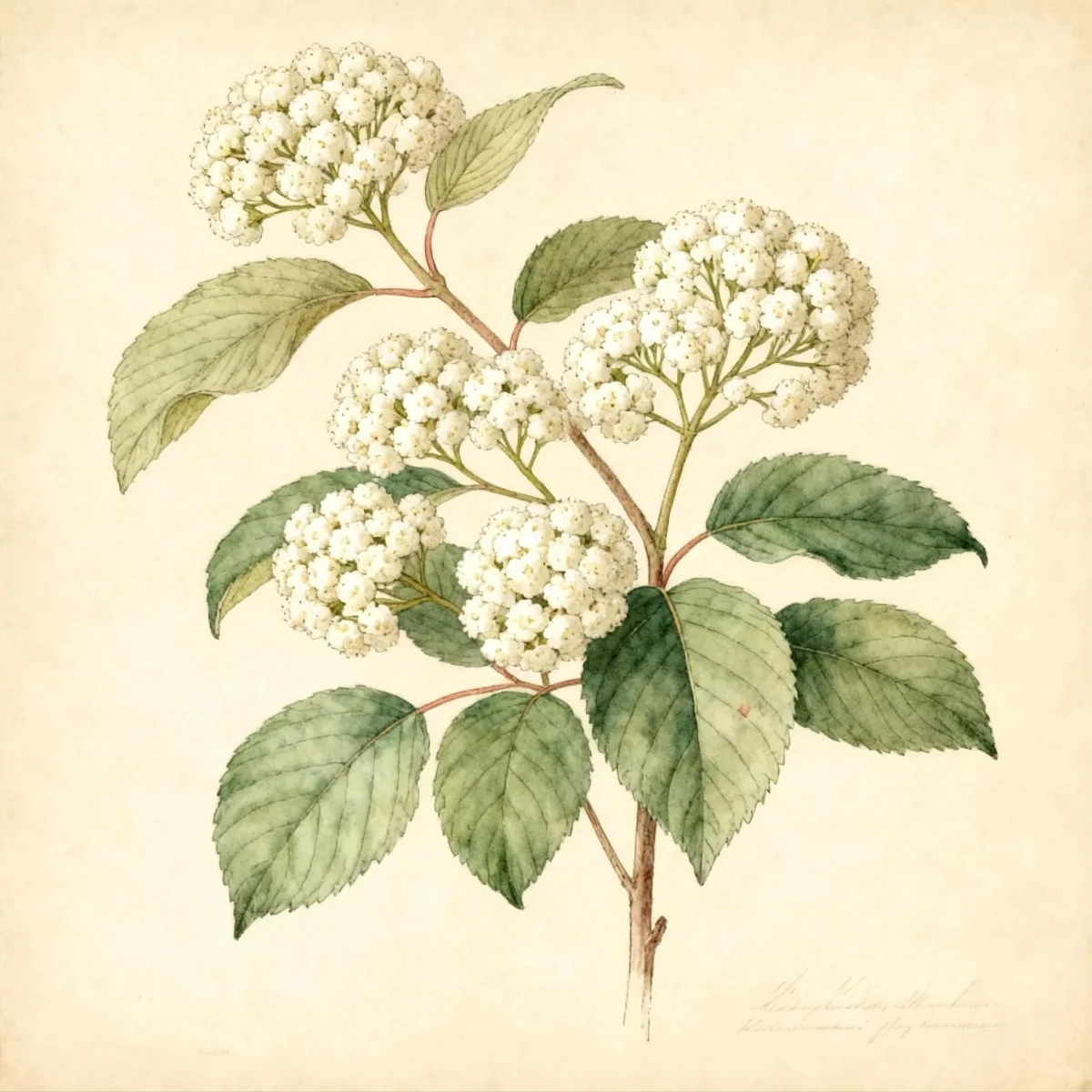
Viburnum plicatum is a dense, upright, multi-stemmed, deciduous shrub that typically matures to 8-15’ tall with a slightly larger spread. Ovate, toothed, strongly-veined, dark green leaves (to 4” long) have pleated upper surfaces. Leaves turn burgundy red to purplish red in fall. Two different forms of this shrub are commonly sold in commerce: (1) Japanese snowball bush (f. Plicatum) which is the type form featuring sterile, snowball-like, orbicular inflorescences (2-3” diameter cymes) of non-fragrant, showy white flowers along the branches in spring with no subsequent fruit and (b) doublefile viburnum (f. Tomentosum) which is the wild-related taxon featuring fertile, flat-topped flower clusters (2-4” diameter cymes) which bloom along tiered horizontal branches in doublefile form, each cluster containing an outer ring of large showy sterile florets surrounding a center mass of tiny non-showy fertile florets which when fertilized give way to egg-shaped fruits and viable seed. Bloom time of f. Plicatum typically occurs about two weeks later than that of f. Tomentosum. Mature height of f. Plicatum may rise to as much as 15’ tall, but mature height of f. Tomentosum typically will not exceed 10’ tall. Except as to flower structure, bloom time, height and branching habit, both forms are otherwise very similar and commonly sold in commerce under a number of different cultivar names. The sterile snowball form (f. Plicatum) is known from cultivation only (first observed as a garden plant in Japan). It was discovered prior in time to the discovery of the wild fertile doublefile form (f. Tomentosum) from which it was actually developed. As a result of this inverted schedule of discovery, the sterile form was mistakenly given a species name (Viburnum plicatum) and the subsequently discovered fertile form (f. Tomentosum) was named as if it were a variety of the species. The wild form (f. Tomentosum) is native to forests and thickets in China and Japan.Genus name comes from the Latin name of a species plant.Specific epithet means pleated or folded in reference to deep leaf veins.‘Pink Sensation’ is a compact cultivar that typically matures to 6-10’ tall and as wide. New growth leaves emerge in spring tinged with bronze-pink before maturing to green. Sterile, non-fragrant, white flowers with pink-blushed petal margins bloom in dense globular inflorescences (to 3” across) along the branches in May. No fruit is produced. Attractive burgundy fall color. This cultivar may be synonymous with f. Plicatum cultivars ‘Rosace’ and/or ‘Kern’s Pink’
Tolerances
- Drought
Potential Problems
Generally, the Japanese snowball variety Viburnum plicatum f. plicatum ‘Pink Sensation’ does not suffer from serious insect or disease problems, contributing greatly to its low maintenance appeal. Gardeners should monitor plants for general issues like aphids or scale insects, though serious infestations are rare in healthy, properly sited specimens. Good air circulation, achieved by avoiding overly dense planting, will help mitigate potential fungal issues common to dense shrubs.
Frequently Asked Questions
What hardiness zones is Japanese snowball suitable for?
Viburnum plicatum f. plicatum ‘Pink Sensation’ is reliably hardy in USDA Zones 5 through 8, offering flexibility for many temperate gardens.
How large does Japanese snowball grow?
This compact cultivar typically matures to a height between 6 and 10 feet tall, with a comparable spread generally ranging from 6 to 12 feet wide.
When does Japanese snowball bloom?
The distinct flowering period for Viburnum plicatum f. Plicatum ‘Pink Sensation’ occurs from May into June, displaying beautiful non-fragrant, pink-tinted white flowers.
What sun exposure does Japanese snowball need?
This shrub performs best when placed in locations receiving full sun to part shade, which helps ensure good flowering without causing leaf scorch.
Conclusion
The compact and disease-resistant Viburnum plicatum f. plicatum ‘Pink Sensation’ stands out as an exceptional choice for reliable structure, attractive spring blooms, and rich fall color. For gardeners seeking a low-maintenance deciduous shrub that performs reliably as a hedge or specimen, this Japanese snowball variety is a superb addition. Before planting, confirm that your site falls within USDA Zones 5-8 and plan pruning immediately after flowering to maximize garden enjoyment next season.
Companion Planting
Selecting appropriate companions enhances the aesthetic of your planting area while managing microclimates. Since Viburnum plicatum f. plicatum ‘Pink Sensation’ appreciates moisture but has good drought tolerance, pair it with plants that share medium water needs, such as Hostas or Astilbe, especially if planted in a partial shade location. For full sun placements, consider utilizing lower-growing perennials like Geraniums or ornamental grasses that complement the shrub’s mounding form throughout the summer.
Design Ideas
The upright, multi-stemmed habit of this Japanese snowball makes it an excellent foundational plant, particularly when used in groups to form a screen or backdrop. For a classic, cottage-style border, place ‘Pink Sensation’ behind lower-growing, fragrant roses or deciduous azaleas, allowing the viburnum’s structure to support the overall height balance. In modern designs, allow it space to breathe against a dark mulched bed or gravel garden, emphasizing the pleated texture of its foliage against simpler surrounding elements.