Appalachian black-eyed Susan (Rudbeckia fulgida var. umbrosa)
Discover Rudbeckia fulgida var. umbrosa, the Appalachian black-eyed Susan. A low-maintenance perennial offering showy orange-yellow blooms from August to September.
Scroll down to discover growing tips, care requirements, companion plants, and more
Complete Plant Information
Overview
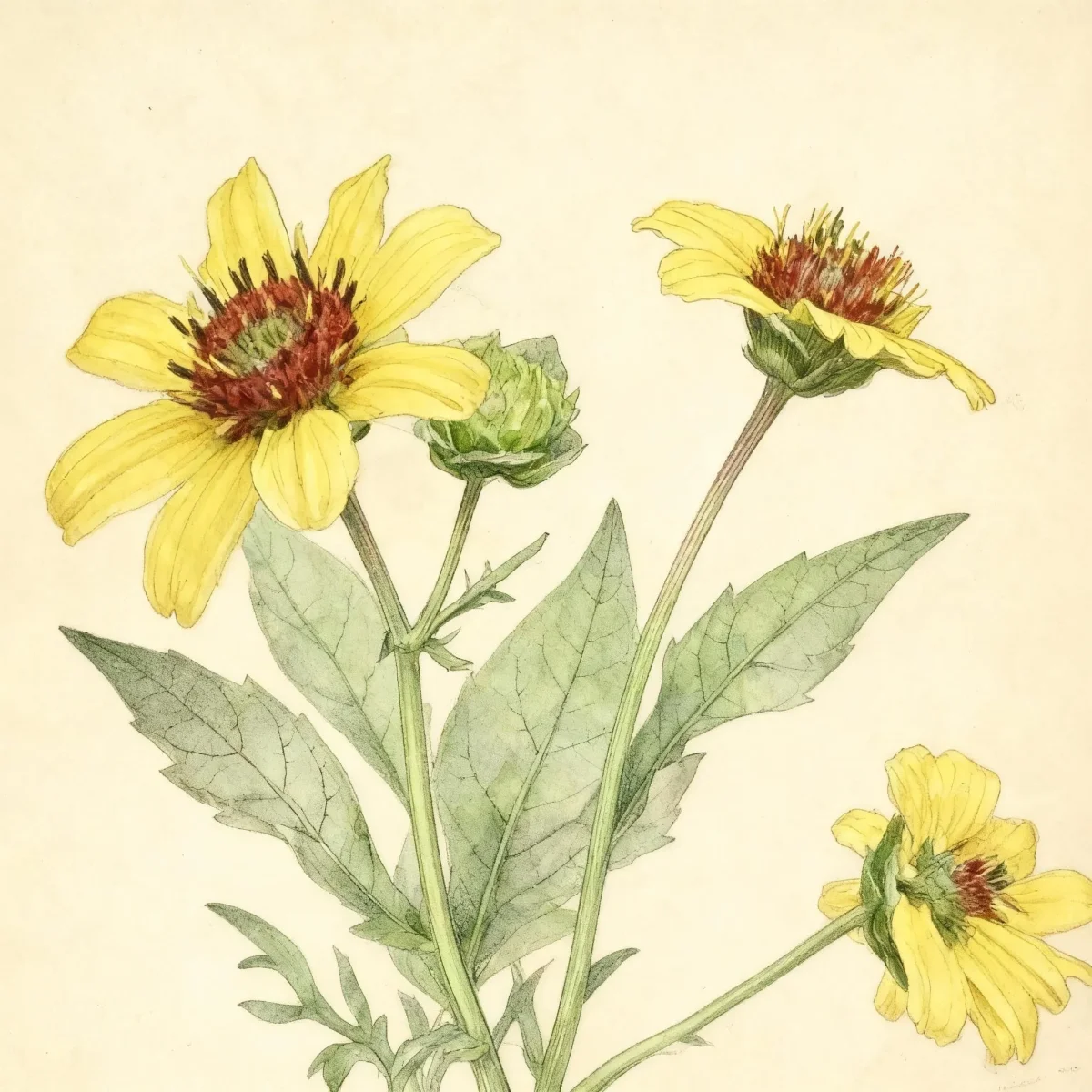
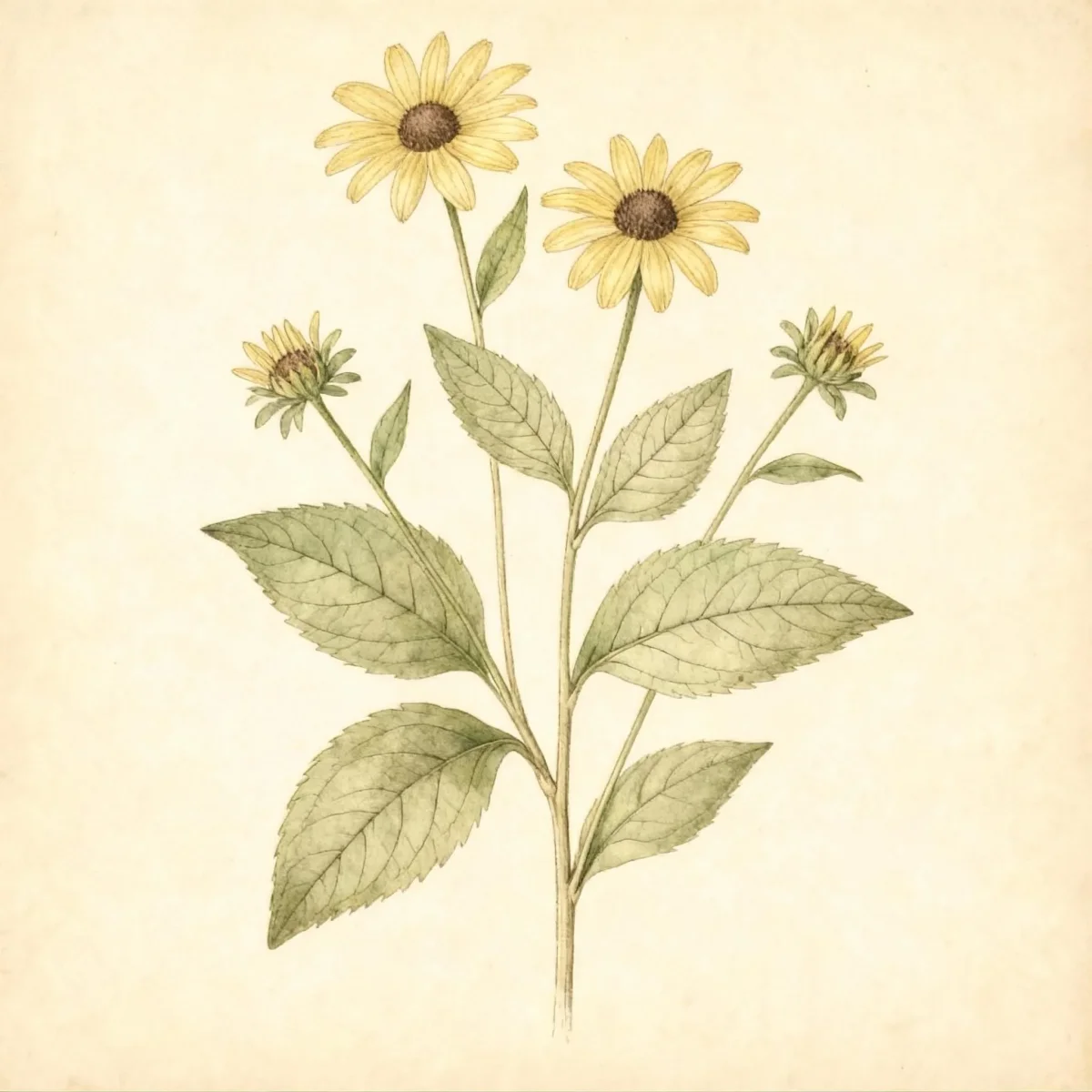
The Appalachian black-eyed Susan, scientifically known as Rudbeckia fulgida var. umbrosa, is a standout choice for gardeners seeking reliable late-season color. This herbaceous perennial forms upright, rhizomatous clumps that readily colonize favorable areas, providing dense ground coverage and long-lasting visual interest. Its daisy-like flowers, featuring bright orange-yellow rays surrounding prominent brownish-purple centers, truly shine from mid-summer well into fall.
This native variety is highly adaptable, thriving in conditions ranging from dry to medium moisture levels once established. Rudbeckia fulgida var. umbrosa is valued not only for its aesthetic appeal but also for its resilience, tolerating clay soils and drought effectively. It serves as a crucial late bloomer, supporting local ecosystems by attracting essential pollinators.
Gardeners appreciate the low maintenance requirements of this coneflower, as it primarily needs full sun to maximize its prolific bloom period. Whether utilized in native plantings, borders, or meadows, the Appalachian black-eyed Susan offers dependable, vibrant color late into the season, making Rudbeckia fulgida var. Umbrosa a staple for late-summer impact.
Fast Facts
- Plant Family: Asteraceae
- Plant Type: Herbaceous perennial
- Native Range: Eastern United States
- Hardiness Zones: USDA Zones 3-9
- Size at Maturity:
- Height: 1.5-2.5 ft
- Spread: 2-3 ft
- Bloom Time: August to September
- Bloom Description: Orange-yellow
- Sun Exposure: Full sun
- Water Needs: Dry to medium
- Maintenance Level: Low
How to Grow
To establish Rudbeckia fulgida var. umbrosa, plant in the spring or fall, ensuring the location provides full sun for the best blooming potential, though light shade is tolerated. This plant prefers dry to medium, organically rich to average soils that are well-drained. Amending heavy soils with organic matter is beneficial for root health.
Watering should focus on consistency throughout the growing season, especially while the plant is young, although established Appalachian black-eyed Susans show good drought tolerance. Fertilization is generally unnecessary if the soil is reasonably rich. Good air circulation is appreciated to help prevent fungal issues.
Maintenance is straightforward. Deadheading these spent flowers is encouraged; this spurs the plant to produce more bloom clusters throughout its extended flowering window. In the event of aggressive spreading via rhizomes, division of the clumps can be performed in the spring to control size or propagate new plants.
Landscape Uses
The Appalachian black-eyed Susan is an excellent candidate for large-scale plantings where bold drifts of color are desired. Its height and robust nature make it well-suited for the middle to back of the perennial border or incorporated into cottage garden designs. As a suggested use, it performs wonderfully in rain gardens, handling fluctuating moisture conditions typical of those sites.
Due to its late bloom time, Rudbeckia fulgida var. umbrosa excels at bridging the color gap between peak summer bloomers and true fall foliage displays. It integrates seamlessly into native plant gardens or naturalized meadows, complementing ornamental grasses or slower-maturing perennials. Furthermore, the long-lasting blooms are highly valued by florists and home arrangers alike, being listed specifically as a good cut flower option.
Standout Features
Flower Qualities
- Showy
- Good Cut
Noteworthy Characteristics
Rudbeckia fulgida is a herbaceous perennial native to the eastern United States which occurs in both dry and moist soils in open woods, glades and thickets. An upright, rhizomatous, clump-forming, free-blooming coneflower which typically grows to 3’ tall, often forming colonies in the wild. Features daisy-like flowers (to 2.5” across) with yellow rays and brownish-purple center disks. Var. Umbrosa is distinguished by having fewer ray florets (8-15) and broader leaves compared to other varietals.
Tolerances
- Deer
- Drought
- Clay Soil
- Dry Soil
- Air Pollution
Potential Problems
Rudbeckia fulgida var. umbrosa is generally resilient, presenting no serious insect or disease problems for the committed gardener. However, vigilance against common issues like powdery mildew, downy mildew, and occasional aphid infestations is wise, especially in humid or overcrowded conditions. Aster yellows and leaf spot diseases can occasionally appear but are usually manageable. Ensuring good air circulation and avoiding overhead watering, particularly late in the day, are key preventative measures for fungal management. Deer generally leave this plant untouched.
Frequently Asked Questions
What hardiness zones is Appalachian black-eyed Susan suitable for?
The Appalachian black-eyed Susan (Rudbeckia fulgida var. umbrosa) is highly adaptable, thriving across USDA Zones 3 through 9.
How large does Rudbeckia fulgida var. umbrosa grow?
This perennial typically reaches a mature height of 1.5 to 2.5 feet tall, with a spread ranging from 2 to 3 feet wide.
What sun exposure does Rudbeckia fulgida var. umbrosa need?
For the most prolific orange-yellow display, plants require full sun exposure, although they can tolerate some degree of light shade.
When does Appalachian black-eyed Susan bloom?
You can expect prolific bloom time for this cultivar from August through September, providing excellent late-season color.
Conclusion
The Appalachian black-eyed Susan stands out as a tough, adaptable, and long-flowering perennial perfect for late-summer gardens. Its ability to tolerate tough conditions, including clay soil and drought, combined with its excellent wildlife appeal, secures its place as a staple native plant. Before planting, confirm that your growing area falls within USDA Zones 3 to 9 and plan for a full sun location to maximize the vibrant, showy blooms of Rudbeckia fulgida var. umbrosa.
Wildlife Benefits
The daisy-like flowers of Rudbeckia fulgida var. umbrosa are highly attractive to a variety of insect pollinators, ensuring consistent activity in your garden during the late summer and early fall when many other plants are fading. Butterflies, bees, and other beneficial insects feed readily on the nectar and pollen produced during the long bloom period.
Beyond supporting pollinators, the seed heads left standing after the blooms fade are a valuable winter food source. Birds readily consume the seeds produced by the brownish-purple center disks, providing natural winter interest and sustenance right outside your window. Leaving seed heads intact until early spring cleanup maximizes these wildlife benefits.