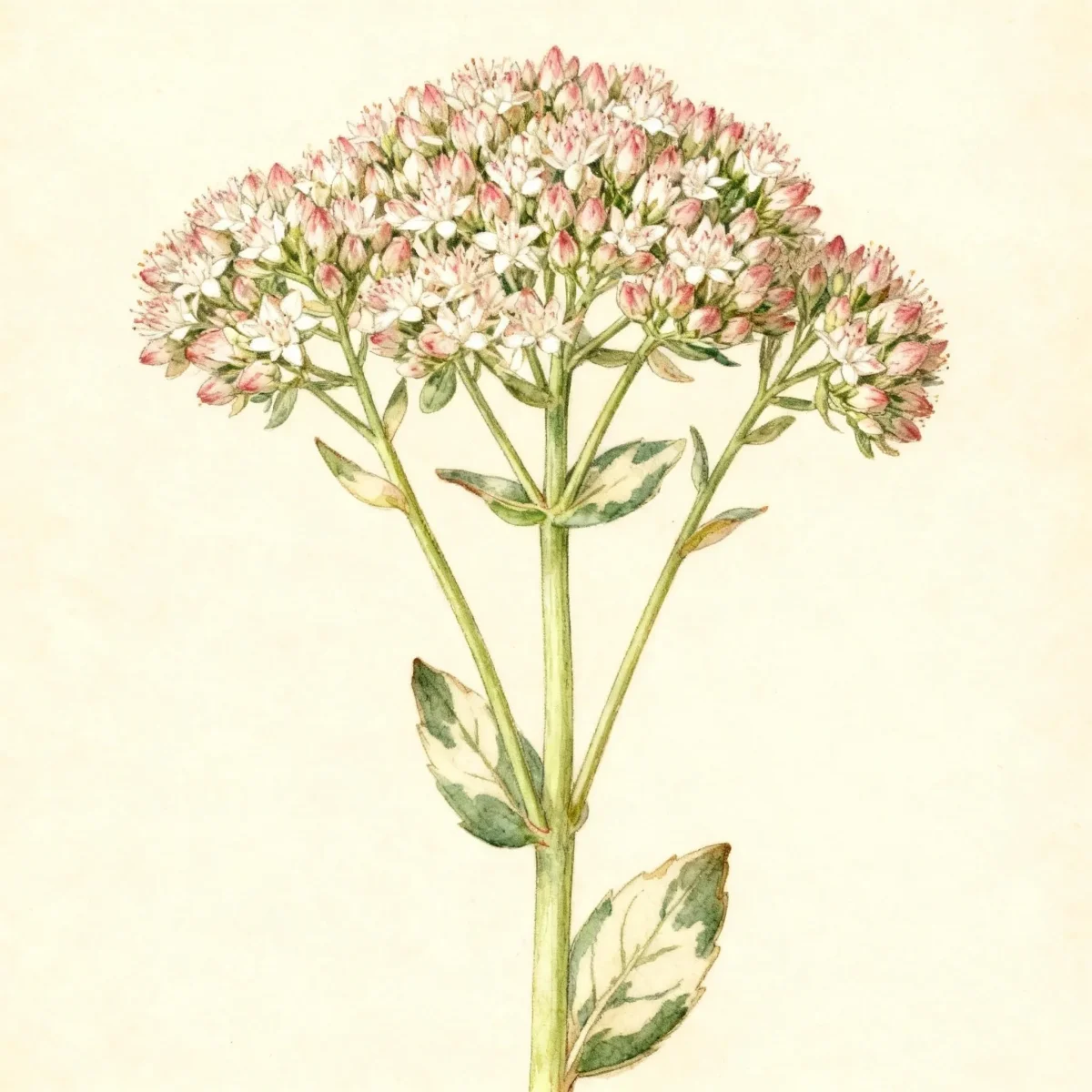
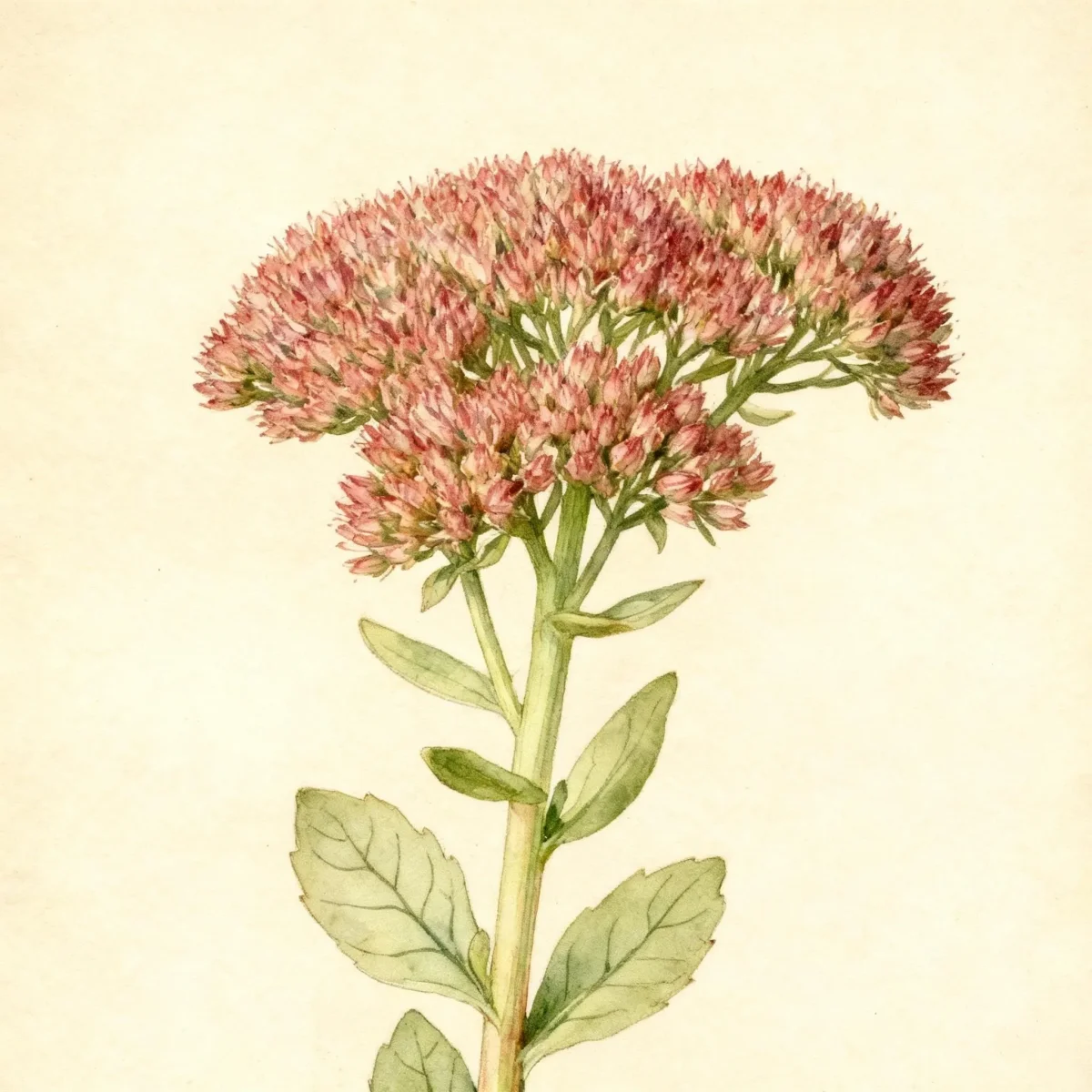
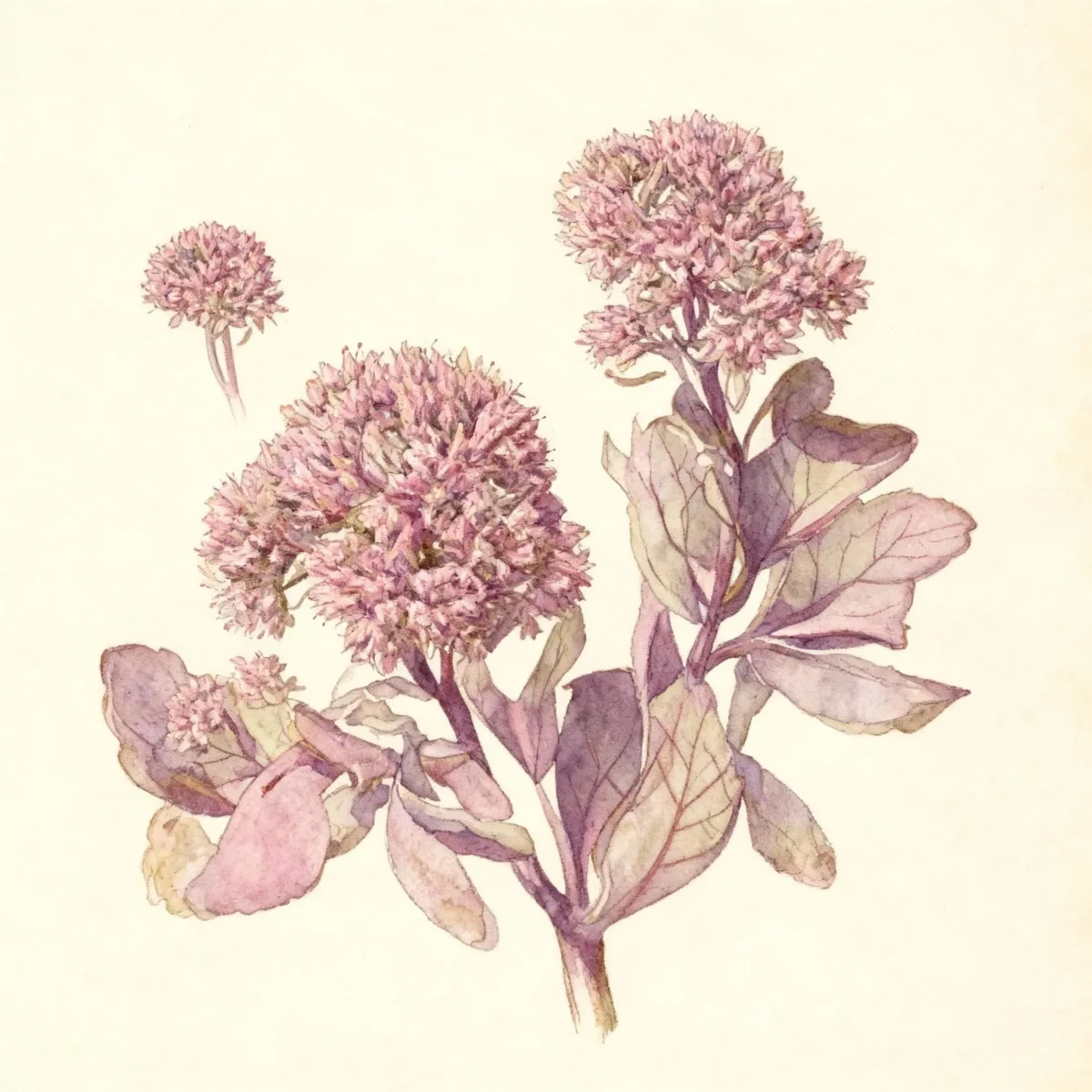
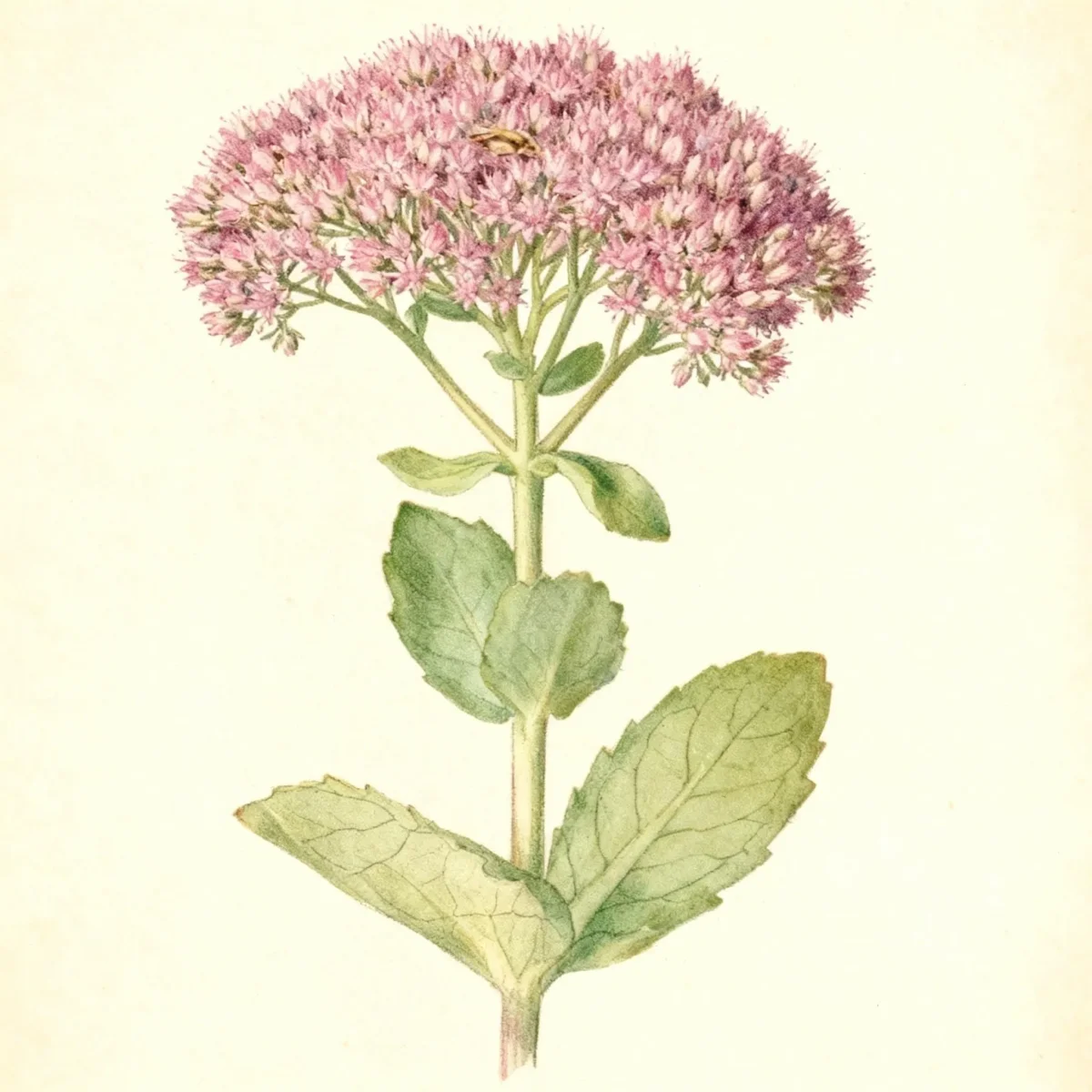
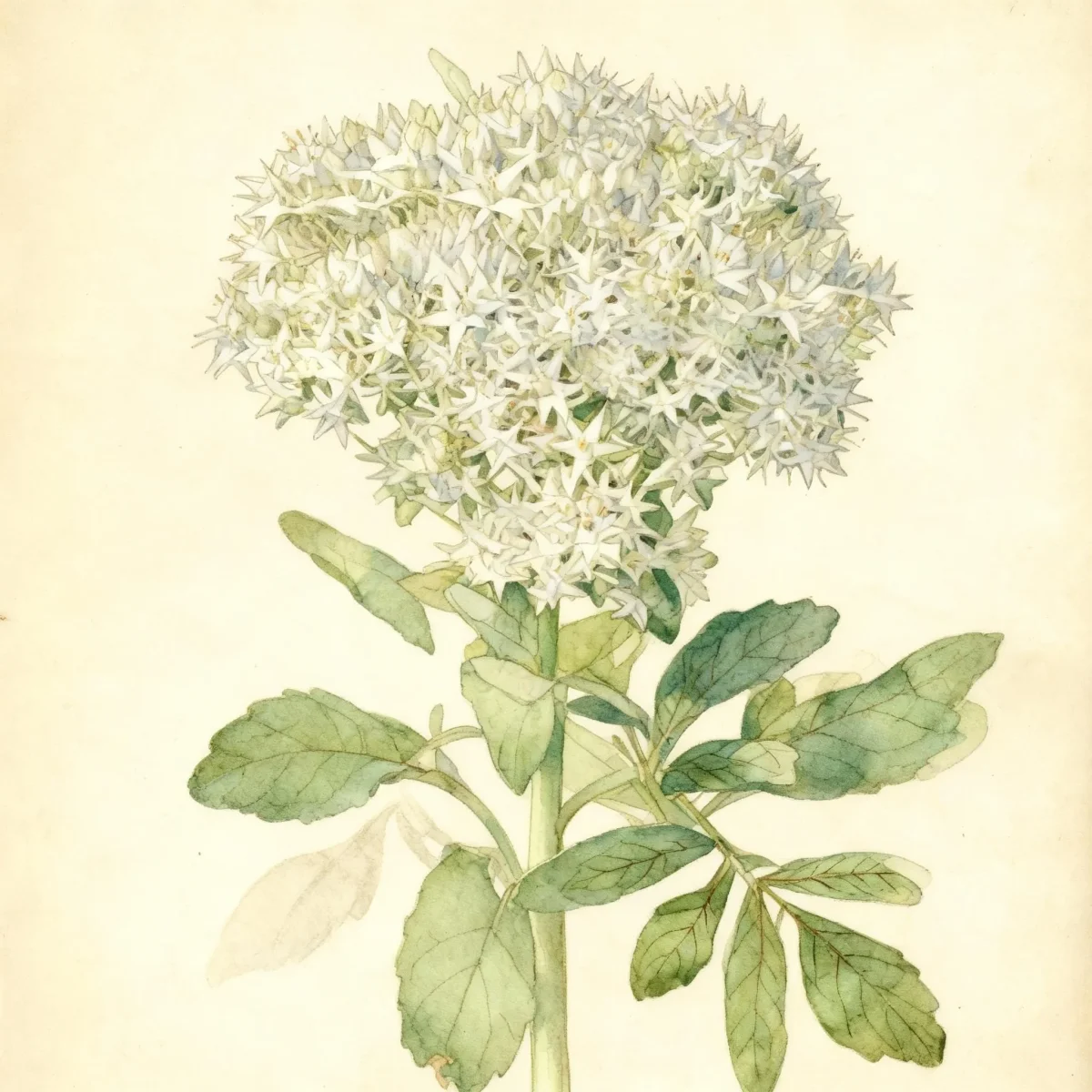
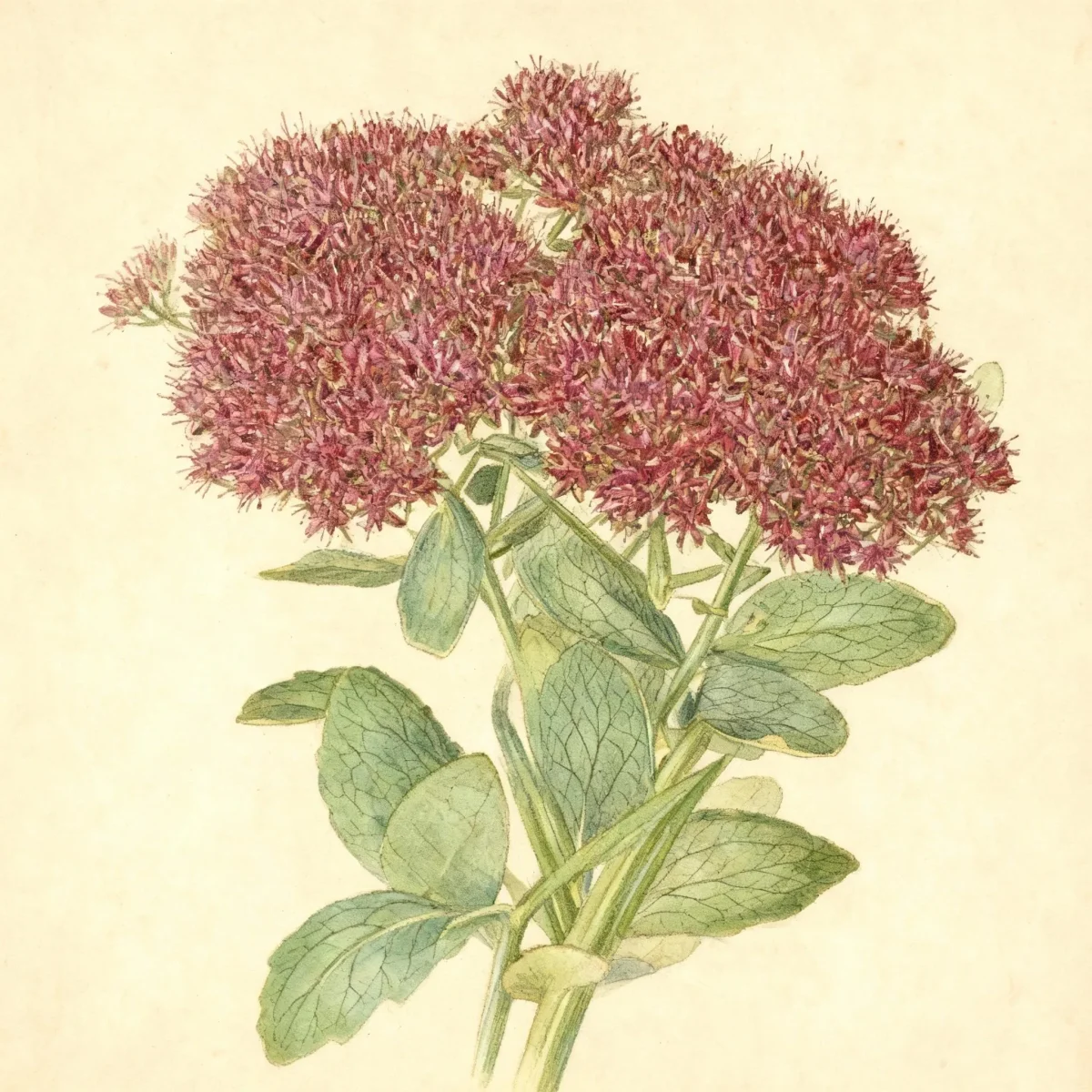
Autumn stonecrop (Sedum 'Mr. Goodbud')
Sedum 'Mr. Goodbud' offers vibrant purple-pink blooms in August atop sturdy stems. This tough Autumn stonecrop is highly drought-tolerant.
Scroll down to discover growing tips, care requirements, companion plants, and more
Complete Plant Information
Overview
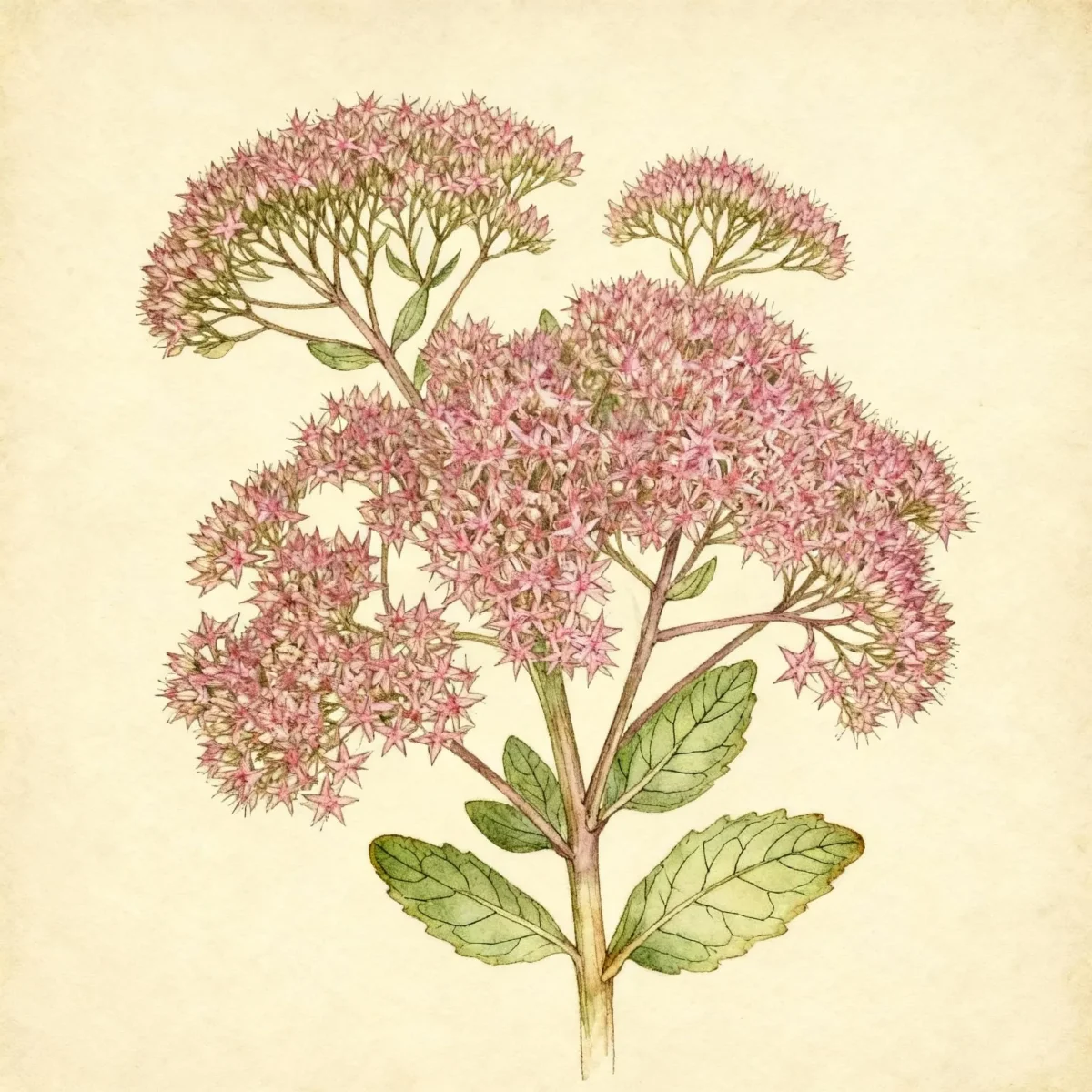
Sedum ‘Mr. Goodbud’, commonly known as Autumn stonecrop, is a highly valued herbaceous perennial celebrated for its robust structure and late-season color display. This cultivar is specifically bred to resist the flopping often associated with taller Sedums, providing reliable vertical interest through the autumn and into winter. Its strong, upright stems are clad in red-tinted foliage, culminating in large clusters of vibrant purple-pink flowers beginning in August.
As a member of the Crassulaceae family, Sedum ‘Mr. Goodbud’ exhibits excellent succulent qualities, making it exceptionally tough and easy to care for once established. It thrives in conditions where less resilient plants struggle, offering beauty with minimal input from the gardener. This excellent drought tolerance combined with its striking late-season blooms makes the Autumn stonecrop a cornerstone plant for consistent garden performance.
The genus name Sedum derives from the Latin word sedeo, relating to their characteristic habit of “sitting” or sprawling over rocks, leading to their common name, stonecrops. Sedum ‘Mr. Goodbud’ provides necessary color and structure late in the season, supporting local pollinators before winter dormancy.
Fast Facts
- Plant Family: Crassulaceae
- Plant Type: Herbaceous perennial
- Hardiness Zones: USDA Zones 3-9
- Size at Maturity:
- Height: 1-1.5 ft
- Spread: 1.5-2 ft
- Bloom Time: August
- Bloom Description: Purple-pink
- Sun Exposure: Full sun
- Water Needs: Dry to medium
- Maintenance Level: Low
How to Grow
Planting Sedum ‘Mr. Goodbud’ is best achieved in the spring or fall, ensuring ample time for root establishment before extreme weather hits. Location selection is critical: this Autumn stonecrop demands full sun exposure for the stoutest stems, though it tolerates a bit of light shade. The soil must possess excellent drainage; these plants perform best in average to medium moisture, thriving particularly well in gravelly or sandy soils with moderate fertility.
Care for Sedum ‘Mr. Goodbud’ is straightforward, reinforcing its low-maintenance reputation. Water sparingly, especially after the first year, as these succulents resent wet feet. Avoid heavy fertilization; overly rich soils or excessive shade will encourage weak, floppy growth, undermining the plant’s primary structural benefit.
To maintain the dense, upright habit of Sedum ‘Mr. Goodbud’, be proactive in the spring. Pinching back the new growth by up to one-third before the stems stretch significantly will force the plant to develop a bushier, thicker structure capable of supporting the large flower heads later in the season. Plants slowly spread over time, requiring little intervention.
Landscape Uses
The architectural form and late bloom time of Sedum ‘Mr. Goodbud’ make it highly versatile in landscape design. It is highly recommended for border fronts, where its sturdy habit neatly frames taller plantings or defines the edge of a pathway. Due to its drought and soil tolerance, it excels when massed or planted in groups, creating reliable drifts of late-season color.
Because this stonecrop thrives in drier, well-drained media, it is an ideal candidate for rock gardens or naturalized slopes where erosion control is beneficial. Furthermore, its compelling texture and upright shape provide structure when used as a specimen plant or blended effectively into large containers. Site Sedum ‘Mr. Goodbud’ where both the unique red-tinted foliage and the deep purple-pink flower clusters can be clearly appreciated throughout the season.
Standout Features
Noteworthy Characteristics
Sedum is a genus of about 400 species found mainly in the mountainous areas of North America but some also in dry area of South America. Most are succulent. They are tough, drought tolerant, easy-to-grow perennials that feature star-shaped flowers in clusters blooming on fleshy-leaved plants ranging from mat-forming ground covers to clump-forming upright mounds. Some of the most popular garden plants are hybrids.Genus name comes from the Latin word sedeo meaning to sit in reference to the general growing habit of many of the sedums (they sit and sprawl over rocks).Plants in the genus Sedum are commonly called stonecrops because they are typically found in the wild growing on rocky or stony areas. ‘Mr. Goodbud’ is a cultivar with large 5-6” clusters of vibrant purple-pink flowers (flower buds are almost white) on purple-red stems. The red-tinted foliage forms an upright clump with strong, short stems that resist flopping and remain standing through winter. ‘Mr. Goodbud’ is a hybrid of S. Spectabile ‘Brilliant’ and an unnamed S. Telephium. U.S. Plant Patent #17,671 awarded May 1, 2007.
Tolerances
- Rabbit
- Deer
- Drought
- Erosion
- Clay Soil
- Dry Soil
Potential Problems
The primary concern with taller Sedum hybrids, including some varieties of Autumn stonecrop, is the susceptibility to flopping, especially if flowers become heavy or if the plant receives inadequate sun. This structural failure can be actively avoided by ensuring full sun conditions and planting in soils that are neither too moist nor overly rich in nitrogen. For extra insurance, pinching stems in the spring forces a thicker, bushier growth habit less prone to collapse.
Pests are generally minor concerns for this tough plant. Gardeners should watch for slugs and snails, especially on new growth. Scale insects may occasionally appear, but physical removal or horticultural oil treatments are usually effective.
The most serious cultural issue is potential rot. Rotting out occurs strictly in wet and/or poorly drained conditions, confirming the necessity of well-drained soil to ensure the long-term health of Sedum ‘Mr. Goodbud’.
Frequently Asked Questions
What hardiness zones is Autumn stonecrop suitable for?
Sedum ‘Mr. Goodbud’ is remarkably adaptable and suitable for planting across USDA Zones 3 through 9.
How large does Autumn stonecrop grow?
This herbaceous perennial typically reaches a modest height between 1 and 1.5 feet tall, with a spread ranging from 1.5 to 2 feet wide.
What sun exposure does Sedum ‘Mr. Goodbud’ need?
For best structural integrity and abundant blooms, Sedum ‘Mr. Goodbud’ requires full sun exposure throughout the growing season.
When does Sedum ‘Mr. Goodbud’ bloom?
This stonecrop variety begins flowering prominently in August, displaying characteristic purple-pink bloom clusters.
Conclusion
Sedum ‘Mr. Goodbud’ is an exemplary choice for gardeners needing reliable, low-maintenance structure and late-season color that resists flopping. Its remarkable tolerance for poor drainage and drought, combined with its stunning purple-pink August display, secures its place in sunny perennial borders. Check your local USDA zone compatibility today and plan to install your Autumn stonecrop in a site that guarantees ample sunlight for its strongest performance.
Companion Planting
When selecting companions for Sedum ‘Mr. Goodbud’, focus on plants that share its full-sun requirement and tolerance for dryish soils. Tall grasses, such as Switchgrass (Panicum virgatum), offer textural contrast that complements the mounding habit of the stonecrop. Consider late-flowering goldenrods (Solidago) or native asters that bloom concurrently in the autumn. These companions will create a cohesive late-summer/fall meadow look, thriving in similar dry to medium soil conditions.
Wildlife Benefits
While primarily valued for its upright form, Sedum ‘Mr. Goodbud’ offers measurable support for declining pollinator populations. The dense flower heads bloom reliably in August, providing a crucial nectar and pollen source as many earlier summer bloomers begin to fade. Bees and butterflies utilize these late-season flowers before migratory periods or winter preparation. Planting Autumn stonecrop in groups helps maximize visibility and attract beneficial insects to your garden ecosystem.