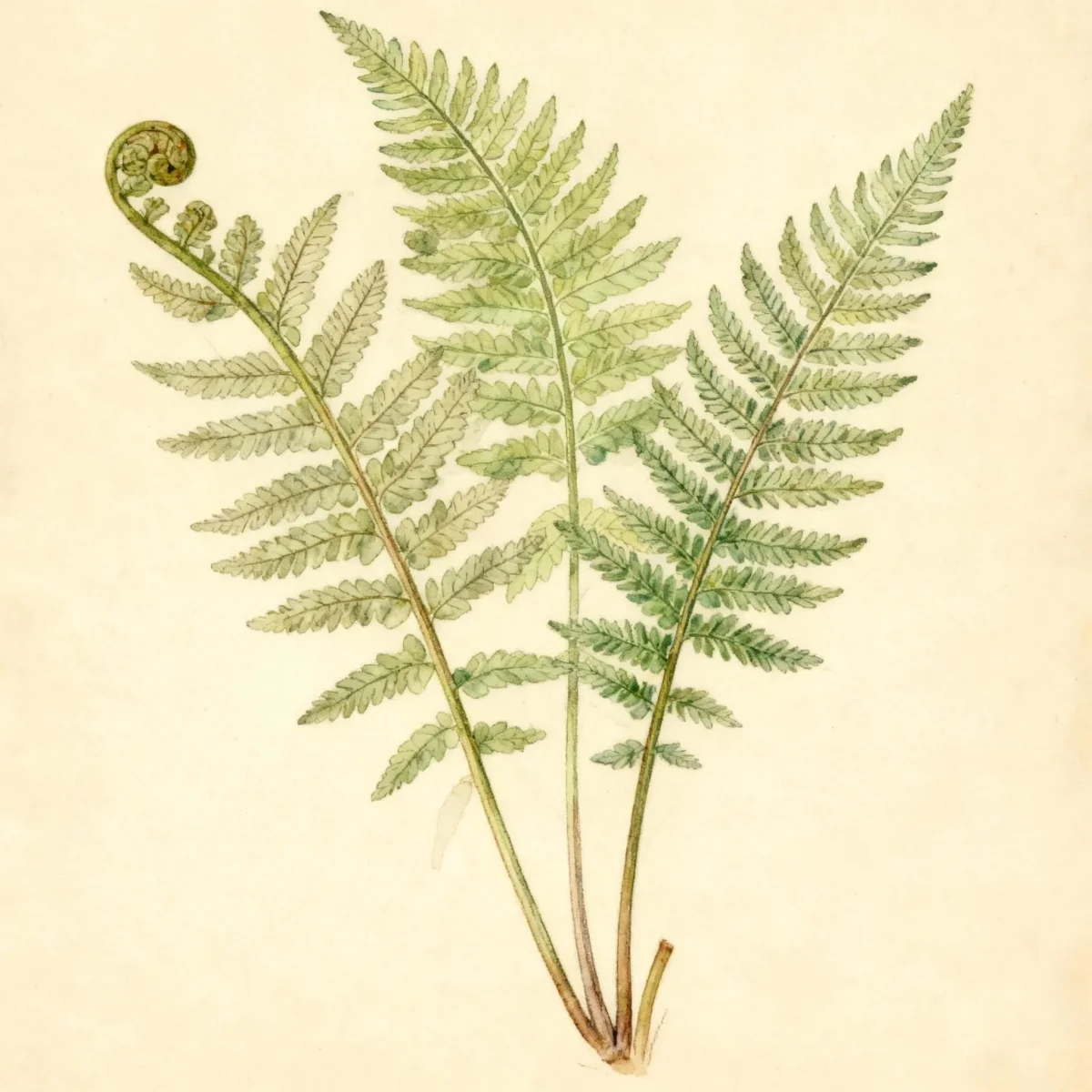
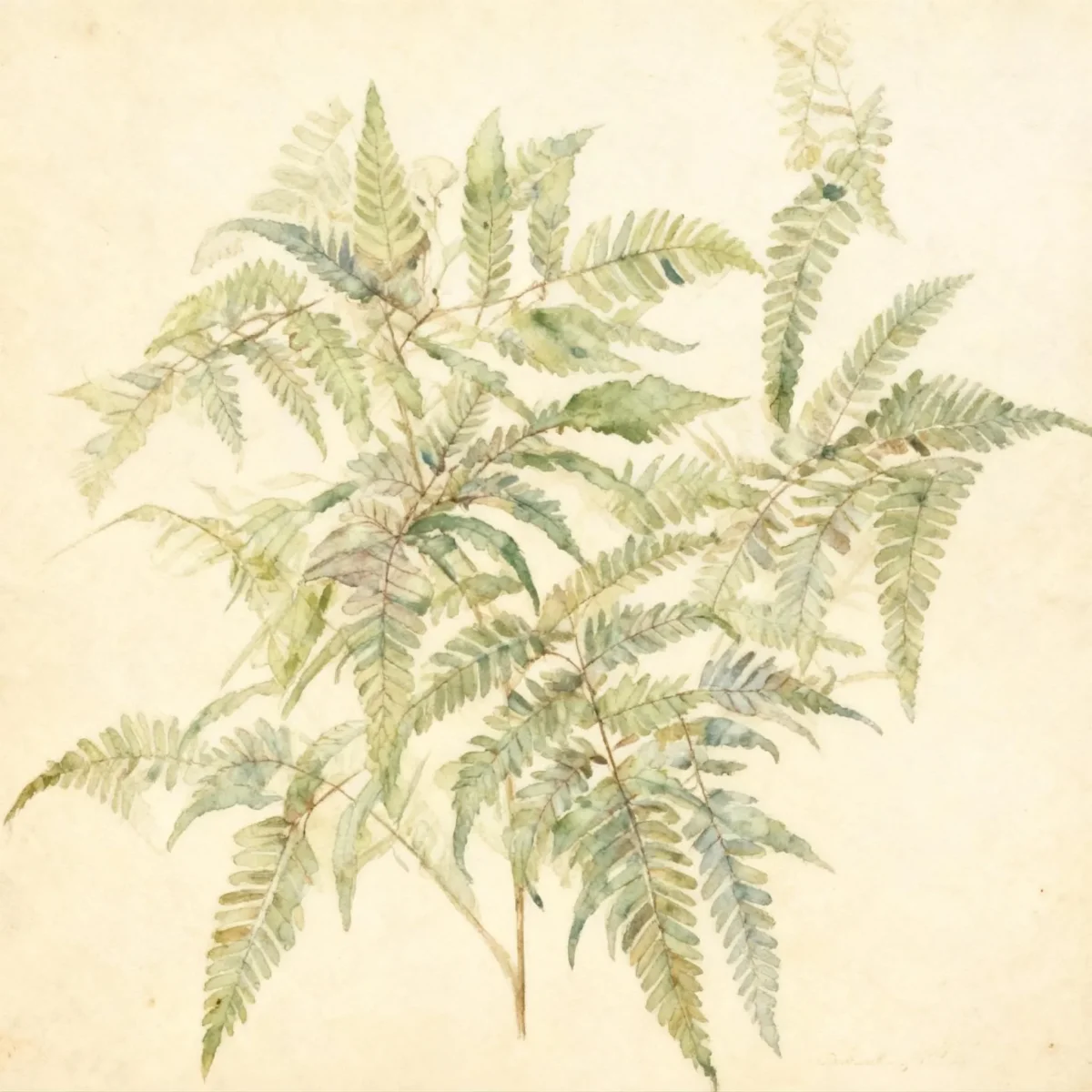
Hybrid painted fern (Athyrium 'Ocean's Fury')
Athyrium 'Ocean's Fury' is a striking Hybrid painted fern prized for silver-green lacy fronds contrasting vibrant red midribs.
Scroll down to discover growing tips, care requirements, companion plants, and more
Complete Plant Information
Overview
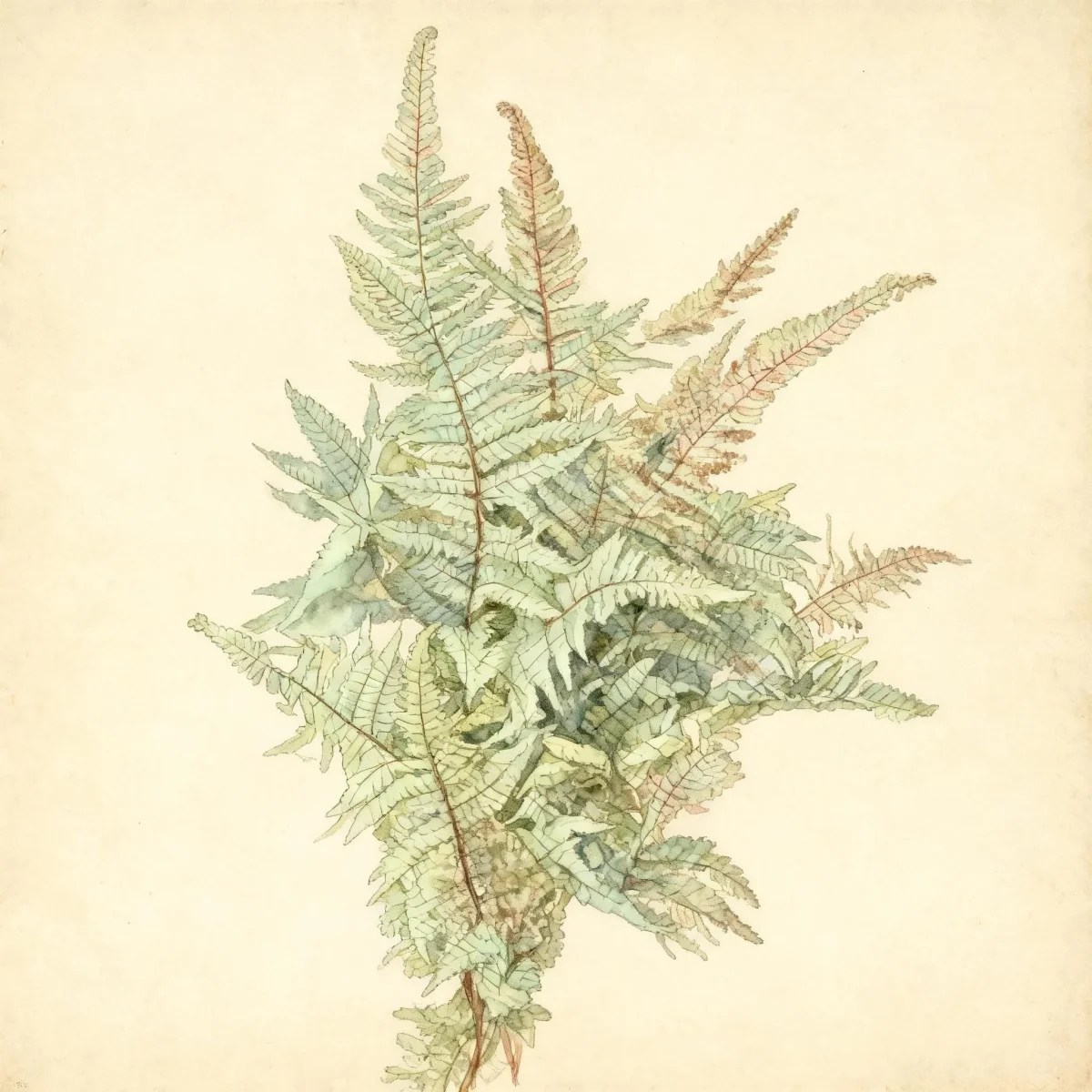
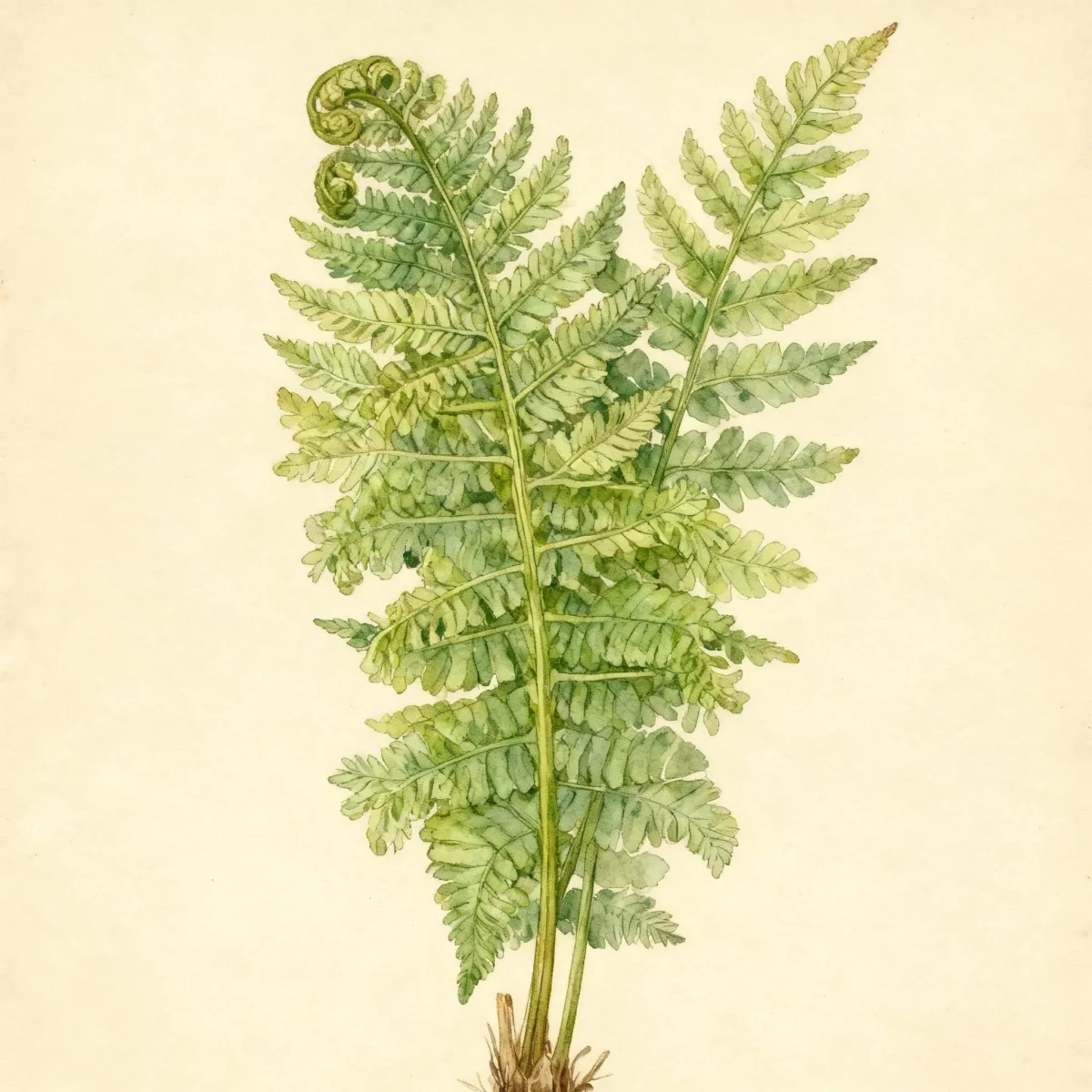
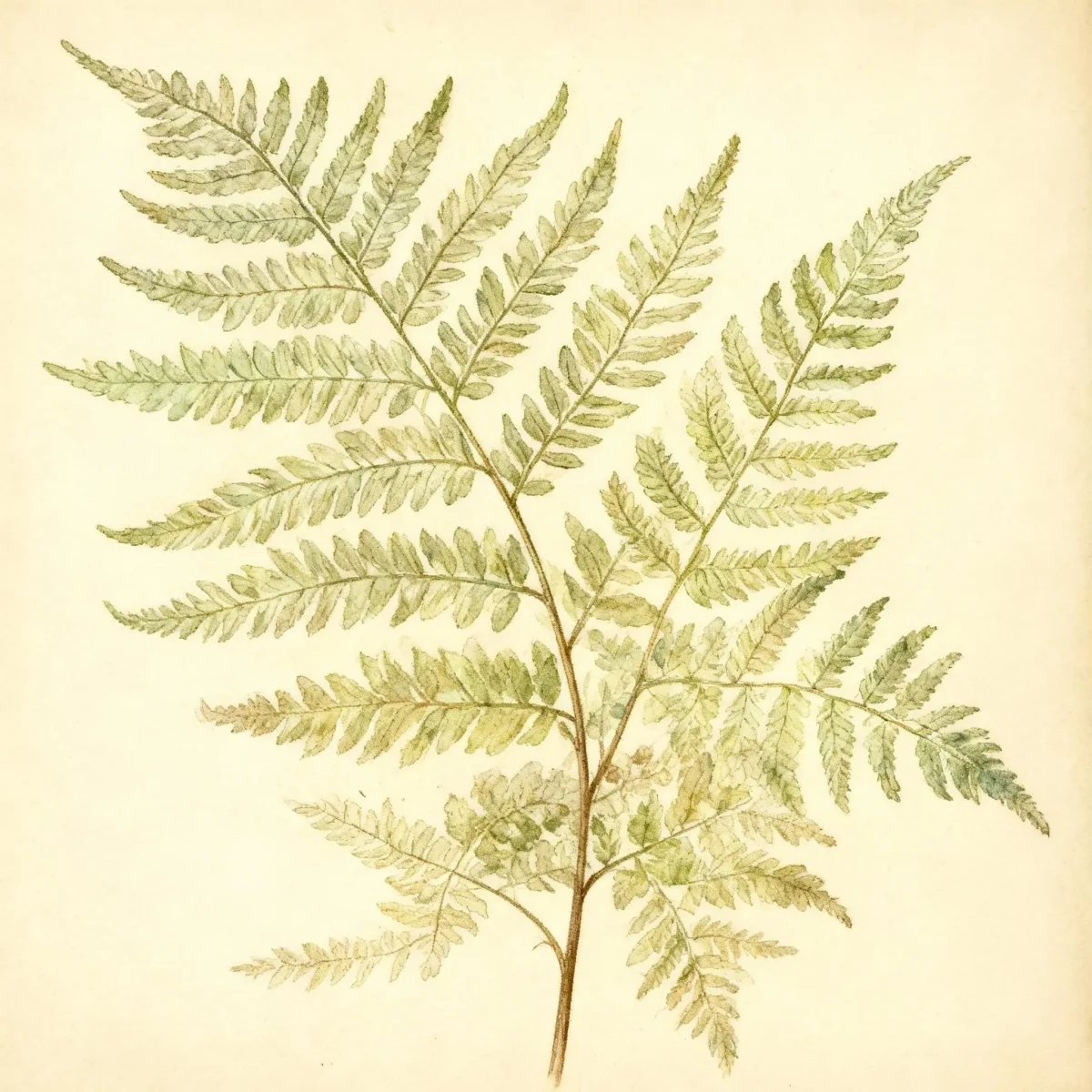
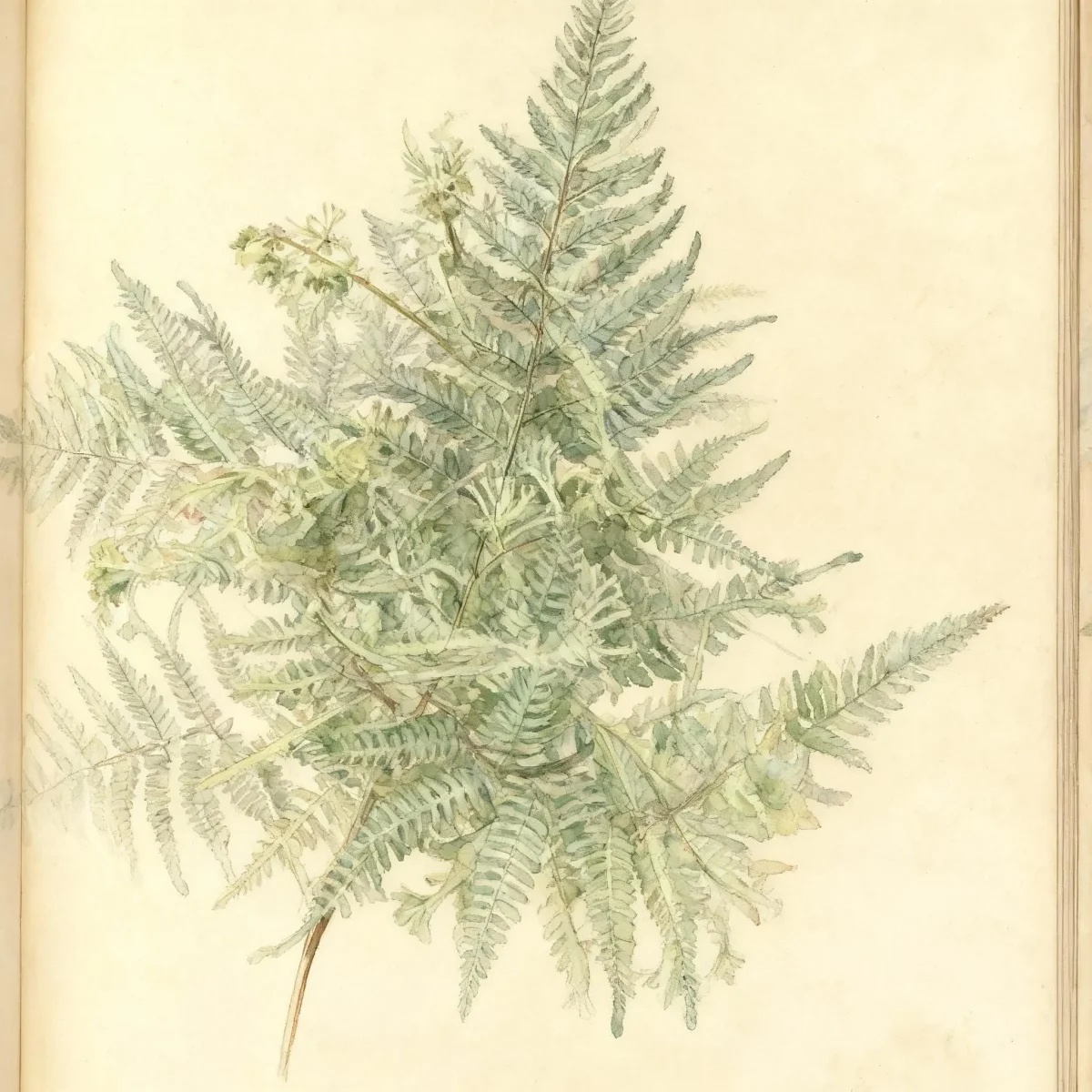
The Hybrid painted fern, technically known as Athyrium ‘Ocean’s Fury’, offers exceptional texture and color contrast for shaded garden spaces. This cultivar is highly valued for its lacy, upward-arching triangular fronds, which display a beautiful silver-green hue accented by striking red midribs. Gardeners appreciate its low maintenance requirements coupled with its dramatic visual impact, making it a staple in woodland designs.
Athyrium ‘Ocean’s Fury’ is a robust Japanese painted fern hybrid that forms dense, attractive clumps, typically reaching three feet in both height and spread. While it is non-flowering, its foliage provides season-long interest, especially when sited where it receives appropriate light exposure to maintain its vibrant coloration. The unique crested tips on the leaflets add an extra layer of visual complexity to this beautiful fern.
Cultivating this plant is straightforward, as it tolerates slightly drier conditions than some of its fern relatives, though consistent moisture is key to optimal health. Placing Athyrium ‘Ocean’s Fury’ where it is shielded from excessive afternoon sun prevents the coveted silver-green tones from bleaching out. It is an excellent choice for gardeners seeking reliable, colorful foliage texture in deep shade.
Fast Facts
- Plant Family: Athyriaceae
- Plant Type: Fern
- Hardiness Zones: USDA Zones 4-8
- Size at Maturity:
- Height: 2-3 ft
- Spread: 2-3 ft
- Bloom Time: Non-flowering
- Bloom Description: Silver green fronds with red midribs
- Sun Exposure: Part shade to full shade
- Water Needs: Medium
- Maintenance Level: Low
How to Grow: Athyrium ‘Ocean’s Fury’
Planting the Hybrid painted fern is best done in spring or fall when temperatures are moderate, allowing the root system to establish before environmental extremes. Athyrium ‘Ocean’s Fury’ thrives in humusy, organically rich soil that is consistently moist but exceptionally well-drained. Ensure the planting site offers protection, as best sited locations are sheltered from harsh winds and intense midday sun, which can scorch this otherwise resilient fern.
For ongoing care, maintain medium moisture levels across the growing season; while this cultivar tolerates more soil dryness than other ferns, allowing the soil to dry out completely should be avoided. Fertilizing is rarely necessary if the soil is rich in organic matter; simply top-dress annually with compost to replenish nutrients. Keep pruning minimal, focusing only on removing any fronds that become damaged or unsightly.
The vibrant silvery coloration of Athyrium ‘Ocean’s Fury’ is best maintained by ensuring it receives a bit of light shade, rather than deep, dark shade. If situated in too much sun, expect the attractive frond colors to bleach. In late fall, the fronds will die back, and cleanup can wait until early spring just as new growth begins to emerge, providing some winter insulation.
Landscape Uses
The dramatic architectural form and unique coloration of the Hybrid painted fern make it irreplaceable in shaded garden designs. It functions perfectly as an element in woodland gardens, mimicking its natural habitat and blending seamlessly with hostas, astilbes, and bleeding hearts that share similar preferences for moist, dappled light. Use Athyrium ‘Ocean’s Fury’ along the fronts of shaded borders where its lacy texture can contrast sharply with broader-leaved companions.
These ferns also provide structure in shaded border fronts, bridging the gap between groundcovers and taller shrubs. Their upright, arching habit prevents them from appearing too flat. Consider mass-planting several Athyrium ‘Ocean’s Fury’ specimens to create a cohesive “ocean wave” effect, referencing the cultivar’s namesake, especially when planted near winding shade paths.
While large, they can anchor substantial containers placed on patios or decks that receive heavy shade throughout the day. Ensure containers provide excellent drainage and utilize a high-quality, moisture-retentive potting mix to meet the medium water needs of this stunning fern.
Standout Features
Noteworthy Characteristics
Athyrium is a genus of ferns comprising about 180 species, frequently found in moist forest and woodland settings across temperate and tropical regions. The genus name originates from the Greek word athyros, meaning “doorless,” referring to the slowly opening hinged indusia (spore covers). ‘Ocean’s Fury’ is a notable Japanese painted fern hybrid that develops into a three-by-three-foot clump of lacy, upward-arching, triangular silver-green fronds distinguished by deep red midribs (rachis) and leaflets that are crested at the tips. This superior hybrid resulted from a cross between Athyrium niponicum var. Pictum and Athyrium filix-femina ‘Congestum Cristatum’ by Therman Maness, later introduced commercially by Terra Nova Nurseries of Oregon.
Tolerances
- Rabbit
- Heavy Shade
Potential Problems
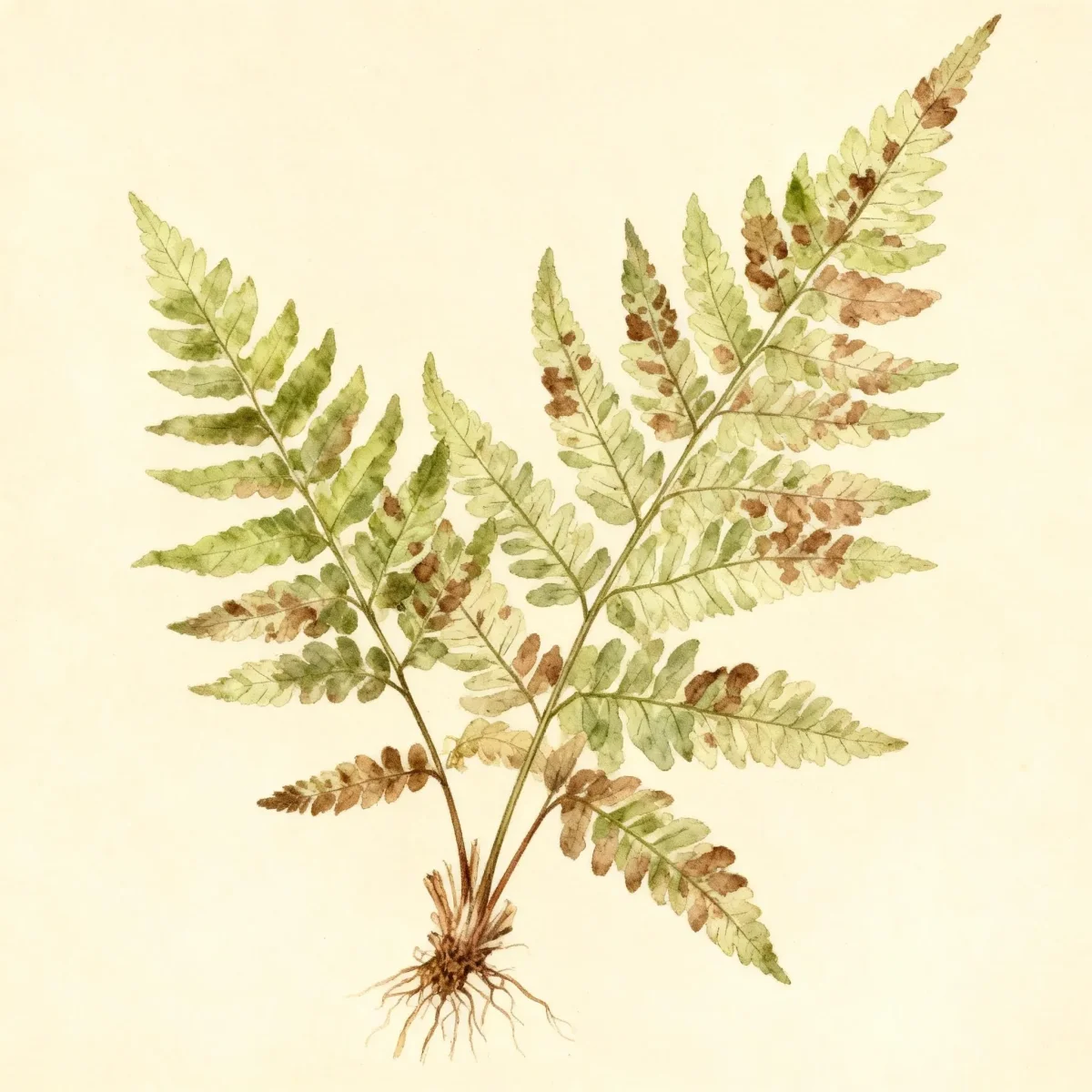
Generally, the Hybrid painted fern exhibits no serious insect or disease problems, which contributes significantly to its low-maintenance rating. The primary aesthetic concern involves the foliage appearance as the season progresses. Fronds frequently become somewhat tattered in appearance by mid-summer, especially if exposed to harsh weather or inconsistent moisture. To maintain a cleaner look throughout the summer, simply snip off the damaged fronds near the base, encouraging any newer growth to look fresh near the crown.
Frequently Asked Questions
What hardiness zones is Hybrid painted fern suitable for?
Athyrium ‘Ocean’s Fury’ is reliably hardy in USDA Zones 4 through 8, making it a versatile choice for many temperate climates.
How large does Athyrium ‘Ocean’s Fury’ grow?
This striking fern typically matures to a size of 2 to 3 feet tall with a corresponding spread of 2 to 3 feet, forming a substantial clump.
What sun exposure does Hybrid painted fern need?
This fern prefers part shade to full shade conditions. To achieve the best silvery frond coloration, site it where it receives light shade, as too much direct sun causes bleaching.
When does Hybrid painted fern bloom?
Athyrium ‘Ocean’s Fury’ is non-flowering; its ornamental value comes entirely from its foliage, which features attractive silver-green fronds accented with red midribs.
Conclusion
The Hybrid painted fern, Athyrium ‘Ocean’s Fury’, offers unparalleled textural beauty and subtle color contrast perfect for brightening the darkest corners of the garden. Its low maintenance profile and striking silver-green and red foliage ensure year-round garden appeal. Before planting, confirm your growing location falls within USDA Zones 4-8 and ensure your soil is rich and drains well to maximize the stunning display of this cultivar.
Companion Planting in Shade
When integrating Athyrium ‘Ocean’s Fury’ into a shade garden, selecting companions with contrasting forms and colors enhances its visual impact. Consider pairing it with broad-leaved hostas, particularly those with blue or chartreuse foliage, to emphasize the fine texture of the fern. Heuchera (Coral Bells) also serve as fine counterparts, as their deep purple or orange foliage creates a rich, layered tapestry against the silver-green of the Silver green fronds with red midribs.
For seasonal color, early spring bulbs such as snowdrops or trilliums emerge before the fern fully expands, providing temporary interest. Later in the season, Japanese forest grass (Hakonechloa macra) provides a weeping, fine texture that complements the upright arching habit of the Hybrid painted fern without competing for root space in rich woodland soil.
Seasonal Care Calendar
Spring is the ideal time to clean up any lingering withered foliage from the previous season and gently amend the soil around the crown with a layer of fresh compost. Athyrium ‘Ocean’s Fury’ requires attentive watering during this period of active unfurling (fiddleheads emerging) to ensure consistent growth.
During the summer months, the focus shifts entirely to maintaining soil moisture. If you experience dry spells, provide deep, slow watering at the base of the plant, avoiding overhead sprinkling if possible. Monitor the fronds for early signs of burning or yellowing, which indicates too much direct light exposure.
As autumn arrives, the foliage will naturally begin to decline. No intensive care is required; simply allow the fronds to wither. In colder zones (Zone 4), applying a light layer of leaf mulch loosely around the base before the ground freezes will help protect the crowns over winter, preparing the Hybrid painted fern for another season of reliable performance.