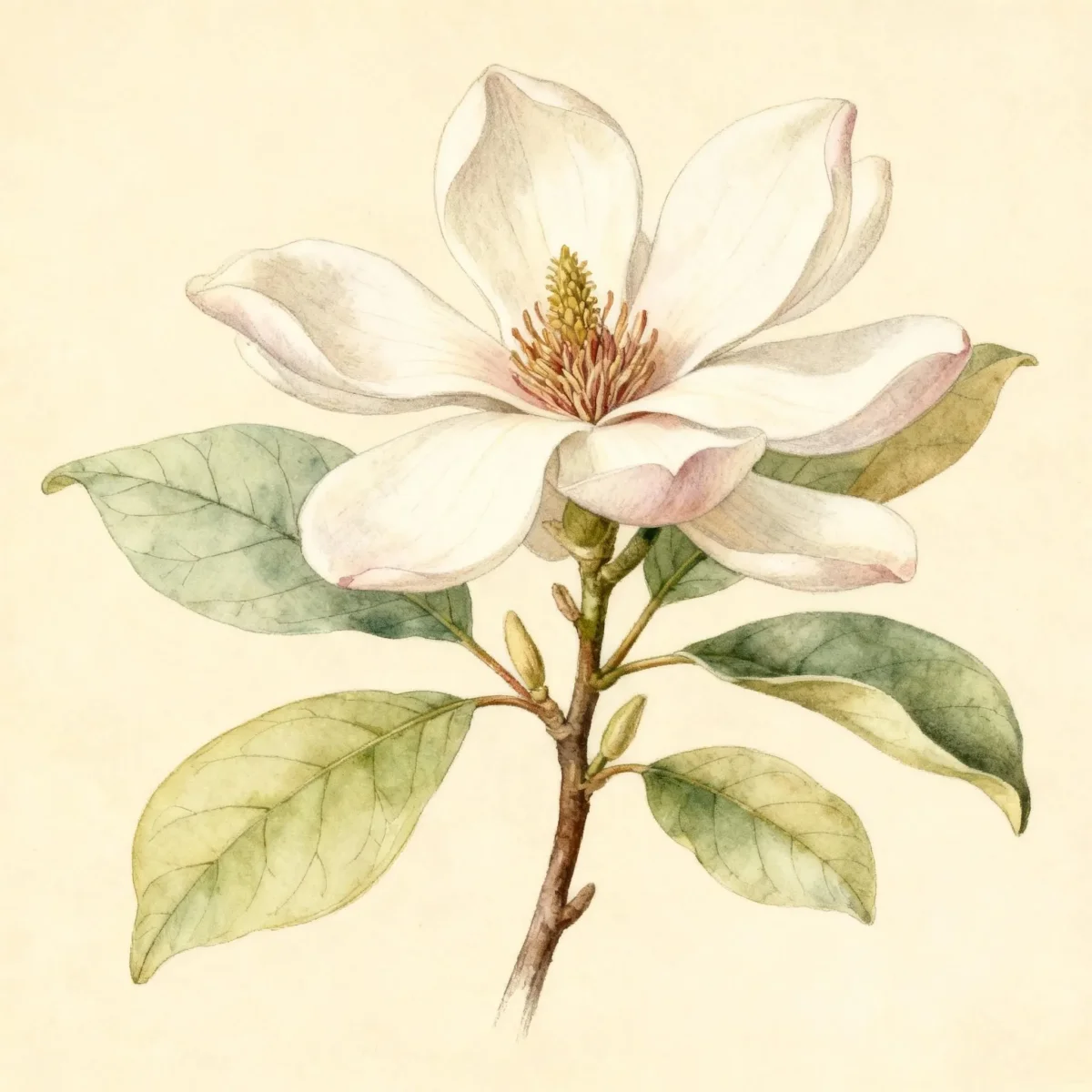
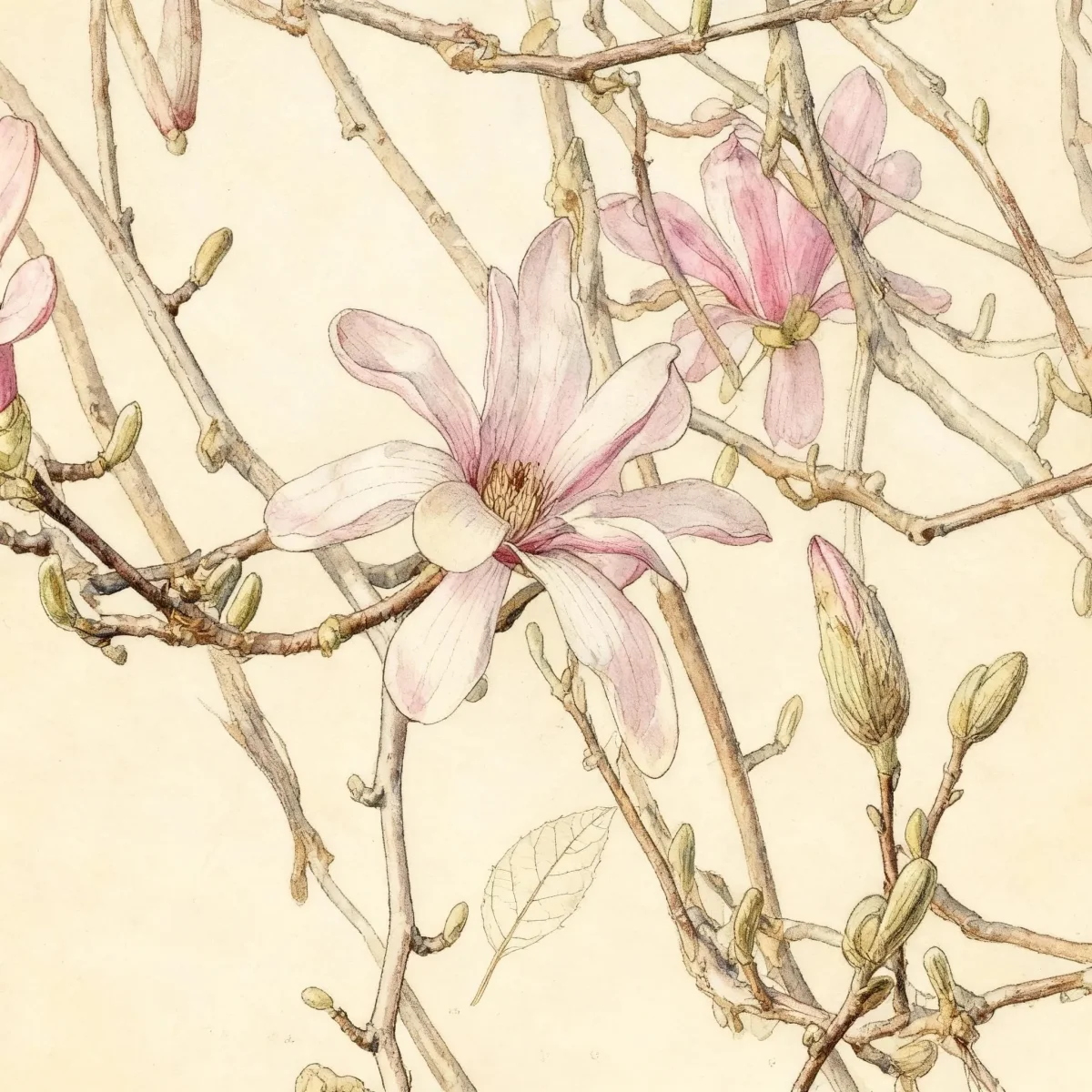
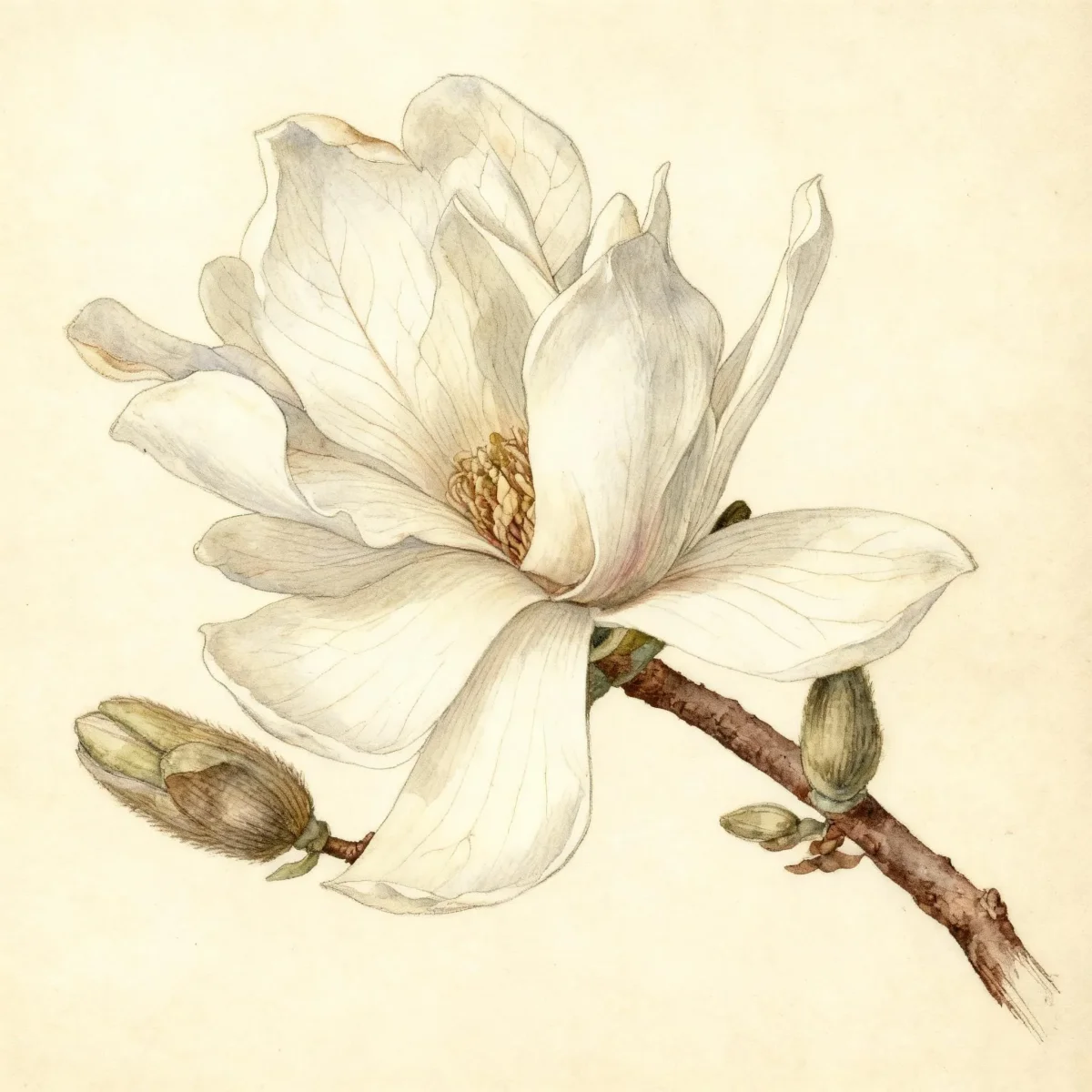
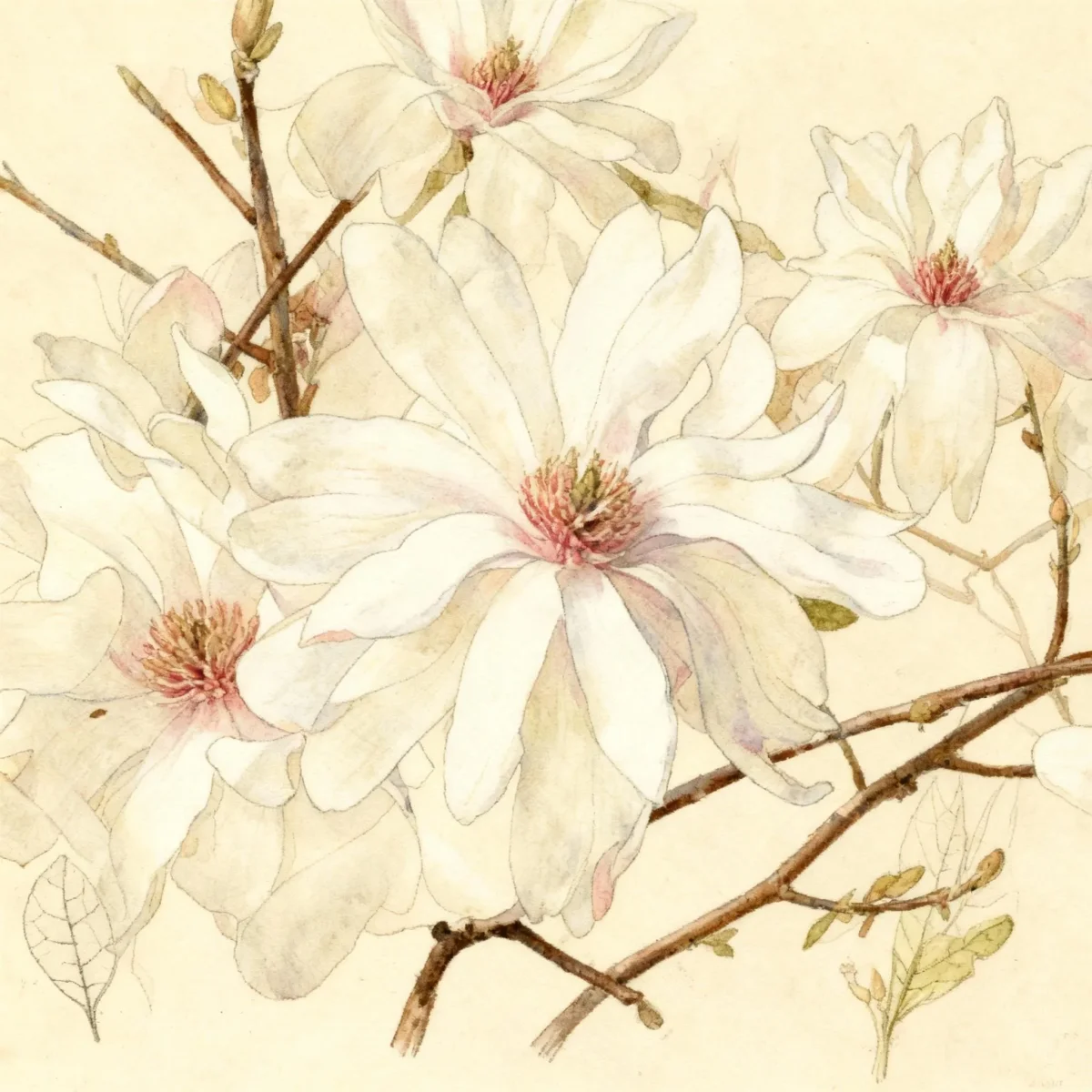
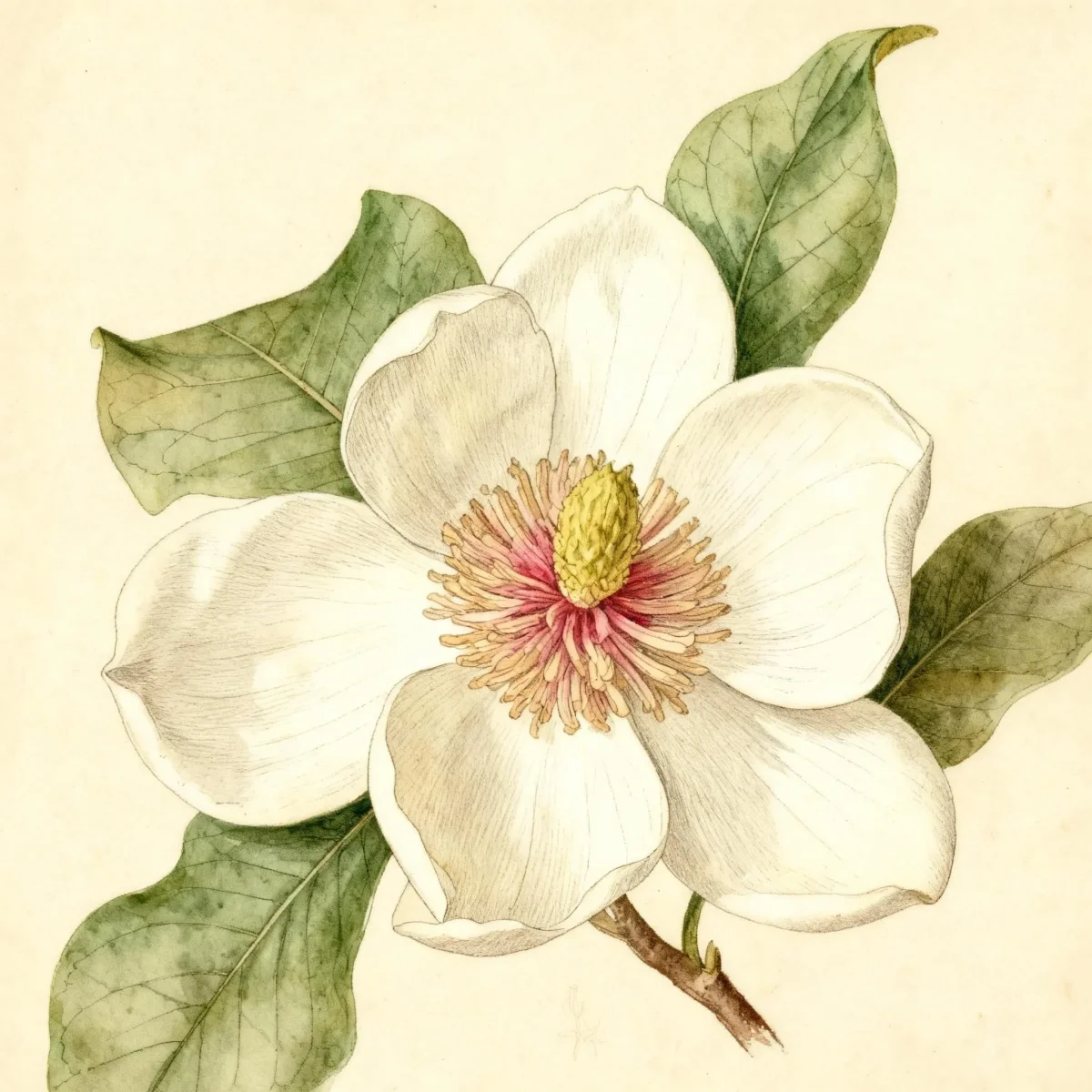
Magnolia (Magnolia 'Sunspire')
Discover Magnolia 'Sunspire', a columnar tree featuring showy, fragrant, deep yellow flowers in late spring. Ideal for narrow spaces.
Scroll down to discover growing tips, care requirements, companion plants, and more
Complete Plant Information
Overview
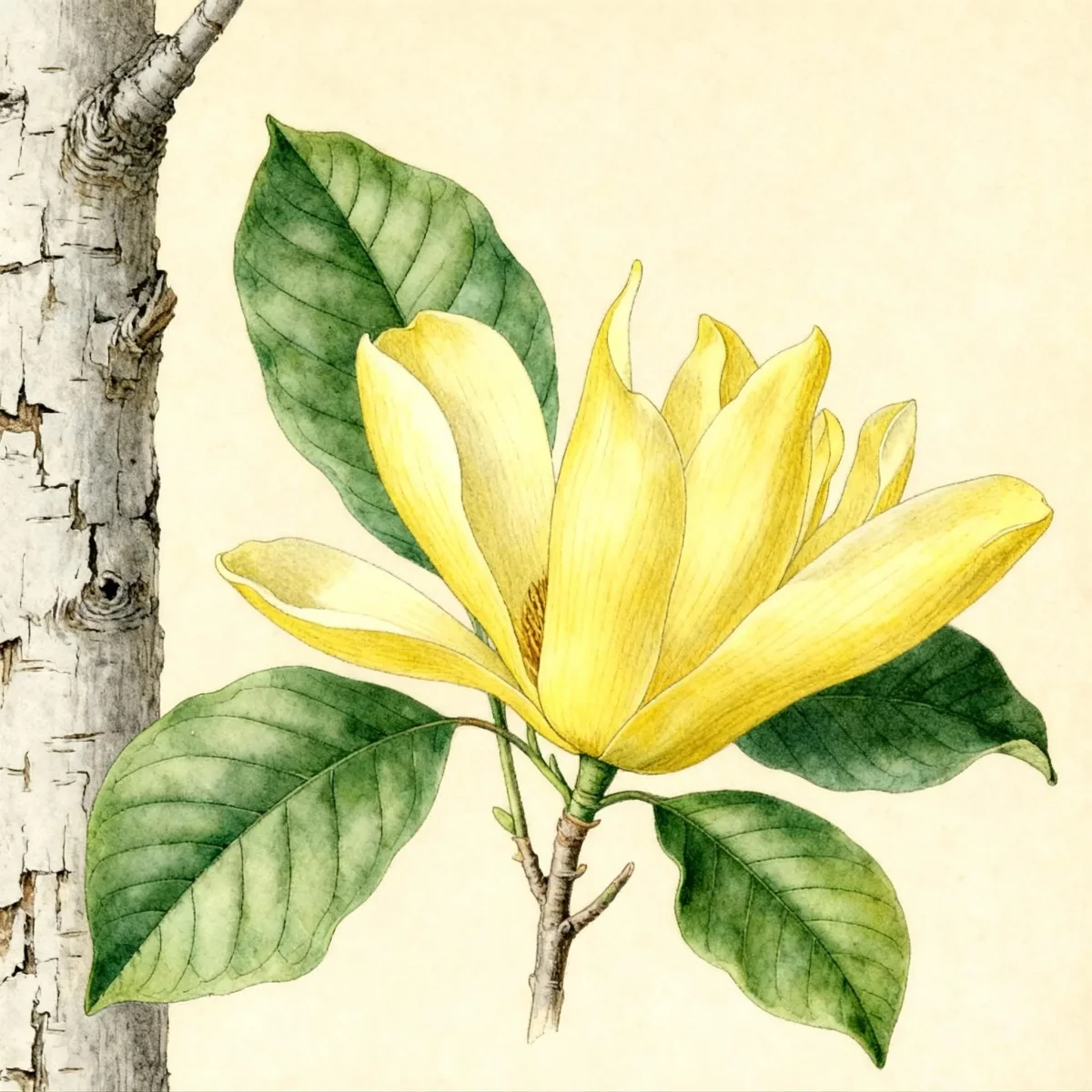
Magnolia ‘Sunspire’ stands out in the landscape due to its strikingly upright, columnar habit, a rare feature among Magnolias. This deciduous tree offers a spectacular late-spring show of deep yellow flowers, providing brilliant color after many earlier spring bloomers have faded. Gardeners prize this specific Magnolia cultivar for its elegant structure which allows it to fit beautifully into tighter spaces.
As a hybrid cultivar developed by plant breeder Dr. August Kehr, Magnolia ‘Sunspire’ provides dependable performance, reaching heights up to 25 feet but rarely exceeding 12 feet wide. Its manageable size, coupled with its substantial flower display, makes it an excellent architectural specimen. The structure of this Magnolia minimizes the wide canopy common to its relatives.
When selecting a location for your Magnolia ‘Sunspire’, consider its need for protection from harsh winds and warm southern exposures that might trick the buds into opening too early. Once established, this superb flowering tree remains a focal point, rewarding the patient gardener with reliable color.
Fast Facts
- Plant Family: Magnoliaceae
- Plant Type: Tree
- Hardiness Zones: USDA Zones 5-8
- Size at Maturity:
- Height: 20-25 ft
- Spread: 6-12 ft
- Bloom Time: April to May
- Bloom Description: Deep yellow
- Sun Exposure: Full sun to part shade
- Water Needs: Medium
- Maintenance Level: Medium
How to Grow
The optimal time for planting Magnolia ‘Sunspire’ is typically during the cooler, wetter months to ease establishment. Select a site carefully, as this cultivar has a fleshy root system that is easily damaged during transplanting; once placed, it prefers to remain undisturbed. It thrives best in organically rich, neutral to slightly acidic, medium-moisture soils that are well-drained.
Maintain even soil moisture, especially during dry spells, as the water needs are rated as medium. Applying a root-zone mulch is highly recommended; this practice helps suppress weeds and retains the crucial soil moisture that Magnolias require. While it appreciates full sun, providing partial shade during the hottest afternoons can benefit the foliage, although avoid excessive shade which reduces blooming.
Pruning for Magnolia ‘Sunspire’ should be minimal, generally restricted to removing dead or damaged branches. If pruning is necessary, execute this task immediately after the flowers have finished blooming in late spring. Furthermore, ensure the planting location protects the tree from severe, whipping winds, which can damage the upright branches.
Landscape Uses
Magnolia ‘Sunspire’ excels as a specimen or accent plant where its unique columnar silhouette can be fully appreciated. Due to its narrow profile, it functions perfectly as a vertical accent near entryways, flanking structures, or where space constraints prevent the use of broader flowering trees. This cultivar fits into narrow spaces that traditional spreading magnolias cannot occupy.
Use this vibrant yellow-flowering Magnolia along borders where it can provide year-round structure, augmented by its spectacular spring performance. Since it excels in prominent sunny areas, pair it with lower-growing shrubs or perennials that appreciate similar light conditions but offer varying textures and bloom times, such as late-season hydrangeas or early-blooming spring bulbs beneath the canopy.
As a relatively smaller, columnar shade tree, it can effectively screen undesirable views without overwhelming a small yard. Planting Magnolia ‘Sunspire’ where its vibrant blooms are clearly visible from windows ensures maximum enjoyment of this superior cultivar.
Standout Features
Flower Qualities
- Showy
- Fragrant
Noteworthy Characteristics
The genus Magnolia contains numerous species known for large leaves and showy, often fragrant, flowers blooming early or mid-season. Magnolia ‘Sunspire’ is a highly regarded yellow-flowered hybrid celebrated for its unusual, fastigiate (columnar) branching structure, maturing to 20-25 feet tall but remaining slender at only 6-12 feet wide. This cultivar’s deep yellow blooms appear later in spring, typically late April through May, often avoiding spring frost damage.
Tolerances
- Clay Soil
Potential Problems
While Magnolia ‘Sunspire’ blooms later, reducing the risk of spring frost damage to its flowers, gardeners should monitor for common magnolia ailments. Potential diseases include leaf spots, anthracnose, canker, dieback, and powdery mildew, often favored by high humidity or poor air circulation. Ensuring proper site selection that maximizes airflow can mitigate some fungal issues.
Insect pests such as weevils, snails, scale insects, and thrips can occasionally bother this tree. Regular inspection of the foliage, particularly during the growing season, allows for prompt intervention. Addressing sanitation issues, such as raking up fallen debris, helps manage overwintering pests and fungal spores.
Frequently Asked Questions
What hardiness zones is Magnolia ‘Sunspire’ suitable for?
Magnolia ‘Sunspire’ is reliably hardy in USDA Zones 5 through 8, offering good adaptability across many temperate regions.
How large does Magnolia ‘Sunspire’ grow?
This specimen tree typically reaches heights between 20 and 25 feet tall, maintaining a distinctly narrow spread of 6 to 12 feet wide at maturity.
What sun exposure does Magnolia ‘Sunspire’ need?
This Magnolia variety prefers full sun to part shade conditions for optimal flowering and structure development.
When does Magnolia ‘Sunspire’ bloom?
You can expect the deep yellow flowers of Magnolia ‘Sunspire’ to appear from April into May.
Conclusion
Magnolia ‘Sunspire’ offers exceptional value with its unique columnar form and brilliant deep yellow, fragrant spring flowers, solving the problem of tight planting spaces. If your garden has well-drained, organically rich soil and falls within USDA Zones 5-8, incorporating the unique structure of this Magnolia hybrid is highly recommended. Plan your planting during the dormant season to ensure the best start for your new specimen tree.
Companion Planting
When designing a foundational planting around your new Magnolia ‘Sunspire’, select companions that enjoy similar soil pH and water needs but offer contrasting form or color. Consider planting acid-loving perennials like Azaleas or Rhododendrons nearby; their broad leaves and earlier blooms create a lovely textural contrast to the columnar tree. For lower-level accents, Hostas perform well in the dappled shade provided by the upper canopy while appreciating the consistent moisture this Magnolia prefers.
Design Ideas
The tight, upright habit of Magnolia ‘Sunspire’ makes it an outstanding choice for formal allées or as a vertical exclamation point at the transition points of pathways. Because it maintains a narrow footprint, it functions effectively as a living screen where a traditional broad hedge is impractical. Place one near a patio or walkway to maximize appreciation of its showy, fragrant blooms during the late spring season.