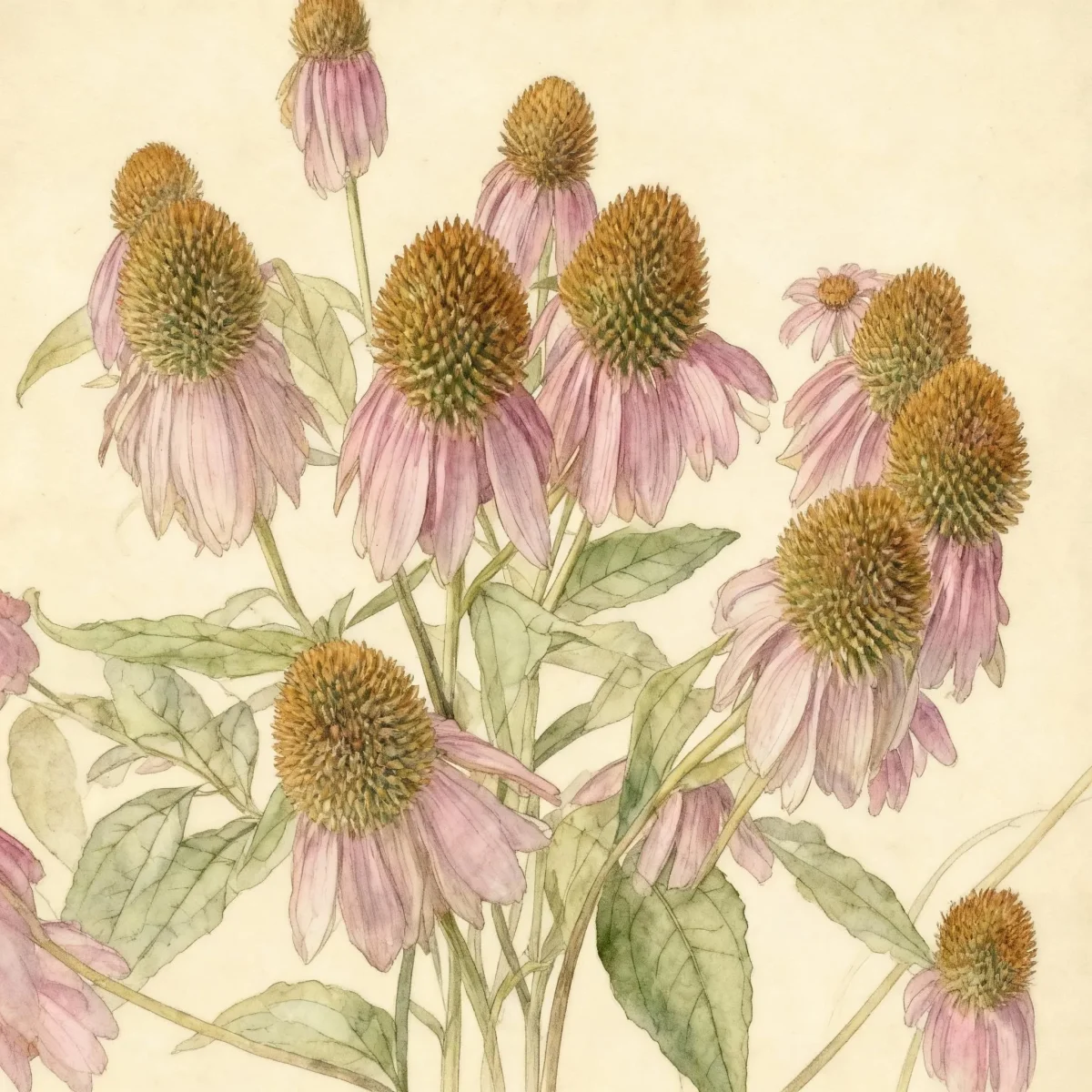
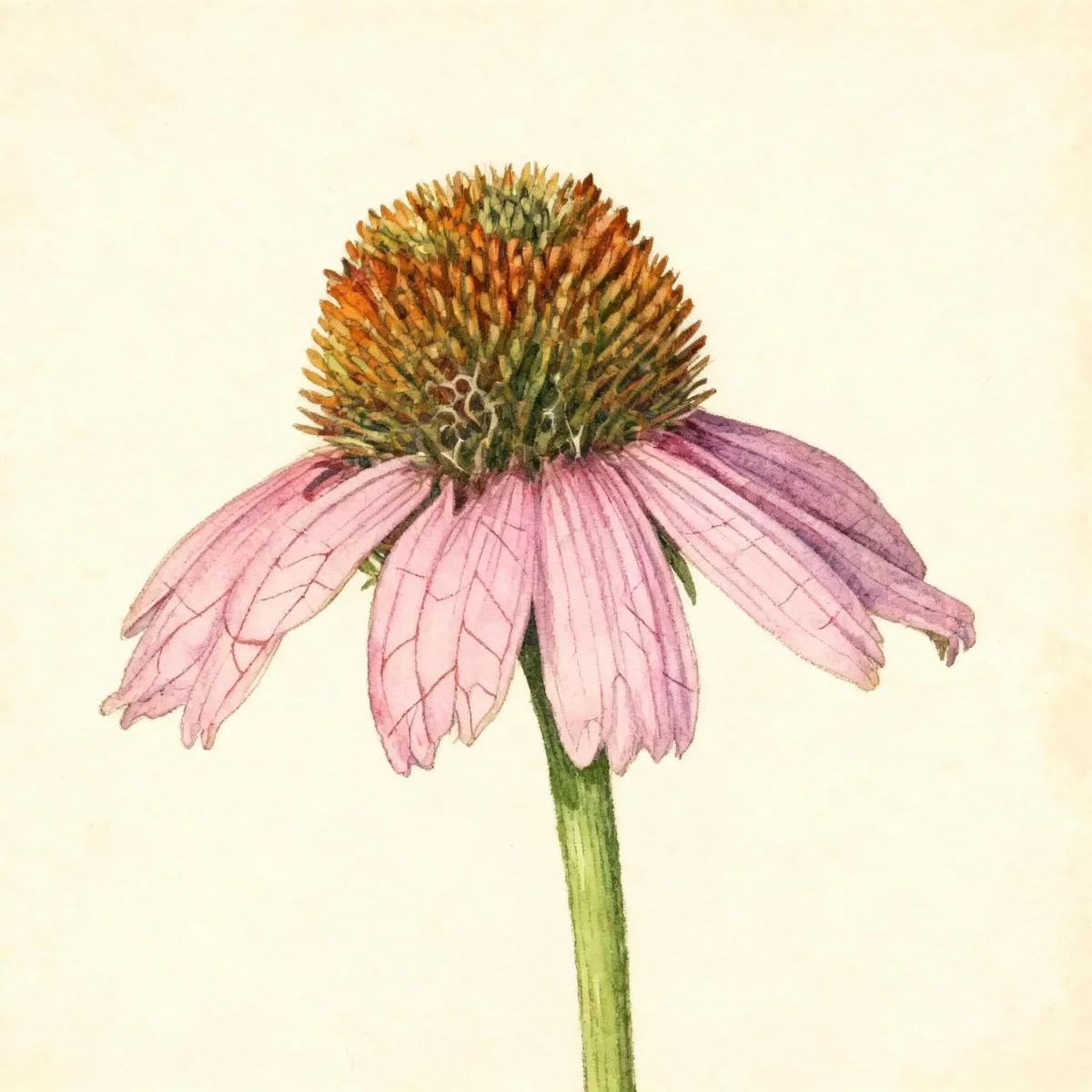
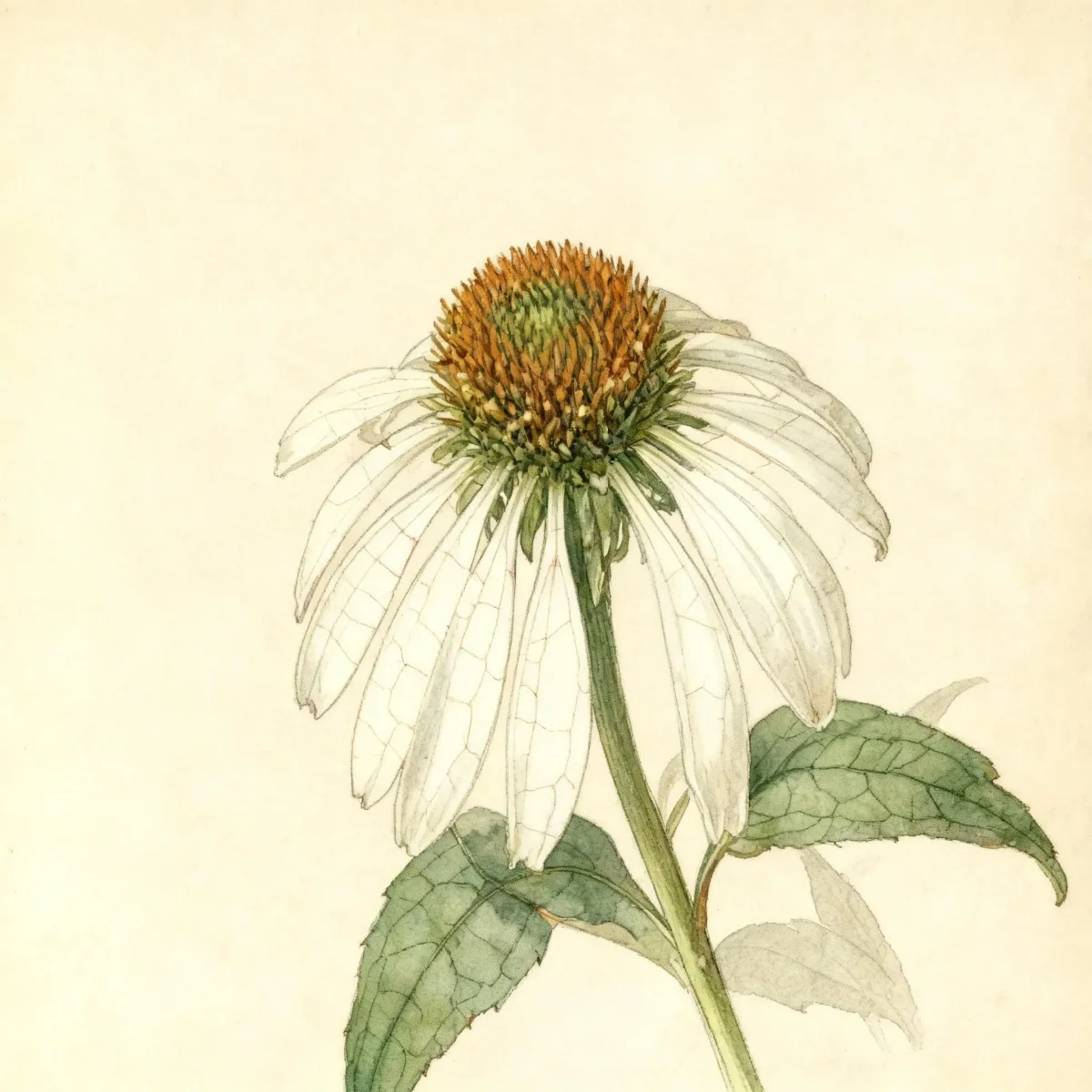
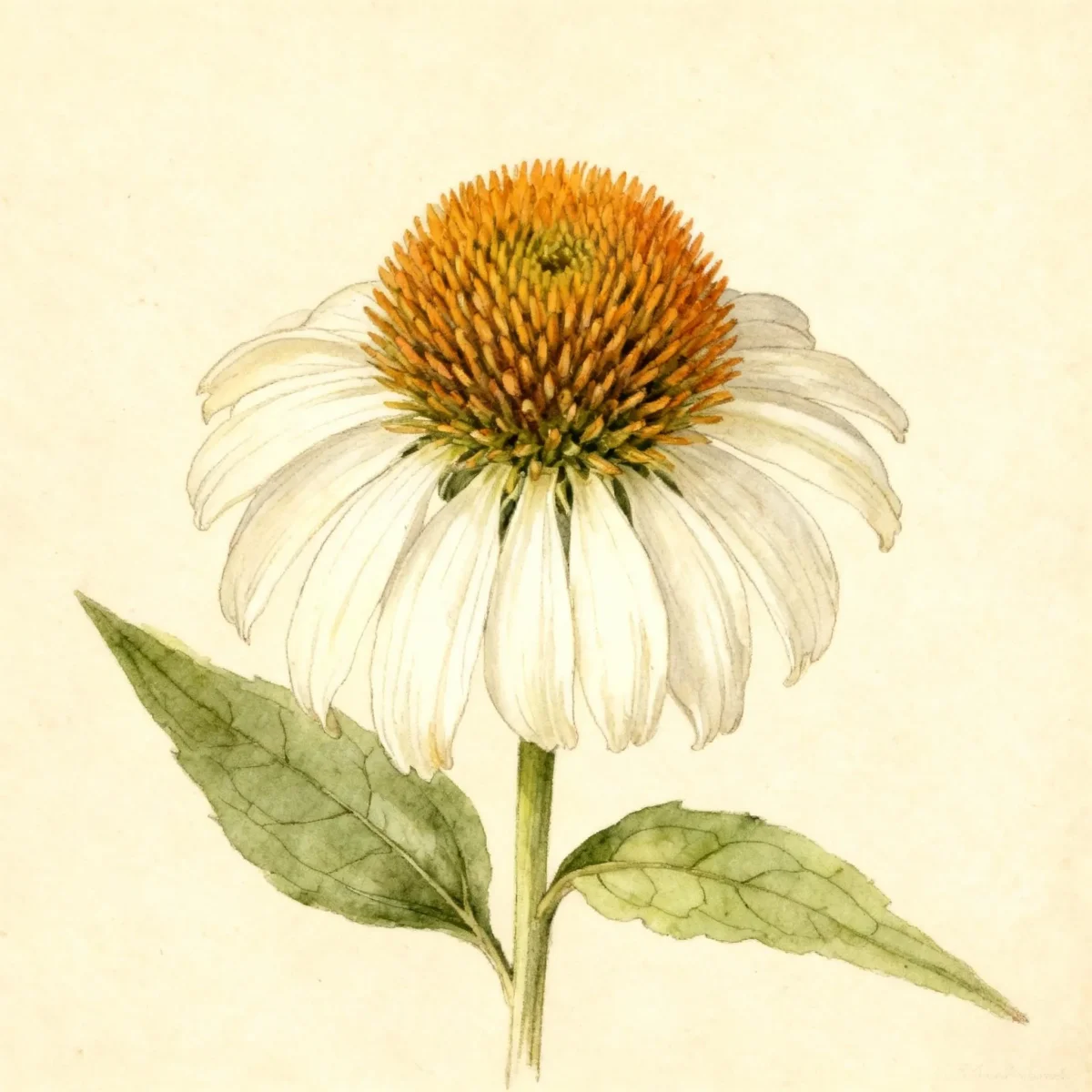
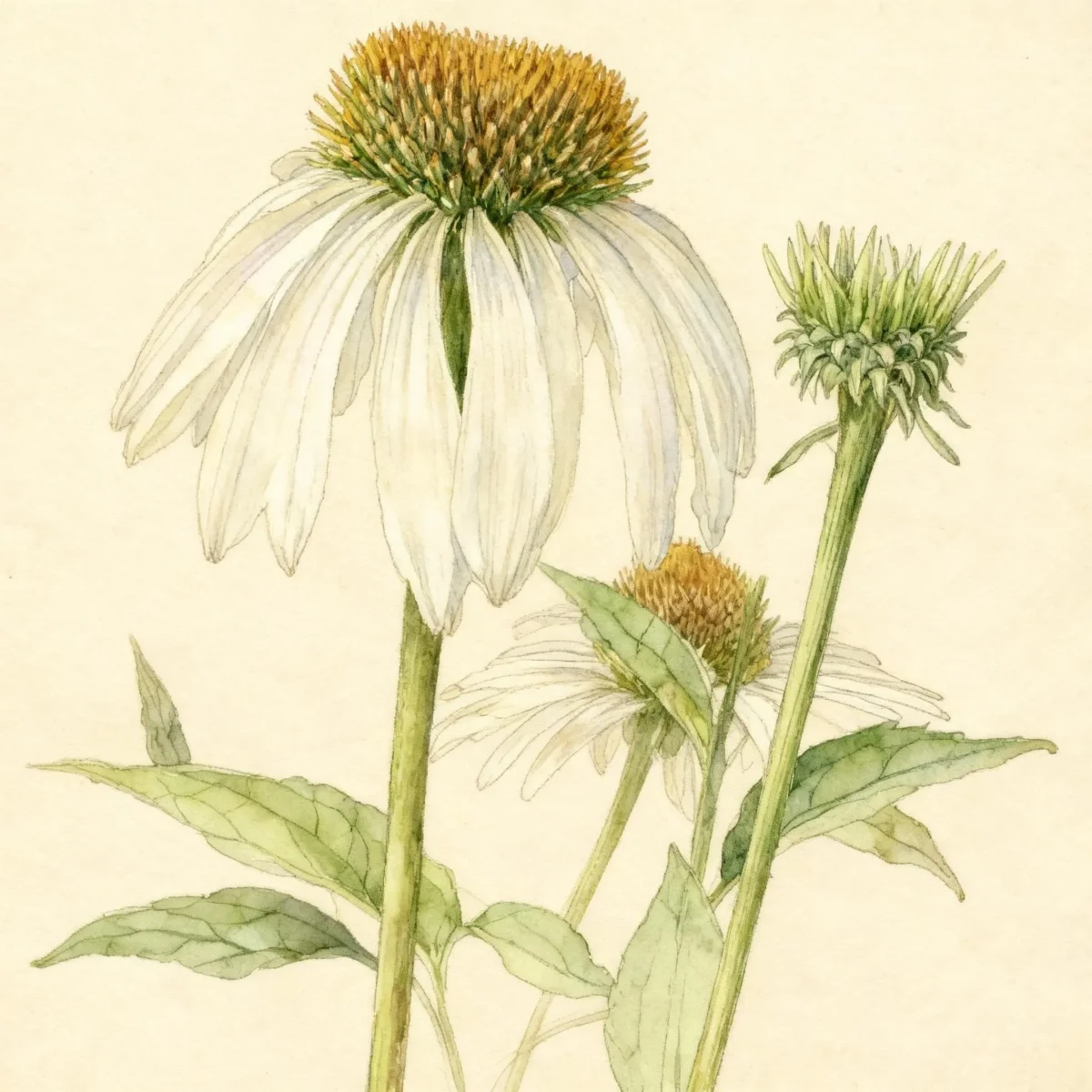
Purple coneflower (Echinacea purpurea 'Butterfly Kisses')
Discover Echinacea purpurea 'Butterfly Kisses', a compact, low-maintenance Purple coneflower with fragrant double pink blooms. Ideal for drought tolerance.
Scroll down to discover growing tips, care requirements, companion plants, and more

Complete Plant Information
Overview
Echinacea purpurea ‘Butterfly Kisses’ offers gardeners a beautifully compact version of the classic Purple coneflower, perfect for smaller garden spaces or containers. This cultivar is celebrated for its unique, fragrant, double pink pompom-style flowers, making it a standout performer from early to mid-summer. Its adaptability and low maintenance requirements ensure that even novice gardeners can successfully enjoy this native perennial.
As a member of the Cone-fections™ series, Echinacea purpurea ‘Butterfly Kisses’ is specifically bred for its tidy, nearly equal height and spread, rarely exceeding 1.5 feet tall. This robust plant thrives in tough conditions, exhibiting significant tolerance to heat, humidity, and poor soils once established. While stunning in bloom, it is important to note that the modified double flowers of this type may offer less pollen and nectar for pollinators than single-flowered Echinacea.
Featuring stiff stems and a reliably neat habit, this Purple coneflower brightens borders and meadows alike. Its drought tolerance reduces watering needs, classifying it as an excellent, resilient addition to low-input landscapes across USDA Zones 3 through 8. Enjoy the cheerful pink blooms of Echinacea purpurea ‘Butterfly Kisses’ throughout the season with minimal fuss.
Fast Facts
- Plant Family: Asteraceae
- Plant Type: Herbaceous perennial
- Hardiness Zones: USDA Zones 3-8
- Size at Maturity:
- Height: 1-1.5 ft
- Spread: 1-1.5 ft
- Bloom Time: June to August
- Bloom Description: Pink
- Sun Exposure: Full sun to part shade
- Water Needs: Dry to medium
- Maintenance Level: Low
How to Grow
Plant Echinacea purpurea ‘Butterfly Kisses’ in the spring or fall after the danger of hard frost has passed. This adaptable plant roots best in average, dry to medium soil that drains well. While it tolerates part shade, full sun exposure (six or more hours daily) is recommended to ensure the strongest stems and best flower production for your Purple coneflower.
Water moderately until the plant is established in its first season. Once mature, this cultivar displays excellent drought tolerance, requiring supplemental water only during extended, severe dry spells. Fertilizing is generally unnecessary; rich soils often lead to floppier growth in Echinacea. If clumps become overcrowded, usually every four years, divide them carefully during early spring or fall.
Deadheading is optional—plants often rebloom without prompt removal of spent flowers. However, removing spent pink blooms promptly significantly improves the overall aesthetic appeal. Leaving some seed heads standing into winter can provide visual interest, though the double blooms of ‘Butterfly Kisses’ do not produce much viable seed.
Landscape Uses
Because of its neat, compact size, Echinacea purpurea ‘Butterfly Kisses’ is an excellent, long-blooming filler for the front or middle of perennial borders where space is limited. It blends seamlessly into native plant gardens, wildflower gardens, and naturalized areas where movement and texture are desired. Consider massing several plants together for impressive visual impact, often pairing well with complementary textures like Rudbeckia (black-eyed Susans).
This Purple coneflower also excels when used for stabilization or texture in drier, sunny meadows or open woodland edges where part shade prevails. Due to its drought and clay soil tolerance, it is suitable for challenging sites where other perennials might struggle providing consistent color. Its structure also offers excellent contrast when placed near finer-textured ornamental grasses.
Standout Features
Flower Qualities
- Showy
- Fragrant
- Good Cut
Noteworthy Characteristics
Echinacea purpurea, commonly called purple coneflower, is a coarse, rough-hairy, herbaceous perennial that is native to moist prairies, meadows and open woods of the central to southeastern United States. Showy daisy-like purple coneflowers (to 5” diameter) bloom throughout summer atop stiff stems. The genus name Echinacea comes from the Greek word echinos meaning hedgehog in reference to the spiny center cone. ‘Butterfly Kisses’ is a compact cultivar introduced by Plants Nouveau, featuring fragrant 3-inch double flowers with a bright pink pompom center surrounded by lighter pink ray flowers.
Tolerances
- Deer
- Drought
- Clay Soil
- Dry Soil
- Shallow-Rocky Soil
Potential Problems
Japanese beetle and leaf spot are occasional problems encountered when growing Echinacea purpurea ‘Butterfly Kisses’. While generally robust, susceptibility to aster yellows disease can occur, which causes stunted, distorted growth. Maintaining good air circulation by avoiding overly dense planting and ensuring proper sun exposure helps mitigate fungal issues like leaf spot.
Frequently Asked Questions
What hardiness zones is Purple coneflower suitable for?
Echinacea purpurea ‘Butterfly Kisses’ is reliably hardy across USDA Zones 3 to 8.
How large does Echinacea purpurea ‘Butterfly Kisses’ grow?
This cultivar is noted for its compact size, typically reaching a height between 1 and 1.5 feet, with an equal spread of 1 to 1.5 feet.
What sun exposure does Purple coneflower need?
For best results, plant Echinacea purpurea ‘Butterfly Kisses’ in full sun, though it can successfully tolerate partial shade.
When does Purple coneflower bloom?
This variety offers its attractive pink blooms consistently from June through August.
Conclusion
Echinacea purpurea ‘Butterfly Kisses’ provides exceptional value through its manageable size, striking double pink blooms, and outstanding resilience against dry conditions. This low-maintenance Purple coneflower is a perfect modern update for any sunny perennial border. Before planting, confirm that your local climate falls within USDA Zones 3-8 to ensure long-term success with this adaptable garden star.
Companion Planting
When planning your garden beds around Echinacea purpurea ‘Butterfly Kisses’, select companions that enjoy similar root conditions—full sun and well-drained, average soil. Plants that exhibit similar drought tolerance work best to eliminate conflicting water needs. Consider pairing it with Russian Sage (Perovskia atriplicifolia), which offers vertical blue accents that contrast beautifully with the pink pompom flowers of the coneflower.
Another excellent pairing involves traditional prairie natives like Rudbeckia species (Black-Eyed Susan) or various ornamental grasses. The fine texture of grasses like Little Bluestem (Schizachyrium scoparium) helps accentuate the broader texture of the Echinacea leaves and provides movement when its blooms begin to fade. Ensure companions do not require heavy, consistently moist soil, as this will compromise the health of your Purple coneflower.
Propagation Tips
While the unique double flower structure of Echinacea purpurea ‘Butterfly Kisses’ means it rarely produces viable seeds, gardeners can propagate new plants through division. This process should ideally be performed in early spring before new growth begins significantly, or in the fall after the foliage has died back. Dig carefully around the established clump using a sharp spade or garden fork to separate the root ball into sections, ensuring each division retains a healthy portion of viable roots and stems.
Replant the divided sections promptly into amended soil at the same depth they previously grew. Water well after dividing and replanting to help settle the soil around the disturbed root systems. Division is important maintenance for Echinacea cultivars, as it prevents the center of older clumps from becoming woody and dying out, ensuring vigorous bloom performance for years to come.