Paperbush (Edgeworthia chrysantha 'Snow Cream')
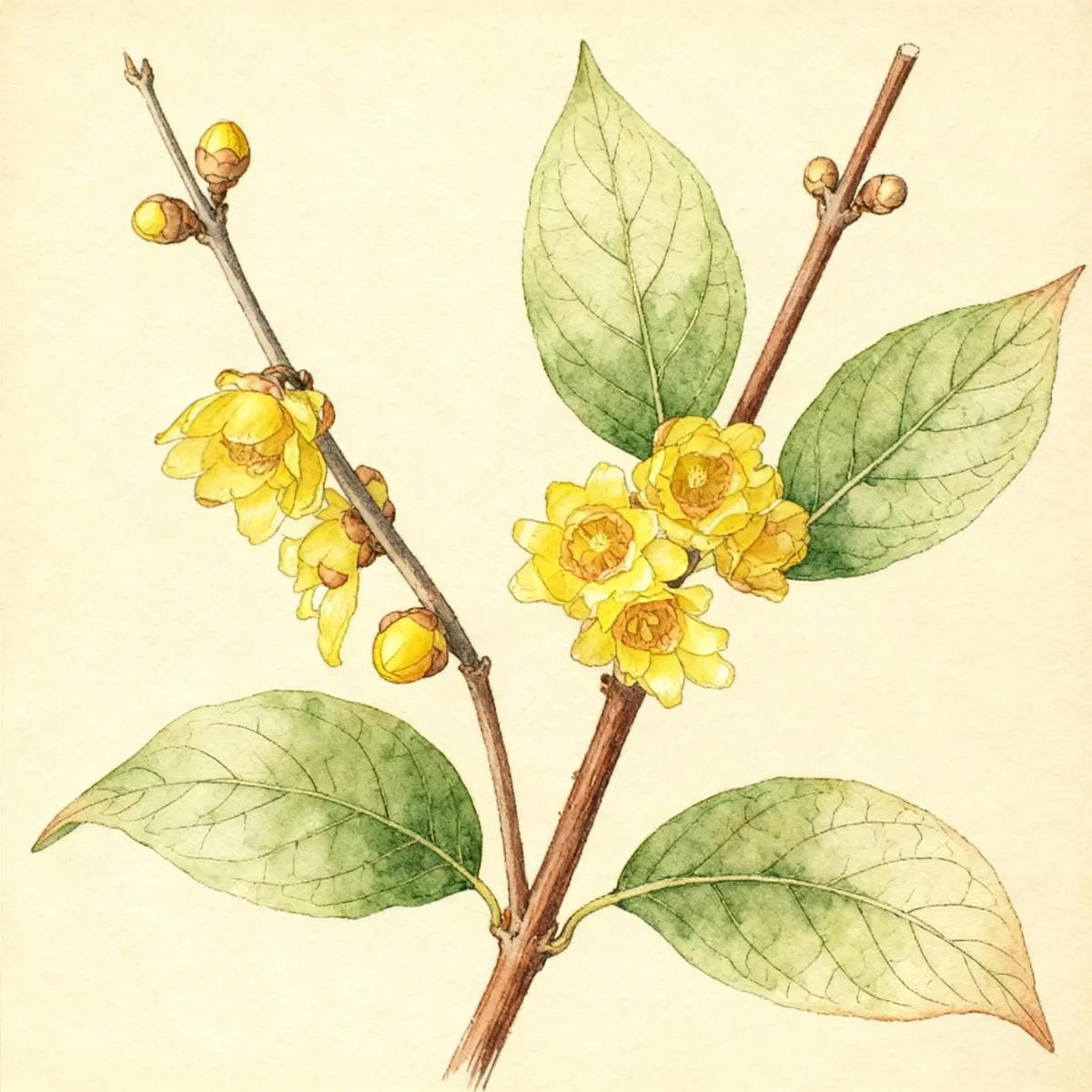
Edgeworthia chrysantha 'Snow Cream', known as Paperbush, offers fragrant, golden winter blooms on bare stems. Hardy in Zones 7-10.
Scroll down to discover growing tips, care requirements, companion plants, and more
Complete Plant Information
Overview
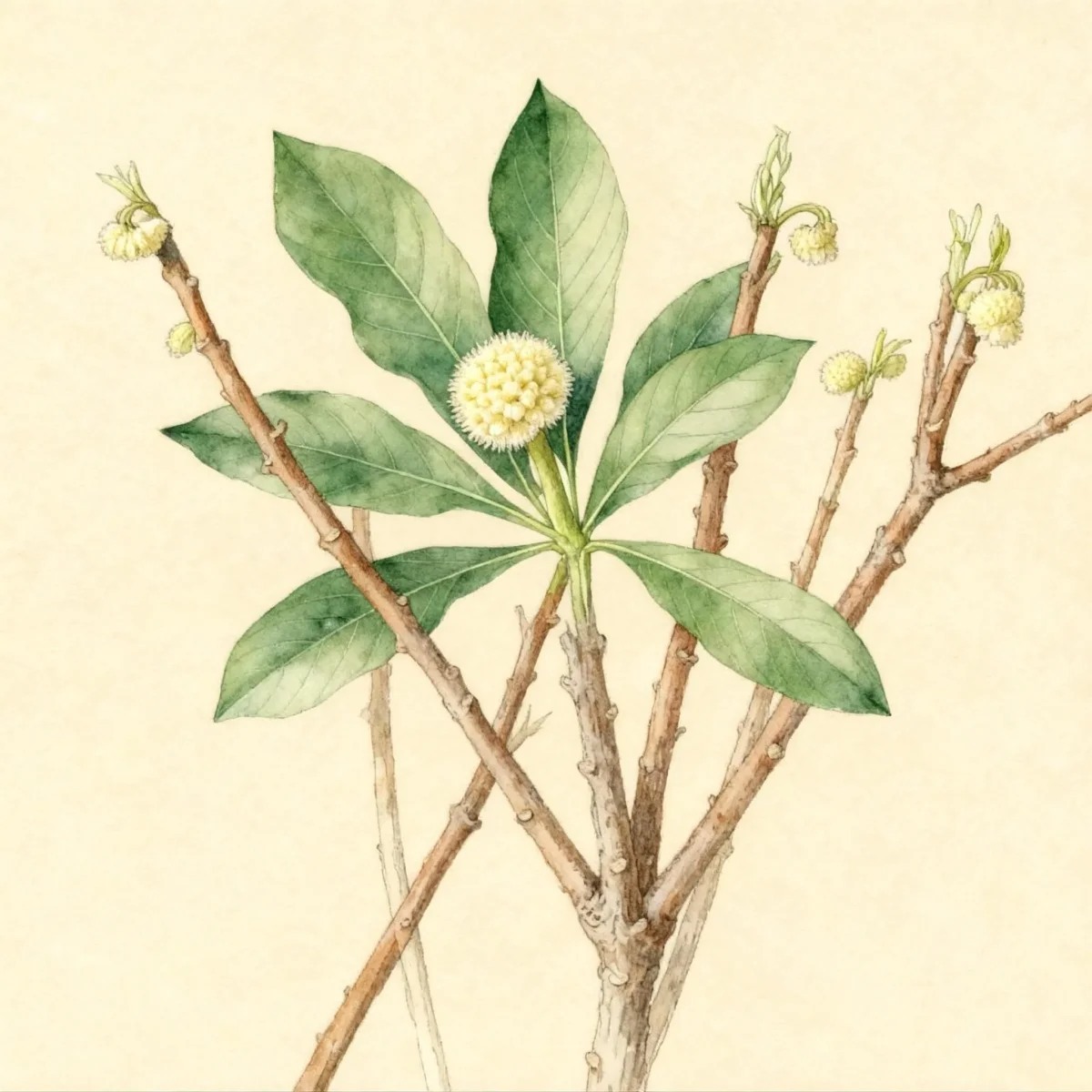
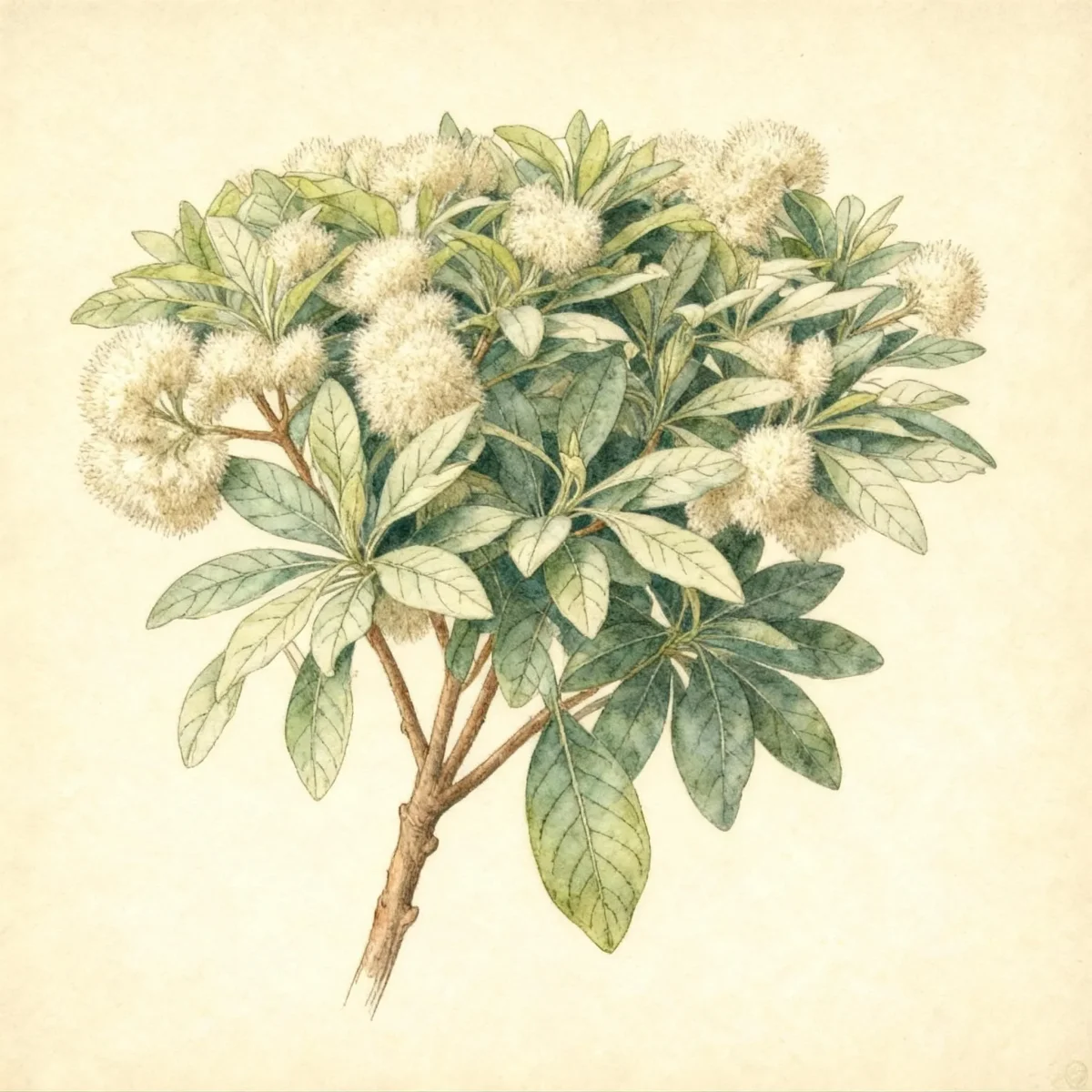
Edgeworthia chrysantha ‘Snow Cream’, commonly called Paperbush, is highly valued for its spectacular, fragrant display during the late winter, often blooming before the foliage returns. Its unique timing provides welcome color when most other shrubs are dormant, featuring pendent, golden yellow flowers emerging from fuzzy, silvery white buds. This deciduous shrub offers an upright, umbrella-shaped habit, reaching 5 to 8 feet tall and wide in cultivation.
Grown primarily for its winter interest and sweet fragrance, the Paperbush thrives as an understory specimen in woodland settings. The foliage itself is attractive, with tropical-looking dark green leaves that drop in the late fall, setting the stage for the spectacular wintry bloom show. The cultivar ‘Snow Cream’ is noted for being faster-growing and potentially hardier than the straight species.
For gardeners in suitable climates, growing Edgeworthia chrysantha ‘Snow Cream’ provides reliable structure and unexpected floral beauty. It requires specific care regarding sun exposure to protect it from harsh afternoon rays, rewarding meticulous placement with one of the finest late-winter fragrant displays available in the landscape.
Fast Facts
- Plant Family: Thymelaeaceae
- Plant Type: Deciduous shrub
- Hardiness Zones: USDA Zones 7-10
- Size at Maturity:
- Height: 5-8 ft
- Spread: 5-8 ft
- Bloom Time: February to April
- Bloom Description: Golden yellow with silvery white buds
- Sun Exposure: Full sun to part shade
- Water Needs: Medium
- Maintenance Level: Medium
How to Grow
The best time to plant your Edgeworthia chrysantha ‘Snow Cream’ is during the cooler seasons, ensuring establishment before summer heat arrives. This Paperbush prefers a location where the soil is humus-rich, consistently moist, but crucially, very well-drained. Proper drainage is vital to prevent root issues, especially given its intolerance for overly dry conditions later in the season.
Site selection is critical; while it handles full sun, it strongly requires protection from the hot afternoon sun typical of summer environments. Placing it where it receives morning sun or dappled light throughout the day is ideal for maintaining its health and foliage quality. Ensure protection from hot, dry summers, which this shrub does not tolerate well.
Maintenance is generally medium; avoid excessive pruning as the bloom buds form during the previous late summer on bare stubs. Water consistently throughout the growing season to maintain medium moisture levels, especially since it struggles with drought. Fertilizing is rarely necessary if planted in rich, organic soil.
Landscape Uses
Edgeworthia chrysantha ‘Snow Cream’ excels in strategic placements where its winter blooming can be viewed against a backdrop of evergreens or contrasting bark. It is perfectly suited for shady border areas, providing mid-level interest where few other shrubs are active. Its tendency to sucker means it can form an effective, naturalized screen or mass planting when allowed to spread slightly.
Consider planting Paperbush within woodland gardens where the filtered light mimics its native habitat. The emerging silvery buds against the dark branches provide an excellent focal point during late winter. Good companion plants include early spring bulbs, shade-loving perennials, and fine-textured evergreens that ensure visual interest continues after the snow melts.
Standout Features
Flower Qualities
- Showy
- Fragrant
Noteworthy Characteristics
Edgeworthia chrysantha, commonly called paperbush or edgeworthia, is a deciduous suckering shrub that typically grows to 4-6’ tall and as wide. It is native to woodland areas in the Himalayas and China. Short-stalked, lanceolate-oblong, dark green leaves (to 3-5” long and 2” wide) are crowded near the branch ends. Flower buds begin to form in late summer each year, overwinter on the bare stems and burst into bloom from late February to early April before the new leaves emerge. Silvery winter flower buds and brown branching are ornamentally attractive. The ‘Snow Cream’ selection, specifically, features pendent flowers that emerge over several weeks, offering fragrant, golden yellow color contrasting beautifully with the silvery white of the buds.
Tolerances
(No data provided for specific tolerances)
Potential Problems
This shrub generally avoids serious insect or disease problems, which adds significantly to its low-fuss appeal once established in the correct environment. The primary threat comes from improper placement related to climate stress rather than biological threats.
Avoid planting Edgeworthia chrysantha ‘Snow Cream’ in locations exposed to intense, persistent afternoon sun, as this can scorch the leaves and stress the plant. Furthermore, ensure the site has excellent drainage; standing water or overly compacted soil can quickly lead to root rot in the Paperbush.
Frequently Asked Questions
What hardiness zones is Paperbush suitable for?
Edgeworthia chrysantha ‘Snow Cream’ is winter hardy across USDA Zones 7 through 10.
How large does Paperbush grow?
This deciduous shrub typically matures between 5 to 8 feet in height and spreads equally between 5 and 8 feet wide.
When does Paperbush bloom?
The Paperbush blooms early, typically lighting up the landscape from February through April, with golden yellow flowers emerging from silvery white buds.
What sun exposure does Edgeworthia chrysantha ‘Snow Cream’ need?
It performs best in locations receiving full sun to light part shade, but must be protected from harsh, hot afternoon sun exposure.
Conclusion
The distinct, fragrant winter blooms make Edgeworthia chrysantha ‘Snow Cream’ an invaluable specimen for gardeners seeking structure and color during the cold season. This remarkable Paperbush brings beauty well before spring arrives, provided it is situated in well-drained soil and sheltered from intense heat. Check your USDA Zone compatibility and plan your planting for fall or early spring to ensure your Paperbush establishes successfully.
Companion Planting
When establishing your Edgeworthia chrysantha ‘Snow Cream’, focus on companions that share its preference for morning sun to filtered light and consistently moist, rich soil. Plant it near early-flowering bulbs like snowdrops (Galanthus) or winter aconite (Eranthis), as their bloom times overlap perfectly with the Paperbush’s late winter show. These low-growing companions won’t compete heavily with the developing shrub structure.
For broader woodland garden structures, consider pairing the Paperbush with ferns and hostas that appreciate similar protection from harsh summer sun. When the deciduous shrub drops its leaves, these groundcovers help maintain visual interest throughout the summer months, complementing the tropical look of the Paperbush leaves when they emerge.
Seasonal Care Calendar
Late Winter (February/March): This is the peak time to enjoy the fragrant flowers of Edgeworthia chrysantha ‘Snow Cream’. Avoid any pruning during this time, as you will remove the next year’s flower buds, which set the previous summer.
Summer Months (June-August): Pay close attention to supplemental watering during hot, dry spells. Since Paperbush is intolerant of hot dry summers, deep watering once per week may be necessary if rainfall is scarce to keep the soil consistently moist without being saturated.
Fall Preparation: Allow foliage to drop naturally. Do not perform heavy shaping or hard pruning in the fall, as the plant is setting the buds that will bloom in the coming winter. Minimal fussing ensures the best winter display for your Paperbush.