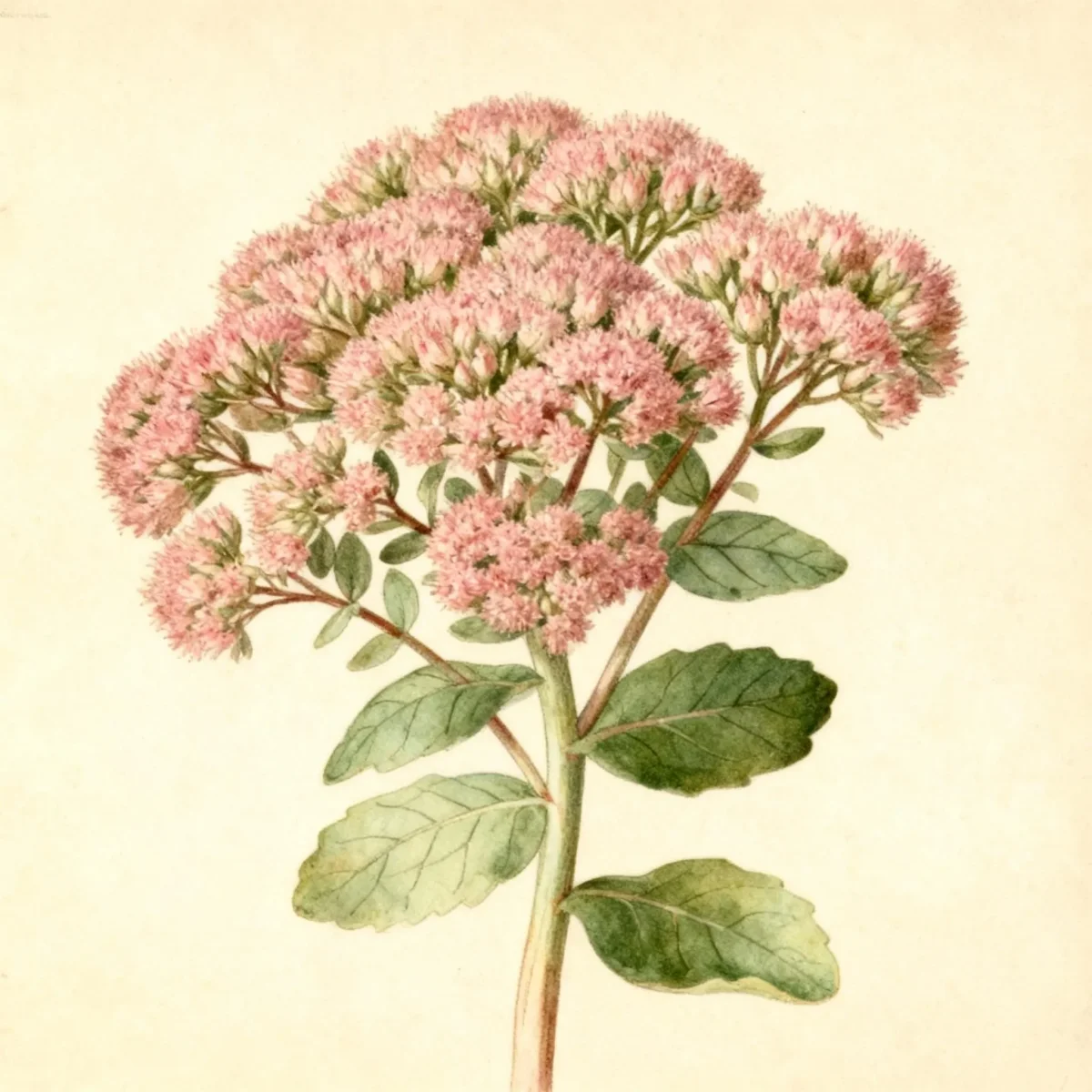
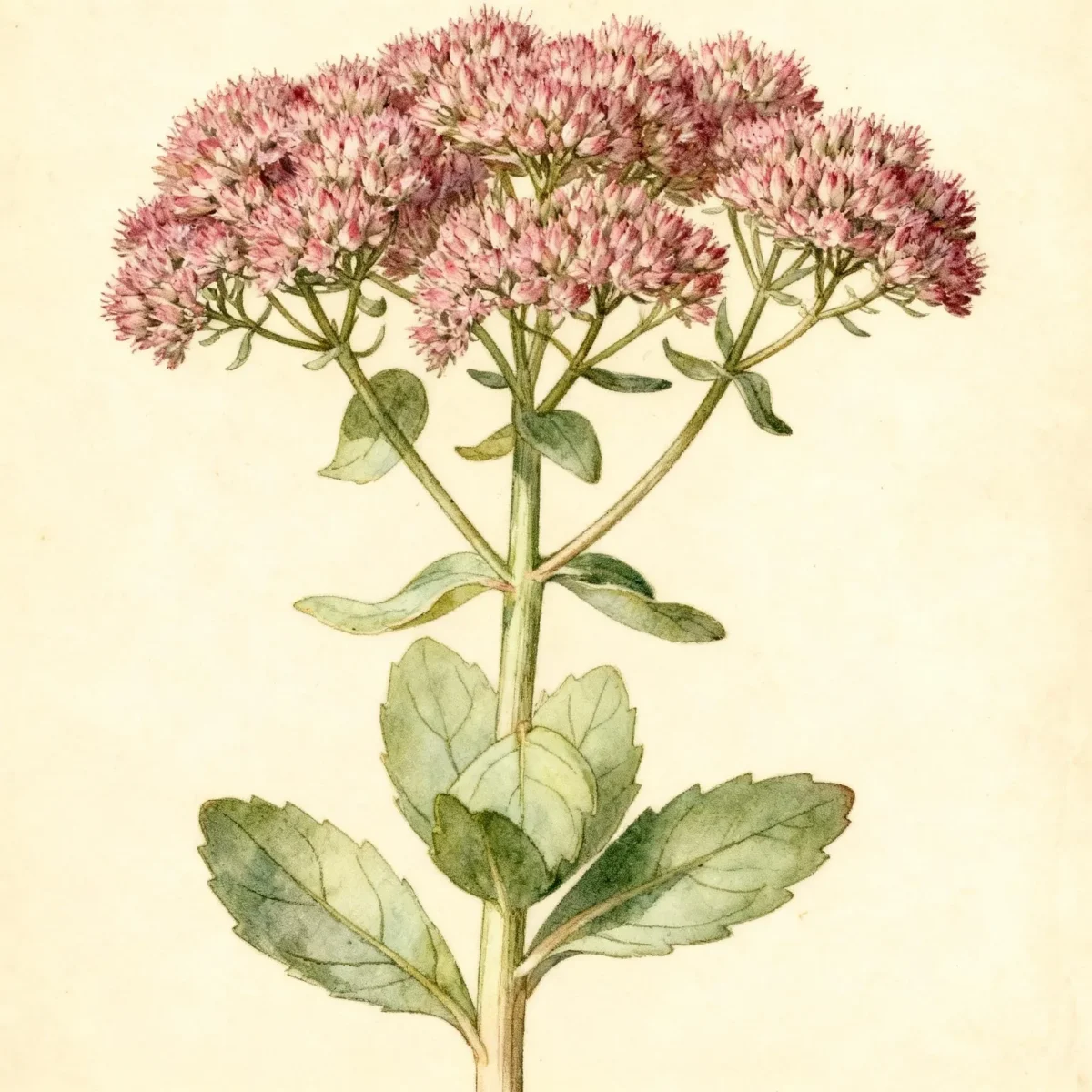
Stonecrop (Hylotelephium telephium subsp. ruprechtii)
Hardy Stonecrop (Hylotelephium telephium subsp. ruprechtii) is a low-maintenance succulent perennial perfect for dry, sunny spots.
Scroll down to discover growing tips, care requirements, companion plants, and more
Complete Plant Information
Overview
Hylotelephium telephium subsp. ruprechtii, commonly known as Stonecrop, is a highly valued succulent perennial prized for its structural foliage and late-season blooms. This resilient plant offers excellent texture, maintaining interest long after many other perennials have faded, often surviving the winter as a persistent green mound. Gardeners appreciate its extreme drought tolerance once established, making it ideal for challenging, sun-drenched locations.
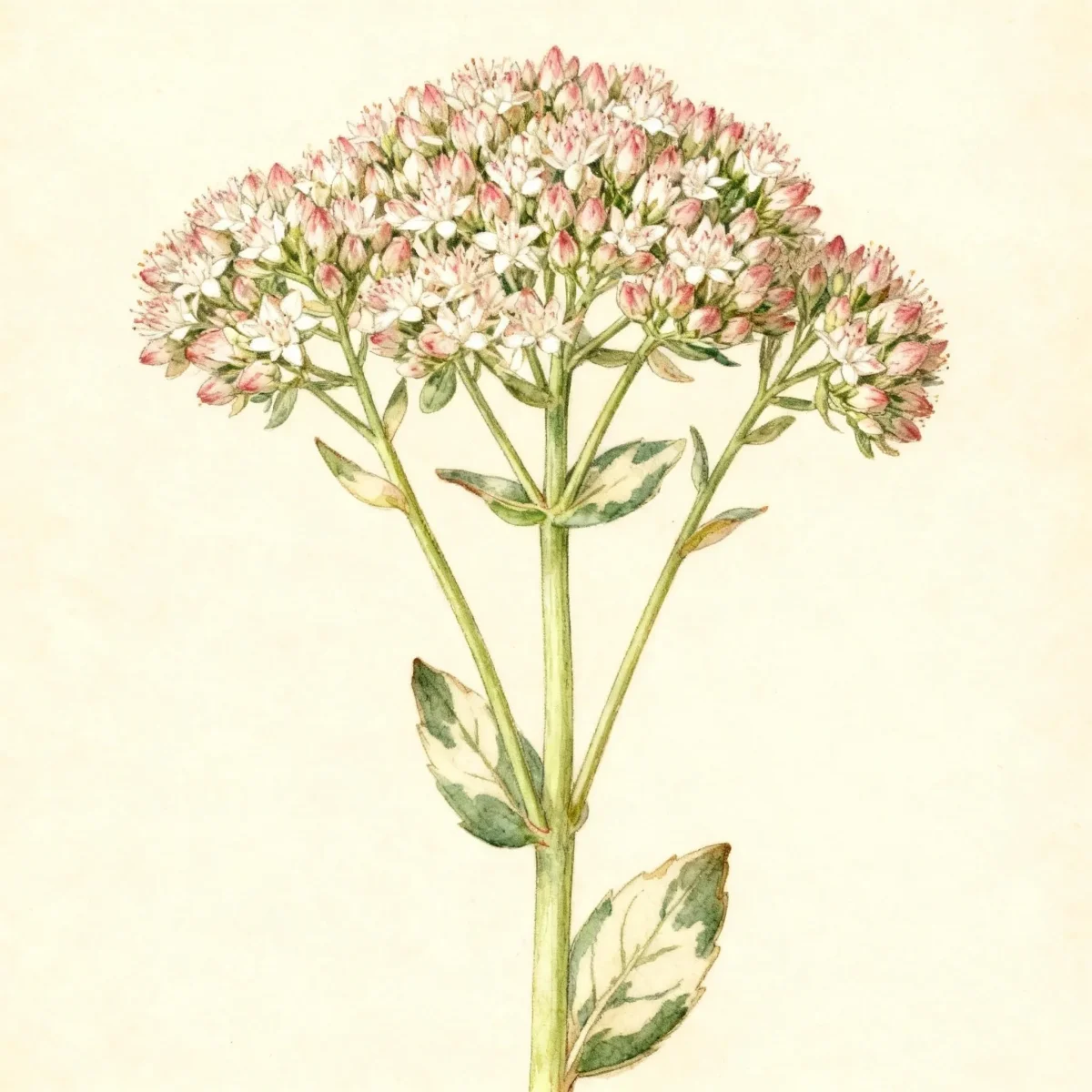
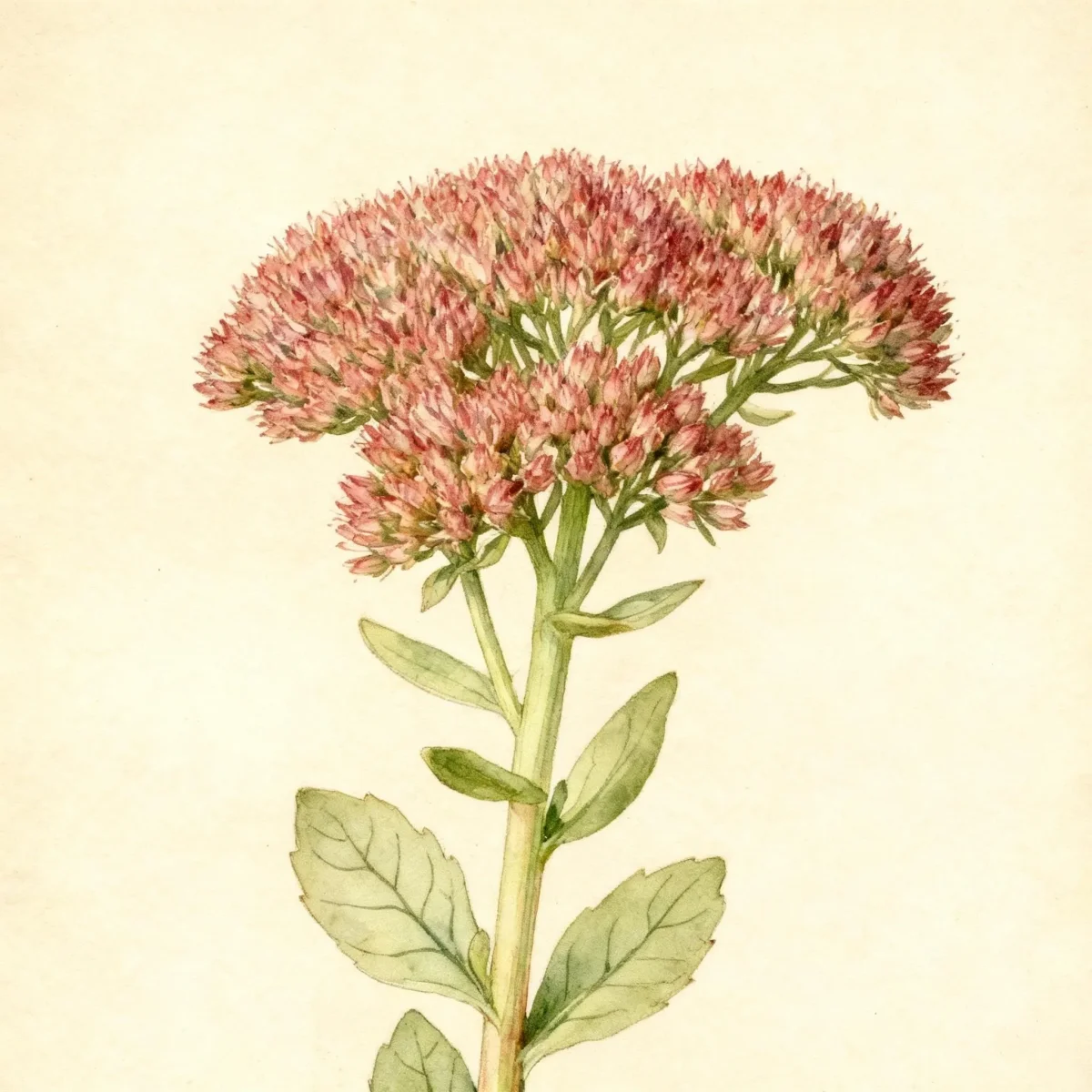
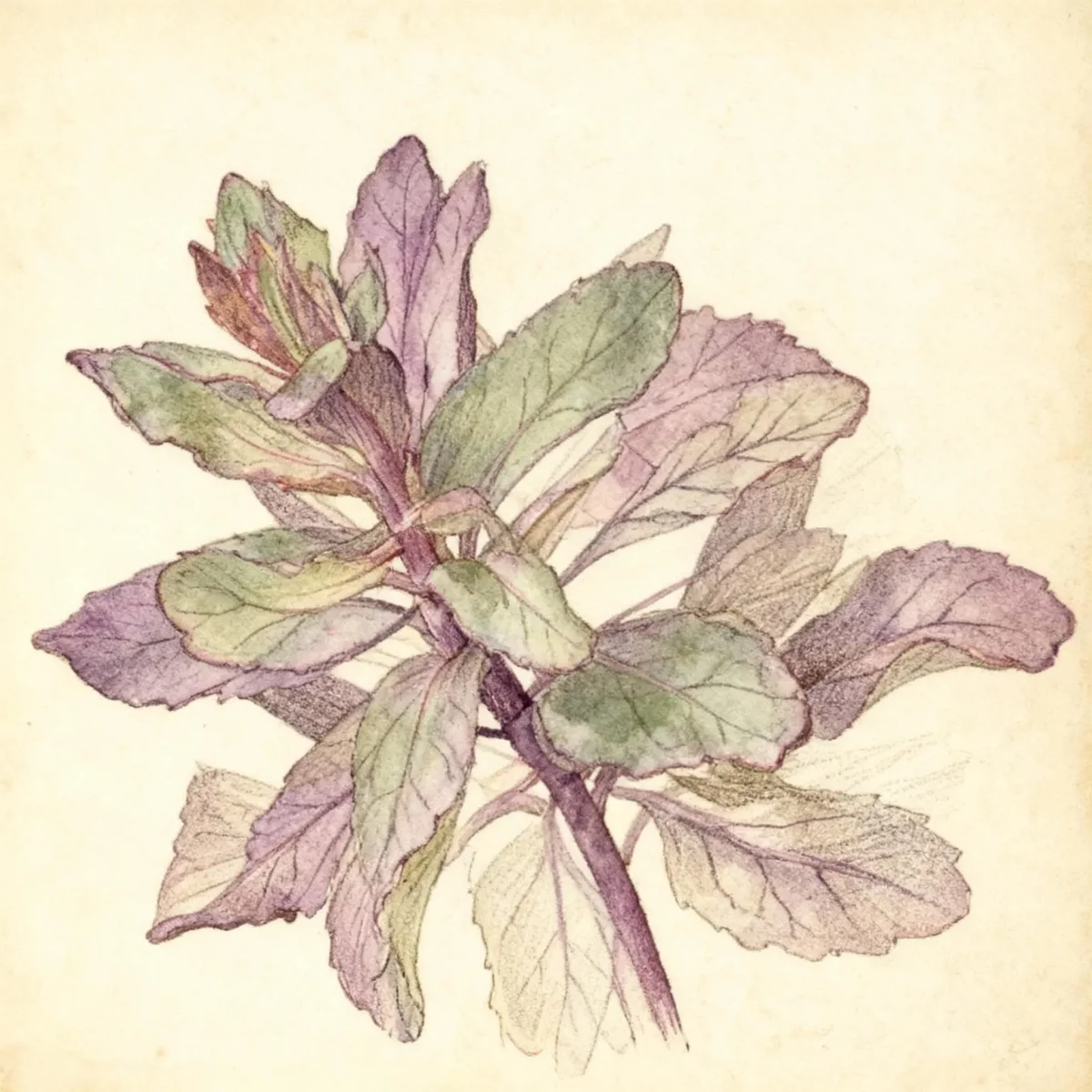
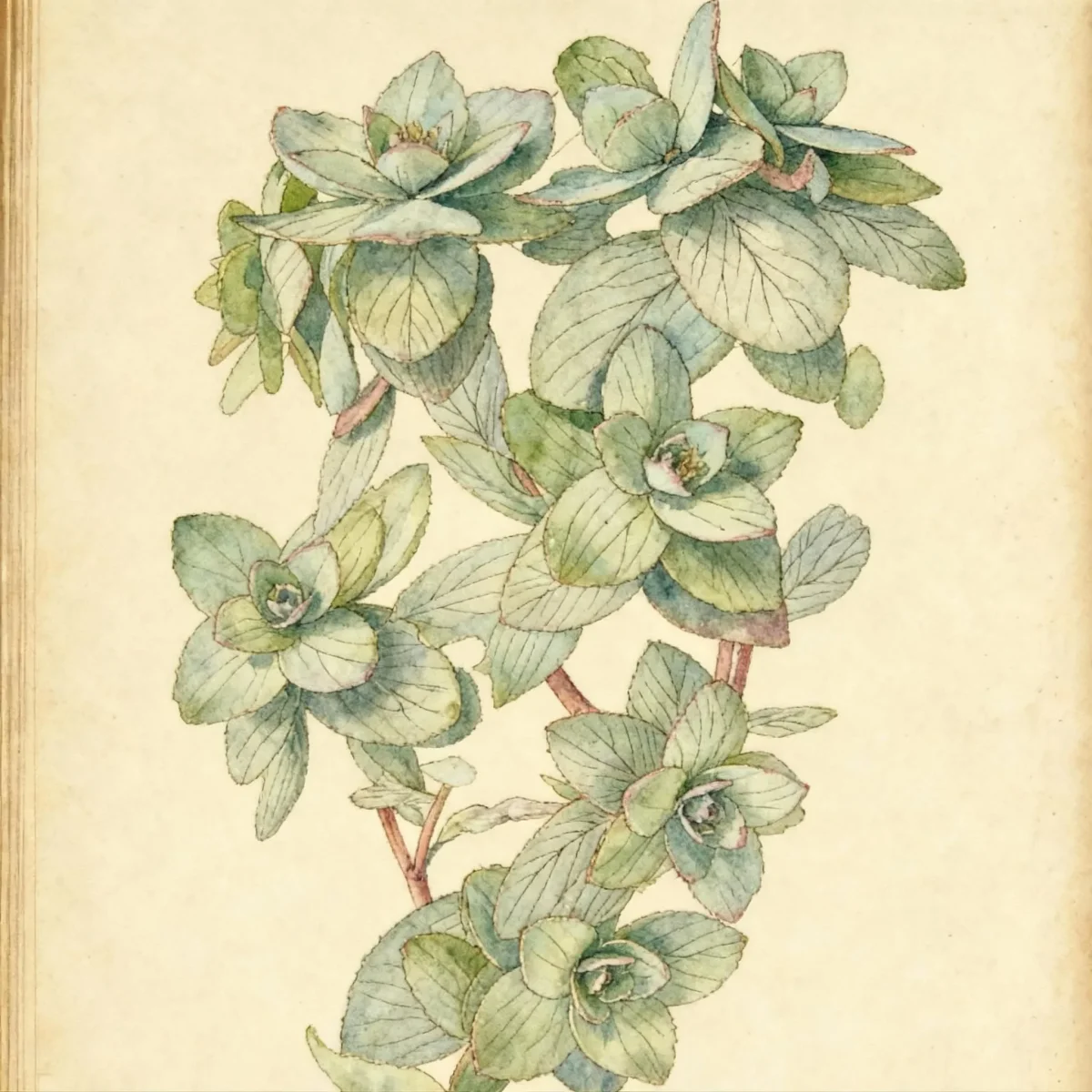
This herbaceous perennial distinguishes itself with characteristic gray-green, nearly rounded, fleshy leaves that wrap around the stem (amplexicaul). Hylotelephium telephium subsp. Ruprechtii provides reliable color from late summer well into autumn with clusters of tiny, star-like flowers. Its low-maintenance needs further cement its status as a workhorse in contemporary and traditional garden designs.
The nicknames “live-forever” and “stonecrop” speak directly to its vigor and preferred habitat, demonstrating deep roots in horticultural history. For gardeners seeking toughness without sacrificing late summer beauty, Hylotelephium telephium subsp. ruprechtii is an essential addition to rockeries, borders, and difficult, dry slopes.
Fast Facts
- Plant Family: Crassulaceae
- Plant Type: Herbaceous perennial
- Native Range: Eastern Europe to Japan
- Hardiness Zones: USDA Zones 3-9
- Size at Maturity:
- Height: 1-1.5 ft
- Spread: 1-1.5 ft
- Bloom Time: August to October
- Bloom Description: Yellow-white with pink edges
- Sun Exposure: Full sun
- Water Needs: Dry to medium
- Maintenance Level: Low
How to Grow
Planting the Stonecrop is best done in spring or early fall, ensuring it establishes roots before extreme summer heat or deep winter freezes. It demands average, dry to medium, well-drained soils; excellent drainage is critical for preventing root rot, especially in winter. This Hylotelephium telephium subsp. ruprechtii thrives specifically in sandy or gravelly soils of moderate to low fertility, mimicking its native meadow and river margin environments.
Watering requirements are minimal once established. Allow the soil to dry out almost completely between waterings, as this plant is highly drought tolerant. Avoid the temptation to enrich the soil significantly or overwater; too much fertility or moisture, especially in warmer climates, will lead to weak, floppy growth rather than the desired compact structure. Fertilization is generally unnecessary.
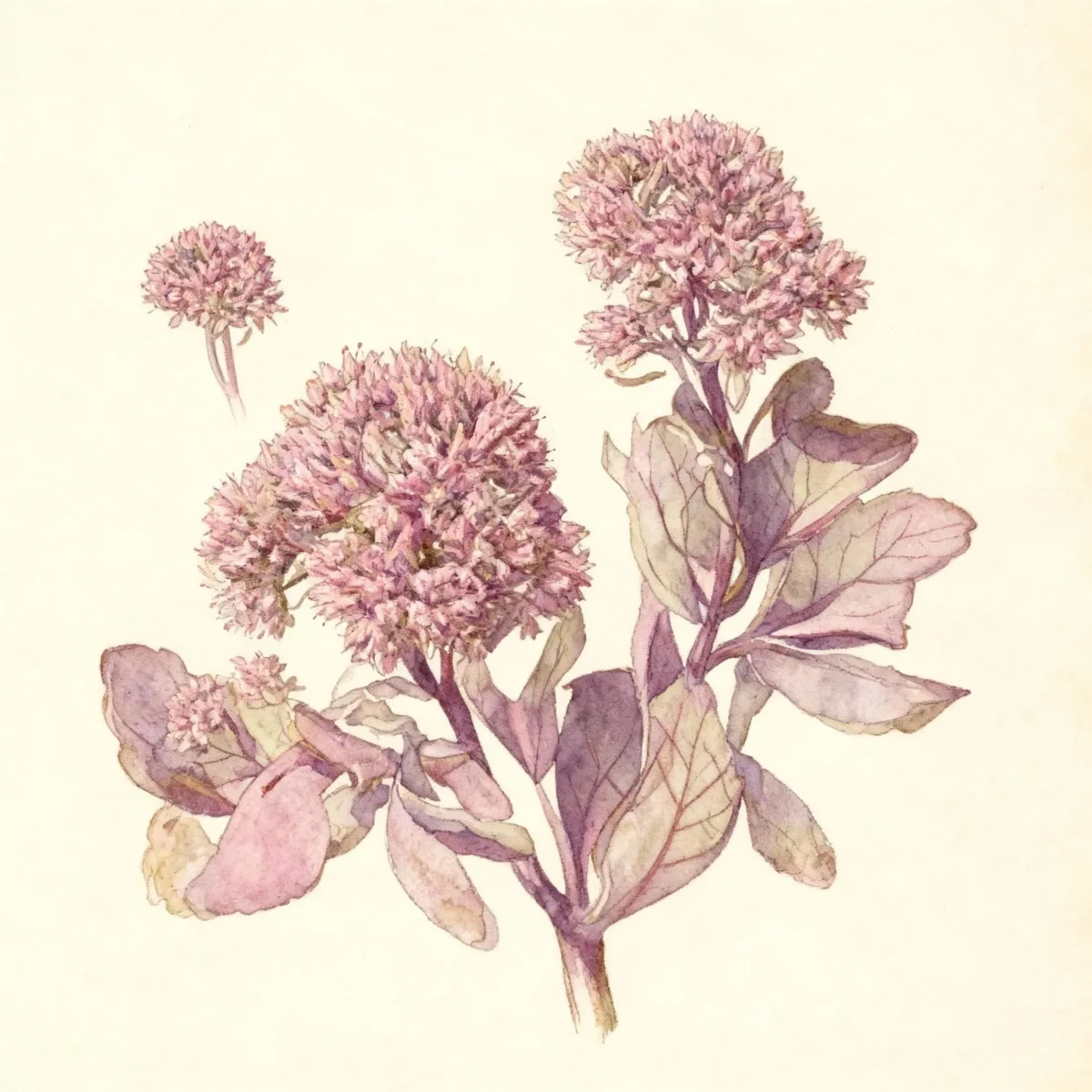
Maintenance for this Stonecrop is very low. Deadheading is optional; the faded burgundy-brown flower heads often provide winter interest. In early spring, simply clean up any lingering dead foliage. Propagation is simple: divide established clumps in spring or take stem cuttings during the summer. Remarkably, even a detached leaf can often root on the soil surface to form a new plant.
Landscape Uses
The upright, durable structure of Hylotelephium telephium subsp. ruprechtii makes it exceptional for defining the front edges of perennial borders where its mounding habit can shine. Because it handles poor, shallow, and rocky soils exceptionally well, it is a perfect candidate for large rock gardens, providing essential late-season flowers when other drought-tolerant plants fade.
Furthermore, this versatile Stonecrop performs beautifully when used as a specimen plant or planted in small groups to create drifts of texture along pathways. Its succulent nature also lends itself perfectly to containers, where it can be paired with grasses or other architectural plants that share its preference for dry conditions. The consistent foliage acts as a sturdy anchor throughout the growing season.
Standout Features
Flower Qualities
- Showy
Noteworthy Characteristics
The taxonomy of this plant has seen changes, moving from Sedum to Hylotelephium, though some experts still use the older classification. Subsp. Ruprechtii is specifically noted for its compact stature, somewhat smaller than the species, and its distinctively heart-shaped, gray-green leaves arranged oppositely along the stem. The late-blooming nature, featuring yellow-white flowers edged in pink, makes this hardy Stonecrop an invaluable nectar source as the growing season concludes.
Tolerances
- Drought
- Dry Soil
- Shallow-Rocky Soil
Potential Problems
No serious insect or disease problems generally plague healthy plantings of Hylotelephium telephium subsp. ruprechtii. The primary threat comes from excessive moisture, which encourages root rot, or rich soils, which cause stems to flop over. Pests like slugs and snails may occasionally chew on the soft, new growth early in the season, requiring preventative measures in susceptible areas. Watch out for scale, mealybugs, nematodes, aphids and weevils, though these usually only become an issue on stressed or poorly placed specimens. Ensure maximum air circulation and perfect drainage to maintain robust health.
Frequently Asked Questions
What hardiness zones is Stonecrop suitable for?
Hylotelephium telephium subsp. ruprechtii is reliably cold-hardy, thriving across a wide range in USDA Zones 3 through 9.
How large does Hylotelephium telephium subsp. ruprechtii grow?
At maturity, this perennial typically reaches a height between 1 and 1.5 feet tall, with a similar spread of 1 to 1.5 feet.
What sun exposure does Stonecrop need?
This Hylotelephium requires full sun exposure for the best, most compact growth habit. Excessive shade encourages weak, floppy stems and poor flowering.
When does Stonecrop bloom?
This variety flowers late in the season, typically blooming from August through October, producing attractive flower heads that are yellow-white with distinct pink edges.
Conclusion
The low-maintenance Stonecrop (Hylotelephium telephium subsp. ruprechtii) brings significant structural value and dependable late-season color to the garden utilizing minimal resources. Its unparalleled tolerance for drought and poor soil makes it a gardener’s friend in tough spots. Before planting, confirm that your chosen location receives full sun and offers excellent soil drainage to ensure this tough beauty thrives for years to come.
Companion Planting
When planning the late-season garden, pair Hylotelephium telephium subsp. ruprechtii with other plants that share a love for bright sun and dry footing to maximize garden health. Ornamental grasses, such as Blue Fescue (Festuca glauca) or Feather Reed Grass (Calamagrostis), offer dynamic movement contrasting beautifully with the static, fleshy mounds of Stonecrop. Additionally, drought-tolerant flowering companions like Russian Sage (Perovskia atriplicifolia) or Coneflower (Echinacea) thrive under similar conditions, creating a cohesive, low-water border display.
Propagation Tips
One of the simplest joys of gardening with this succulent perennial is how easily it multiplies. Propagation is most efficiently achieved through division of existing clumps, ideally performed mid-spring just as new growth emerges. For increasing your stock rapidly, stem cuttings taken during the summer months root readily, often requiring only placement on dry soil under light shade until roots form. This ease confirms the plant’s moniker of “live-forever,” as even an accidental broken piece can often regenerate into a new plant.