Pasque flower (Pulsatilla halleri subsp. taurica)
Discover Pulsatilla halleri subsp. taurica, the Pasque flower. A low-maintenance perennial blooming with reddish-violet flowers in Zones 5-7.
Scroll down to discover growing tips, care requirements, companion plants, and more
Complete Plant Information
Overview
The Pasque flower, scientifically known as Pulsatilla halleri subsp. taurica, offers one of the earliest bursts of color in the spring garden. This herbaceous perennial is highly valued for its fuzzy, solitary flowers that bloom before many other perennials have awakened. Its appeal lies in its striking early color and subsequent ornamental seedheads, making Pulsatilla halleri subsp. Taurica a focal point in early season displays.
Native to the mountainous regions of Ukraine, this plant showcases low maintenance needs once established, provided its critical drainage requirements are met. It thrives in alpine or rock garden settings where good airflow and sharp drainage mimic its native environment. Gardeners appreciate the visual contrast between the emerging, hairy foliage and the vibrant, deep-hued blooms of the Pasque flower.
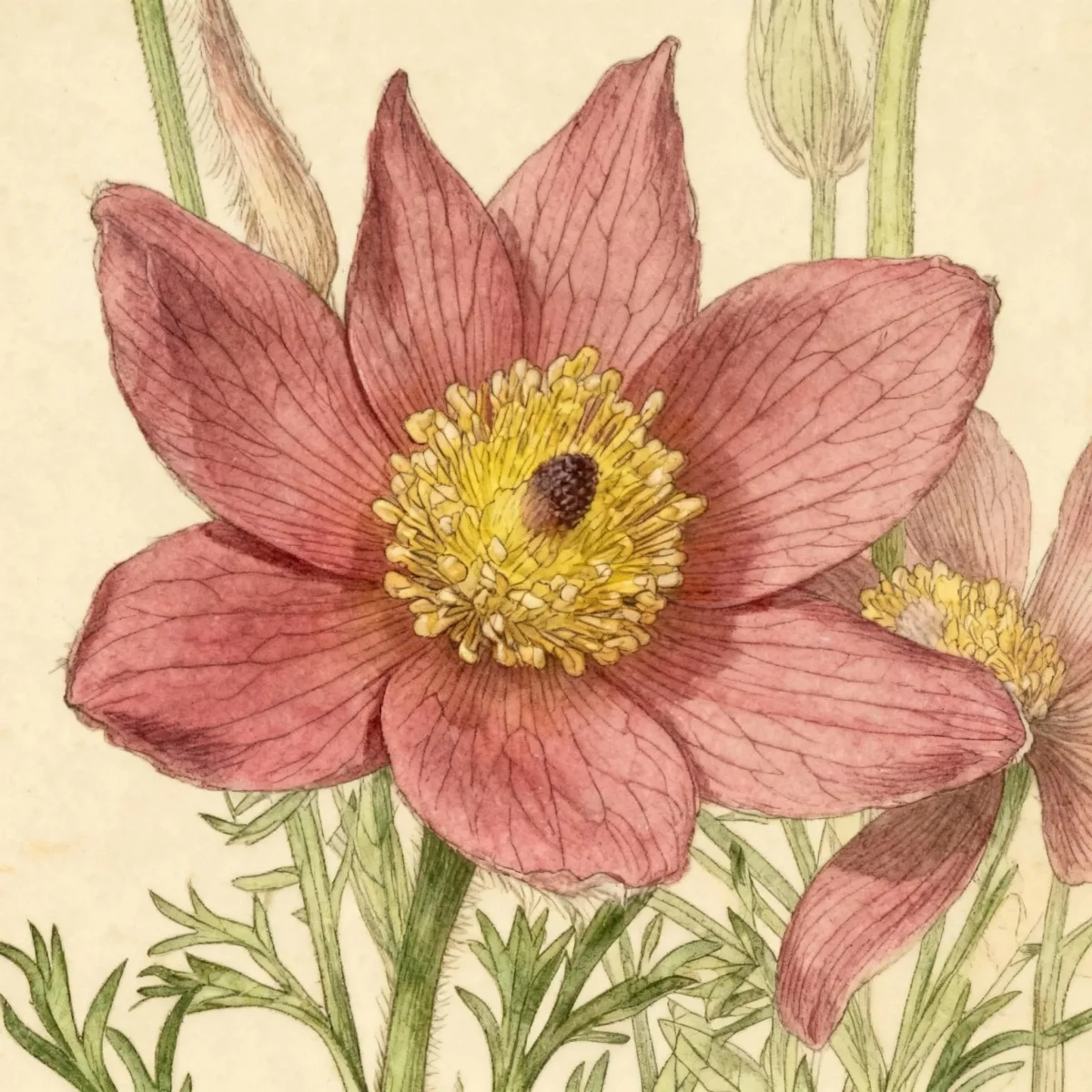
This specific subspecies, native to the Crimea, provides fuzzy, reddish-violet flowers early in the season. Growing Pulsatilla halleri subsp. taurica successfully means respecting its preference for cooler summers; however, its winter hardiness in Zones 5 through 7 ensures its survival for many years with minimal fuss.
Fast Facts
- Plant Family: Ranunculaceae
- Plant Type: Herbaceous perennial
- Native Range: Ukraine
- Hardiness Zones: USDA Zones 5-7
- Size at Maturity:
- Height: 0.75-1 ft
- Spread: 0.75-1 ft
- Bloom Time: April to May
- Bloom Description: Reddish-violet
- Sun Exposure: Full sun to part shade
- Water Needs: Medium
- Maintenance Level: Low
How to Grow
For the best performance of Pulsatilla halleri subsp. taurica, plant in spring or fall in a location receiving full sun to light afternoon shade. The most crucial element for success is excellent soil drainage; use a fertile, gritty, and humusy mix. Good drainage is essential to prevent root rot, especially during wet periods.
Water needs are medium; ensure consistent moisture, especially if you are growing the Pasque flower in climates that experience hot summers. Southern gardeners (areas south of Zone 7) must pay close attention to summer heat and humidity, as the plant may be short-lived under prolonged stress. Avoid frequent disturbance; once established, these plants prefer to be left undisturbed.
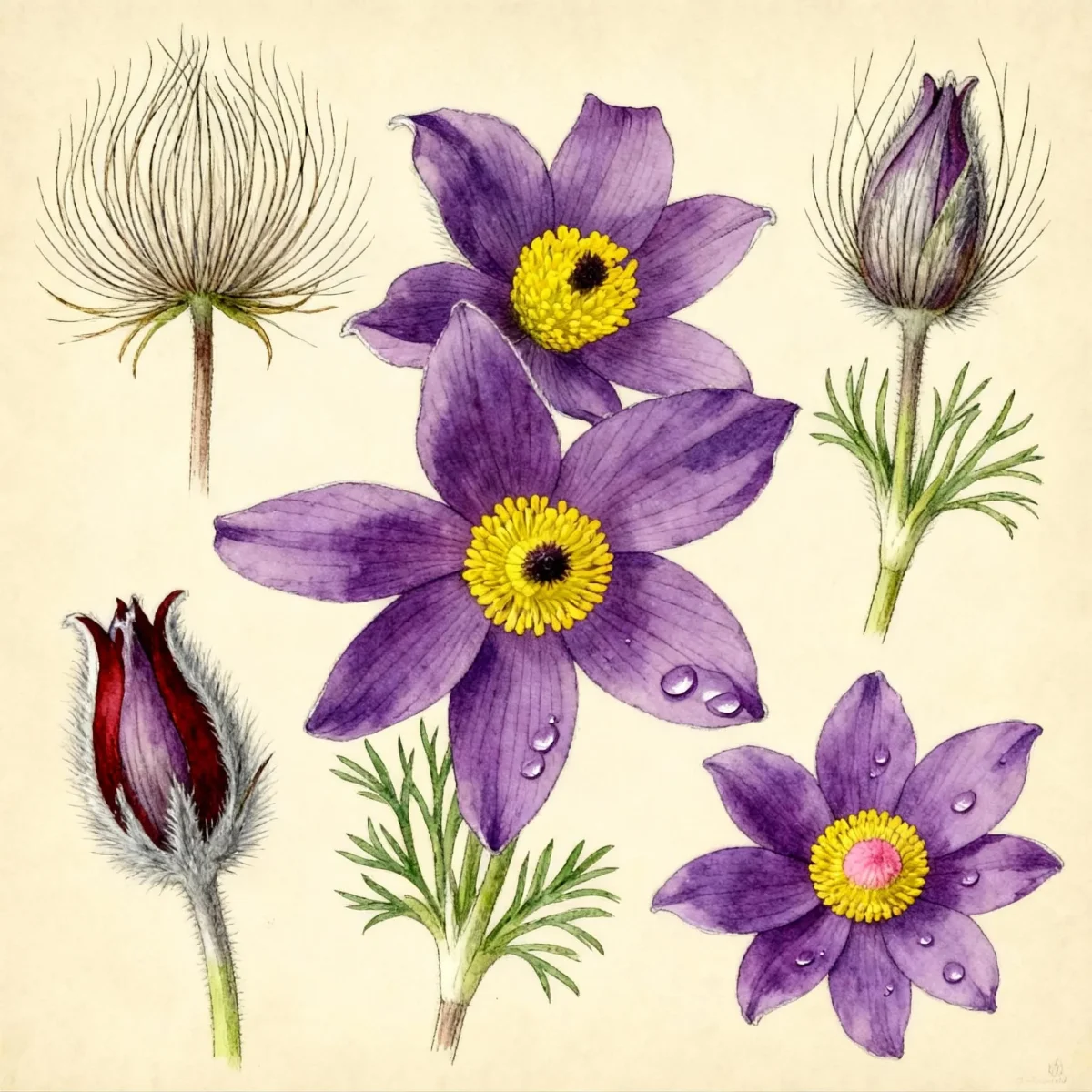
Maintenance is generally low. There is no specific need for routine fertilizing if the soil is already well-amended and fertile. Deadheading is optional; the fluffy, ornamental seedheads often provide visual interest after the reddish-violet bloom fades.
When preparing for winter, ensure the area around Pulsatilla halleri subsp. taurica is not overly wet, utilizing their Zone 5-7 hardiness to their advantage by providing sharp drainage leading into dormancy.
Landscape Uses
The compact size and early bloom time make the Pasque flower ideal for several specialized garden areas. They are perfect additions to rock gardens where their need for sharp drainage is naturally met by slopes or rocky crevices. Similarly, they excel on alpine slopes/meadows, providing color right where the snow melts.
Use Pulsatilla halleri subsp. taurica near border fronts where their springtime display can be easily observed before taller perennials obscure them. Their low stature also makes them excellent subtle accents in prairie areas that feature early-flowering native companions. Consider grouping them with small bulbs for a layered, extended spring show without overwhelming the plant’s delicate structure.
Standout Features
Flower Qualities
- Showy
Fruit Qualities
- Showy
Noteworthy Characteristics
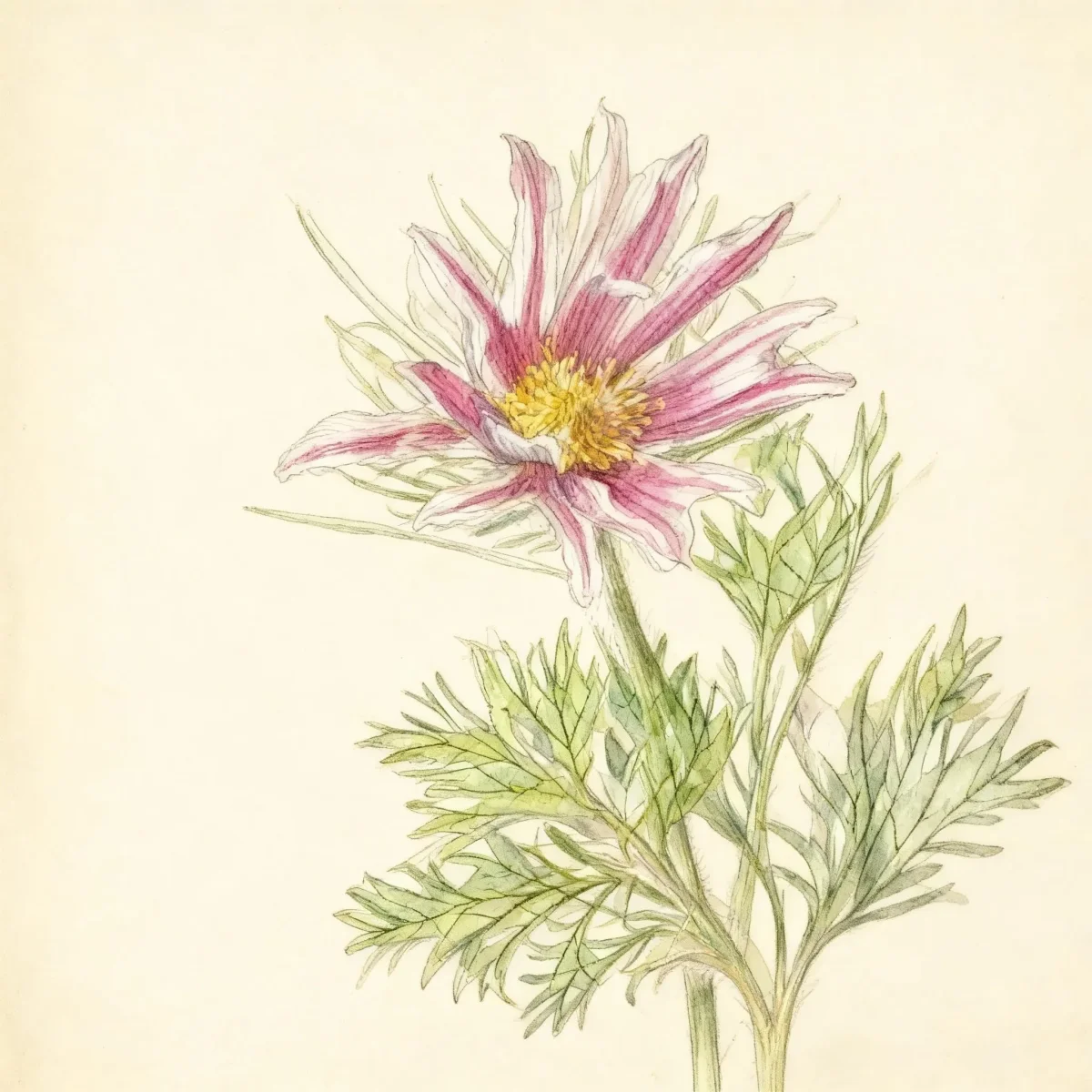
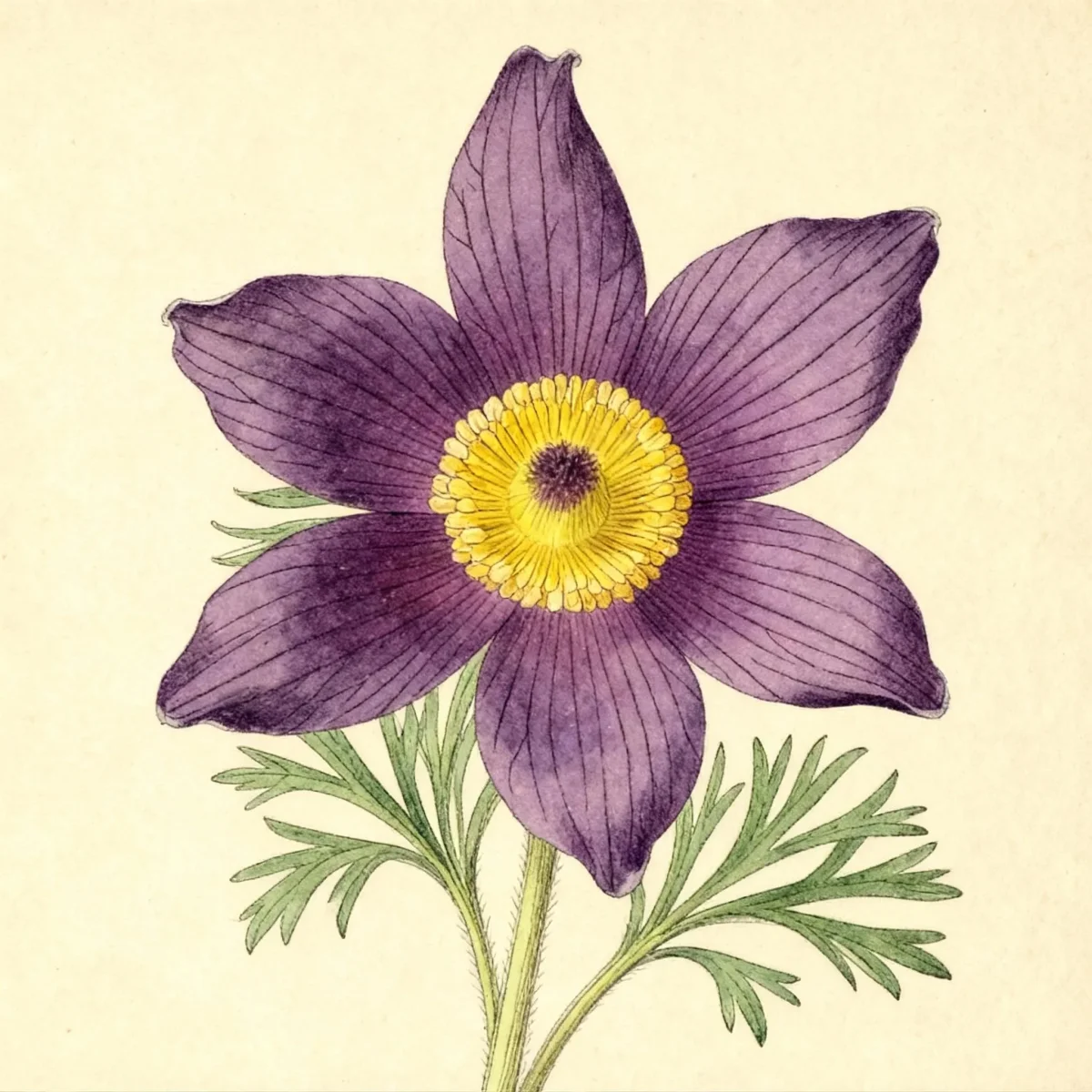
Pulsatilla halleri, commonly known as alpine pasque flower, is an herbaceous perennial that typically matures to 8-12” tall and is native to mountain meadows and slopes from the Alps eastward. Rich, solitary, shallow bell-shaped, upright, violet-blue flowers (in related forms) bloom in spring atop stems as the pinnate basal leaves begin to unfurl; this specific subspecies, subsp. Taurica, features fuzzy reddish-violet flowers with yellow centers blooming singly. The leaves and stems are covered with long silky hairs, and the flowers are followed by fluffy ornamental seedheads, providing interest long after the Pasque flower has finished blooming.
Tolerances
- Rabbit
Potential Problems
Pulsatilla halleri subsec. Taurica generally experiences no serious insect or disease problems when grown in conditions matching its needs. The primary risk to this Pasque flower is root rot, which is directly attributable to poor soil drainage, especially in heavy clay soils or areas that remain waterlogged over winter. Ensure high drainage and avoid overwatering during hot spells to maintain plant health.
Frequently Asked Questions
What hardiness zones is Pasque flower suitable for?
Pulsatilla halleri subsp. taurica is winter hardy in USDA Zones 5 through 7.
How large does Pasque flower grow?
This herbaceous perennial typically reaches a height between 0.75 and 1 foot tall, with a similar spread of 0.75 to 1 foot at maturity.
When does Pasque flower bloom?
The showy bloom time for Pulsatilla halleri subsp. taurica is typically from April to May, displaying beautiful reddish-violet colors.
What sun exposure does Pasque flower need?
Pulsatilla halleri subsp. taurica prefers a location that receives full sun to light part shade conditions.
Conclusion
The Pulsatilla halleri subsp. taurica, or Pasque flower, is a fantastic choice for gardeners seeking reliable, early spring color with minimal ongoing effort. Its unique fuzzy texture and early bloom make it an indispensable component of rock gardens and alpine settings. Always verify your site offers the sharp drainage required before planting this beautiful specimen.
Companion Planting
Companion planting for this Pasque flower should focus on other spring ephemeral or low-growing alpines that share similar requirements for high drainage and medium moisture. Consider pairing Pulsatilla halleri subsp. taurica with early blooming bulbs like dwarf irises (Iris reticulata) or low-growing sedums which creep over rocks as the soil dries slightly post-bloom. Avoid companions that require rich, consistently moist loam, as these conditions can compromise the health of your well-drained planting area.
Seasonal Care Calendar
Spring is when the Pasque flower is most active, so focus on observing its growth and adjusting water if early spring is unusually dry. Summer care centers around ensuring the soil does not become waterlogged during light rainfalls, especially in hot climates where stress can lead to dormancy or decline. Minimal attention is required in fall and winter; simply ensure ground cover or mulch does not smother the crown of the plant, allowing cold air to circulate around its base.