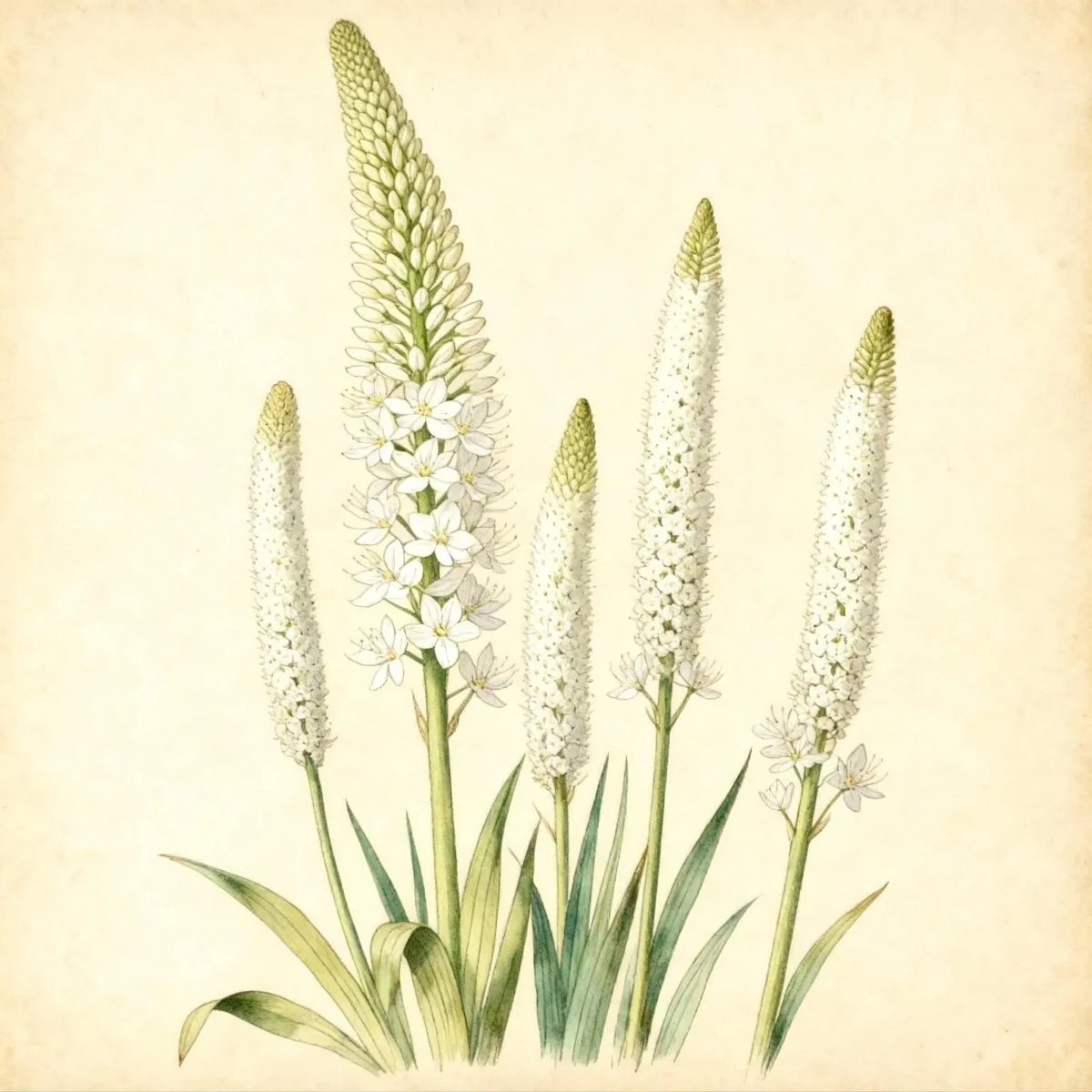
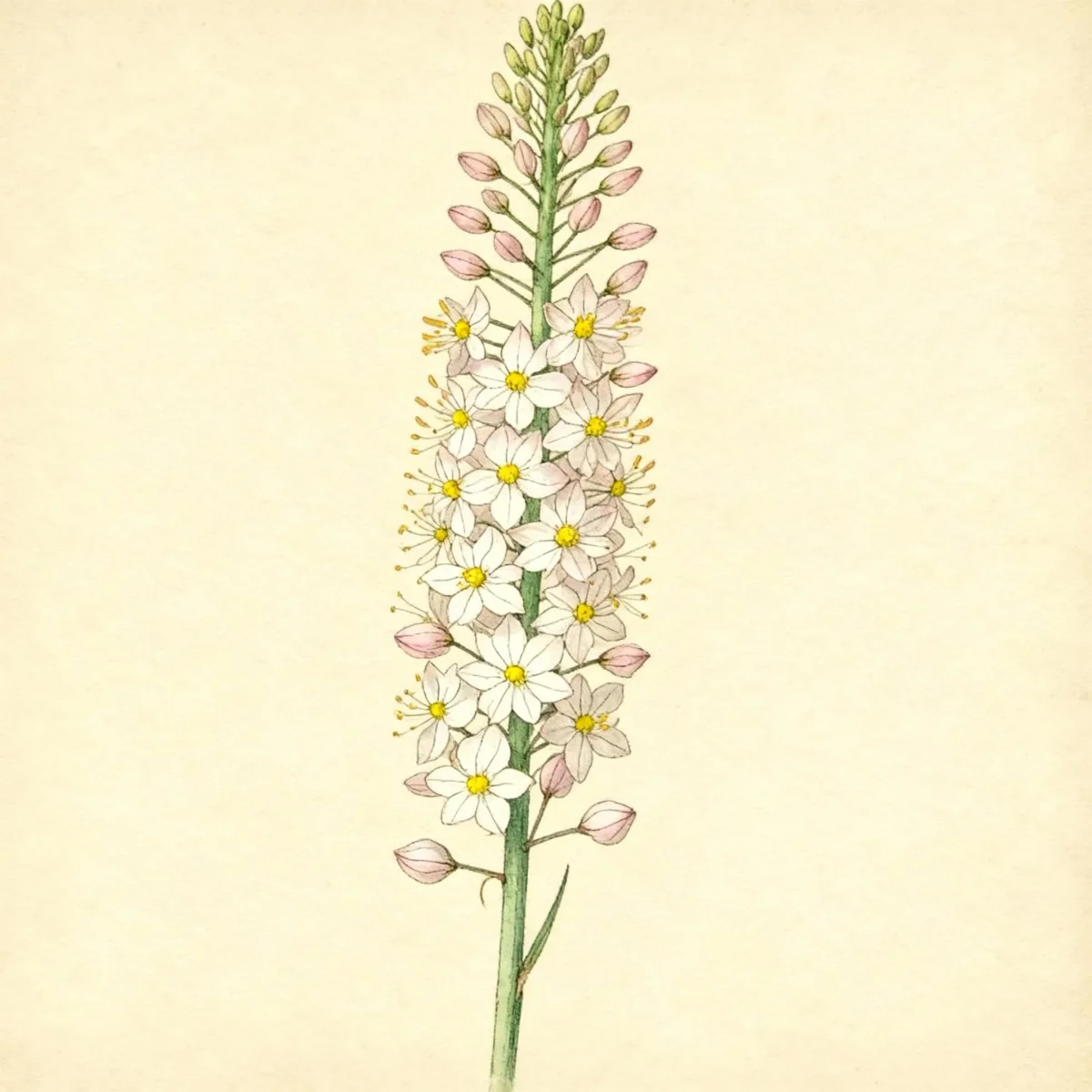
Red hot poker (Kniphofia caulescens)
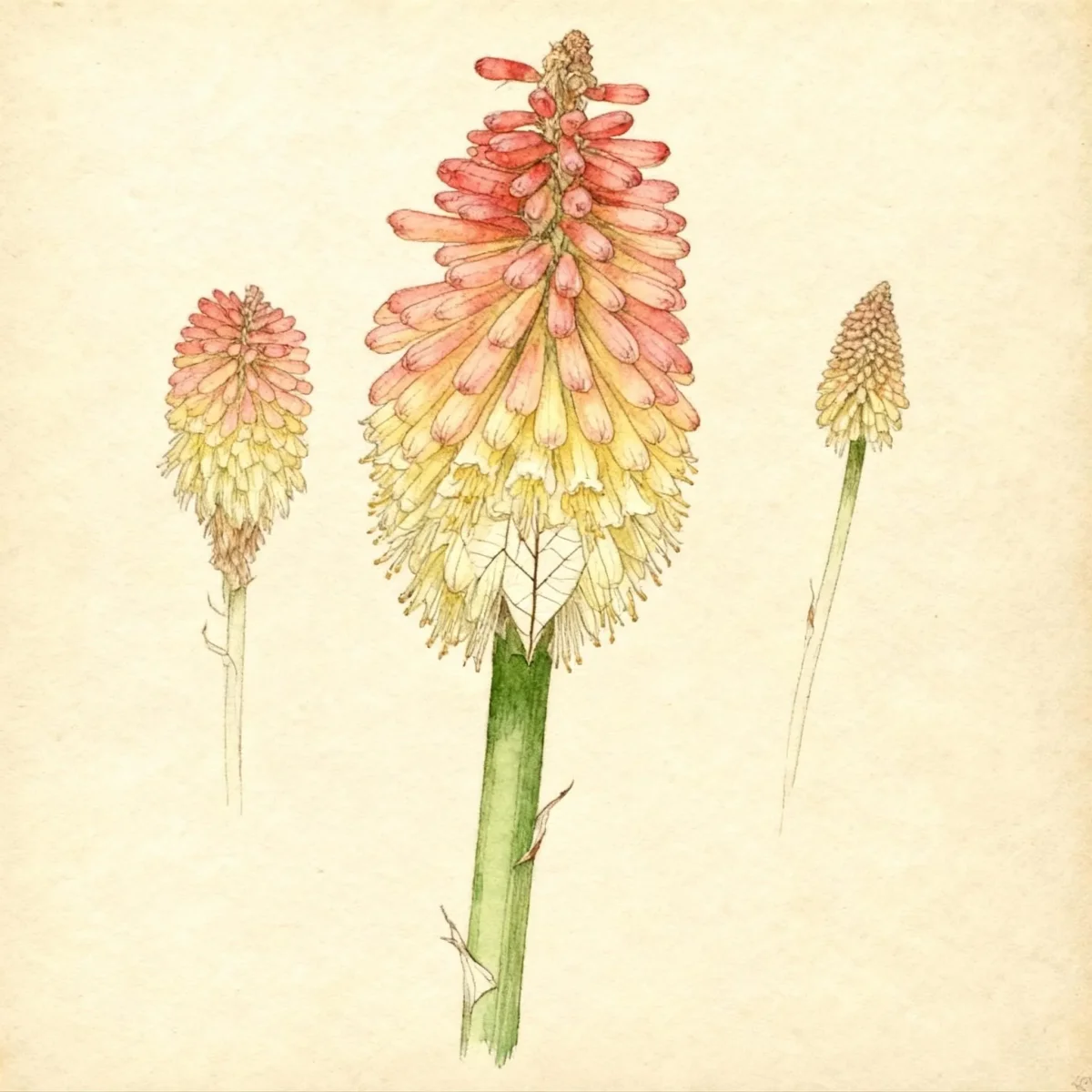
Kniphofia caulescens, the Red hot poker, offers striking summer color with two-toned coral-to-yellow spikes. An upright perennial hardy in Zones 6-8.
Scroll down to discover growing tips, care requirements, companion plants, and more
Complete Plant Information
Overview
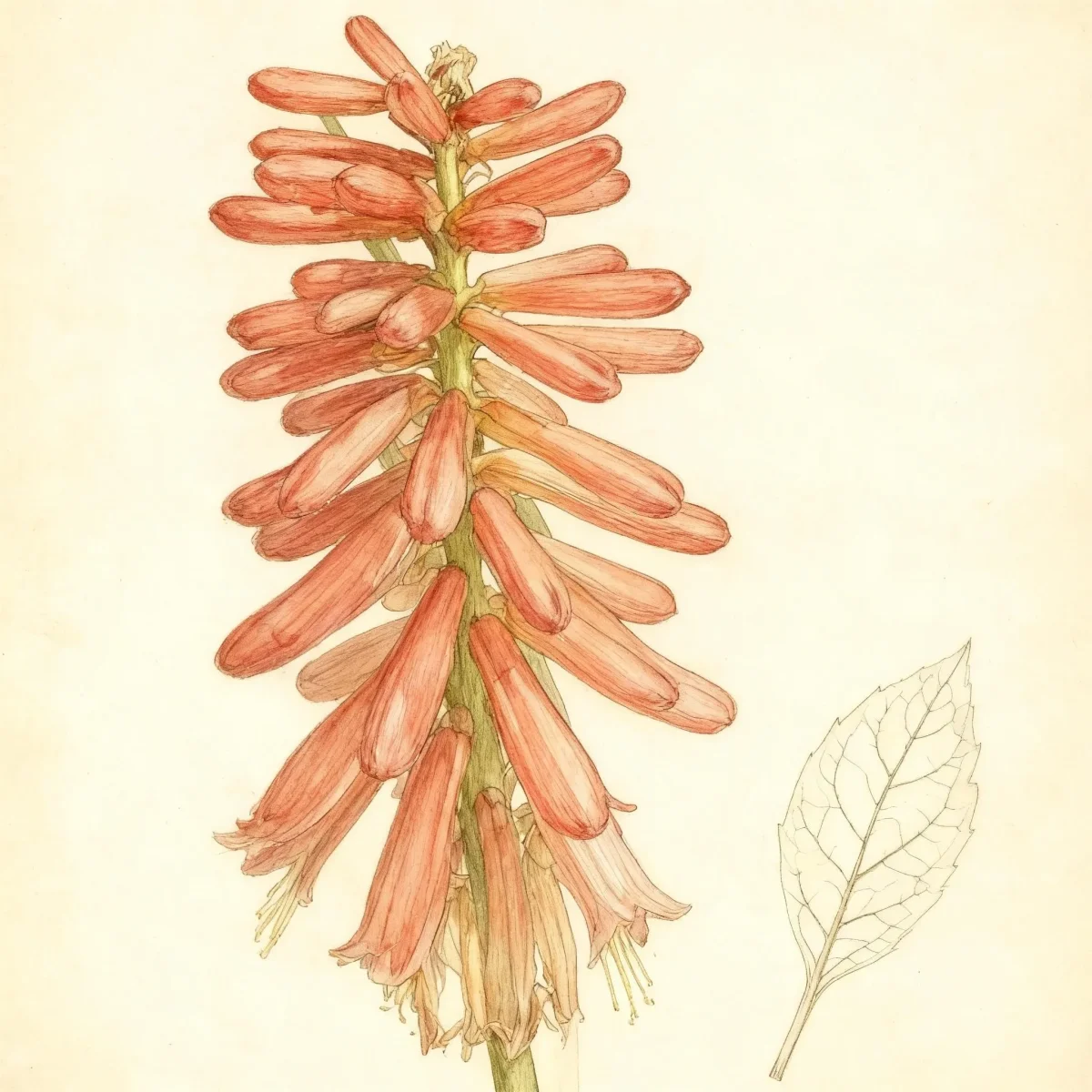
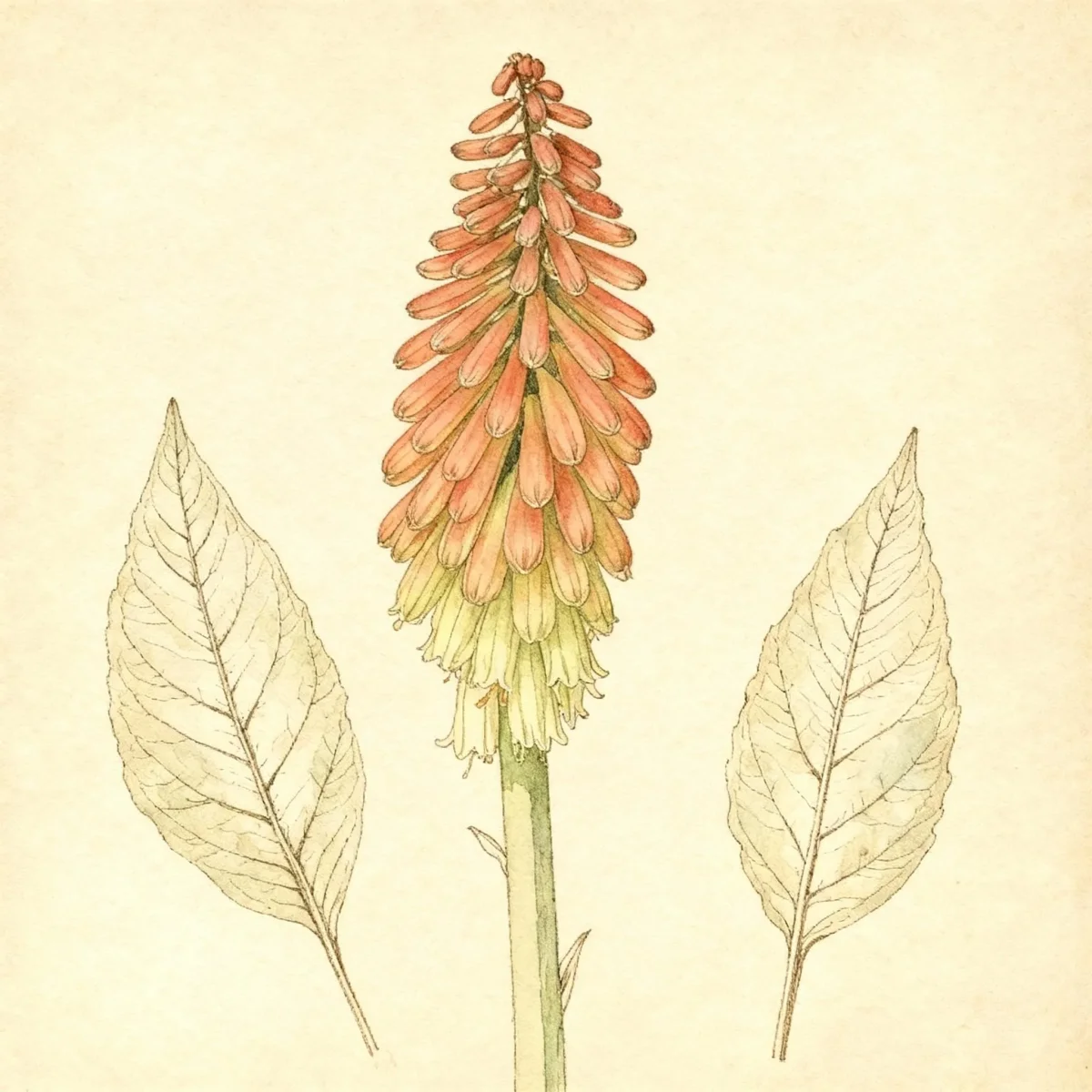
The majestic Kniphofia caulescens, widely recognized as the Red hot poker, brings dramatic vertical interest to the summer garden. This upright, clump-forming perennial is prized for its dense, bottlebrush-like flower spikes that transition appealingly from coral red buds to yellow tips. Native to the high elevations of Southern Africa, this particular variety, Kniphofia caulescens, forms robust colonies.
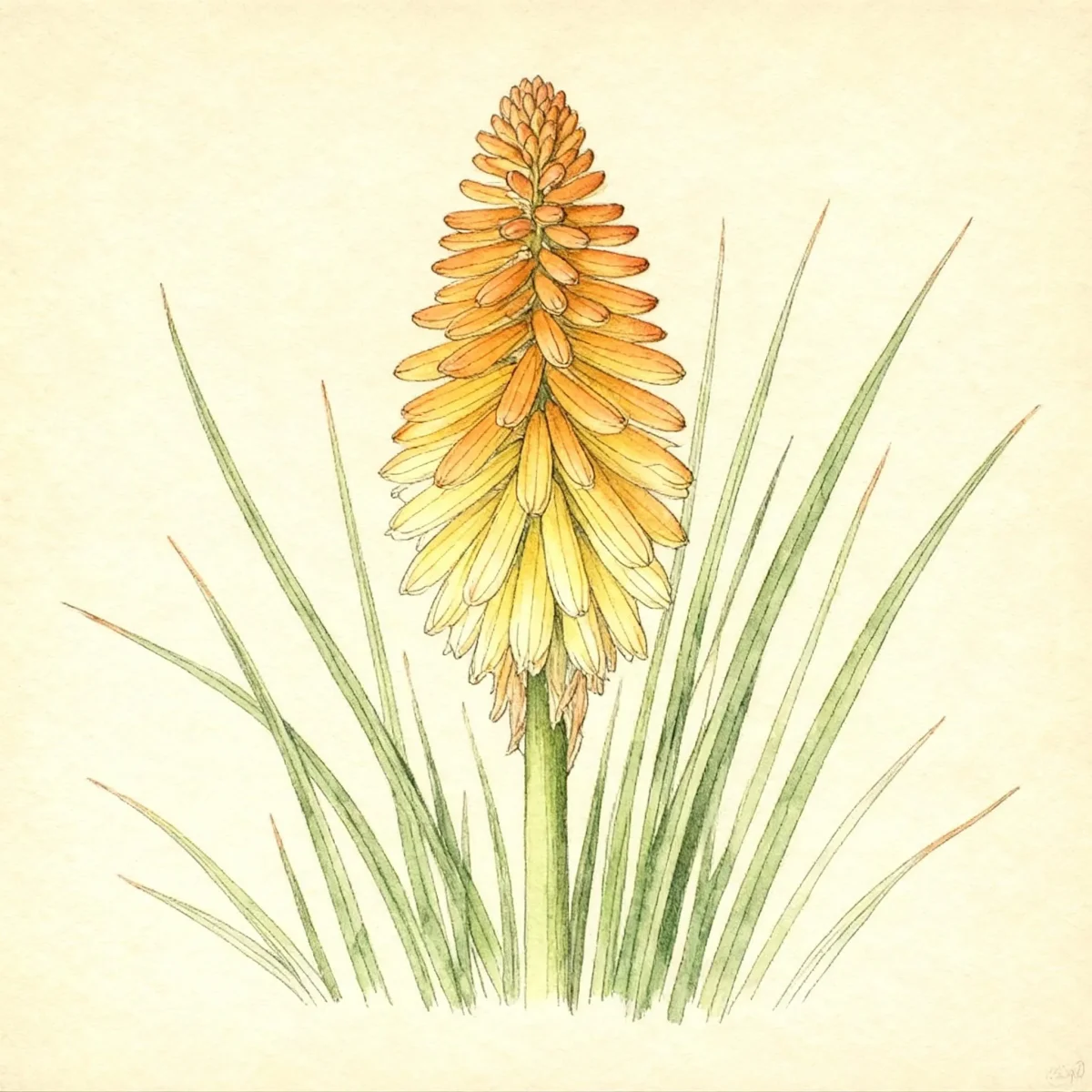
Established specimens of this Red hot poker create strong focal points with their coarse, linear, bluish-green foliage clump, which remains attractive even when not in bloom. It thrives in full sun and requires well-drained conditions, making it an excellent vertical accent in mixed perennial beds or naturalized areas.
Gardening success with Kniphofia caulescens involves providing it with the right balance of sun and moisture, mirroring its preferences for well-drained, humusy soils. Its substantial presence and brilliant summer flowers make it a standout choice for adding tropical texture and vibrant color to temperate landscapes.
Fast Facts
- Plant Family: Asphodelaceae
- Plant Type: Herbaceous perennial
- Native Range: Southern Africa
- Hardiness Zones: USDA Zones 6-8
- Size at Maturity:
- Height: 2-4 ft
- Spread: 1-2 ft
- Bloom Time: July to August
- Bloom Description: Coral red to yellow
- Sun Exposure: Full sun
- Water Needs: Medium
- Maintenance Level: Medium
How to Grow
Plant Kniphofia caulescens in average, medium moisture, well-drained soils, ensuring it receives full sun exposure for the best flower production. It performs optimally in soils enriched with compost, particularly mimicking the humus-rich conditions found in its native alpine habitats. Avoid planting in heavy, wet soils, as this species is intolerant of excessively moist conditions, especially during the winter months.
During the summer growing season, maintain even moisture levels to support robust blooming, though established plants show a good tolerance for drought once settled. Locate your Red hot poker where it is somewhat protected from strong winds, as the thick flower scapes, while generally self-supporting, benefit from reduced buffeting. Promptly deadhead spent flower spikes to encourage subsequent blooms and maintain a neat appearance.
Winter preparation in colder zones (5 and 6) is crucial for protecting the crowns of this evergreen perennial. Apply a protective mulch over the crowns after the first hard freeze. In late fall, many gardeners tie the leaves of Kniphofia caulescens together to form a protective canopy that prevents icy water from settling directly onto the crown and causing freeze damage.
As spring arrives, cut back the old foliage to about three inches above the ground to allow the new growth cycle to begin unimpeded. Established clumps of this torch lily are best left undisturbed, as they develop well over time and usually do not require dividing.
Landscape Uses
The upright habit and striking flower form of the Red hot poker make it incredibly versatile in landscape design. Its suitability for naturalizing means that mass plantings in large landscape areas create a spectacular, fiery display reminiscent of its native grassy slopes.
For structured settings, use Kniphofia caulescens as a specimen plant, allowing its singular vertical structure to anchor a perennial border. The foliage clumps offer ornamental value throughout the year, providing an excellent structural backdrop when the torch lily is not in bloom. Consider incorporating it into specialized rock gardens or alpine gardens where sharp drainage is guaranteed.
When selecting companions, choose plants that share its love of full sun and well-drained earth. Plants with softer, mounding habits or silvery foliage provide a beautiful textural contrast to the spiky verticality of the Red hot poker.
Standout Features
Flower Qualities
- Showy
Noteworthy Characteristics
Kniphofia caulescens, commonly known as red-hot poker or torch lily, is an upright, clump-forming, rhizomatous, evergreen perennial that is native to grassy slopes, often in marshy sites and seepage areas, in the Drakesberg Mountains of South Africa and Lesotho (landlocked country encircled by South Africa) at elevations above 3,000’ where it is often found growing in huge colonies. From an 18-24” tall basal tuft of coarse, narrow, linear, sword-shaped, evergreen to semi-evergreen, bluish-green leaves (to 3’ long and 1” wide) rise one or more thick, leafless flower scapes (no support needed) which soar well above the foliage clump to 3-4’ tall. Each scape is topped with a dense, showy, bottlebrush-like spike (scapose terminal raceme to 6-10” long) of drooping, short-stalked, tubular flowers which bloom in summer (July-August).
Tolerances
- Rabbit
- Deer
- Drought
Potential Problems
This plant generally exhibits excellent resistance to major insect and disease issues, which contributes to its medium maintenance rating. The principal concern involves improper soil drainage; root rot is a high risk if the soil remains perpetually wet, especially during winter dormancy. Gardeners should remain vigilant for sporadic infestations of thrips, which can sometimes damage developing flower buds in certain regions. Management for thrips usually involves consistent monitoring and appropriate insecticidal soap applications if populations become problematic.
Frequently Asked Questions
What hardiness zones is Red hot poker suitable for?
Kniphofia caulescens is winter hardy in USDA Zones 6 through 8, though it may survive in Zone 5 with adequate winter crown protection.
How large does Kniphofia caulescens grow?
This variety typically reaches a height between 2 to 4 feet, with a spread of 1 to 2 feet, sending its flower stalks soaring above the basal foliage clump.
What sun exposure does Red hot poker need?
This torch lily requires full sun exposure to thrive and produce its best display of coral red to yellow summer blooms.
When does Kniphofia caulescens bloom?
The primary bloom time for this specific Red hot poker is during the height of summer, running from July into August, presenting its vibrant, two-toned flowers.
Conclusion
The Kniphofia caulescens offers remarkable architectural structure and brilliant, dependable summer color, making it a cornerstone for designers seeking vertical accents. By respecting its need for sharp drainage and full sun, you ensure a long, healthy life for your Red hot poker. Check your local USDA zone and plan your planting in the spring for establishment before the summer heat arrives.
Companion Planting
Choosing companions for Kniphofia caulescens involves selecting plants that share its preference for bright sun and excellent drainage but offer contrasting textures or bloom times. Plants like ornamental grasses, euphorbias, or sturdy Russian Sage (Perovskia atriplicifolia) work well, as their fine texture softens the boldness of the torch lily’s foliage. Consider pairing it with early-season bloomers like Bearded Iris or Daylilies that fade just as the Red hot poker begins its magnificent summer show, ensuring continuous interest in the border.
Design Ideas
This plant excels when integrated into drought-tolerant or hot-climate perennial borders, especially those featuring Mediterranean or South African plant collections. Because Kniphofia caulescens sends its flower spikes high above the main body of foliage, it functions effectively in the middle to back sections of a border, acting as a powerful vertical punctuation mark. For a more naturalized look, plant the Red hot poker in drifts, allowing the clumps to merge slightly, mimicking colonies found in its native habitat, rather than spacing them as rigid individual specimens.