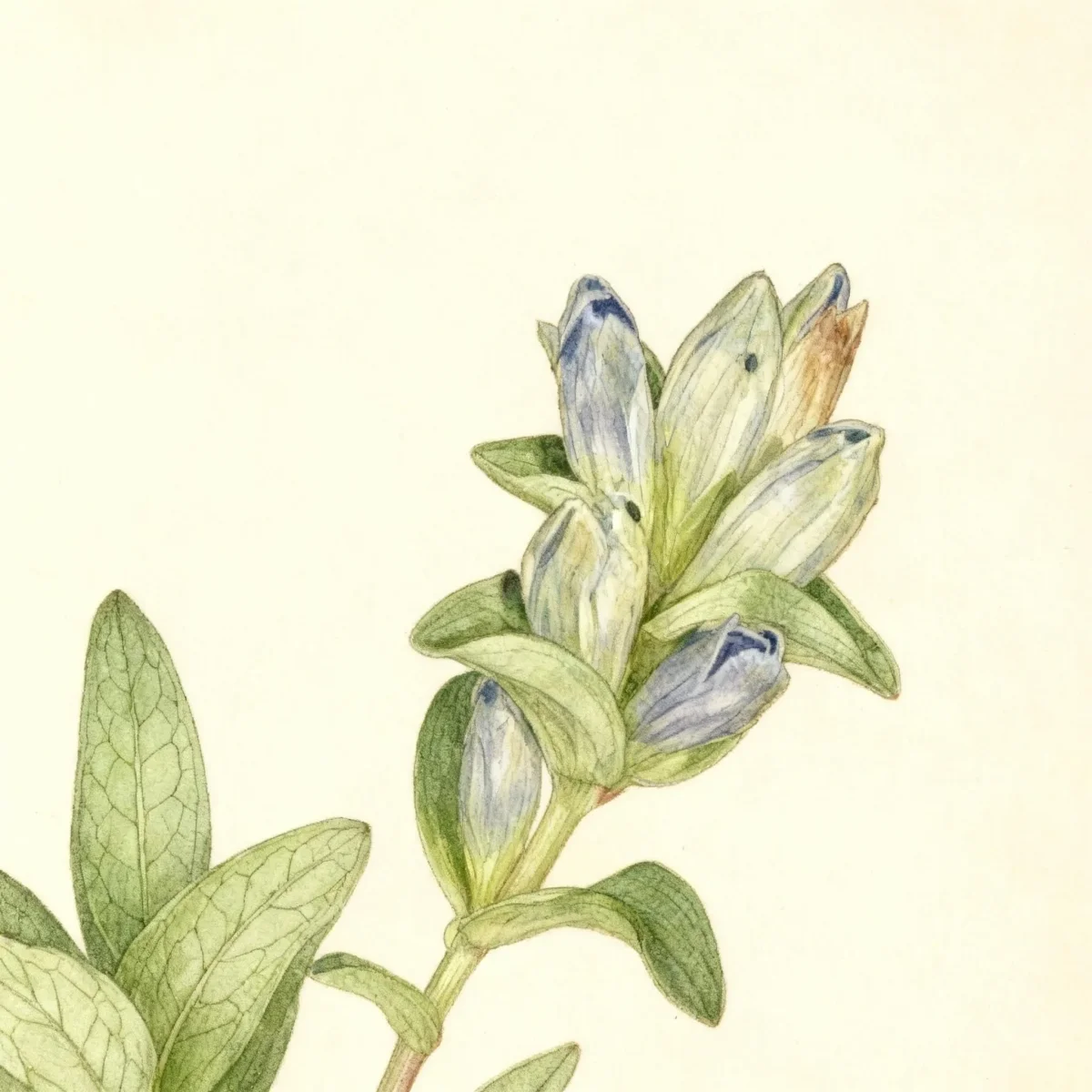
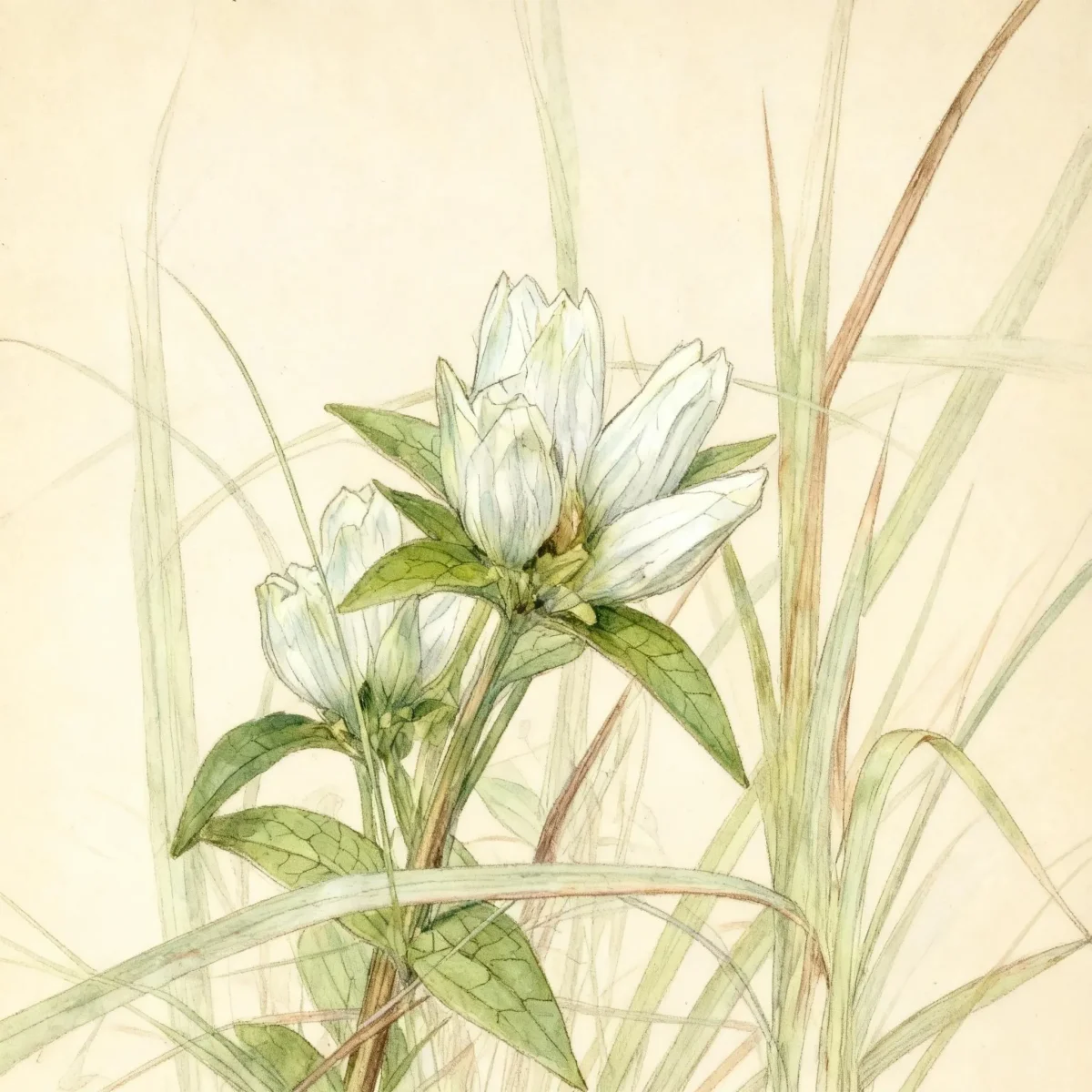
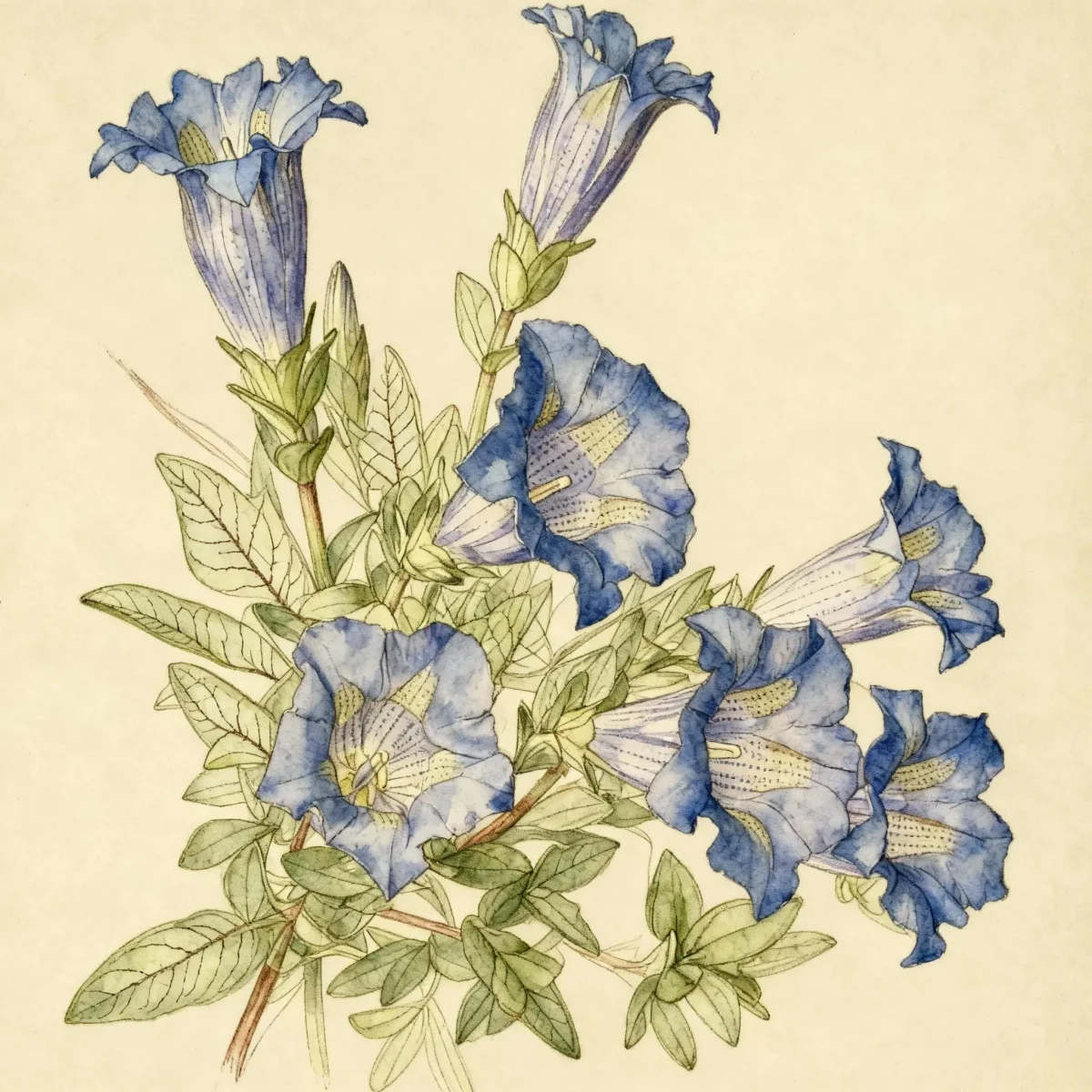
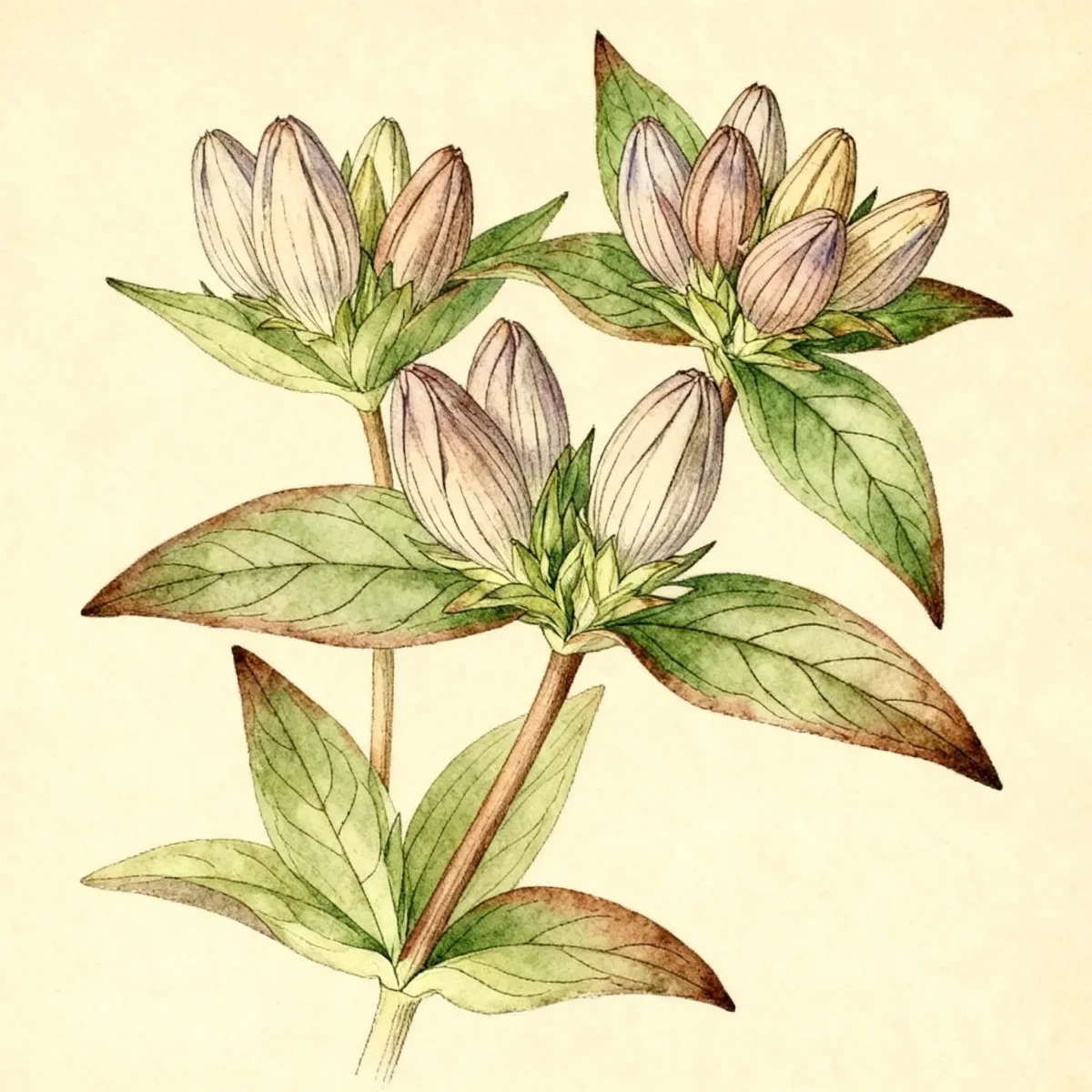
Gentian (Gentiana angustifolia)
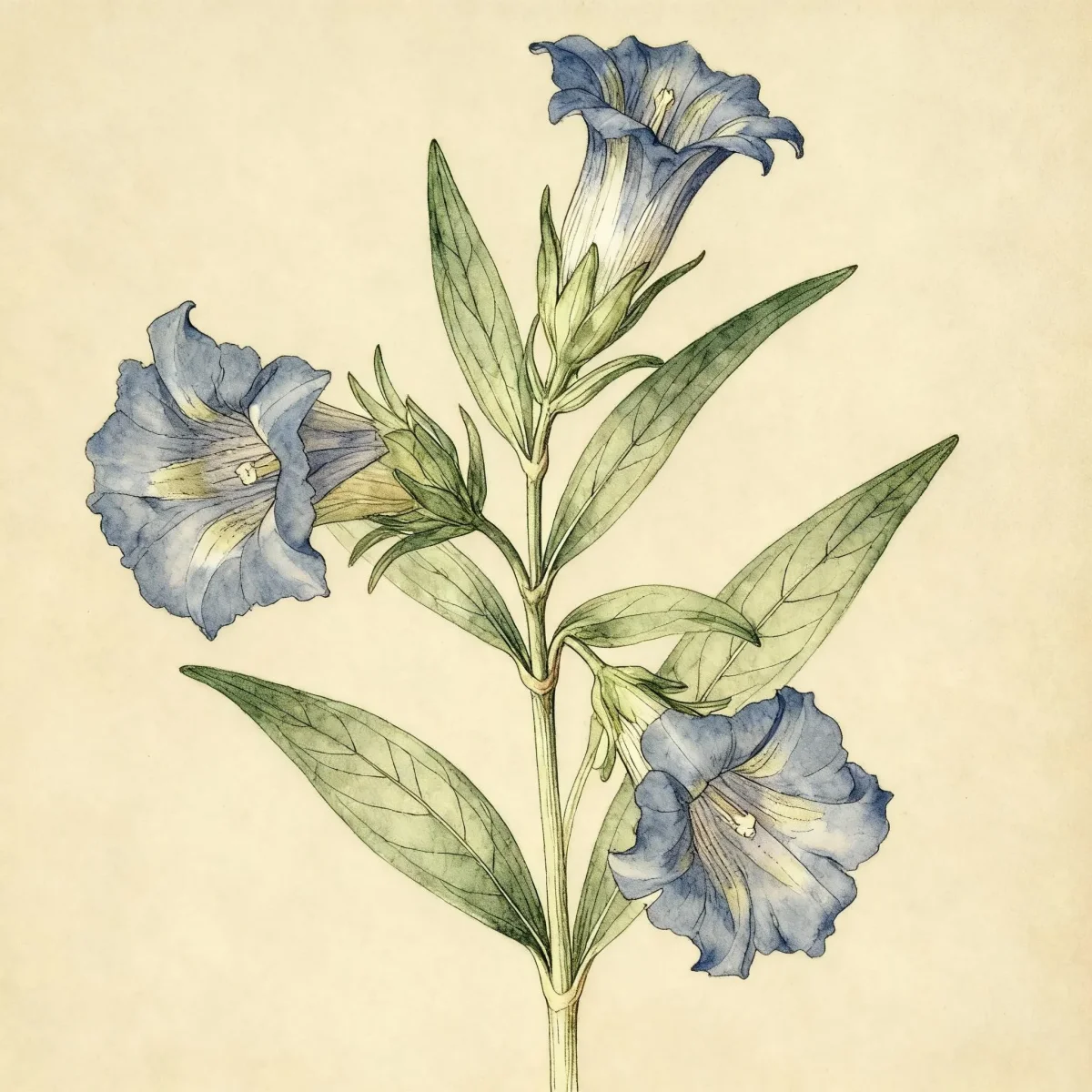
Dwarf, mat-forming Gentiana angustifolia offers stunning sky-blue trumpets in late spring. Ideal for rock gardens in cool climates (Zones 3-7).
Scroll down to discover growing tips, care requirements, companion plants, and more
Complete Plant Information
Overview
Gentiana angustifolia, often called Gentian or trumpet gentian, is highly prized by alpine gardeners for its rich, jewel-toned floral display. This dwarf, mat-forming perennial creates a stunning ground cover effect where its deep, sky-blue flowers appear to sit directly atop the basal leaves. Its compact nature makes it perfect for small spaces where traditional ornamental plants might overwhelm the scale.
This species is native to the limestone-rich alpine grasslands and rocky meadows of Western Europe. Cultivating success with Gentiana angustifolia relies heavily on mimicking these cool, well-drained mountain environments. It thrives in gritty, gravelly soils and generally requires cool summers, often struggling in regions hotter than USDA Zone 7.
The low, spreading habit of this Gentian provides excellent textural contrast in rockeries. When cultivated correctly, its low maintenance profile allows gardeners to enjoy its spectacular, short bloom period with minimal intervention, establishing it as a cornerstone alpine gem.
Fast Facts
- Plant Family: Gentianaceae
- Plant Type: Herbaceous perennial
- Native Range: France, Italy, Spain, Switzerland
- Hardiness Zones: USDA Zones 3-7
- Size at Maturity:
- Height: 0.25-0.5 ft
- Spread: 0.25-0.75 ft
- Bloom Time: May to June
- Bloom Description: Sky blue
- Sun Exposure: Full sun to part shade
- Water Needs: Medium
- Maintenance Level: Low
How to Grow
To establish Gentiana angustifolia successfully, focus on providing sharp drainage. Plant in spring or early fall in locations receiving full sun, though afternoon shade is beneficial in extremely hot climates to protect foliage from bleaching. The ideal soil structure is moist, gritty, and gravelly, mimicking its scree origins, and it notably thrives in limestone-based soils.
Watering should be consistent to meet its medium needs, ensuring the soil never becomes waterlogged, which is fatal to most Gentians. While the plant tolerates brief dry spells once established, consistent moisture during the growing season is key. Fertilization is generally unnecessary; excessive richness can lead to lush foliage at the expense of flowers.
Maintenance for this species is minimal. Keep the area around the basal rosettes weed-free, as crowding can be detrimental. Gardeners should remember that this Gentian performs poorly in hot, humid summers. If south of Zone 7, consider planting in a naturally cooler microclimate, such as near a cool, shaded stone wall or in an alpine trough planting.
Landscape Uses
Gentiana angustifolia excels where drainage is paramount and low vertical stature is desired. It is an excellent rock garden plant, tucked neatly between stones where its brilliant blue blooms contrast beautifully with grey granite or limestone. Its compact size also makes it perfect for the fronts of perennial borders, providing a vibrant, low-growing accent before taller plants fully fill in.
For an authentic alpine display, place this Gentian in an alpine garden setting or a specialized container or trough. Companion planting should focus on other sun-loving, well-drained alpine subjects such as small Sedums, Thymes, or low-growing Campanulas that share similar cultural demands. Avoid planting near thirsty perennials that require heavy, moisture-retentive soil.
The evergreen, dull green foliage provides year-round interest, meaning its placement near foundations or along sunny pathways ensures structure even outside the May-June bloom window of the sky-blue trumpets.
Standout Features
Flower Qualities
- Showy
Noteworthy Characteristics
Gentiana angustifolia, commonly known as stemless gentian, short-stemmed gentian or trumpet gentian, is a much-loved, dwarf, mat-forming, blue-flowered, alpine perennial that typically grows to only 4” tall but slowly forms a spreading ground cover-like carpet to 6” wide or more. It is native to alpine grasslands, rocky meadows, screes and alpine/subalpine coniferous forests at altitudes up to 9700’ in the limestone Alps of western Europe in the limestone Alps of western Europe. Showy sky-blue flowers (each to 2 1/2” long) in the shape of upward-facing trumpets bloom singly in May-June, appearing to sit directly on top of the basal foliage.
Tolerances
Potential Problems
Serious insect or disease problems are rare for Gentiana angustifolia. The primary challenge for gardeners cultivating this plant lies in climate adaptation. Gentian can be a difficult plant to grow well in gardens in the St. Louis area in large part because of the hot and humid summer conditions.
To ensure long-term success, gardeners must prioritize excellent soil aeration and drainage to prevent root rot, a common issue when cultural needs are mismanaged. If experiencing poor performance in warmer climates, moving the plants to a site with protection from intense afternoon heat or incorporating significantly more grit and gravel into the planting medium can help mitigate heat stress.
Frequently Asked Questions
What hardiness zones is Gentian suitable for?
Gentiana angustifolia is hardy across USDA Zones 3 through 7, making it suitable for many northern and temperate regions.
How large does Gentiana angustifolia grow?
This is a dwarf alpine variety, typically reaching only 0.25 to 0.5 feet tall, slowly spreading up to 0.75 feet wide.
What sun exposure does Gentiana angustifolia need?
This Gentian requires full sun to part shade; best flowering occurs in full sun, but afternoon shade is recommended in hot summers.
When does Gentian bloom?
Gentiana angustifolia produces its striking sky blue flowers predominantly between May and June.
Conclusion
The striking, true-blue flowers and handsome evergreen foliage confirm Gentiana angustifolia as an essential choice for the discerning alpine gardener. Successfully growing this Gentian hinges on respecting its native habitat: cool summers and impeccably drained, gritty soils. Verify your site conditions align with USDA Zones 3-7 before planting this spectacular species.
Companion Planting
When selecting neighbors for Gentiana angustifolia, prioritize plants that thrive in sharp drainage and lean toward lean soil conditions. Consider low-growing, drought-tolerant alpines that won’t compete aggressively for root space or demand heavy fertilization. Good companions include various miniature creeping Thymes (Thymus serpyllum cultivars), low-growing Dianthus varieties, and small, bulbous plants like Narcissus bulbocodium that appreciate similar spring moisture followed by dry summer dormancy.
Seasonal Care Calendar
Spring is the crucial time for observation as the foliage emerges and bloom spikes begin to form. Ensure adequate moisture during this period to support flowering. After the May-June bloom, avoid heavy pruning; simply deadhead faded flowers if desired, though this is often unnecessary. In late fall, apply a top dressing of sharp grit around the crown of your Gentian. This practice encourages proper drainage around the base of the plant throughout the winter, protecting the evergreen leaves from rot caused by persistent dampness in cold weather.