Tickseed (Coreopsis grandiflora SUN UP)
Coreopsis grandiflora SUN UP (Tickseed) is a low-maintenance perennial featuring showy yellow blooms from June to August in sunny, dry spots.
Scroll down to discover growing tips, care requirements, companion plants, and more
Complete Plant Information
Overview
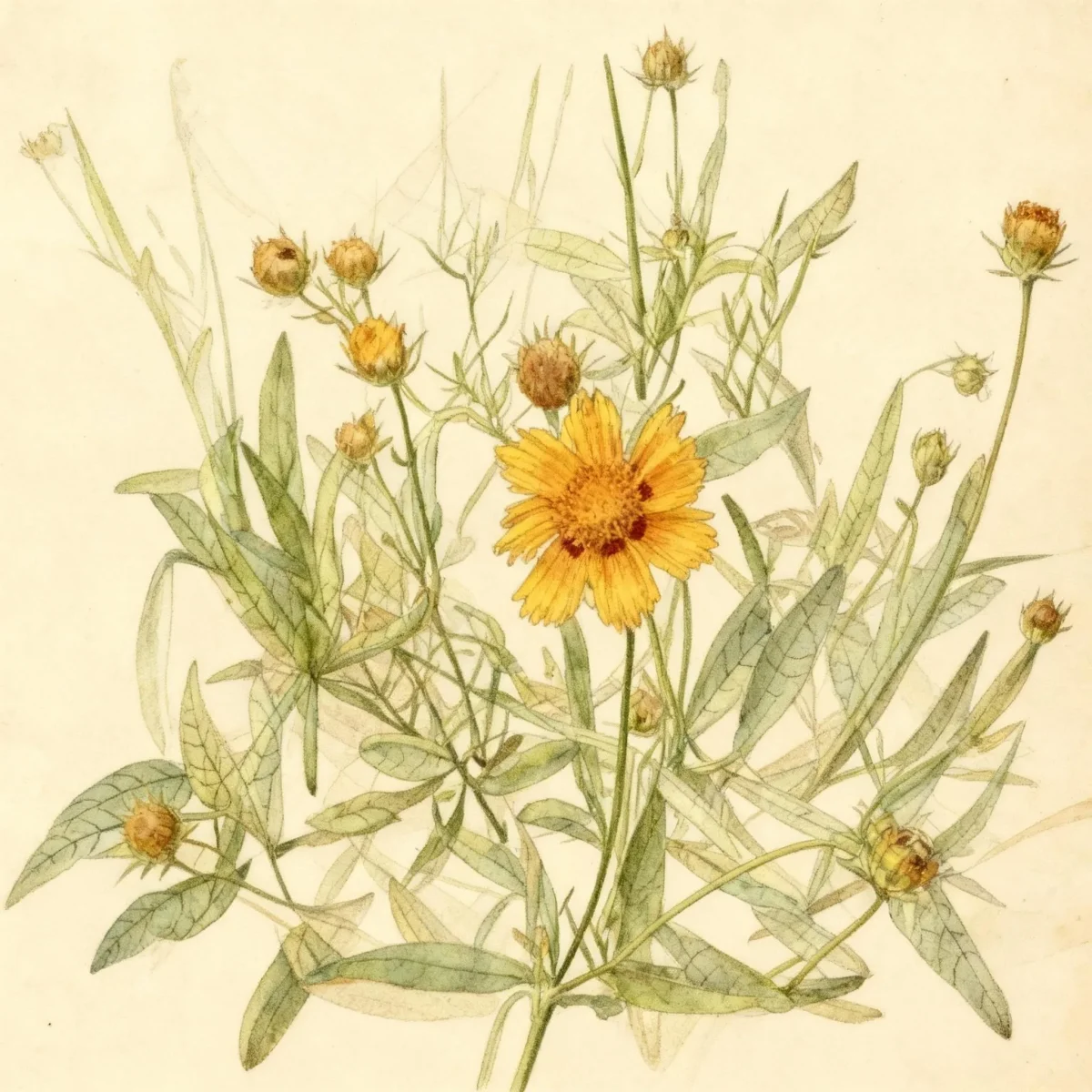
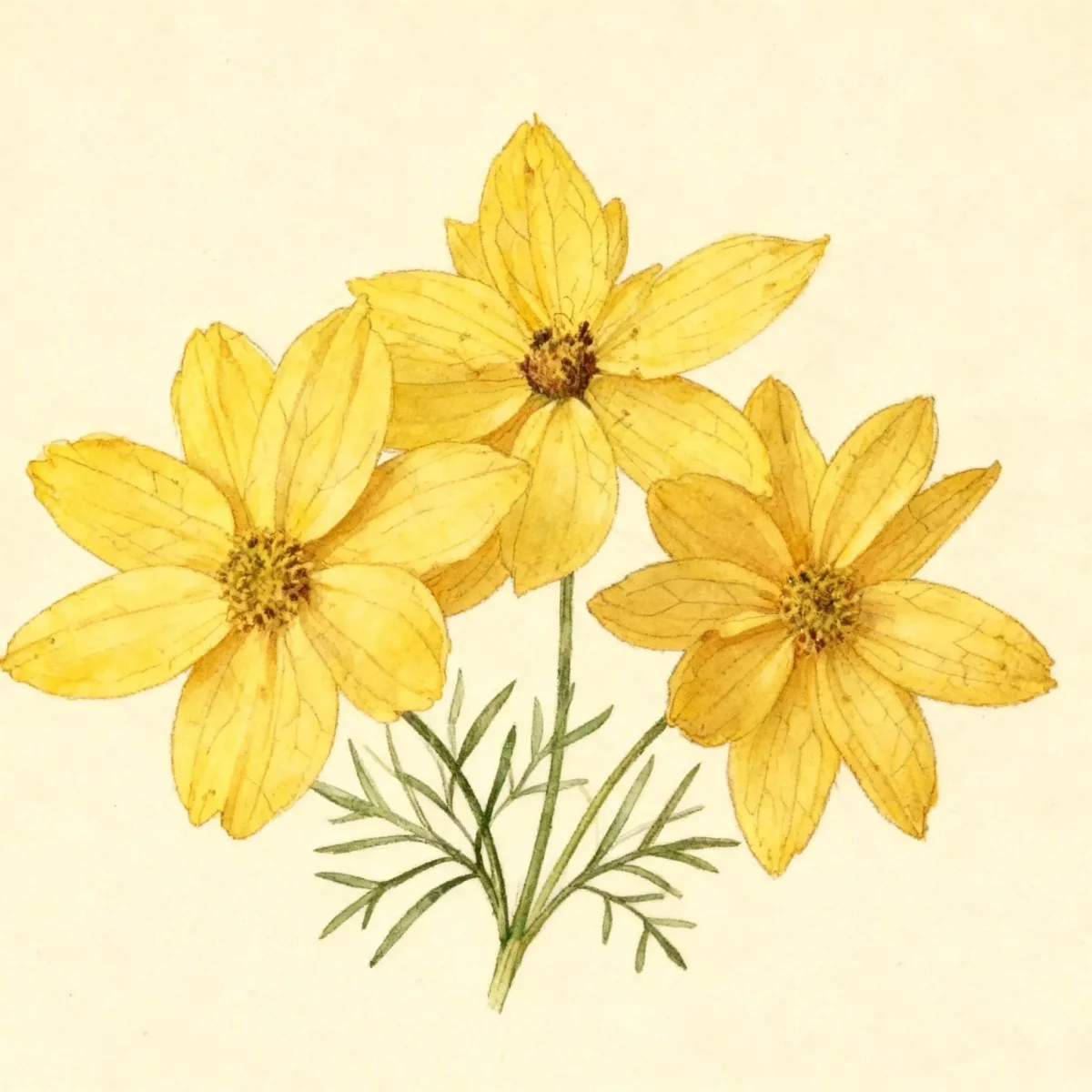
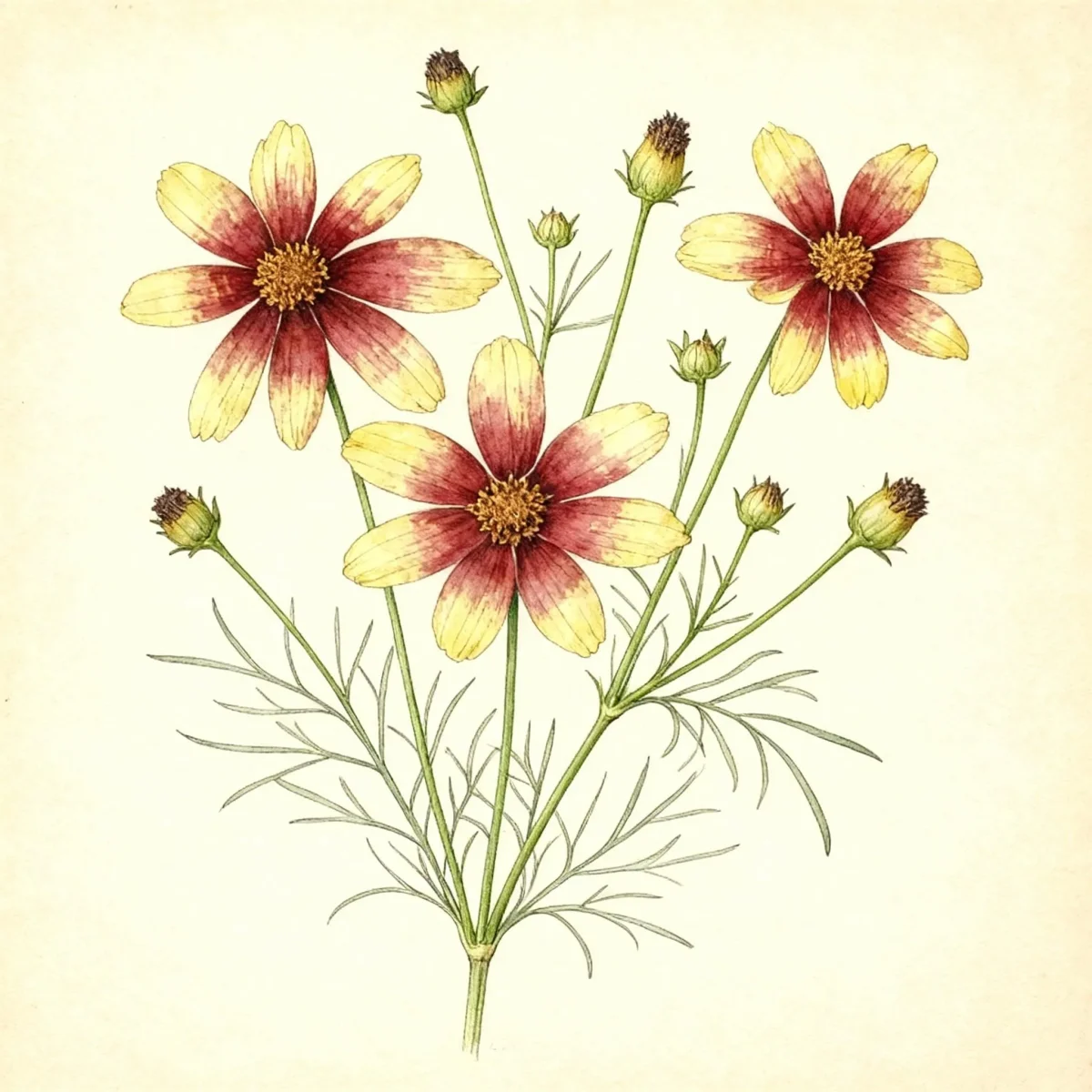
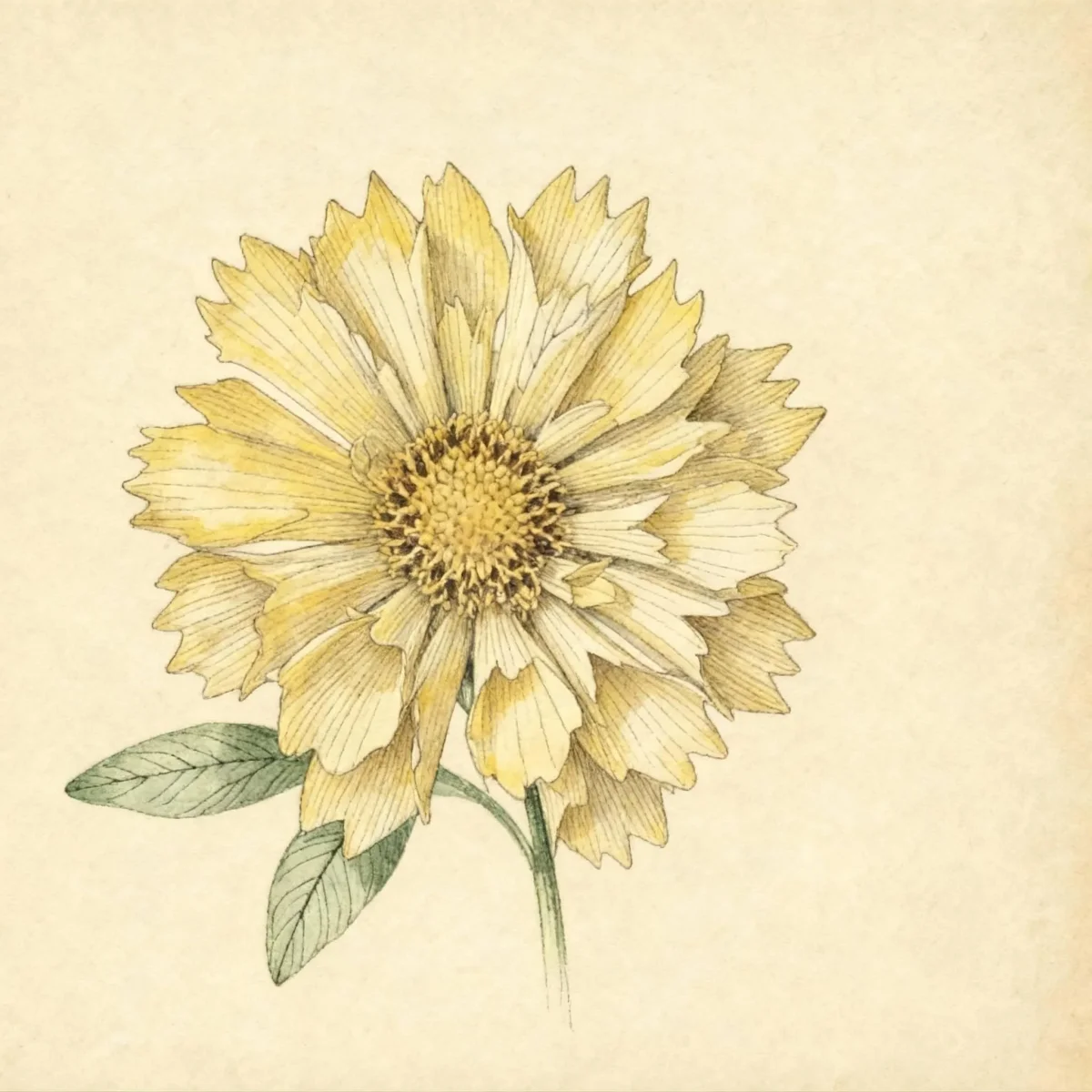
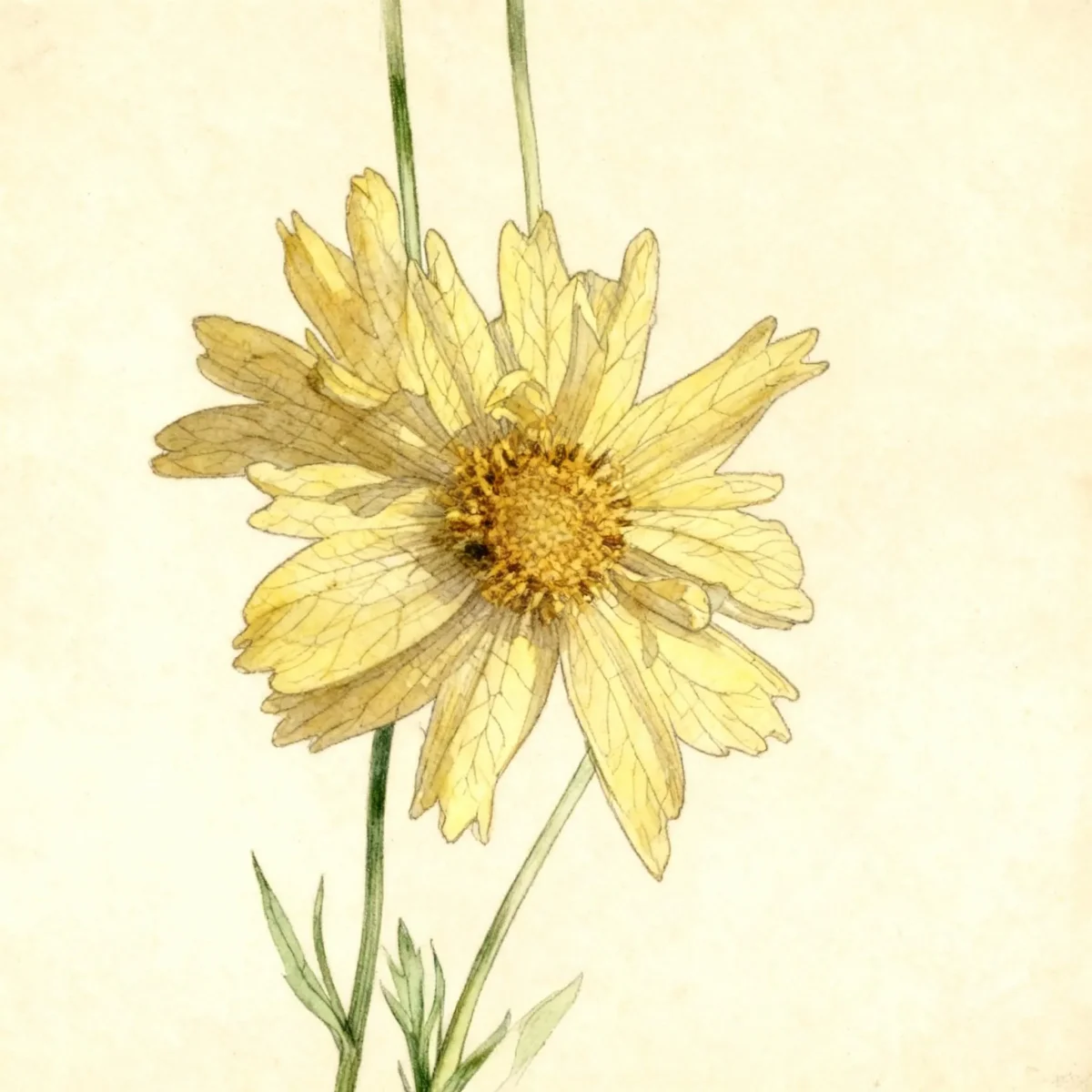
Coreopsis grandiflora SUN UP, commonly known as Tickseed, offers a vibrant display of color throughout the summer months, making it a reliable addition to sunny borders and naturalized areas. This compact cultivar is valued for its semi-double, daisy-like flowers featuring bright yellow rays and darker yellow centers, which bloom profusely from early summer well into the season. As an easy-to-grow herbaceous perennial, Coreopsis grandiflora SUN UP is especially appealing for gardeners seeking low-effort maintenance and excellent drought tolerance once established.
This variety thrives even in less-than-ideal conditions, preferring poor, well-drained soil where many other plants might struggle. Its relatively short stature makes it perfect for front-of-border planting, ensuring clear views of taller specimens behind it. While Tickseed is somewhat short-lived, it readily self-seeds, ensuring that cheerful blooms of Coreopsis grandiflora SUN UP return year after year.
Fast Facts
- Plant Family: Asteraceae
- Plant Type: Herbaceous perennial
- Hardiness Zones: USDA Zones 4-9
- Size at Maturity:
- Height: 0.75-1 ft
- Spread: 0.75-1 ft
- Bloom Time: June to August
- Bloom Description: Yellow rays with darker yellow centers
- Sun Exposure: Full sun
- Water Needs: Dry to medium
- Maintenance Level: Low
How to Grow
Plant Tickseed in the spring or fall after the danger of hard frost has passed, selecting a location that receives full sun exposure. This plant is highly adaptable and thrives in dry to medium moisture conditions, demanding well-drained soil. It performs admirably in poor, sandy, or rocky substrates, making it an excellent candidate for lean garden spots.
Water sparingly once established, as this Coreopsis grandiflora SUN UP cultivar is highly drought-tolerant. Avoid sitting the plant in soggy ground, which can lead to fungal issues or crown rot. Fertilization is generally discouraged, as rich soil tends to encourage floppy, weak growth rather than dense flowering.
For continuous blooming throughout June to August, prompt deadheading of spent flower stalks is highly recommended. Removing faded blooms prevents unnecessary energy spent on seed production and prompts the plant to produce more flowers. If the foliage becomes messy late in the season, the plants may be cut back hard. Though short-lived, division every 2-3 years can help maintain robustness in formal groupings.
Landscape Uses
Coreopsis grandiflora SUN UP excels in mixed perennial borders where its low profile and long bloom time provide dependable yellow color. It integrates perfectly into naturalized settings, meadows, and prairies, blending well with ornamental grasses and other sun-loving wildflowers. Because it thrives in poor, dry soils, this plant is ideal for rock gardens, slopes, or areas where supplemental irrigation is difficult to maintain. Group plantings create a striking visual impact, utilizing the recommended annual or naturalize uses effectively.
Standout Features
Flower Qualities
- Showy
Noteworthy Characteristics
Coreopsis grandiflora, commonly known as large-flowered tickseed, is native to open terrain across the southeastern U.S. The genus name references the “bug-like” shape of its seeds. SUN UP is specifically a compact cultivar, reportedly an improvement on ‘Early Sunrise’, featuring daisy-like flowers atop slender stems rising only 10-12 inches tall.
Tolerances
- Rabbit
- Deer
- Drought
- Dry Soil
- Shallow-Rocky Soil
Potential Problems
The foliage of Tickseed can occasionally be targeted by common fungal diseases such as powdery mildew, leaf spot, and rust. To manage these, ensure adequate air circulation around the plants by providing sufficient spacing during planting. While crown rot is a risk, it only occurs if this plant is subjected to moist, poorly drained soils, which should be rigorously avoided. The compact nature of the SUN UP cultivar helps prevent the sprawling habit often associated with taller Coreopsis varieties.
Frequently Asked Questions
What hardiness zones is Tickseed suitable for?
Coreopsis grandiflora SUN UP is hardy in USDA Zones 4 through 9, making it versatile across much of the contiguous United States.
How large does Coreopsis grandiflora SUN UP grow?
This specific cultivar typically reaches a mature height between 0.75 and 1 foot, with a similar spread of 0.75 to 1 foot.
What sun exposure does Tickseed need?
This plant requires full sun exposure to thrive, produce the best flower display, and maintain compact growth habits.
When does Coreopsis grandiflora SUN UP bloom?
It blooms from June through August, displaying characteristic yellow rays with darker yellow centers.
Conclusion
The Coreopsis grandiflora SUN UP cultivar remains a favorite among gardeners for its reliability, low maintenance requirements, and cheerful summer display. This drought-tolerant Tickseed brightens borders and natural areas with its consistent yellow blooms. Check that your growing space offers full sun and excellent drainage before planting this resilient perennial.
Companion Planting
When integrating Coreopsis grandiflora SUN UP into a perennial bed, consider pairing it with other sun-loving, dry-tolerant plants. Because it prefers lean soil, avoid plants requiring heavy feeding. Good companions include various Sedums, Russian Sage (Perovskia atriplicifolia), and ornamental grasses like Little Bluestem (Schizachyrium scoparium), all of which share similar low-water needs and thrive in sunny exposure.
Propagation Tips
While Coreopsis grandiflora SUN UP is inherently short-lived, it is easily perpetuated in the garden through its self-seeding nature. Allow spent flowers to mature naturally where you desire new plants next season. For more controlled propagation or to maintain the exact characteristics of the cultivar, vegetative division is recommended every two to three years, ideally performed in early spring before new growth hardens off.