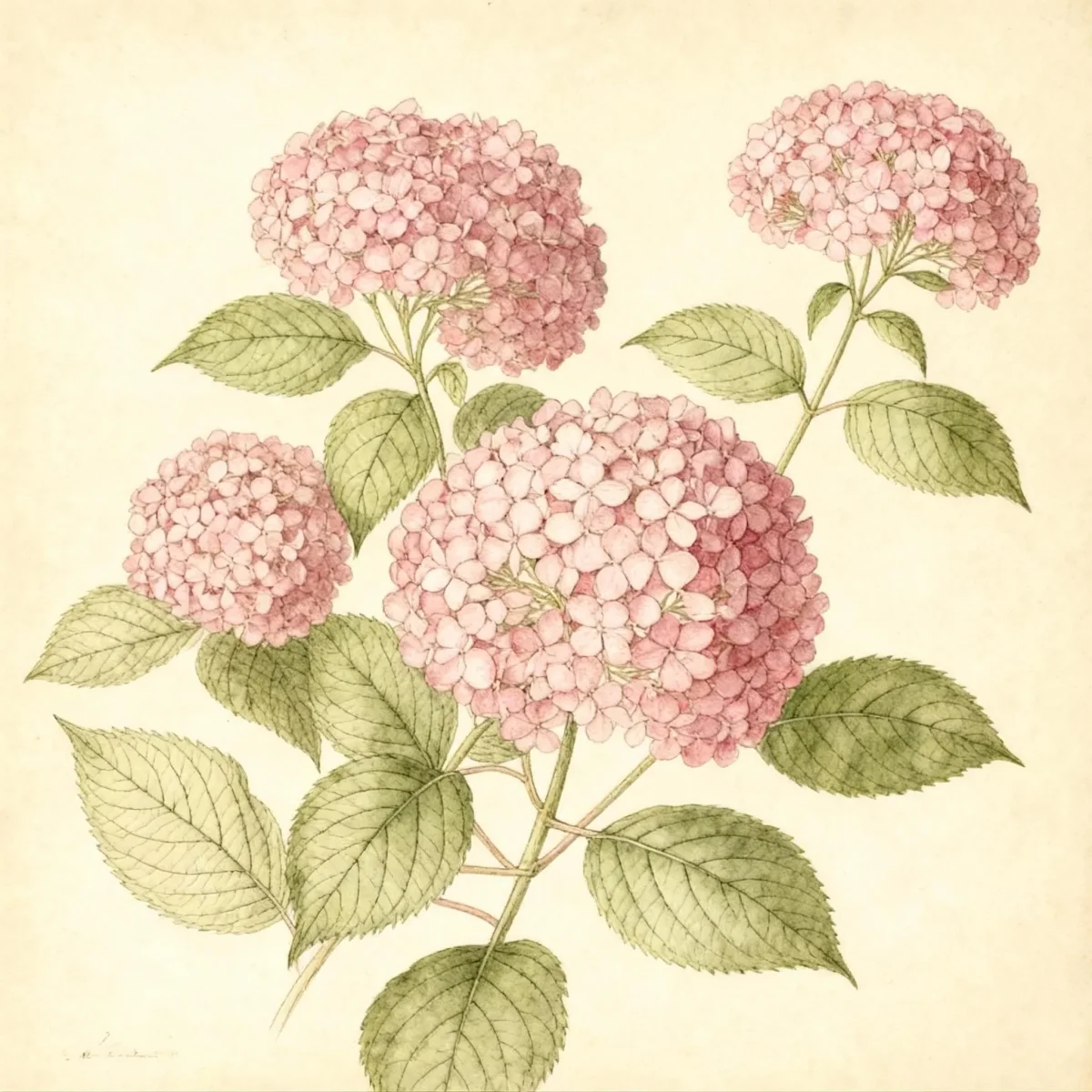
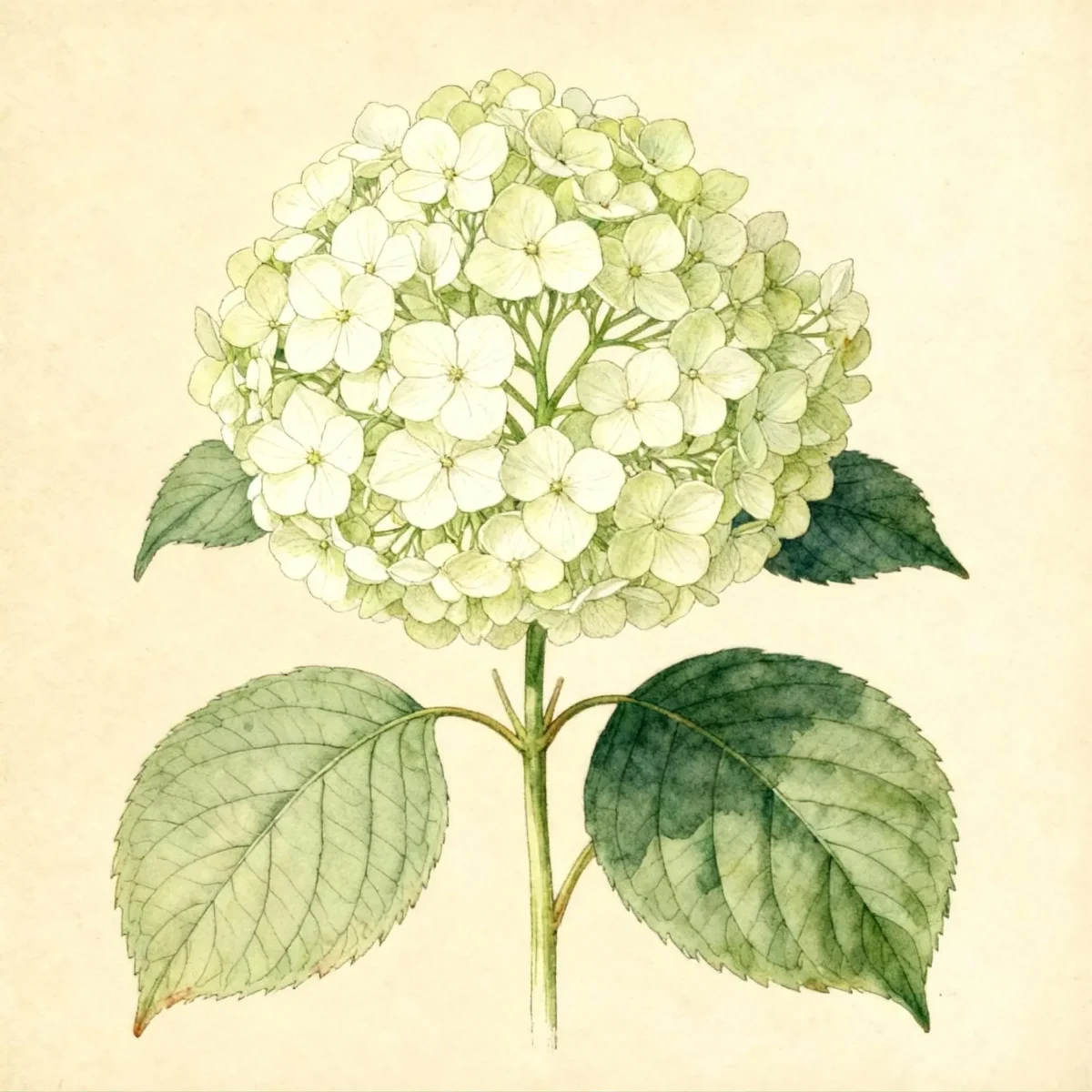
Smooth hydrangea (Hydrangea arborescens 'Hayes Starburst')
Hydrangea arborescens 'Hayes Starburst' offers low-maintenance beauty with compact size, thriving in part shade for masses or hedges.
Scroll down to discover growing tips, care requirements, companion plants, and more
Complete Plant Information
Overview
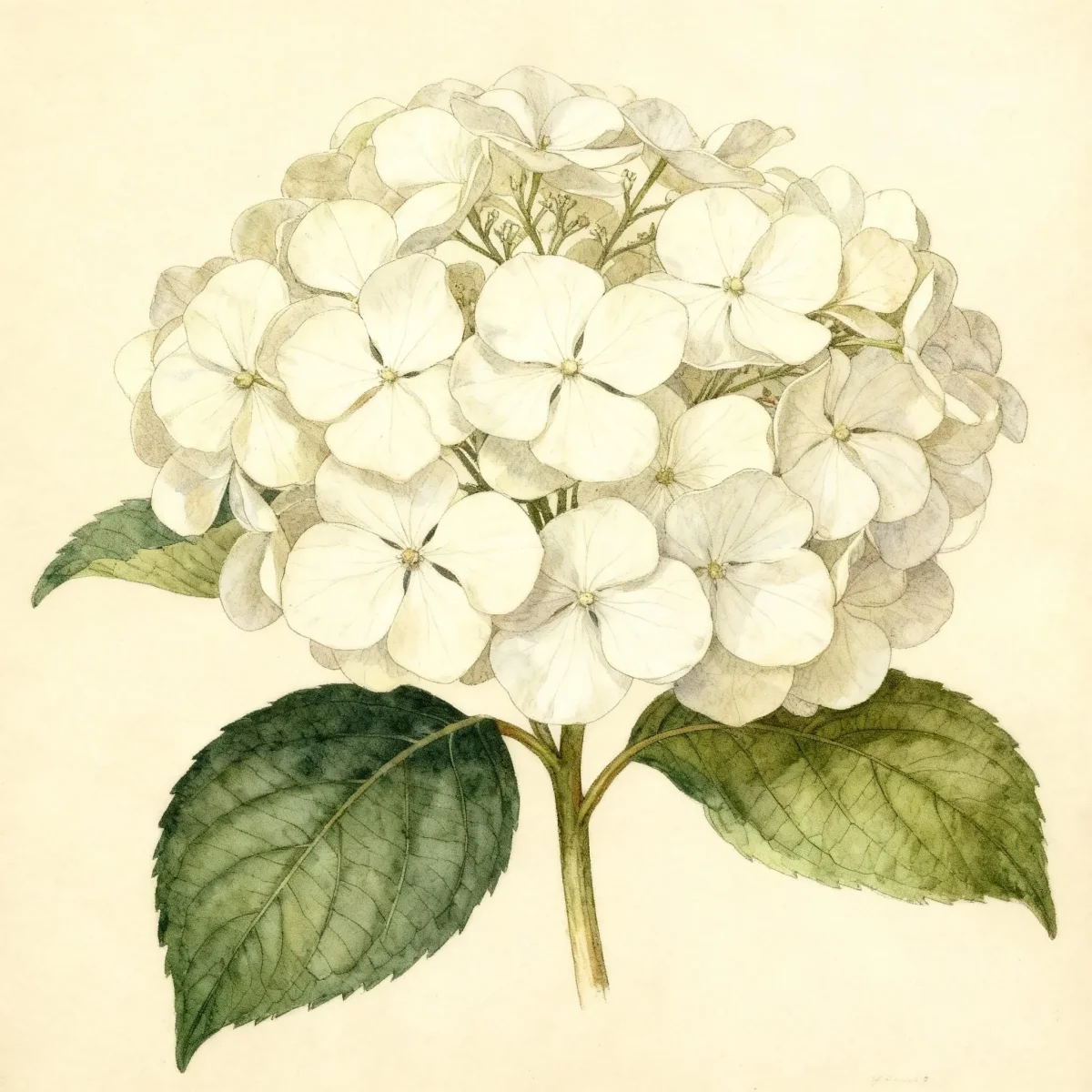
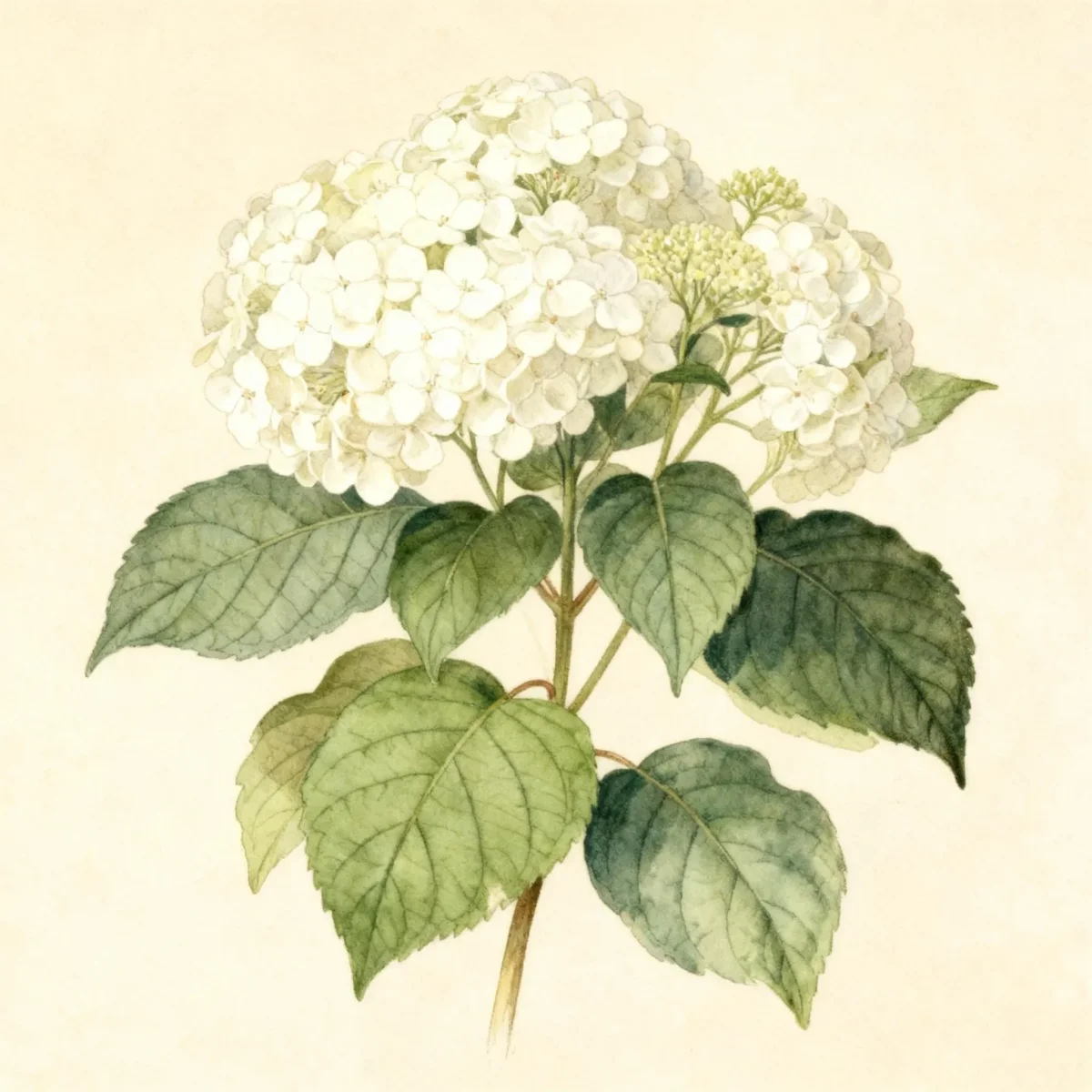
Hydrangea arborescens ‘Hayes Starburst’ is a highly valued cultivar of the native Smooth hydrangea, prized for its manageable, compact size and extended blooming window. This deciduous shrub brings dense, dome-shaped flowerheads packed with starry, sterile, double white florets, offering significant visual impact from early summer well into autumn. Gardeners appreciate the low maintenance requirements of this plant, provided it receives consistent moisture.
As a member of the Hydrangeaceae family, Hydrangea arborescens ‘Hayes Starburst’ adapts readily to various garden settings, making it an excellent choice for mass plantings, hedges, or as a textural anchor in mixed borders. Its ability to tolerate an array of tough soil conditions, including clay, contributes to its wide appeal across USDA Zones 4 to 8.
The cultivar is distinct from the straight species due to its superior bloom form and structure. The continuous flowering potential of Hydrangea arborescens ‘Hayes Starburst’ ensures reliable seasonal color, often lasting up until September, which is a significant benefit compared to many other flowering shrubs.
Fast Facts
- Plant Family: Hydrangeaceae
- Plant Type: Deciduous shrub
- Hardiness Zones: USDA Zones 4-8
- Size at Maturity:
- Height: 2-4 ft
- Spread: 2-4 ft
- Bloom Time: June to September
- Bloom Description: White to greenish-white
- Sun Exposure: Part shade
- Water Needs: Medium
- Maintenance Level: Low
How to Grow
Planting Hydrangea arborescens ‘Hayes Starburst’ is best achieved in the spring or fall, allowing the plant time to establish roots before facing temperature extremes. Select a location that offers part shade, although this Smooth hydrangea can manage full sun if necessary, it absolutely requires consistent moisture throughout the day in those sunnier spots. It establishes well in average, well-drained soils, but fortunately, this cultivar shows remarkable adaptability to various soil types, including heavy clay.
Watering needs for this shrub are categorized as medium; maintain even soil moisture, especially during establishment and hot, dry periods, as the foliage declines quickly under drought stress. While adaptable, this plant is intolerant of long dry spells. Fertilization is rarely needed if the soil is reasonably fertile.
Pruning is a key element of maintenance for maximizing bloom output. Since the bloom occurs on new wood, gardeners should cut the stems back close to the ground in late winter. This aggressive pruning revitalizes the shrub, encourages vigorous new stem growth, and maintains the best compact form for Hydrangea arborescens ‘Hayes Starburst’. If pruning is avoided, ensure any damaged or weakened stems are removed in early spring.
Landscape Uses
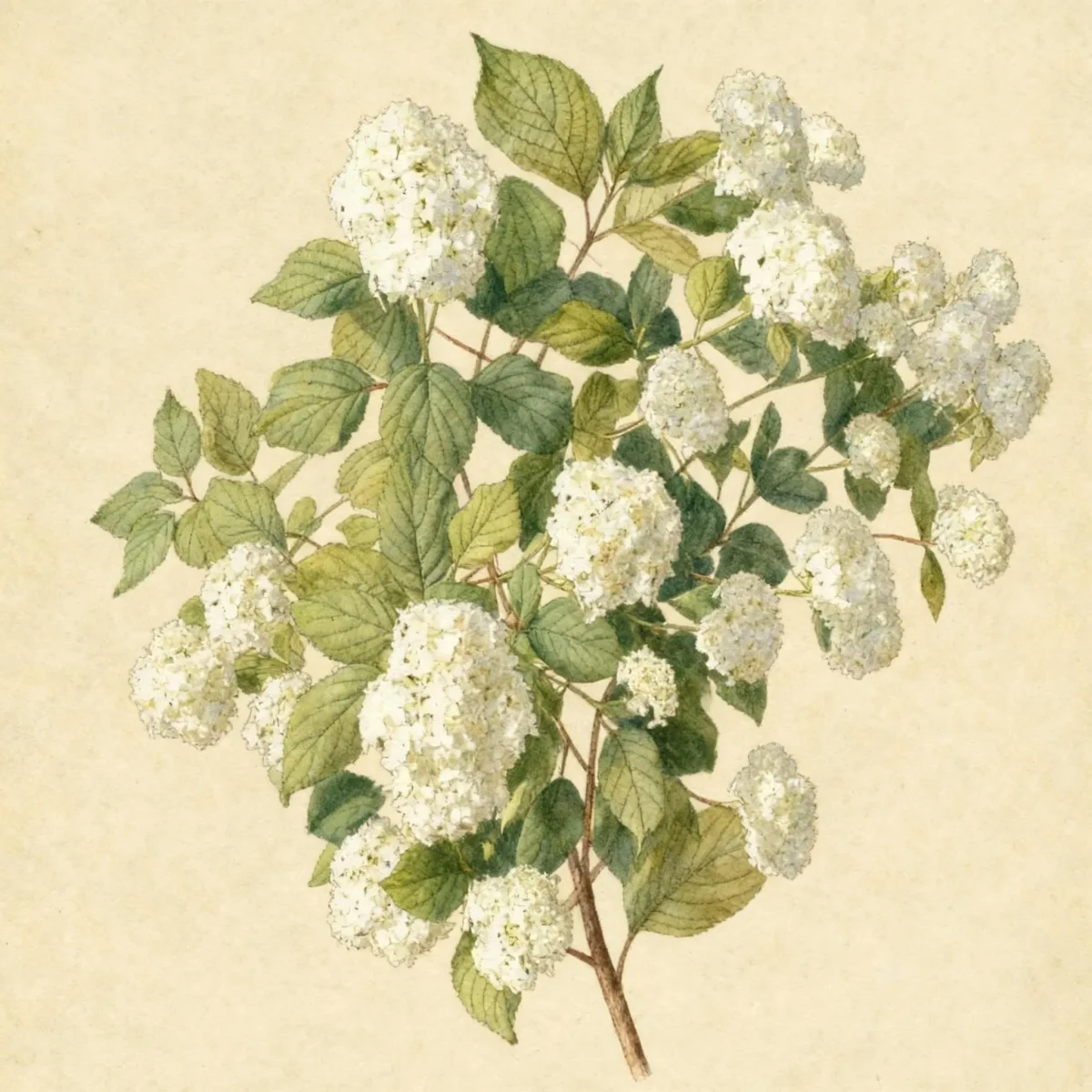
The reliable structure and appealing bloom set of the Smooth hydrangea make it incredibly versatile across various landscape designs. Its compact size, maturing between 2 to 4 feet tall and wide, lends itself perfectly to use as formal or informal hedges where low stature is essential. It also serves beautifully as foreground material in a mixed shrub border, providing texture and a bright white contrast against deeper green foliage.
Consider planting Hydrangea arborescens ‘Hayes Starburst’ in rain gardens or moist depressions, leveraging its tolerance for wet soil conditions, which matches the functions of a rain garden well. In woodland settings, species plants can be naturalized, though this particular cultivar excels as a specimen plant where its dome-shaped flowerheads can be fully appreciated against darker backdrops. Look for companions that share the part shade and medium moisture requirements, such as hostas or ferns, to create a lush, layered garden effect.
Standout Features
Flower Qualities
- Showy
- Good Cut
- Good Dried
Noteworthy Characteristics
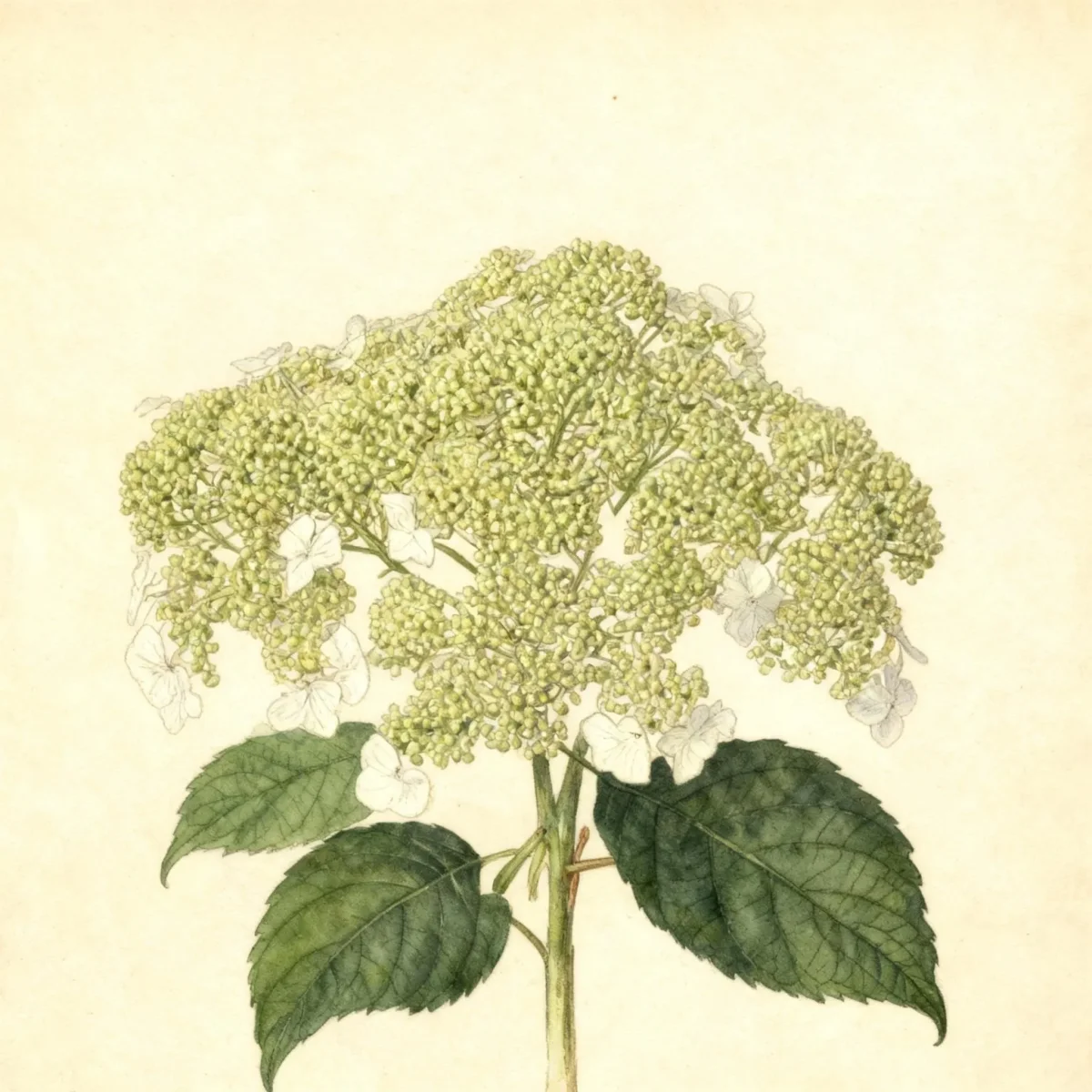
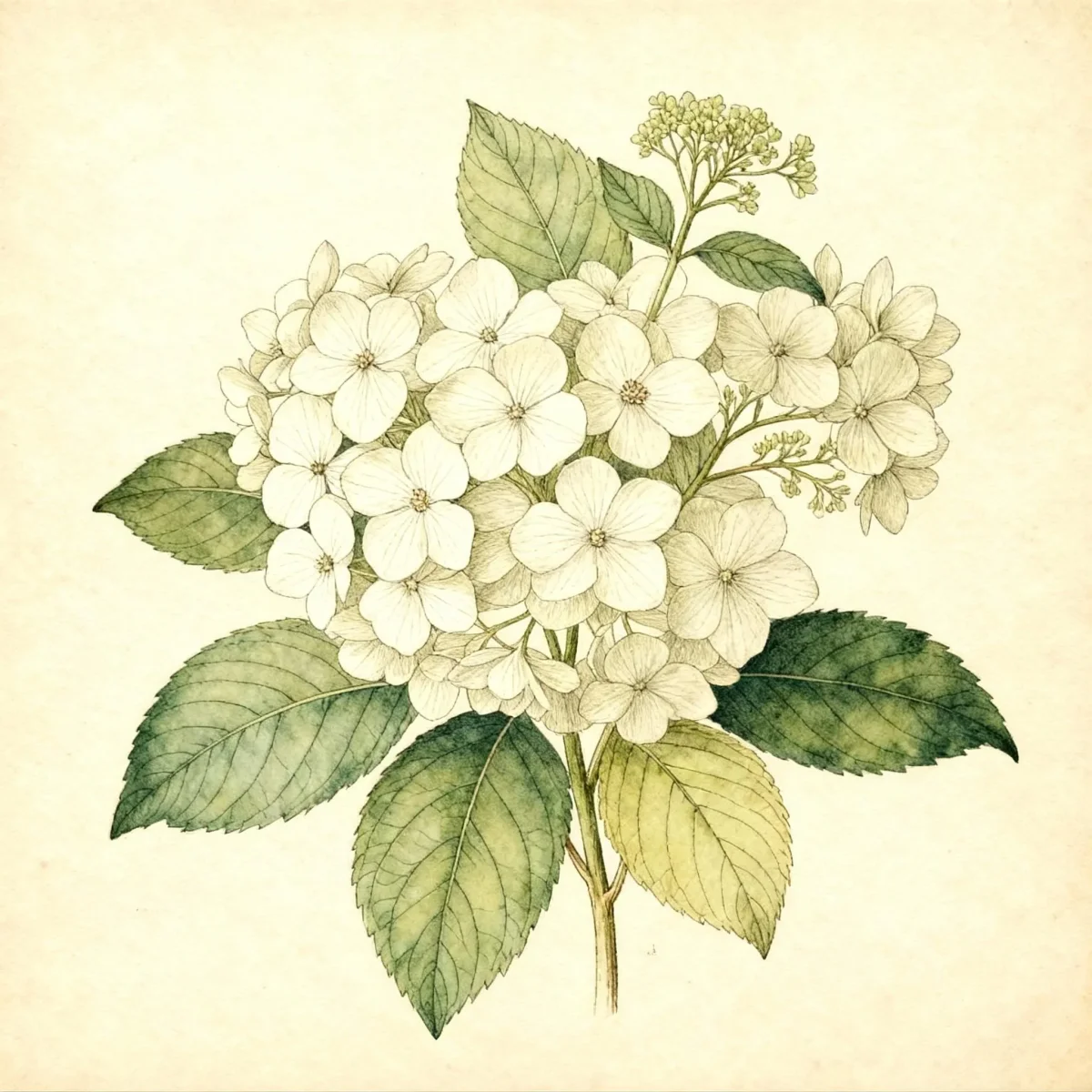
The straight species, Hydrangea arborescens, is a loosely branched deciduous shrub typically growing taller than this cultivar. ‘Hayes Starburst’ is notably compact, reaching only 2-4 feet, and is distinguished by its dense, dome-shaped flowerheads, which are packed with starry, sterile, double white florets. Discovered in Alabama, this cultivar puts on a lengthy floral display, contrasting beautifully against its ovate, sharply toothed, dark green leaves throughout the summer.
Tolerances
- Rabbit
- Erosion
- Clay Soil
- Dry Soil
- Wet Soil
- Shallow-Rocky Soil
- Black Walnut
Potential Problems
Hydrangea species, including this Smooth hydrangea, can be susceptible to several fungal diseases like powdery mildew, rust, leaf spots, and mold, often exacerbated by poor air circulation. Preventative spraying may be required in high-humidity environments. Watch for common pests such as scale, aphids, and mites, treating early with horticultural oil or insecticidal soap if infestations become heavy. Encouraging robust new growth through annual late-winter pruning—cutting stems nearly to the ground—is the best defense against stem weakness and disease susceptibility, promoting the vigor expected of Hydrangea arborescens cultivars like ‘Hayes Starburst’.
Frequently Asked Questions
What hardiness zones is Smooth hydrangea suitable for?
Hydrangea arborescens ‘Hayes Starburst’ is suitable for USDA Zones 4 through 8, offering good cold tolerance down to Zone 4.
How large does Hydrangea arborescens ‘Hayes Starburst’ grow?
This compact cultivar typically reaches a mature height between 2 and 4 feet, with a similar spread of 2 to 4 feet.
What sun exposure does Smooth hydrangea need?
The preferred sun exposure for this plant is part shade, although it can handle more sun providing consistent moisture is maintained.
When does Hydrangea arborescens ‘Hayes Starburst’ bloom?
This variety has an extended bloom time, typically flowering from June all the way through September, displaying masses of white to greenish-white blooms.
Conclusion
The low maintenance needs combined with the extended, showy floral performance make the Smooth hydrangea, specifically Hydrangea arborescens ‘Hayes Starburst’, an outstanding performer for nearly any garden space. Its compact habit and tolerance for various conditions ensure reliability, whether massed in a border or used near water features. Before planting, confirm that your location falls within USDA Zones 4-8 to ensure the best results from this resilient shrub.
Companion Planting
When integrating Hydrangea arborescens ‘Hayes Starburst’ into a shade garden, choosing companions that complement its medium water needs and part sun location is key. Think acid-loving perennials that offer contrasting foliage texture, such as Hosta varieties with silvery or variegated leaves, which handle similar moisture levels well. Astilbes and bleeding hearts are excellent companions, offering different flower shapes and colors earlier in the season, filling the gap before the white blooms of the smooth hydrangea fully develop.
For an effective woodland edge planting, pair this shrub with ferns like the Japanese Painted Fern for textural contrast, or consider broadleaf evergreens that provide winter structure. Because this cultivar is rabbit-resistant, you can confidently place low-growing groundcovers around its base, such as Vinca minor or Pachysandra terminalis, which will naturally help shade the soil and retain the consistent moisture this shrub prefers.
Seasonal Care Calendar
For optimal performance, calendarize your care routine for this easily managed shrub. Late winter is the primary maintenance period; this is the critical time to prune the stems of Hydrangea arborescens ‘Hayes Starburst’ down to the ground to encourage fresh, strong growth for the coming season and the best flowering display. After the last threat of hard frost has passed, clean up any winter debris and apply a fresh layer of organic mulch around the base to stabilize soil temperatures and conserve moisture.
Throughout the active growing season (spring through early fall), the focus shifts entirely to water management. Since the foliage declines rapidly in drought, implement a deep, regular watering schedule during dry spells, ensuring the soil remains consistently medium moist. Minimal fertilization is required; if the soil is extremely poor, a balanced, slow-release fertilizer applied in early spring can support the vigorous bloom period extending through September.