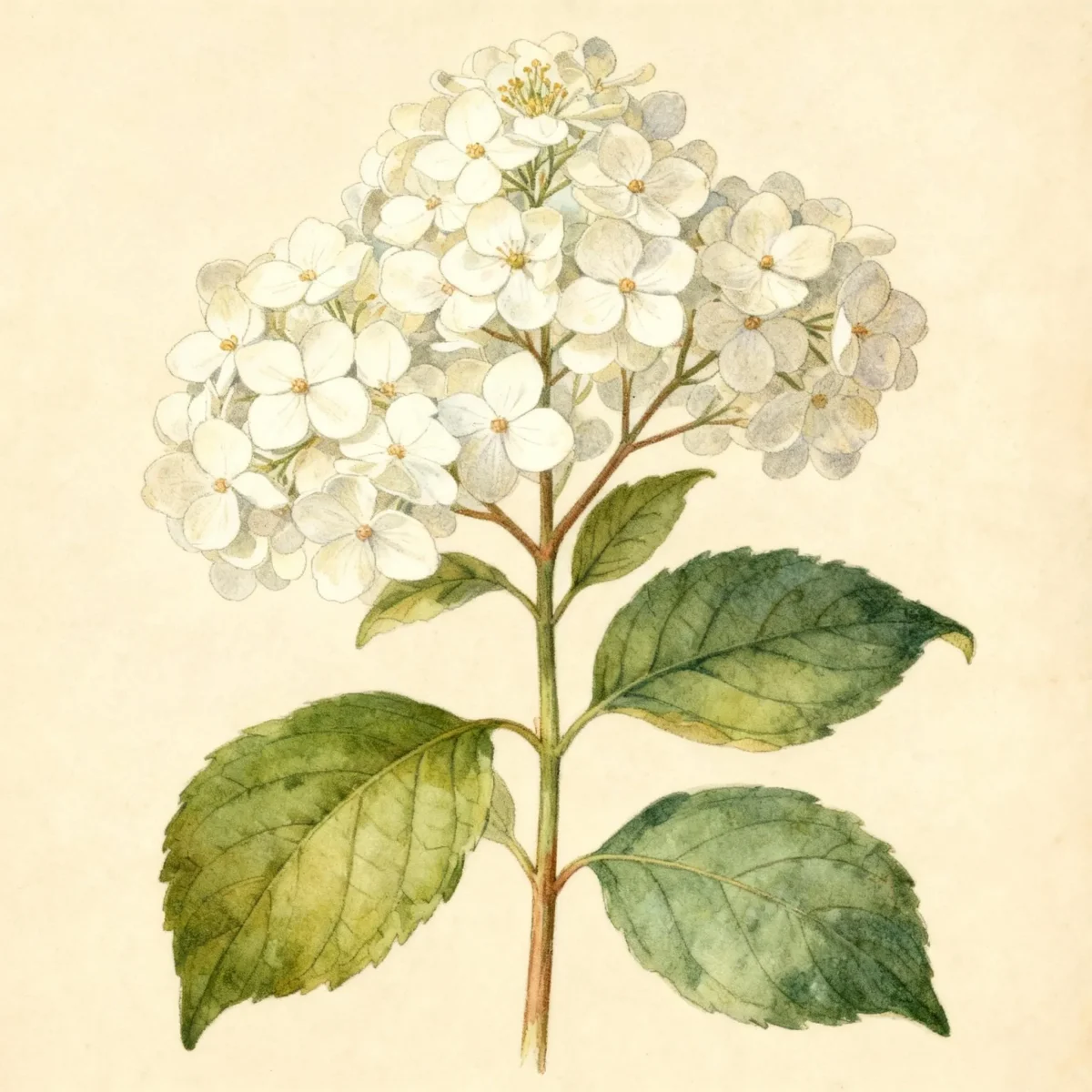
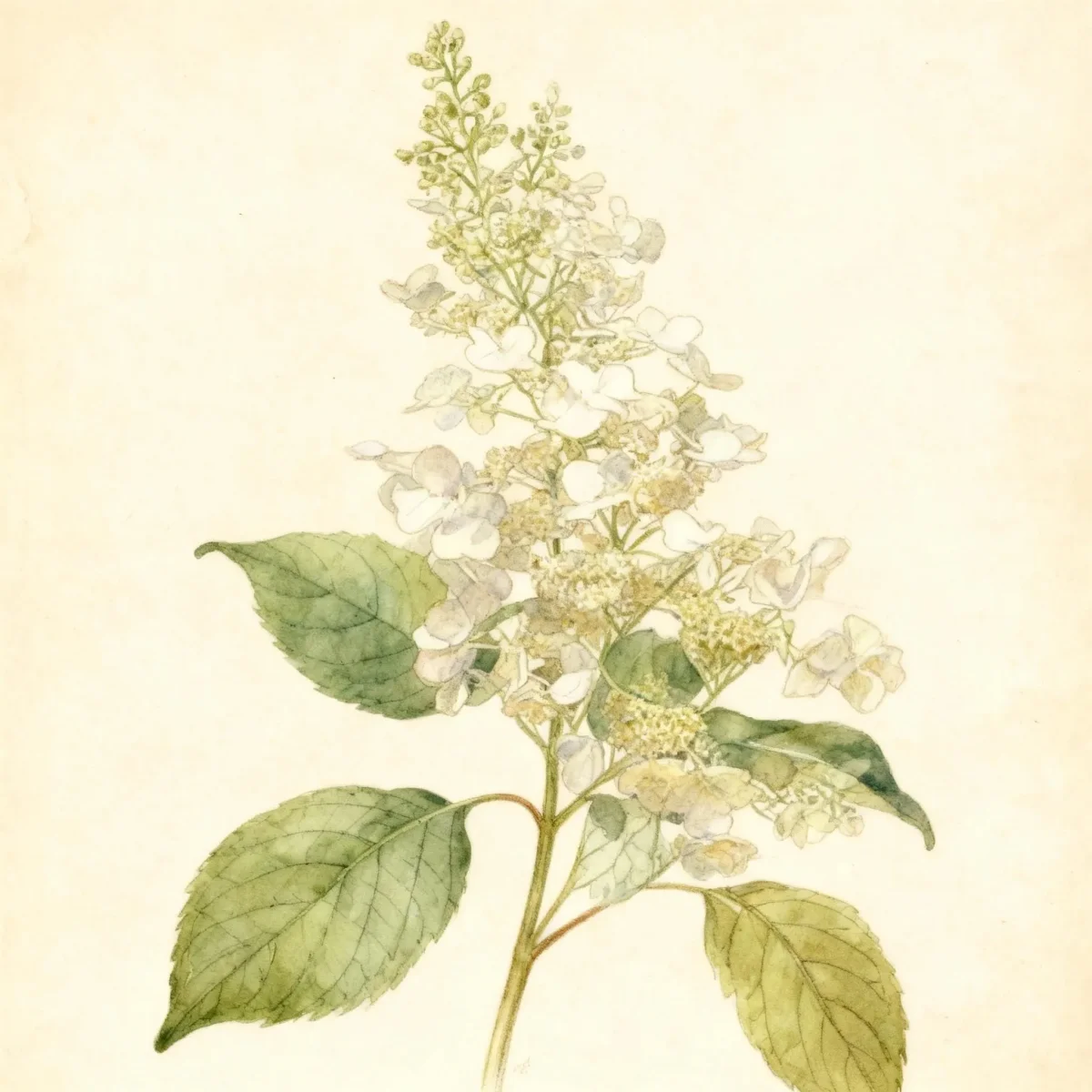
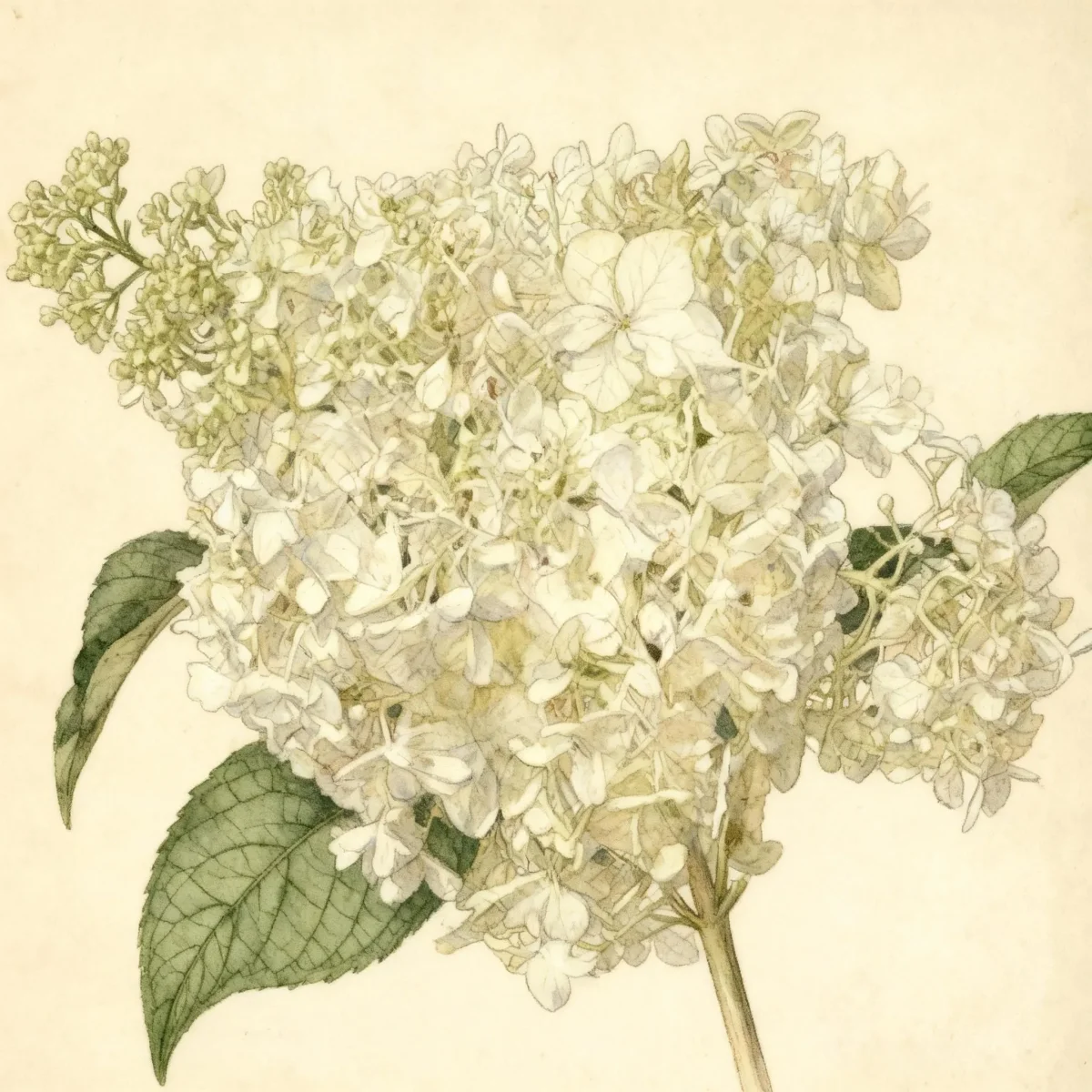
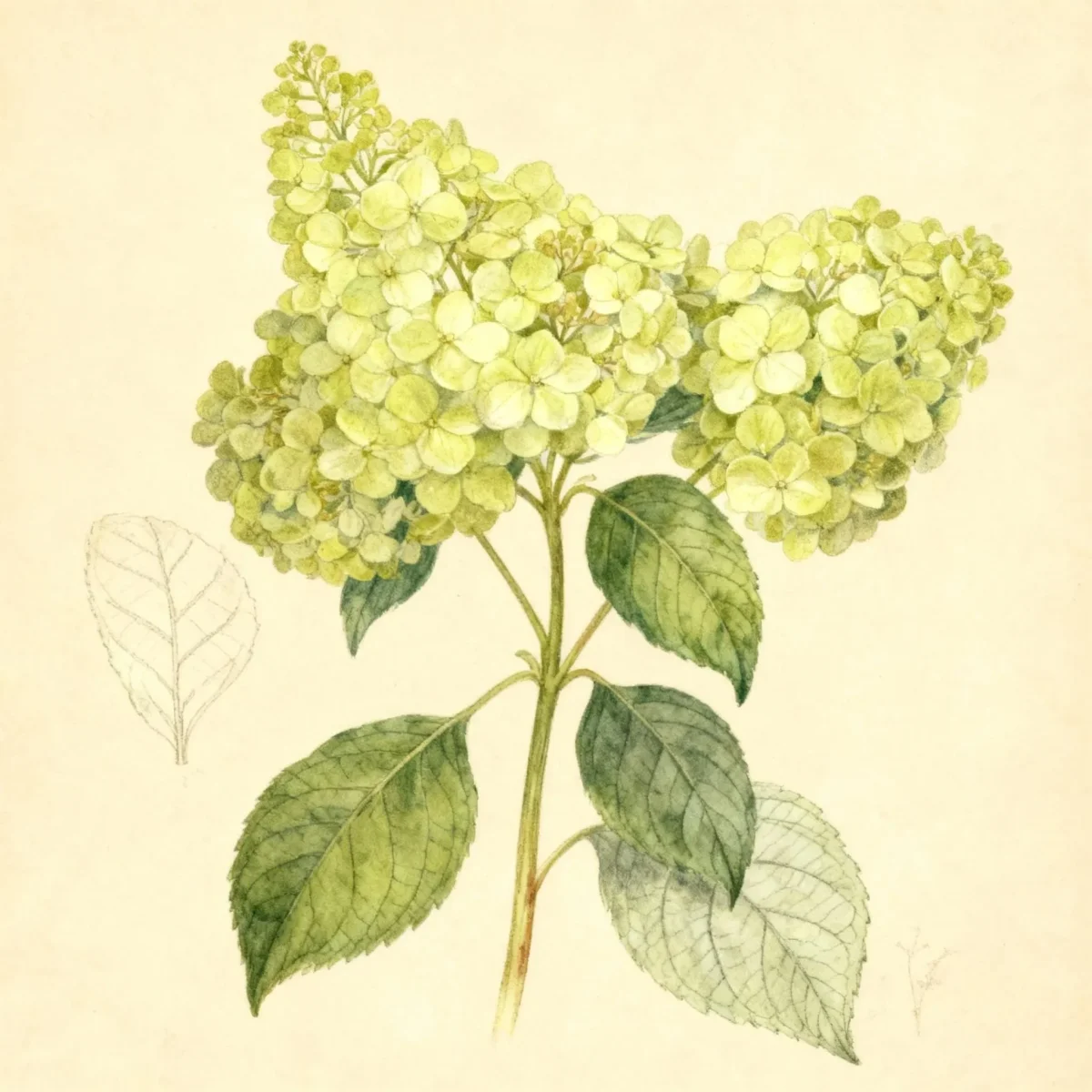
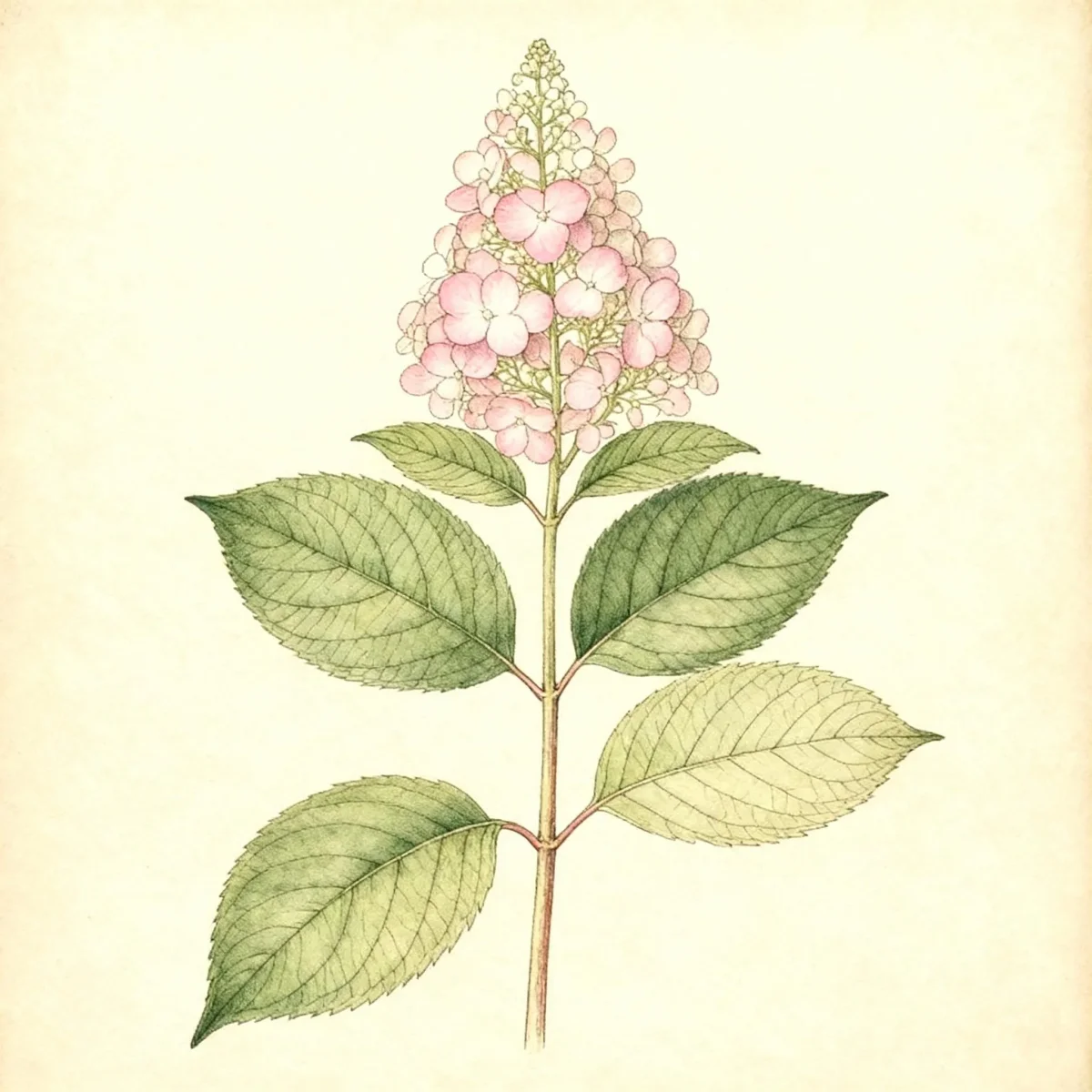
Panicle hydrangea (Hydrangea paniculata 'White Moth')
Hydrangea paniculata 'White Moth' is a vigorous Panicle hydrangea offering stunning white blooms from mid-summer through fall in hardy zones 3-8.
Scroll down to discover growing tips, care requirements, companion plants, and more
Complete Plant Information
Overview
Hydrangea paniculata ‘White Moth’ is a superior cultivar of the Panicle hydrangea, valued for its robust nature and spectacular display of creamy white flowers that persist from mid-summer well into the fall. As one of the most reliably winter-hardy hydrangeas, this specimen shrugs off cold that affects other popular varieties, making it suitable for a wide range of climates. Gardeners appreciate this plant for its structure, upright growth, and its ability to thrive even in challenging urban environments.
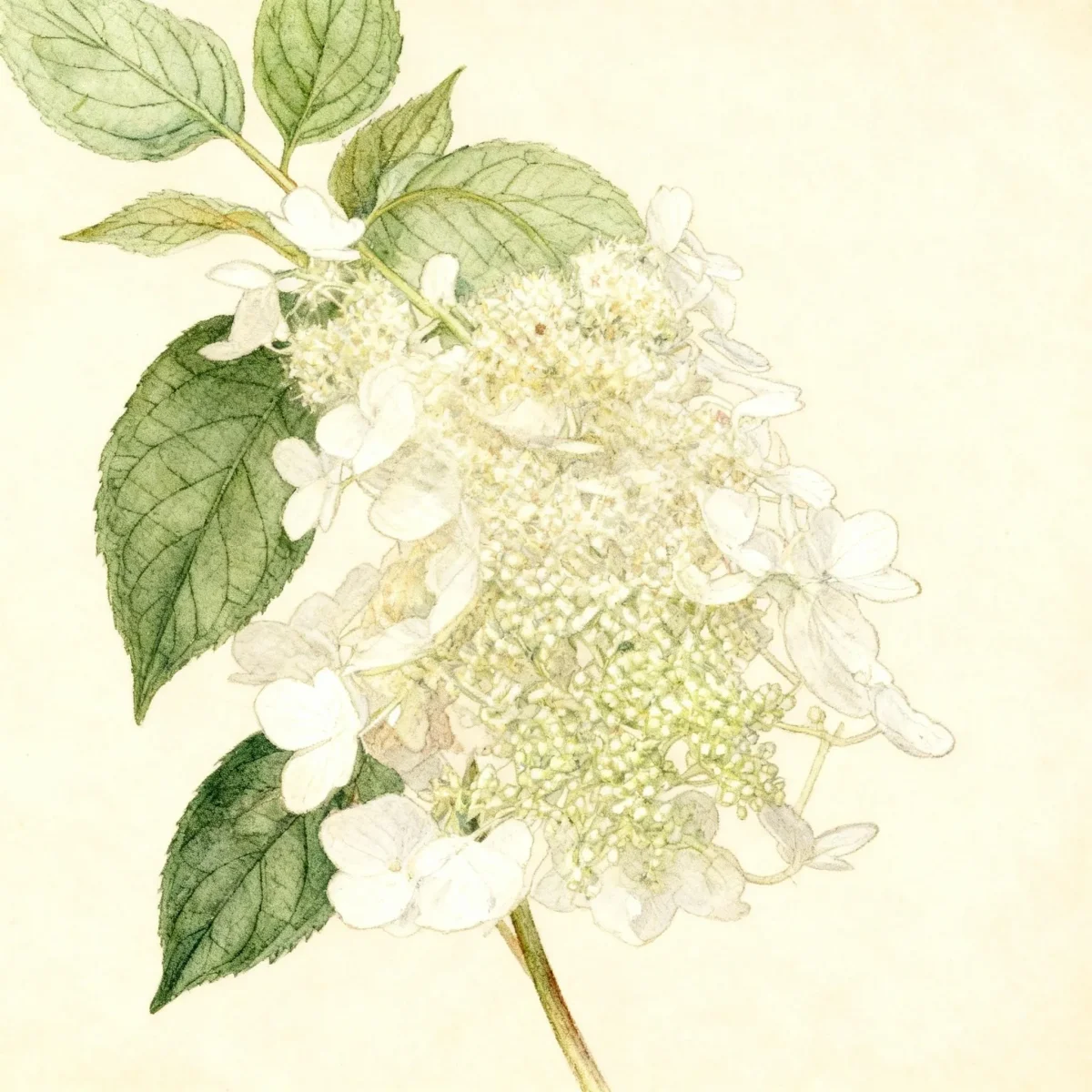
This vigorous, deciduous shrub typically matures between 6 to 7 feet tall and spreads 7 to 8 feet wide, offering substantial late-season interest when many other shrubs are finished blooming. The large, somewhat orbicular flower panicles of Hydrangea paniculata ‘White Moth’ contain abundant, showy, sterile florets, creating a bright white spectacle against the dark green foliage. Its bloom occurs reliably on current season’s growth, simplifying pruning considerations for the home gardener.
Whether used as an accent, specimen plant, or formal hedge, this Panicle hydrangea provides architectural structure and reliable color. It is a hardworking landscape staple known for thriving with medium water needs and adaptable sun requirements, providing long-lasting performance throughout the growing season.
Fast Facts
- Plant Family: Hydrangeaceae
- Plant Type: Deciduous shrub
- Hardiness Zones: USDA Zones 3-8
- Size at Maturity:
- Height: 6-7 ft
- Spread: 7-8 ft
- Bloom Time: July to September
- Bloom Description: White
- Sun Exposure: Full sun to part shade
- Water Needs: Medium
- Maintenance Level: Medium
How to Grow
Planting Hydrangea paniculata ‘White Moth’ is best done in spring or fall, establishing its roots before the stress of high summer heat. Choose a location offering organically rich, medium-moisture, well-drained soil. While it tolerates full sun, providing some afternoon shade can prevent scorching in the hottest climates, though consistent moisture is key if placed in full exposure.
Ongoing care for this Panicle hydrangea involves medium watering, especially during establishment or dry spells. This shrub is vigorous and benefits from being pruned selectively in late winter or early spring, as bloom occurs on new wood. For the largest flower panicles, thin the shrub down to 5-10 strong primary shoots annually.
A note on form: The weight of the mature flower heads on Hydrangea paniculata ‘White Moth’ naturally causes branches to arch gracefully. If a more upright form is desired, regular pruning to maintain a height of 6-10 feet is recommended. This resistance to winter cold makes it a dependable choice for gardeners in cooler zones.
Landscape Uses
The architectural presence and reliable summer-to-fall bloom make Hydrangea paniculata ‘White Moth’ exceptionally versatile in landscape design. It excels when planted as a mass grouping or used to create an informal, screen-like hedge, thanks to its substantial 7 to 8-foot spread. The upright, rounded form works perfectly as a backdrop in a mixed shrub border, allowing smaller perennials to shine in front.
Because it provides significant late-season color, this plant functions effectively as a lawn specimen or a sharp accent where its cooling white blooms can contrast with deep green evergreens or late-season fall foliage colors. Consider underplanting the base with groundcovers or low-mounding perennials that tolerate similar sun and moisture conditions to create a complete, textural tapestry under the arching branches of the Panicle hydrangea.
Standout Features
Flower Qualities
- Showy
Noteworthy Characteristics
Hydrangea paniculata, commonly called panicle hydrangea, is a vigorous, upright, rapid-growing, somewhat coarsely textured, deciduous shrub that is native to China and Japan. It typically grows to 8-15’ (less frequently to 25’) tall, and features oval to ovate dark green leaves and upright, sharply-pointed, conical, terminal flower panicles (to 6-8” long) containing both fertile and sterile flowers (mostly non-showy fertile flowers) that bloom from mid-summer into fall. The specific epithet paniculata refers to the arrangement of the flowers in panicles. ‘White Moth’ typically grows in an upright rounded form to 7’ tall with a spread to 8’ wide, noted for its mid-summer into fall bloom of flowers in irregular, somewhat orbicular panicles (each to 14” wide).
Tolerances
- Air Pollution
Potential Problems
While generally disease-resistant, Hydrangea paniculata ‘White Moth’ can occasionally show susceptibility to certain issues. These include bud blight, bacterial wilt, leaf spot, rust, and mildew. Maintaining good air circulation through proper pruning, as detailed above, is the best preventative cultural practice against fungal diseases like mildew.
Pest pressure is usually light; however, watch for occasional infestations of aphids and mites. If pests are observed, treatment with insecticidal soap or horticultural oil will usually manage the problem effectively without harsh chemicals. Overall, its moderate maintenance level is often attributed to the need for proactive disease scouting.
Frequently Asked Questions
What hardiness zones is Panicle hydrangea suitable for?
Hydrangea paniculata ‘White Moth’ is a very hardy variety, thriving across USDA Zones 3 through 8.
How large does Hydrangea paniculata ‘White Moth’ grow?
This plant generally reaches a height of 6 to 7 feet and spreads between 7 and 8 feet wide at maturity.
What sun exposure does Panicle hydrangea need?
It performs well in a range from full sun to partial shade, though medium moisture is required to support it in direct sun.
When does Hydrangea paniculata ‘White Moth’ bloom?
This handsome shrub displays its white blooms from July right through September.
Conclusion
Hydrangea paniculata ‘White Moth’ stands out as an exceptionally reliable and showy landscape plant, delivering magnificent white blooms across many seasons and tolerating urban environments well. Its excellent winter hardiness and adaptation to sun exposure make the Panicle hydrangea a superb choice for structure and late-season interest. Always check your USDA growing zone compatibility before planting this excellent specimen.
Companion Planting
For optimal landscape design, pair the robust structure of Hydrangea paniculata ‘White Moth’ with plants that share similar cultural needs for sun and medium moisture. Consider planting lower-growing, spreading perennials like Hostas (in shadier spots) or Variegated Liriope along the front edge where they won’t compete heavily with the shrub’s root system. Late-season flowering plants like Asters or Sedum ‘Autumn Joy’ create harmonious color groupings near the white blooms of the Panicle hydrangea as summer fades.
Design Ideas
Utilize the consistent height and formal hedge capability of Hydrangea paniculata ‘White Moth’ to define property lines or screen utilitarian areas of the garden. When pruning for shape, you can encourage a stronger vertical emphasis, allowing a clear sightline underneath the canopy, beneficial when the shrub is placed near pathways. For a dramatic late-summer focal point, group three to five shrubs together in an open woodland garden setting, allowing their natural arching habit to create soft, billowing masses of white against darker foliage backdrops.