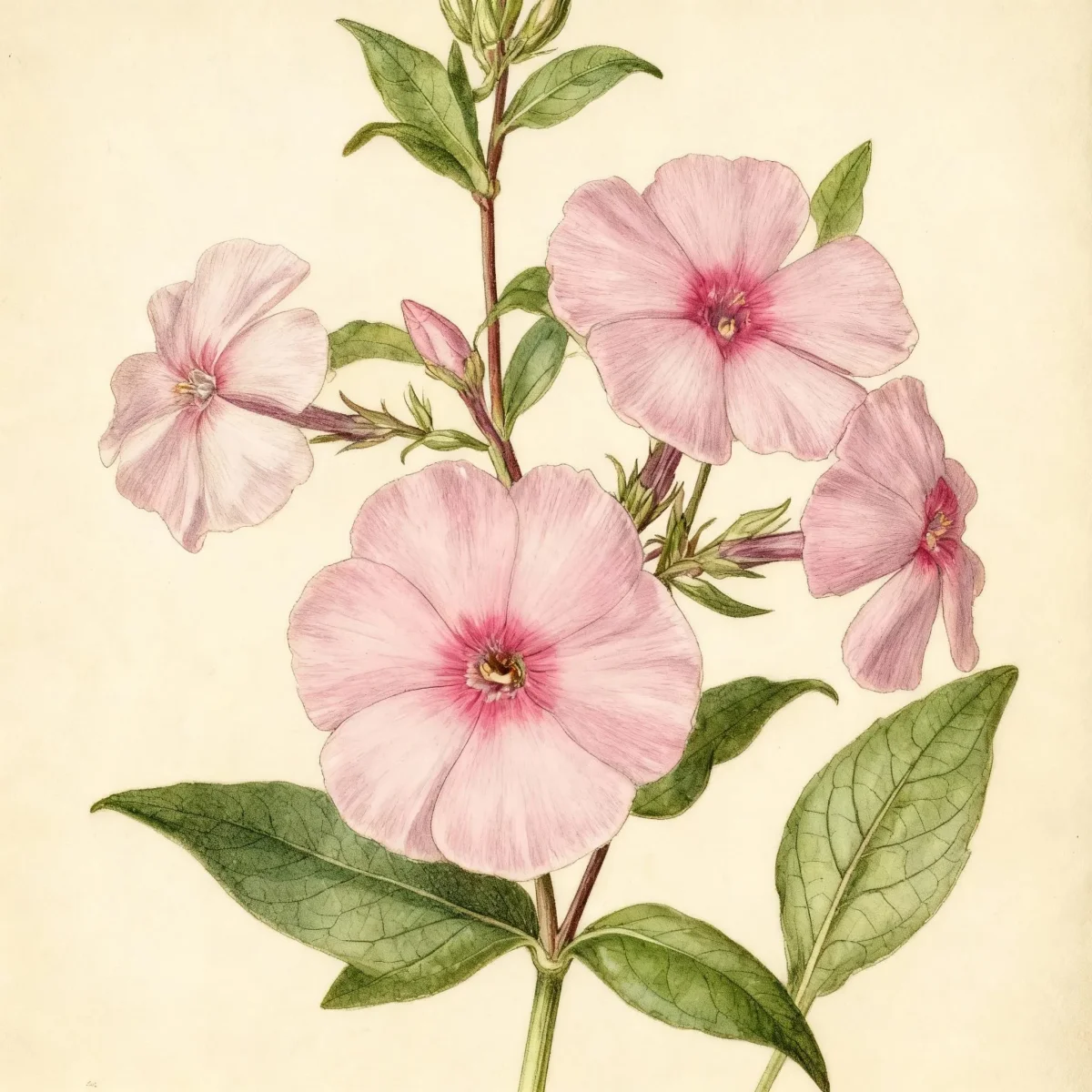
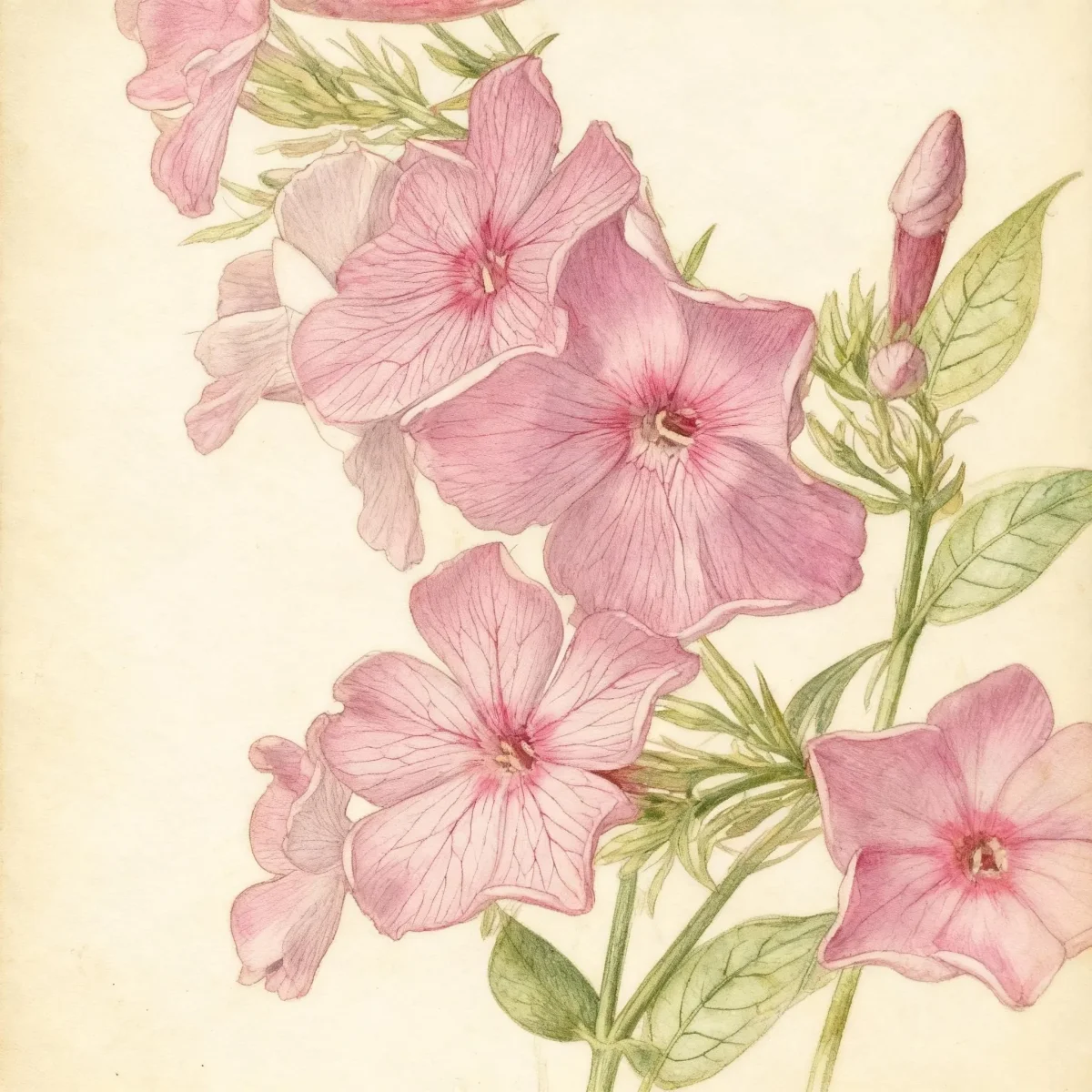
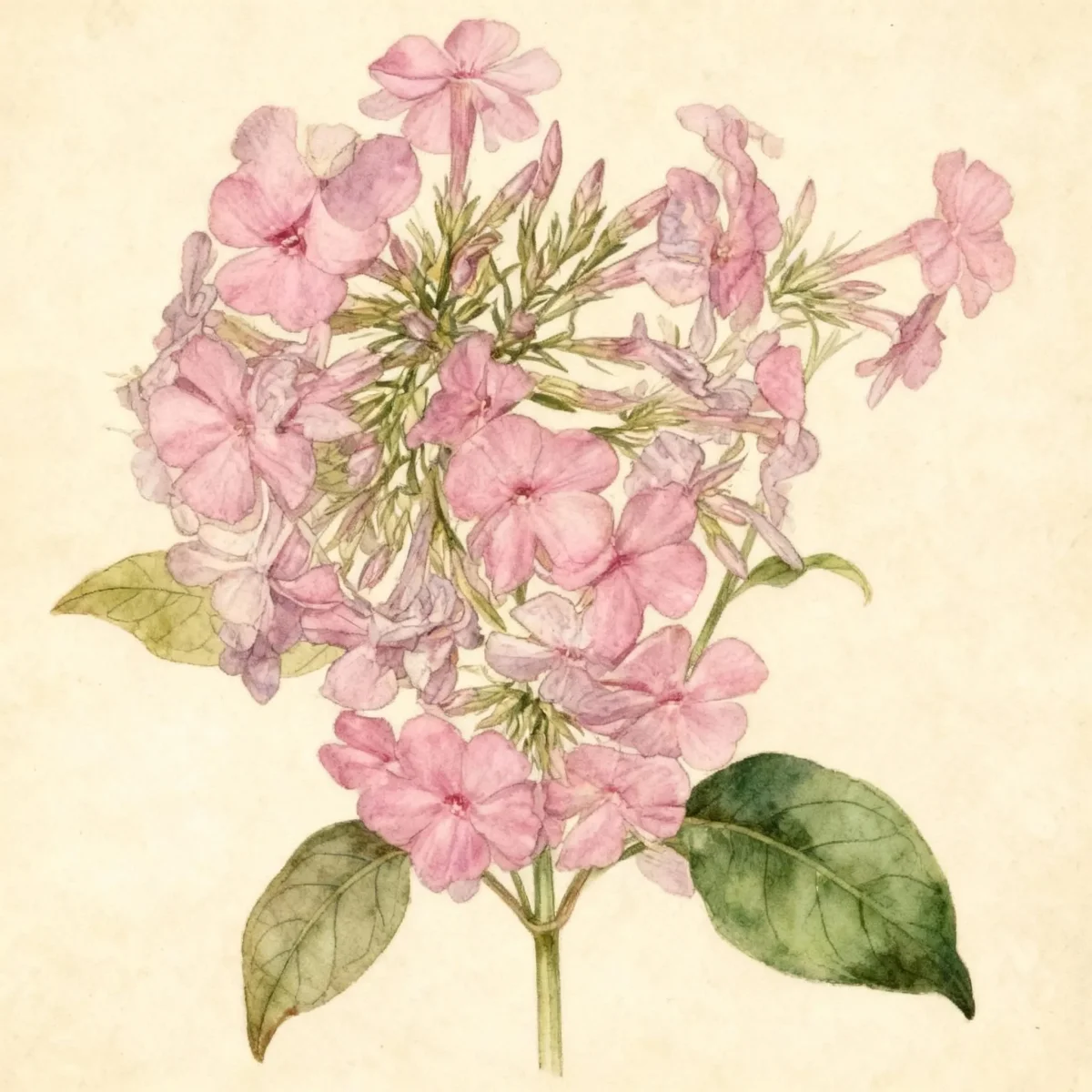
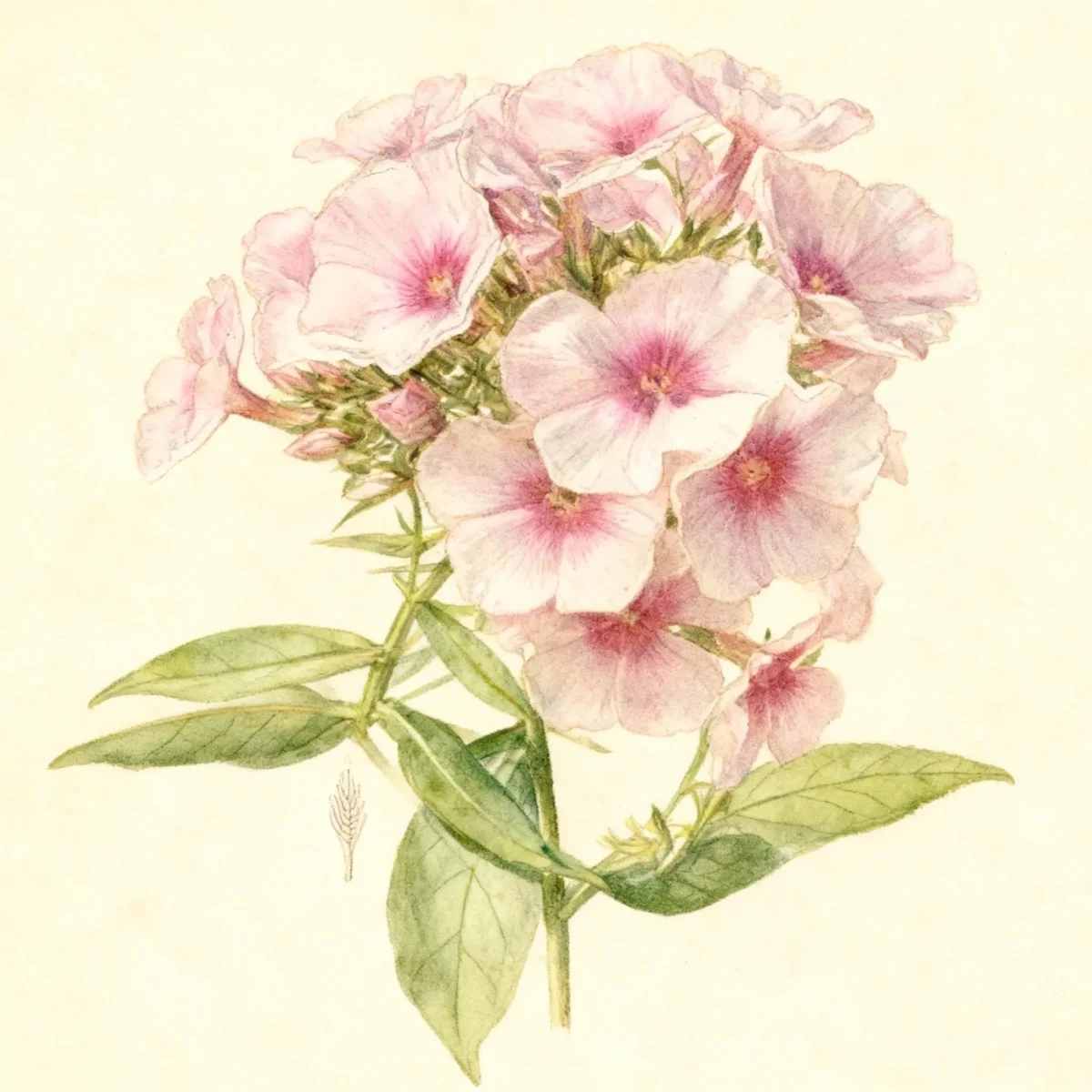
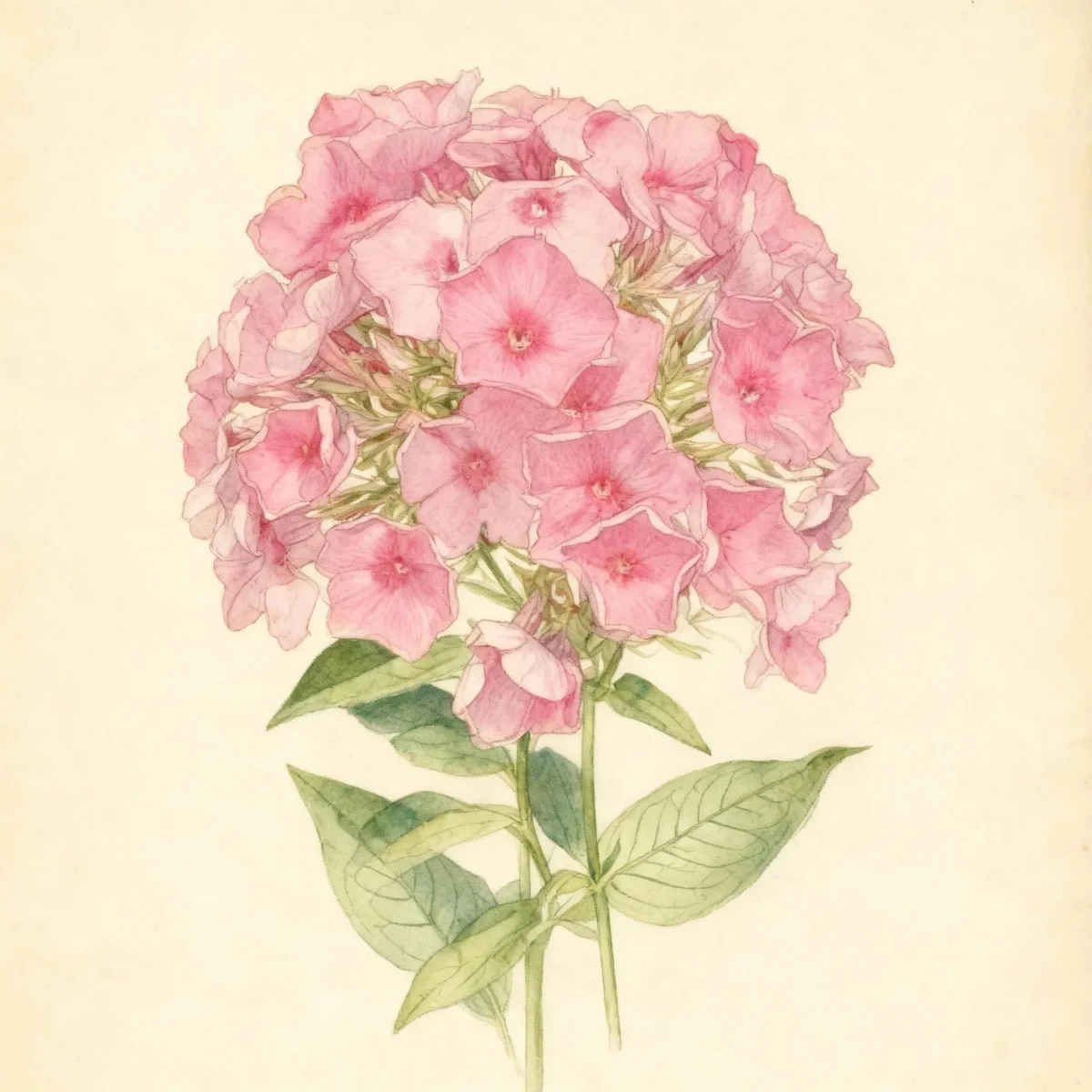
Phlox (Phlox 'PHL090201' PAPARAZZI JAGGER)
Discover Phlox 'PHL090201' PAPARAZZI JAGGER: a low-growing, fragrant, purple-blooming perennial Phlox ideal for dry, sunny gardens.
Scroll down to discover growing tips, care requirements, companion plants, and more
Complete Plant Information
Overview
Phlox ‘PHL090201’ PAPARAZZI JAGGER is a standout herbaceous perennial celebrated for its vigorous, low-mounding habit and abundant spring color. This cultivar belongs to the Paparazzi Series, known for producing fragrant, salverform flowers that truly capture attention. Gardeners appreciate this type of Phlox for its exceptional performance in challenging, dry locations.
This particular Phlox variety delivers masses of purple blooms, often featuring darker eyes, during the mid-to-late spring season. Growing compactly, it forms dense mats perfect for softening hard edges in the landscape. The selection process for PAPARAZZI JAGGER prioritized disease resistance and long flowering periods, making it a reliable performer.
As a member of the diverse Phlox genus, PAPARAZZI JAGGER contributes vibrant color early in the season before many other perennials awaken. Its adaptability to various soil conditions, including clay, combined with low maintenance requirements, ensures that this Phlox remains accessible and rewarding for most home gardeners.
Fast Facts
- Plant Family: Polemoniaceae
- Plant Type: Herbaceous perennial
- Hardiness Zones: USDA Zones 5-9
- Size at Maturity:
- Height: 0.25-0.5 ft
- Spread: 0.75-1 ft
- Bloom Time: April to May
- Bloom Description: Purple
- Sun Exposure: Full sun to part shade
- Water Needs: Medium
- Maintenance Level: Low
How to Grow
Plant Phlox ‘PHL090201’ PAPARAZZI JAGGER varieties in spring or fall when conditions are mild. The ideal location offers full sun, though partial shade is tolerated, especially in the hottest climates. This Phlox thrives in fertile, medium-moisture, well-drained soils, but established plants show pleasing drought tolerance once they are fully settled.
Maintenance is refreshingly low for this hardy perennial Phlox. Watering should remain regular during the first growing season to establish a deep root system. Afterward, standard medium watering routines suffice, benefitting from supplemental water during extreme heat, as summer mulch is appreciated here to keep the root zones cool.
Note that PAPARAZZI JAGGER will not produce viable seed, meaning propagation must occur via vegetative methods if you wish to multiply your stock. Deadheading is generally not necessary to encourage rebloom, but removing spent flower clusters is sometimes done for tidiness.
Landscape Uses
Phlox ‘PHL090201’ PAPARAZZI JAGGER excels as an excellent ground cover, effectively suppressing weeds while providing early season color. Its low, spreading habit makes it an excellent selection for edging walkways and borders, creating a soft transition to lawn or hardscape. It integrates beautifully into rock gardens, where its drought tolerance is maximized.
Beyond structured gardens, this Phlox naturalizes well, lending a cottage garden or wild garden aesthetic. Consider planting it alongside later-blooming perennials that share similar sun and moisture requirements to ensure continuous garden interest throughout the season. Its compact size also makes it suitable for mass plantings on slopes where erosion control is desired.
Standout Features
Flower Qualities
- Showy
- Fragrant
Noteworthy Characteristics
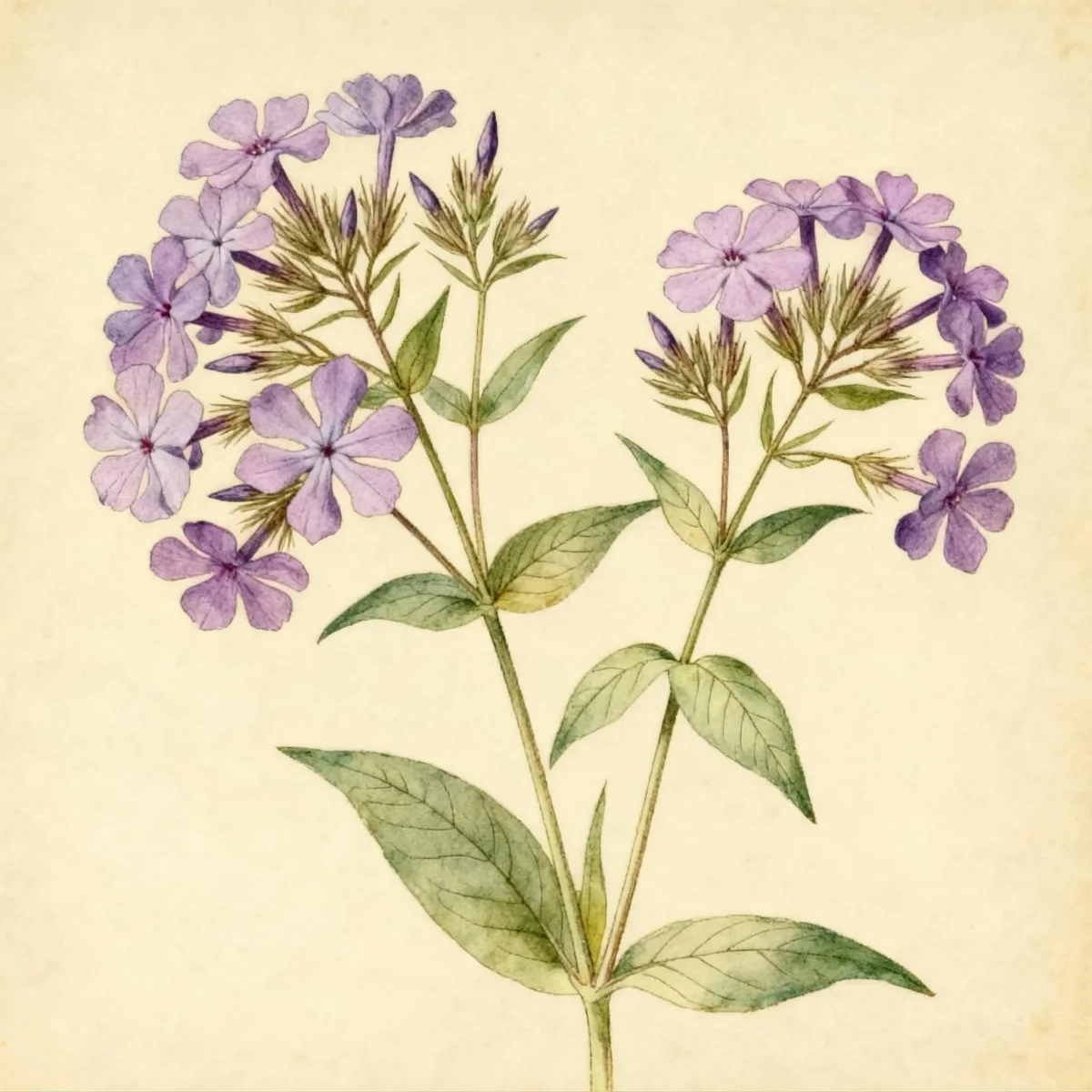
The Paparazzi Series consists of a number of spring flowering hybrid Phlox cultivars which typically grow in low mounds to 5-10” tall. The parents of this specific cultivar are unpatented varieties of Phlox subulata crossed with Phlox stolonifera. ‘PHL090201’, commonly sold as PAPARAZZI JAGGER, features an abundant late spring bloom of salverform purple flowers with darker eyes atop low-growing plants rising to about 5” tall but spreading to 10” wide. Burgundy stems and burgundy-tinted foliage are noticeable features in the spring landscape.
Tolerances
- Deer
- Drought
- Clay Soil
Potential Problems
One of the major advantages of Phlox ‘PHL090201’ PAPARAZZI JAGGER is its good inherent resistance to powdery mildew, a common issue for some of its relatives. Generally, this Phlox experiences no serious insect or disease problems when grown in appropriate conditions. Gardeners should watch for spider mites, particularly when the plant is subjected to hot and dry conditions for extended periods. Ensuring good air circulation during planting and avoiding overhead watering can help mitigate minor pest issues.
Frequently Asked Questions
What hardiness zones is Phlox ‘PHL090201’ PAPARAZZI JAGGER suitable for?
This dependable herbaceous perennial is suitable for USDA Hardiness Zones 5 through 9.
How large does Phlox grow?
The plant typically reaches a height between 0.25 and 0.5 feet tall, with a spread ranging from 0.75 to 1 foot wide.
When does Phlox bloom?
Phlox ‘PHL090201’ PAPARAZZI JAGGER displays its fragrant purple flowers from April through May.
What sun exposure does Phlox need?
For the best performance and most abundant bloom, provide Full sun to part shade exposure.
Conclusion
Phlox ‘PHL090201’ PAPARAZZI JAGGER is an exceptional, low-maintenance choice that provides significant spring impact through its showy, fragrant purple flowers. Its established resilience to drought and deer makes this Phlox a superb foundational plant for challenging sites. Before planting, always confirm that your garden falls within USDA Zones 5-9 to ensure the best display from your new Phlox.
Companion Planting
Choosing compatible neighbors is key to creating a dynamic tapestry around your Phlox. Since PAPARAZZI JAGGER prefers full sun and tolerates dryness, pair it with other Xeriscape or rock garden favorites that share similar cultural needs. Excellent companions include Sedum, Thyme, and low-growing ornamental grasses that won’t overtop the 5-inch height of the Phlox.
Focusing on complementary textures keeps the design engaging after the Phlox finishes blooming. Consider pairing the fine texture of this Phlox with the broader leaves of Heuchera that handle the same partial shade conditions, or use contrasting silver foliage which highlights the green leaves of the Phlox.
Seasonal Care Calendar
Spring is the most active time for Phlox care, as this is when you will notice the new burgundy stems emerge. Apply a light, balanced fertilizer early in the season if your soil is poor, although established plants rarely require heavy feeding. In early summer, shearing back the plant lightly after the primary bloom stage is complete can encourage denser, tidier growth for the rest of the season.
In hot summer weather, applying a summer mulch is highly recommended around the base of this Phlox to keep the shallow root zones cool and help retain even moisture levels. Late fall care involves removing old foliage if disease was present the previous year, though generally, the plant requires little winter preparation beyond ensuring adequate drainage.