Little bluestem (Schizachyrium scoparium 'Prairie Blues')
Schizachyrium scoparium 'Prairie Blues' offers striking blue-gray foliage turning bronze-orange; a low-maintenance Little bluestem for full sun.
Scroll down to discover growing tips, care requirements, companion plants, and more
Complete Plant Information
Overview
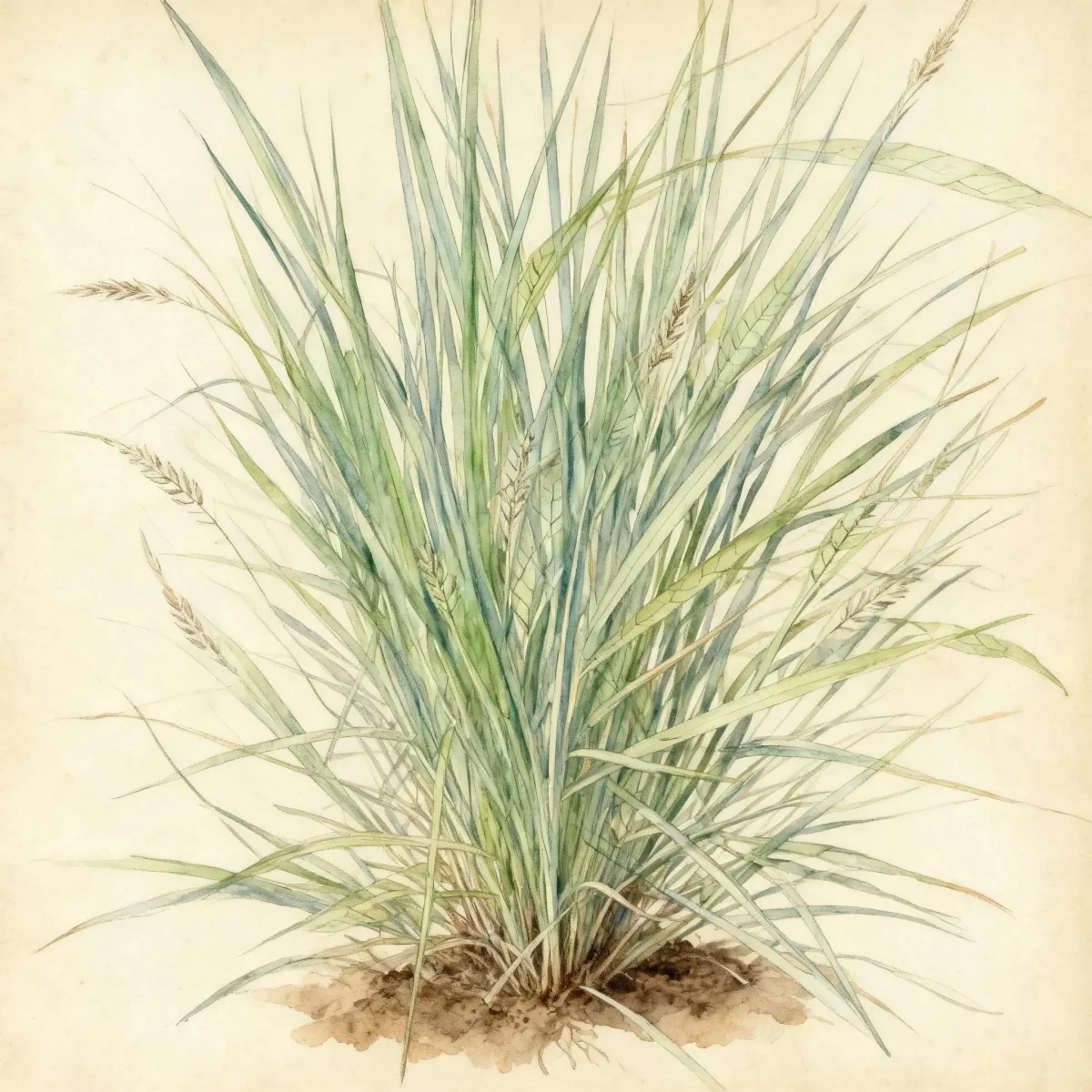
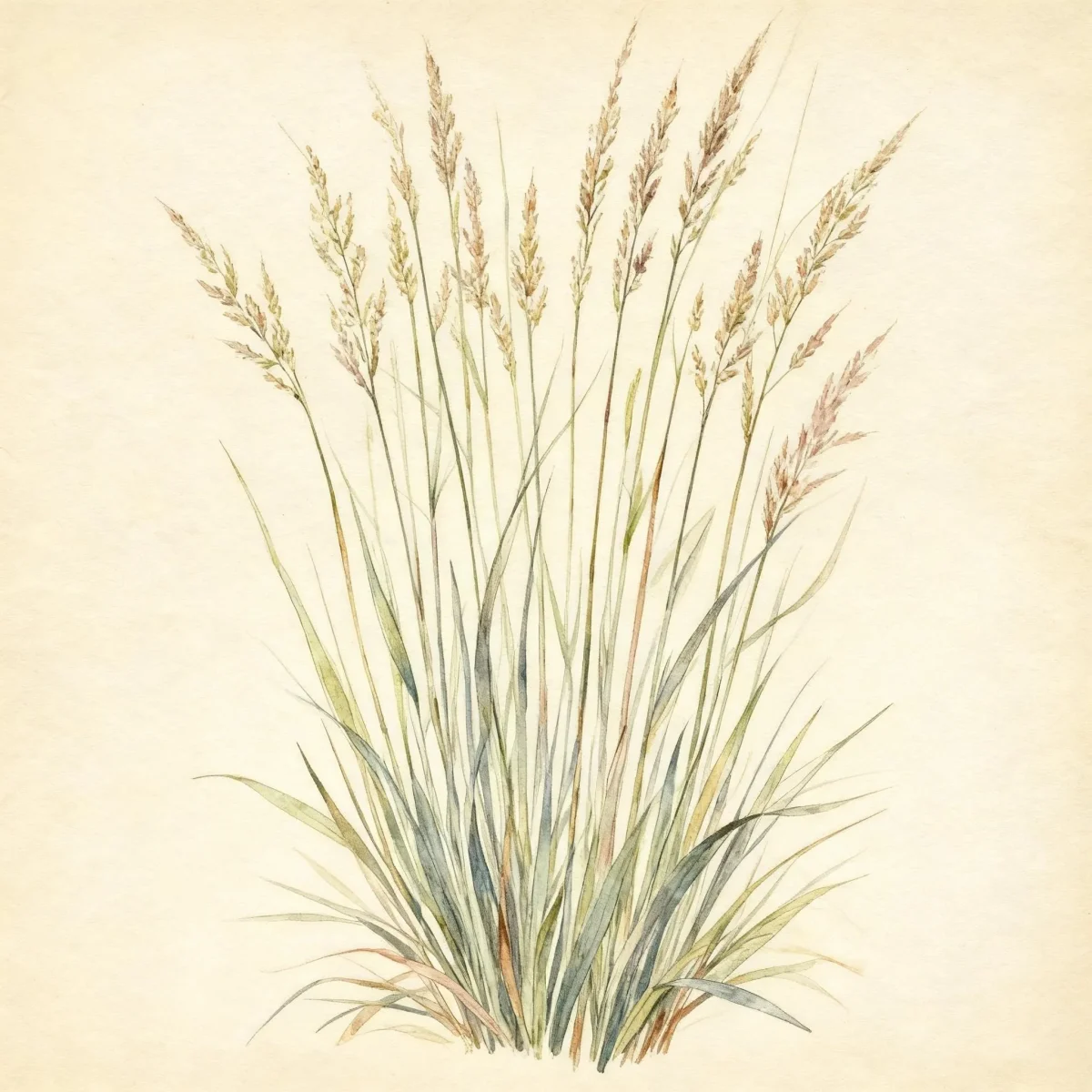
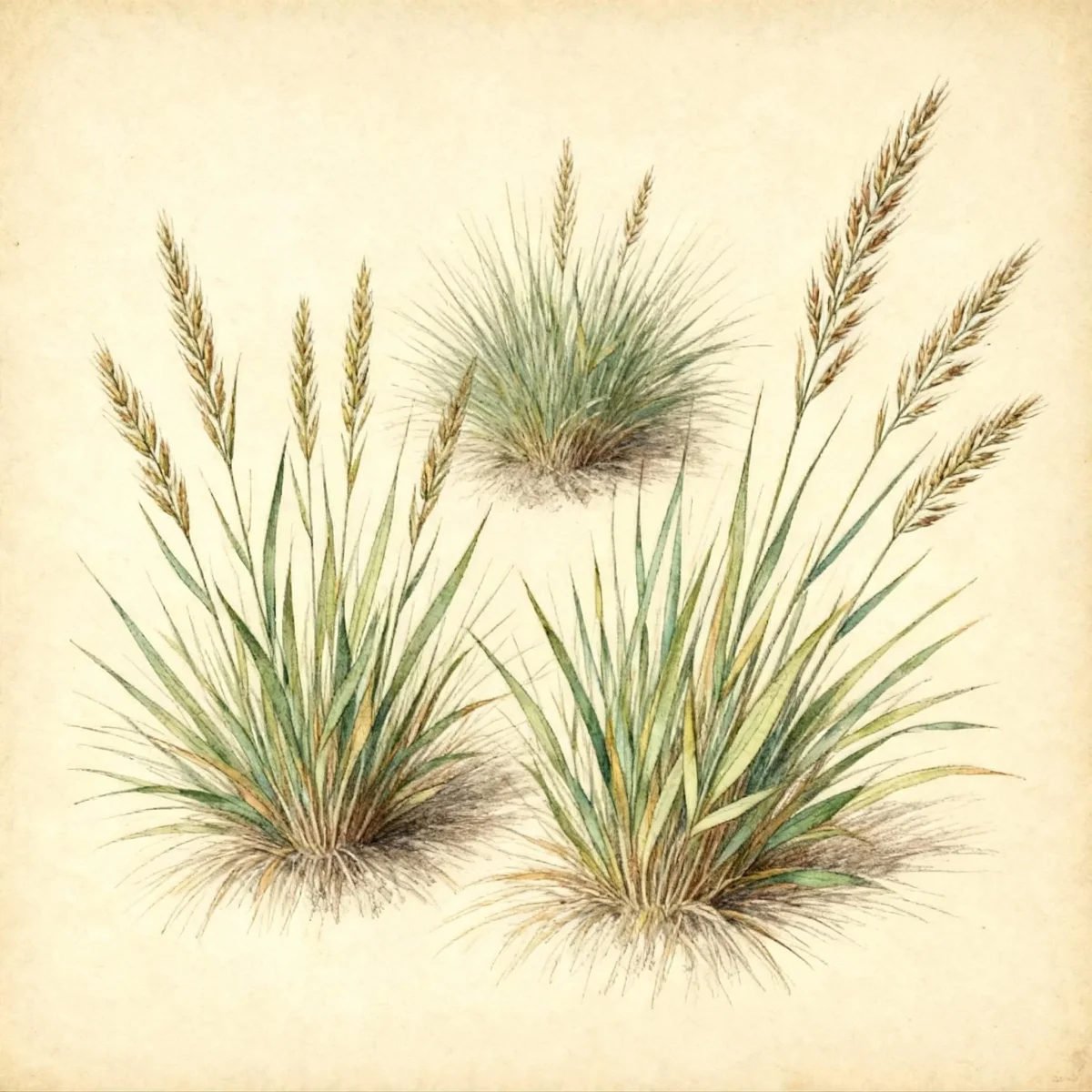
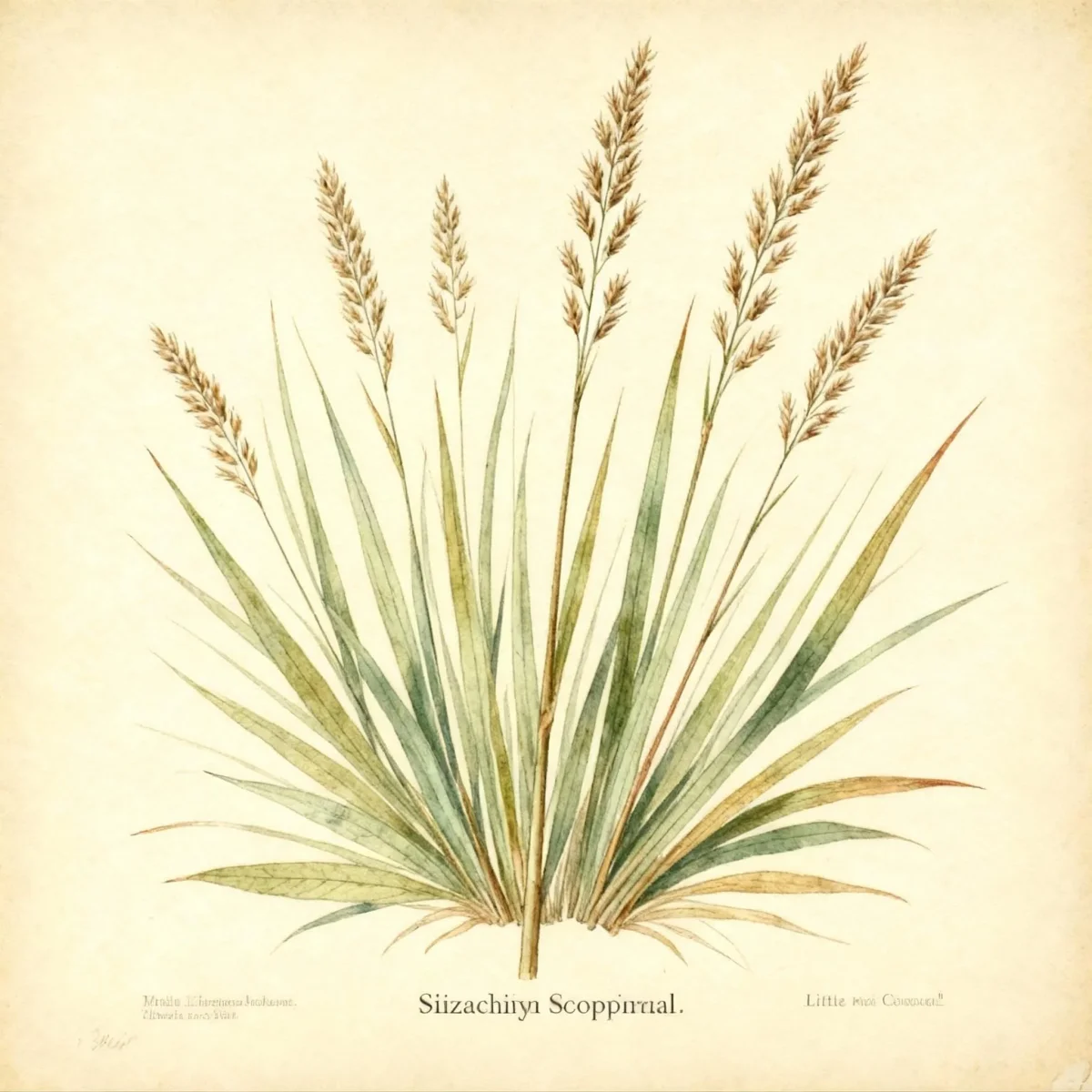
Schizachyrium scoparium ‘Prairie Blues’ is a celebrated North American native grass, esteemed for its vibrant, year-round texture and color. This specific cultivar, Little bluestem, is selected for its foliage that exhibits a more consistent and striking gray-blue hue compared to the species, making it a cornerstone in modern landscape design seeking naturalistic appeal. It forms upright, slender clumps that provide structural interest long after many perennials have faded.
Providing exceptional resilience, Little bluestem thrives in challenging conditions where other ornamental grasses might falter. Once established, its drought resistance and tolerance for high heat make it a reliable anchor plant for sustainable gardening practices. The transformation of its leaves to rosy orange in autumn, followed by fluffy silver seed heads persisting into winter, ensures ongoing aesthetic value.
From a functional perspective, planting Schizachyrium scoparium ‘Prairie Blues’ supports prairie restoration efforts and provides excellent habitat or seed sources for local wildlife. Its low cultural demands mean gardeners can integrate this beautiful structure, Schizachyrium scoparium ‘Prairie Blues’, without intensive upkeep, fitting perfectly into low-maintenance garden schemes.
Fast Facts
- Plant Family: Poaceae
- Plant Type: Ornamental grass
- Hardiness Zones: USDA Zones 3-9
- Size at Maturity:
- Height: 3-3.5 ft
- Spread: 1.5-2 ft
- Bloom Time: August to February
- Bloom Description: Brown turning silvery when mature
- Sun Exposure: Full sun
- Water Needs: Dry to medium
- Maintenance Level: Low
How to Grow
Little bluestem establishes best when planted in the spring or early fall in a location receiving full sun. This grass absolutely requires ample sunlight to maintain its upright habit and characteristic blue coloration; insufficient light will cause the stems to flop later in the season. It performs exceptionally well in average soils but shows preference for well-drained ground, though it tolerates poor soils, clay, and even occasional periods of inundation.
Once established, the water needs of Schizachyrium scoparium ‘Prairie Blues’ drop significantly, showcasing excellent drought resistance, making it ideal for xeriscaping. Avoid amending the soil excessively, as this native grass naturally performs well in leaner conditions. Fertilization is rarely necessary; relying on natural soil fertility promotes the toughest growth.
A key component of maintenance involves routine cleanup. Pruning is straightforward: cut the entire clump down to the ground surface in late winter or early spring before new growth begins. This late cleanup allows the seed heads and winter foliage to provide valuable structure and food sources throughout the colder months.
Landscape Uses
Schizachyrium scoparium ‘Prairie Blues’ excels as an architectural element in diverse landscape designs, moving beyond traditional meadows. Its upright structure makes it perfect for defining borders or mass plantings where a uniform, textural effect is desired. Grouping these grasses creates stunning drifts of color that shift beautifully from summer blue to autumn bronze.
This versatile perennial is highly effective when integrated into rain gardens, aligning with its tolerance for occasional wet periods while simultaneously addressing runoff in dry to medium soil sites. Furthermore, incorporating Little bluestem into rock gardens or wild gardens highlights its adaptation to drier, less fertile spots, contrasting well with broader-leaved perennials.
For cottage or wild gardens, using Schizachyrium scoparium ‘Prairie Blues’ creates a textural backbone. It pairs naturally with coneflowers, milkweed, and other prairie natives, providing necessary vertical contrast against lower-growing bloomers. Its low-maintenance profile ensures these integrated areas remain stunning with minimal intervention.
Standout Features
Flower Qualities
- Insignificant
Noteworthy Characteristics
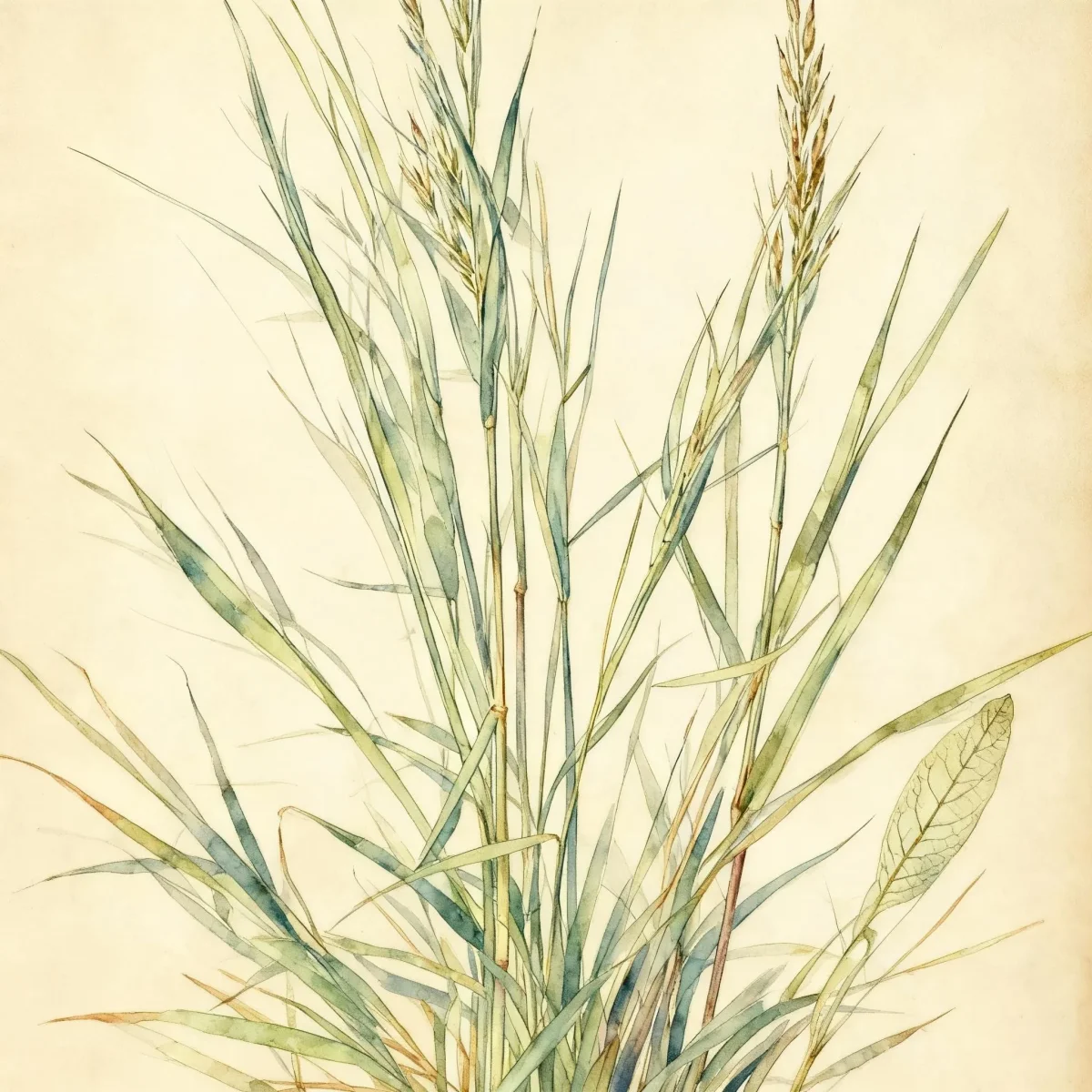
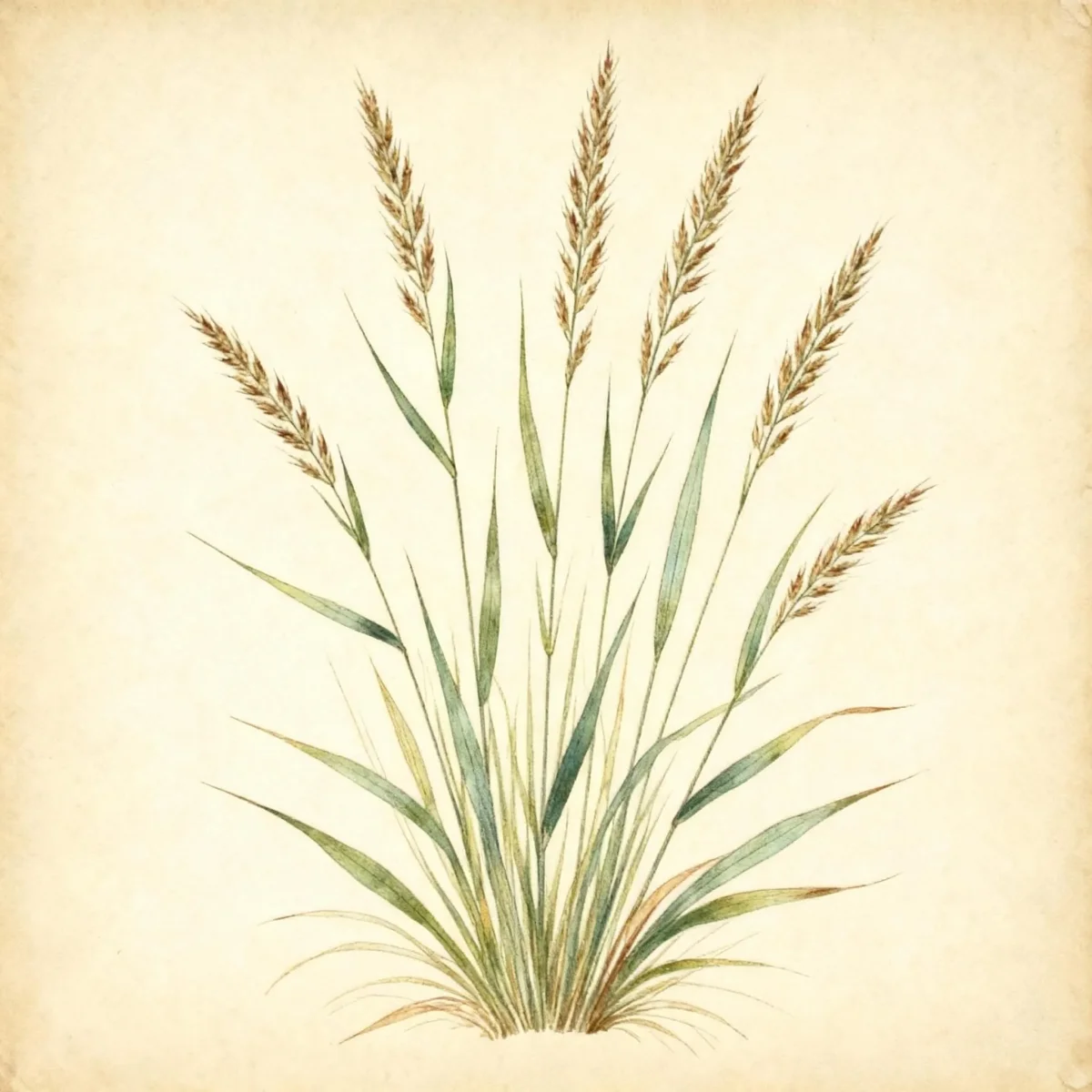
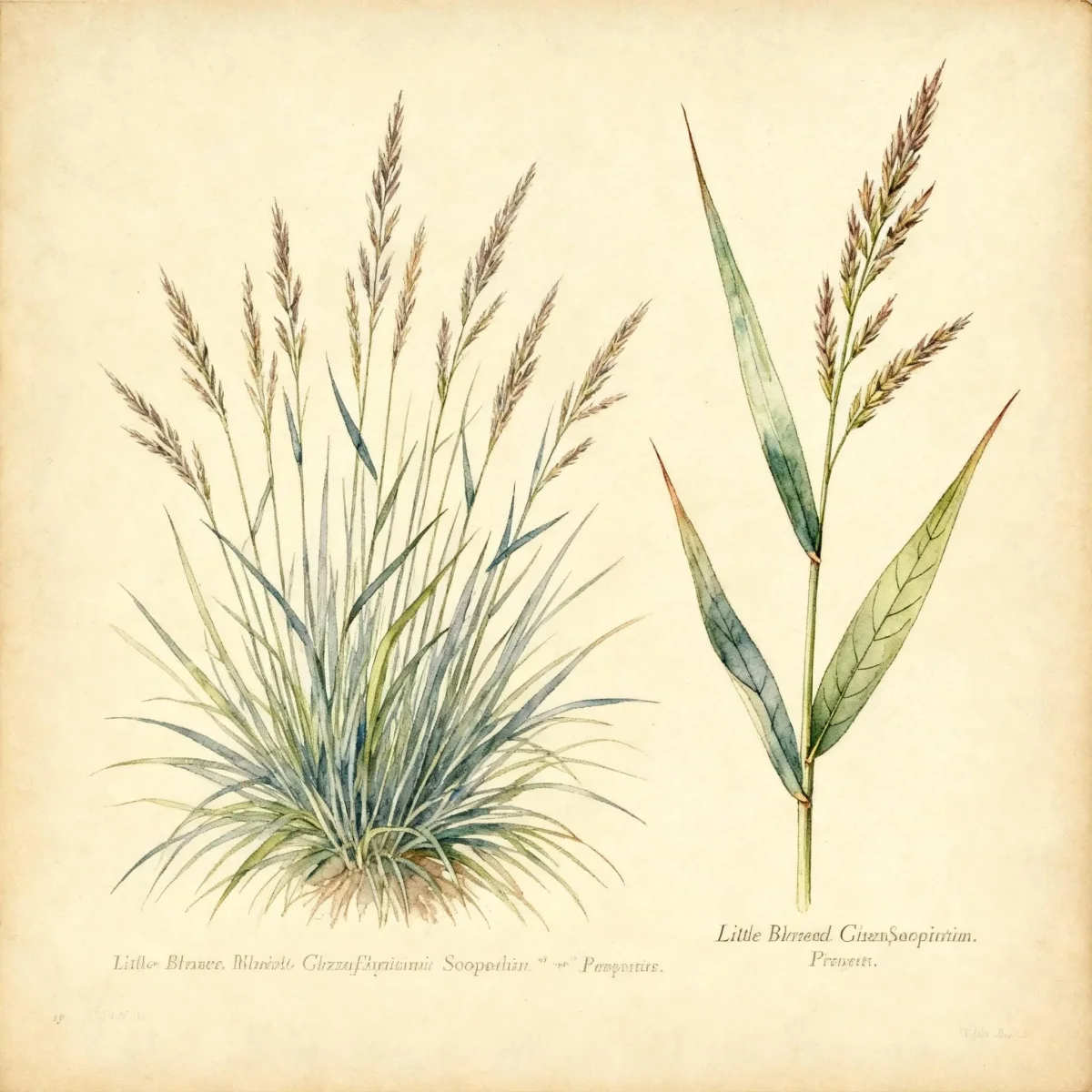
Schizachyrium scoparium, commonly called little bluestem, is native to prairies, fields, clearings, hills, limestone glades, roadsides, waste areas and open woods from Alberta to Quebec south to Arizona and Florida. It was one of the dominant grasses of the vast tallgrass prairie region which once covered rich and fertile soils in many parts of central North America. It typically matures to 2-4’ (less frequently to 5’) tall, and features upright clumps of slender, flat, linear green leaves (to 1/4” wide), with each leaf having a tinge of blue at the base. The foliage turns shades of bronze-orange in the fall. Purplish-bronze flowers appear in 3” long racemes on branched stems rising above the foliage in August. Flowers are followed by clusters of fluffy, silvery-white seed heads which are attractive and often persist into winter. The seeds are eaten by many species of birds.Genus name comes from the Latin schizein meaning to split and achyron meaning chaff.Specific epithet means broomlike.Common name is in reference to the lavender-blue color on the stem bases.‘Prairie Blues’ is grown for its foliage that is more consistently gray blue in color when compared to the species. In fall it has fluffy silver seed heads that may persist into winter and rosy orange foliage. It grows 3 to 3.5 ft. Tall and 1.5 to 2 ft. Wide
Tolerances
- Deer
- Drought
- Erosion
- Dry Soil
- Shallow-Rocky Soil
- Black Walnut
- Air Pollution
Potential Problems
No serious insect or disease problems are typically associated with Schizachyrium scoparium ‘Prairie Blues’. This resilience contributes significantly to its low maintenance rating. Gardeners should focus preventative efforts primarily on placement, as flopping is the most common aesthetic issue, usually caused by overcrowding or insufficient sun exposure rather than pests or diseases.
Frequently Asked Questions
What hardiness zones is Little bluestem suitable for?
Schizachyrium scoparium ‘Prairie Blues’ is highly adaptable and suitable for planting across USDA Zones 3 through 9.
How large does Schizachyrium scoparium ‘Prairie Blues’ grow?
This ornamental grass typically reaches a mature height between 3 and 3.5 feet, with a spread ranging from 1.5 to 2 feet wide.
What sun exposure does Little bluestem need?
For optimal performance, the blue coloration, and avoidance of lodging, Schizachyrium scoparium ‘Prairie Blues’ must be grown in full sun.
When does Little bluestem bloom?
Bloom time spans from August, when the flowers first appear, and continues its visual interest through February, with brown blooms maturing to a silvery appearance.
Conclusion
Schizachyrium scoparium ‘Prairie Blues’ offers unparalleled vertical structure and stunning seasonal contrast, making it an indispensable, low-maintenance feature for virtually any sunny garden space. The reliable color shift of this superior Little bluestem cultivar ensures visual appeal from summer through winter. Assess your available sun exposure—full sun is mandatory—and plant this native grass during the appropriate season for best establishment.
Companion Planting
To maximize the aesthetic appeal of Little bluestem, pair it with flowering perennials that thrive in full sun and similar dry to medium moisture conditions. Coneflowers (Echinacea) and Black-Eyed Susans (Rudbeckia) offer bold, contrasting flower heads that look magnificent rising above the fine texture of the grass in mid-summer. Asters and Sedum varieties work well as late-season companions, extending the color interest as the foliage of Schizachyrium scoparium ‘Prairie Blues’ begins to bronze.
Wildlife Benefits
As a native North American grass, Schizachyrium scoparium ‘Prairie Blues’ provides significant ecological value. The dense clumps offer crucial cover and shelter, especially during winter months, for insects and small ground-dwelling wildlife. Furthermore, the feathery seed heads produced late in the season are a vital food source readily consumed by many species of native seed-eating birds throughout the dormant period.