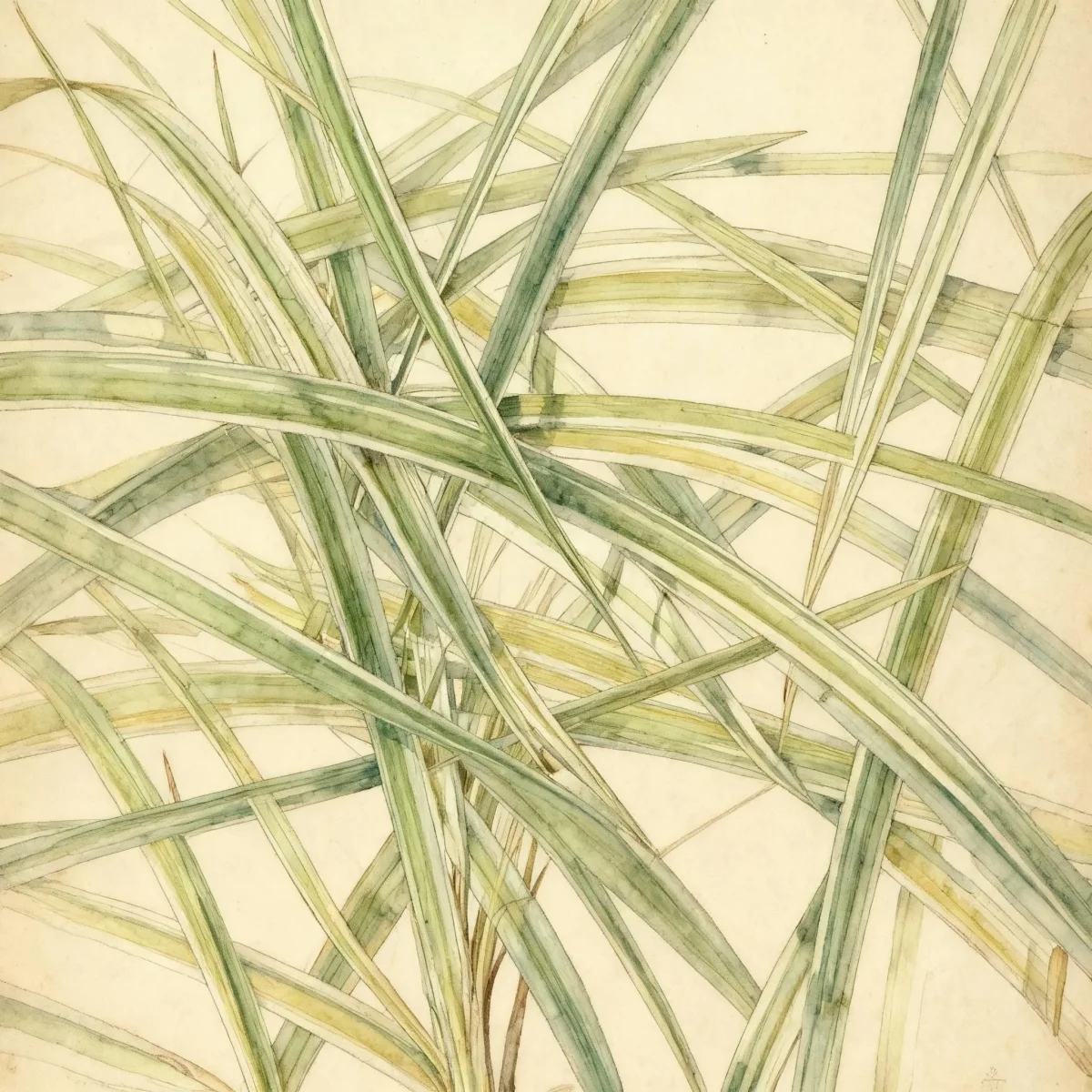
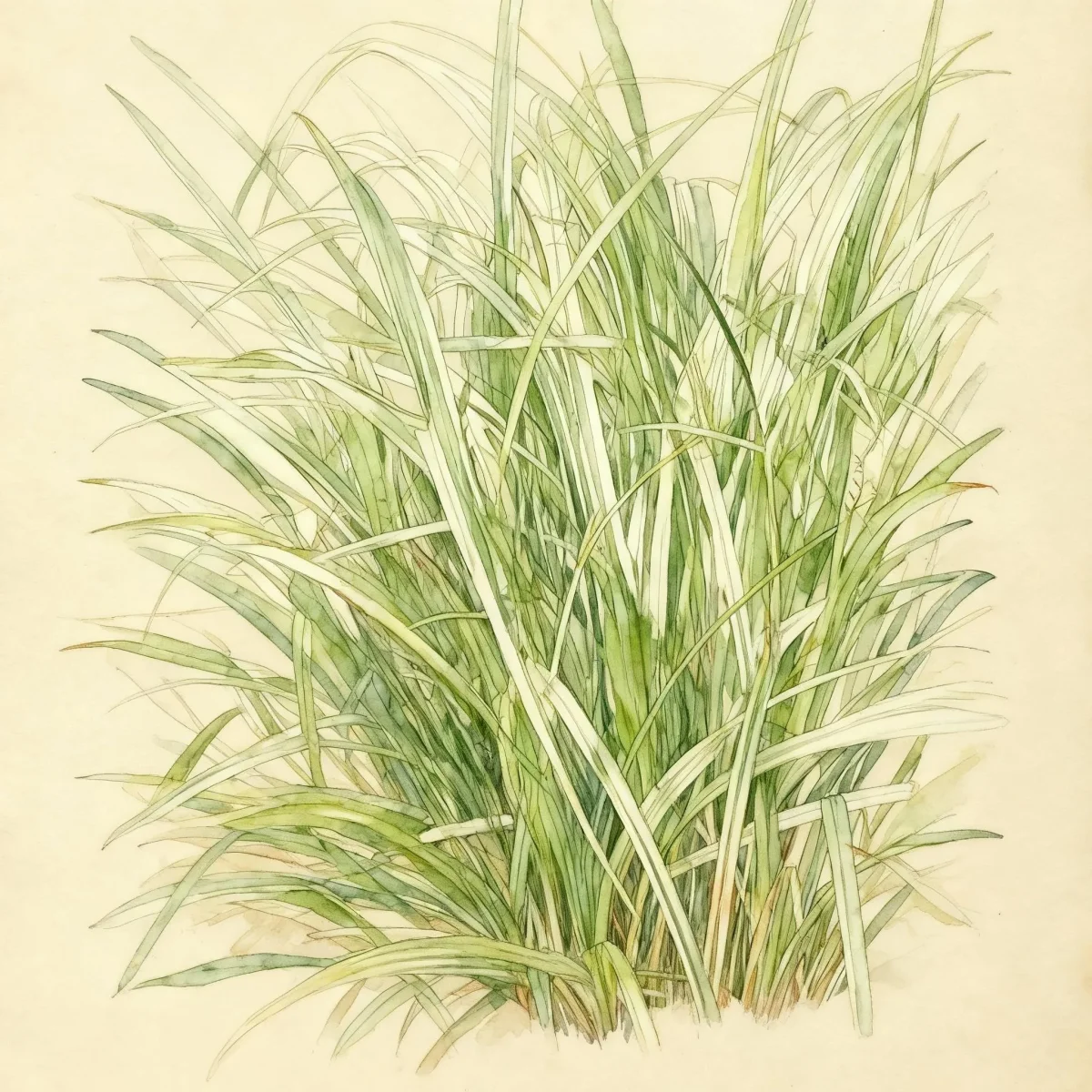
Brome-like sedge (Carex bromoides)
Carex bromoides, or Brome-like sedge, is a low-maintenance, tussock-forming perennial ideal for moist gardens and rain garden installations in Eastern North America.
Scroll down to discover growing tips, care requirements, companion plants, and more
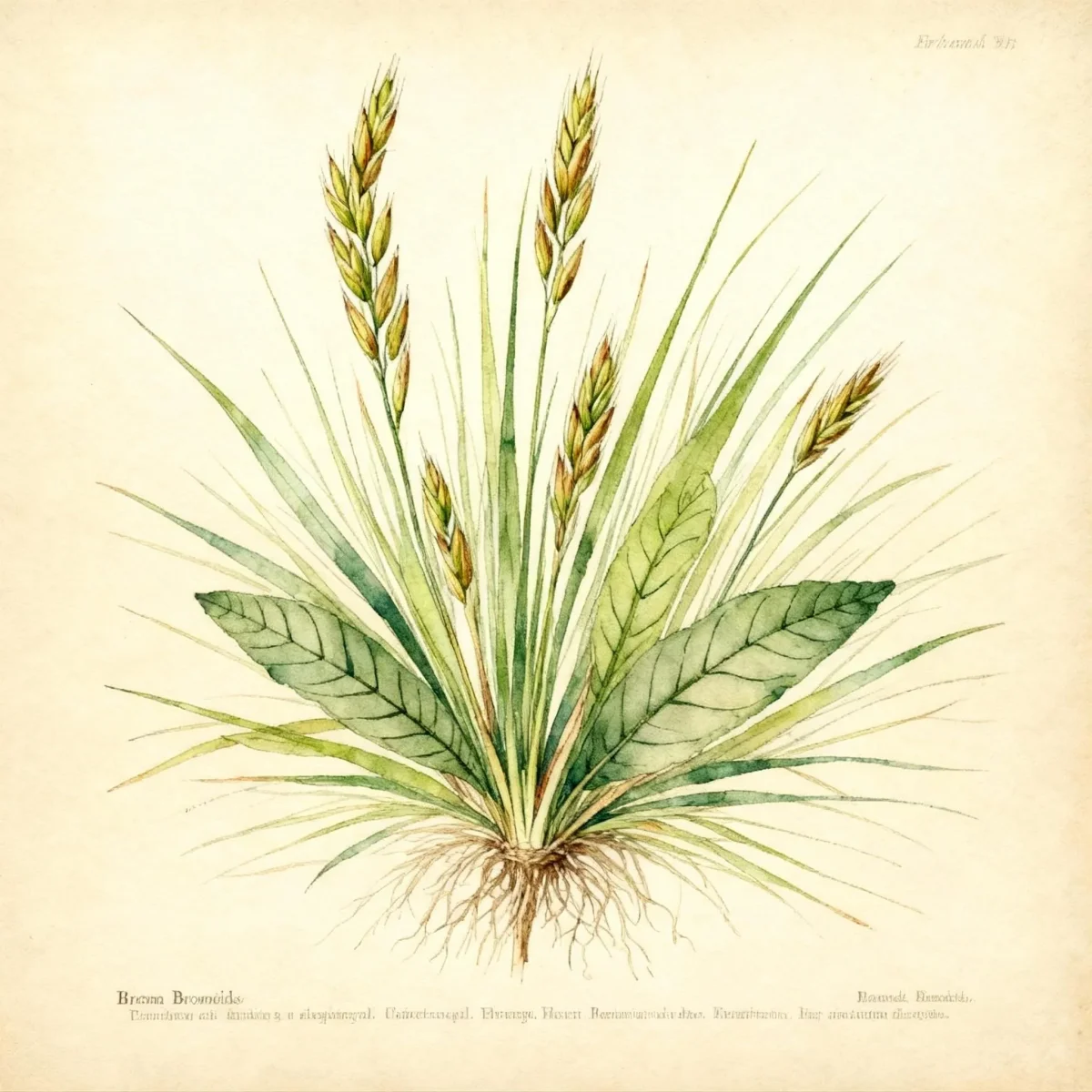
Complete Plant Information
Overview
Carex bromoides, commonly known as Brome-like sedge, is a valuable, fine-textured native grass-like perennial perfect for wet, shaded landscape locations. This tussock-forming sedge creates neat, gently arching clumps, providing consistent green texture throughout the growing season without aggressive running. Its subtle beauty lies in its adaptation to moist habitats, making it an essential component in ecological landscape design.
This species thrives in consistently moist to wet soils and part shade, mirroring its native woodland environment in Eastern North America. Reaching less than a foot tall, the Brome-like sedge is highly versatile, serving well as a subtle specimen or massed for a non-aggressive, fine-textured ground cover. Gardeners appreciate Carex bromoides for its low maintenance needs and its role as supportive habitat for local wildlife.
If you need reliable structure for a rain garden or woodland margin, Carex bromoides offers a robust solution. Its preference for moist conditions means it can handle periods of standing water, which is rare for many ornamental perennials. Plan planting locations where moisture retention is guaranteed to see the best performance from this excellent native sedge.
Fast Facts
- Plant Family: Cyperaceae
- Plant Type: Rush or Sedge
- Native Range: Eastern North America
- Hardiness Zones: USDA Zones 4-8
- Size at Maturity:
- Height: 0.75-1 ft
- Spread: 1.25-1.75 ft
- Bloom Time: May to July
- Bloom Description: Green fading to light brown
- Sun Exposure: Part shade
- Water Needs: Medium to wet
- Maintenance Level: Low
How to Grow
Plant Carex bromoides in the spring or fall after the danger of hard frost has passed, placing it in locations receiving part sun. The critical factor for success is soil moisture; ensure the planting site has even moisture or approaches wet conditions, ideally supplemented with some organic matter for structure. While it tolerates some areas with shallow, standing water, avoid overly dry uplands.
Once established, the maintenance for Brome-like sedge is minimal. Watering should focus on keeping the soil consistently moist to wet, especially during dry spells, though established clumps are somewhat resilient. Fertilization is rarely needed; the plant is adapted to lean, woodland soils. Pruning is generally unnecessary, though old, tattered leaves can be trimmed back in early spring before new growth emerges.
This woodland species prefers part sun but can handle more direct sun if ample moisture is provided throughout the day. Gardeners in Zones 4 through 8 should note that while hardy, ensuring adequate winter soil moisture helps prevent desiccation in exposed areas. Although there is some concern regarding its tolerance for heavy clay, improving drainage slightly with compost often mitigates potential issues.
Landscape Uses
The primary strengths of Carex bromoides lie in its texture and moisture tolerance, making it invaluable for wet landscape solutions. It excels when used as an effective ground cover in semi-shady, low-lying woodland areas where turf grass struggles. Massing this sedge creates a uniform, non-aggressive carpet of fine foliage that requires little upkeep once established.
For functional landscape design, the Brome-like sedge is a star player in rain gardens and along naturalistic margins of streams or ponds. Its ability to cope with saturated soils helps manage runoff while adding necessary structural interest near water features. Use it as an edging plant where moisture gradients naturally occur, or intersperse it between larger ferns and shade-loving perennials for textural contrast.
When selecting companions, look for plants that share the preference for moist, shaded sites, such as various native ferns or moisture-loving woodland flowers. The relatively small size of Carex bromoides allows it to tuck neatly beneath deciduous shrubs or larger woodland trees without overpowering them, maintaining a subtle, layered effect.
Standout Features
Noteworthy Characteristics
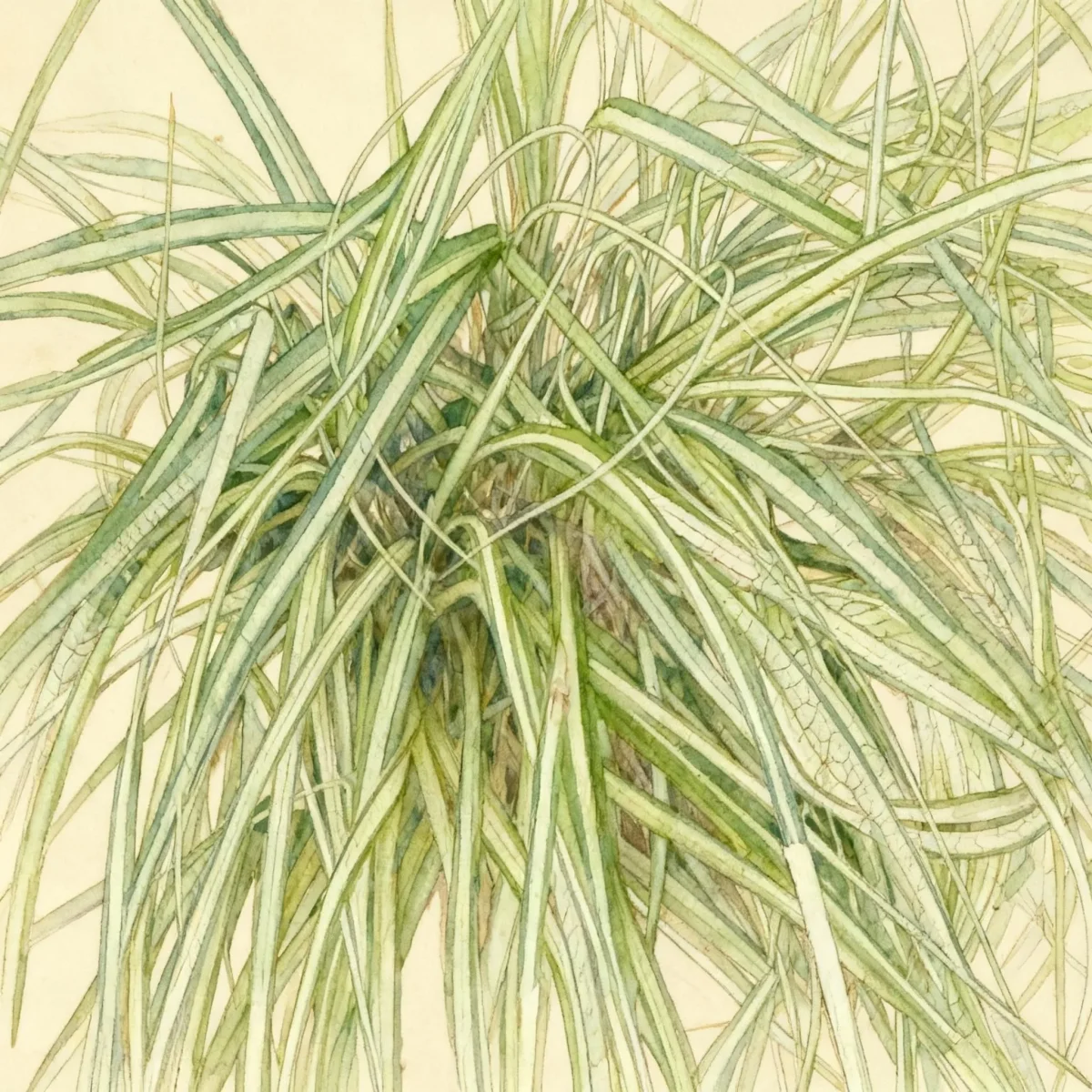
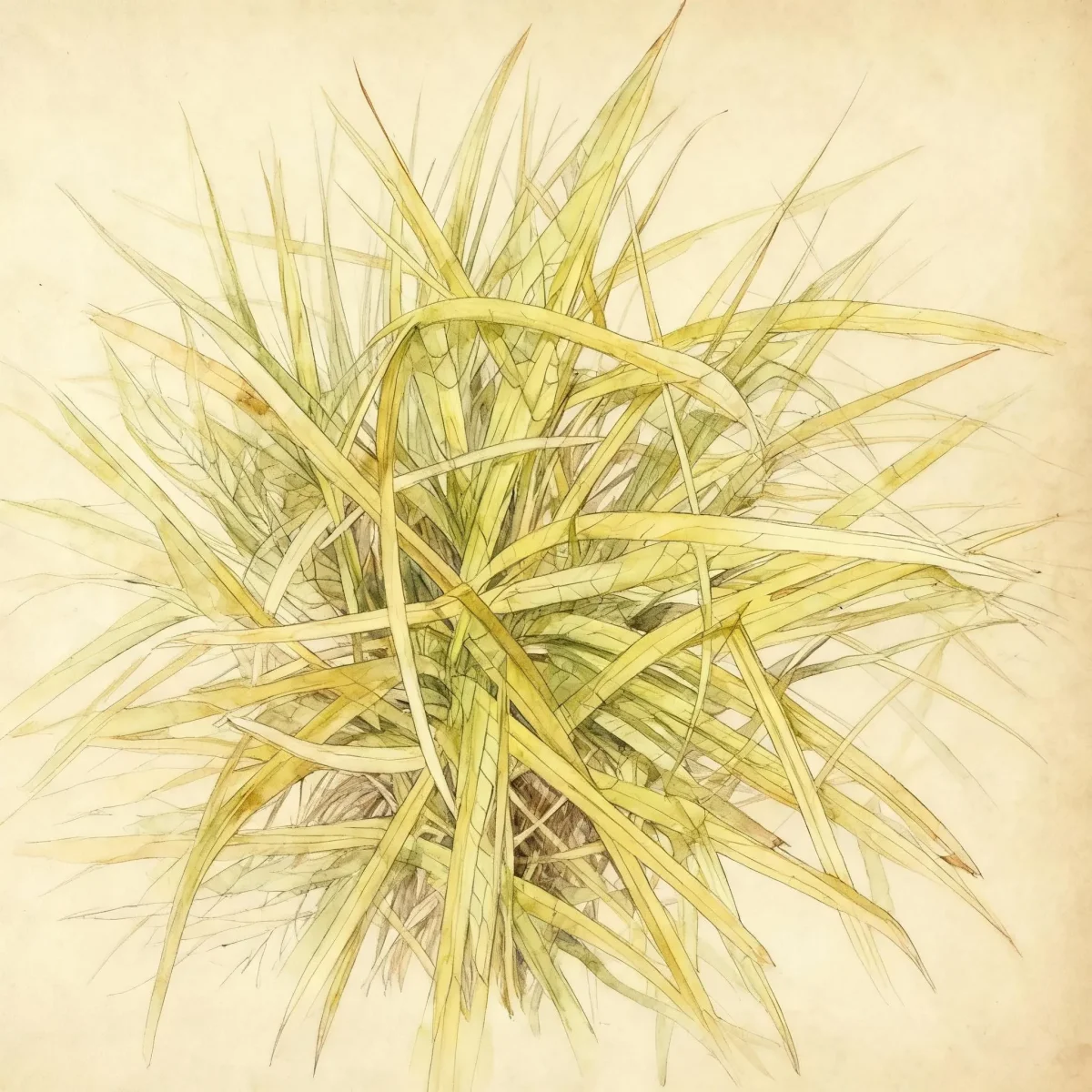
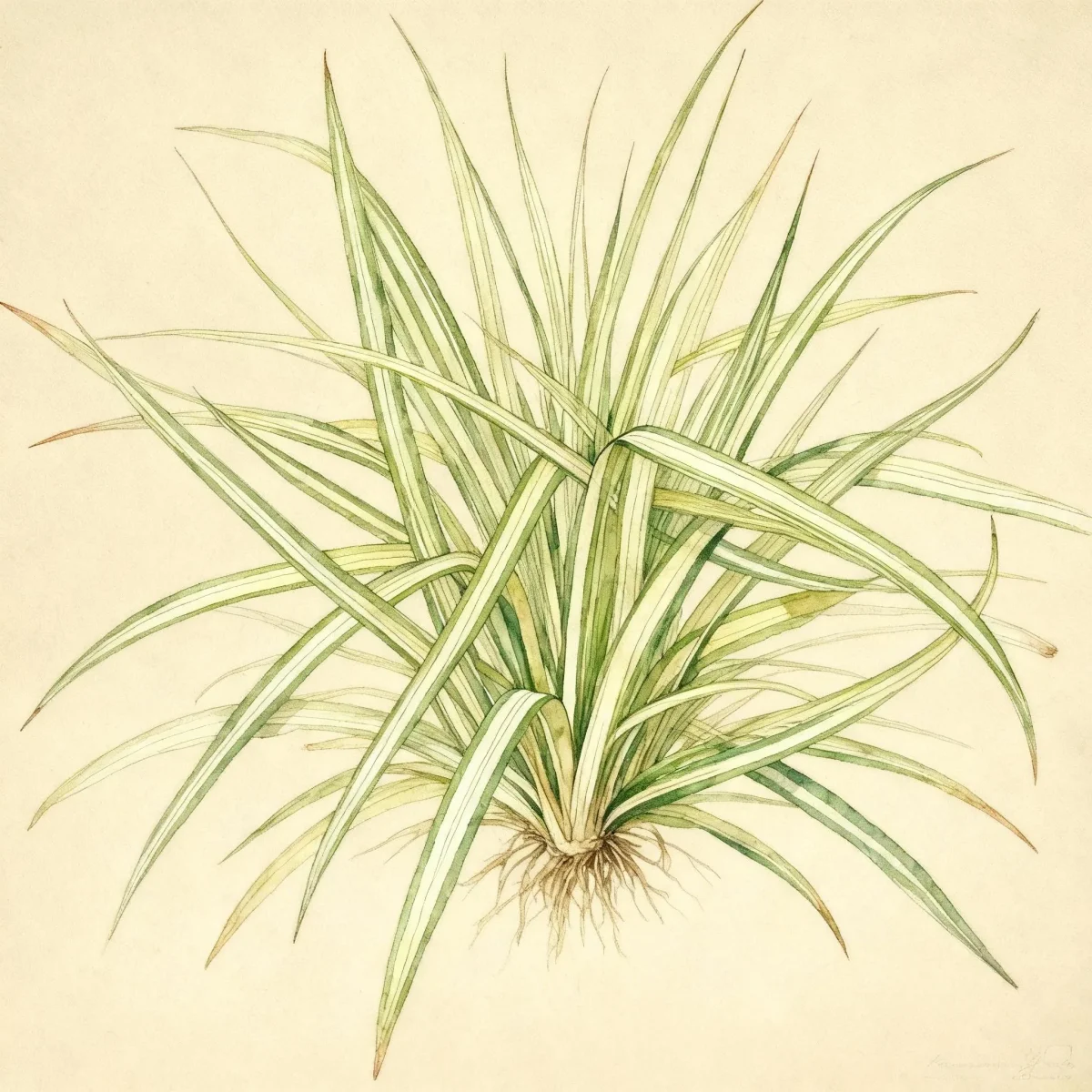
Carex bromoides, commonly called brome-like sedge, is a tussock-forming perennial sedge found mostly in the Northeast, northern Mid-Atlantic, and the Great Lakes Region of the United States. It can also be found less frequently throughout the rest of the eastern half of the United States, including several counties in southeastern Missouri. This sedge grows in moist habitats, including soggy woodlands, wetland margins, and vernal ponds. Its bright green, narrow, linear leaves reach 9” long and only 1/10” wide, and the plant forms slow-expanding single clumps rather than spreading by runners. Flowering stems appear in late spring to summer and are topped with an inflorescence containing 3-8 spikelets that mature from light green to tan. Like other wetland Carex species, brome-like sedge is a host plant for native butterflies and moths, and its seeds are attractive to birds.
Tolerances
- Wet Soil
Potential Problems
No serious insect or disease problems are routinely reported for Carex bromoides. This robust native sedge is generally well-adapted to its native conditions and resists most common garden pests. In optimal, consistently moist environments, it typically requires no chemical intervention for pest or disease management. The only potential cultural issue might be root rot if planted in poorly draining soil that remains constantly stagnant rather than moist to wet.
Frequently Asked Questions
What hardiness zones is Brome-like sedge suitable for?
Carex bromoides is reliably hardy across USDA Zones 4 through 8, making it adaptable to a wide range of climates in the eastern half of the continent.
How large does Carex bromoides grow?
This sedge typically matures to a height between 0.75 and 1 foot tall, spreading slowly to form clumps between 1.25 and 1.75 feet wide.
What sun exposure does Brome-like sedge need?
This plant prefers part shade conditions, though it can tolerate more sun exposure provided that the soil remains consistently moist or wet throughout the day.
When does Brome-like sedge bloom?
Blooming occurs from May to July, featuring inconspicuous green flowers that mature to a faded, light brown color as they develop.
Conclusion
The Brome-like sedge provides exceptional fine texture and reliable performance in consistently moist, shaded garden spaces. Its low maintenance requirements and significant ecological value—particularly as a host plant—make Carex bromoides a vital addition to sustainable gardening efforts. Before planting, confirm your site provides the medium to wet soil conditions necessary for this fine native sedge to flourish.
Wildlife Benefits
The inclusion of native sedges like Carex bromoides significantly enhances local biodiversity. As a host perennial, this plant supports the larval stages of several important native butterflies and moths, including the eyed brown (Satyrodes eurydice). Providing these essential caterpillar food sources is a crucial step in supporting local insect populations, which form the base of the food chain.
Beyond larval support, the mature seed heads of the Brome-like sedge offer secondary benefits. Birds, including various sparrows and finches, find these small seeds palatable, especially later in the growing season or during migration. Integrating this sedge into a layered planting scheme aids in creating complex habitat structure where wildlife can find shelter and sustenance.
Using Carex bromoides in conjunction with other moisture-loving native perennials creates a cohesive, functional ecosystem within your landscape. This holistic approach maximizes support for pollinators and beneficial insects while providing you with a beautiful, low-effort ground cover solution for damp areas.
Design Ideas for Moist Areas
For gardeners looking to create a convincing woodland edge effect, utilize Carex bromoides as a sophisticated, linear border element. Since it forms tight clumps rather than aggressive runners, you can plant it in staggered drifts along a curving path bordering a low spot where water tends to settle after a rain event. Its bright green foliage contrasts beautifully against darker mulch or rich, damp soil.
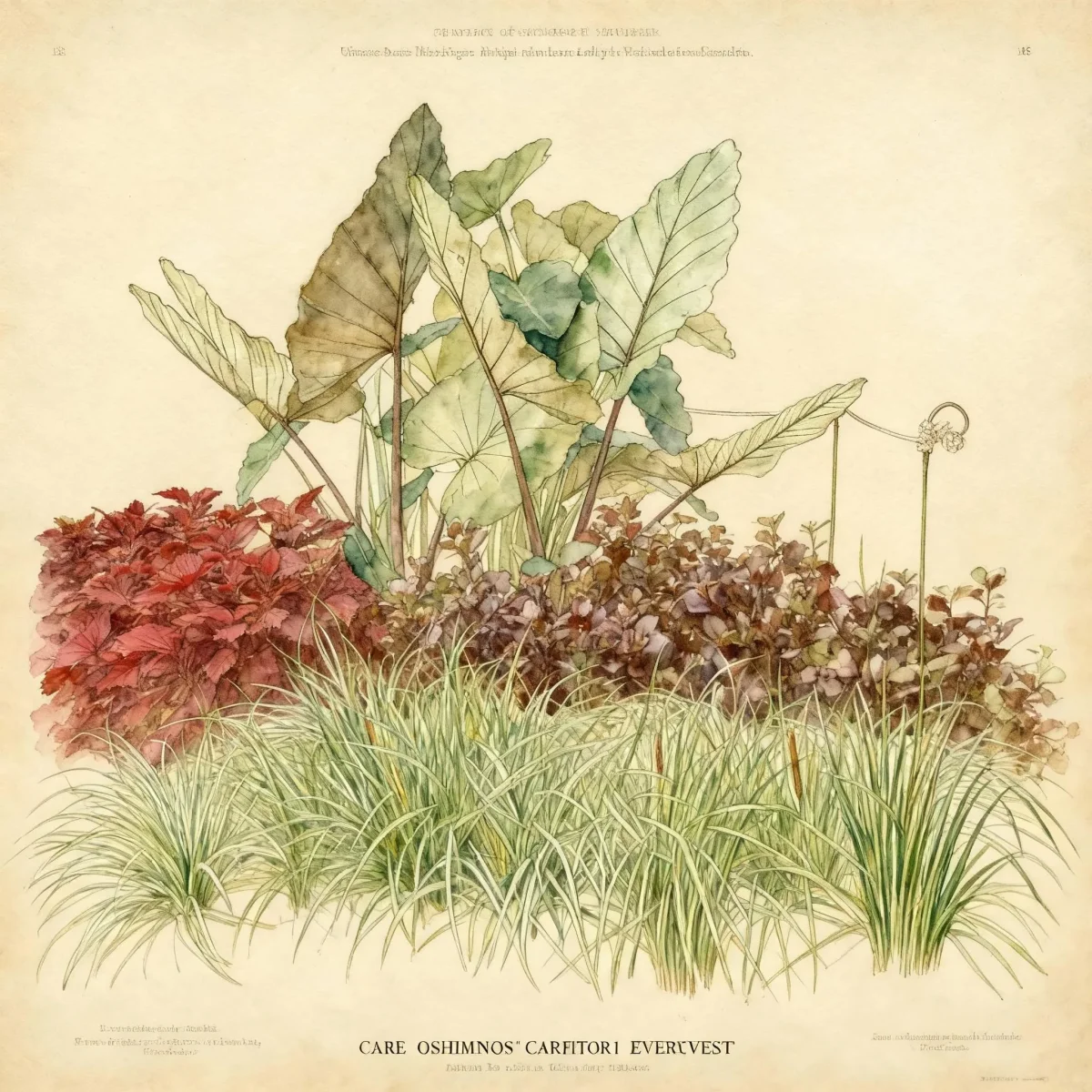
Consider mass planting this sedge, allowing the 1.25 to 1.75-foot spread of mature clumps to gently touch, creating a flowing texture reminiscent of a natural meadow edge, albeit a shaded one. For contrast, pair the fine texture of the Brome-like sedge with plants offering bold, broad leaves, such as large Hosta cultivars (if the area doesn’t dry out completely) or native Marsh Marigolds (Caltha palustris) for a dynamic visual pairing based on moisture requirements.
When utilizing Carex bromoides in a rain garden, ensure it is sited toward the middle or lower slope of the basin, where moisture levels are highest. Its texture ensures that even when the garden is not actively managing runoff, the area retains visual interest throughout the warm months, fulfilling its role as both an aesthetic and functional plant.