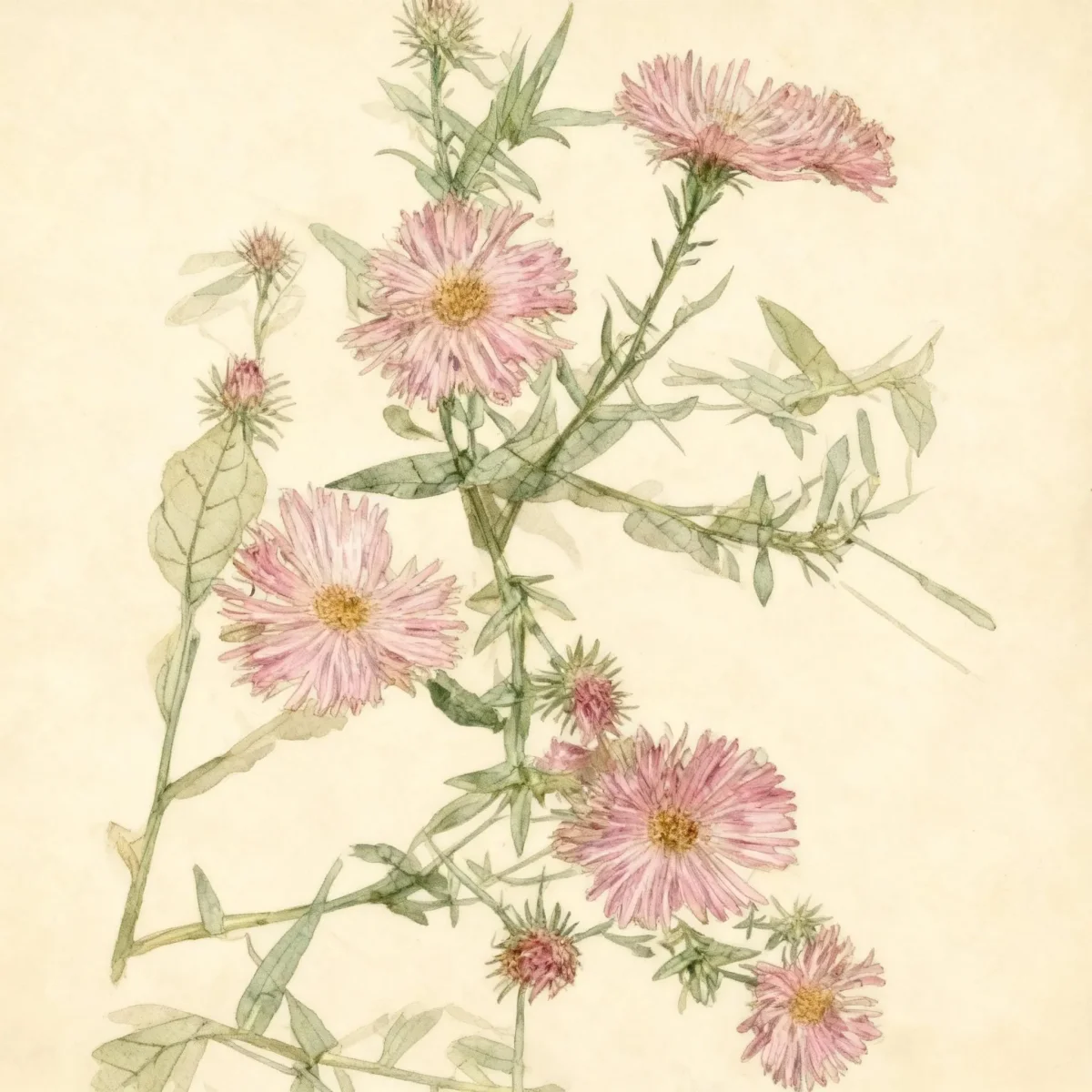
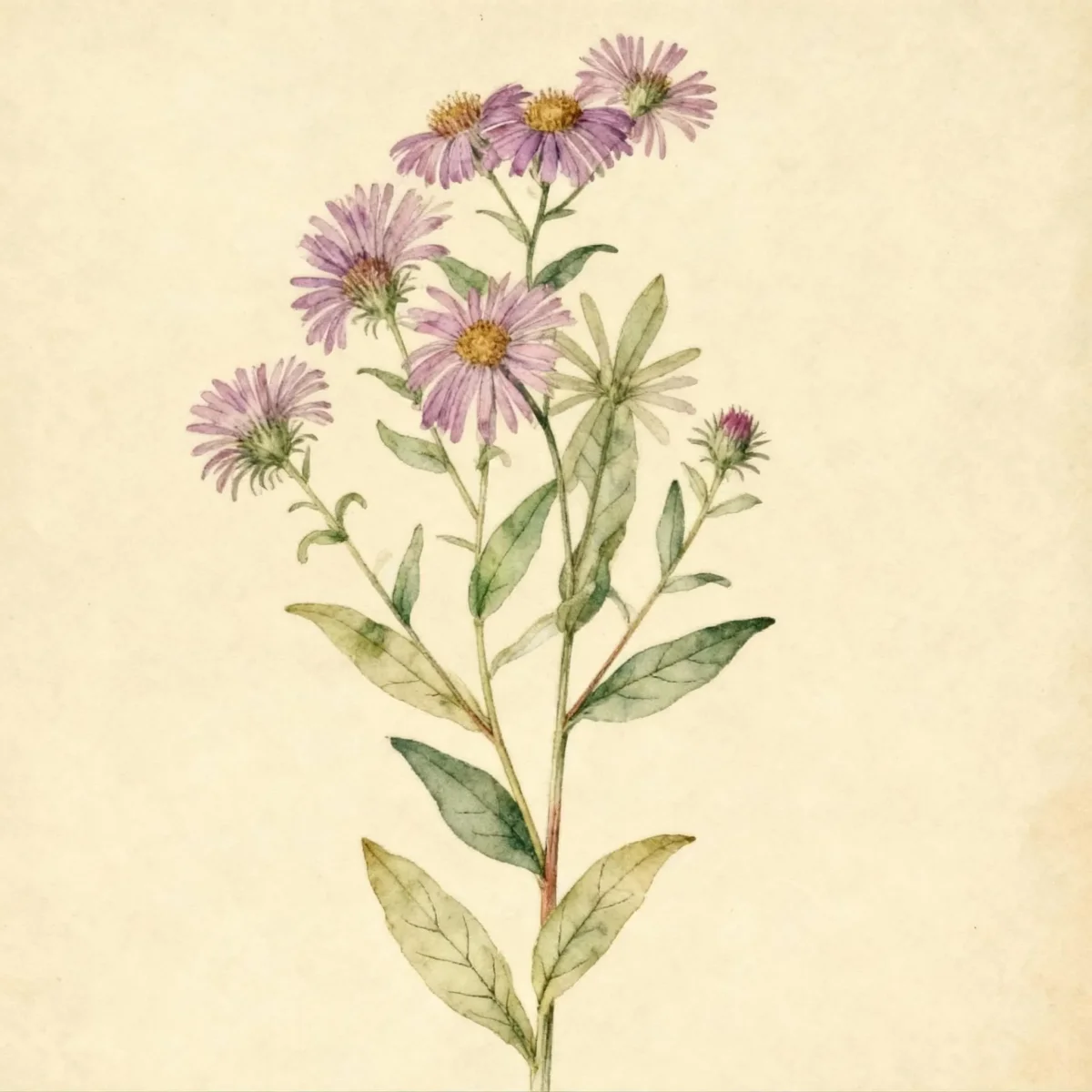
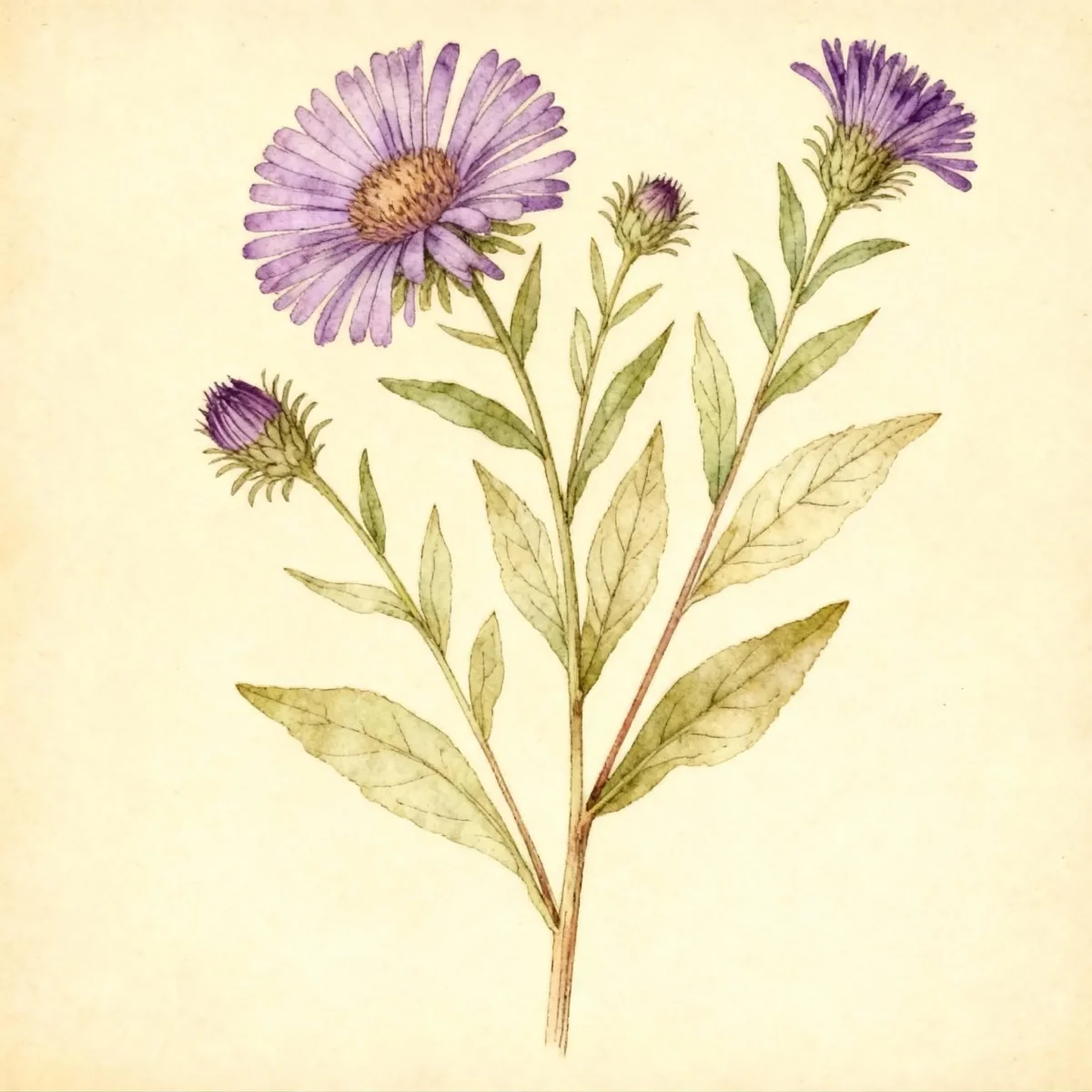
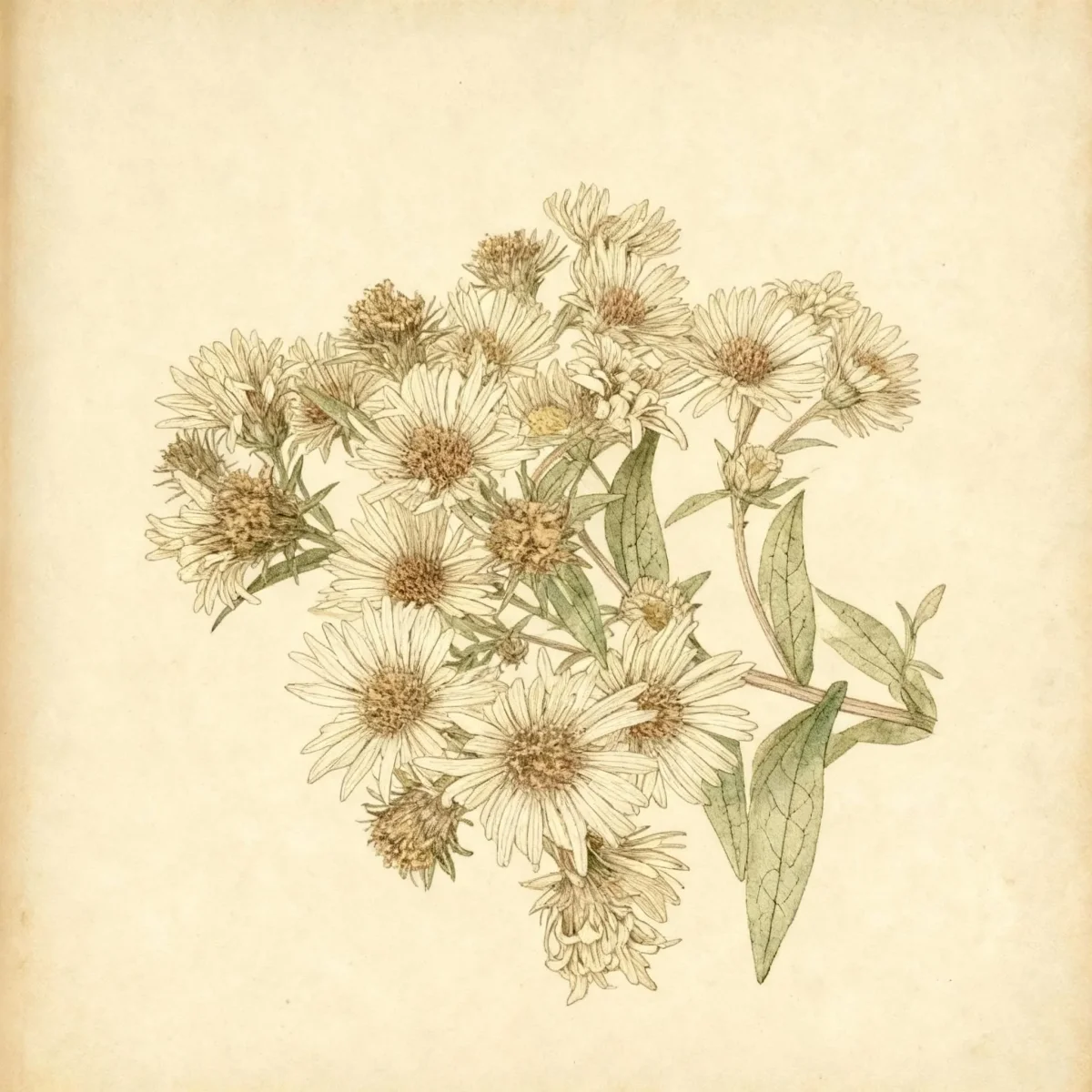
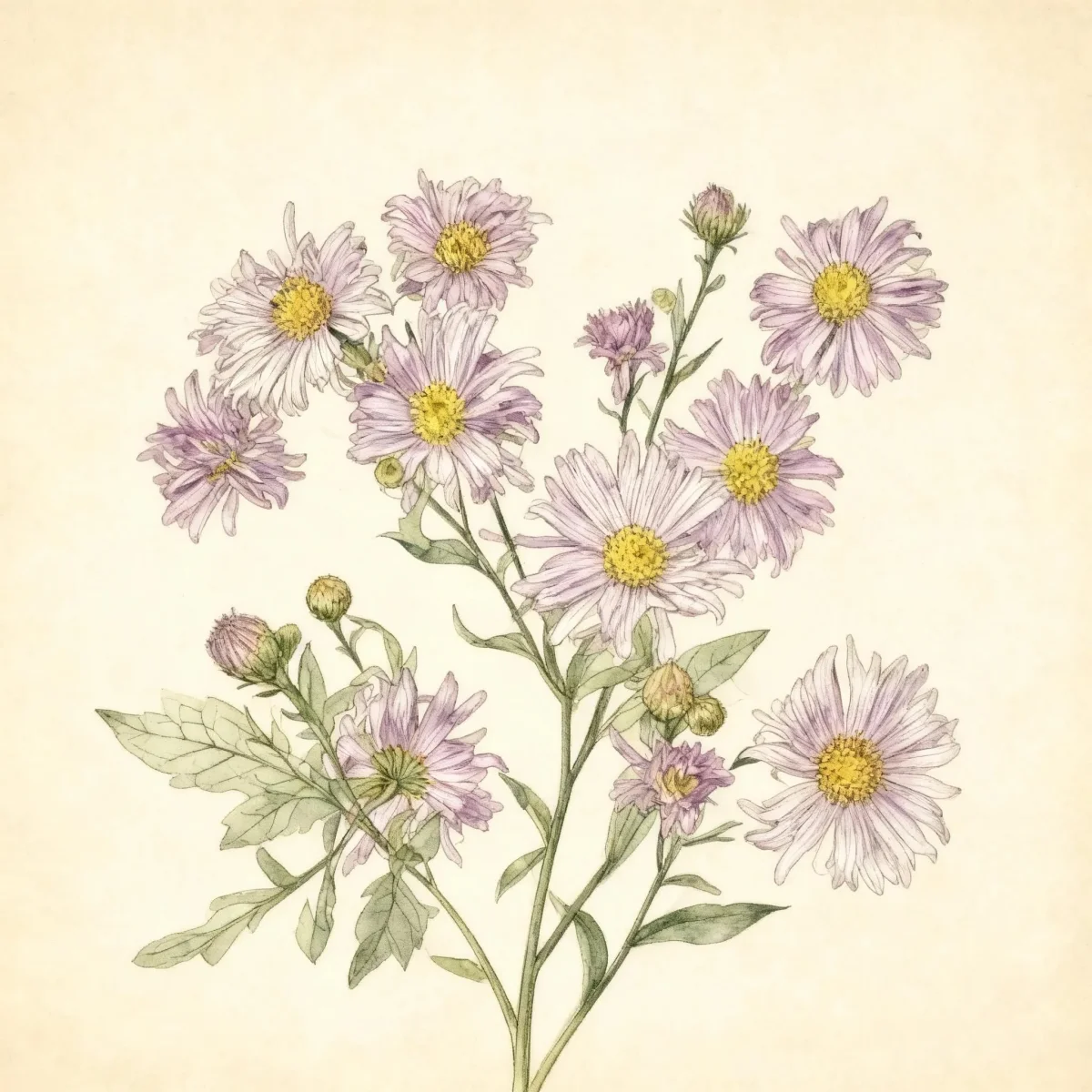
New England aster (Symphyotrichum novae-angliae KICKIN LAVENDER)
Compact Symphyotrichum novae-angliae KICKIN LAVENDER offers showy lavender blooms late season. This low-maintenance New England aster thrives in full sun.
Scroll down to discover growing tips, care requirements, companion plants, and more
Complete Plant Information
Overview
The Symphyotrichum novae-angliae KICKIN LAVENDER is a highly valued cultivar of the New England aster, celebrated for bringing vibrant color into the garden as summer fades. This exceptional perennial creates dense, bushy mounds covered in soft lavender blooms, making it a cornerstone for late-season interest. Its compact size and prolific flowering habit distinguish it from taller wilder asters.
As a robust herbaceous perennial, this variety offers low maintenance combined with significant visual impact, attracting pollinators when many other plants have finished blooming. Gardeners appreciate the reliability and rich color display provided by Symphyotrichum novae-angliae KICKIN LAVENDER in the autumn perennial border.
This New England aster selection provides excellent structure and texture, ensuring the garden remains lively through September. It is an ideal specimen for gardeners seeking long-lasting autumnal color without demanding specialized care or constant support.
Fast Facts
- Plant Family: Asteraceae
- Plant Type: Herbaceous perennial
- Hardiness Zones: USDA Zones 4-8
- Size at Maturity:
- Height: 1.5-2 ft
- Spread: 1.5-2 ft
- Bloom Time: August to September
- Bloom Description: Lavender
- Sun Exposure: Full sun
- Water Needs: Medium
- Maintenance Level: Low
How to Grow
Successful planting of Symphyotrichum novae-angliae KICKIN LAVENDER begins with site selection. Plant these New England asters in full sun, requiring medium water to maintain healthy growth. They perform best in average, medium, well-drained soil, though they demonstrate tolerance for clay soils.
Routine care involves ensuring good air circulation around the foliage to mitigate the risk of powdery mildew. Unlike traditional New England asters, the compact KICKIN SERIES cultivars generally do not require pinching to control height. However, if you desire an exceptionally short plant, occasional pinching before mid-July can promote bushiness, though this will slightly delay the magnificent lavender bloom.
Water needs are moderate; aim for consistently moist, rich soil, especially during dry spells in mid-summer. Since these are patented cultivars, they cannot be reliably grown from seed and should be sourced as established plants to ensure they come true to type.
Landscape Uses
The manageable size of Symphyotrichum novae-angliae KICKIN LAVENDER (typically 18-22 inches tall) makes it incredibly versatile for landscape design. It serves perfectly as an edging plant or along the front of perennial borders where taller specimens might obscure shorter neighbors. These asters look excellent massed together, creating large drifts of lavender color that serve as a backdrop for summer bloomers.
Beyond traditional borders, this New England aster excels in naturalized settings, meadows, or native wildflower gardens, providing essential late-season nectar. Their presence in rain gardens is also beneficial due to their preference for moist soil conditions. Furthermore, their bushy habit makes the KICKIN LAVENDER series an excellent, colorful choice for larger containers.
Flowers from this variety are also high quality for cutting, adding that final burst of late summer color to indoor arrangements. Butterflies flock to the profuse blooms of this hardy aster during its extended flowering period.
Standout Features
Flower Qualities
- Showy
- Good Cut
Noteworthy Characteristics
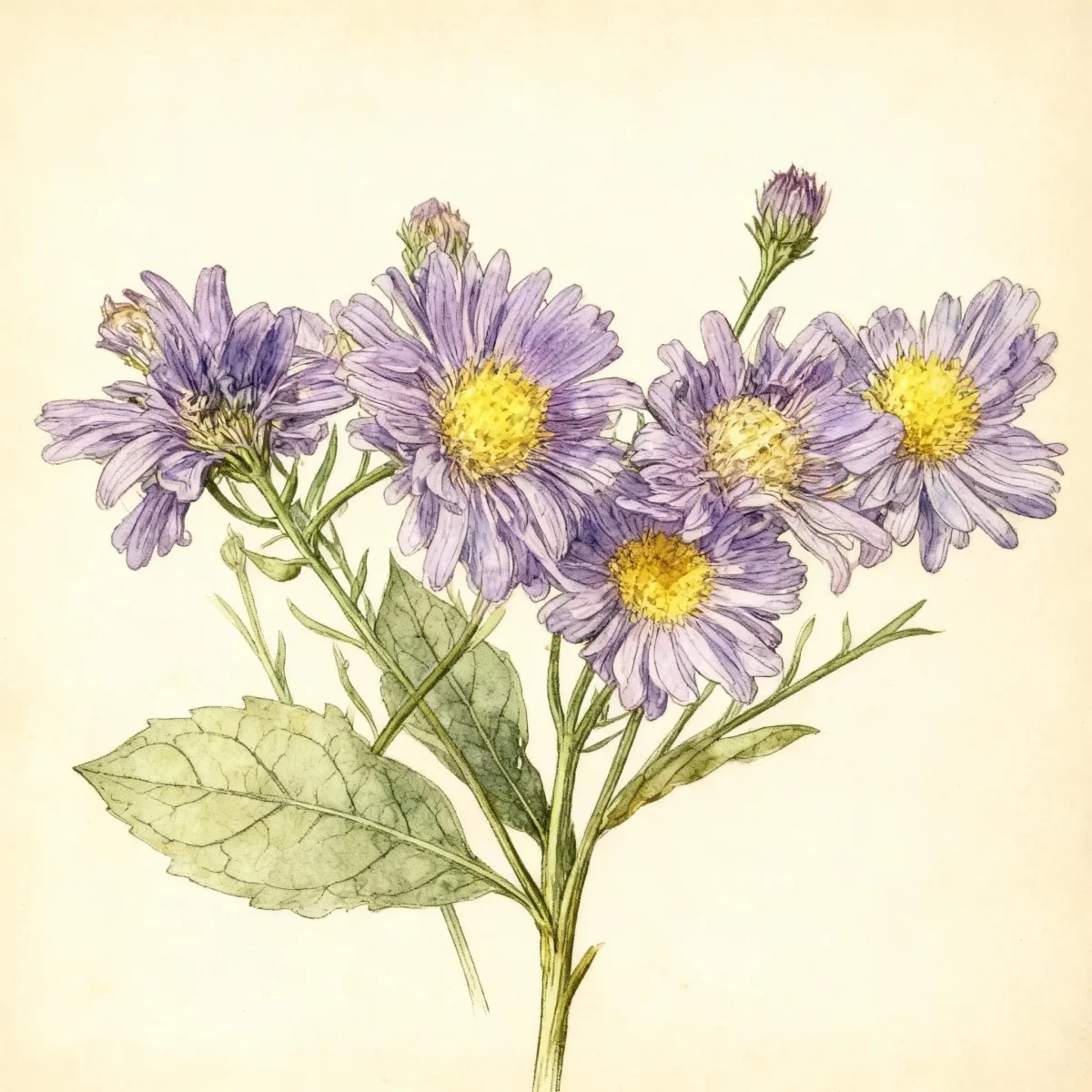
The genus Symphyotrichum, known commonly as New England aster, features stout, hairy plants generally reaching 3-6 feet in height in their wild form. KICKIN SERIES asters, including KICKIN LAVENDER, were specifically bred to be compact, usually topping out around 18-24 inches, producing a profusion of foliage-covering, semi-double flowers. KICKIN LAVENDER is distinguished by its soft lavender rays surrounding a bright gold button eye, blooming reliably from late summer into fall.
Tolerances
- Clay Soil
Potential Problems
The primary ailment to watch for is powdery mildew, which thrives in humid conditions with poor air movement. Plant spacing wider than necessary or growing in deeply shaded areas exacerbates this issue; ensuring good air circulation helps prevent outbreaks. Aster wilt is another concern, particularly when this New England aster is grown in soil that remains waterlogged or poorly drained. While older, taller asters often required staking, the compact habit of Symphyotrichum novae-angliae KICKIN LAVENDER generally negates the need for structural support.
Frequently Asked Questions
What hardiness zones is Symphyotrichum novae-angliae KICKIN LAVENDER suitable for?
This New England aster is reliably hardy across USDA Zones 4 through 8.
How large does Symphyotrichum novae-angliae KICKIN LAVENDER grow?
This compact cultivar typically reaches a height between 1.5 and 2 feet with a resulting spread of 1.5 to 2 feet.
When does the New England aster bloom?
Symphyotrichum novae-angliae KICKIN LAVENDER provides color from August extending through September, showcasing beautiful lavender blooms.
What sun exposure does Symphyotrichum novae-angliae KICKIN LAVENDER need?
For the best performance and disease resistance, this plant requires full sun exposure.
Conclusion
Symphyotrichum novae-angliae KICKIN LAVENDER offers gardeners a dependable, compact splash of lavender color precisely when the garden needs it most. Its low maintenance profile and superb late-season display make this New England aster a must-have finale for the perennial border. Ensure you select a sunny site and check your local zone compatibility before planting this robust specimen this fall.
Companion Planting
Selecting appropriate neighbors is key to maximizing the aesthetic value of your New England aster planting. Because Symphyotrichum novae-angliae KICKIN LAVENDER thrives in full sun and medium moisture, pair it with plants that share similar needs and bloom earlier or later. Consider pairing these late-season asters with Sedum ‘Autumn Joy’ or various ornamental grasses, which provide strong vertical contrast as the aster bursts into color. Goldenrod cultivars that are relatively disease-free also make excellent, naturalistic partners in a meadow setting.
Seasonal Care Calendar
Spring care focuses on cutting back old growth once new shoots begin to emerge, which can be done relatively early for this low-growing cultivar. Throughout the summer, monitor moisture levels, ensuring the soil remains consistently medium; heavy watering is rarely needed unless a dry spell occurs. Deadheading is generally not necessary for Symphyotrichum novae-angliae KICKIN LAVENDER; its main cultural requirement is ensuring adequate spacing in the fall to allow drying breezes to move through the foliage, minimizing mildew risk heading into the bloom season.