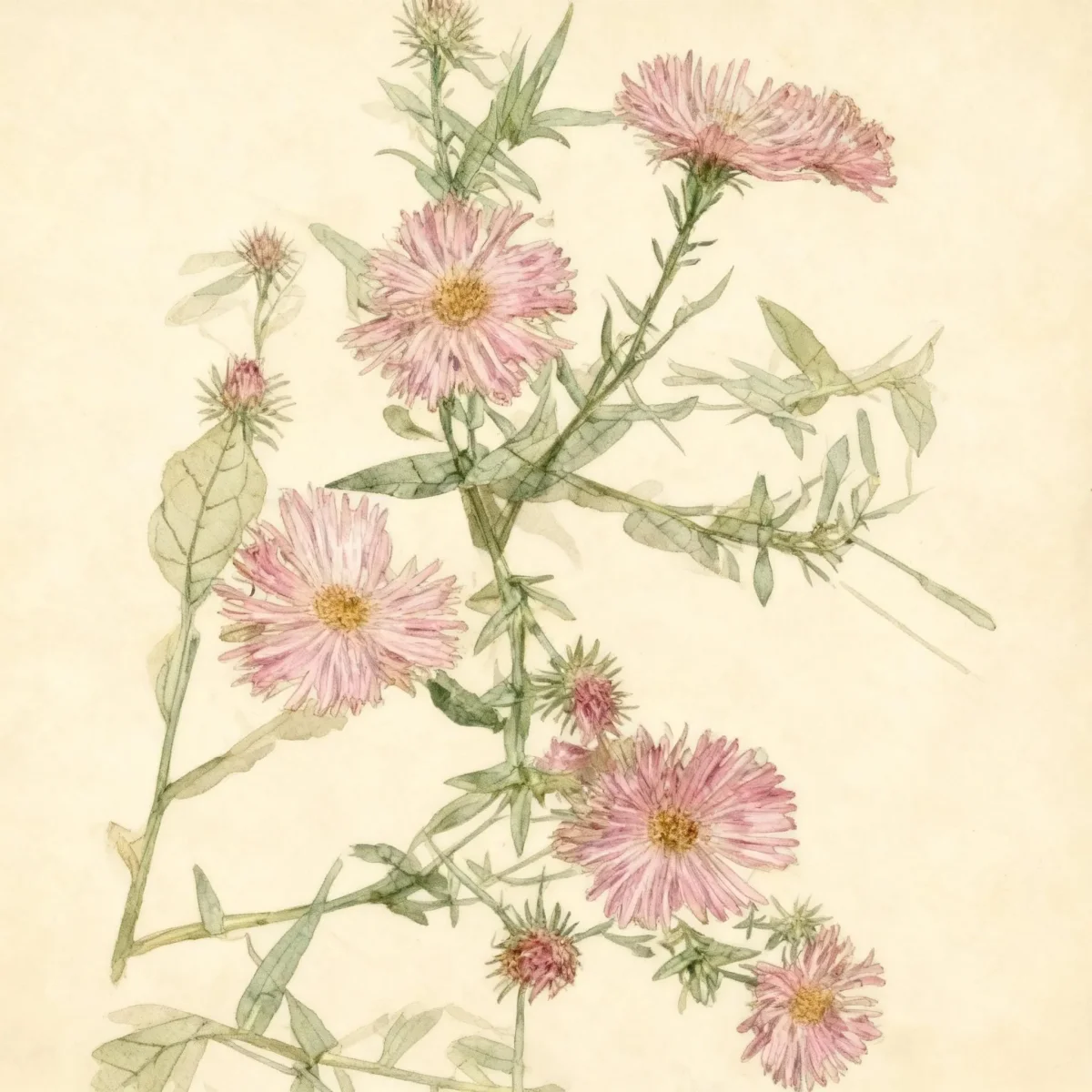
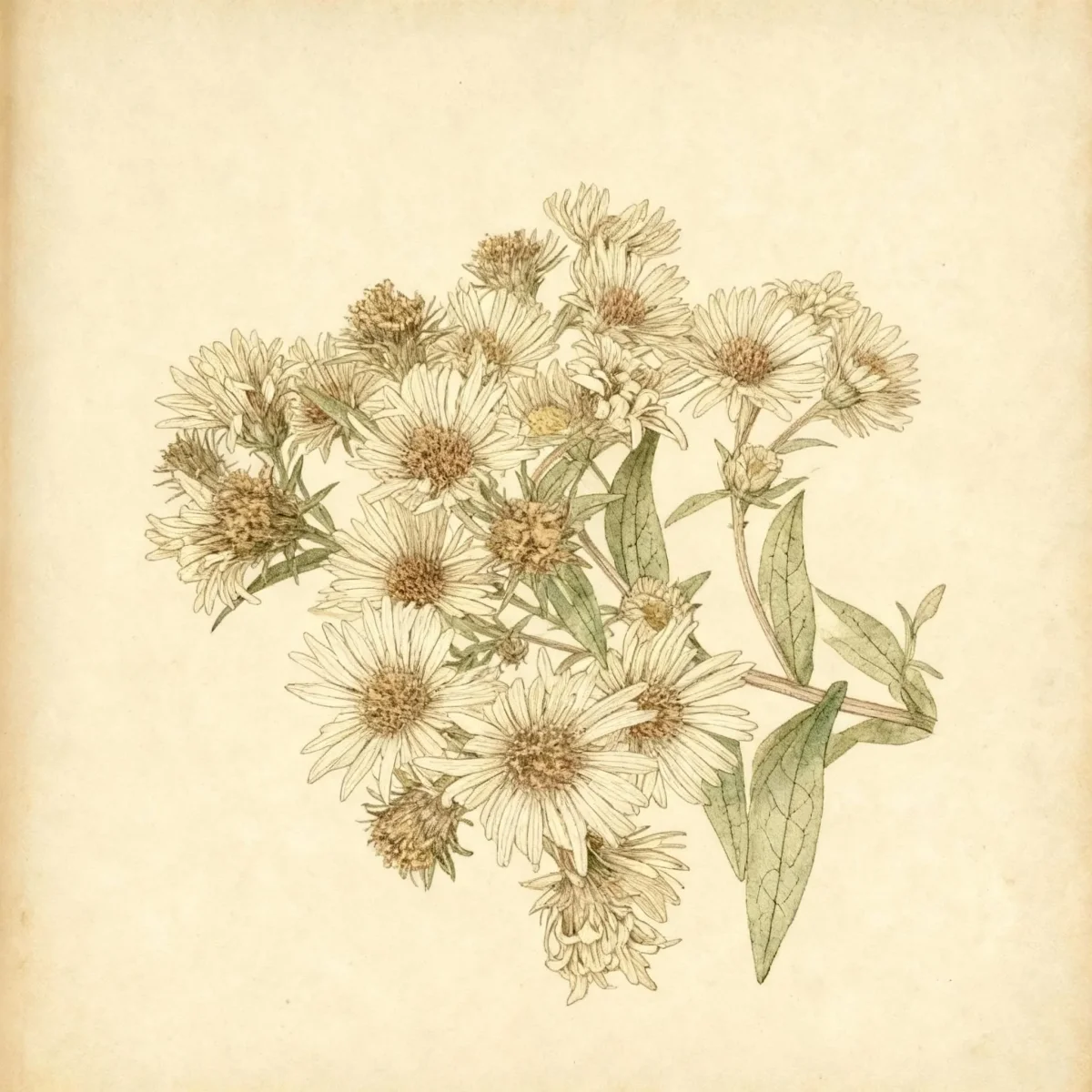
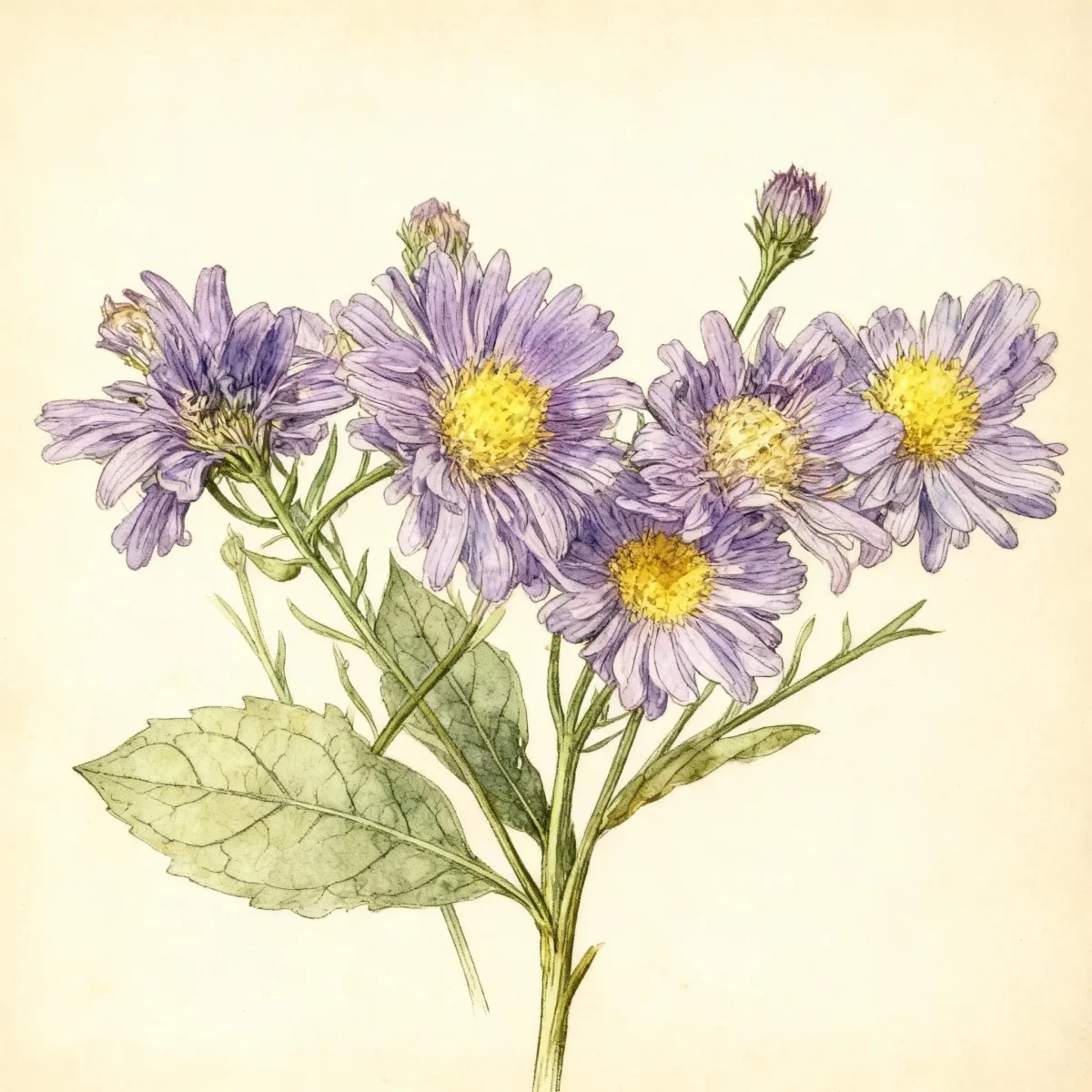
New England aster (Symphyotrichum novae-angliae KICKIN PINK CHIFFON)
Symphyotrichum novae-angliae KICKIN PINK CHIFFON is a compact New England aster offering low-maintenance, showy pastel pink blooms from late summer into fall.
Scroll down to discover growing tips, care requirements, companion plants, and more
Complete Plant Information
Overview
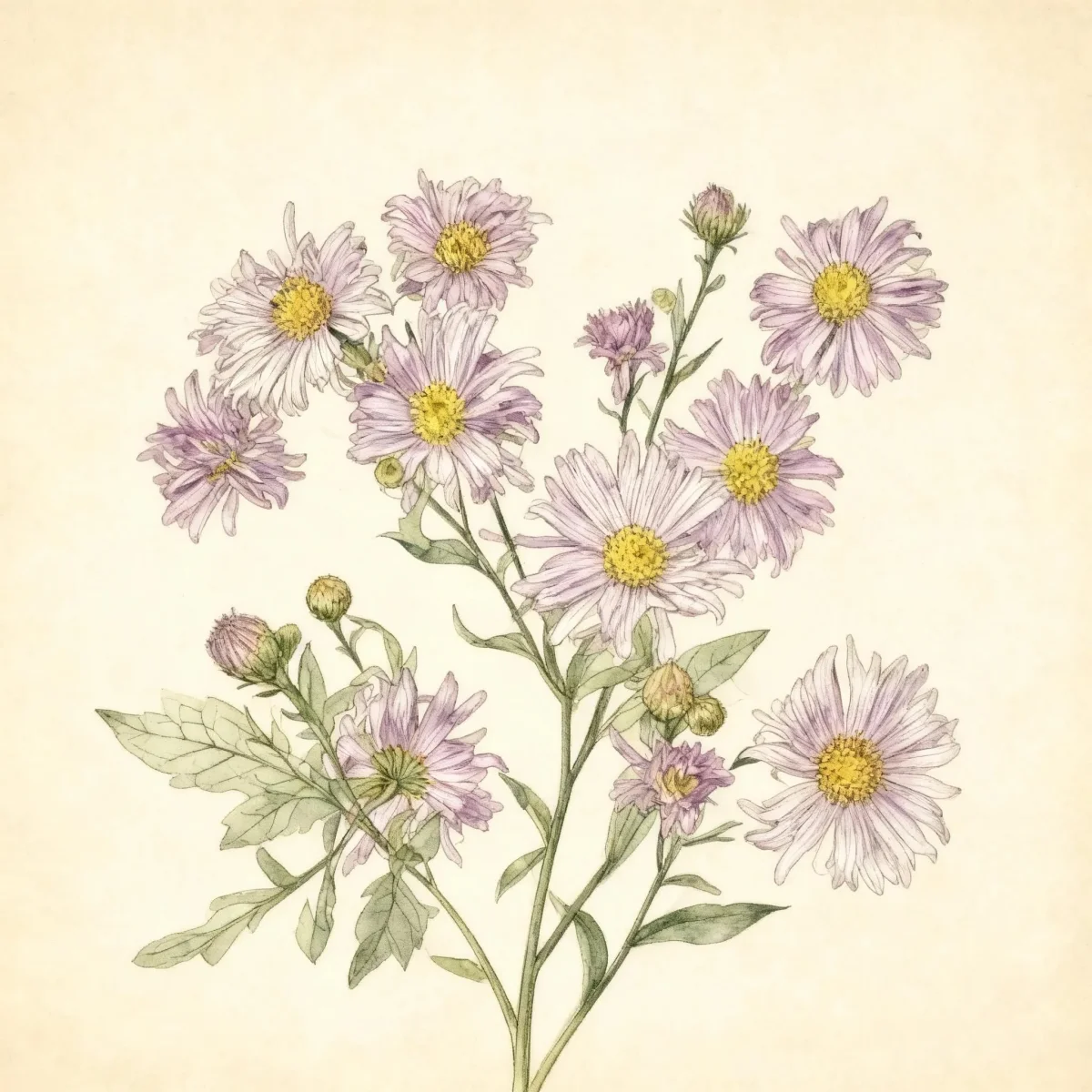
The Symphyotrichum novae-angliae KICKIN PINK CHIFFON brings reliable, vibrant color to the garden when summer fades, extending the perennial display well into early fall. As a cultivar of the well-loved New England aster, it maintains the pollinator appeal of its parent species but in a more managed, compact form ideal for modern landscapes. This variety is prized for its bushy habit and profuse, foliage-covering, semi-double flowers.
This particular New England aster cultivar resists the towering height often associated with its parent species, typically reaching only 15 to 18 inches tall. Offering stunning visual impact with its pastel pink flowers and gold button eye, Symphyotrichum novae-angliae KICKIN PINK CHIFFON provides low-maintenance beauty and exceptional late-season interest. Its robust nature ensures it looks tidy without demanding constant attention.
Gardeners seeking late-season structure and reliable bloom will value this aster. It thrives in full sun and offers excellent color contrast in mixed borders or naturalized settings. The Symphyotrichum novae-angliae KICKIN PINK CHIFFON stands out as a compact powerhouse, minimizing necessary staking while maximizing butterfly attraction.
Fast Facts
- Plant Family: Asteraceae
- Plant Type: Herbaceous perennial
- Hardiness Zones: USDA Zones 4-8
- Size at Maturity:
- Height: 1-1.5 ft
- Spread: 1-1.5 ft
- Bloom Time: August to September
- Bloom Description: Pastel pink
- Sun Exposure: Full sun
- Water Needs: Medium
- Maintenance Level: Low
How to Grow
For optimal performance, plant this New England aster in spring or early fall when conditions allow for root establishment. Symphyotrichum novae-angliae KICKIN PINK CHIFFON requires full sun, meaning at least six hours of direct light daily, to ensure the densest bloom and minimize disease issues. While it tolerates average, medium soils, it performs best in moist, rich, well-drained conditions.
Water regularly, especially during dry spells, maintaining a medium moisture level without creating waterlogged conditions. Good air circulation is crucial for preventing common foliar diseases like powdery mildew. Fertilization is generally unnecessary if the soil is moderately rich; excessive nitrogen can lead to floppy growth.
Unlike older, taller asters, the compact KICKIN SERIES cultivars generally do not require pinching to control height. If you desire an exceptionally short stature, you may lightly pinch stems before mid-July, but this will delay the onset of the beautiful bloom display. Since these specialized cultivars will not come true from seed, propagation relies on vegetative methods.
Landscape Uses
The low-growing habit of Symphyotrichum novae-angliae KICKIN PINK CHIFFON makes it an excellent choice for the front of a fall perennial border, adding a dense splash of pastel pink contrast against darker foliage or taller structures. It naturally lends itself to mass plantings, creating sweeping drifts that are highly effective in meadow settings or native wildflower gardens.
Beyond traditional borders, this variety is highly effective in rain gardens due to its medium water needs and tolerance for heavier soils. Furthermore, its compact size makes the New England aster suitable for large containers, providing season-long color before winter arrives. Plant it alongside late-blooming sedums or ornamental grasses for dynamic textural contrast.
These asters are magnificent sources of late-season nectar, making them a favorite in butterfly gardens. Their structure is strong, preventing the sprawling look that plagues some fall bloomers, ensuring clean autumnal aesthetics.
Standout Features
Flower Qualities
- Showy
- Good Cut
Noteworthy Characteristics
The standard, taller form of Symphyotrichum novae-angliae is native to moist prairies and streamsides throughout the Midwest, featuring stout stems and hairy foliage. However, the KICKIN SERIES, including Symphyotrichum novae-angliae KICKIN PINK CHIFFON, was specifically bred to be compact, growing only 18-24 inches high, generating a dense coverage of semi-double flowers from late summer until frost. These specialized cultivars showcase pastel pink flowers with a distinct gold button eye, offering manageable beauty for any garden space.
Tolerances
- Clay Soil
Potential Problems
The primary ailment affecting asters is powdery mildew, visible as a white, dusty coating on the leaves, especially when air circulation is poor or humidity is high. To mitigate this, ensure adequate spacing between plants when planting the New England aster. Aster wilt presents a more serious, soil-borne threat, often exacerbated by overly wet or poorly-drained clay soils.
If powdery mildew strikes, judicious pruning to open up the center of the plant can help dry foliage faster, though chemical controls may sometimes be necessary for severe infections. Because the compact KICKIN SERIES cultivars are shorter, they typically do not suffer from the flopping issues that plague taller varieties, often negating the need for staking altogether.
Frequently Asked Questions
What hardiness zones is New England aster suitable for?
The Symphyotrichum novae-angliae KICKIN PINK CHIFFON is hardy across USDA Zones 4 through 8, making it a reliable perennial investment for many regions.
How large does Symphyotrichum novae-angliae KICKIN PINK CHIFFON grow?
This compact cultivar typically reaches a height between 1 and 1.5 feet, with a relatively equal spread of 1 to 1.5 feet.
When does New England aster bloom?
This New England aster variety provides consistent color from August straight through September, displaying beautiful pastel pink florets.
What sun exposure does Symphyotrichum novae-angliae KICKIN PINK CHIFFON need?
For the best flowering display and healthiest structure, this plant must be sited in a location receiving full sun exposure.
Conclusion
The Symphyotrichum novae-angliae KICKIN PINK CHIFFON is an exceptional late-season star, delivering the classic beauty of the New England aster in a conveniently compact structure that gardeners can easily place and maintain. Its preference for full sun and tolerance for clay soil make it robust and adaptable. Before planting, confirm your location falls within Zones 4-8 to ensure this gorgeous pastel pink bloomer rewards you year after year.
Companion Planting
Selecting companions carefully can enhance the aesthetic appeal and health of your New England aster planting. Pair this late-bloomer with perennials that finish their show earlier in the summer, allowing the aster to take center stage in the fall. Good companions include ornamental grasses, which share the full sun requirement and provide contrasting texture; look for species like Schizachyrium scoparium (Little Bluestem) or fine-bladed Panicums. Plants that thrive in moist, rich soil, such as Joe Pye Weed (Eutrochium spp.) or certain Rudbeckias, also share favorable cultural needs with Symphyotrichum novae-angliae KICKIN PINK CHIFFON.
Wildlife Benefits
One of the most significant advantages of planting any variety of aster, especially late-season bloomers like Symphyotrichum novae-angliae KICKIN PINK CHIFFON, is the crucial support they offer migratory pollinators. As many summer-blooming perennials fade, asters provide essential nectar sources needed by bees, butterflies, and moths preparing for winter or undertaking long migrations. The relatively open flower structure of this aster makes the nectar easily accessible. Ensuring a mass planting of this New England aster cultivar contributes directly to supporting local pollinator populations during a critical lull in the garden bloom cycle.