Leopard plant (Ligularia 'Bottle Rocket')
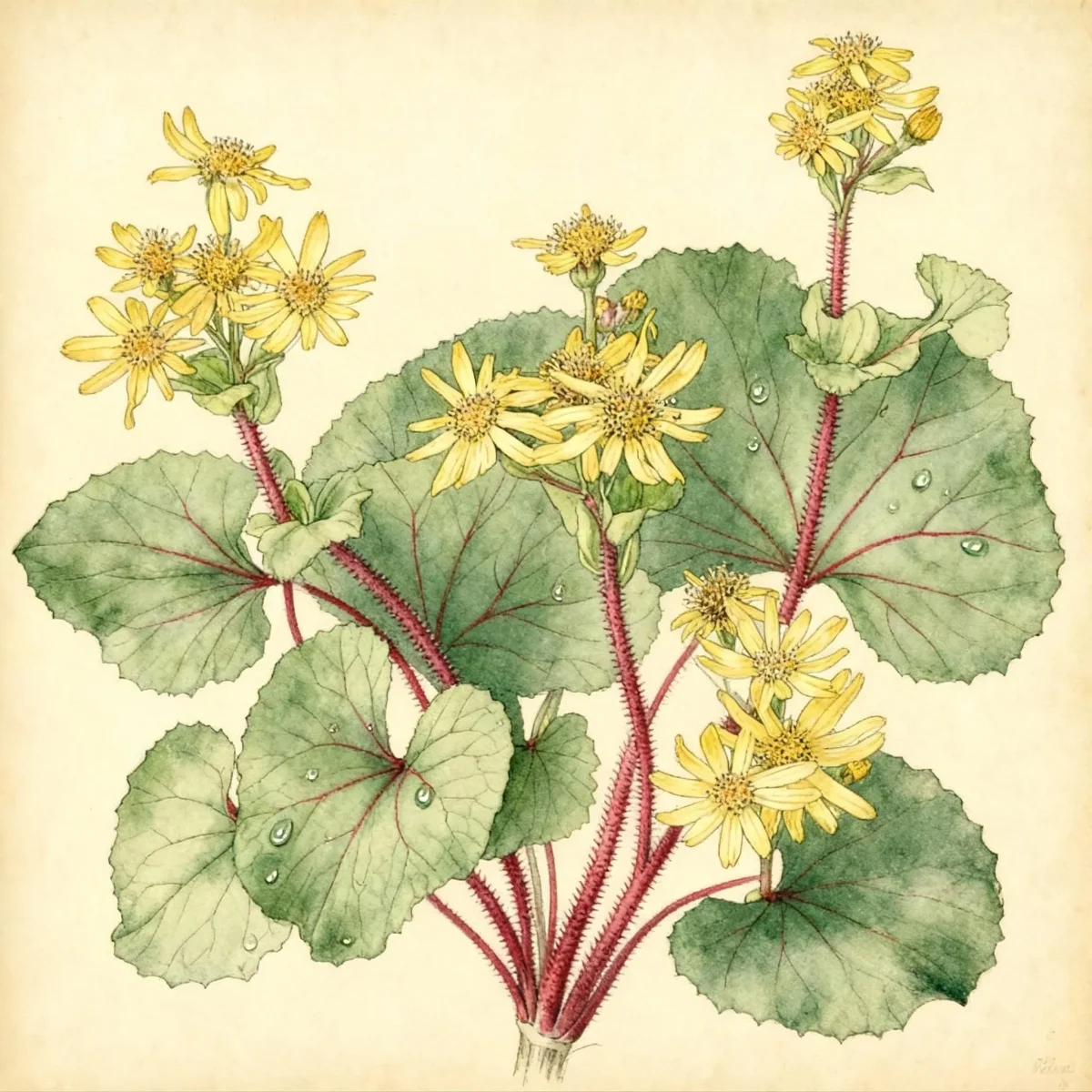
The compact Leopard plant, Ligularia 'Bottle Rocket', delivers golden yellow daisy-like flowers in summer, thriving in shade with constant moisture.
Scroll down to discover growing tips, care requirements, companion plants, and more
Complete Plant Information
Overview
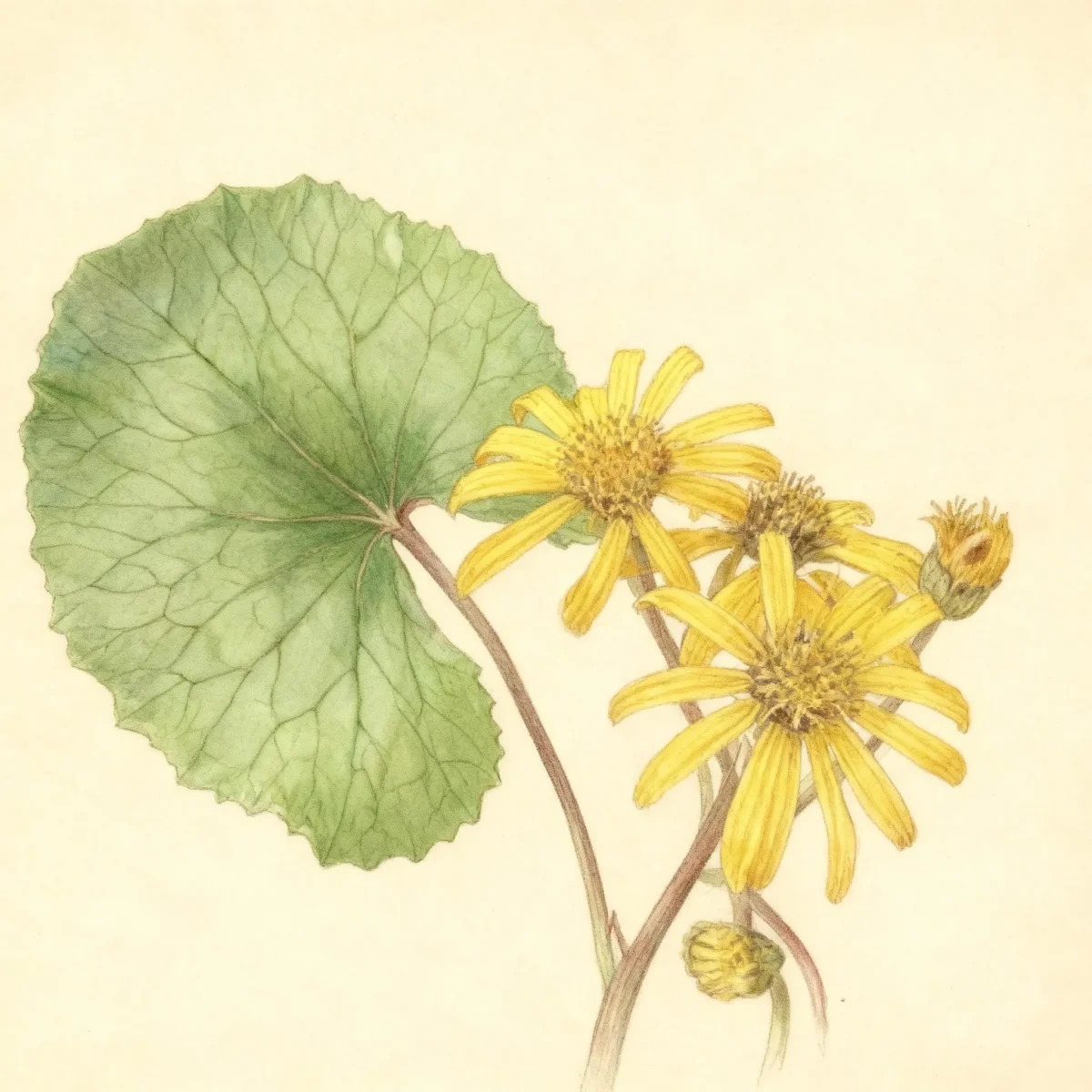
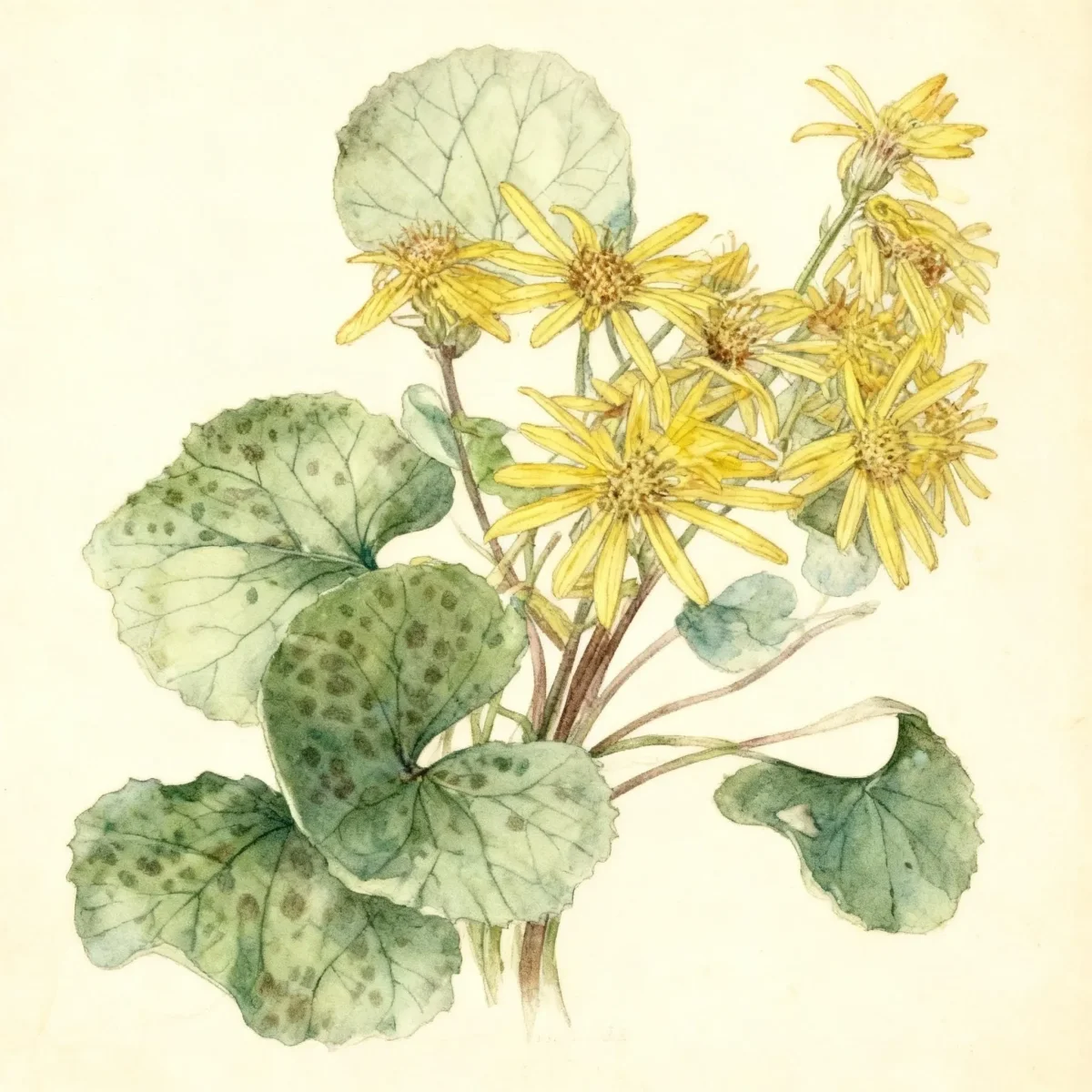
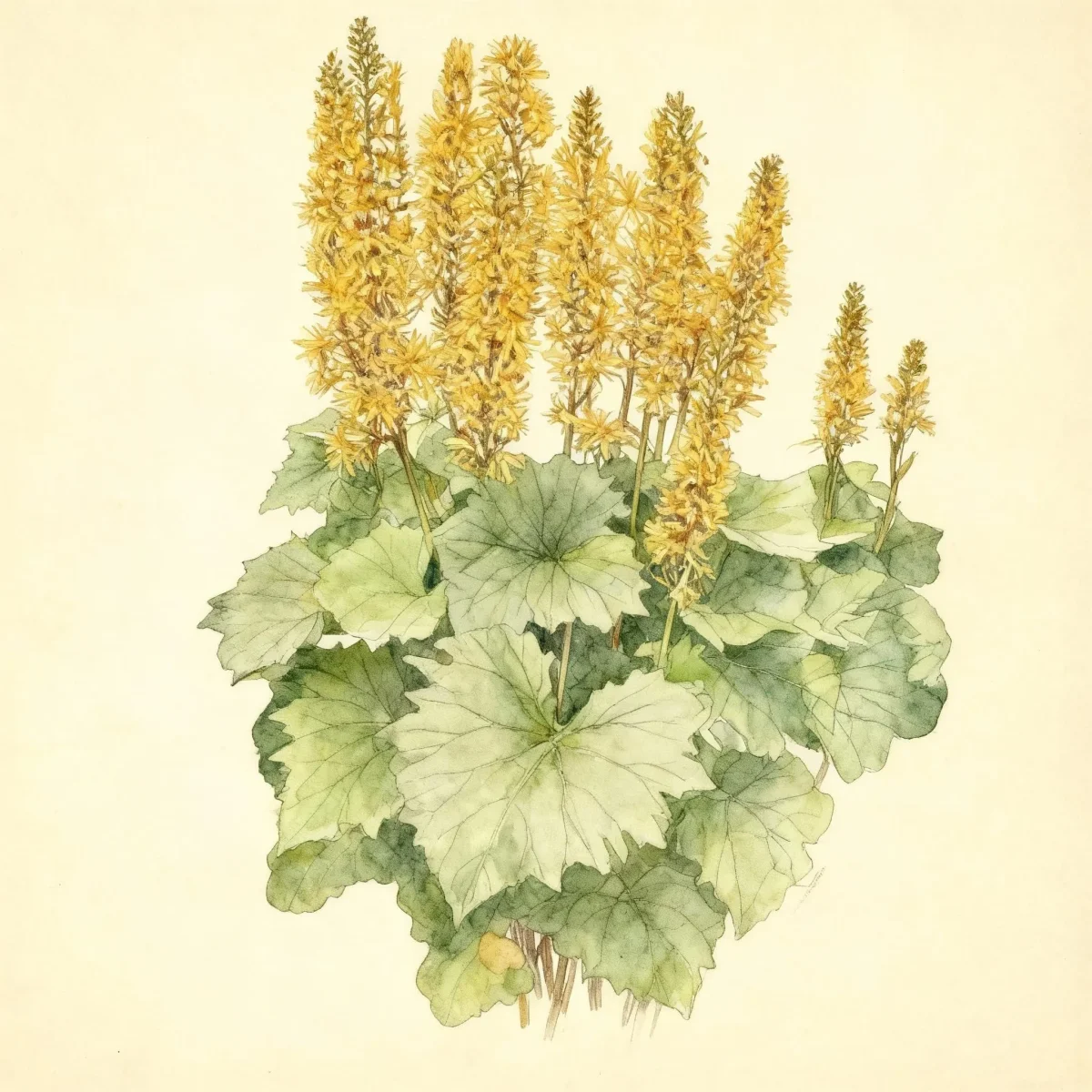
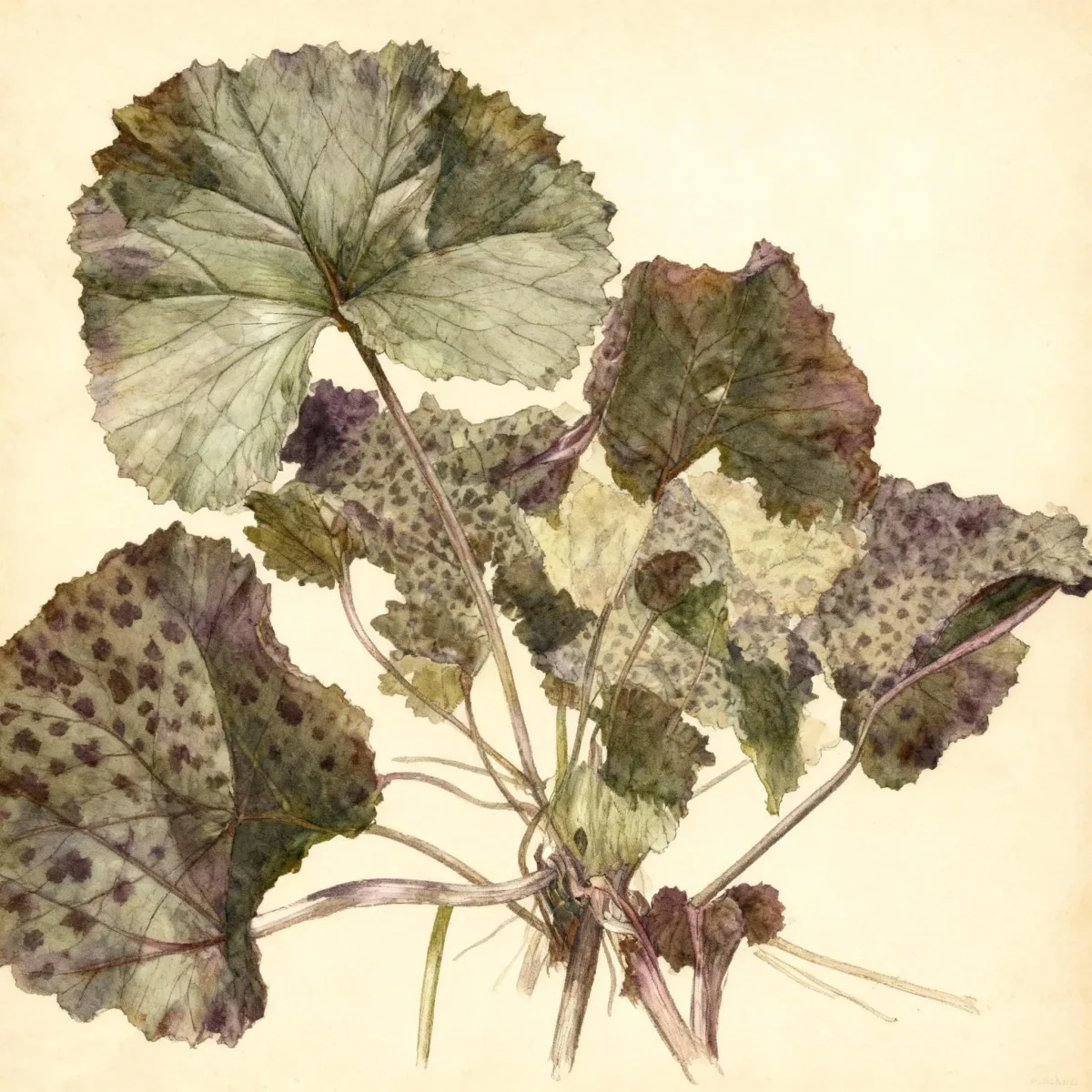
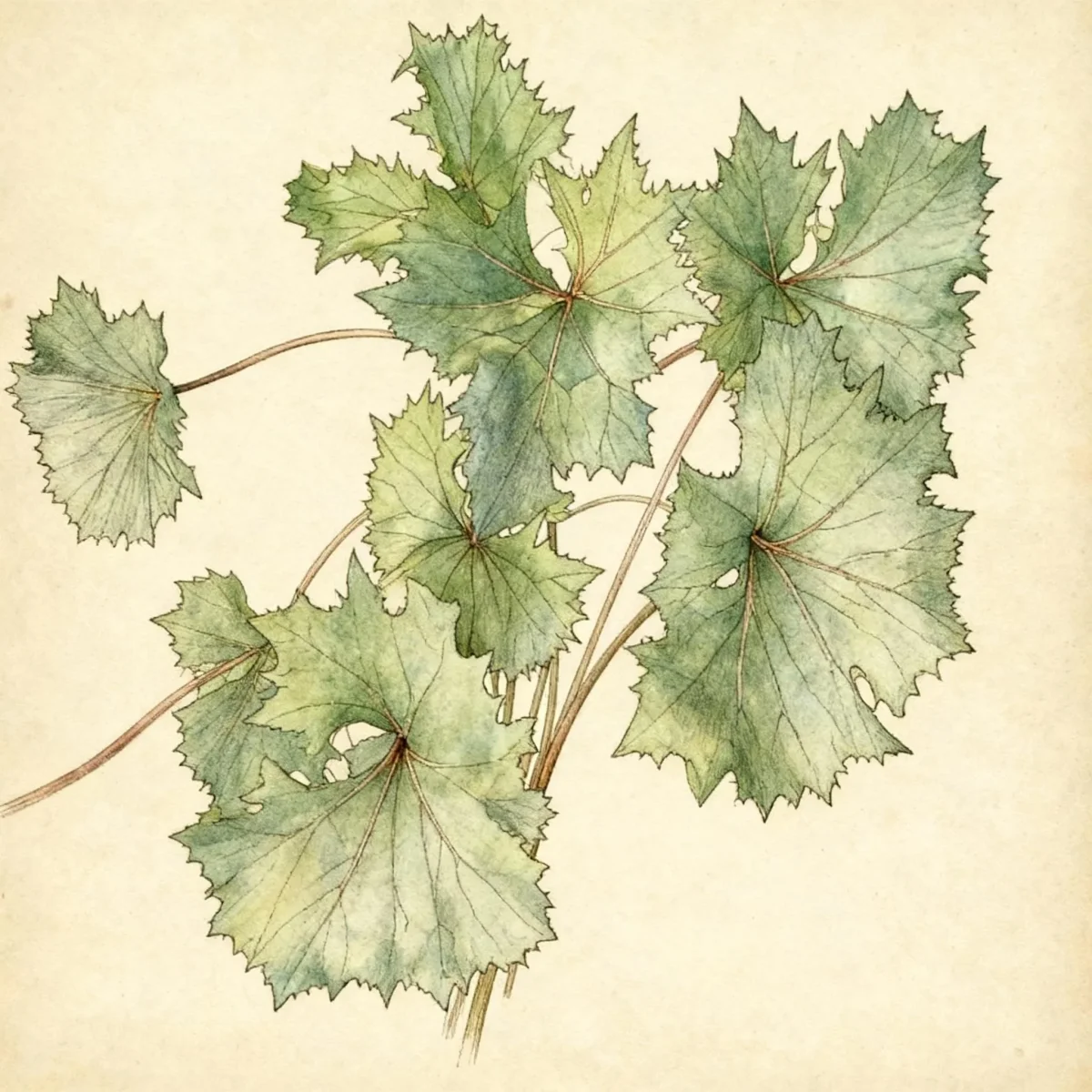
The Leopard plant, specifically the cultivar Ligularia ‘Bottle Rocket’, offers gardeners a reliable burst of summer color perfectly suited for deep shade conditions. This herbaceous perennial is valued for its dense clumps of dark green, large, toothed leaves rising to meet spikes of cheerful golden yellow flowers. Ligularia ‘Bottle Rocket’ is a more compact introduction to the genus, making it highly versatile despite sharing the moisture demands of its larger relatives.
As a specialty shade performer, the Leopard plant thrives where many flowering perennials struggle, provided its soil remains consistently moist. The striking flowers appear from June through July, held above the robust foliage, offering excellent textural contrast in woodland or wet garden settings. Gardeners looking for reliable vertical accent plants in dark corners highly prize Ligularia ‘Bottle Rocket’.
For successful cultivation, site selection is key, as the plant needs shelter from harsh winds and protection from intense afternoon sun, especially in hotter climates. While requiring medium to wet conditions, the stunning aesthetic payoff of the Ligularia ‘Bottle Rocket’ makes the focused moisture management worthwhile.
Fast Facts
- Plant Family: Asteraceae
- Plant Type: Herbaceous perennial
- Hardiness Zones: USDA Zones 4-8
- Size at Maturity:
- Height: 2.5-3 ft
- Spread: 2-2.5 ft
- Bloom Time: June to July
- Bloom Description: Golden yellow
- Sun Exposure: Part shade to full shade
- Water Needs: Medium to wet
- Maintenance Level: Medium
How to Grow
Planting Ligularia ‘Bottle Rocket’ should occur when the danger of hard frost has passed. Choose a location in part shade, ensuring it receives afternoon shade if situated in a region with hot summers. The culture dictates that it must be grown in rich, humusy soils that are kept consistently moist; these soils should never be allowed to dry out completely, especially during hot periods.
Routine care focuses heavily on hydration. Benefits from a regular, deep watering throughout the summer months to combat potential wilting, which often occurs even if moisture seems adequate when temperatures spike. Fertilization is generally unnecessary if the base soil is rich, but a spring top-dressing of compost can help maintain the desired humusy structure.
While Ligularia ‘Bottle Rocket’ is reasonably hardy, site selection is crucial regarding its performance. In shadier spots, flower spikes may lean toward the light source, so position it where ambient light is balanced. Pruning is minimal; deadheading spent flower spikes is optional but can tidy the appearance.
Landscape Uses
The primary appeal of the Leopard plant is its superb performance in wet, shaded environments, making it an excellent choice for rain gardens where runoff can be beneficial. Grouping or mass planting these perennials creates a dramatic, lush texture reminiscent of a woodland floor. They are particularly effective planted along the edges of streams, ponds, or bog gardens where moist conditions are guaranteed.
For the shaded border, Ligularia ‘Bottle Rocket’ serves as an excellent specimen, provided its soil moisture requirements are diligently met. It pairs well visually and culturally with other moisture-loving, shade-tolerant plants such as Hostas, Astilbes, and certain ferns. The vertical nature of the flower spikes contrasts beautifully with the large, often mounding foliage of shade companions.
Standout Features
Flower Qualities
- Showy
Noteworthy Characteristics
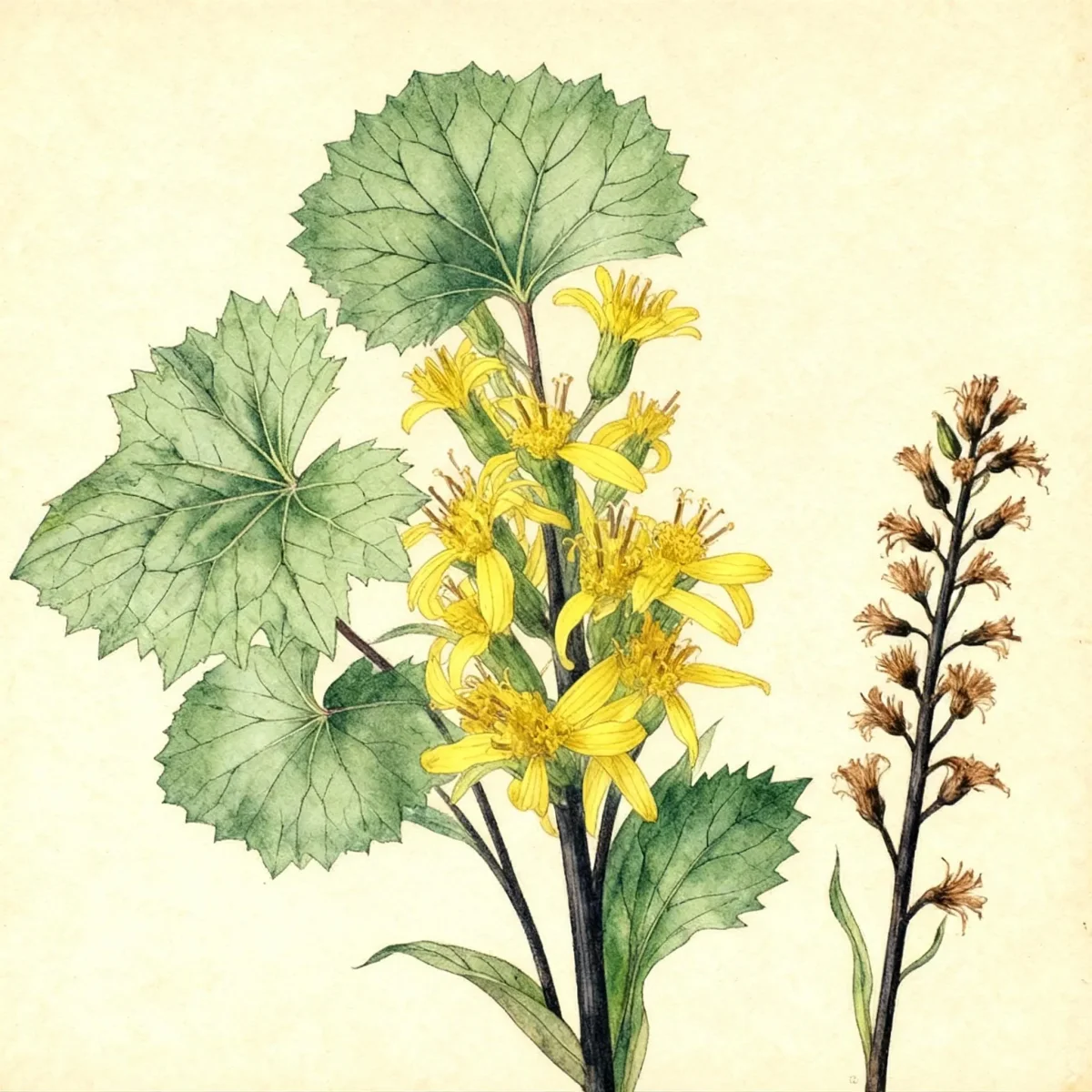
There are about 150 species in the genus, Ligularia, most native to Asia. Ligularias feature basal rosettes of large, often toothed, kidney or heart-shaped leaves topped by daisy-like, yellow to orange flowers held on spikes. ‘Bottle Rocket’ distinguishes itself as a sport of Ligularia ‘Little Rocket’, offering a more compact size (2.5 to 3 ft tall) with dense dark green foliage highlighted by golden yellow flowers carried on distinctively chocolate-colored stems.
Tolerances
- Heavy Shade
- Wet Soil
Potential Problems
The most significant issues gardeners face with the Leopard plant revolve around moisture management and pests. Slugs and snails are notorious adversaries; they can rapidly chew large holes in the foliage, significantly marring the aesthetic appeal of Ligularia ‘Bottle Rocket’. Regular inspection and the application of appropriate pest control measures are necessary deterrents early in the season.
Furthermore, even when soil moisture is adequate, leaf wilting is common during hot summer climates if the plant receives too much direct sun. Minimize this stress by ensuring its location provides consistent afternoon shade or dappled conditions, buffering it from intense heat.
Frequently Asked Questions
What hardiness zones is Leopard plant suitable for?
The Ligularia ‘Bottle Rocket’ is reliably hardy in USDA Zones 4 through 8, making it a suitable choice for many temperate gardens.
How large does Ligularia ‘Bottle Rocket’ grow?
This compact cultivar typically reaches a mature height between 2.5 and 3 feet tall, spreading modestly to 2 or 2.5 feet wide.
What sun exposure does Leopard plant need?
This plant prefers part shade to full shade. Exposure to hot sun, especially in the afternoon, can cause leaf wilting in the summer landscape.
When does Ligularia ‘Bottle Rocket’ bloom?
The Leopard plant blooms reliably across the mid-summer period, specifically from June into July, displaying attractive golden yellow flowers.
Conclusion
Ligularia ‘Bottle Rocket’ provides superb value for shaded garden spaces, delivering bold structure and bright summer color without requiring excessive vertical room. For reliable performance from your Leopard plant, prioritize rich soil and unwavering moisture consistency year-round. Before planting, confirm your site offers the prerequisite shade and water availability necessary for Ligularia ‘Bottle Rocket’ to flourish.
Companion Planting
When designing a space for Ligularia ‘Bottle Rocket’, focus on other plants that thrive in moist, shady conditions to ensure cultural compatibility. Deep purple or blue-flowering plants make striking complements to the golden yellow blooms of the Leopard plant. Consider using tall, moisture-loving Astilbes for contrasting feathery plumes, or broad-leafed Rodgersia for textural variety.
Ferns such as Japanese Painted Fern (Athyrium niponicum) offer fine texture and silvery coloration that brightens shady corners where the dense foliage of Ligularia ‘Bottle Rocket’ resides. For ground cover beneath the main clump, consider moisture-tolerant Moss or Mazus creeping along the damp soil line.
Seasonal Care Calendar
Spring is the optimal time to amend the soil around your Ligularia ‘Bottle Rocket’ with well-rotted compost, ensuring the soil structure is rich and holds moisture effectively. As temperatures rise into early summer, increase vigilance regarding watering; this is the time to establish a routine of deep soaking to prevent summer wilting.
In mid-to-late summer, once blooms fade, you can lightly prune any stems showing significant decline, though major cleanup is not usually required. Fall care involves cutting back the dead foliage after the first hard frost, preparing the clump for winter dormancy.