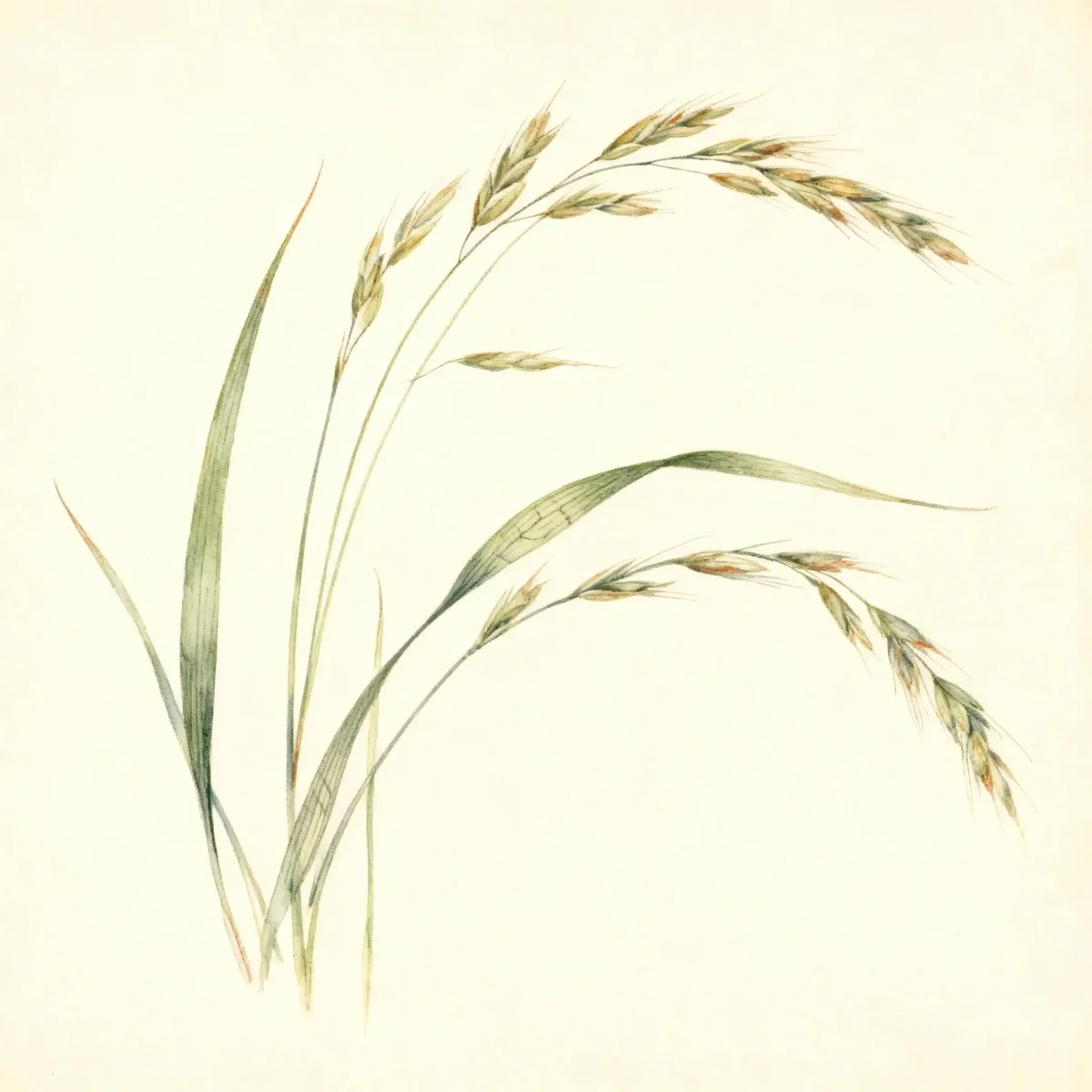
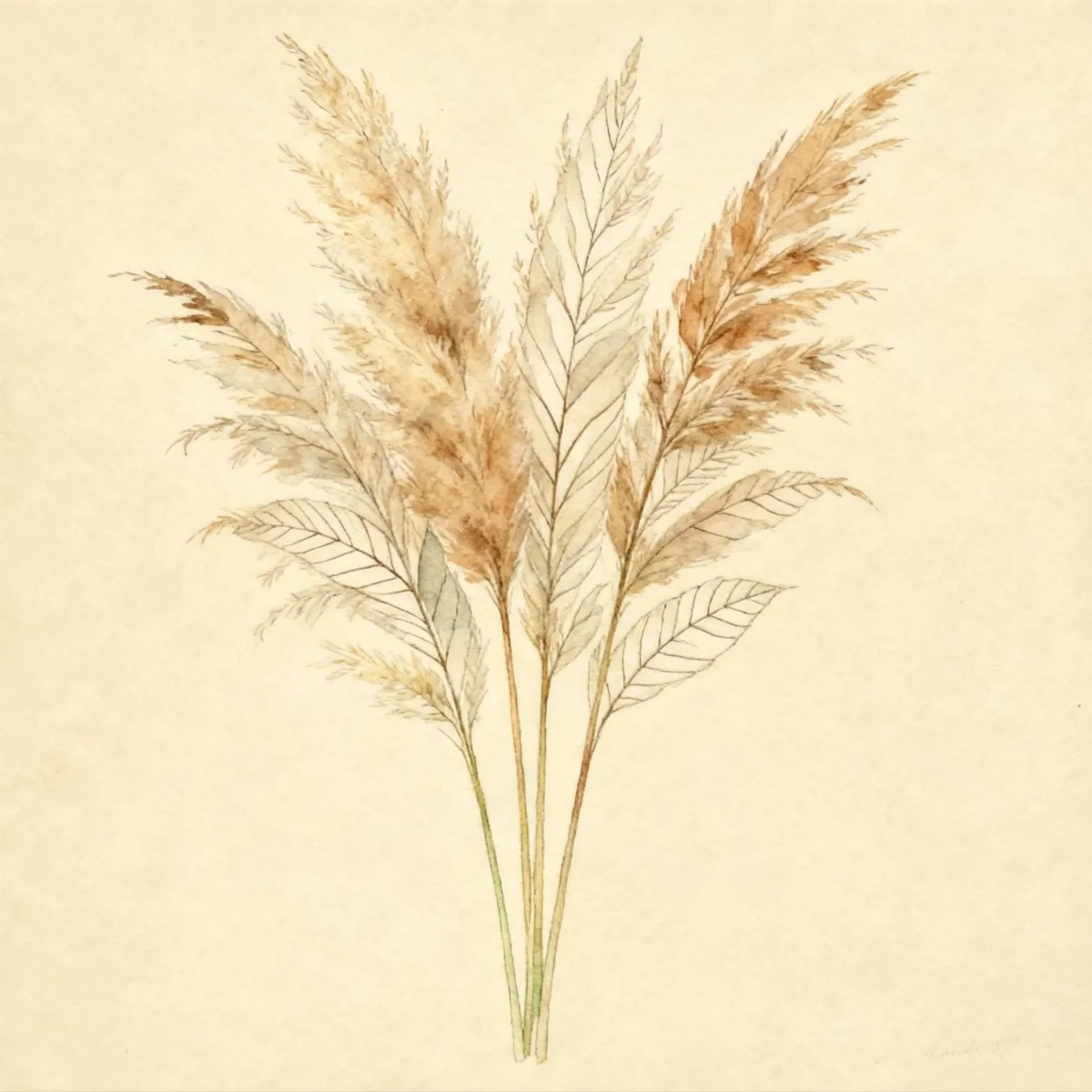
Indian grass (Sorghastrum nutans 'St. Louis')
Sorghastrum nutans 'St. Louis' or Indian grass is a striking, upright perennial with blue-green foliage, offering excellent fall color and winter interest.
Scroll down to discover growing tips, care requirements, companion plants, and more
Complete Plant Information
Overview
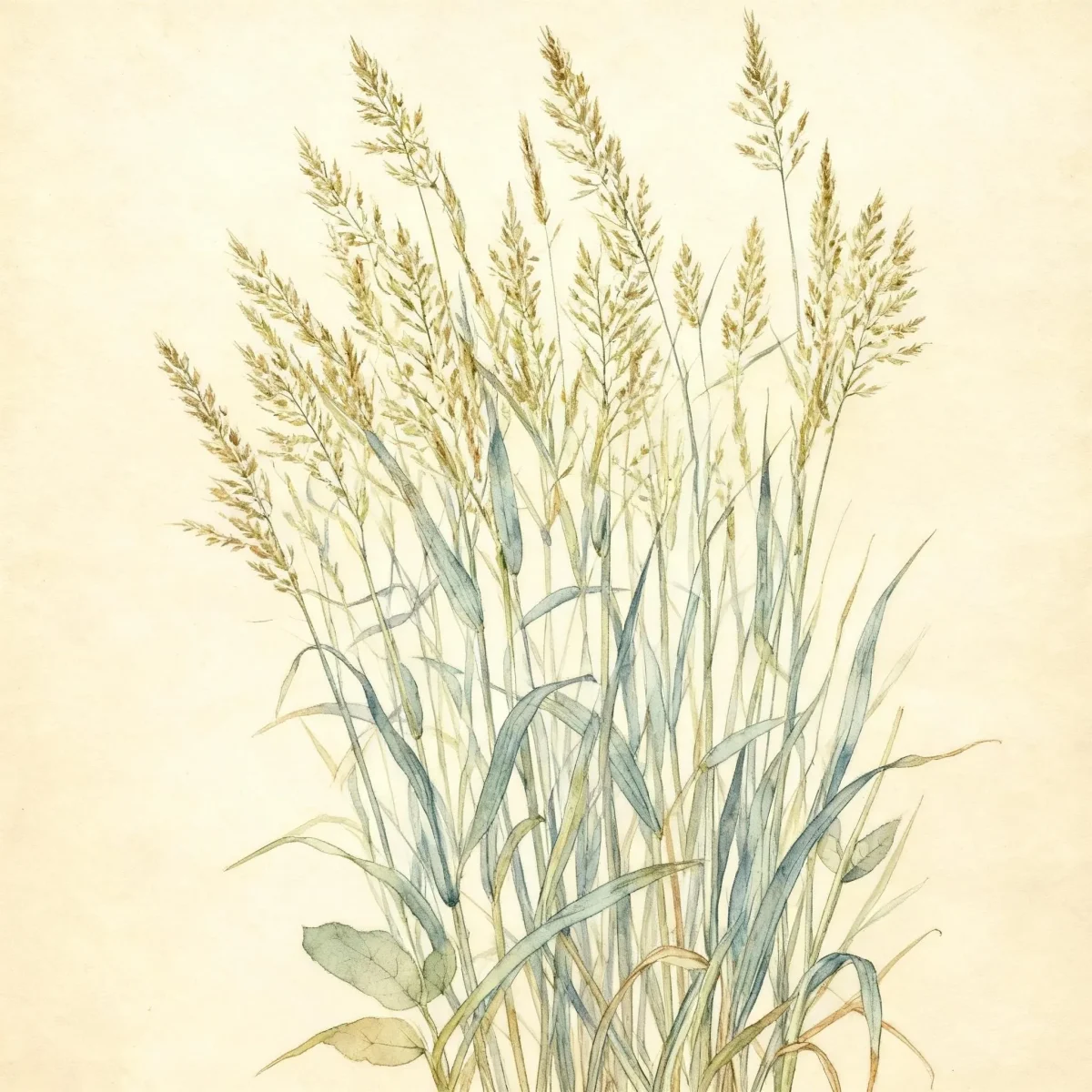
Sorghastrum nutans ‘St. Louis’, commonly known as Indian grass, stands as a magnificent vertical accent in the landscape. This warm-season perennial grass is recognized for its strongly upright habit and distinctive blue-green foliage that transitions beautifully into shades of orange-yellow in autumn. It was specifically selected for retaining enhanced red hues in its stems and foliage, providing dynamic seasonal interest that lasts well into winter.
As a dominant grass of the historic tallgrass prairie, Indian grass offers vital structure and winter texture once most perennials have faded. This cultivar, Sorghastrum nutans ‘St. Louis’, reliably reaches heights between 4 to 6 feet, forming stiff clumps that resist lodging provided they are grown in appropriate conditions. Gardeners value this species for its minimal requirements once established, thriving in challenging soils where other plants might struggle.
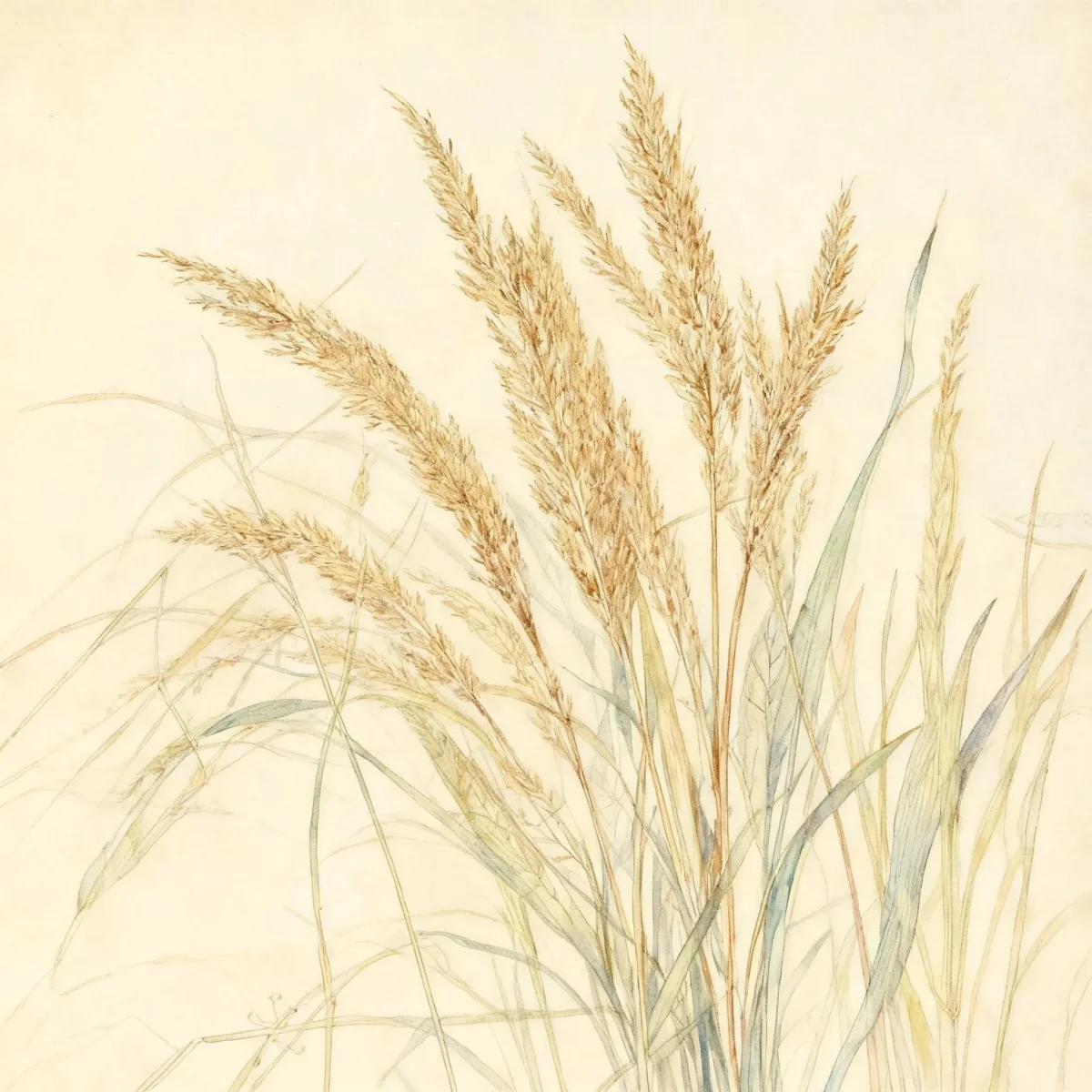
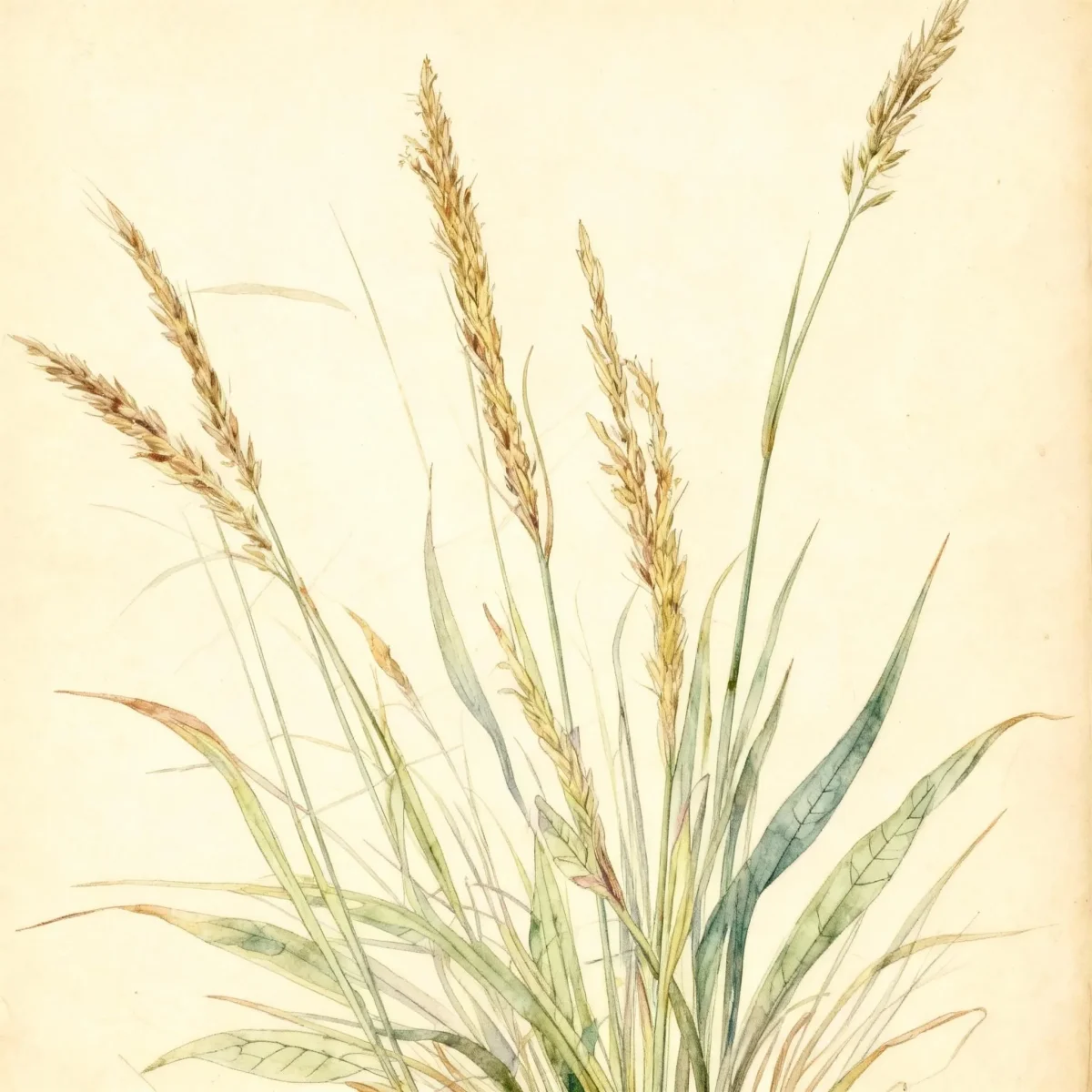
The feathery, light brown flower panicles, appearing from late summer through February, add fine texture above the foliage clump. These persistent seed heads are attractive to birds, blending ecological function with strong architectural form. Incorporating Sorghastrum nutans ‘St. Louis’ into prairie restorations or mixed borders ensures a reliable, low-maintenance screen and powerful vertical element.
Fast Facts
- Plant Family: Poaceae
- Plant Type: Ornamental grass
- Hardiness Zones: USDA Zones 4-9
- Size at Maturity:
- Height: 4-6 ft
- Spread: 2-3 ft
- Bloom Time: September to February
- Bloom Description: Light brown
- Sun Exposure: Full sun
- Water Needs: Dry to medium
- Maintenance Level: Medium
How to Grow
Sorghastrum nutans ‘St. Louis’ thrives when planted in full sun. This ornamental grass prefers average soils that are dry to medium in moisture level and well-drained. A key advantage of Indian grass is its adaptability; it tolerates heavy clays and performs exceptionally well in poor, dry, or infertile soils. Plant during the spring after the danger of frost has passed, ensuring it has room to achieve its mature spread of 2 to 3 feet.
Once established, this grass requires minimal supplemental watering, typically thriving on natural rainfall, although a slightly richer soil or moist condition may cause it to flop or open up in the center. Avoid rich compost or heavy fertilization, as this undermines its intended upright structure. Because it is a warm-season grass, growth will commence later in spring, providing structure when many cool-season plants are finishing their cycle.
Maintenance for this striking grass is straightforward. Cut back the entire clump to the ground during late winter or very early spring, just before new growth begins emerging. This annual pruning prevents accumulated dead foliage from looking messy and makes way for the fresh blue-green blades of the new season for Sorghastrum nutans ‘St. Louis’.
Landscape Uses
Indian grass is highly effective when used to mimic its natural prairie setting. It excels when massed or blended into large landscape compositions such as meadows and naturalized areas, where its upright habit creates excellent sight lines. Its dramatic height makes Sorghastrum nutans ‘St. Louis’ a superb vertical accent plant along borders or near structures that require year-round interest.
Due to its excellent drought tolerance and ability to establish on difficult sites, planting this species on slopes or banks is recommended specifically for erosion control. Consider pairing it with lower-growing, late-blooming perennials or sedges that will hold groundcover interest beneath the towering stems of the grass. When used in smaller garden settings, ensure it is placed toward the back of the border where it won’t shade out shorter companions.
Standout Features
Flower Qualities
- Good Dried
Noteworthy Characteristics
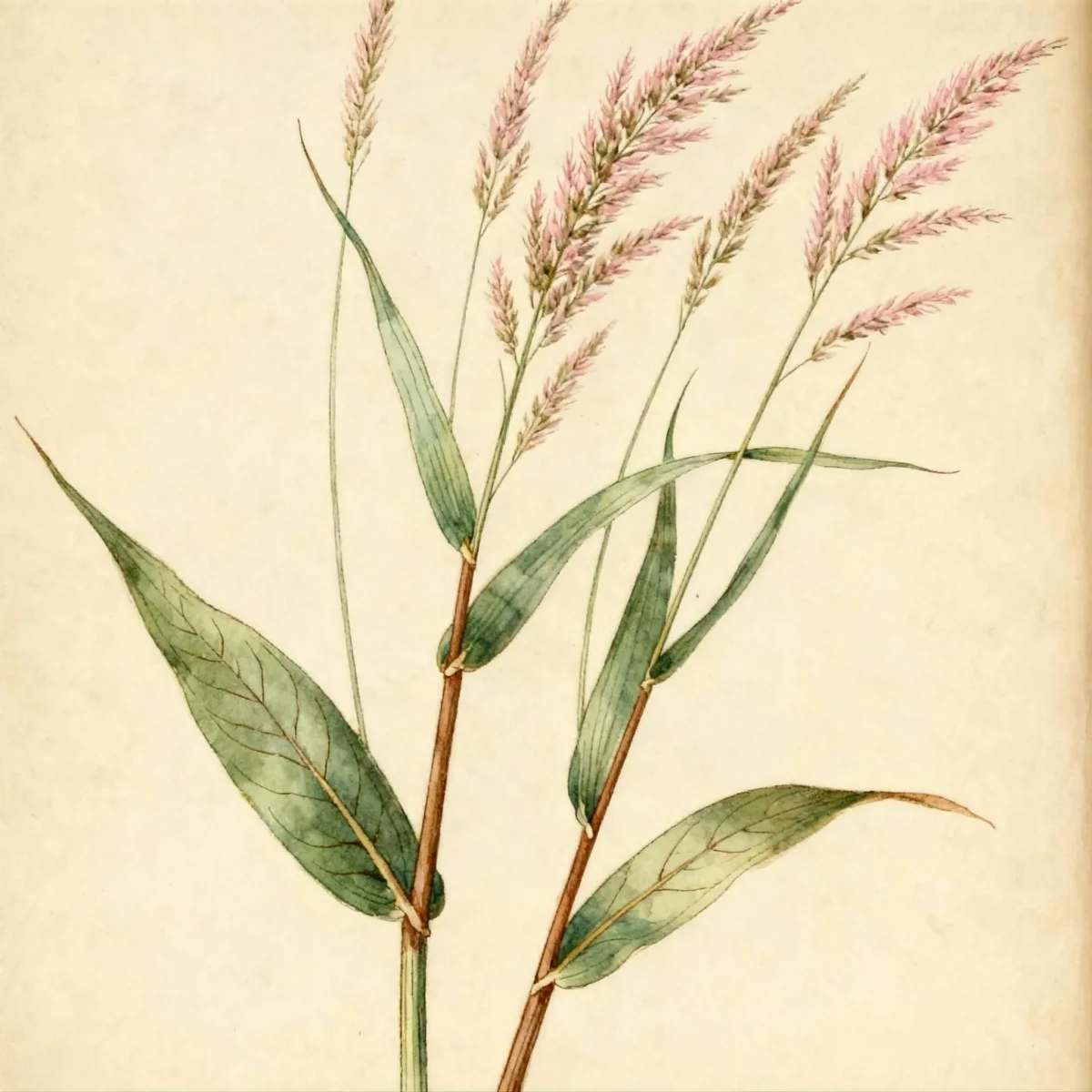
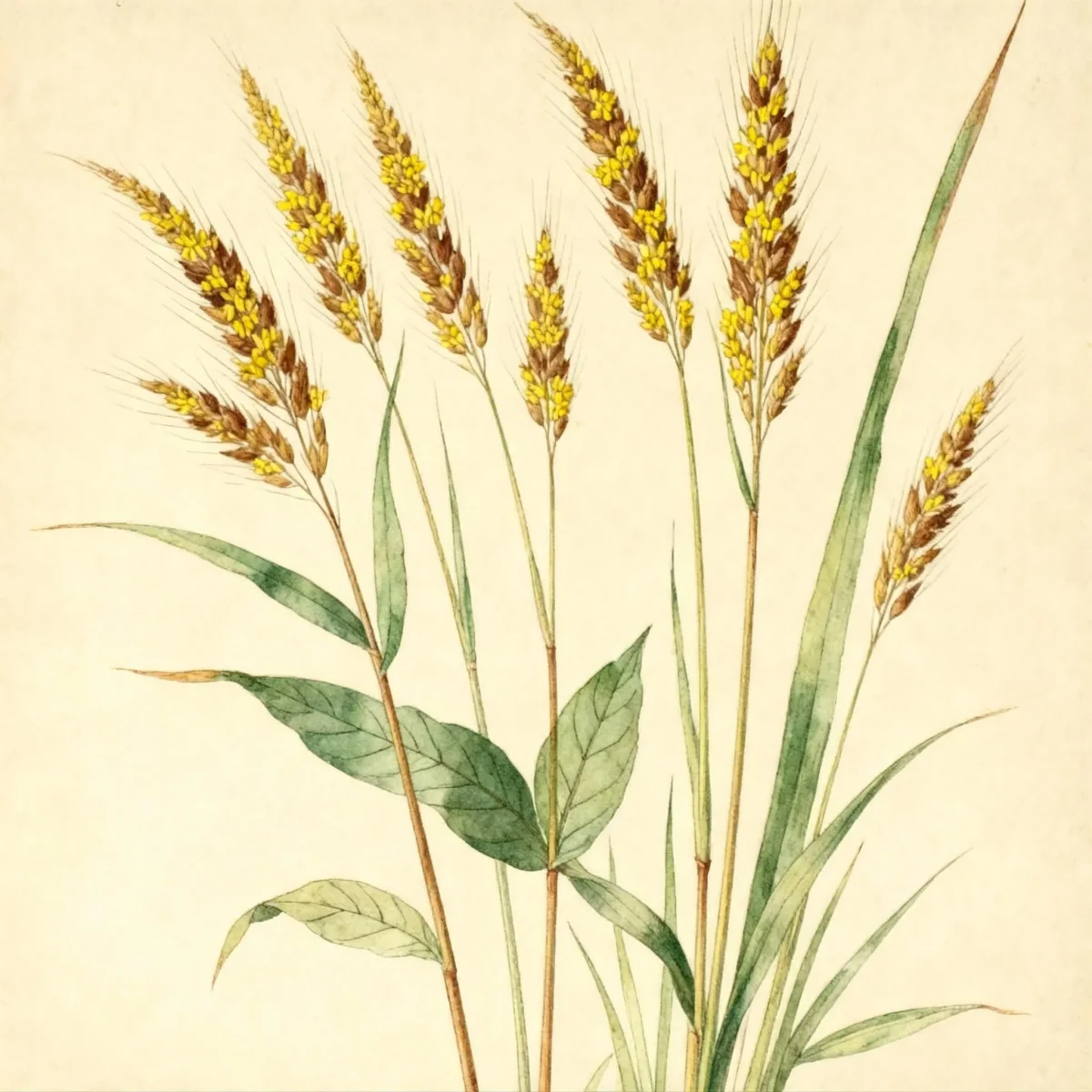
Sorghastrum nutans, commonly called Indian grass, is a warm season Missouri native perennial grass which typically occurs in prairies, glades and open woods throughout the State. It was one of the dominant grasses of the tallgrass prairie which once covered large parts of the Midwest. Typically grows 3-5’ tall (less frequently to 6’) and is noted for its upright form and blue-green foliage. It forms upright clumps (to 2-3’ tall) of slender, blue-green leaves (to 1/2” wide and 2’ long). Foliage turns orange-yellow in fall and usually retains hints of color into the winter. Stiff, vertical flowering stems, topped with narrow, feathery, light brown flower panicles (to 12” long) highlighted with yellow stamens, rise well above the foliage clump in late summer to 5-6’ tall. Panicles darken to bronze/chestnut brown in fall as they mature, later fading to gray. Panicles continue to provide some interest well into winter and the seeds are attractive to birds.Genus name come from Greek and means a poor imitation of sorghum.Specific epithet means to nod or nodding.‘St. Louis’ was introduced in 2014 by Intrinsic Perennial Gardens of Hebron, Illinois. It was chosen for the occasional extra red color in stems and foliage and its orange red fall color. It grows 4 to 6’ tall and 2 to 3’ wide.
Tolerances
- Drought
- Erosion
- Dry Soil
- Shallow-Rocky Soil
- Black Walnut
- Air Pollution
Potential Problems
Sorghastrum nutans ‘St. Louis’ is generally recognized as highly resistant to serious insect or disease issues, making it a robust garden choice. The primary concern relates to cultural placement rather than pests. This grass tends to flop, meaning the clumps can open up or lean over, particularly if they receive too much moisture or are planted in overly rich soils. To prevent this, ensure planting locations meet the dry-to-medium water recommendations and avoid high-nitrogen fertilizers.
Frequently Asked Questions
What hardiness zones is Indian grass suitable for?
Sorghastrum nutans ‘St. Louis’ is suitable for USDA Zones 4 through 9, offering adaptability across a wide climatic range.
How large does Indian grass grow?
When mature, this cultivar typically reaches a height of 4 to 6 feet, with a spread generally between 2 and 3 feet wide.
What sun exposure does Sorghastrum nutans ‘St. Louis’ need?
This variety requires full sun exposure to maintain the best color and strong, upright growth habit.
When does Indian grass bloom?
The blooming period for this grass extends from late summer through fall and into winter, typically September to February, featuring light brown plumes.
Conclusion
The Sorghastrum nutans ‘St. Louis’ provides essential vertical texture and intense autumn coloration, securing its place as a valuable prairie staple in modern gardens. Its strong tolerance for harsh conditions and excellent winter architecture make Indian grass a rewarding, low-maintenance selection. Before planting, confirm your site receives full sun and verify that the soil drainage is adequate to support the upright nature of this spectacular grass.
Companion Planting
Selecting companions that share the preference for full sun and dry to medium moisture ensures the longevity of your planting scheme. Pair Sorghastrum nutans ‘St. Louis’ with other prairie natives that offer contrasting textures or bloom times. Consider plants like Purple Coneflower (Echinacea purpurea) or Butterfly Weed (Asclepias tuberosa), whose lower stature will allow the height of the Indian grass to dominate the background.
For prairie restorations or large naturalized areas, blend Sorghastrum nutans ‘St. Louis’ with other robust warm-season grasses like Little Bluestem (Schizachyrium scoparium). This mix creates a dense, natural tapestry that provides excellent habitat and superior erosion control across open spaces, relying on similar tough growing conditions.
Wildlife Benefits
Because the flowering stems of Indian grass persist long after bloom, they offer critical winter structure for migrating birds seeking shelter. The narrow, persistent seed heads of Sorghastrum nutans ‘St. Louis’ serve as a reliable food source for various seed-eating avian species throughout the colder months. Providing this winter interest is a key reason to leave the dormant plumes standing until the annual spring cleanup.
Furthermore, the dense clump formation of this perennial grass provides substantial cover and nesting opportunities during the spring and summer for ground-dwelling insects and small beneficial species. Its deep root system also makes it a powerful worker for soil stabilization, benefiting the overall health of the immediate ecosystem regarding water retention and soil structure.