Ironweed (Vernonia 'Southern Cross')
Vernonia 'Southern Cross' Ironweed is a low-maintenance perennial offering striking purple blooms late in the season in zones 4-9.
Scroll down to discover growing tips, care requirements, companion plants, and more
Complete Plant Information
Overview
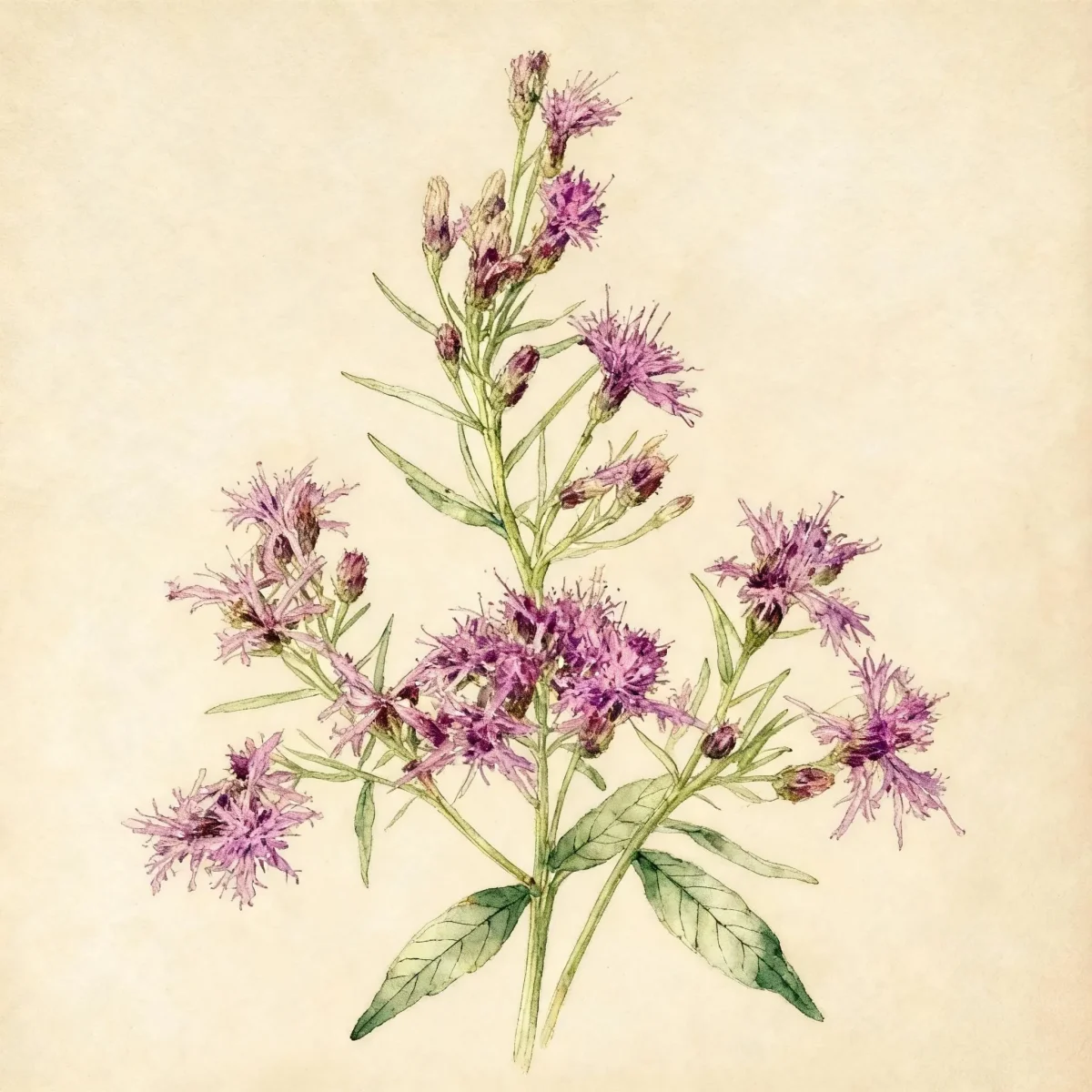
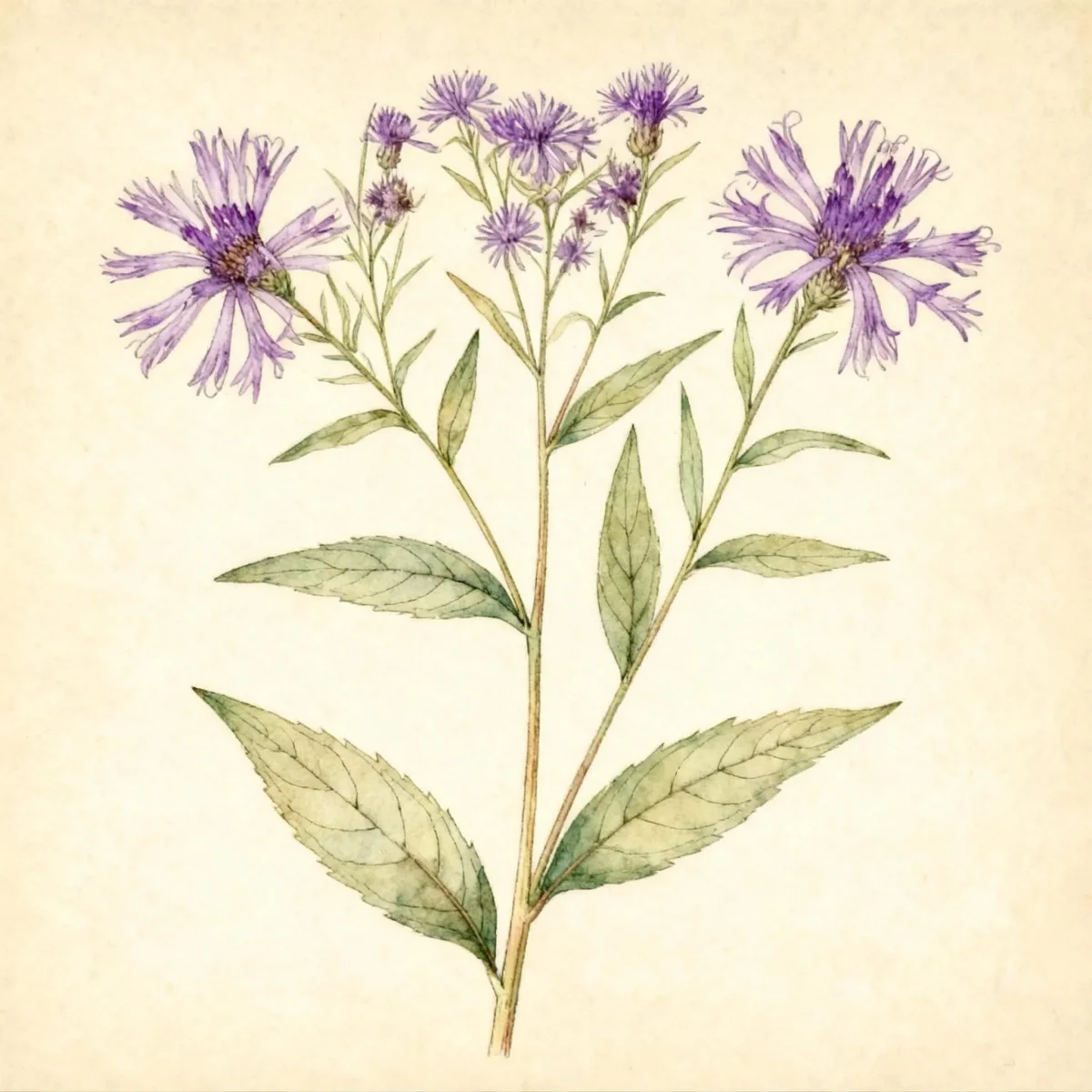
Vernonia ‘Southern Cross’ is a superb selection within the Ironweed genus, valued for bringing substantial, late-season color to gardens when many other perennials are fading. This cultivar develops stiff, upright stems topped by bright purple flower clusters, making it a reliable structural element in late summer and early fall landscapes. As a low-maintenance herbaceous perennial, Ironweed thrives with minimal intervention once established in appropriate full sun conditions.
This specific hybrid, Vernonia ‘Southern Cross’, is noted for being less aggressive with self-seeding compared to some wild Ironweed species, offering gardeners the beauty of native structure without excessive spreading. It stands roughly waist-high, providing excellent vertical interest in mixed borders or cottage gardens, perfectly timing its vibrant bloom display for the transition into autumn.
Fast Facts
- Plant Family: Asteraceae
- Plant Type: Herbaceous perennial
- Hardiness Zones: USDA Zones 4-9
- Size at Maturity:
- Height: 2.5-3 ft
- Spread: 2.5-3 ft
- Bloom Time: August to September
- Bloom Description: Purple
- Sun Exposure: Full sun
- Water Needs: Dry to medium
- Maintenance Level: Low
How to Grow
Plant Vernonia ‘Southern Cross’ in spring or early fall after the last hard frost, ensuring excellent drainage is available. This Ironweed prefers average soils but tolerates dry to moist conditions well, provided it receives full sun exposure throughout the day for the best flowering performance. Avoid overly rich or wet placements, which can promote weak stems.
Maintenance for Vernonia ‘Southern Cross’ is wonderfully low. Water consistently during the first growing season to help it establish deep roots; established plants are quite drought tolerant. Minimal fertilization is usually required, as rich soil can lead to flopping. Deadheading spent blooms will neaten the appearance, though it is not strictly necessary for plant health.
A critical cultural note for Ironweed, detailed in the general culture, is the potential for self-seeding. While ‘Southern Cross’ is reportedly less vigorous at spreading via seed than other wild Ironweeds, removing the flower heads before the rusty-colored seeds fully mature is a simple step to manage its spread in smaller garden settings. Cut back the stiff stems close to the ground in late winter or early spring before new growth emerges.
Landscape Uses
Vernonia ‘Southern Cross’ is perfectly suited for naturalized settings, wild gardens, or integrated into a robust cottage garden design. Its upright, non-flopping habit makes it an excellent middle-to-back border plant, contrasting nicely with mounding plants or finer-textured foliage. The strong vertical lines of Ironweed provide necessary backbone structure in mixed borders.
Consider pairing Vernonia ‘Southern Cross’ with late-blooming companions that share its sun and soil preferences. Asters, Sedum (Hylotelephium), and ornamental grasses create beautiful textural and color partnerships that peak concurrently in the fall. The height of this Ironweed (up to 3 feet) ensures it integrates seamlessly without overwhelming shorter border elements.
Standout Features
Flower Qualities
- Showy
Noteworthy Characteristics
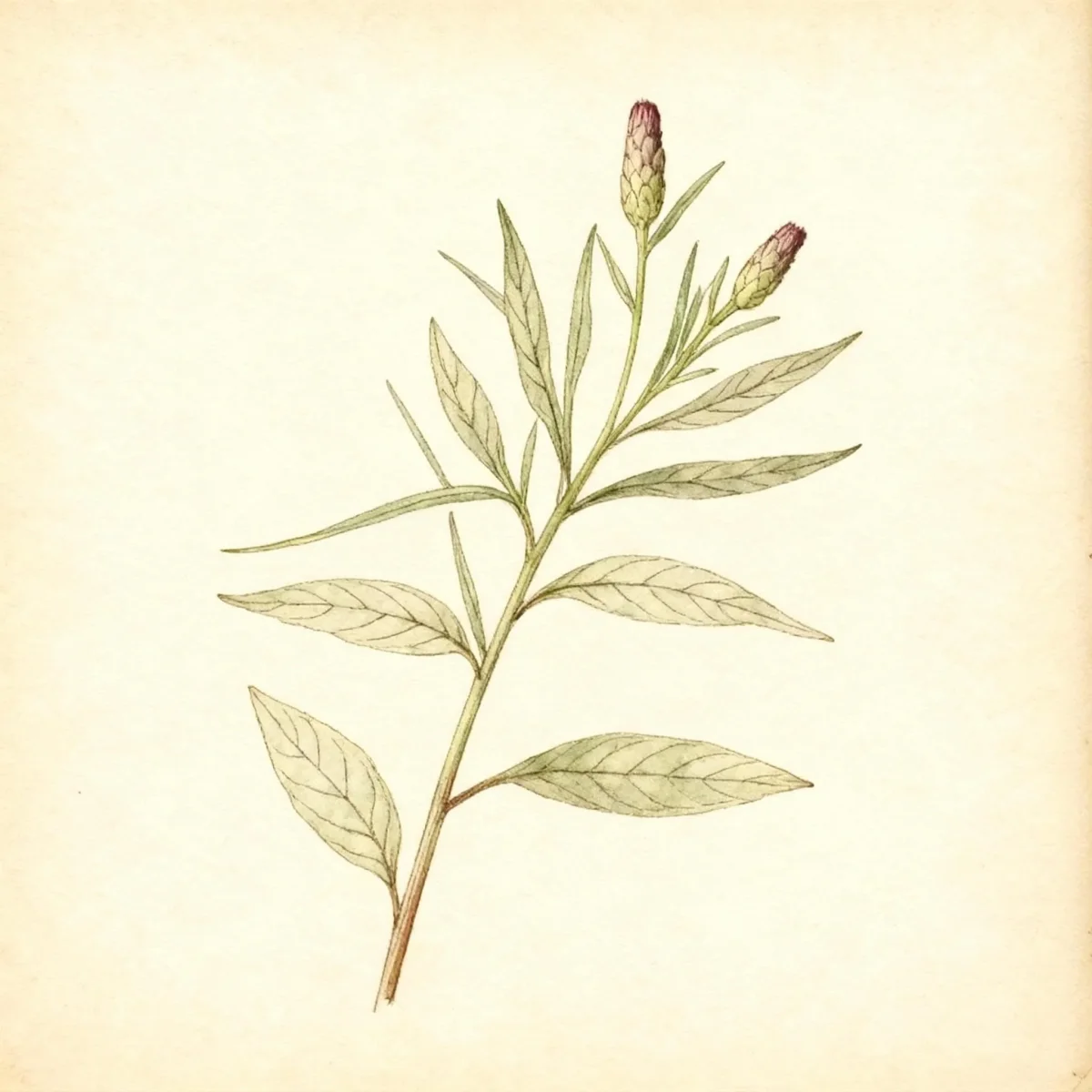
Vernonia is a genus consisting of about 1000 species of herbaceous perennials, trees, shrubs and woody climbers found in tropical areas throughout the world and in temperate areas of North America, South America and Australia. The source of the common name of ironweed has been varyingly attributed to certain “iron-like” plant qualities, including coarse foliage, tough stems, rusty-tinged fading flowers and rusty colored seeds. ‘Southern Cross’ is an ironwood hybrid (V. Lettermannii is apparently in its parentage) that typically grows in a clump to 3’ tall and as wide, featuring bright purple terminal clusters that persist well into winter.
Tolerances
- Drought
- Dry Soil
- Black Walnut
Potential Problems
Powdery mildew, rust, and leaf spot can occasionally appear on Ironweed, particularly in humid conditions or if air circulation is poor. Ensure adequate spacing according to the recommended 2.5 to 3-foot spread when planting Vernonia ‘Southern Cross’ to mitigate fungal issues. On young, tender growth, slugs and snails may become a nuisance; check new shoots regularly and manage them using standard organic controls.
Frequently Asked Questions
What hardiness zones is Ironweed (Vernonia ‘Southern Cross’) suitable for?
Vernonia ‘Southern Cross’ is hardy across a wide range of climates, thriving in USDA Zones 4 through 9.
How large does Vernonia ‘Southern Cross’ grow?
This herbaceous perennial is moderately sized, typically reaching a height between 2.5 and 3 feet tall, with a similar spread of 2.5 to 3 feet wide.
What sun exposure does Vernonia ‘Southern Cross’ need?
For optimal health and the most vibrant purple blooms, this Ironweed requires full sun exposure.
When does Vernonia ‘Southern Cross’ bloom?
You can expect the showy display from this plant during the late season, specifically August into September, featuring bright purple flowers.
Conclusion
Vernonia ‘Southern Cross’ provides exceptional structure and vibrant purple color exactly when the garden needs it most, supported by its inherent low-maintenance nature and drought tolerance. Incorporating this Ironweed hybrid into your perennial borders ensures reliable late-summer performance suitable for zones 4-9. Plan your planting in spring or fall to take advantage of the ideal establishment period for this dependable perennial.
Companion Planting
Selecting companions for Vernonia ‘Southern Cross’ is simplified by its tolerance for dry soil and full sun. Look for plants that complement its late-season bloom time but offer contrast in texture or color. Ornamental grasses, such as switchgrass or little bluestem, pair beautifully with the upright habit of Ironweed, lending movement to the composition.
Silver-leaved plants, like Lamb’s Ears (Stachys byzantina) or Russian Sage (Perovskia atriplicifolia), offer a cool visual break against the intense purple of the Vernonia flowers. Ensure any companion also prefers well-drained soil, as sitting in wet feet during winter is detrimental to the long-term health of this native perennial.
Design Ideas for Late Summer Gardens
The rich purple hue of Vernonia ‘Southern Cross’ acts as a powerful visual anchor in late-season garden designs. Use groups of three or five plants rather than single specimens to maximize the impact of their upright, clumping form. Place them toward the rear of sunny borders where they can be viewed over shorter front-of-border materials.
For a truly native planting scheme, consider integrating other late-blooming native perennials that thrive in similar conditions, such as Goldenrod (Solidago) varieties that are not overly aggressive, or stiff-stemmed native Asters. This combination creates a robust, season-long habitat that requires little input once established, relying on naturalized principles.