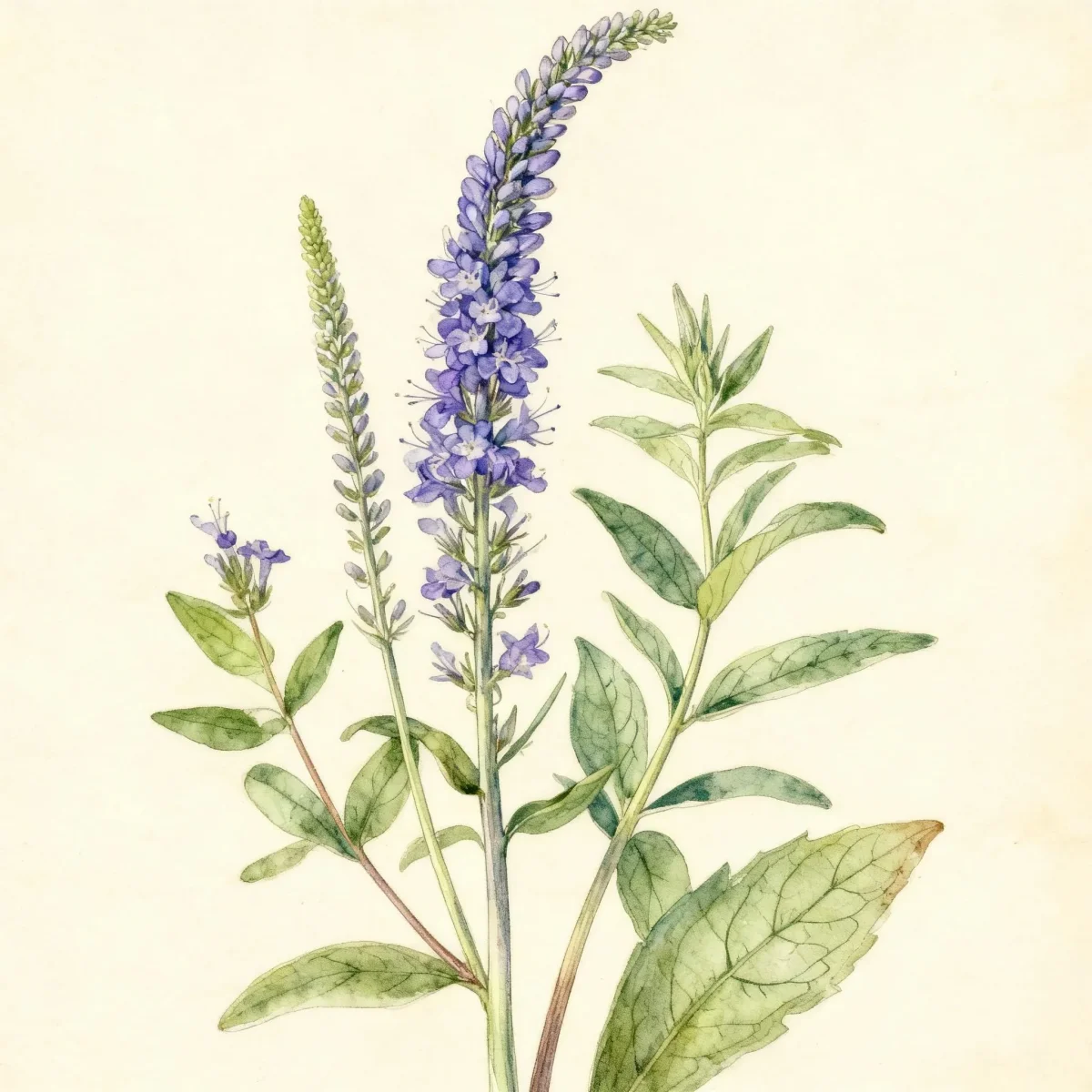
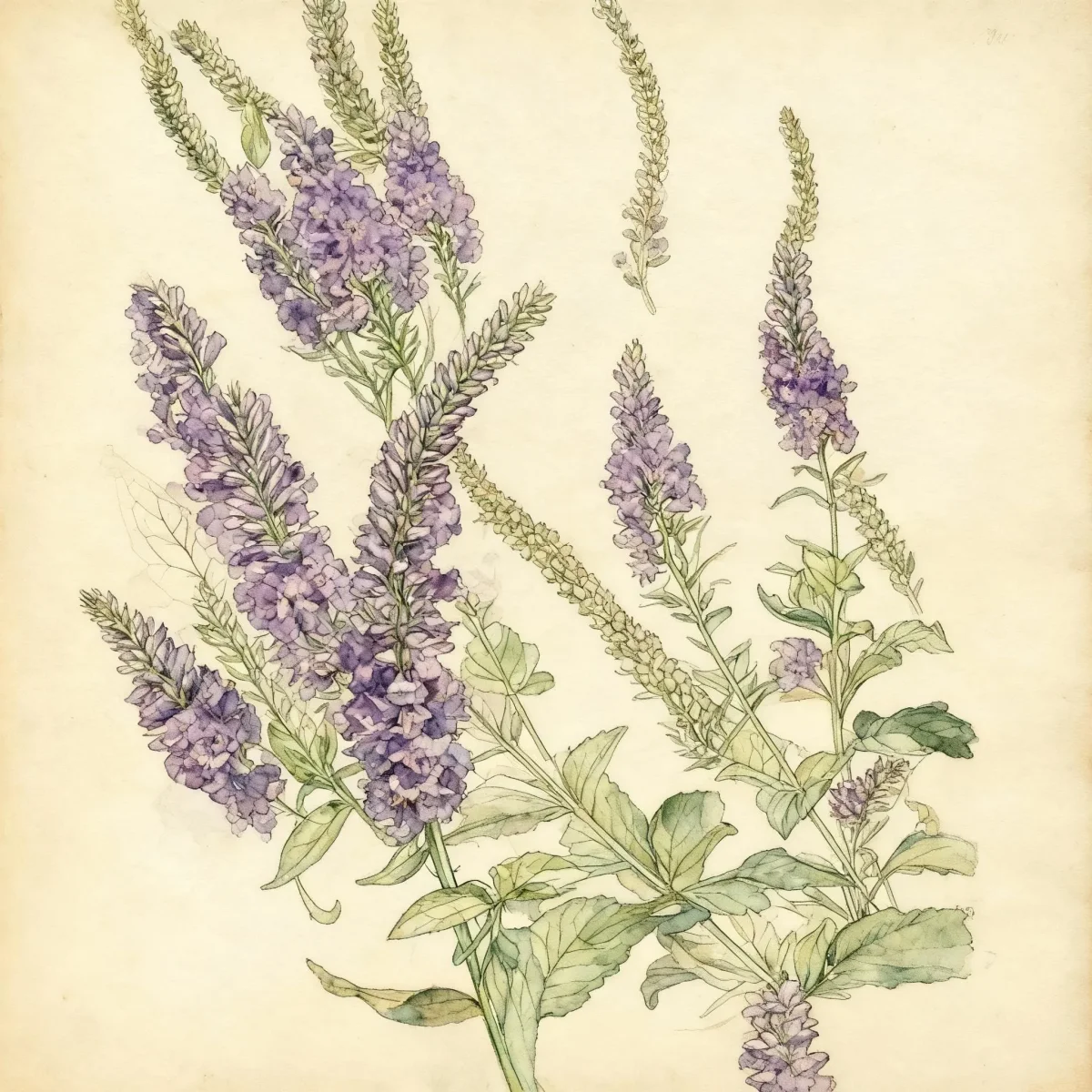
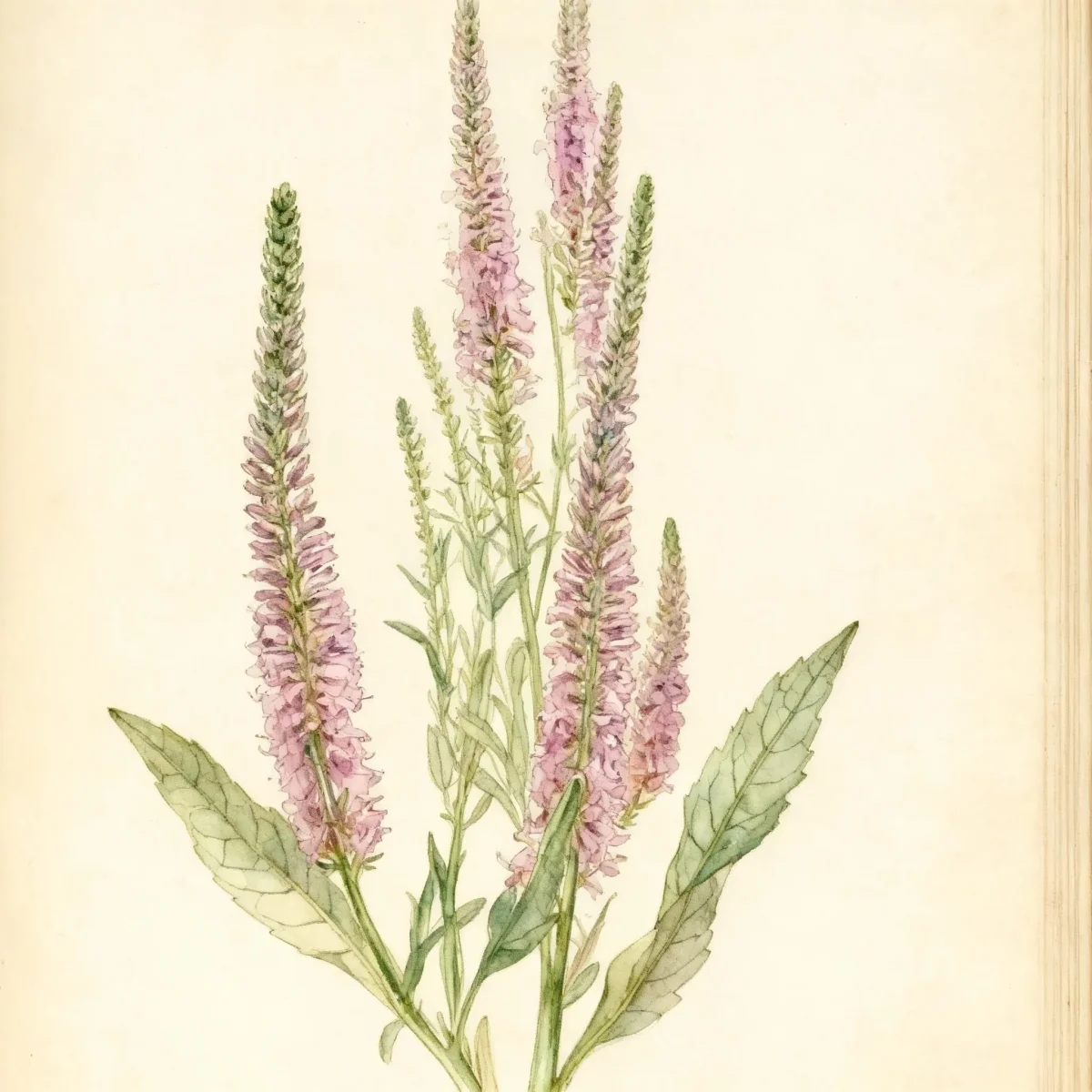
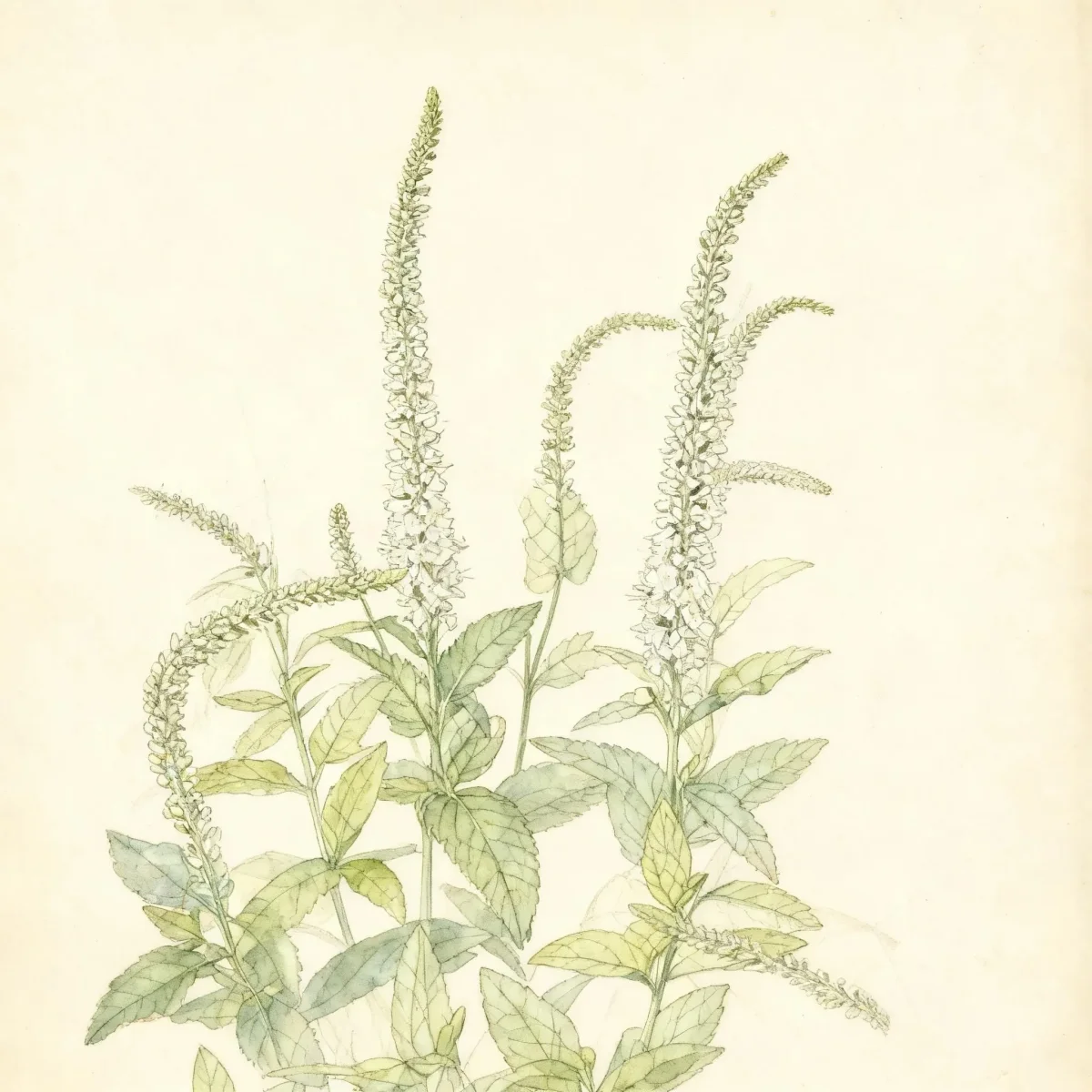
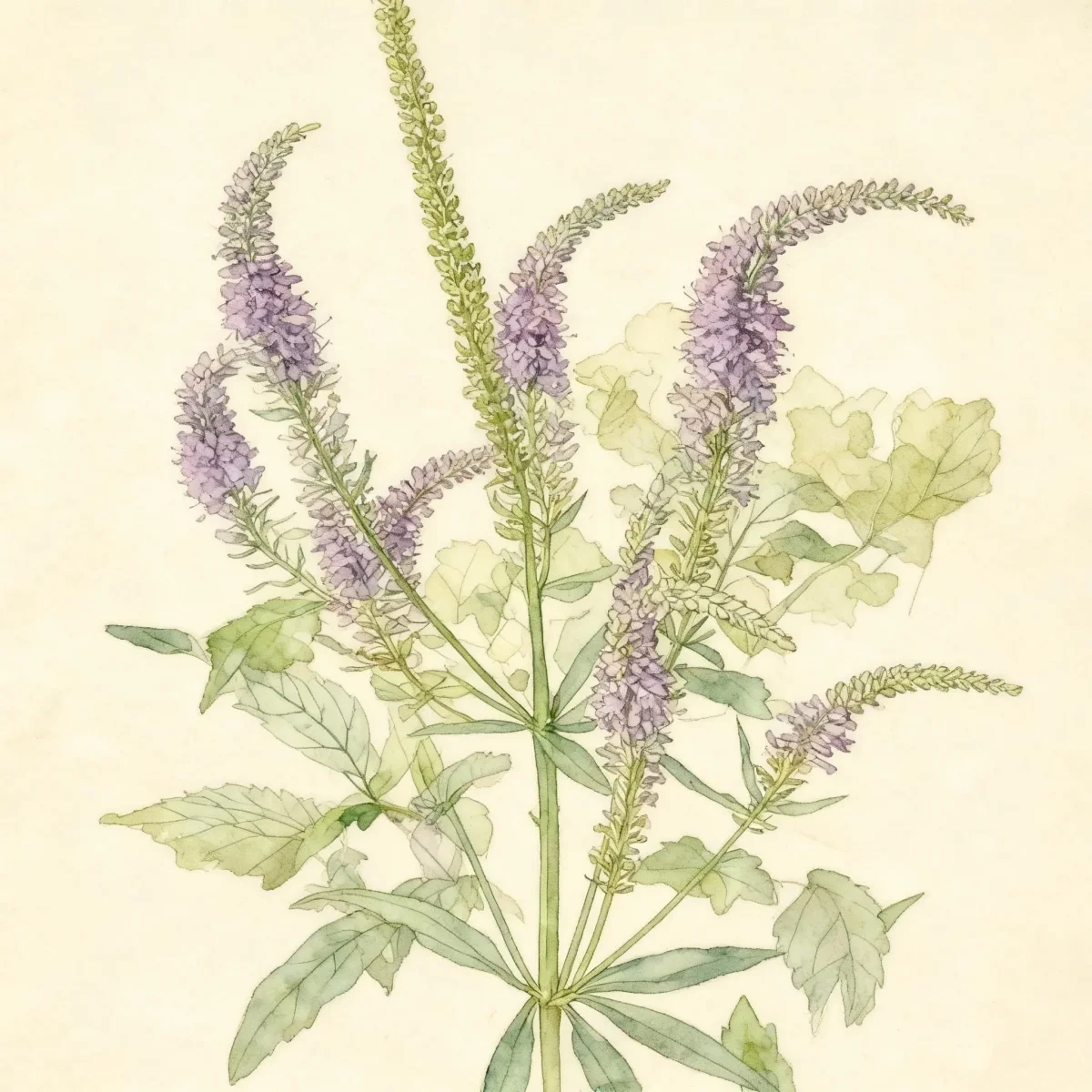
Spike speedwell (Veronica 'Spike')
Veronica 'Spike' (Spike speedwell) offers bright blue flower spikes from June to August. This low-maintenance perennial thrives in full sun.
Scroll down to discover growing tips, care requirements, companion plants, and more
Complete Plant Information
Overview
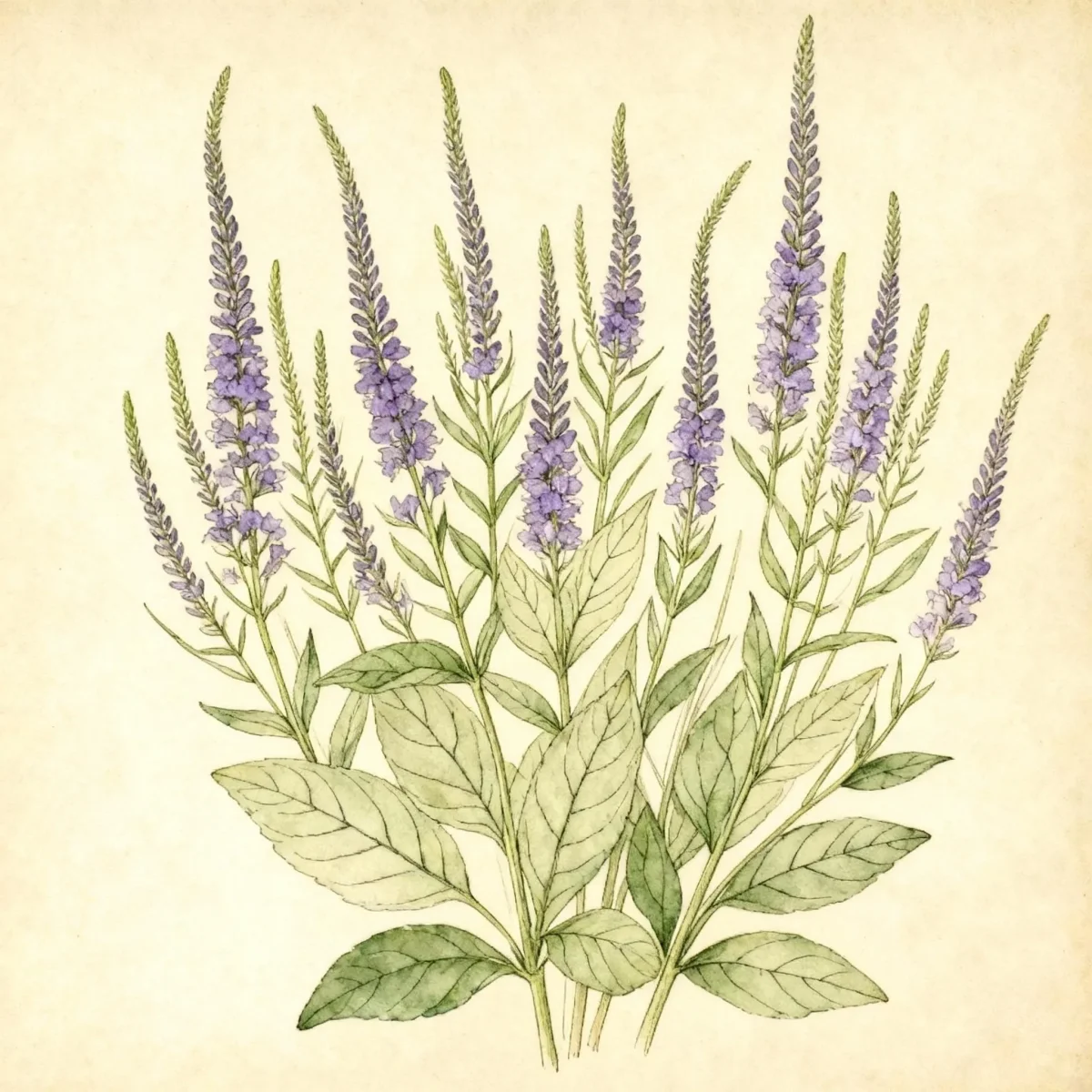
Veronica ‘Spike’, commonly known as Spike speedwell, is a valuable addition to sunny perennial borders, celebrated for its vibrant bloom display. Introduced in 2014, this cultivar offers numerous 6 to 8-inch spikes of brilliant blue flowers held above attractive foliage clumps throughout the summer season. Gardeners appreciate Veronica ‘Spike’ for its energetic color and robust, compact habit.
This herbaceous perennial provides reliable structure in the landscape, typically reaching 1 to 1.5 feet tall and wide. As a genus, Veronica has a rich history, with the name honoring Saint Veronica. For gardeners seeking dependable color and manageable size, Veronica ‘Spike’ delivers low-maintenance performance ideal for mass plantings or sharp edging.
The plant’s manageable size and striking bloom time make Spike speedwell an excellent choice for creating long-lasting visual interest in mid-summer gardens. Its adaptability, combined with minimal demanding cultural needs, ensures that Veronica ‘Spike’ remains a favorite in contemporary perennial designs.
Fast Facts
- Plant Family: Plantaginaceae
- Plant Type: Herbaceous perennial
- Hardiness Zones: USDA Zones 4-8
- Size at Maturity:
- Height: 1-1.5 ft
- Spread: 1-1.5 ft
- Bloom Time: June to August
- Bloom Description: Bright blue
- Sun Exposure: Full sun
- Water Needs: Medium
- Maintenance Level: Low
How to Grow
The best performance for Veronica ‘Spike’ is achieved when planted in average, well-drained soil that consistently receives medium moisture. While it prefers full sun for the densest flowering, this Spike speedwell variety tolerates light shade, which may slightly reduce bloom intensity. Planting in early spring or fall is ideal, ensuring the roots establish before extreme weather hits.
Maintain consistent moisture, especially during dry spells, as even moisture levels promote the sharp drainage this plant requires, particularly avoiding overly wet conditions in winter to prevent root rot. Applying a layer of organic mulch helps regulate soil temperature and conserves that essential moisture without smothering the crown. Fertilization is rarely required if planted in decent soil.
For aesthetic appeal and to encourage prolonged flowering in your Veronica ‘Spike’, make it a habit to remove spent flower spikes promptly. After the main flush of blooms subsides, plants can be tidily cut back close to the basal growth. This pruning step often prompts a smaller secondary bloom period later in the season.
Landscape Uses
Veronica ‘Spike’ is highly versatile, making it an excellent anchor for border fronts due to its manageable 1.5-foot height. Its upright habit works beautifully when massed together, creating rivers of bright blue color that draw the eye across the garden space. The plant’s resilience also makes it suitable for rock gardens where drainage is naturally excellent.
Consider using Spike speedwell along foundations or as a neat edging plant where sharp definition is needed. While perfectly happy in the ground, a grouping of Veronica ‘Spike’ also adds vibrant, vertical interest to containers mixed with trailing or mounding companions that share similar sun and water requirements.
The structural yet airy form of Spike speedwell pairs well with plants that contrast in texture or color. Combine it with silver foliage, fine-textured ornamental grasses, or broad-leafed hostas placed in light shade areas flanking its full-sun position.
Standout Features
Flower Qualities
- Showy
Noteworthy Characteristics
Veronica is a genus of about 250 species of annuals, perennials and some sub-shrubs mainly from Europe. The genus name honors Saint Veronica, reportedly because some species possess markings resembling those on the sacred handkerchief. Introduced in 2014, Veronica ‘Spike’ features 6 to 8-inch spikes of bright blue flowers carried above low-growing, compact foliage, reaching 1 to 1.5 feet in height and width.
Tolerances
- Rabbit
- Deer
Potential Problems
Veronica ‘Spike’ generally exhibits very low susceptibility to common insect pests and major diseases, which is a significant advantage for gardeners. The primary cultural risk involves root rot, which signals poor soil management; this typically occurs if the soil remains waterlogged or drains too slowly, especially heading into winter dormancy. Ensure that the planting site offers consistently sharp drainage to circumvent this issue.
Deer and rabbits tend to avoid feeding on Spike speedwell, offering reliable protection for visual plantings where browsing is common. Monitoring for signs of fungal issues related to excess humidity or poor air circulation may be necessary, though problems are rare under proper growing conditions.
Frequently Asked Questions
What hardiness zones is Spike speedwell suitable for?
Veronica ‘Spike’ performs best in USDA Hardiness Zones 4 through 8.
How large does Veronica ‘Spike’ grow?
This cultivar generally reaches a mature height between 1 and 1.5 feet, with a similar spread of 1 to 1.5 feet.
When does Veronica ‘Spike’ bloom?
Spike speedwell provides its bright blue flowers throughout the summer, specifically from June through August.
What sun exposure does Veronica ‘Spike’ need?
For optimal performance and the most prolific flowering, Veronica ‘Spike’ requires full sun, though it can tolerate some light shade.
Conclusion
Veronica ‘Spike’ stands out as a dependable, low-maintenance perennial that delivers spectacular mid-summer color with its mass of bright blue flower spikes. The easy care and garden adaptability of Spike speedwell make it an essential component for sunny borders and contemporary landscapes. Before planting, confirm that your site offers the necessary full sun and medium, well-drained moisture for success with Veronica ‘Spike’.
Companion Planting
When selecting companions for Veronica ‘Spike’, prioritize plants that thrive in similar full sun and medium water conditions, while offering textural or color contrast. Consider pairing Spike speedwell with silver-leaved plants like Lamb’s Ears (Stachys byzantina) or contrasting fine textures such as threadleaf Coreopsis.
For height variation that complements the 1-1.5 foot stature of Veronica ‘Spike’, look toward taller, mid-summer bloomers. Plants like Coneflowers (Echinacea) or perennial Salvias that also finish blooming later can extend interest after the initial burst from the Spike speedwell fades.
Ensure any companion planting respects the drainage needs of this plant; avoid boggy soil lovers. Good pairing choices include Daylilies (Hemerocallis) or shorter ornamental grasses that appreciate well-drained spots once established.
Seasonal Care Calendar
Spring: Clean up any residual leaf litter from winter and apply a light top dressing of compost if desired, though heavy feeding is usually unnecessary for Veronica ‘Spike’. Inspect plants for early signs of growth and ensure mulch layers are intact but not touching the crowns.
Summer: Focus on watering, ensuring the soil remains medium moist but never saturated, particularly during dry heatwaves. Deadhead faded blue flower spikes regularly to encourage a secondary wave of blooms throughout June to August.
Autumn: After the final blooms fade, plants may be cut back closer to the basal foliage. This tidy pruning step prepares the compact mounds of Veronica ‘Spike’ for winter dormancy. Ensure the soil is not overly wet as temperatures drop.
Winter: Veronica ‘Spike’ is quite cold-hardy in its specified zones. Minimal winter protection is needed beyond ensuring good drainage prevails around the base of the plant to prevent freeze-thaw issues or rot.