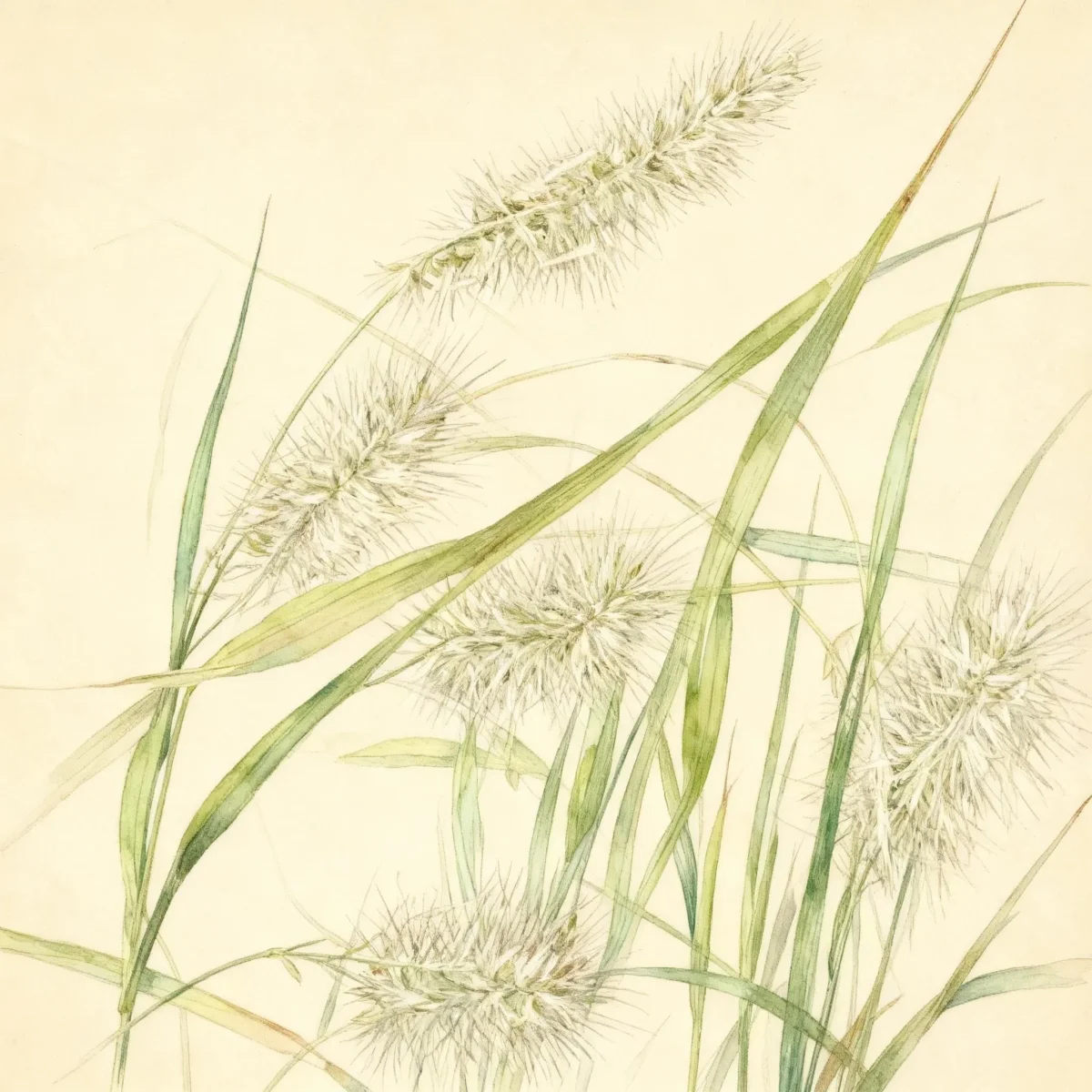
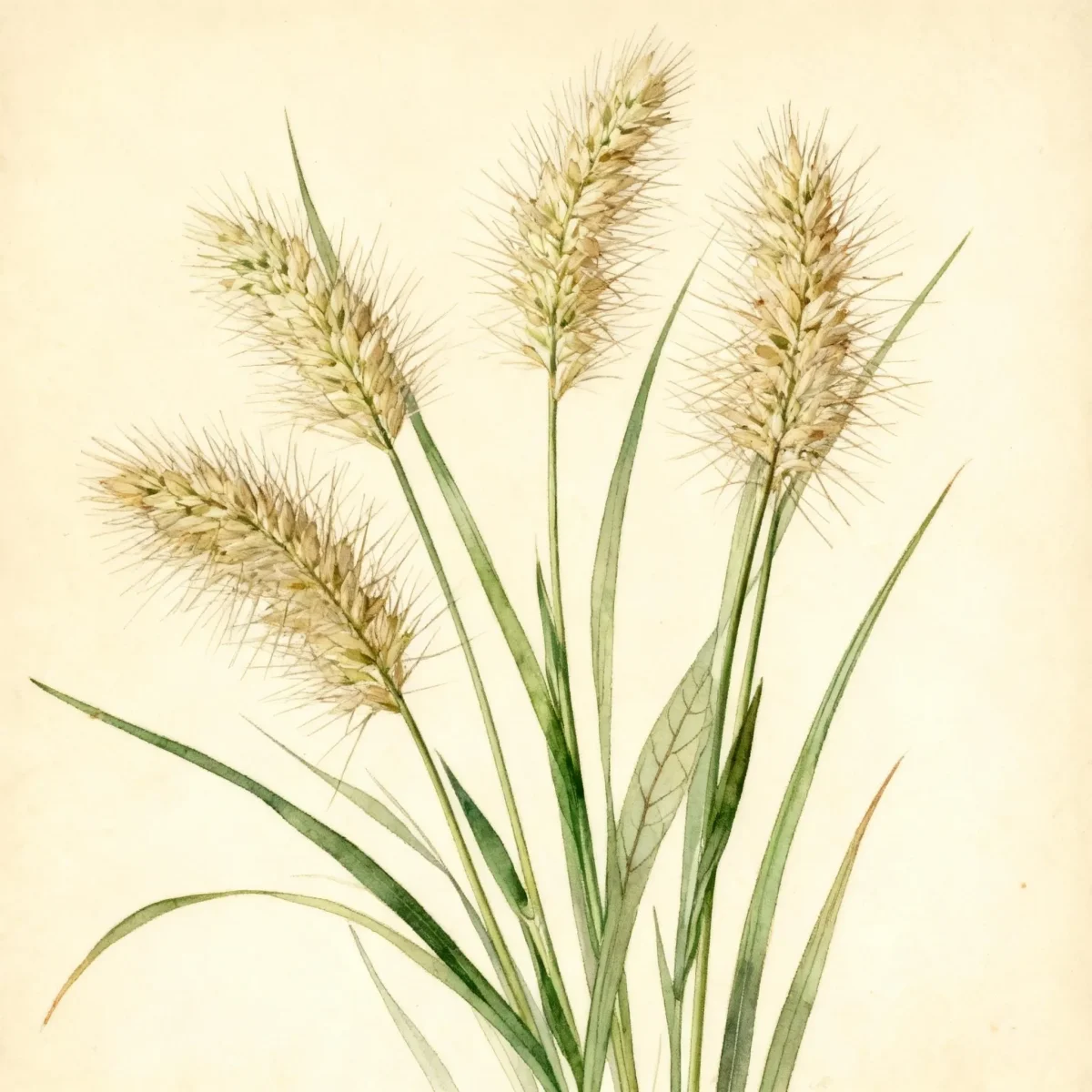
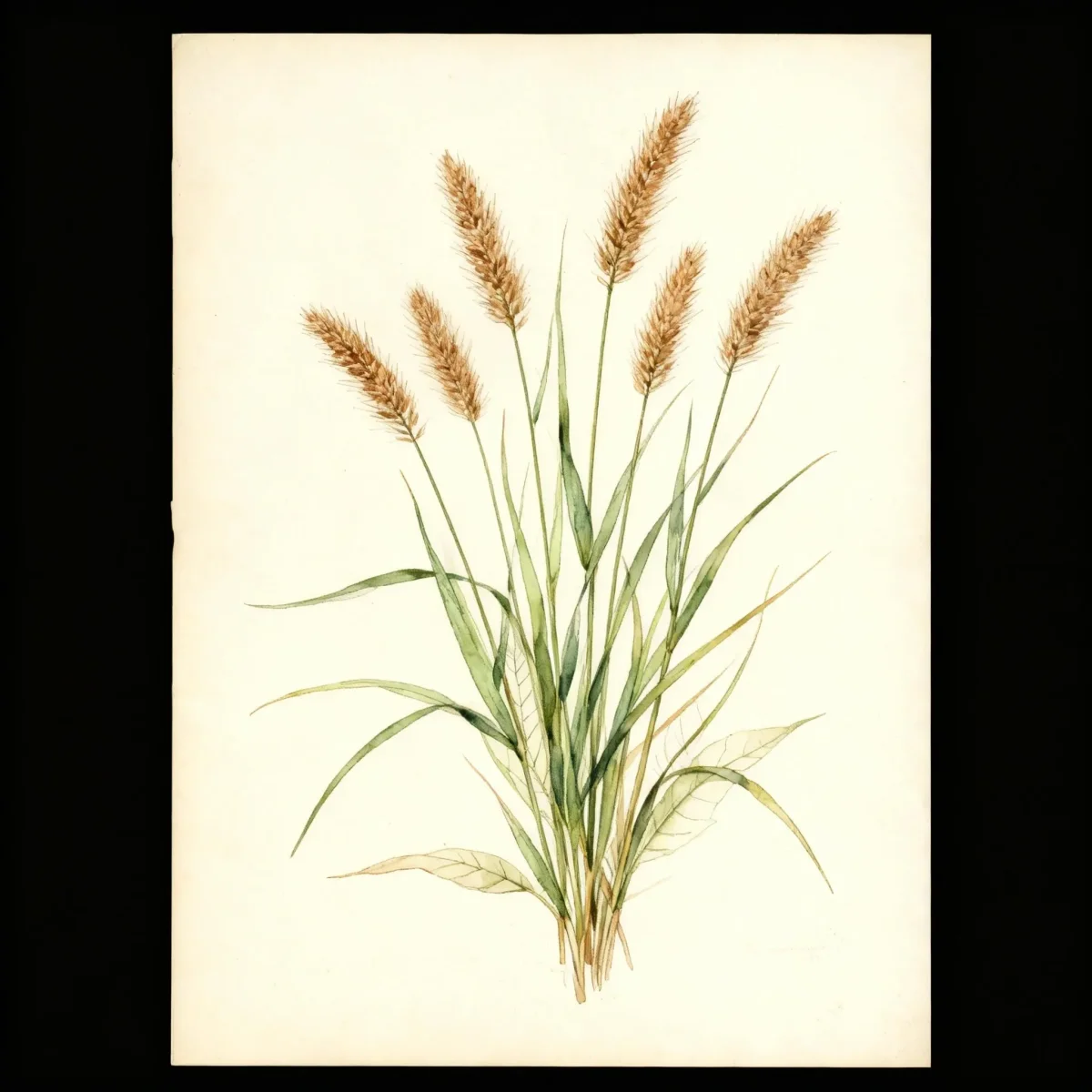
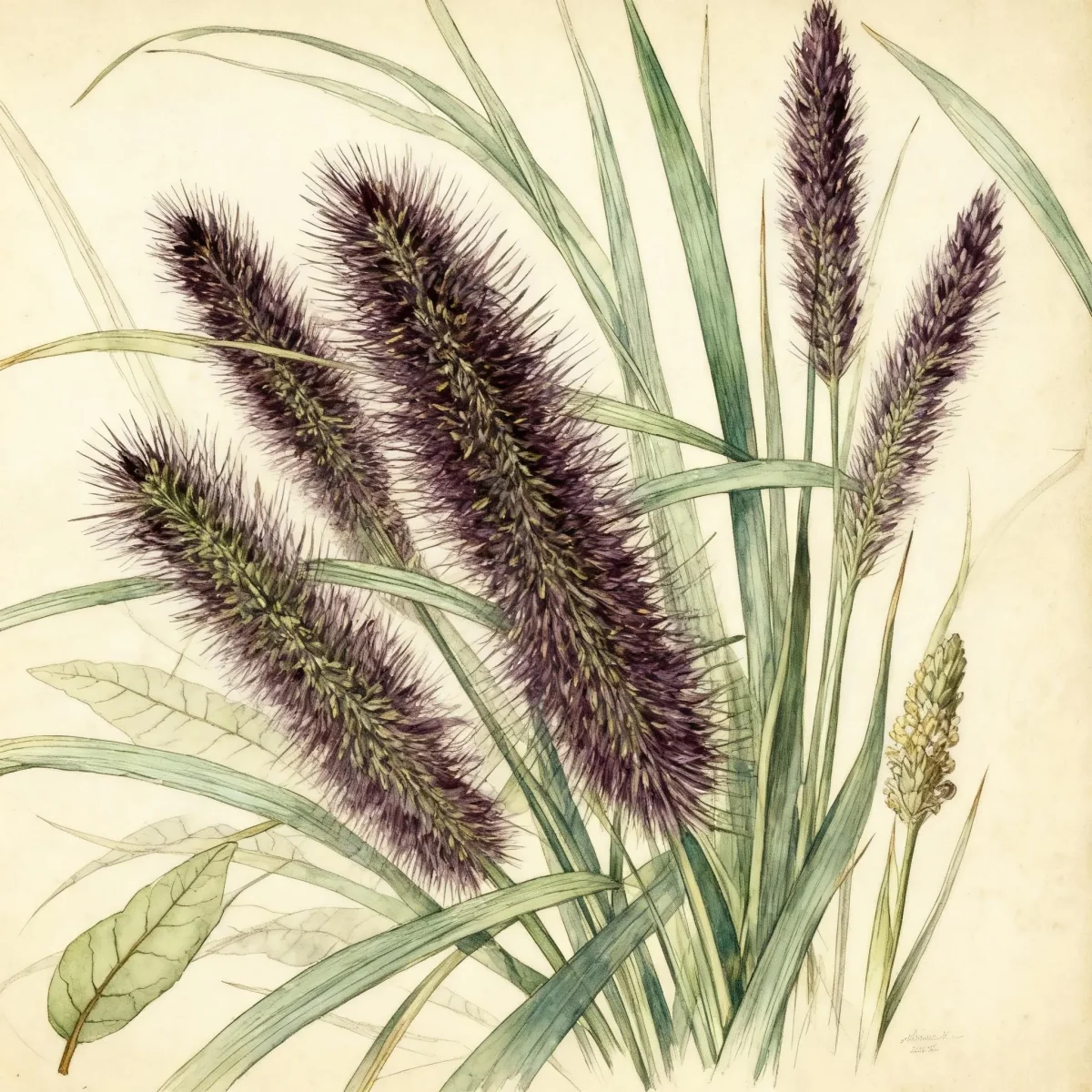
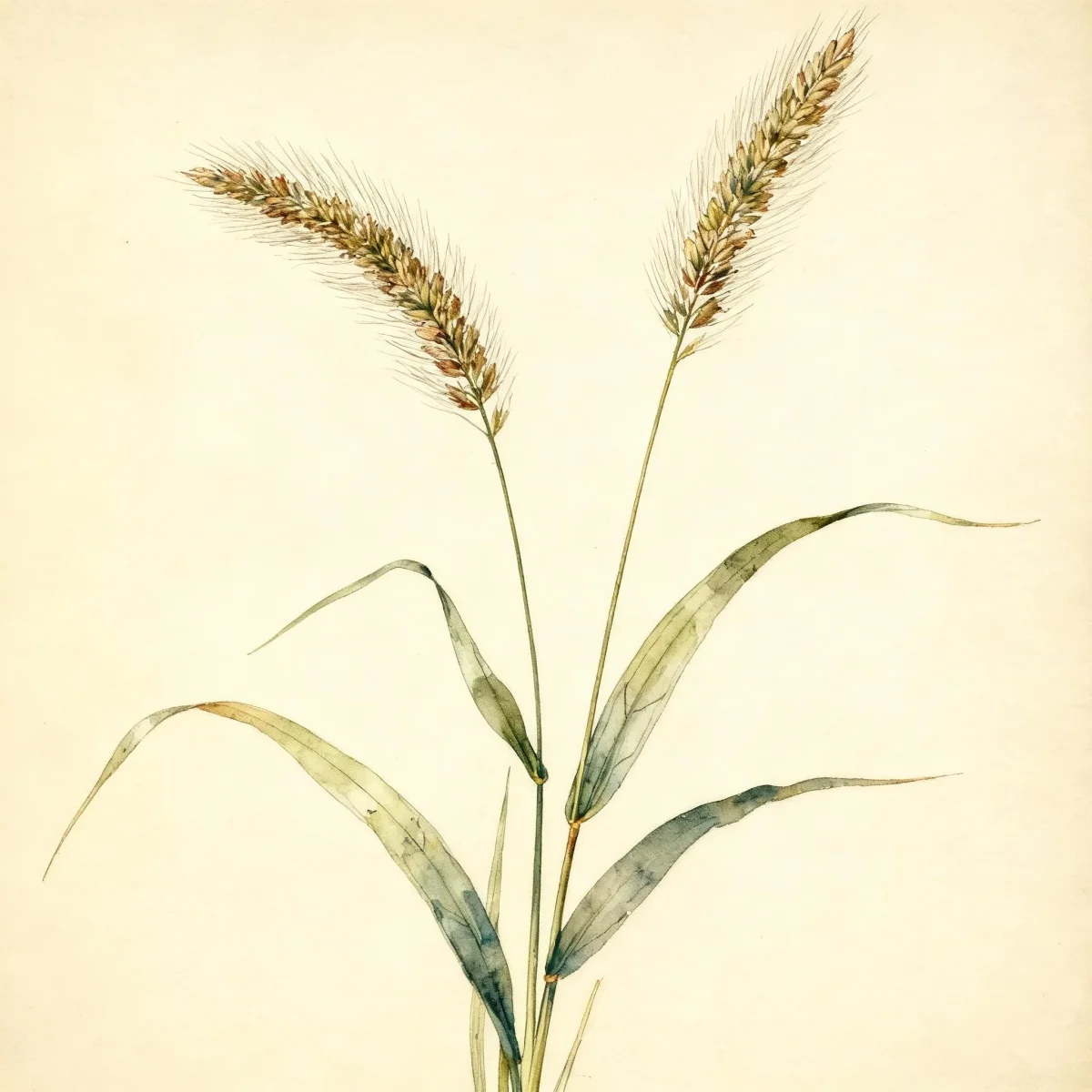
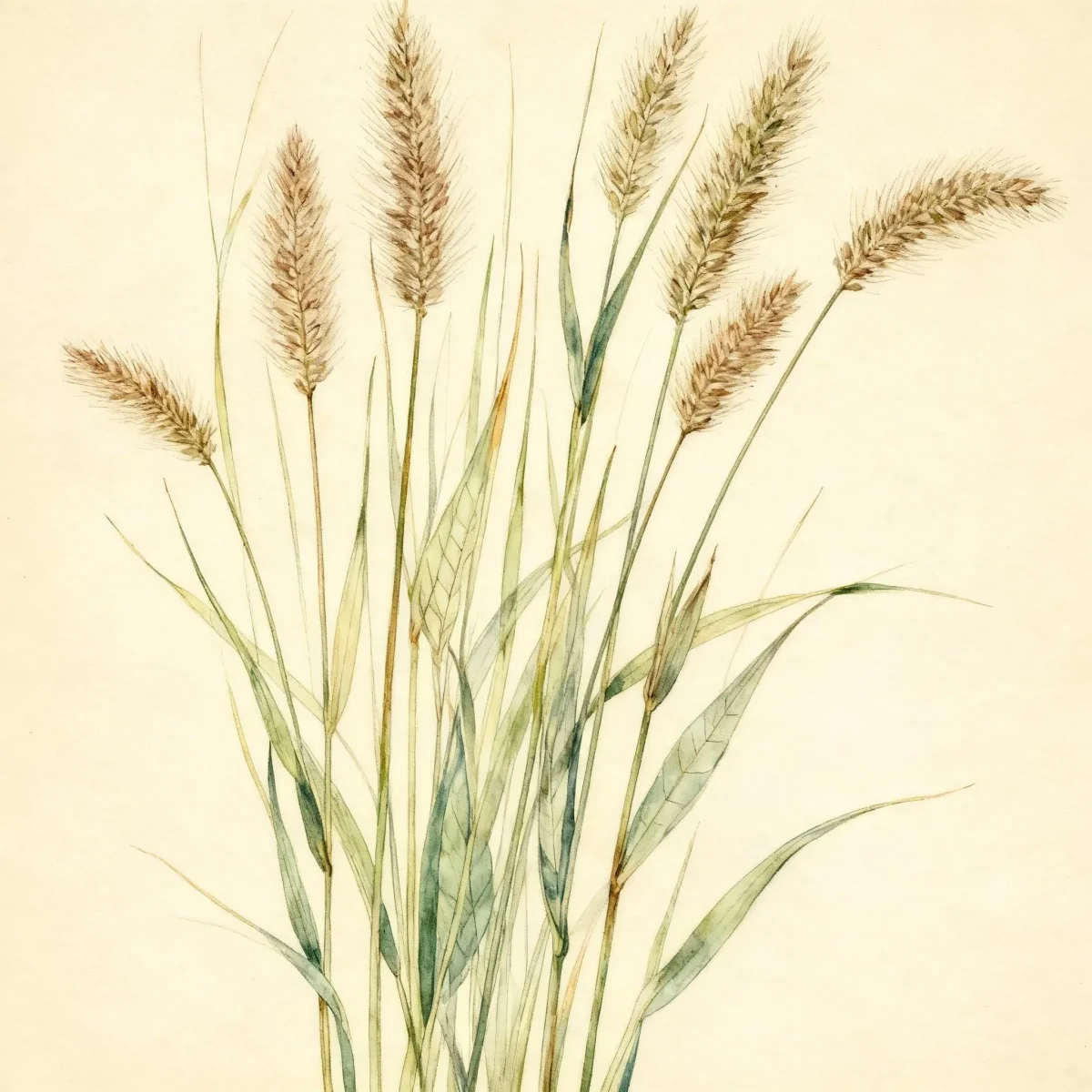
Fountain grass (Pennisetum alopecuroides 'Ginger Love')
Pennisetum alopecuroides 'Ginger Love' is a stunning low-maintenance Fountain grass offering red plumes, thriving in moist soils.
Scroll down to discover growing tips, care requirements, companion plants, and more
Complete Plant Information
Overview
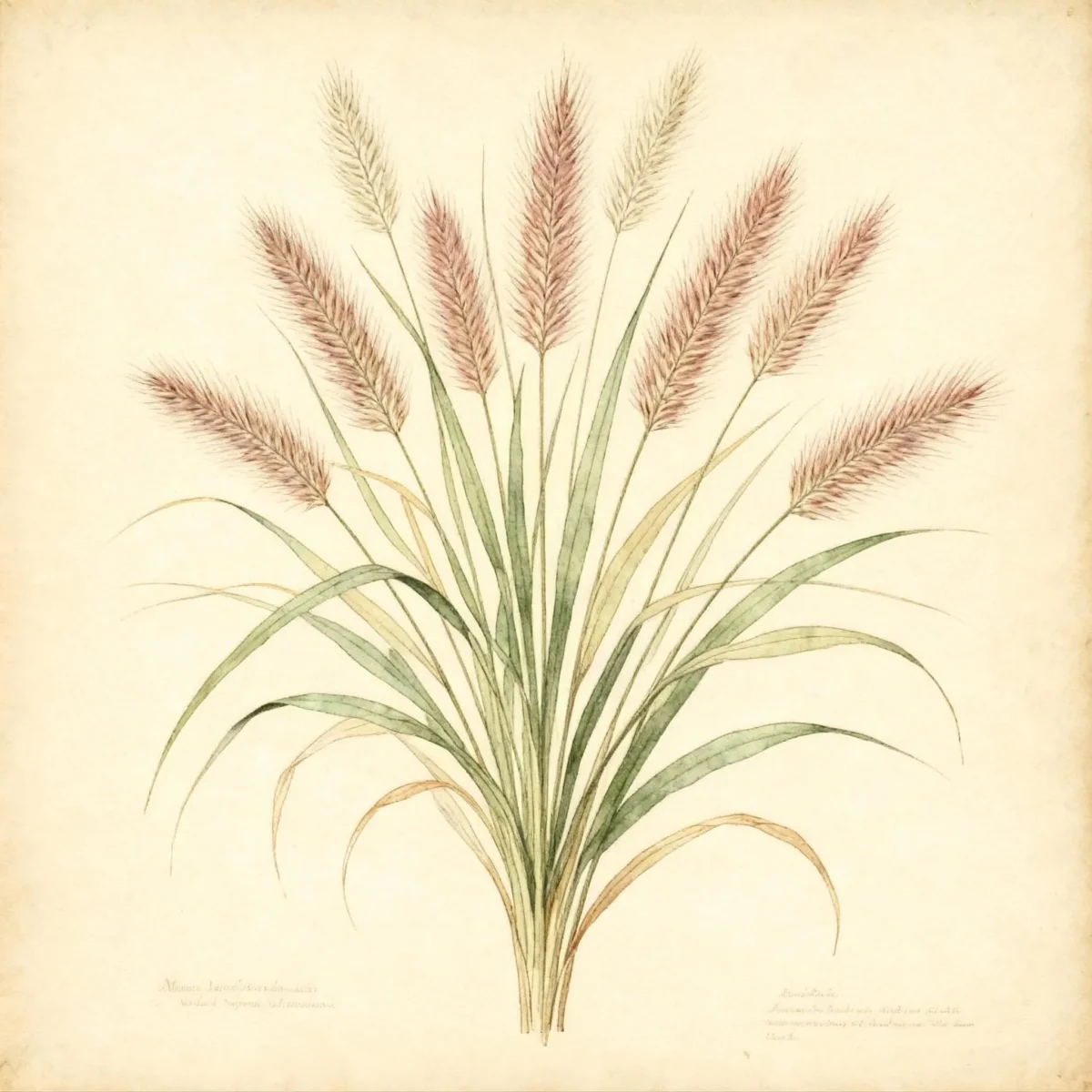
Pennisetum alopecuroides ‘Ginger Love’ is a sought-after cultivar of Fountain grass, valued for integrating significant texture and color into garden designs with minimal fuss. This warm-season, clump-forming grass delivers attractive foliage that transitions color in autumn, complemented by its notable bloom display. Gardeners appreciate this selection for its intermediate size, typically reaching 2 to 3 feet tall and wide, making it versatile for borders and specimen planting.
As a representative of easy-care ornamental grasses, Fountain grass provides movement and structure throughout the growing season, lasting well into winter. The Pendulous, bristly flower spikes are a significant draw, offering long-lasting visual interest, which is particularly useful when planning garden interest beyond the typical summer bloom period. Consider Pennisetum alopecuroides ‘Ginger Love’ when looking for resilient, high-impact plants that thrive in wetter areas or where dry spells might occur after establishment.
Fast Facts
- Plant Family: Poaceae
- Plant Type: Ornamental grass
- Hardiness Zones: USDA Zones 6-9
- Size at Maturity:
- Height: 2-3 ft
- Spread: 2-3 ft
- Bloom Time: July to February
- Bloom Description: Red
- Sun Exposure: Full sun to part shade
- Water Needs: Medium to wet
- Maintenance Level: Low
How to Grow
Plant Pennisetum alopecuroides ‘Ginger Love’ in average soils, ensuring the location receives full sun for the best flowering performance, although it tolerates partial shade. While it prefers medium to moist conditions, this Fountain grass is surprisingly tolerant of drought once its root system is fully established, offering flexibility in placement. This cultivar is excellent for rain gardens or near water features, capitalizing on its preference for medium to wet soils.
Maintenance for this ornamental grass is refreshingly simple. Generally, marginal fertilizing is not required; overly rich soils can sometimes lead to floppier growth habits. The most crucial annual task is cutting the entire foliage mass back to the ground in late winter or very early spring, just before new growth initiates.
Be mindful that while this plant may self-seed in ideal settings, cultivars like ‘Ginger Love’ are generally less aggressive than straight species. However, gardeners should be aware of aggressive self-seeding potential if this material is used widely. In colder marginal zones, specifically USDA Zone 5, planting in a protected microclimate will significantly improve winter survival rates for this beautiful Fountain grass.
Landscape Uses
Pennisetum alopecuroides ‘Ginger Love’ excels where texture, contrast, and structure are needed. Its performance in rain gardens makes it a perfect choice for integrating into moist peripheral plantings around ponds or streams, addressing both aesthetic needs and water management. The arching plumes and foliage provide superb contrast against broad-leaved perennials or sheared evergreen hedges.
Use this variety as a specimen plant to anchor corners or entryways, or mass it in large swaths for a stunning, grass-like river effect across open areas. Its suitability for erosion control on gentle slopes also adds a functional component to its excellent architectural attributes. This selection offers visual interest that continues long after many other perennials have finished blooming.
Standout Features
Flower Qualities
- Showy
- Good Cut
- Good Dried
Noteworthy Characteristics
Pennisetum alopecuroides, commonly called fountain grass, is a warm season, clump-forming grass native to grassy hillsides, roadsides, and meadows in East Asia. Mature clumps will reach 2.5-5’ tall with an equal spread, featuring narrow, medium to deep green leaves that turn golden yellow in the fall. ‘Ginger Love’ was specifically introduced for its intermediate size, neat habit, and thick red flower clusters, growing reliably to 2 to 3 ft. In height and width, and it is federally protected.
Tolerances
- Drought
- Erosion
- Wet Soil
- Black Walnut
- Air Pollution
Potential Problems
Generally, Fountain grass is admired for its notable resistance to most common insect pests and serious disease issues, making it a reliable choice for low-input gardening programs. The primary management concern is potential self-seeding, though this is less frequent with patented cultivars than species types. If you notice seedlings establishing unwanted in lawns or beds, routine monitoring and removal of spent seed heads before they fully shatter can prevent unwanted spread.
Frequently Asked Questions
What hardiness zones is Pennisetum alopecuroides ‘Ginger Love’ suitable for?
This Fountain grass is reliably hardy in USDA Zones 6 through 9.
How large does Fountain grass grow?
Pennisetum alopecuroides ‘Ginger Love’ typically matures to a height between 2 and 3 feet, with a similar spread of 2 to 3 feet.
What sun exposure does Pennisetum alopecuroides ‘Ginger Love’ need?
It performs best in full sun but will tolerate part shade, though excessive shade may reduce the density of its flower production.
When does Fountain grass bloom?
The attractive red flower spikes appear quite late, blooming from July and continuing their display through to February.
Conclusion
Pennisetum alopecuroides ‘Ginger Love’ provides season-long structure and unique red interest, solidifying its role as a low-maintenance superstar in the landscape. This particular Fountain grass cultivar is perfectly suited for challenging spots, including moist edges or drier slopes once established. Always check local zone suitability before planting to ensure the magnificent plumes of this attractive ornamental grass overwinter successfully.
Companion Planting
When designing beds around your Fountain grass, select partners that complement its medium to wet water needs and its tendency to bloom late. Plants like deep purple Joe Pye Weed (Eutrochium purpureum) or bright yellow Rudbeckia fulgida cultivars thrive adjacent to Pennisetum alopecuroides ‘Ginger Love’, creating a hot color contrast against the arching grass texture. For structure in moist areas, consider connecting it with irises or switchgrass varieties (Panicum virgatum) that share similar cultural requirements.
Seasonal Care Calendar
Late winter/early spring is the ideal time to manage your Fountain grass. Before any new green shoots appear, use sharp pruners or shears to cut the entire clump of old foliage down to about 4-6 inches above the ground, allowing clean new blades to emerge unimpeded. Watering should be consistent during the first growing season to establish deep roots, especially if you are expecting the drought tolerance this grass promises. During late fall and early winter, leave the seed heads untouched as they provide important structure and winter interest before their final cleanup in late winter.