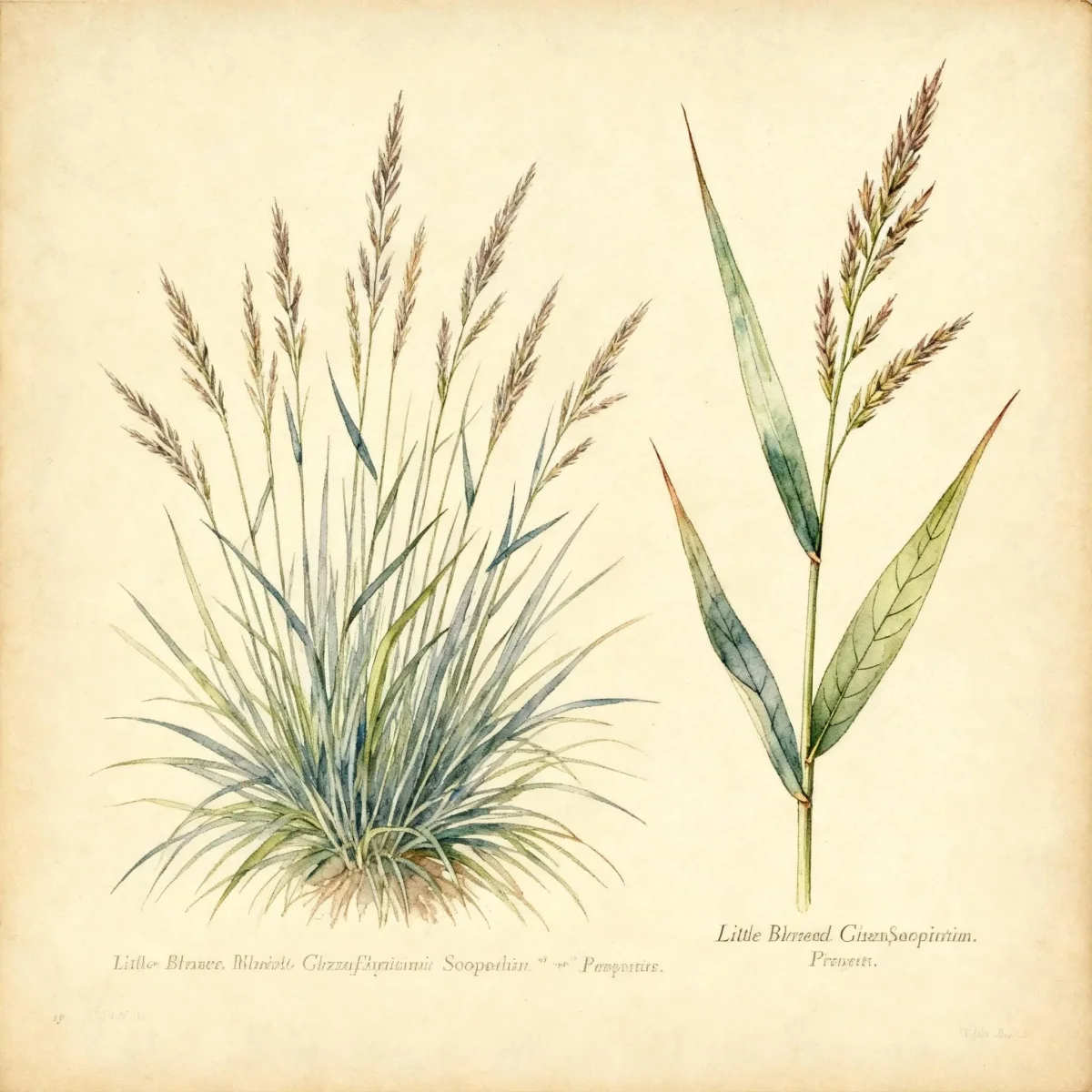
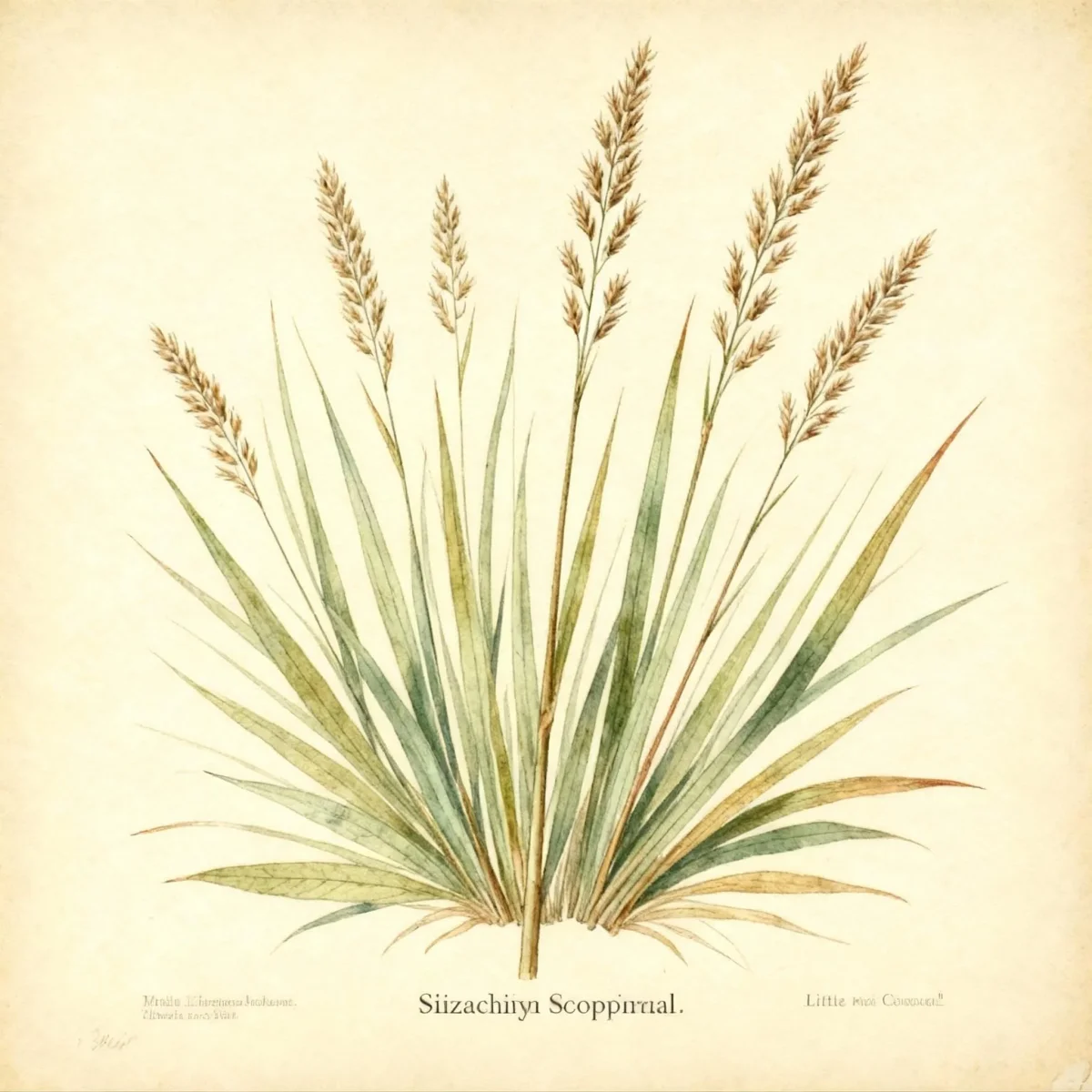
Little bluestem (Schizachyrium scoparium 'Jazz')
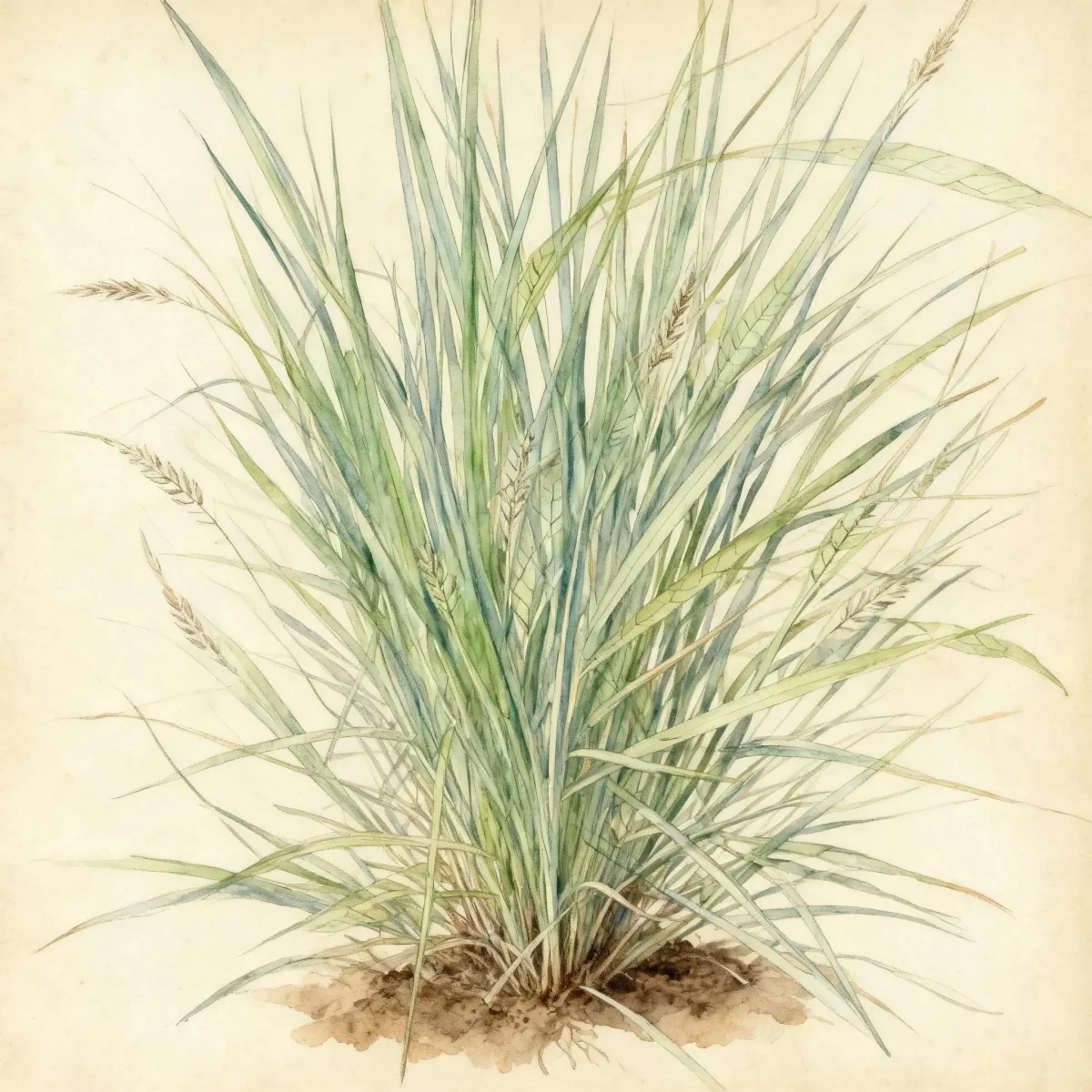
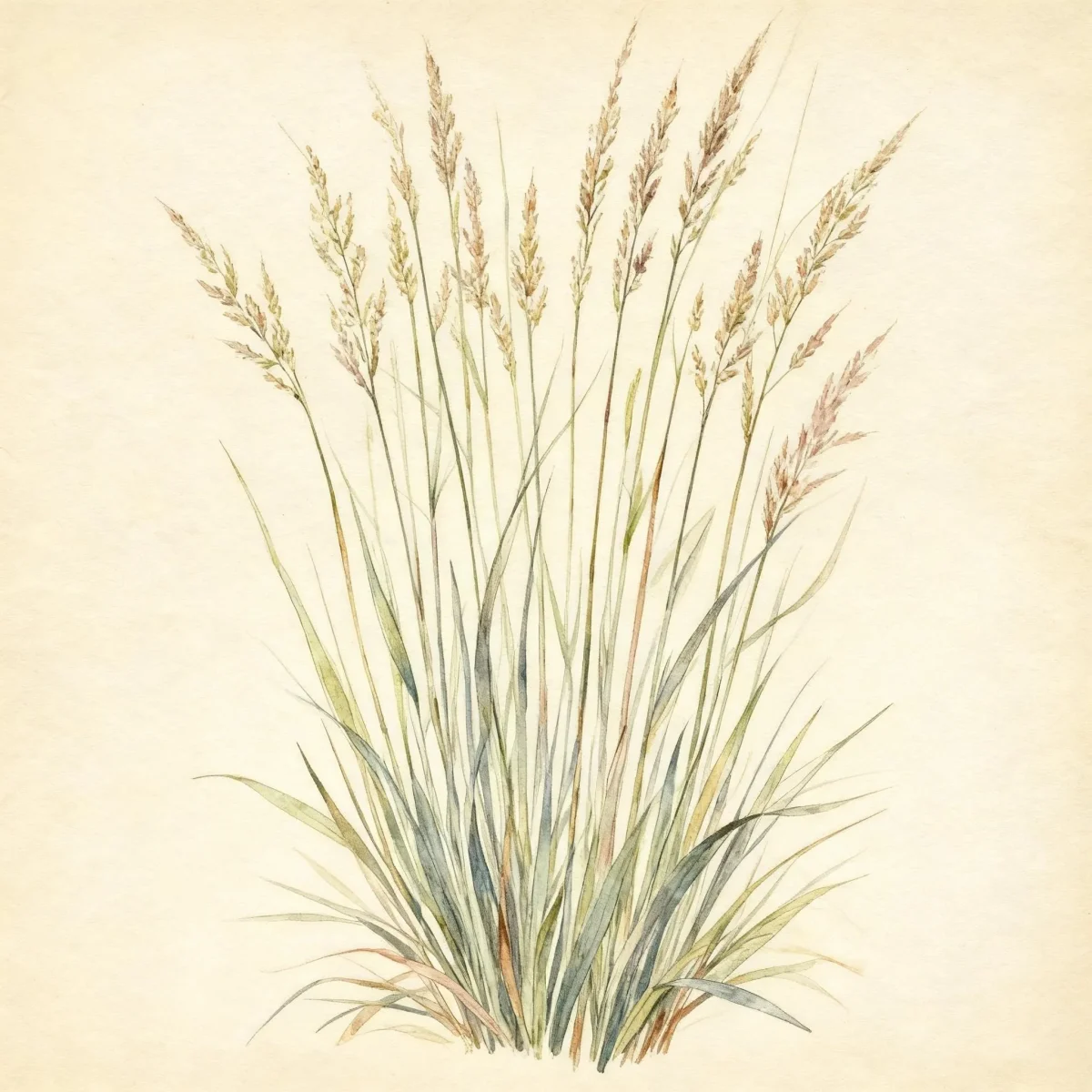
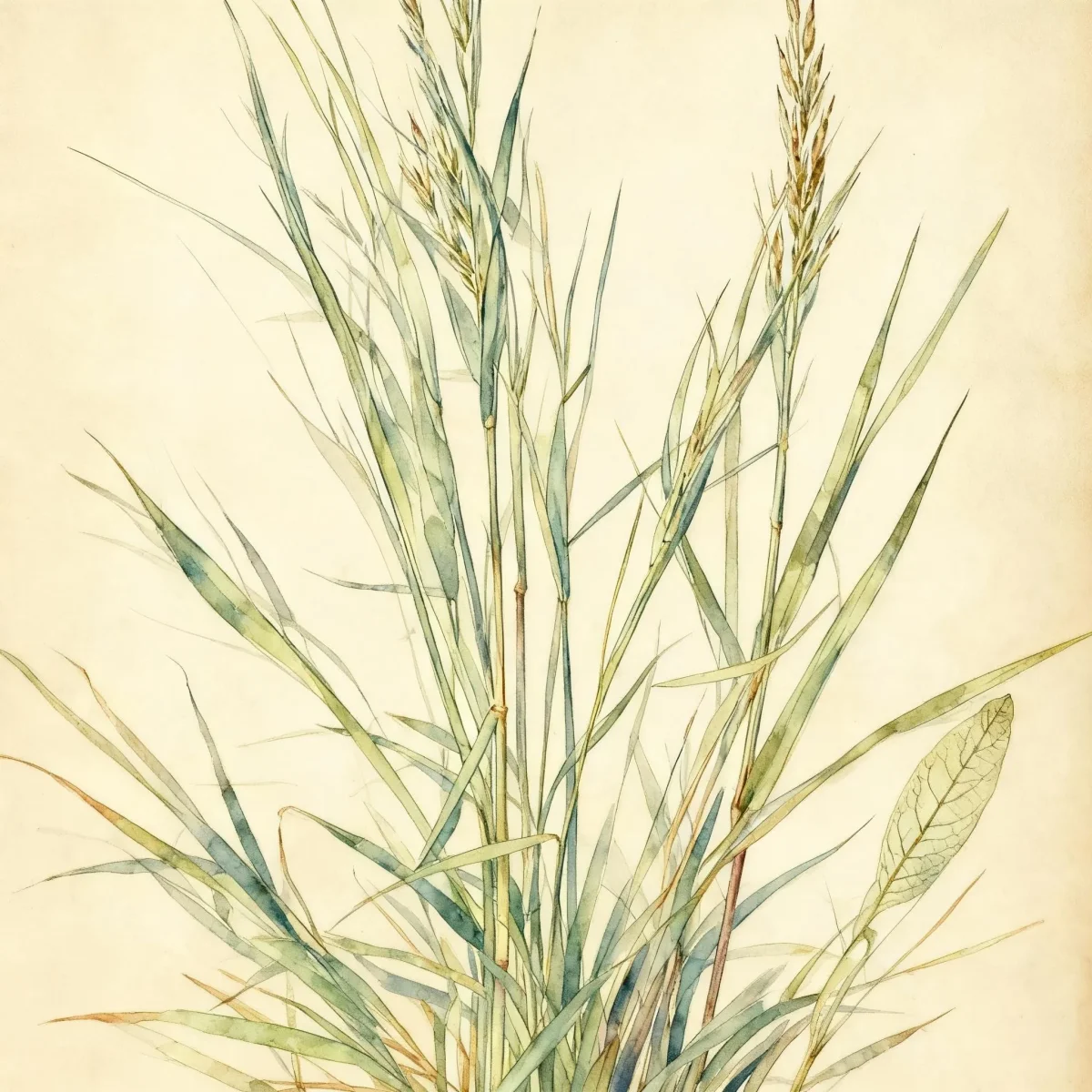
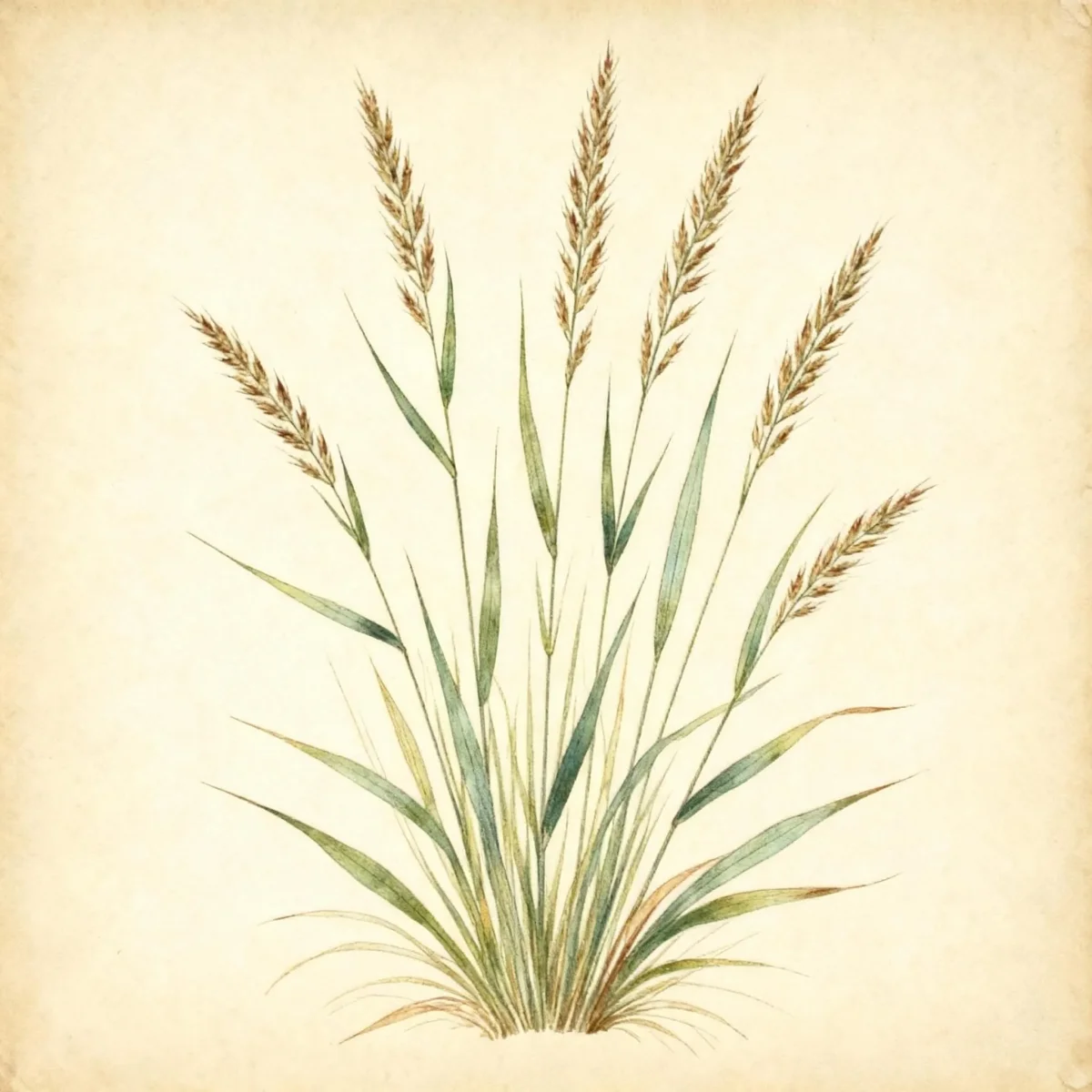
Schizachyrium scoparium 'Jazz' is a standout Little bluestem, offering excellent structure, blue-tinted foliage, and bronze fall color.
Scroll down to discover growing tips, care requirements, companion plants, and more
Complete Plant Information
Overview
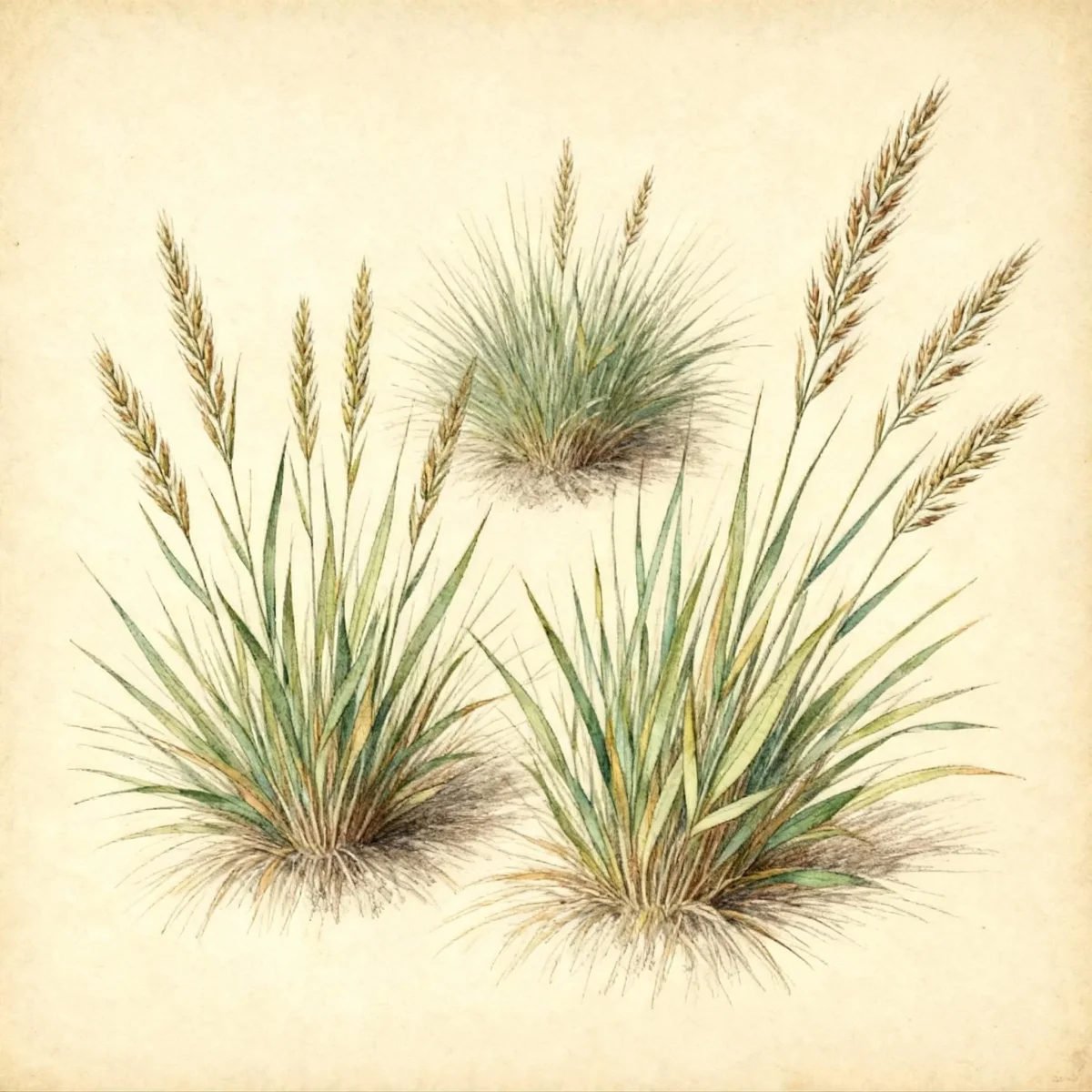
Schizachyrium scoparium ‘Jazz’, commonly known as Little bluestem, is an indispensable native grass valued for its compact, upright habit and superb seasonal color transitions. This cultivar was specifically selected for its shorter stature, ensuring that the narrow, blue-tinged foliage remains tidy and resists flopping, even in harsh conditions. Its architectural form provides excellent vertical interest throughout the year, transitioning beautifully from summer greens to rich fall bronzes and oranges.
This cultivar brings the ecological benefits of native Little bluestem—including habitat and seed sources for birds—to smaller garden settings where its 2-foot height profile is ideal. It thrives in challenging, dry, sunny sites, making Schizachyrium scoparium ‘Jazz’ a reliable, low-impact specimen for modern, sustainable landscape design. Its drought tolerance once established significantly reduces watering needs, aligning well with water-wise gardening principles.
Fast Facts
- Plant Family: Poaceae
- Plant Type: Ornamental grass
- Hardiness Zones: USDA Zones 3-9
- Size at Maturity:
- Height: 2-2.5 ft
- Spread: 1-1.5 ft
- Bloom Time: August to February
- Bloom Description: Purplish bronze turning silvery when mature
- Sun Exposure: Full sun
- Water Needs: Dry to medium
- Maintenance Level: Low
How to Grow
Plant Schizachyrium scoparium ‘Jazz’ in the spring or fall, ensuring it receives full sun exposure for the best performance; insufficient light is the primary cause of late-season flopping. This ornamental grass adapts easily to average, well-drained soil with dry to medium moisture. It thrives even in poor soils, tolerating clay, high heat, and humidity exceptionally well, alongside resisting drought once its root system is established.
Maintenance is remarkably low for this Little bluestem cultivar. Avoid over-fertilizing, as richer soils can lead to weaker stems. Watering should be minimal once established; allow the soil to dry between waterings, especially if aiming for a truly drought-tolerant specimen.
The essential cultural task for Schizachyrium scoparium ‘Jazz’ is cutting it back. Prune all old foliage down to the ground level either in late winter or very early spring before new growth begins. This simple cleanup promotes fresh, vigorous new growth for the coming season.
Landscape Uses
The low-maintenance structure and adaptable nature of Schizachyrium scoparium ‘Jazz’ make it highly versatile. It excels as an ornamental grass for borders, providing neat edging where its compact size prevents overcrowding. Consider using it in mass plantings to emulate native prairie settings on a smaller scale or integrating it into wild gardens and wood margins where its sun requirements are met.
Due to its tolerance for varied and poor conditions, this Little bluestem fits perfectly into challenging spots like rock gardens or rain gardens where moisture fluctuates. Its drought resistance also makes it a prime candidate for sun-baked areas that struggle to support slower-growing perennials. Pair it with coneflowers, black-eyed Susans, or other tough prairie natives that appreciate similar full-sun, low-water environments.
Standout Features
Flower Qualities
- Insignificant
Noteworthy Characteristics
Schizachyrium scoparium, commonly called little bluestem, is native to prairies, fields, clearings, hills, limestone glades, roadsides, waste areas and open woods from Alberta to Quebec south to Arizona and Florida. The foliage turns shades of bronze-orange in the fall, complemented by purplish-bronze flowers that appear in August and mature into fluffy, silvery-white seed heads often persisting into winter. The cultivar ‘Jazz’ stands out because it maintains an upright, compact habit (2 to 2.5 ft tall) that resists flopping, making it an excellent architectural accent.
Tolerances
- Deer
- Drought
- Erosion
- Dry Soil
- Shallow-Rocky Soil
- Black Walnut
- Air Pollution
Potential Problems
This grass experiences virtually no serious insect or disease problems when grown in appropriate conditions. The primary cultural issue to monitor is inadequate sunlight, which can cause the stand of Schizachyrium scoparium ‘Jazz’ to become weak and lean rather than remaining upright. Ensure a full-sun location is chosen for optimal density and aesthetic appeal throughout the growing season.
Frequently Asked Questions
What hardiness zones is Little bluestem suitable for?
Schizachyrium scoparium ‘Jazz’ is reliably hardy across USDA Zones 3 through 9, offering wide adaptability across temperate climates.
How large does Schizachyrium scoparium ‘Jazz’ grow?
This cultivar typically reaches a mature height between 2 and 2.5 feet tall, with a spread of 1 to 1.5 feet, making it a compact choice.
What sun exposure does Little bluestem need?
This ornamental grass requires full sun to maintain its tight structure and develop its characteristic fall coloration.
Conclusion
Schizachyrium scoparium ‘Jazz’ provides exceptional, season-long interest with minimal gardener input, proving itself as a highly reliable, low-maintenance native grass. The rich seasonal color and dependable 2-foot structure of this Little bluestem variety make it essential for modern landscape plans demanding resilience. Confirm your site offers full sun and dry to medium moisture before planting to enjoy the best display from your Schizachyrium scoparium ‘Jazz’.
Wildlife Benefits
As a native grass, Little bluestem offers significant value to local ecosystems, particularly during the winter months. The fluffy, silvery seed heads that persist into the colder seasons provide a crucial food source for numerous species of songbirds when other food sources become scarce. Furthermore, the dense, upright clumps of Schizachyrium scoparium ‘Jazz’ offer excellent low cover and nesting material opportunities for beneficial insects and ground-dwelling wildlife throughout the year.
Companion Planting
Because Schizachyrium scoparium ‘Jazz’ prefers excellent drainage and full sun, companion plants should share these same basic cultural necessities. Combine it with other sun-loving prairie standards like Echinacea purpurea (Coneflower) or Rudbeckia fulgida (Black-Eyed Susan) for striking mid-summer contrast. For year-round textural interest, pair the airy plume of this grass with the heavier foliage of Sedum cultivars or Yucca species that also tolerate dry, rocky soils.