Daphniphyllum (Daphniphyllum macropodum subsp. humile)
The dwarf Daphniphyllum macropodum subsp. humile features striking evergreen foliage, perfect for acidic shade gardens in Zones 7-9.
Scroll down to discover growing tips, care requirements, companion plants, and more
Complete Plant Information
Overview
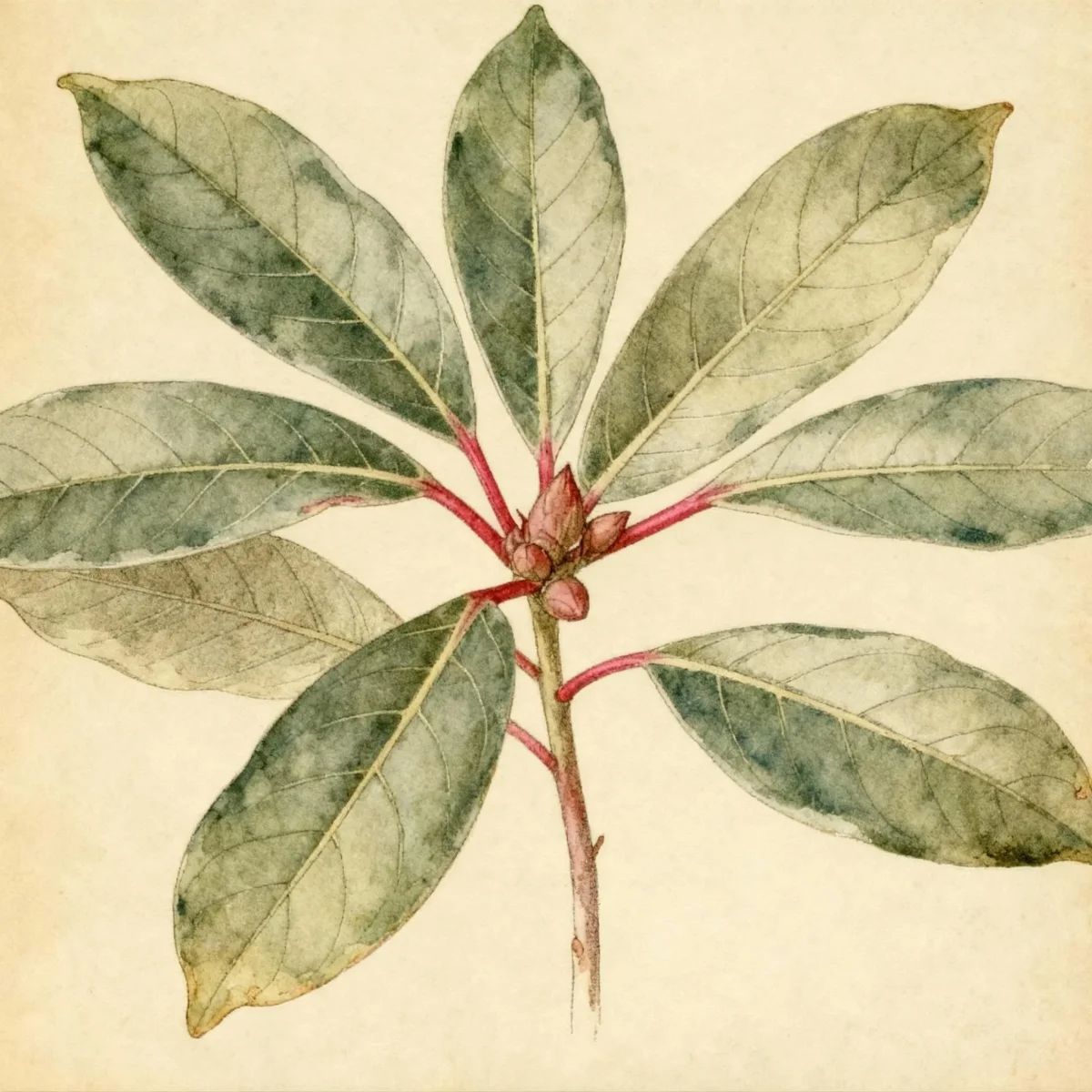
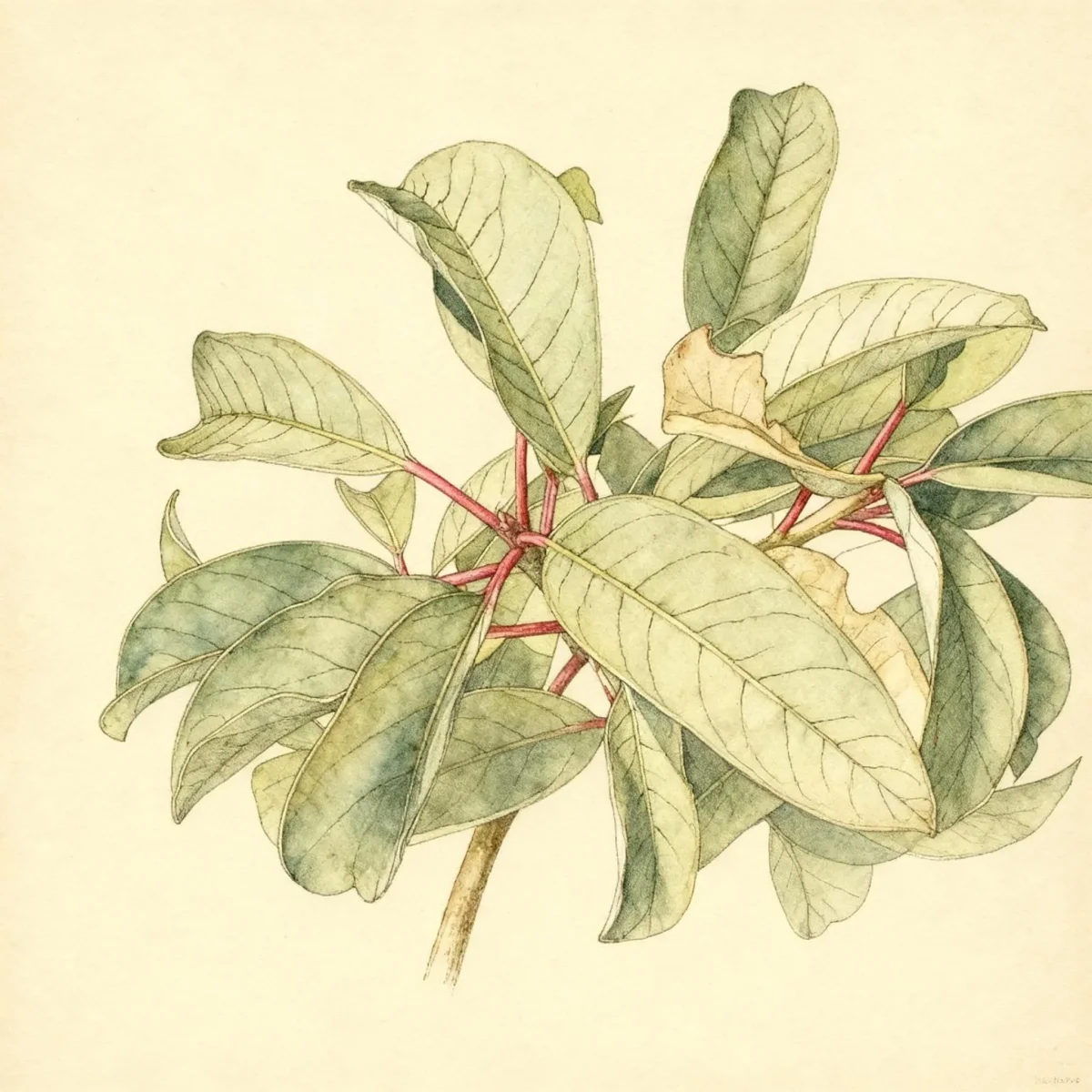
Daphniphyllum macropodum subsp. humile is a valuable, slow-growing broadleaf evergreen shrub perfect for adding year-round structure to shaded garden spaces. Its primary appeal lies in its bold, leathery foliage, which often emerges flushed with pink, contrasting beautifully against established greens, similar to the parent species. This dwarf cultivar, officially known as Daphniphyllum macropodum subsp. Humile, remains compact, reaching only 2 to 5 feet tall.
Native to Japan, this particular Daphniphyllum thrives best when protected from intense midday sun, requiring consistently moist, rich soil to prevent foliage issues. While relatively uncommon in many gardens, it offers subtle blooms in late spring followed by attractive fruit development on female plants, provided a male pollinator is present. Its evergreen nature ensures screening and textural interest throughout the winter landscape.
Gardeners seeking unique, broadleaf evergreens for foundation plantings or informal hedges will appreciate the manageable size of this Daphniphyllum. It is a less common but highly rewarding choice for gardeners committed to providing the slightly acidic, well-drained conditions it requires for optimal health and density.
Fast Facts
- Plant Family: Daphniphyllaceae
- Plant Type: Broadleaf evergreen
- Native Range: Japan
- Hardiness Zones: USDA Zones 7-9
- Size at Maturity:
- Height: 2-5 ft
- Spread: 2-5 ft
- Bloom Time: May to June
- Bloom Description: Purple-pink (male) and pale green (female)
- Sun Exposure: Part shade
- Water Needs: Medium
- Maintenance Level: Medium
How to Grow
The best time to plant Daphniphyllum macropodum subsp. humile is typically in the spring, allowing the plant time to establish roots before summer heat or winter cold arrives. Success hinges on soil quality; ensure conditions are moist, rich, sandy-humusy, and slightly acidic. Well-drained soil is crucial to prevent root rot, especially given its medium water requirements. Locate your Daphniphyllum where it receives part shade, as exposure to full sun frequently leads to leaf scorch.
Maintaining consistent moisture is key to the health of this shrub. Water thoroughly and allow the top layer of soil to approach dryness before watering again, but never let the soil become bone dry. While specific fertilization needs are minimal, an application of slow-release acidifying fertilizer in early spring can benefit foliage color and growth. Pruning is generally unnecessary for the dwarf subspecies, but you may shear lightly after blooming to maintain hedge shape if desired.
While hardy primarily in Zones 7-9, gardeners in Zone 6 may attempt cultivation if the plant is sited in a highly protected spot, such as against a south-facing wall, and heavily mulched before winter sets in. Remember that propagation relies on separating male and female plants; they are dioecious, meaning fruits (showy blue-black drupes) will only appear on female shrubs if a male plant is nearby to provide pollen.
Landscape Uses
As a rounded evergreen shrub, Daphniphyllum macropodum subsp. humile excels in defining borders or softening the foundation lines of a structure. Its dense habit makes it an excellent candidate for creating informal, low-maintenance hedging where a formal sheared look is not desired. For gardeners aiming for seasonal fruit display, remember that planting in small groups is essential to ensure both male and female specimens are included for cross-pollination.
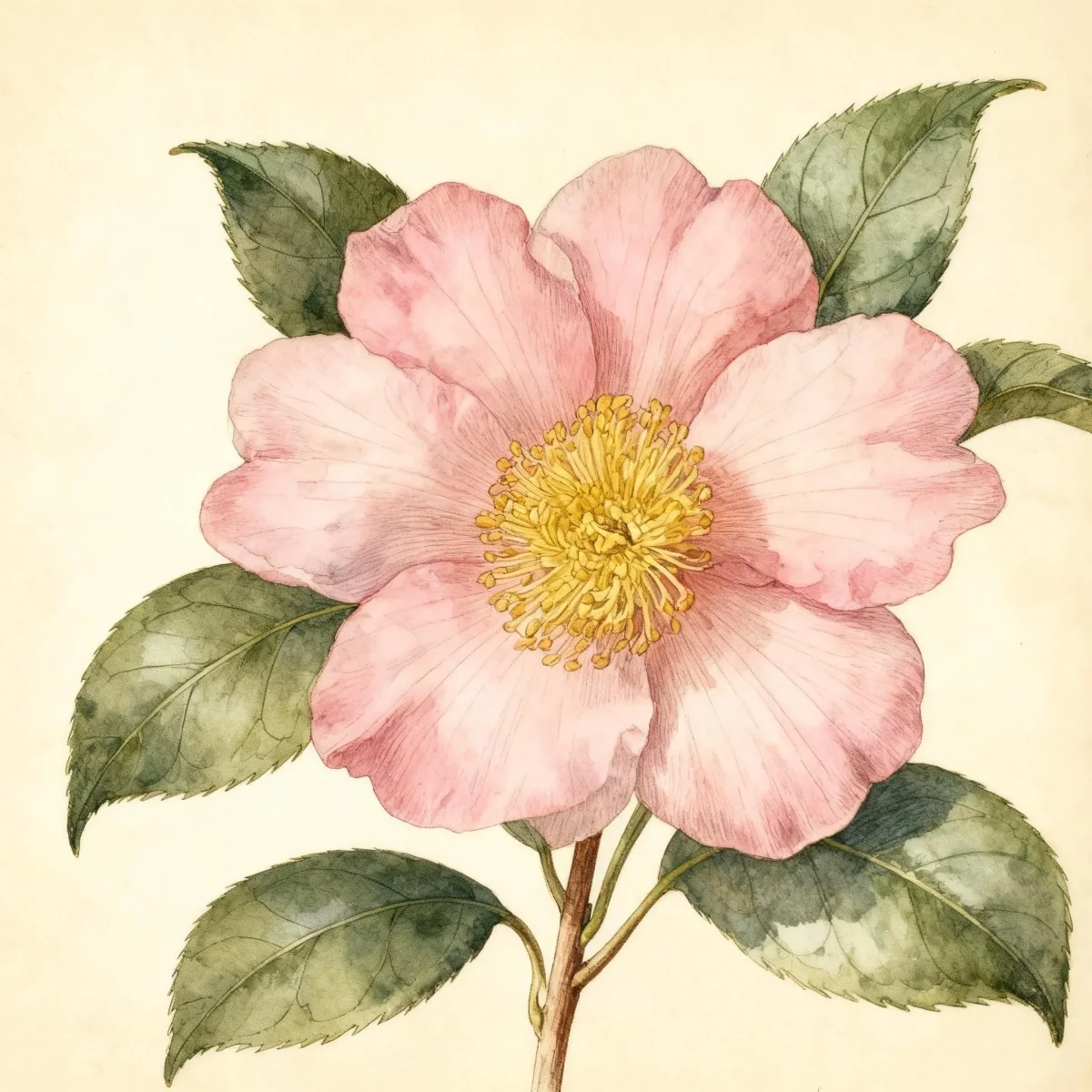
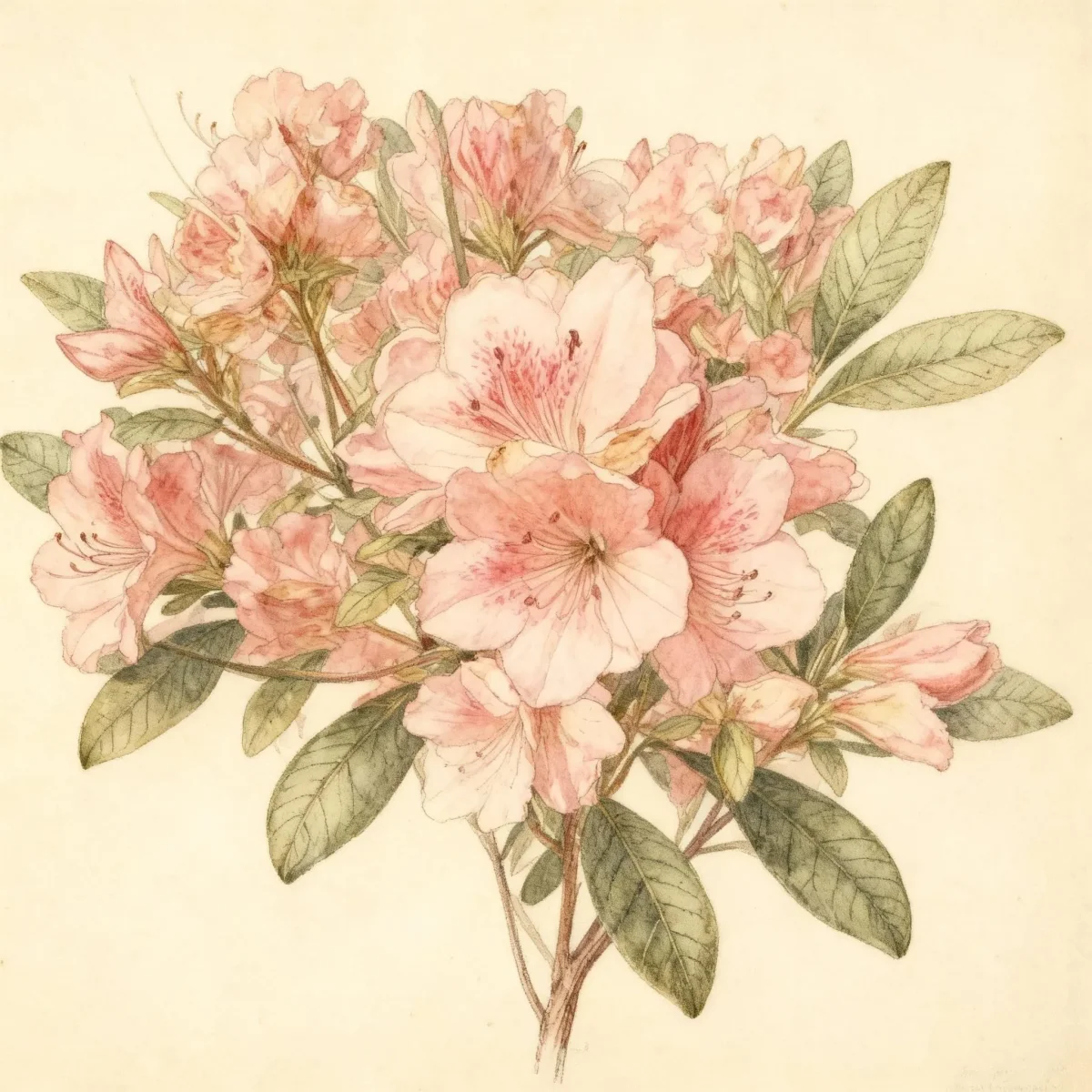
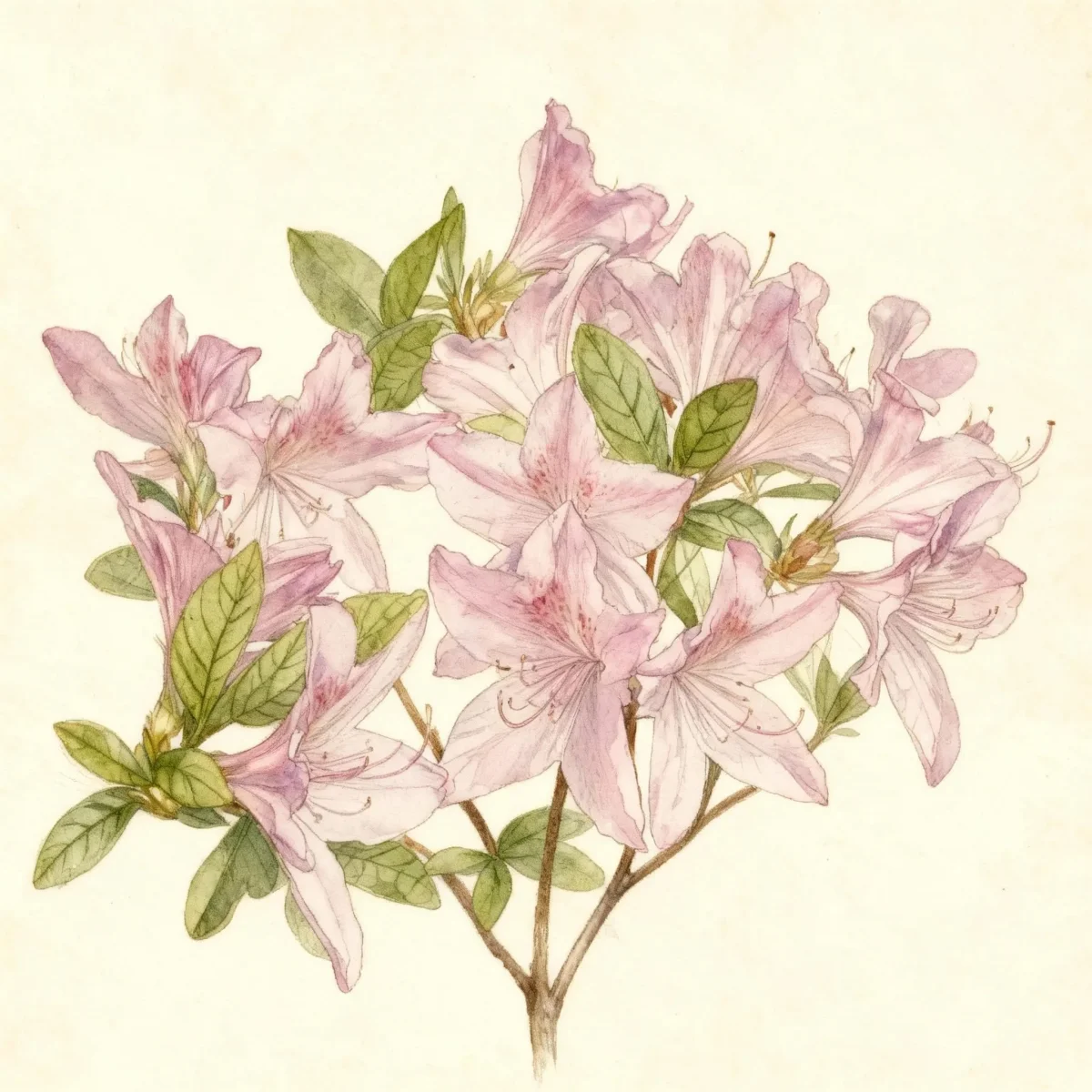
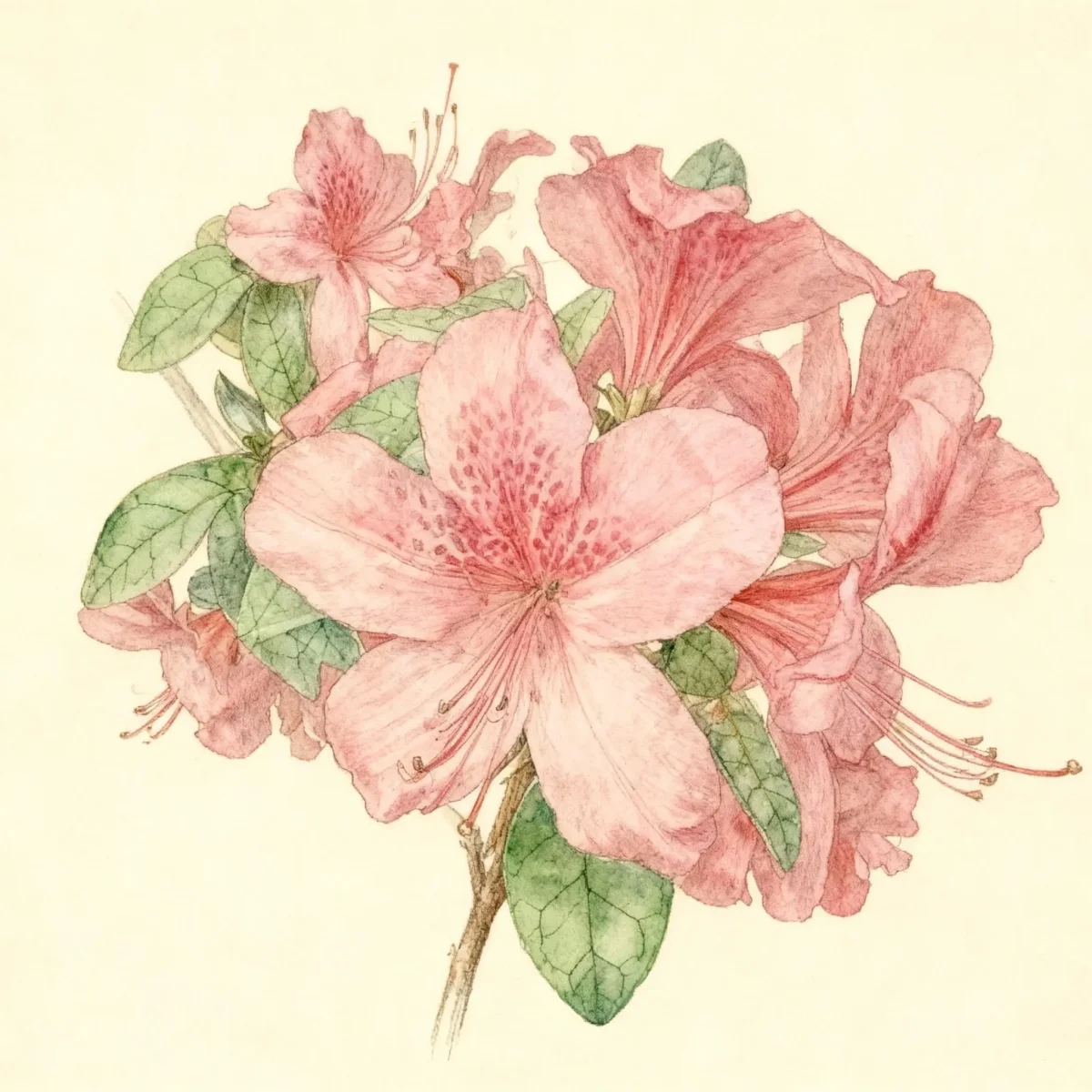
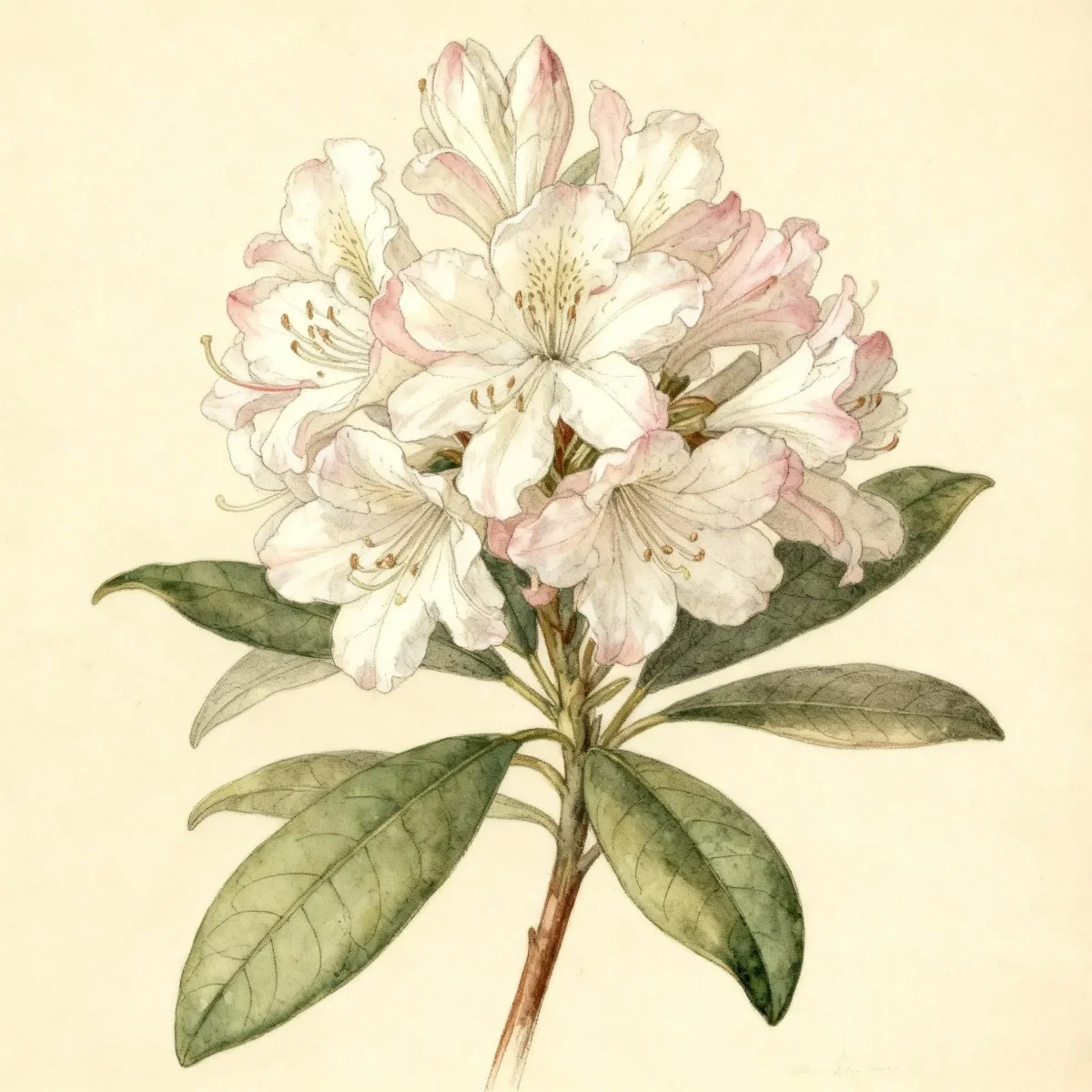
This unique foliage plant also shines as a specimen accent where its architectural form can be appreciated against simpler evergreen backdrops or deciduous plants that go dormant in winter. Consider pairing Daphniphyllum with other acid-loving, shade-tolerant plants like Rhododendron, Azalea, or Helleborus, whose cultural needs align perfectly with this Japanese native. The robust, glossy leaves of Daphniphyllum offer essential textural contrast in shade gardens year-round.
Standout Features
Flower Qualities
- Insignificant
Fruit Qualities
- Showy
Noteworthy Characteristics
Daphniphyllum macropodum subsp. humile is celebrated for its tidy, compact evergreen structure, making it an excellent low-growing substitute compared to the taller species. This subspecies features leathery leaves borne in spirals at the stem ends, creating visual interest even when its muted male or female flowers are present in late spring. Nomenclature can be complex, but gardeners recognize this dwarf form for its reliably smaller size, making species identification easy in the landscape.
Tolerances
No specific tolerances were listed beyond general environmental factors in the culture section.
Potential Problems
Fortunately, Daphniphyllum macropodum subsp. humile generally exhibits excellent pest and disease resistance, showing no known serious insect or disease problems under ideal conditions. The primary management concern revolves around siting and watering habits. If this shrub is placed in an area receiving too much unfiltered sunlight, especially during the hottest parts of the day, leaf scorch is highly likely to occur, causing browning edges and overall weakened appearance. Ensure uniform moisture and provide ample protection from full sun to keep your Daphniphyllum looking its best.
Frequently Asked Questions
What hardiness zones is Daphniphyllum suitable for?
Daphniphyllum macropodum subsp. humile is reliably winter hardy in USDA Zones 7 through 9.
How large does Daphniphyllum grow?
The subspecies Humile is kept compact, typically reaching heights and spreads between 2 and 5 feet.
What sun exposure does Daphniphyllum need?
This evergreen thrives best in part shade; excessive sun exposure can lead to leaf scorch.
When does Daphniphyllum bloom?
Flowering occurs from May into June, presenting inconspicuous purple-pink flowers on male plants and pale green flowers on female plants.
Conclusion
The manageable height and attractive broadleaf evergreen foliage establish Daphniphyllum macropodum subsp. humile as a distinctive textural element for the cooler, shadier corners of the landscape. For those dedicated to providing the moist, acidic soil it loves, this Daphniphyllum offers structure and subtle beauty not found in more common foundation plants. Check your local USDA hardiness zone compatibility today and plan your spring planting for guaranteed year-round interest.
Companion Planting
When selecting companions for Daphniphyllum macropodum subsp. humile, prioritize plants that share its affinity for rich, slightly acidic, moist, and well-drained soils, especially those tolerant of part shade conditions. Excellent pairings include various Rhododendrons and Azaleas, which share similar cultural needs and provide spectacular spring color contrast against the dark green, glossy leaves of the Daphniphyllum. Furthermore, underplanting with shade-loving groundcovers such as Japanese Forest Grass (Hakonechloa macra) or woodland perennials like Hellebores (Helleborus spp.) will help maintain soil moisture consistency around the shrub’s base.
Design Ideas
The compact, rounded habit of this dwarf Daphniphyllum makes it ideal for use near entryways or along pathways where its evergreen presence can be appreciated up close. Use it as a low, informal hedge defining the edge of a woodland garden border, allowing its natural form to dictate the line rather than imposing a strict shearing regimen. In mixed borders, planting Daphniphyllum in small clusters of three or more helps establish a stronger visual impact, especially when placed near larger shrubs that provide a solid green backdrop throughout the year.