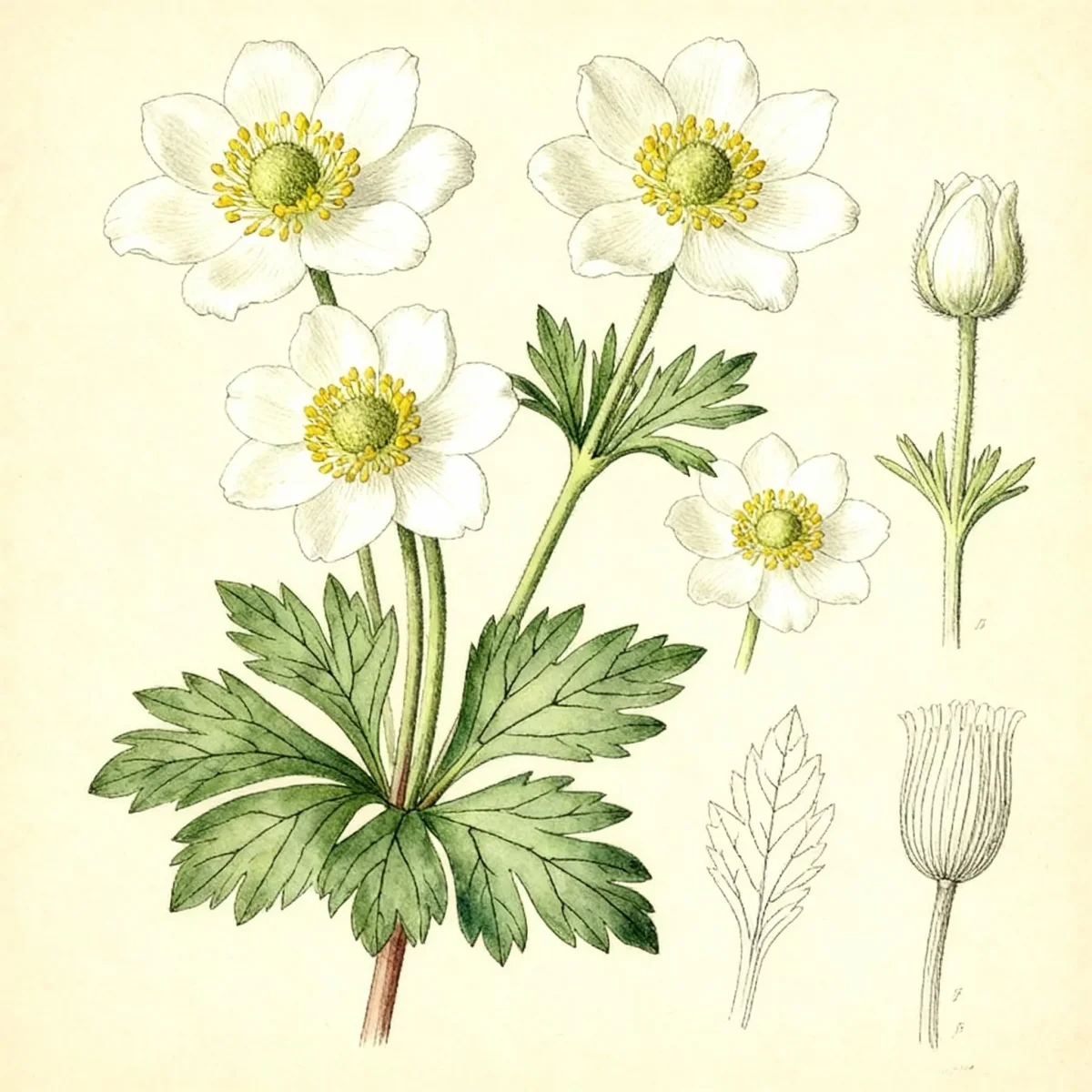
Small-flowered anemone (Anemone parviflora)
Experience the charm of Anemone parviflora, the Small-flowered anemone. A low-maintenance perennial for moist, rocky sites.
Scroll down to discover growing tips, care requirements, companion plants, and more
Complete Plant Information
Overview
The Small-flowered anemone (Anemone parviflora) is a delicate yet resilient wildflower well-suited for rock gardens and naturalized areas within cooler climates. As an herbaceous perennial, it returns reliably each year, offering clean white blooms that brighten early to mid-summer landscapes. Its small stature and preference for moist, rocky soils set it apart from larger, flashier garden relatives.
This species, also known as Arctic wind-flower or northern anemone, demonstrates remarkable hardiness across USDA Zones 3 through 7. Gardeners appreciate its low maintenance requirements, making Anemone parviflora an excellent choice for native plant enthusiasts looking to recreate alpine meadow aesthetics. It provides subtle beauty without demanding constant input.
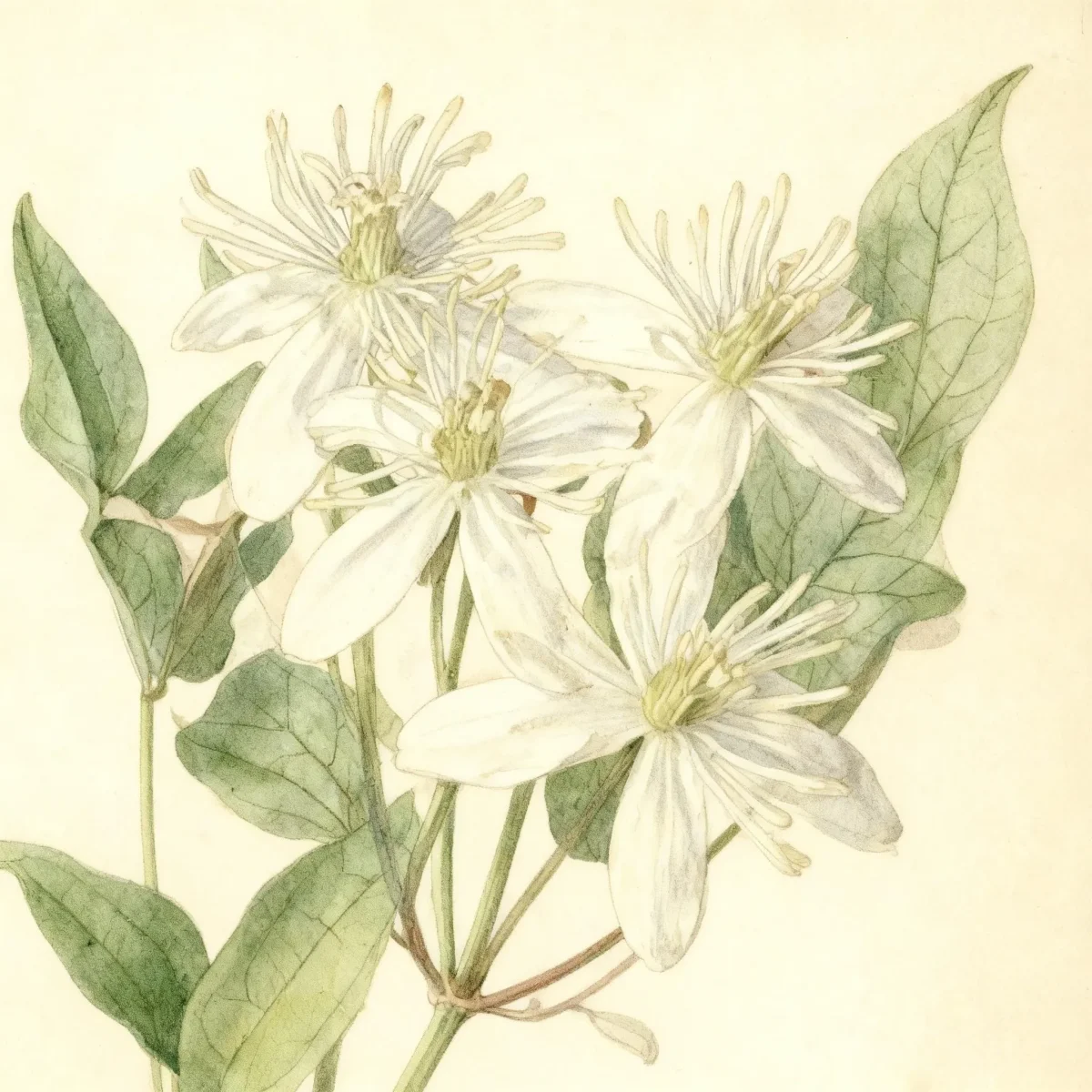
Each delicate bloom features five petal-like white sepals surrounding a striking center of yellow stamens, appearing atop thin stems rising from basal, deeply lobed leaves. For the best performance of Anemone parviflora, site it where it receives full sun and has the well-drained, moderately moist conditions it evolved in across the mountains of Northern North America.
Fast Facts
- Plant Family: Ranunculaceae
- Plant Type: Herbaceous perennial
- Native Range: Northern North America, Russian Far East
- Hardiness Zones: USDA Zones 3-7
- Size at Maturity:
- Height: 0.5-0.75 ft
- Spread: 0.5-0.75 ft
- Bloom Time: June to August
- Bloom Description: White
- Sun Exposure: Full sun
- Water Needs: Medium
- Maintenance Level: Low
How to Grow
Planting the Small-flowered anemone is best accomplished in spring or early fall, provided the soil conditions are right. Ensure the location offers moist, rocky, well-drained soils, mimicking its high-altitude native environments. While it prefers full sun for the heaviest blooming, part shade is tolerated, especially in hotter regions.
Care for Anemone parviflora primarily centers on consistent moisture management. Even though its soil needs to be well-drained, it requires medium water to thrive, so avoid letting the area dry out completely, especially during the summer blooming period. This plant generally requires no supplemental fertilizer; rich garden soil often works against its preference for lean, rocky substrates.
Maintenance is wonderfully low for this hardy perennial. Pruning is rarely necessary; simply allow the foliage to die back naturally after the growing season. In late autumn or early spring, clean up any remaining dead foliage. Its tough nature minimizes issues, allowing it to naturalize gracefully where conditions are favorable.
Landscape Uses
The primary recommended use for Anemone parviflora is for naturalizing within native plant gardens or specialized rockeries. Its diminutive size (under 9 inches tall) makes it perfect for softening edges or filling gaps between larger alpine specimens. It thrives naturally in moist, rocky areas that might be unusable for many other garden favorites.
Consider planting the Small-flowered anemone near water features such as streams or ponds, as it appreciates the consistent ground moisture found near these features without sitting in standing water. Groupings create a delightful, meadow-like effect that highlights its charming solitary white flowers against the contrasting green, deeply divided foliage.
This plant integrates well with other low-growing, sun-loving alpine flora. Pair it with creeping thyme, sedums suitable for moist soil, or other small spring-blooming bulbs to ensure continuous visual interest in your rock garden setting.
Standout Features
Flower Qualities
- Showy
Noteworthy Characteristics
Anemone parviflora, commonly called Arctic wind-flower, northern anemone or small-flowered anemone, is an herbaceous perennial of the buttercup family that typically grows to only 6-8” tall. Each plant features a solitary, upward-facing, white or blue-tinged flower (to 2” diameter) which blooms between June and August (depending on such factors as geographic location and elevation) atop a stiff stem rising from a small clump of three-parted basal leaves. This anemone is, however, circumboreal in distribution and may also be found in northern Asia.
Tolerances
- No serious insect or disease problems are typically reported for Anemone parviflora.
Potential Problems
The Small-flowered anemone is known for its low susceptibility to pests and diseases, making it a wonderfully straightforward addition to the garden. Gardeners rarely need to apply treatments for insects or fungal issues if proper cultural needs—specifically good drainage even with medium water—are met. Avoid overly rich, heavy soils, as this can lead to rot rather than pest outbreaks.
Frequently Asked Questions
What hardiness zones is Small-flowered anemone suitable for?
Anemone parviflora is reliably hardy in USDA Zones 3 through 7, making it suitable for many northern and mountainous garden locations.
How large does Small-flowered anemone grow?
This plant typically reaches a mature height between 0.5 and 0.75 feet, with a spread that matches its height, remaining small and compact.
What sun exposure does Small-flowered anemone need?
This species prefers full sun exposure to maximize its bloom potential, though it can adapt to partial shade.
When does Small-flowered anemone bloom?
The Small-flowered anemone generally produces its characteristic white flowers from June to August, depending on its specific location and elevation.
Conclusion
The Small-flowered anemone offers unique charm and excellent hardiness for specific garden niches. Valued for its low maintenance and delicate, showy white flowers, Anemone parviflora excels in naturalized, moist, yet well-drained rocky areas. Before planting, confirm that your site falls within USDA Zones 3-7 and that you can provide consistent moisture throughout the summer to ensure the best display of this northern gem.
Companion Planting
Selecting companions that share the preference for moist, rocky soils and full sun exposure will result in a cohesive planting scheme. Consider using other low-growing, moisture-tolerant alpine or native species. Plants like certain types of Creeping Jenny (if drainage is perfect) or small Campanula varieties that enjoy similar gritty conditions thrive alongside the Small-flowered anemone.
Ensure companions do not grow too tall or dense, as the benefit of this plant is its visibility in open, brighter spaces. Grouping Anemone parviflora in drifts rather than isolated specimens enhances its naturalized look and draws the eye to its fine texture when it blooms in early summer.
Design Ideas for Rock Gardens
The compact size of Anemone parviflora makes it an invaluable textural element in vertical rock garden designs. Place it near the middle or lower levels where its height won’t be overshadowed by taller alpines. Its delicate white flowers provide necessary contrast against the deep greens or grays of surrounding stone and rock cover plants.
For a truly authentic look, mimic its native landscape by grouping it with angular rocks that help promote the sharp drainage required, even while maintaining medium moisture levels. This careful placement ensures that the Small-flowered anemone remains healthy and vibrant throughout its bloom window.