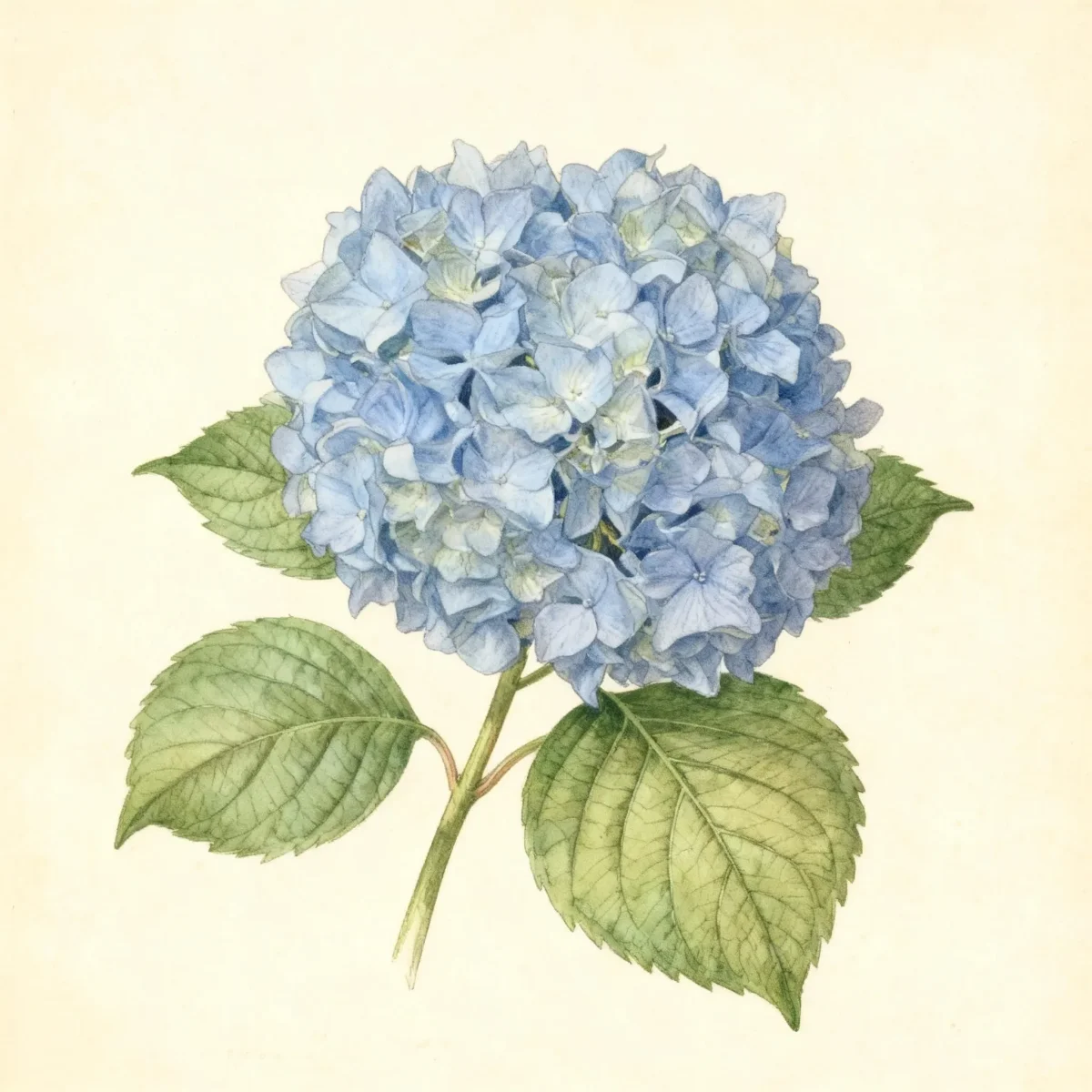
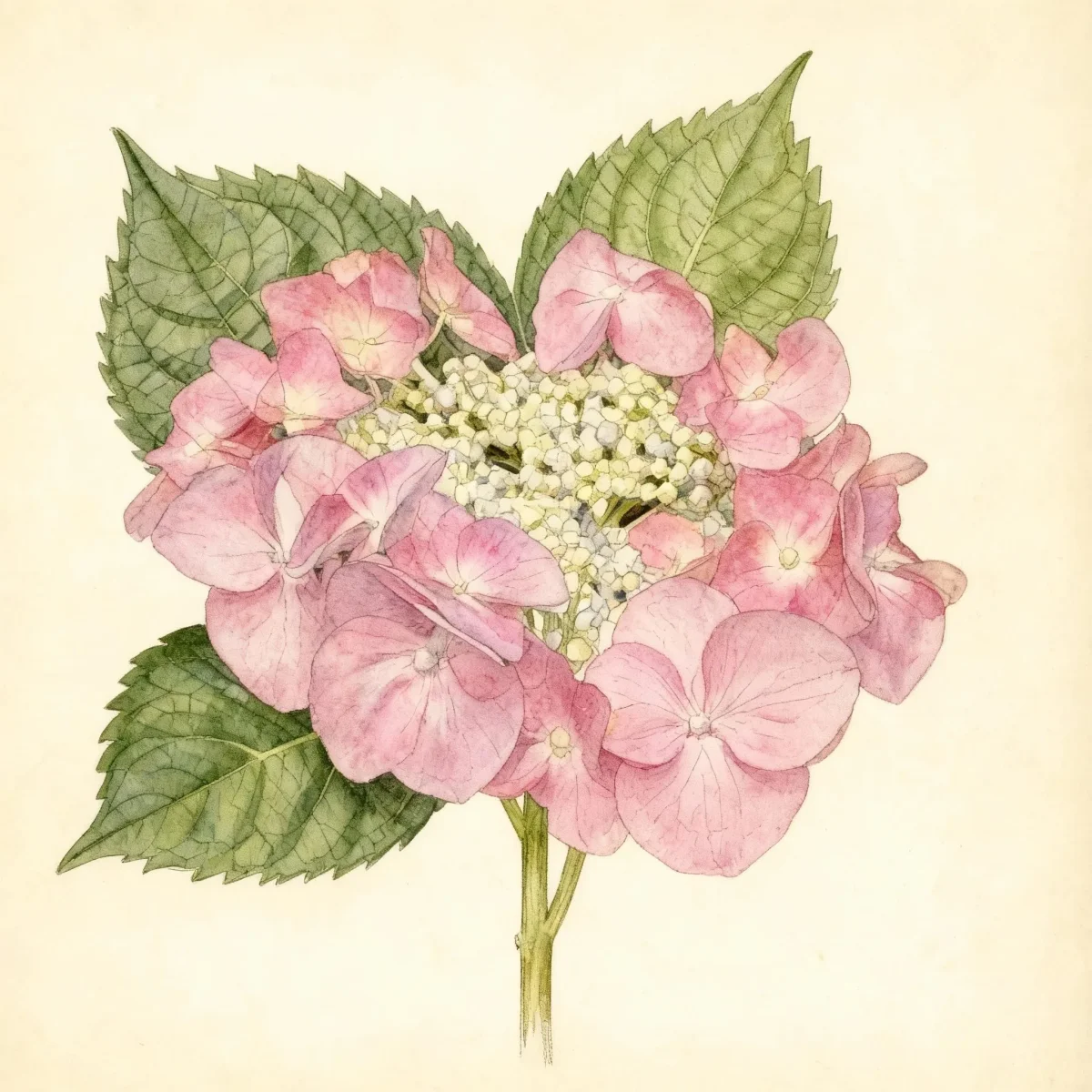
Bigleaf hydrangea (Hydrangea macrophylla 'P11HM-11' BLOOMSTRUCK)
Discover Hydrangea macrophylla 'P11HM-11' BLOOMSTRUCK, a versatile Bigleaf hydrangea blooming summer in Zones 4-9.
Scroll down to discover growing tips, care requirements, companion plants, and more
Complete Plant Information
Overview
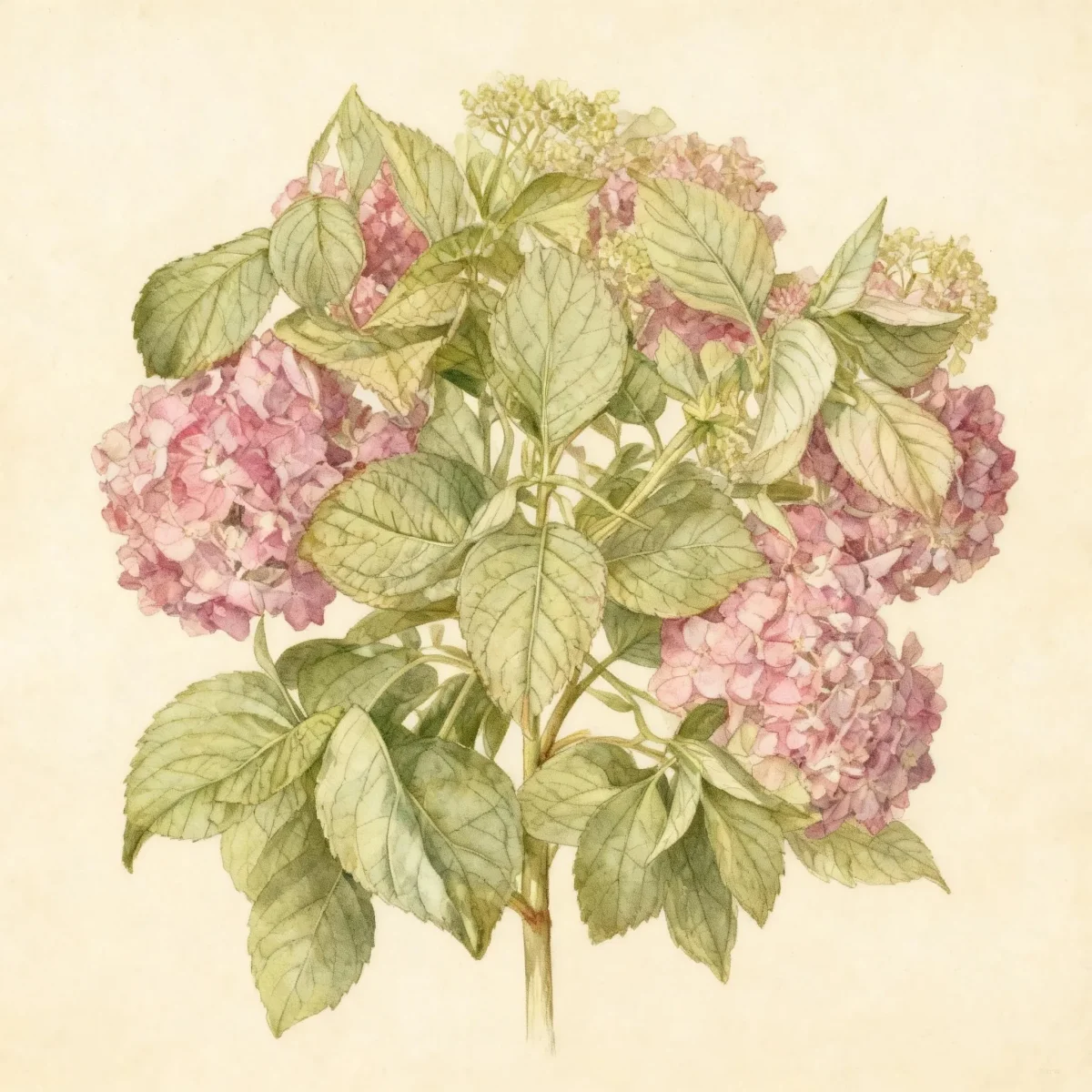
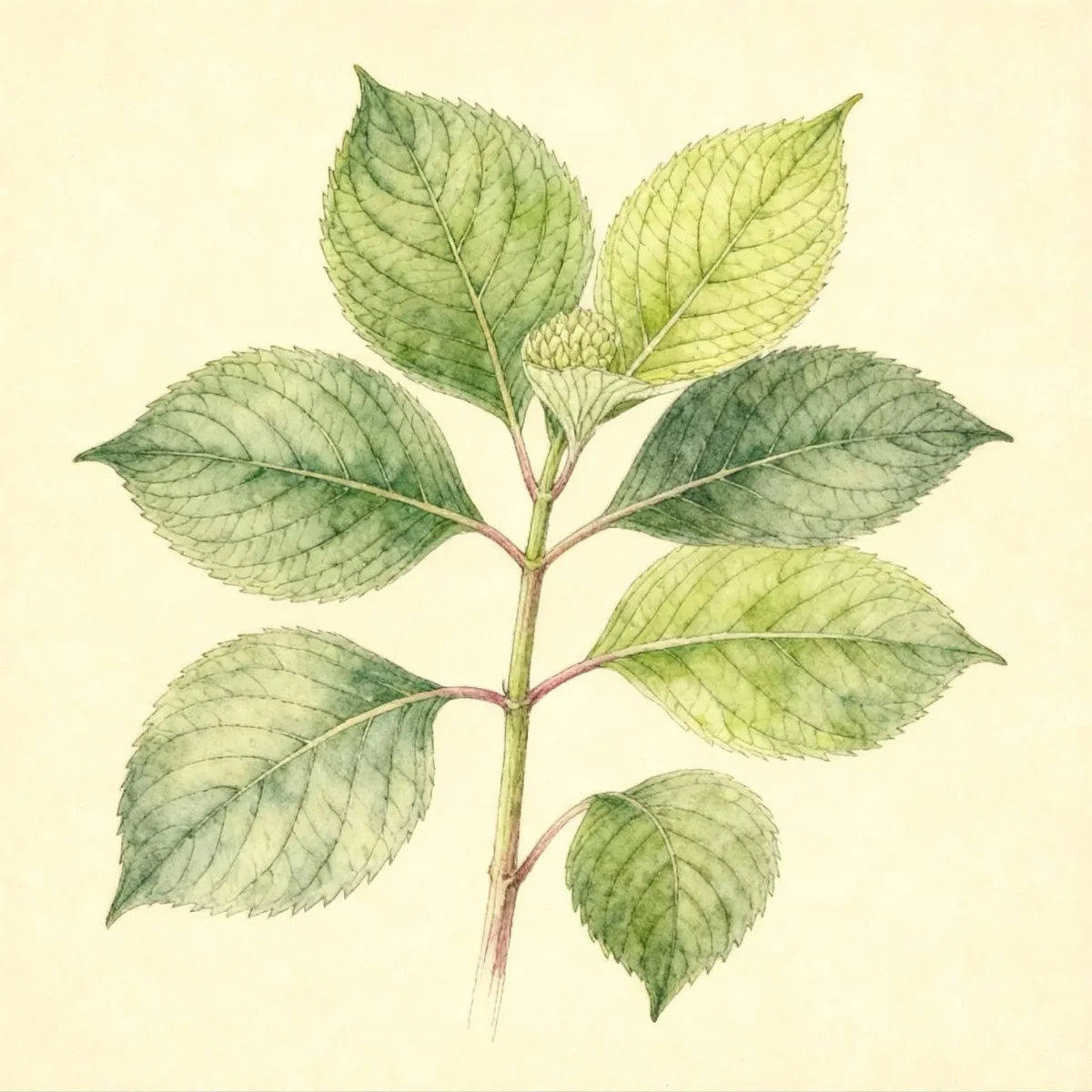
The Hydrangea macrophylla ‘P11HM-11’ BLOOMSTRUCK is prized for its vibrant, long-blooming mophead flowers that offer excellent color retention throughout summer. As a reliable Bigleaf hydrangea cultivar, it provides strong structural interest, featuring dark green leaves contrasted by strong red-purple stems and petioles. This variety offers gardeners flexibility, capable of reblooming all summer long, which ensures color interest long after many other shrubs have finished.
Introduced in 2014, Hydrangea macrophylla ‘P11HM-11’ BLOOMSTRUCK inherited the desirable trait of flowering on both old and new wood from its parentage. This characteristic significantly increases its reliability, especially in colder regions where winter die-back can otherwise eliminate blooms. Its adaptability in color response to soil pH—shifting from pink/rose to blue/violet—makes it a dynamic focal point in the landscape.
This deciduous shrub forms a rounded habit, ideal for mixed borders, foundation plantings, or as a reliable hedge. Gardeners appreciate the performance of BLOOMSTRUCK for its strong reblooming habit and generally manageable size, bringing consistent visual impact from mid-summer well into the fall when foliage transitions to reddish-purple hues.
Fast Facts
- Plant Family: Hydrangeaceae
- Plant Type: Deciduous shrub
- Hardiness Zones: USDA Zones 4-9
- Size at Maturity:
- Height: 3-4 ft
- Spread: 4-5 ft
- Bloom Time: July to August
- Bloom Description: Deep rose (alkaline soil) to violet blue (acidic soil)
- Sun Exposure: Part shade
- Water Needs: Medium
- Maintenance Level: Medium
How to Grow
For optimal performance, plant Hydrangea macrophylla ‘P11HM-11’ BLOOMSTRUCK in rich, well-drained soils. While it prefers part shade, it can tolerate full sun only in locations where the soil remains consistently moist throughout the growing season. Soil pH is critical for color manipulation; amend highly acidic soils with aluminum sulfate for blue flowers or add lime to encourage pink or lilac results.
Watering should be consistent to maintain medium moisture levels, especially during hot spells, as hydrangeas lack drought tolerance. Mulching is highly recommended; apply a 3-inch layer of shredded bark, compost, or peat annually to help retain soil moisture and regulate soil temperature.
Pruning should be minimal on this reblooming type. If pruning is necessary, focus on cleaning up damaged wood in late winter or early spring by removing weak or winter-injured stems. Major shaping should occur immediately after flowering ceases, cutting back exhausted flowering stems back to a set of healthy, outward-facing buds.
Gardeners in Zone 5 and colder should site plants in sheltered areas and consider winter protection, as bud loss from harsh winter conditions can prevent any flowering that year, even with newer reblooming traits.
Landscape Uses
The robust habit of the Bigleaf hydrangea makes Hydrangea macrophylla ‘P11HM-11’ BLOOMSTRUCK an excellent structural element. Use it effectively in the shrub border, either grouped in masses for a cohesive block of summer color or singly as an accent specimen near patios or entryways. Its manageable 3-4 foot height makes it suitable for use in low hedges that define informal garden spaces.
When placing this plant, ensure the location receives afternoon shade to prevent leaf scorch during the hottest part of the day. This shrub pairs beautifully with shade-loving perennials like Hostas, Astilbes, and Japanese Forest Grass, which share similar moisture and light requirements, creating layered texture beneath high canopy trees. For container use, ensure the pot is large enough to accommodate its 4-5 foot spread and use high-quality, moisture-retentive potting mix.
Standout Features
Flower Qualities
- Showy
- Good Cut
- Good Dried
Noteworthy Characteristics
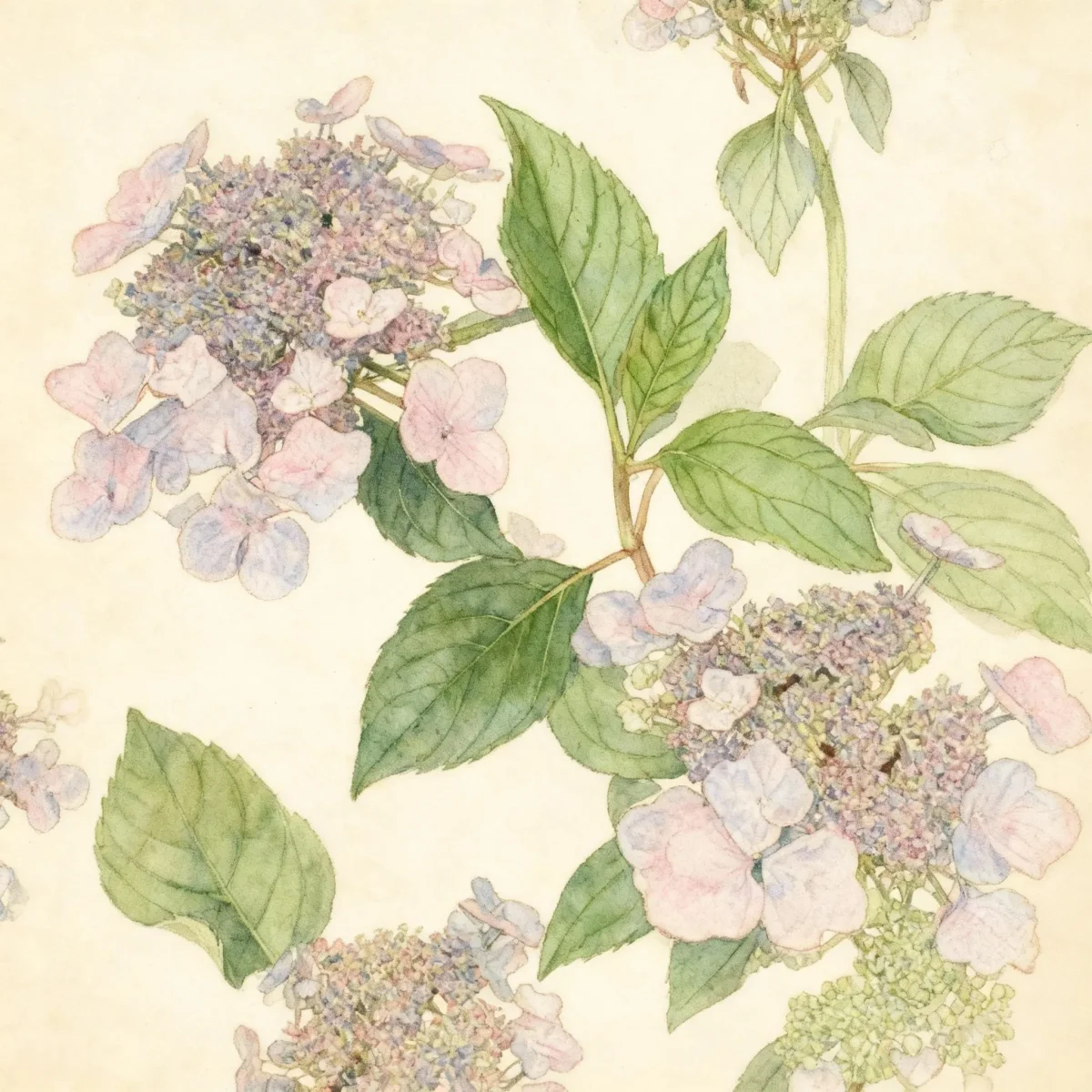
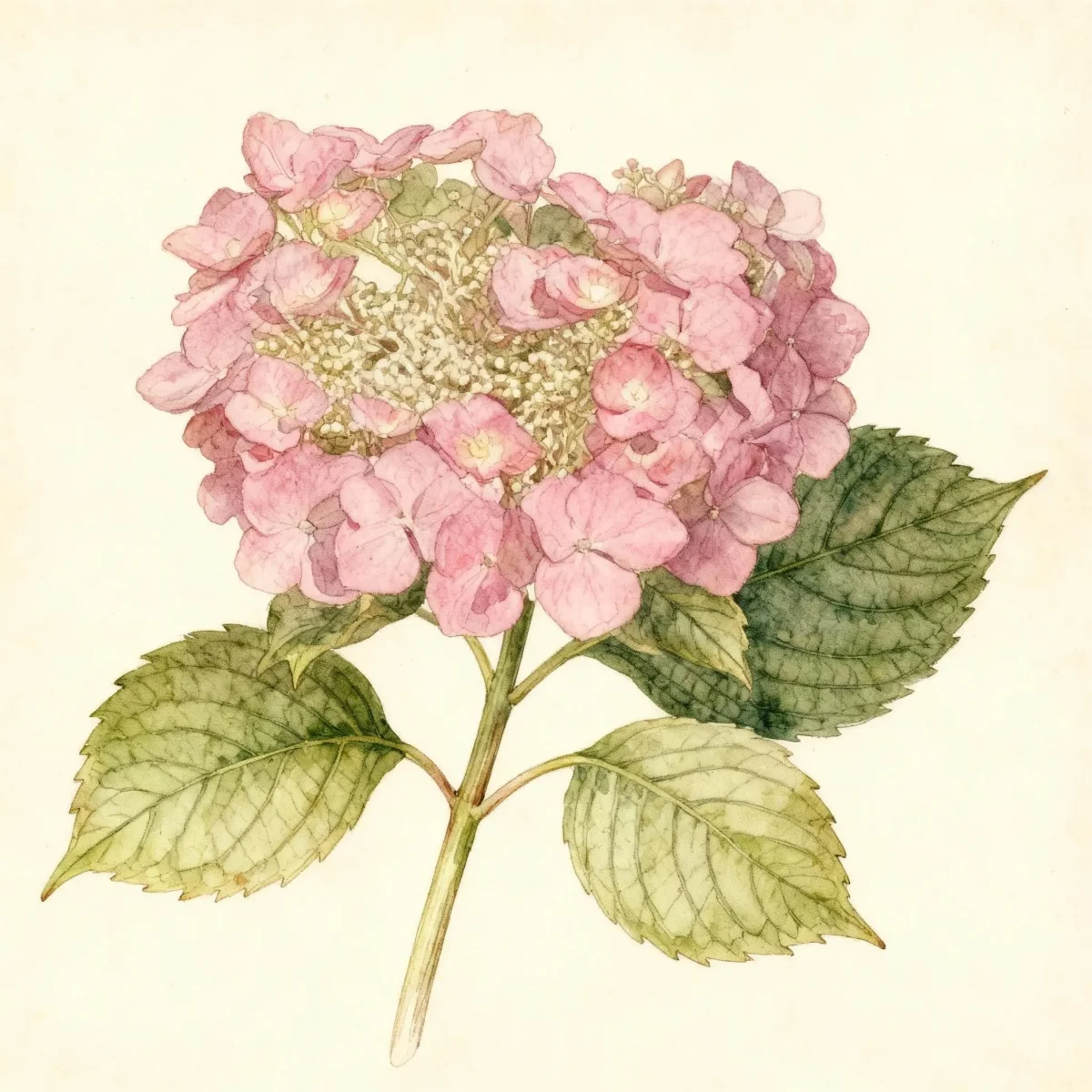
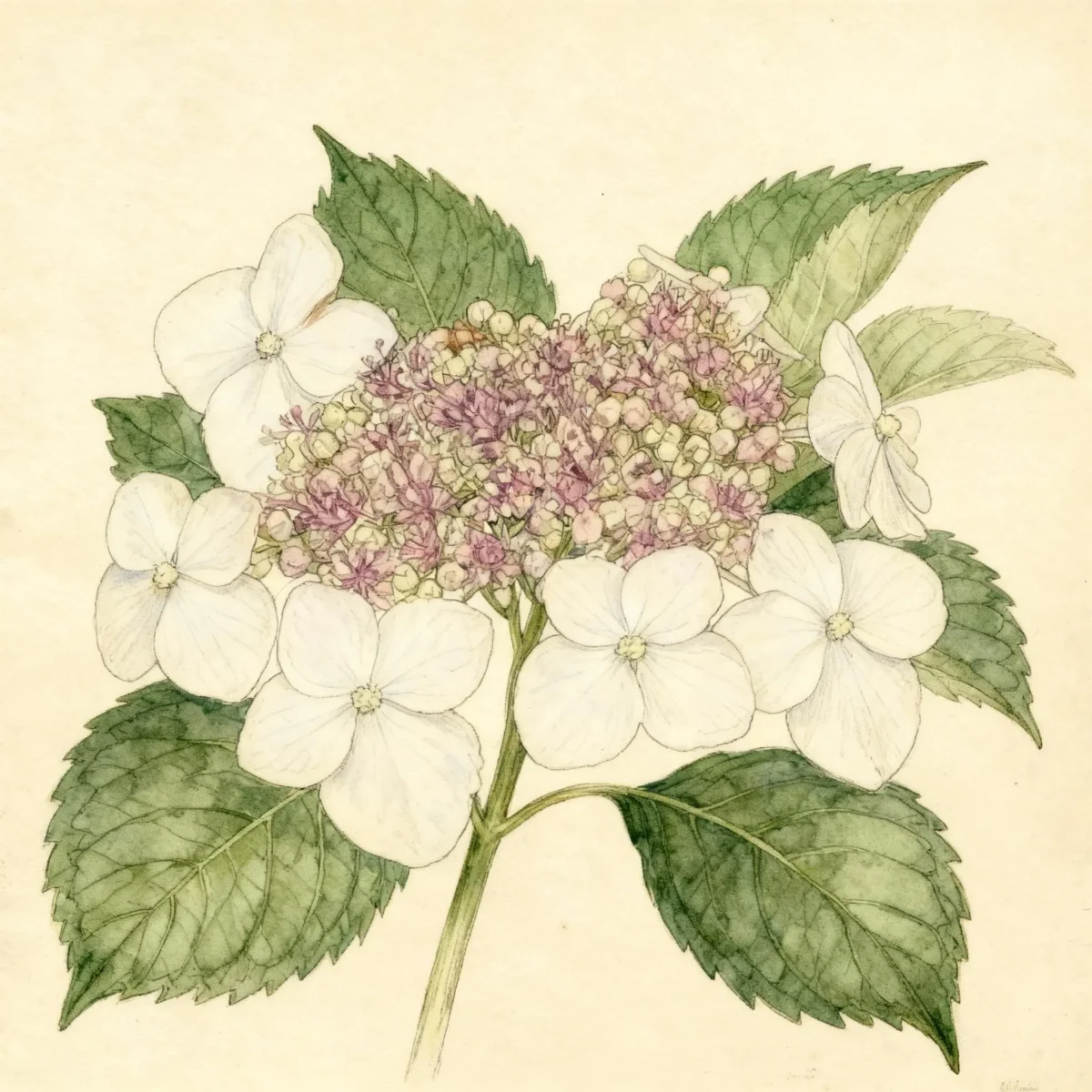
Hydrangea macrophylla, commonly called big leaf hydrangea, is a deciduous shrub with a rounded habit that generally features large clusters of long-blooming summer flowers in a mophead form. Introduced in 2014, BLOOMSTRUCK showcases 3.5 to 5 inch wide mophead flowers that are vivid deep rose to violet blue depending on the soil pH, and it is notable for reblooming all summer long. This cultivar also boasts strong ornamental features, including red-purple stems and foliage with red petioles and veins, turning reddish purple in the fall.
Tolerances
This cultivar has an above-average tolerance to powdery mildew, though some susceptibility to bud blight, bacterial wilt, and leaf spot remains possible.
Potential Problems
While BLOOMSTRUCK resists powdery mildew better than many hydrangeas, gardeners should remain vigilant for common issues affecting Bigleaf hydrangeas. Regularly inspect new growth for signs of aphids, which can be managed with horticultural soap or a strong jet of water. To mitigate fungal issues like leaf spot or mildew, ensure good air circulation around the shrubs and water the soil directly rather than wetting the foliage.
In severe winter conditions, especially in the lower end of its hardiness range (Zone 5), the loss of flower buds is a consistent concern for all Bigleaf hydrangeas. Preventative measures can minimize risk, but gardeners must accept that cold snaps, icy conditions, or late frosts occurring after bud swell often override physical protection methods.
Frequently Asked Questions
What hardiness zones is Bigleaf hydrangea suitable for?
Hydrangea macrophylla ‘P11HM-11’ BLOOMSTRUCK is suitable for USDA Hardiness Zones 4 through 9, though extra protection in Zone 5 is advised.
How large does Hydrangea macrophylla ‘P11HM-11’ BLOOMSTRUCK grow?
This Bigleaf hydrangea typically matures to a height between 3 and 4 feet tall and spreads 4 to 5 feet wide under ideal conditions.
When does Bigleaf hydrangea bloom?
This Hydrangea macrophylla cultivar blooms reliably from July through August, often reblooming throughout the summer, with colors ranging from deep rose to violet blue based on soil chemistry.
What sun exposure does Bigleaf hydrangea need?
The best placement for this plant is in part shade. It can survive full sun only if the soil moisture is kept consistently high.
Conclusion
The Hydrangea macrophylla ‘P11HM-11’ BLOOMSTRUCK remains an outstanding choice for summer color, offering the dependable reblooming previously reserved for specific series. Its manageable size, structural stems, and impressive flower display make this Bigleaf hydrangea a garden workhorse. Before planting, confirm your soil pH if flower color is a priority, and ensure you place your Hydrangea macrophylla ‘P11HM-11’ BLOOMSTRUCK in its required part shade location to maximize its summer performance.
Companion Planting Suggestions
When designing a landscape around your BLOOMSTRUCK Bigleaf hydrangea, select companions that thrive in similar part shade and consistently moist conditions. Consider using shade-tolerant ferns, such as Japanese Painted Ferns (Athyrium niponicum), which offer contrasting fine texture against the hydrangea’s large leaves. Hostas are another excellent partner; their diverse leaf colors—from blue-green to chartreuse—complement the summer blues and pinks of the mophead blooms.
For a woodland garden feel, interplant Hydrangea macrophylla ‘P11HM-11’ BLOOMSTRUCK with woodland phlox (Phlox divaricata) for early spring color, or Astilbe, which blooms later in the season but shares the Bigleaf hydrangea’s love for consistent moisture and dappled light. Ensure that companion plants do not aggressively compete for root space, as hydrangeas prefer regular, even watering rather than deep, infrequent soaking.
Seasonal Care Calendar
Late Winter/Early Spring is the key time for pruning out any dead wood that resulted from winter injury; remember that pruning after June will remove potential summer blooms, so be conservative. As spring progresses, apply slow-release fertilizer if desired, and refresh the 3-inch mulch layer around the base to conserve moisture.
Summer maintenance focuses almost entirely on watering. Even medium water needs can quickly become high needs during dry spells. Check mulch frequently and water deeply if the top few inches of soil feel dry to the touch, especially if the plant is situated where it receives hot afternoon sun.
In Autumn, allow the foliage to change color naturally and resist the urge to cut back spent blooms immediately, as old flower heads can provide insulation for dormant buds. In colder zones (Zone 5), this is the time to evaluate if winter protection strategies, such as wrapping stems in burlap, are necessary before the ground freezes solid.