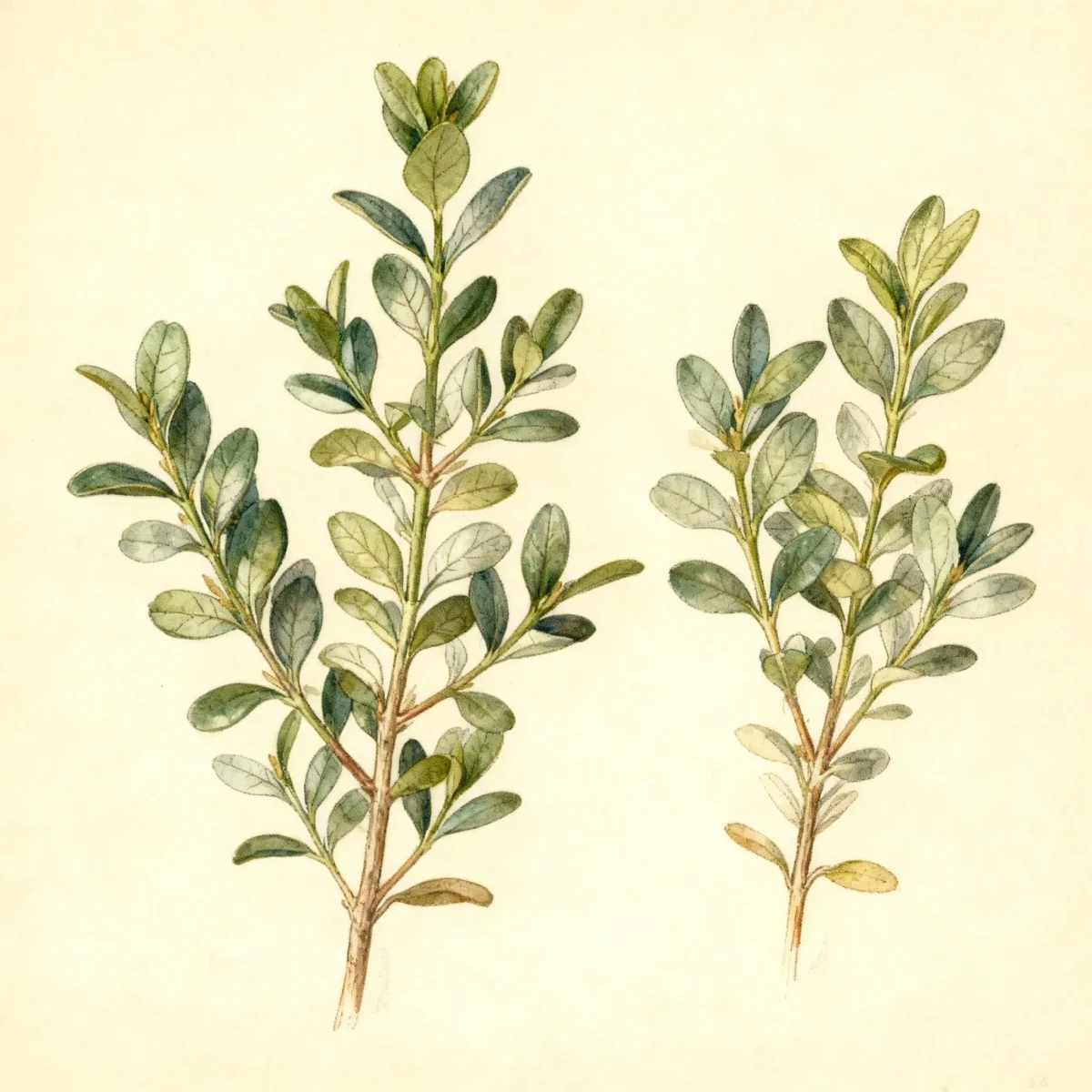
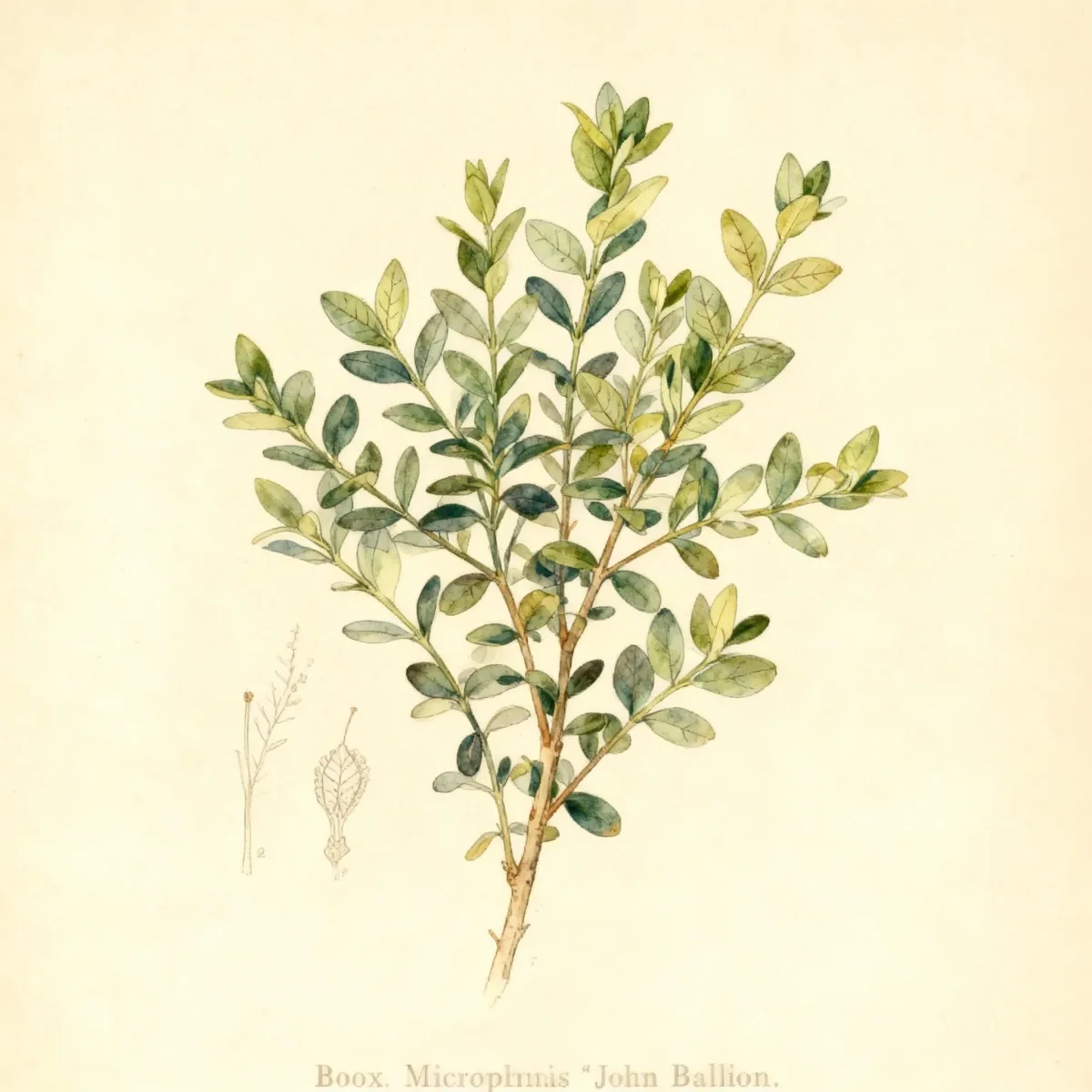
Boxwood (Buxus 'Cranberry Creek')
Buxus 'Cranberry Creek' Boxwood is a dense, compact evergreen shrub ideal for low hedges in zones 5-8. Features fine texture.
Scroll down to discover growing tips, care requirements, companion plants, and more
Complete Plant Information
Overview
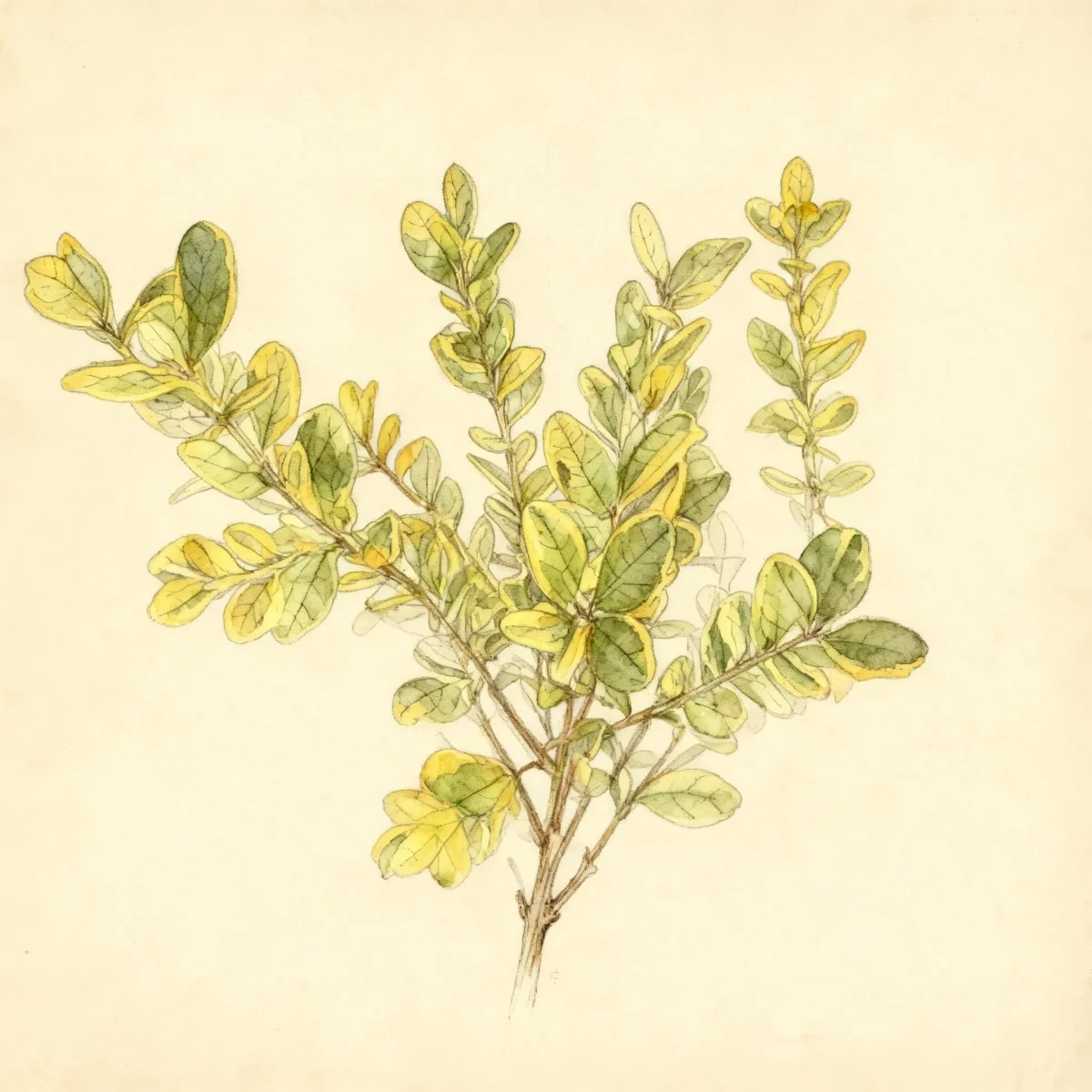
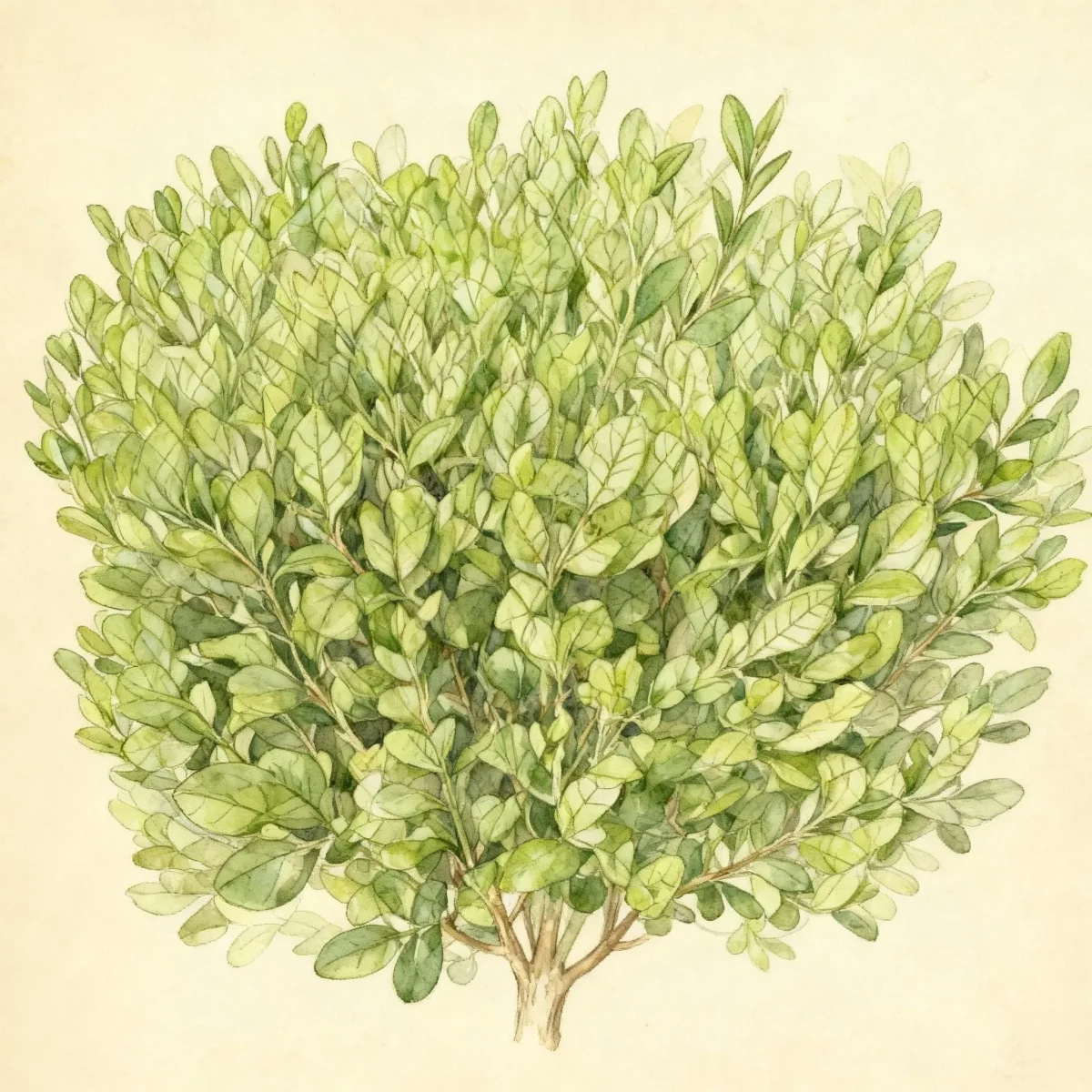
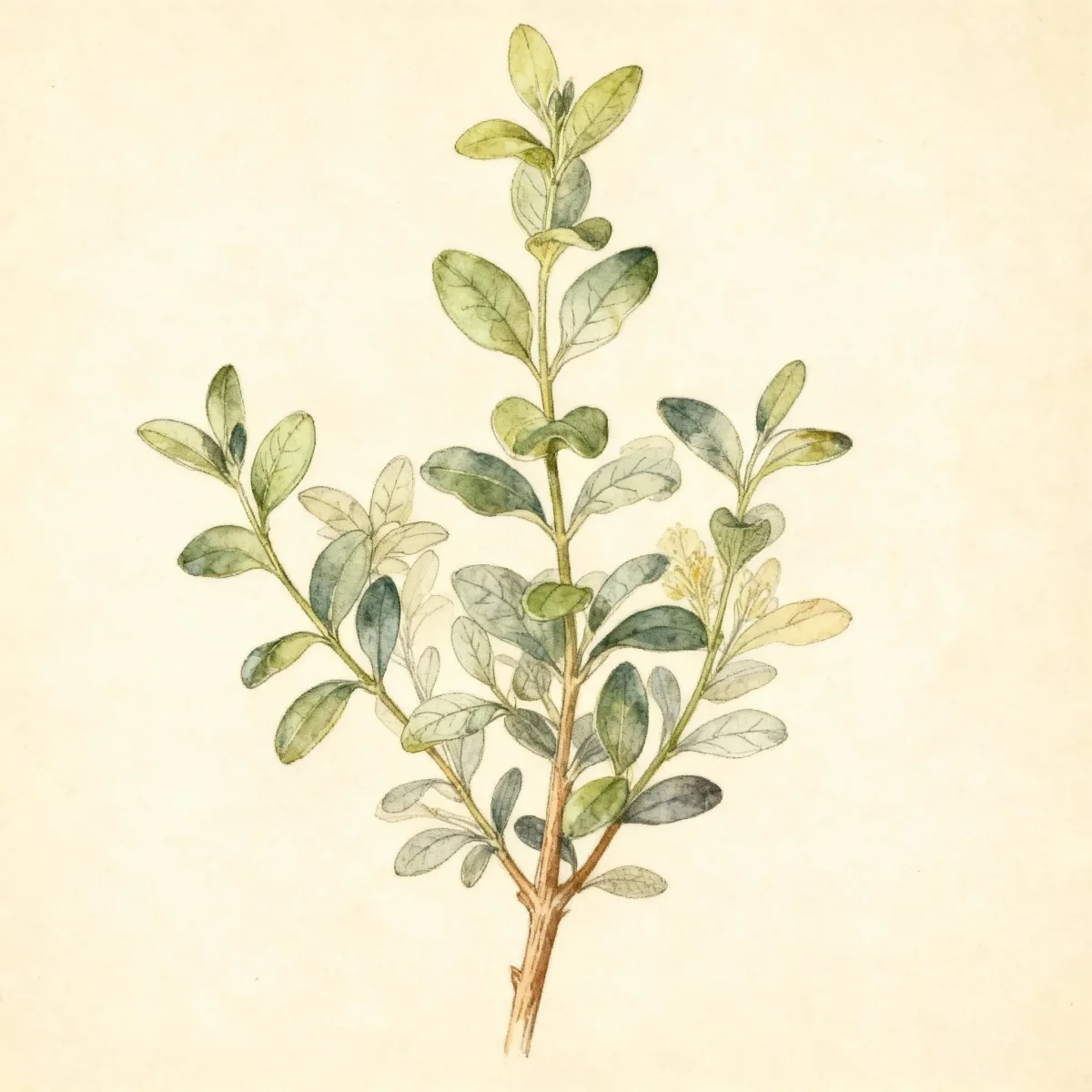
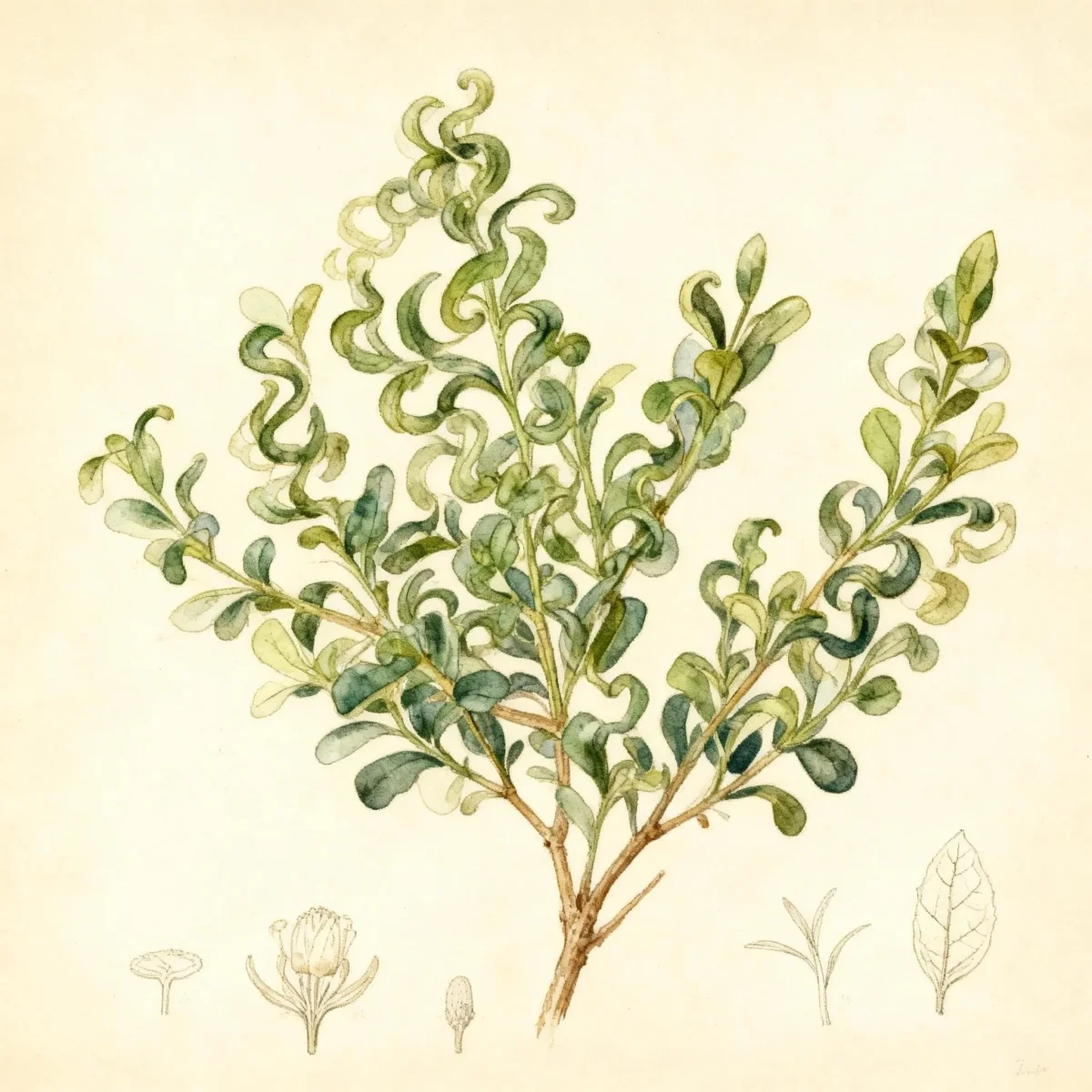
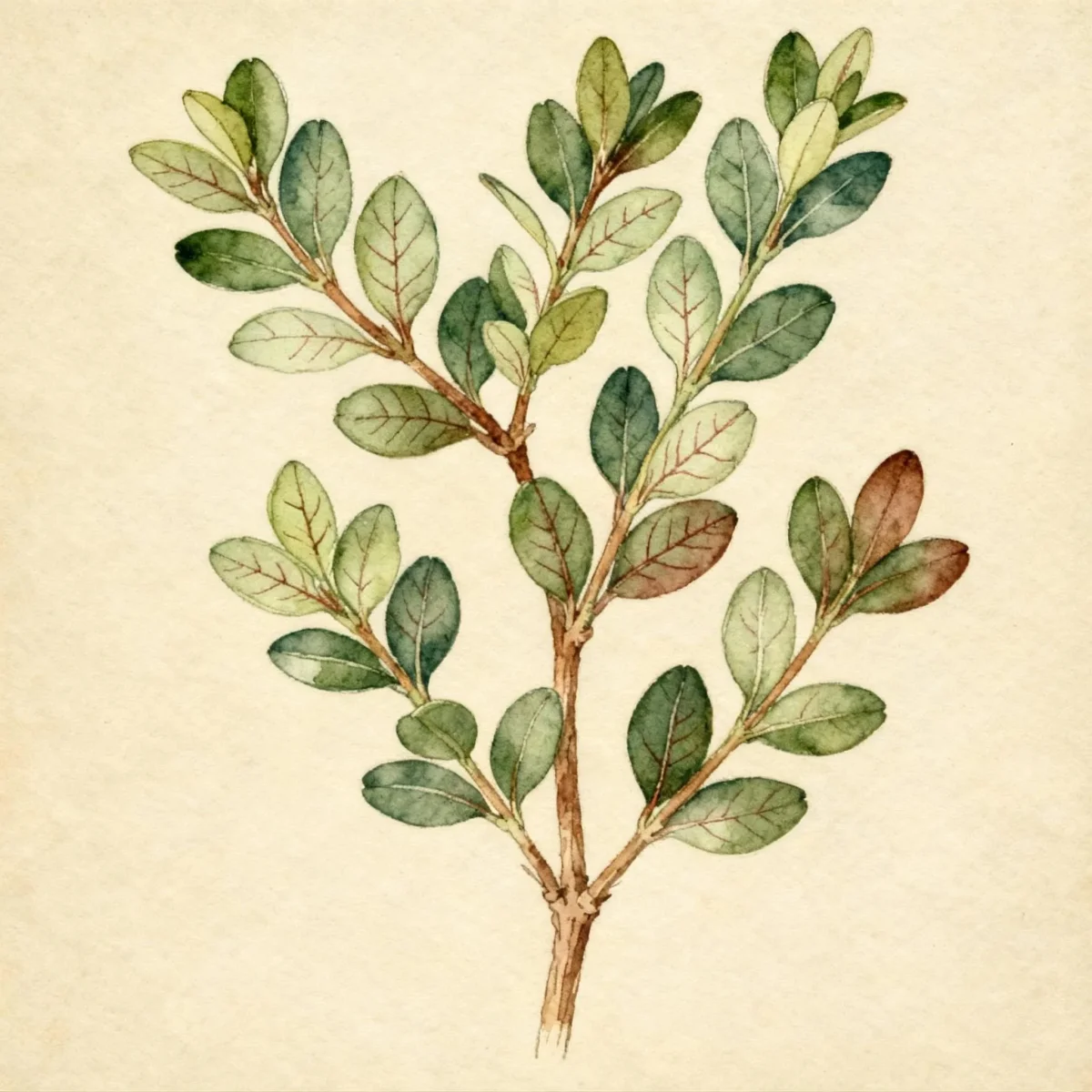
Buxus ‘Cranberry Creek’ is a refined, broadleaf evergreen Boxwood highly valued for its dense, compact habit and fine texture. Introduced by Willoway Nurseries, this cultivar maintains a neat, pyramidal shape that stays close to the ground, making garden definition effortless. It features small, round, emerald green leaves that provide year-round structure to the landscape.
This Boxwood thrives in full sun but appreciates partial shade, requiring medium water once established. While generally adaptable, the foliage of Buxus ‘Cranberry Creek’ can bronze in harsh winters or suffer scorch when planted in overly exposed, bright sun locations. Its slow to moderate growth rate and moderate maintenance requirements make it a reliable staple for formal and foundation plantings.
The overall aesthetic benefit of Buxus ‘Cranberry Creek’ lies in its ability to provide consistent deep green color and structure, essential elements in perennial garden design. This specific Boxwood cultivar offers predictable sizing, rarely exceeding four feet in height or spread, simplifying long-term maintenance planning.
Fast Facts
- Plant Family: Buxaceae
- Plant Type: Broadleaf evergreen
- Hardiness Zones: USDA Zones 5-8
- Size at Maturity:
- Height: 3-4 ft
- Spread: 3-4 ft
- Bloom Time: April
- Bloom Description: Greenish
- Sun Exposure: Full sun to part shade
- Water Needs: Medium
- Maintenance Level: Medium
How to Grow
For optimal vitality, plant Buxus ‘Cranberry Creek’ in evenly moist, well-drained loam, such as a sand-clay mixture. This Boxwood performs best where it receives full sun or light, dappled shade, particularly enjoying morning sun or light early afternoon sun. Avoid planting in areas where it will receive intense, unfiltered midday sun coupled with strong winter winds, as this increases the risk of foliage bronzing or winter dehydration.
Water needs are medium; ensure consistent moisture while the plant is establishing. Once mature, maintain consistent moisture but avoid soggy conditions, as poor drainage leads to root rot. Because it possesses shallow roots, avoid cultivating close to the base of the plant. Instead, apply a 1-2 inch layer of organic mulch, like compost or bark, to conserve moisture and regulate soil temperature.
Pruning Buxus ‘Cranberry Creek’ should be approached cautiously. The plant tolerates shearing well, which is useful for maintaining hedge lines or formal shapes. Crucially, never prune before the last spring frost date; early spring pruning encourages tender new growth vulnerable to frost damage. Annual thinning to remove dead or damaged branches improves air circulation, which is vital for disease prevention, especially against blights.
Landscape Uses
Buxus ‘Cranberry Creek’ excels as structure plant in formal settings, foundation plantings, or along property lines. Its dense, low-growing habit makes it the perfect material for low hedges where crisp definition is desired. You can also feature a single specimen or group several together as accent points throughout the garden.
Because Boxwood offers evergreen structure, it pairs beautifully with plants that offer seasonal contrast, such as flowering perennials or deciduous shrubs that offer bright fall color. Use it to anchor borders or create geometric patterns in structured garden designs where year-round dark green interest is necessary.
Standout Features
Flower Qualities
- Insignificant
Noteworthy Characteristics
Buxus is a genus of about 70 species of evegreen shrubs and trees from Europe, Asia, Africa and Central America. The genus name comes from the Latin name for plants in this genus, and the common name of boxwood references the historical use of its dense wood for making boxes. ‘Cranberry Creek’ was discovered near a named creek in Ohio and is recognized for its dense, fine-textured habit and pyramidal shape that naturally grows low to the ground.
Tolerances
- Rabbit
- Deer
Potential Problems
Boxwood foliage can suffer from cosmetic bronzing, turning an unattractive brownish-yellow, especially in harsh winters when exposed to full sun and drying winter winds. To prevent this, site your Buxus ‘Cranberry Creek’ where it receives some winter protection from direct sun and harsh winds.
The plant is susceptible to several fungal diseases, including boxwood blight, volutella blight, and leaf spot. Proper air circulation is key to management; ensure you thin the canopy annually as part of your maintenance routine. Always ensure excellent drainage, as saturated soil invites root rot, a lethal condition for the Boxwood.
Common pests include the boxwood leafminer, boxwood mite, boxwood psyllid, and the invasive box tree moth. Regular inspection of new growth is necessary, as this tissue is most vulnerable. Nematodes can also pose a threat to long-term health.
Frequently Asked Questions
What hardiness zones is Boxwood suitable for?
Buxus ‘Cranberry Creek’ is reliably hardy in USDA Zones 5 through 8.
How large does Buxus ‘Cranberry Creek’ grow?
This cultivar typically matures to a height and spread between 3 and 4 feet.
What sun exposure does Buxus ‘Cranberry Creek’ need?
It performs best in full sun to part shade conditions, though deep shade will result in less vigorous, more open growth.
When does Boxwood bloom?
The inconspicuous flowers appear in April and are described as greenish.
Conclusion
The Buxus ‘Cranberry Creek’ Boxwood offers gardeners reliable, dense evergreen structure with a fine texture, making it indispensable for formal design and low hedging. Its manageable 3 to 4-foot stature and ornamental appeal year-round ensure its lasting popularity. Assess your site conditions carefully, prioritizing protection from harsh winter sun and drying winds, then plan to plant this superb Boxwood in well-drained soil this fall or spring.
Companion Planting
Selecting appropriate neighbors enhances the health and beauty of your Buxus ‘Cranberry Creek’. Because Boxwood prefers slightly acidic to slightly alkaline, well-drained soils, pair it with other acid-tolerant, low-maintenance shrubs. Consider using plants with contrasting leaf textures, such as ferns or hostas, especially in shadier locations where the Boxwood growth is less dense.
For evergreen structure alongside your low hedges, consider taller varieties of Ilex (holly) or certain dwarf conifers whose cultural needs mirror that of the Boxwood. When using seasonal color, select perennials that do not require heavy amending of the soil around the shallow roots of the Buxus.
Seasonal Care Calendar
Spring is the best time for structure maintenance. Wait until all danger of frost has passed before performing any pruning or shearing on your Buxus ‘Cranberry Creek’. Simultaneously, replenish the organic mulch layer around the base, taking care not to pile it against the trunk, which suffocates the shallow roots.
Summer care focuses primarily on watering. While established plants handle some drought, supplement rainfall during dry spells to maintain even moisture, especially if planted in full sun. Inspect foliage closely mid-summer for signs of mite or insect activity, treating promptly if problems are detected.
In fall and winter, focus on preparation for the dormant season. Ensure the plant has adequate moisture going into winter, as dehydration is a major cause of bronzing. If possible, provide a screen or burlap wrap on the exposed sides facing prevailing winter winds to physically shield the foliage from desiccating blasts.