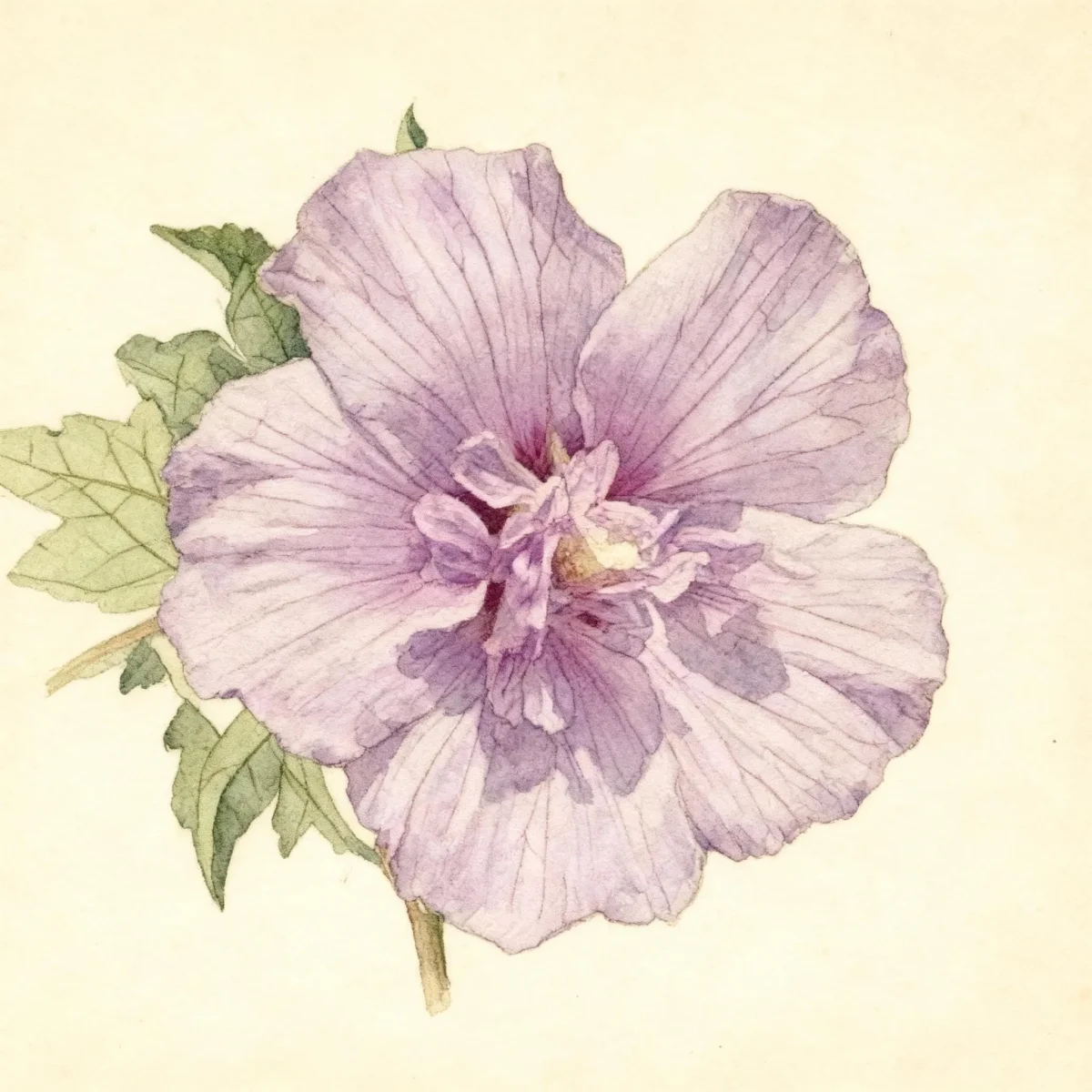
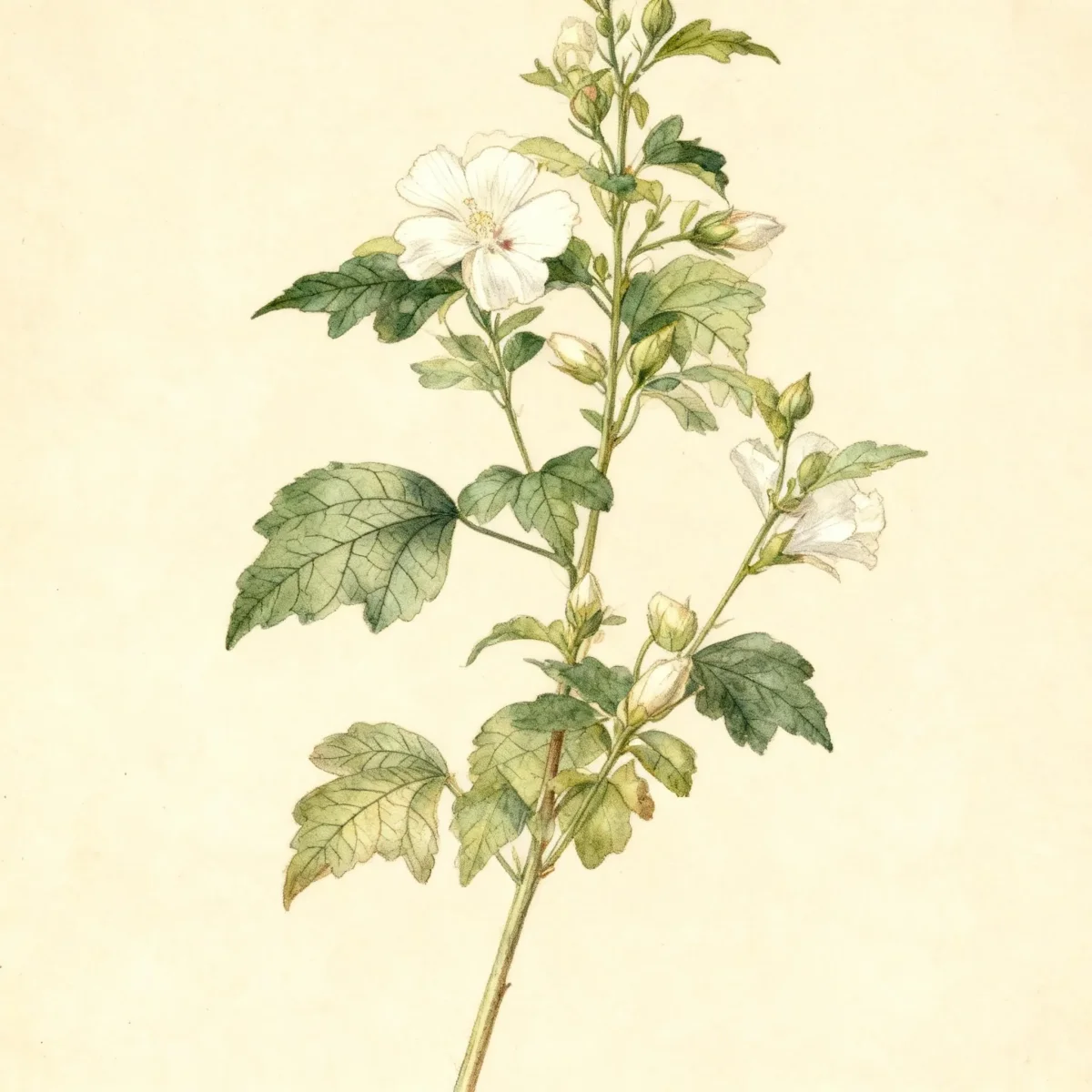
Rose of Sharon (Hibiscus syriacus 'Mineru' FIRST EDITIONS TAHITI)
Hibiscus syriacus 'Mineru' FIRST EDITIONS TAHITI is a low-maintenance Rose of Sharon shrub. Enjoy mid-summer blooms in USDA Zones 5-8.
Scroll down to discover growing tips, care requirements, companion plants, and more
Complete Plant Information
Overview
The Rose of Sharon, specifically the cultivar Hibiscus syriacus ‘Mineru’ FIRST EDITIONS TAHITI, offers extended seasonal color, making it a standout choice for deciduous shrub borders. This variety is prized for its vigorous growth habit and its exceptionally long bloom time, which provides color from mid-summer well into the fall when many other shrubs are finished flowering. As a tough and adaptable plant, the Hibiscus syriacus ‘Mineru’ FIRST EDITIONS TAHITI provides excellent structure and consistent performance across varied garden settings.
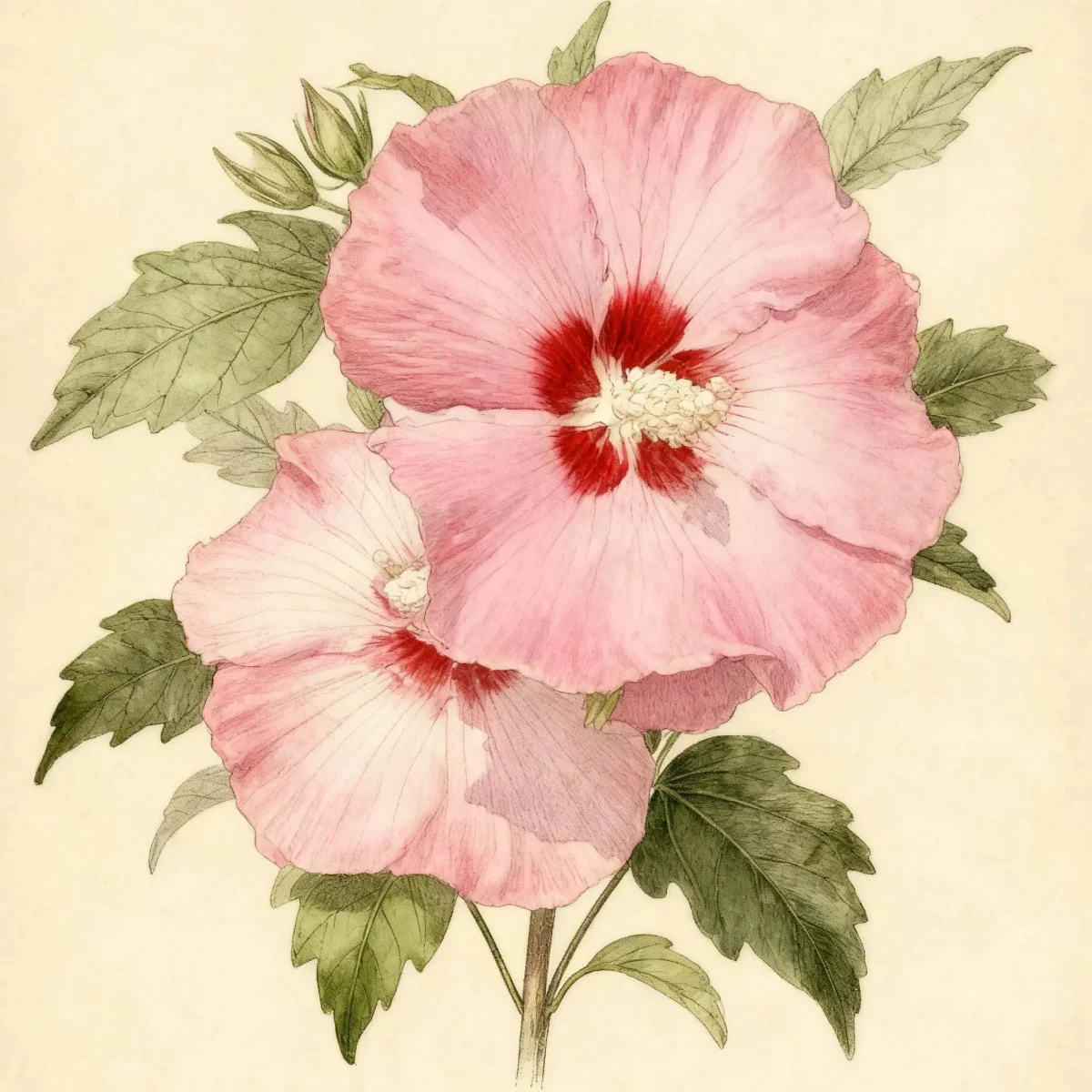
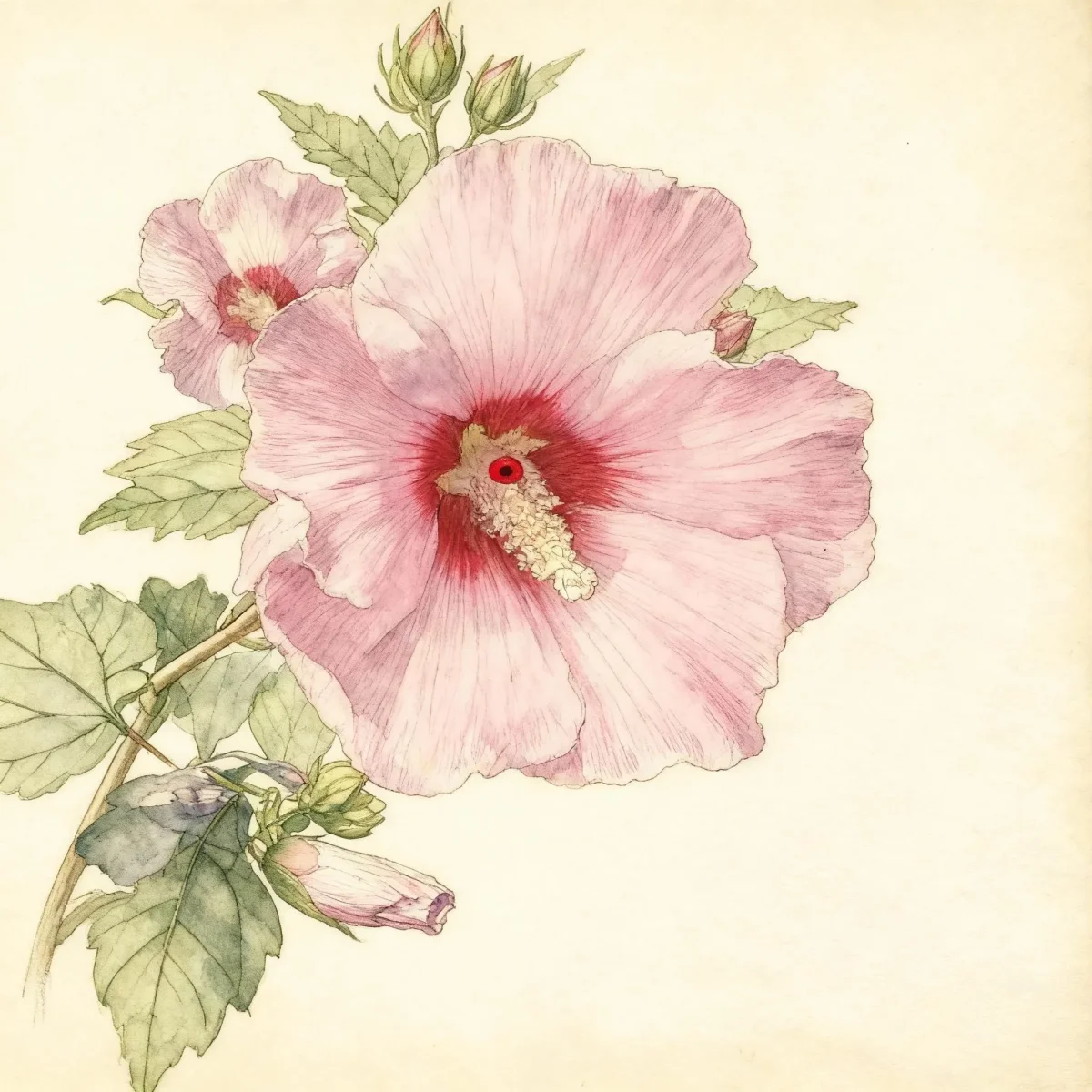
This deciduous shrub naturally assumes an upright, vase shape, reaching heights between 5 and 8 feet, perfect for screen plantings or as a specimen focal point throughout the landscape. Furthermore, its low maintenance requirement appeals to busy gardeners looking for high aesthetic impact without intensive care. The deep pink-purple blooms, accented by a dramatic red center, ensure that the Rose of Sharon remains a vibrant anchor in the garden border from June through October.
Fast Facts
- Plant Family: Malvaceae
- Plant Type: Deciduous shrub
- Hardiness Zones: USDA Zones 5-8
- Size at Maturity:
- Height: 5-8 ft
- Spread: 4-7 ft
- Bloom Time: June to October
- Bloom Description: Deep pink-purple with a deep red center
- Sun Exposure: Full sun to part shade
- Water Needs: Medium
- Maintenance Level: Low
How to Grow
Plant Hibiscus syriacus ‘Mineru’ FIRST EDITIONS TAHITI in spring or fall when soil temperatures are moderate, ensuring it is situated where it can receive full sun for the best flowering performance, though it tolerates partial shade. This shrub establishes well in average, well-drained soils but is notably tolerant of clay soils and poor conditions. While it prefers consistently moist, organically rich soil, its drought tolerance means it requires only medium watering once established.
Maintenance for the Rose of Sharon is generally low. Prune the shrub in spring primarily to maintain its desired shape. Gardeners seeking larger individual blooms can execute a harder pruning in late winter, cutting branches back to just two or three buds. Despite being easily propagated via stem cuttings, be aware that seeds may result in offspring that deviate from the parent color, unlike the consistent performance of the named Hibiscus syriacus ‘Mineru’ FIRST EDITIONS TAHITI cultivar.
The plant exhibits excellent summer heat and humidity tolerance, making it a reliable performer in many challenging climates after establishment. It adapts well to various urban settings where conditions can often be harsher than ideal garden sites.
Landscape Uses
The versatility of the Rose of Sharon makes it an excellent candidate for numerous landscape designs. Its upright structure lends itself perfectly to use as a formal or informal hedge, providing seasonal screening where a taller, more substantial shrub is needed. Consider mass planting Hibiscus syriacus ‘Mineru’ FIRST EDITIONS TAHITI in naturalized areas or placing single specimens near foundations where their long season of bloom can anchor garden views.
This shrub works beautifully as a specimen plant due to its striking flowers or can be incorporated into mixed borders. The consistent green foliage through the growing season provides a solid backdrop for earlier blooming perennials or bulbs. Because it stays relatively compact for a member of the Mallow family, it integrates well into foundation plantings, provided adequate space is given for its 4 to 7-foot spread.
Standout Features
Flower Qualities
- Showy
Noteworthy Characteristics
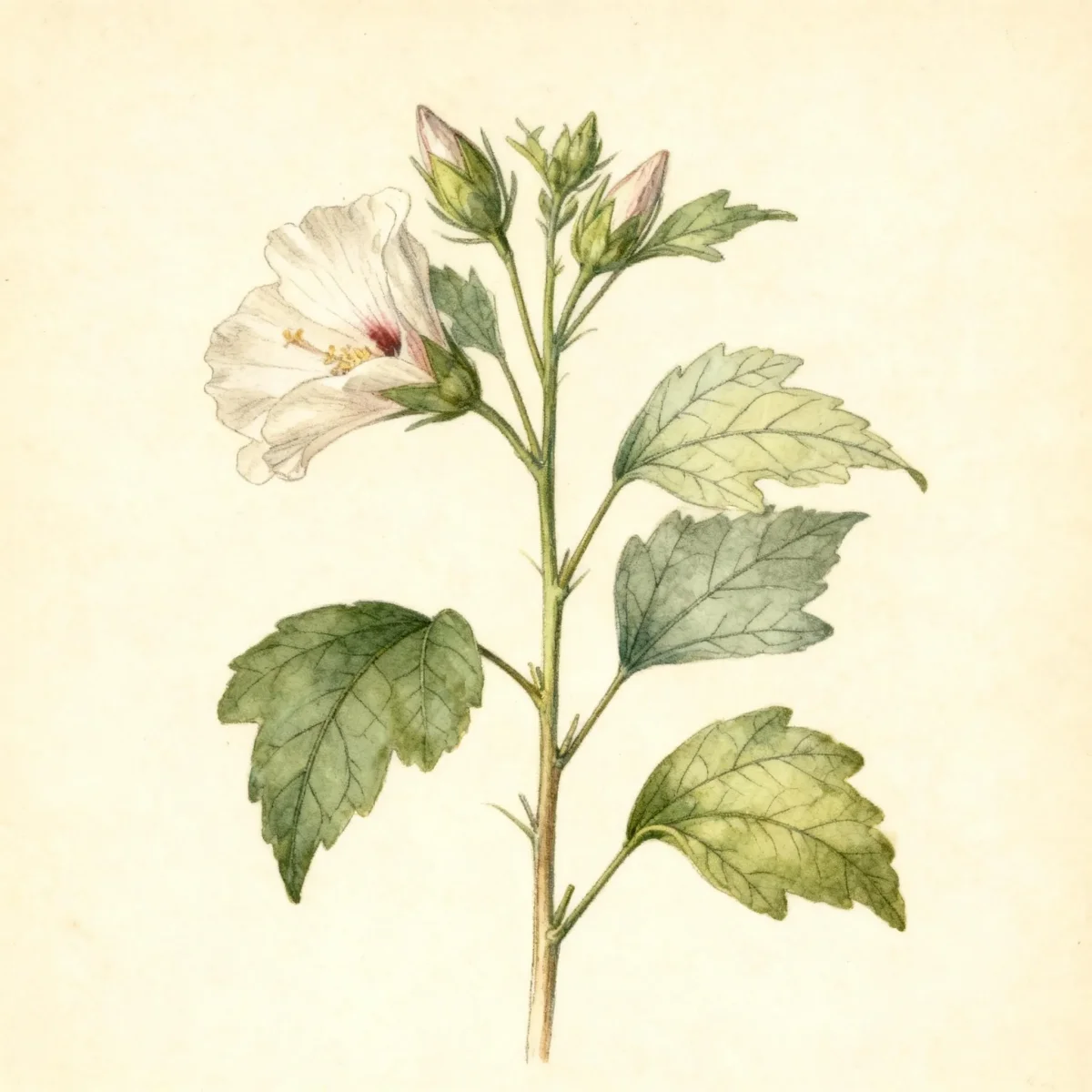
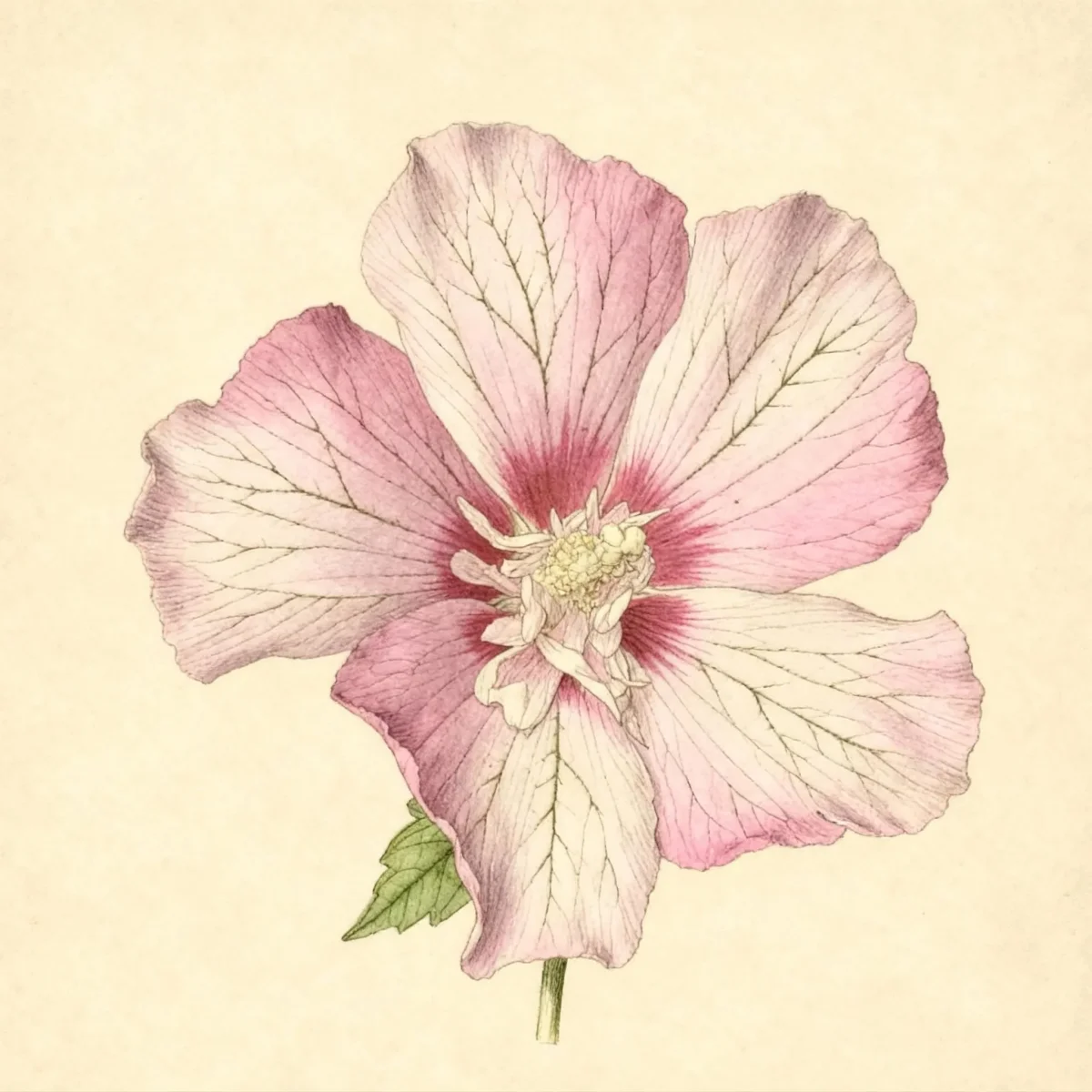
Hibiscus syriacus, commonly called rose of Sharon or shrub althea, is a vigorous, upright, vase-shaped, multi-stemmed, deciduous shrub that typically grows 8-12’ tall in wilder settings, though this cultivar is more compact. Showy, hollyhock-like, 5-petaled flowers appear over a long, early-summer to fall bloom period, each featuring a prominent central staminal column. The specific selection, ‘Mineru’, distributed as FIRST EDITIONS® TAHITI™, boasts large, trumpet-shaped, semi-double blossoms in deep pink-purple with a deep red heart, maintaining an attractive form even without fall color interest.
Tolerances
- Deer
- Drought
- Clay Soil
- Black Walnut
Potential Problems
While generally resilient, the Rose of Sharon can face occasional issues from fungal diseases such as leaf spots, blights, and rusts, which may require preventative fungicide applications if conditions are damp. Monitor for common pests; Japanese beetles are known to chew foliage aggressively if left unchecked, often appearing concurrently with whiteflies or aphids. Managing these minor insect incursions is usually effective through targeted treatment or pruning damaged areas.
Frequently Asked Questions
What hardiness zones is Rose of Sharon suitable for?
This shrub, including the ‘Mineru’ FIRST EDITIONS TAHITI cultivar, is reliably hardy in USDA Zones 5 through 8.
How large does Hibiscus syriacus ‘Mineru’ FIRST EDITIONS TAHITI grow?
When mature, this upright Rose of Sharon typically reaches a height between 5 and 8 feet tall with a corresponding spread of 4 to 7 feet wide.
What sun exposure does Rose of Sharon need?
For the most abundant and colorful blooms on your Hibiscus syriacus ‘Mineru’ FIRST EDITIONS TAHITI, aim for full sun exposure, though the plant will tolerate partial shade conditions.
When does Rose of Sharon bloom?
This variety produces flowers consistently from June all the way through October, featuring deep pink-purple blossoms with a highly visible deep red center.
Conclusion
The Hibiscus syriacus ‘Mineru’ FIRST EDITIONS TAHITI provides gardeners with a durable, low-maintenance shrub that guarantees late-season color through its showy, distinctive blooms. Its tolerance for heat, humidity, and poor soils makes this Rose of Sharon an invaluable structural planting. Before planting, confirm that your USDA hardiness zone falls within the 5 to 8 range to ensure the long-term success of this beautiful flowering shrub.
Seasonal Care Calendar
For optimum health, plan your pruning of the Rose of Sharon for late winter or early spring, before new growth begins. If you desire larger individual flowers, aggressively cut back the previous season’s growth to only two or three buds on established stems during this time.
During active growth and hot summer periods, ensure the plant receives consistent medium watering, especially if planted in full sun or poor, fast-draining soil. While Hibiscus syriacus tolerates dry spells once established, deep watering during prolonged droughts will support robust bloom production.
Monitor foliage appearance as summer progresses for signs of insect activity, particularly Japanese beetles. Early identification and treatment of pests, especially during critical flowering periods, will maintain the aesthetic appeal of your upright shrub.
Design Ideas for Mass Planting
The consistent height and upright habit of the Hibiscus syriacus ‘Mineru’ FIRST EDITIONS TAHITI make it an outstanding choice for creating informal screens along property lines or to block unattractive views. Plant them in groups of three or five to immediately establish a hedge effect that flows nicely through the landscape.
When considering companions, pair the Rose of Sharon with shrubs that offer contrasting textures or different bloom times, such as spring-flowering lilacs or early summer spireas. The strong, upright lines of the Hibiscus syriacus ‘Mineru’ FIRST EDITIONS TAHITI provide excellent vertical contrast against lower, mounding groundcovers or foundation perennials.
Its ability to tolerate clay soil opens up areas of the garden that might be challenging for more delicate species. Use this inherent toughness to your advantage by incorporating this cultivar into mixed borders in heavier soil areas where reliable color is needed year after year.