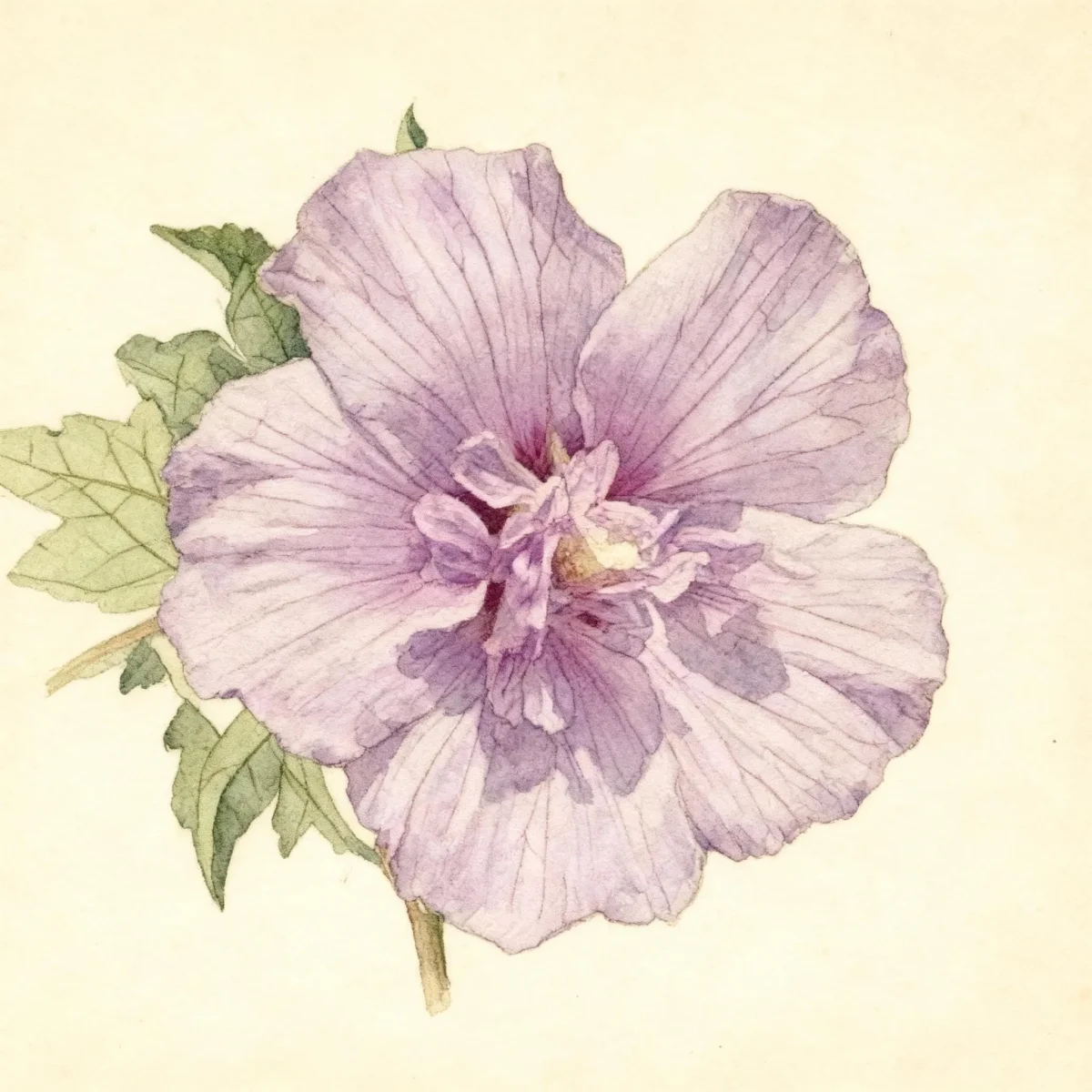
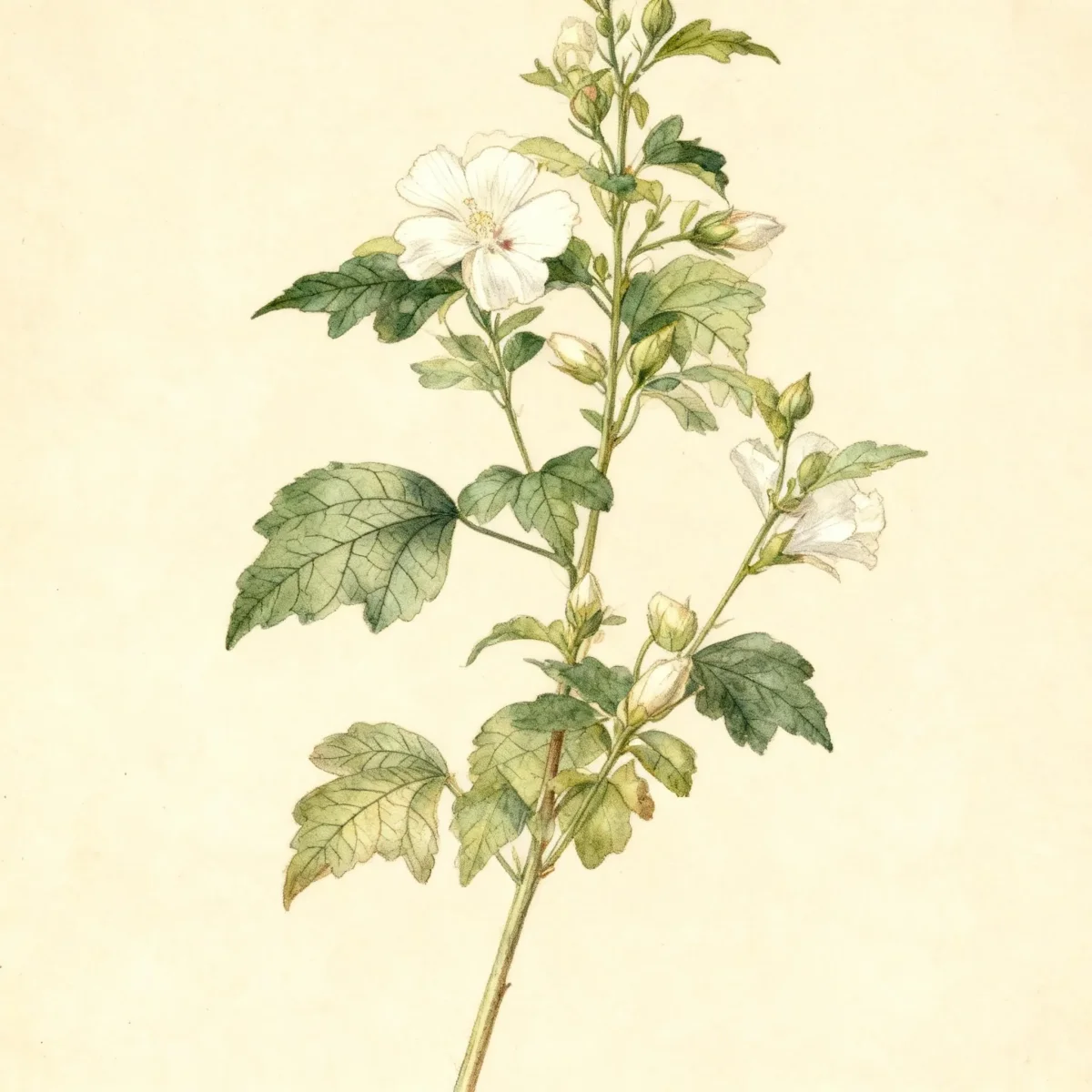
Rose of Sharon (Hibiscus syriacus 'Minspot' FIRST EDITIONS FIJI)
Discover Hibiscus syriacus 'Minspot' FIRST EDITIONS FIJI Rose of Sharon. A low-maintenance deciduous shrub offering spectacular semi-double pink blooms from June to October.
Scroll down to discover growing tips, care requirements, companion plants, and more
Complete Plant Information
Overview
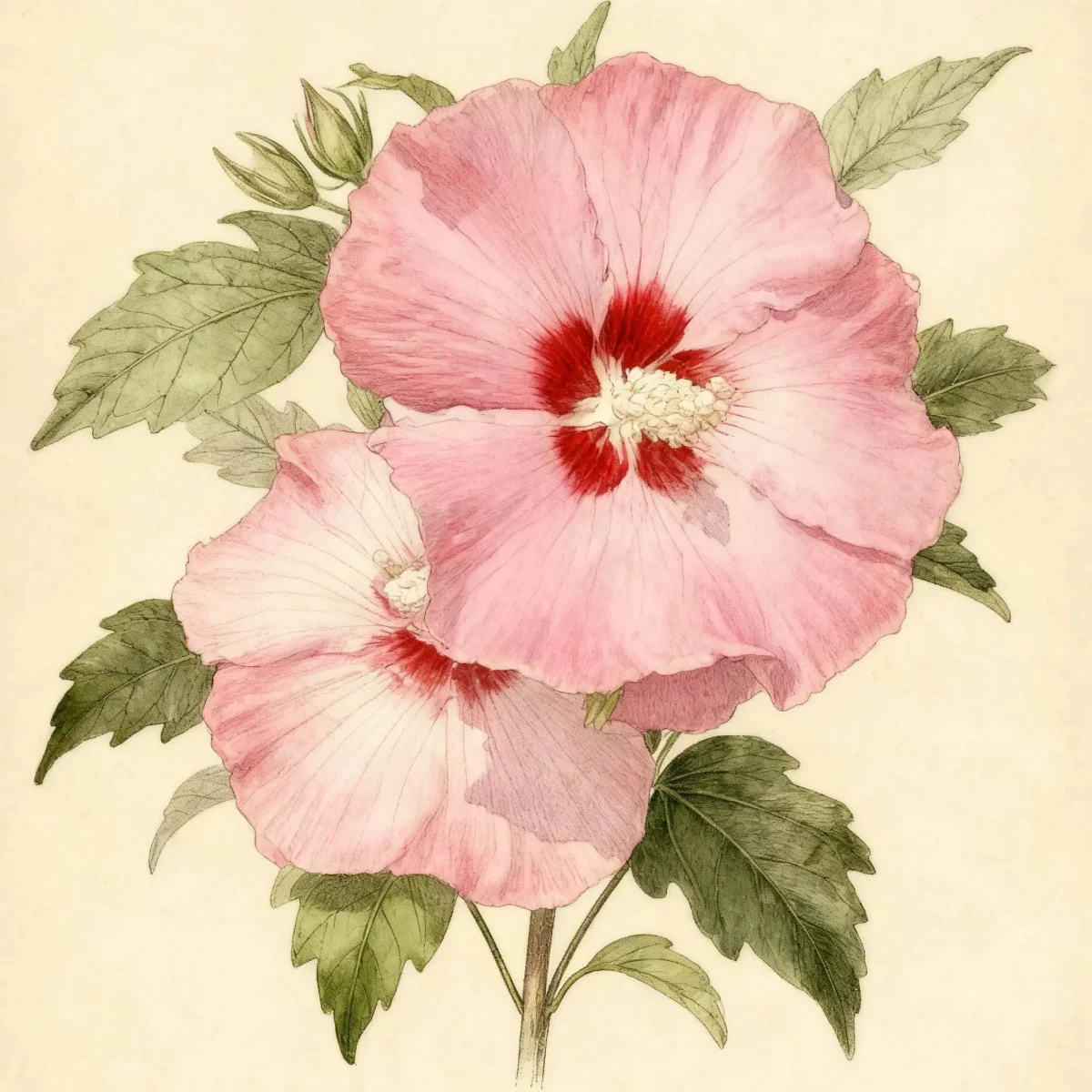
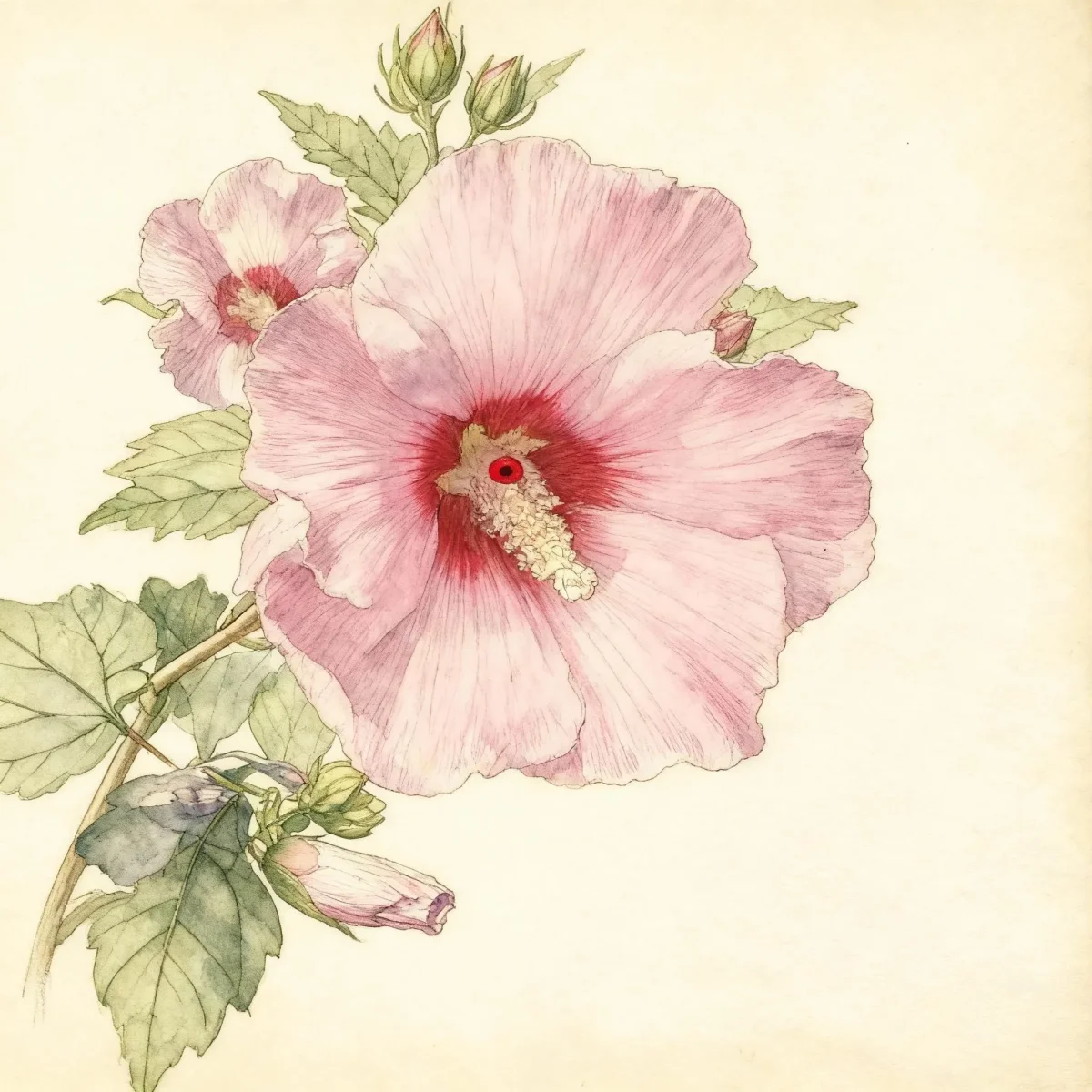
The Hibiscus syriacus ‘Minspot’ FIRST EDITIONS FIJI provides exceptional late-season color, extending garden interest well into autumn when many other shrubs are fading. This cultivar, often marketed as Rose of Sharon, delivers beautiful, semi-double flowers in shades of medium pink punctuated by a striking deep red center. As a multi-stemmed deciduous shrub, it offers a vigorous yet manageable structure perfect for defined garden spaces or softening larger landscapes.
Valued for its reliable performance and impressive flowering duration from June through October, this shrub thrives with minimal intervention. Gardeners appreciate the Rose of Sharon for its strong tolerance to heat, humidity, and less-than-ideal soil conditions, making Hibiscus syriacus ‘Minspot’ FIRST EDITIONS FIJI a dependable choice across many varied environments.
Fast Facts
- Plant Family: Malvaceae
- Plant Type: Deciduous shrub
- Hardiness Zones: USDA Zones 5-8
- Size at Maturity:
- Height: 5-8 ft
- Spread: 4-7 ft
- Bloom Time: June to October
- Bloom Description: Pink with deep pink accents and a deep red center
- Sun Exposure: Full sun to part shade
- Water Needs: Medium
- Maintenance Level: Low
How to Grow
Plant Hibiscus syriacus ‘Minspot’ FIRST EDITIONS FIJI in spring or fall after the danger of hard frost has passed, ensuring the location receives at least six hours of direct sunlight for the best bloom set. This shrub adapts well to average, medium moisture, well-drained soils, though it performs optimally in richer, organic media.
Water established plants moderately; while they tolerate some drought once established, consistent moisture aids in robust flowering throughout the hot summer months. Fertilization is usually unnecessary unless the soil is extremely poor. Prune in early spring to define shape, removing any crossing or dead wood. For larger blooms, severe pruning back to just two or three buds in late winter can be beneficial.
This variety is highly noted for its tolerance to urban pollution, summer heat, and humidity. While it generally requires little attention, be aware that this species can sometimes self-seed, though specific cultivars like ‘Minspot’ tend to be less aggressive than the parent species.
Landscape Uses
The upright, vase-shaped habit of the Rose of Sharon makes it versatile for numerous landscape functions. Hibiscus syriacus ‘Minspot’ FIRST EDITIONS FIJI excels when massed together to create an informal hedge or screen, providing dense summer privacy. It also serves beautifully as a specimen plant where its long bloom period can be fully appreciated.
For design purposes, it pairs well in shrub borders near foundations, positioned where it receives full sun, as this maximizes flower production. Since it blooms late in the season, the shrub works to fill the gap left by spring-flowering plants, offering consistent color until frost arrives.
Standout Features
Flower Qualities
- Showy
Noteworthy Characteristics
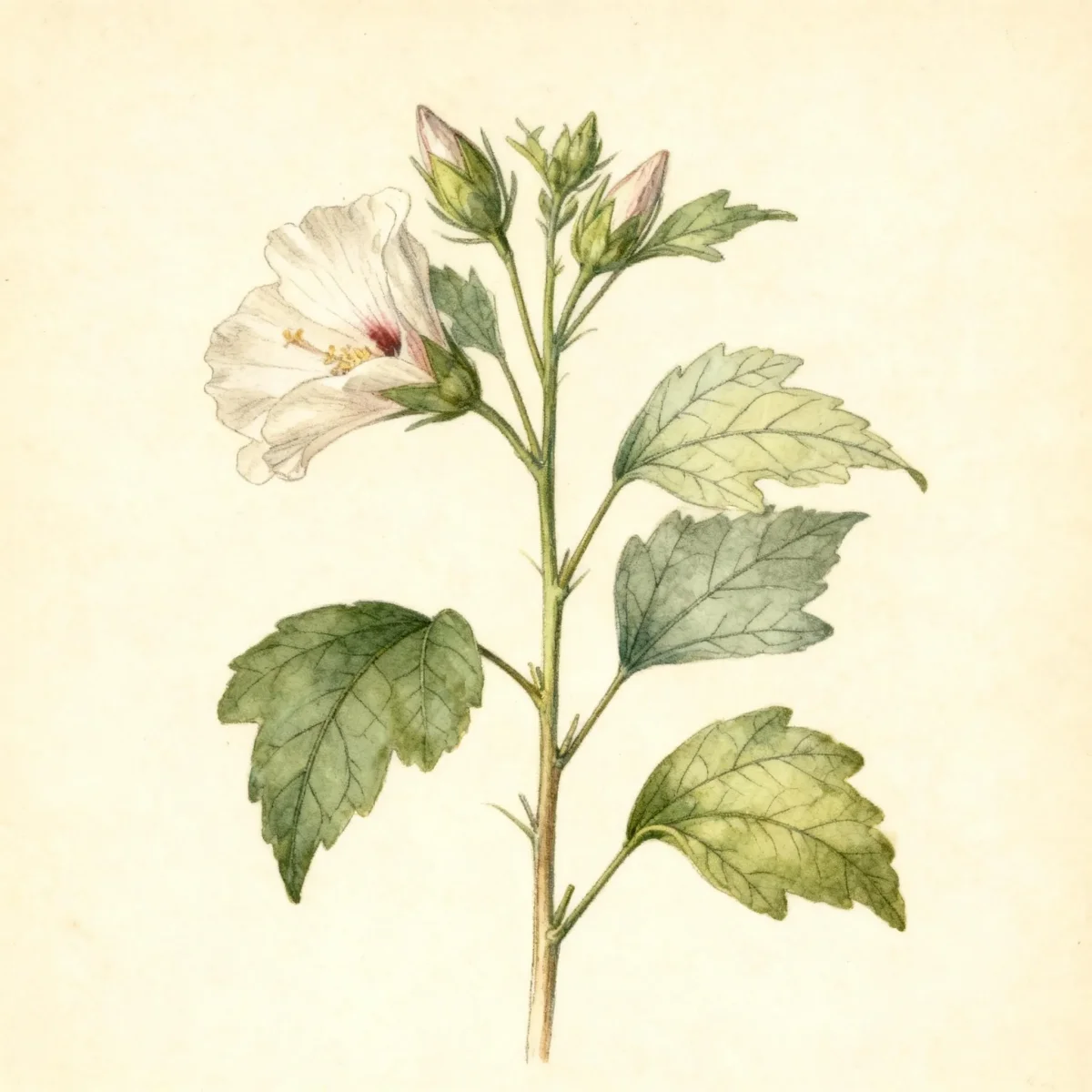
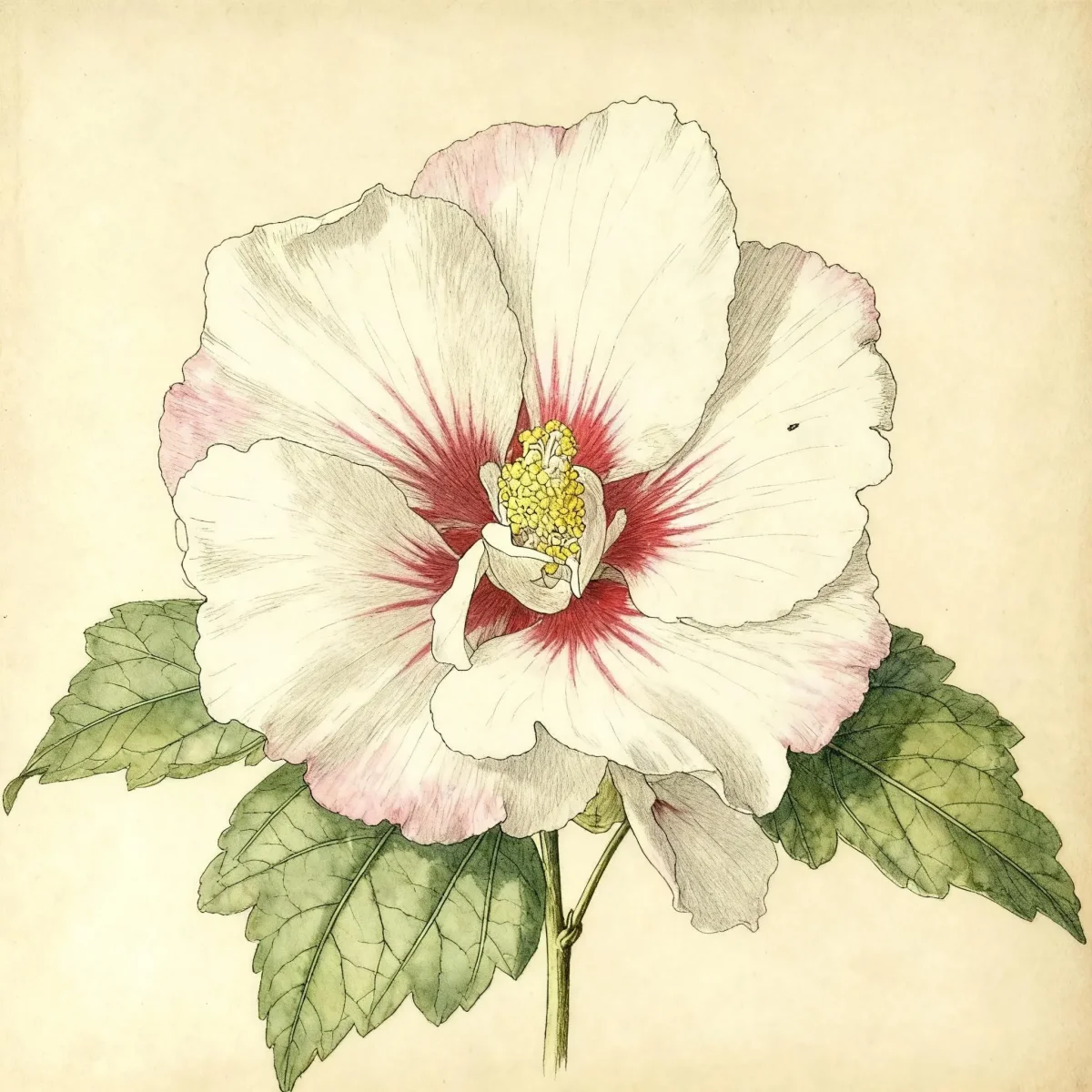
Hibiscus syriacus, commonly called rose of Sharon or shrub althea, is a vigorous, upright, vase-shaped, multi-stemmed, deciduous shrub that typically grows 8-12’ tall (though this cultivar is smaller). Showy, hollyhock-like, 5-petaled flowers appear over a long, early-summer to fall bloom period. ‘Minspot’, part of the First Editions® series, presents semi-double, medium pink, trumpet-shaped flowers that possess a defining deep red center, with petals slowly fading slightly lighter. This upright vase-shaped shrub grows 5 to 8 ft. Tall and 4 to 7 ft. Wide.
Tolerances
- Deer
- Drought
- Clay Soil
- Black Walnut
Potential Problems
This Rose of Sharon exhibits some susceptibility to common fungal issues, including leaf spots, blights, rusts, and canker, often exacerbated by overhead watering or high humidity. Proper air circulation and cultural practices can mitigate most fungal risks. Watch for occasional insect pests such as aphids, whiteflies, and notably, Japanese beetles, which can chew unsightly holes in the foliage if populations are not managed promptly.
Frequently Asked Questions
What hardiness zones is Rose of Sharon suitable for?
The Hibiscus syriacus ‘Minspot’ FIRST EDITIONS FIJI is reliably hardy in USDA Zones 5 through 8.
How large does Hibiscus syriacus ‘Minspot’ FIRST EDITIONS FIJI grow?
This cultivar is a medium shrub, typically reaching a height between 5 to 8 feet tall and spreading 4 to 7 feet wide at maturity.
When does Rose of Sharon bloom?
This plant offers an extended blooming season, with flowers appearing consistently from June all the way through October.
What sun exposure does Hibiscus syriacus ‘Minspot’ FIRST EDITIONS FIJI need?
For the most prolific flowering display, ensure this shrub receives full sun, although it can tolerate a period of part shade.
Conclusion
The Hibiscus syriacus ‘Minspot’ FIRST EDITIONS FIJI is an indispensable component for any garden seeking reliable, vibrant color throughout the late summer and fall months. Its manageable size, low maintenance profile, and robust tolerances make the Rose of Sharon a top contender for low-effort beauty. Before planting, ensure your location falls within USDA Zones 5-8 and plan for a full sun spot to fully enjoy the spectacular centers of its pink blooms.
Companion Planting
When selecting companions for your Rose of Sharon, prioritize plants that share similar cultural needs—namely medium water and full sun to light afternoon shade. Excellent partners include sturdy perennials like Coneflower (Echinacea) or Black-Eyed Susan (Rudbeckia), which bloom concurrently and complement the tropical appearance of the hibiscus flower. For structure, consider using upright ornamental grasses, which provide fine texture contrast without competing heavily for nutrients. Avoid placing it directly against walls that might trap excessive heat or humidity, which can encourage mild fungal issues.
Propagation Tips
While the species forms of Rose of Sharon can be easily grown from seed, seedlings often revert to older color forms, losing the desirable traits of Hibiscus syriacus ‘Minspot’ FIRST EDITIONS FIJI. The most reliable method for maintaining the semi-double pink coloration is through vegetative propagation. Softwood stem cuttings taken in early summer generally root well under humid conditions with bottom heat application. Hardwood cuttings taken in later fall or winter and kept dormant can also be used successfully for propagating Hibiscus syriacus ‘Minspot’ FIRST EDITIONS FIJI clones.