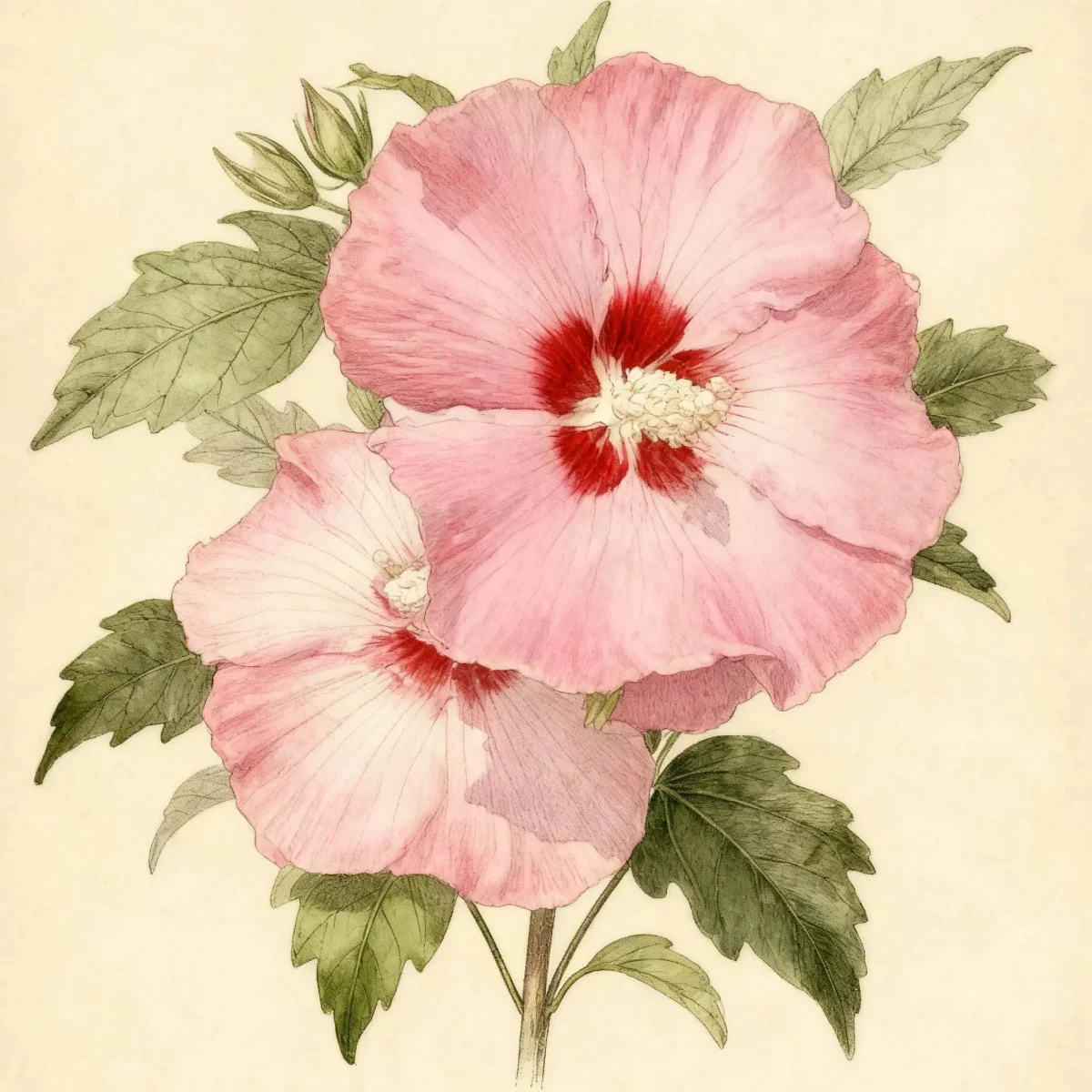
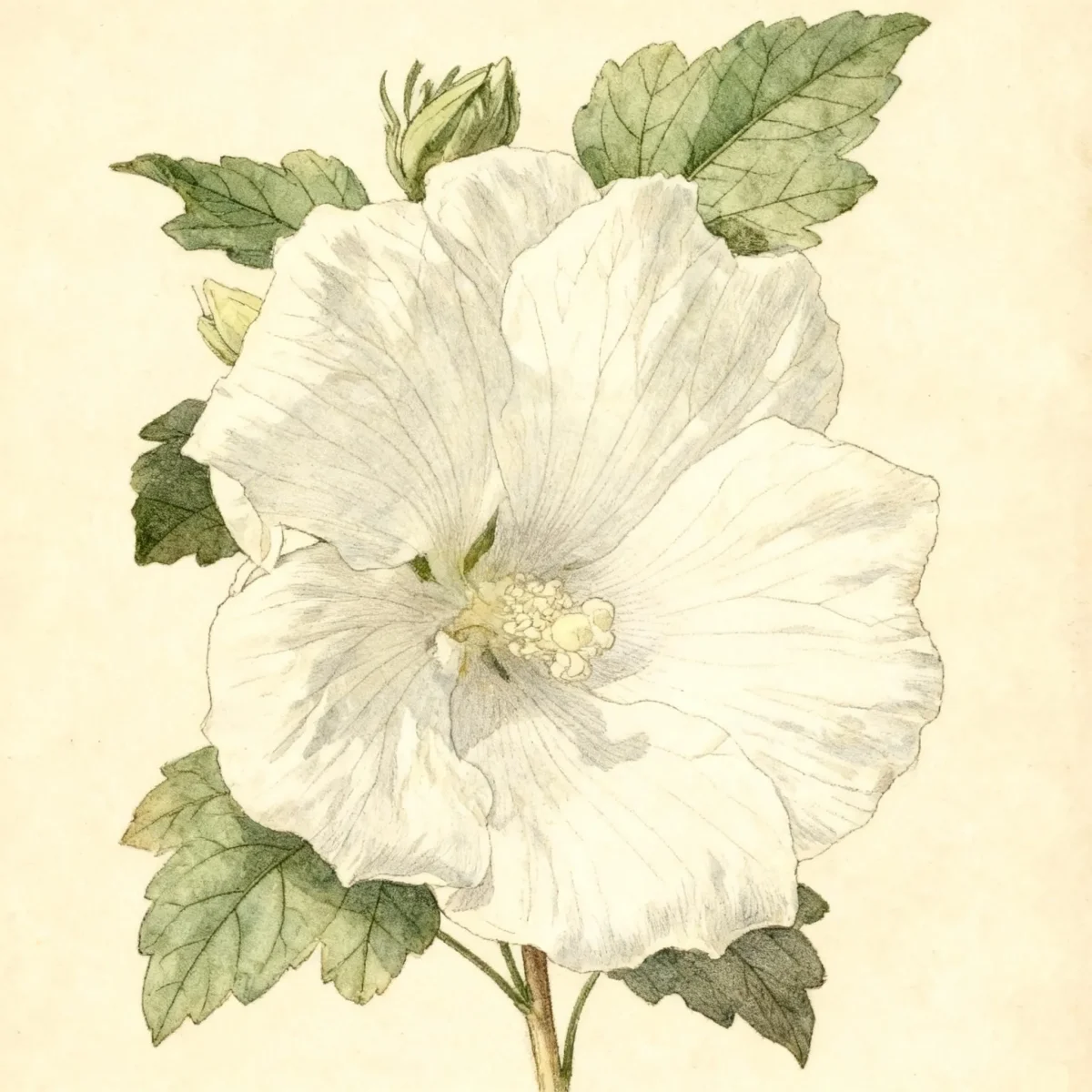
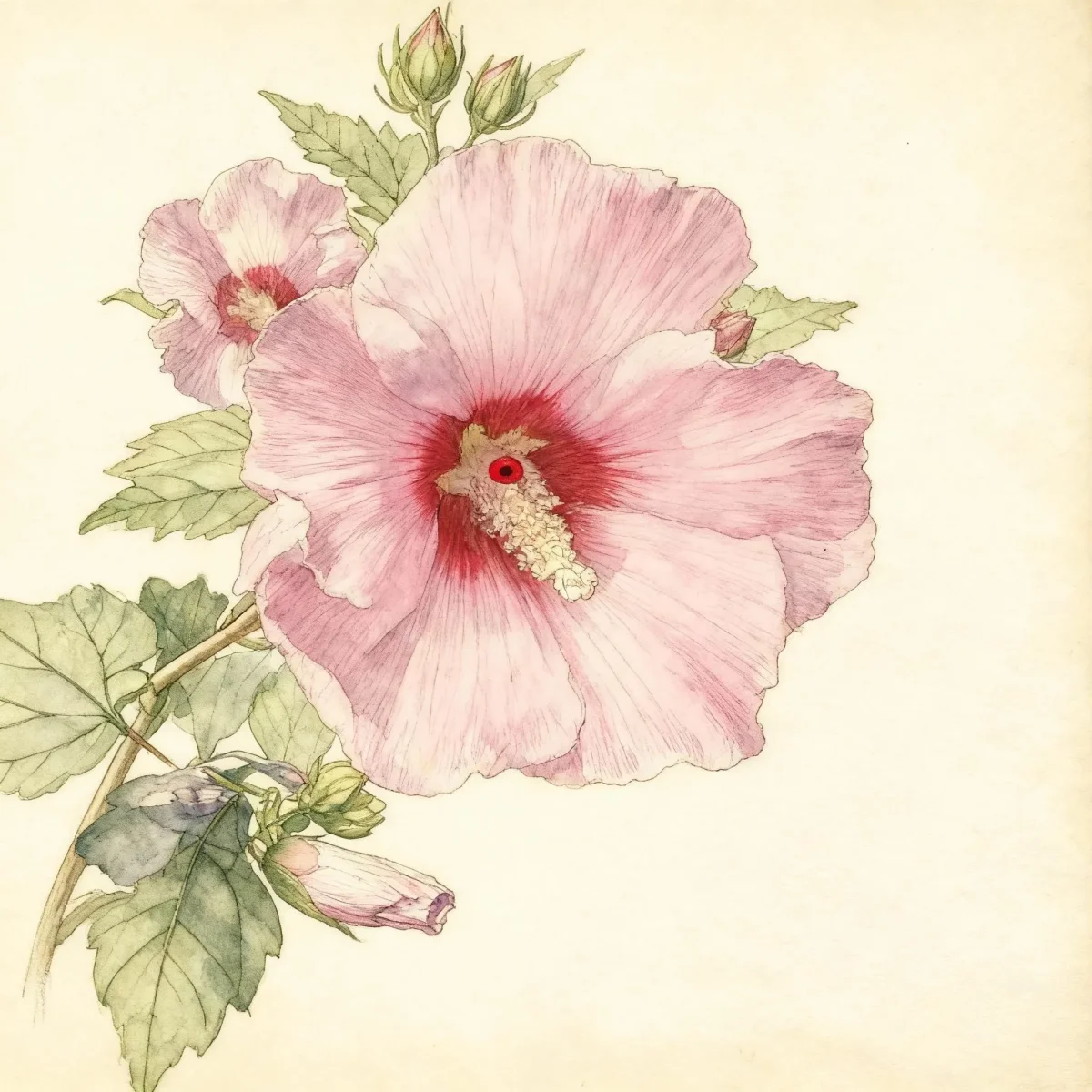
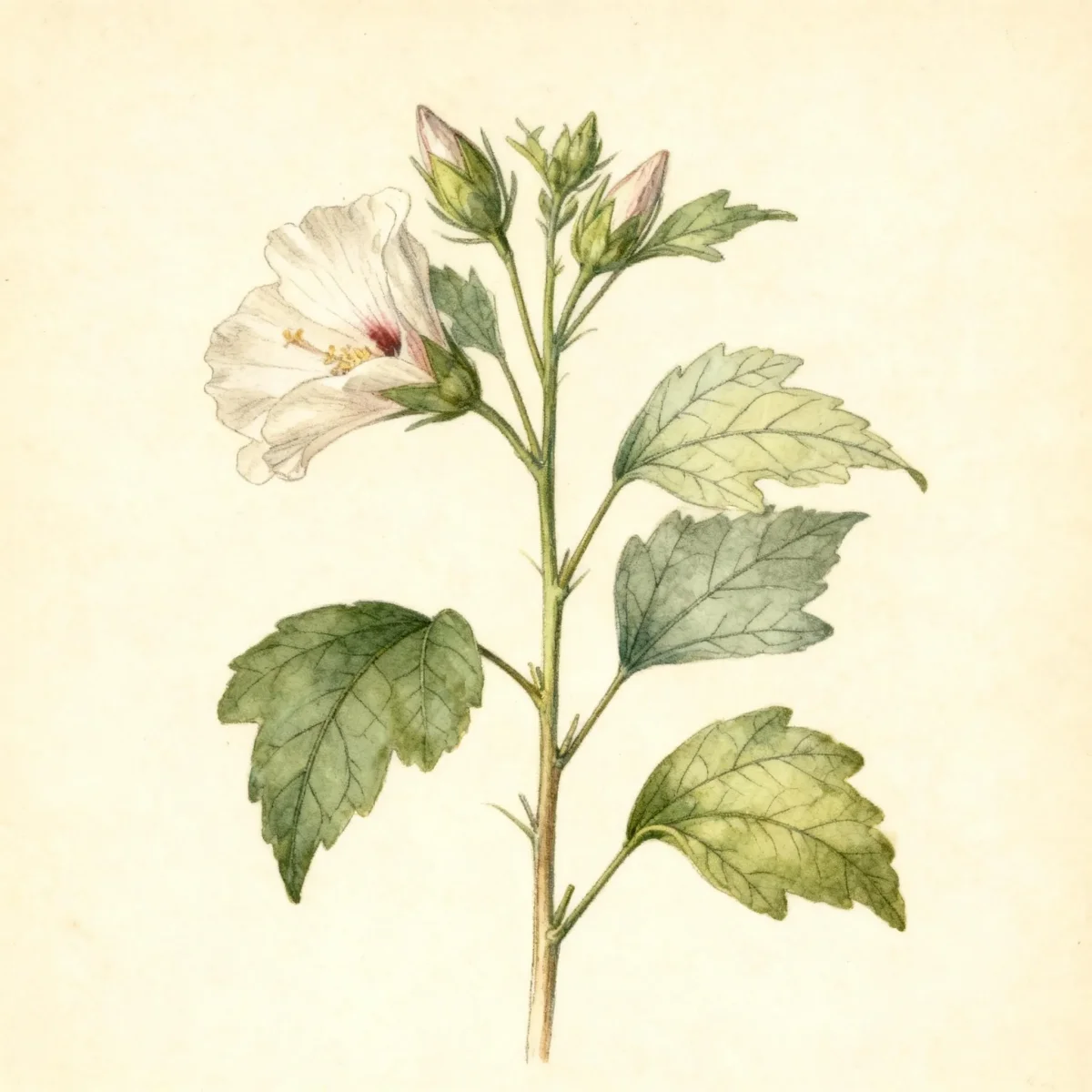
Rose of Sharon (Hibiscus syriacus 'Minsygrbl1' FIRST EDITIONS HAWAII)
Discover Hibiscus syriacus 'Minsygrbl1' FIRST EDITIONS HAWAII, a low-maintenance Rose of Sharon shrub with prolific blue blooms.
Scroll down to discover growing tips, care requirements, companion plants, and more
Complete Plant Information
Overview
The Rose of Sharon cultivar, Hibiscus syriacus ‘Minsygrbl1’ FIRST EDITIONS HAWAII, offers gardeners a dependable blast of color throughout the late summer season. This introduction, part of the First Editions® series, is prized for its upright, vase-shaped habit and exceptionally long blooming period, ensuring garden interest well into autumn. Its showy, hollyhock-like flowers stand out in the landscape.
As a deciduous shrub, the Hibiscus syriacus ‘Minsygrbl1’ FIRST EDITIONS HAWAII provides structure even when dormant, yet it remains surprisingly low maintenance once established. It adapts well to various conditions, making it a versatile choice for borders, screens, or mass plantings. Gardeners relying on this plant benefit from its high tolerance for urban stresses and summer heat.
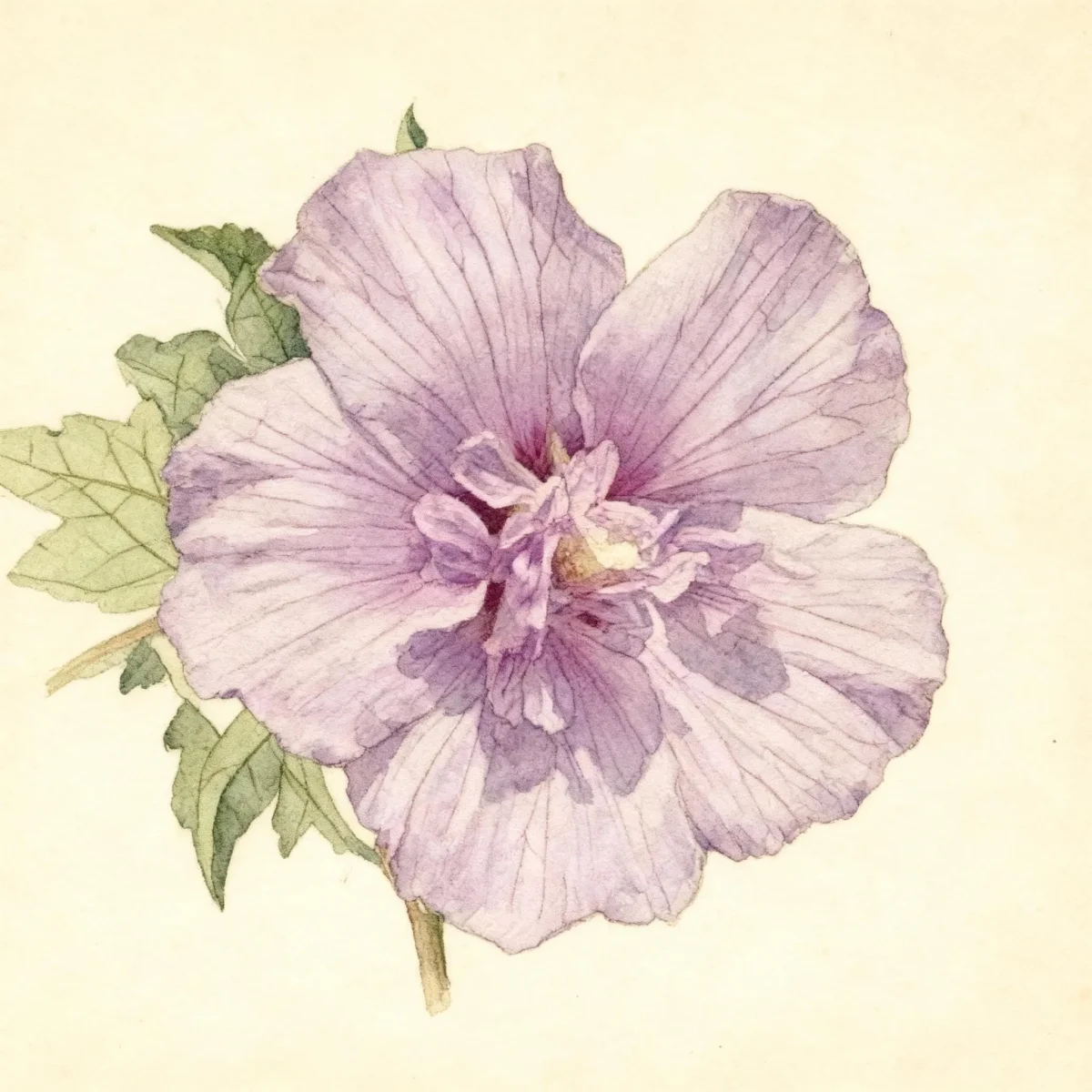
This specific variety, often sold as FIRST EDITIONS® HAWAII™, features distinctive blue blossoms accented by a contrasting red-purple heart. Growing reliably within USDA Zones 5 through 8, this Rose of Sharon is a robust flowering shrub that delivers significant aesthetic returns for minimal input, solidifying its reputation as a go-to summer perennial replacement.
Fast Facts
- Plant Family: Malvaceae
- Plant Type: Deciduous shrub
- Hardiness Zones: USDA Zones 5-8
- Size at Maturity:
- Height: 5-8 ft
- Spread: 4-7 ft
- Bloom Time: June to October
- Bloom Description: Blue with a red-purple heart
- Sun Exposure: Full sun to part shade
- Water Needs: Medium
- Maintenance Level: Low
How to Grow
Planting this Rose of Sharon is best accomplished in spring after the danger of hard frost has passed, or in early fall to allow root establishment before winter. Choose a location offering full sun for the most abundant flowering, though the plant will tolerate partial shade. Easily grown in average, medium moisture, well-drained soils; however, it prefers moist, organically rich sites.
Once established, the watering needs are medium; while it tolerates some drought, consistent moisture yields better results, especially during the heat of July and August. Maintenance on the Hibiscus syriacus ‘Minsygrbl1’ FIRST EDITIONS HAWAII is generally low. Prune to shape in spring. For larger blooms, consider pruning back stems severely to just 2-3 buds in late winter.
This cultivar shows excellent tolerance for summer heat and humidity, thriving in conditions where other bloomers might struggle. Be conscious that while it can be grown from seed, true-to-type propagation is best achieved via stem cuttings, ensuring you preserve the unique blue coloration of the ‘Minsygrbl1’ selection.
Landscape Uses
The versatility of the Rose of Sharon, particularly the upright form of Hibiscus syriacus ‘Minsygrbl1’ FIRST EDITIONS HAWAII, makes it adaptable to numerous landscape designs. It functions excellently as a flowering screen or informal hedge due to its dense, vase-shaped structure, offering privacy during the growing season. Mass planting showcases the collective impact of its mid-to-late summer blossoms effectively.
For foundation plantings or mixed shrub borders, this plant provides reliable structure and vibrant color when many spring bloomers have finished. It works well paired with lower-growing perennials that complement the blue flower color, such as silver foliage plants or darker greens, drawing attention to the beautiful blooms of the Rose of Sharon. This shrub is also effective when used as a specimen plant where its sculptural form can be appreciated.
Standout Features
Flower Qualities
- Showy
Noteworthy Characteristics
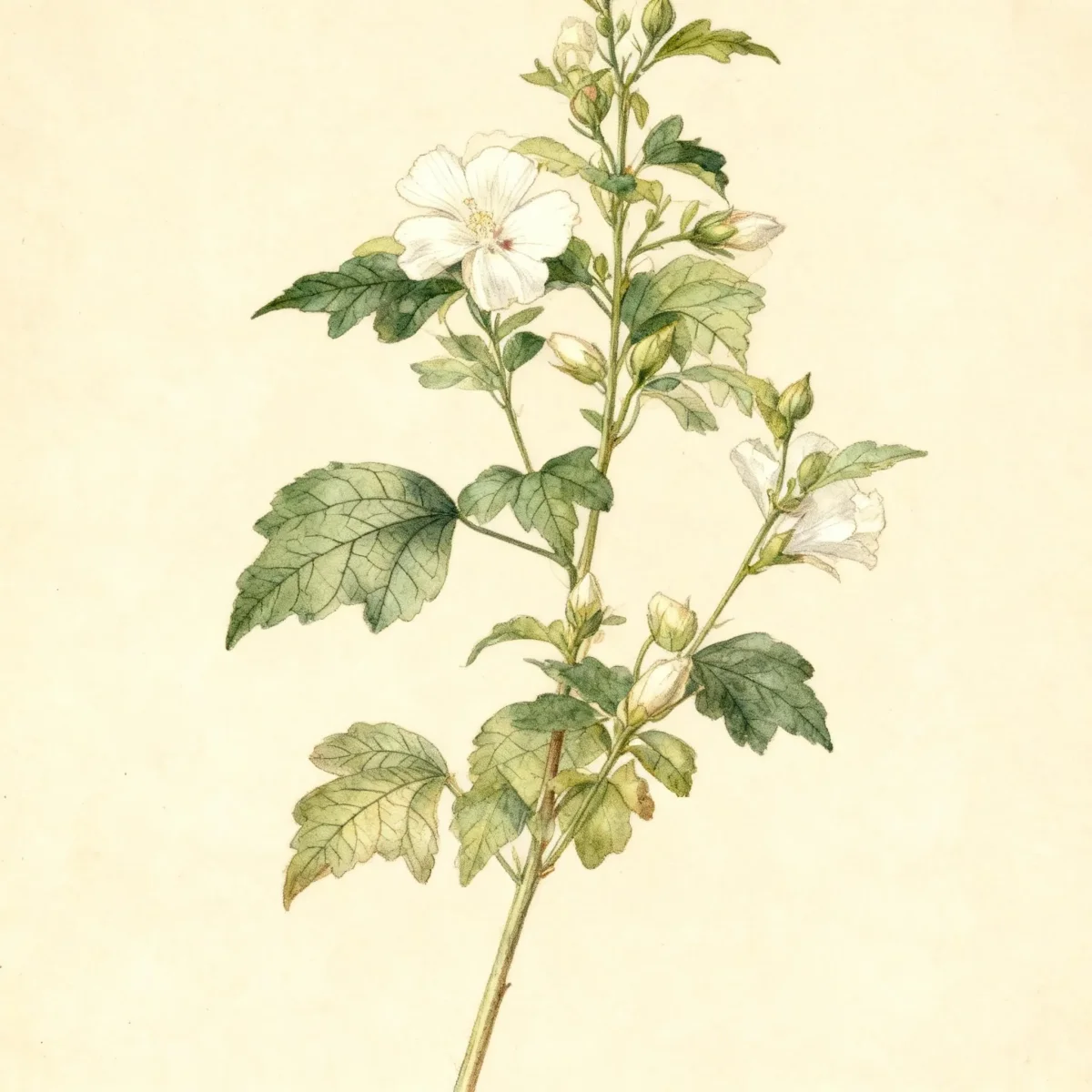
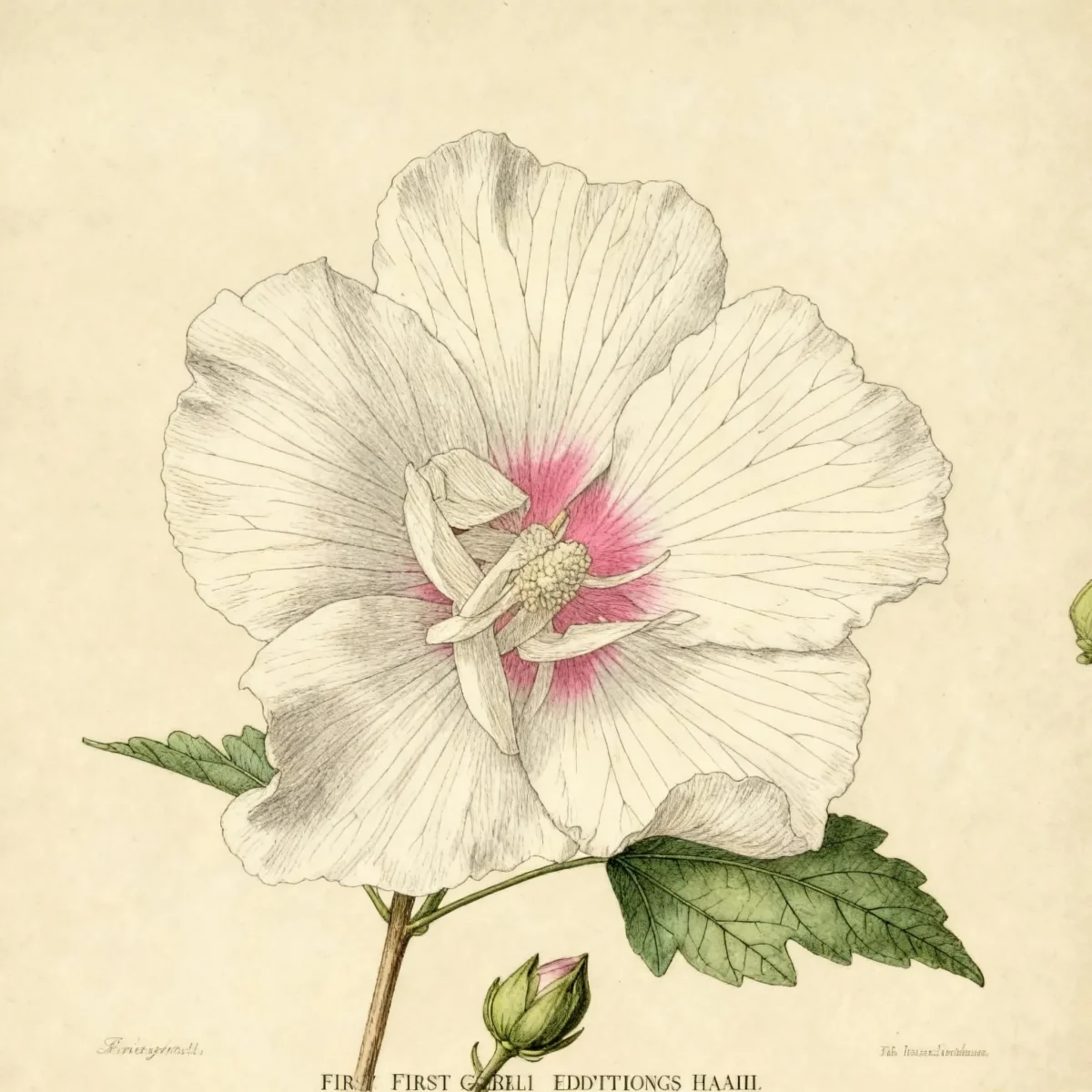
Hibiscus syriacus, commonly called rose of Sharon or shrub althea, is a vigorous, upright, vase-shaped, multi-stemmed, deciduous shrub that typically grows 8-12’ tall. It may be trained as a small tree or espalier. Showy, hollyhock-like, 5-petaled flowers (to 3” diameter) appear over a long, early-summer to fall bloom period. Each flower has a prominent and showy center staminal column. Palmately-veined, coarsely-toothed, three-lobed, medium green leaves (to 4” long) are attractive during the growing season but produce no fall color. ‘Minsygrbl1’, part of the First Editions® series, is commonly sold as FIRST EDITIONS® HAWAII™. It was bred and introduced by Minier Nursery in France and is distributed by Bailey Nurseries in Minnesota. Its large showy blossoms are blue with a red-purple heart. This upright vase-shaped shrub grows 5 to 8 ft. Tall and 4 to 7 ft. Wide.
Tolerances
- Deer
- Drought
- Clay Soil
- Black Walnut
Potential Problems
This shrub shows some susceptibility to common fungal issues like leaf spots, blights, and rusts, which can sometimes lead to canker if left unmanaged. Good air circulation and proper pruning, especially thinning out the center during late winter, help mitigate these risks substantially. Always clean up fallen debris promptly to reduce overwintering fungal spores.
Insect pests are usually manageable, though occasional visits from whiteflies and aphids can occur. The most significant pest threat is the Japanese beetle, which can rapidly skeletonize the foliage if not controlled early in the infestation period. Chemical controls or cultural practices focused on beetle management are necessary if these pests become numerous on your screening Hibiscus syriacus ‘Minsygrbl1’ FIRST EDITIONS HAWAII.
Frequently Asked Questions
What hardiness zones is Rose of Sharon suitable for?
The Hibiscus syriacus ‘Minsygrbl1’ FIRST EDITIONS HAWAII is reliably hardy across USDA Zones 5 through 8.
How large does Rose of Sharon grow?
Mature dimensions for this specific cultivar are generally between 5 to 8 feet in height and 4 to 7 feet in spread, maintaining an upright, vase shape.
When does Rose of Sharon bloom?
This shrub produces abundant color from June all the way through to October, featuring its signature blue flowers with a red-purple heart.
What sun exposure does Rose of Sharon need?
For optimal performance and the longest bloom sequence, plant your Hibiscus syriacus ‘Minsygrbl1’ FIRST EDITIONS HAWAII in full sun, though it will tolerate partial shade.
Conclusion
The low maintenance requirements combined with the stunning, long-lasting blue flowers make the Rose of Sharon, specifically the Hibiscus syriacus ‘Minsygrbl1’ FIRST EDITIONS HAWAII, an outstanding addition to nearly any garden space. Its adaptability to soil types and tolerance of urban pollution enhances its appeal for a wide range of gardeners. Before planting, confirm your local hardiness zone suitability and plan for optimal summer sun exposure to maximize the vibrant display this shrub provides.
Companion Planting
When planning garden beds around your Rose of Sharon, seek out plants that enjoy similar sun exposure and water needs. Purple coneflowers (Echinacea) are excellent companions, echoing the bloom time and offering complementary textures. For foundational plantings, consider pairing the shrub with ornamental grasses that provide movement and contrast against the sturdy structure of the shrub.
Avoid overcrowding, which is crucial for airflow, especially important for preventing the fungal issues that can affect Hibiscus syriacus. In the fall, as the large leaves of the Rose of Sharon drop, low-growing bulbs can begin to emerge, ensuring continuous visual interest in the planting area throughout the year.
Seasonal Care Calendar
Spring represents the primary care window for your shrub. This is when you should prune back any remaining dead wood or shape the plant as desired; remember that hard pruning encourages fewer, larger blooms. Once new growth begins, apply a balanced, slow-release fertilizer if your native soil is poor, though often this is unnecessary.
Summer is largely hands-off for the Hibiscus syriacus ‘Minsygrbl1’ FIRST EDITIONS HAWAII, thanks to its drought tolerance. Monitor closely during extended dry spells to ensure the plant receives medium, consistent moisture, especially if planted in containers or sandy soil. If Japanese beetles appear, begin immediate control measures to protect the foliage.
In the fall, rake up any fallen leaves, particularly if you have had fungal issues in previous years, to minimize spore survival over winter. This Rose of Sharon requires no special winterizing in its recommended hardiness range of Zones 5-8, allowing it to prepare naturally for another season of spectacular flowering.