Golden rain tree (Koelreuteria paniculata 'Woodlanders Low Form')
Koelreuteria paniculata 'Woodlanders Low Form' is a low-maintenance, columnar Golden rain tree, ideal for small spaces, known for summer yellow blooms.
Scroll down to discover growing tips, care requirements, companion plants, and more
Complete Plant Information
Overview
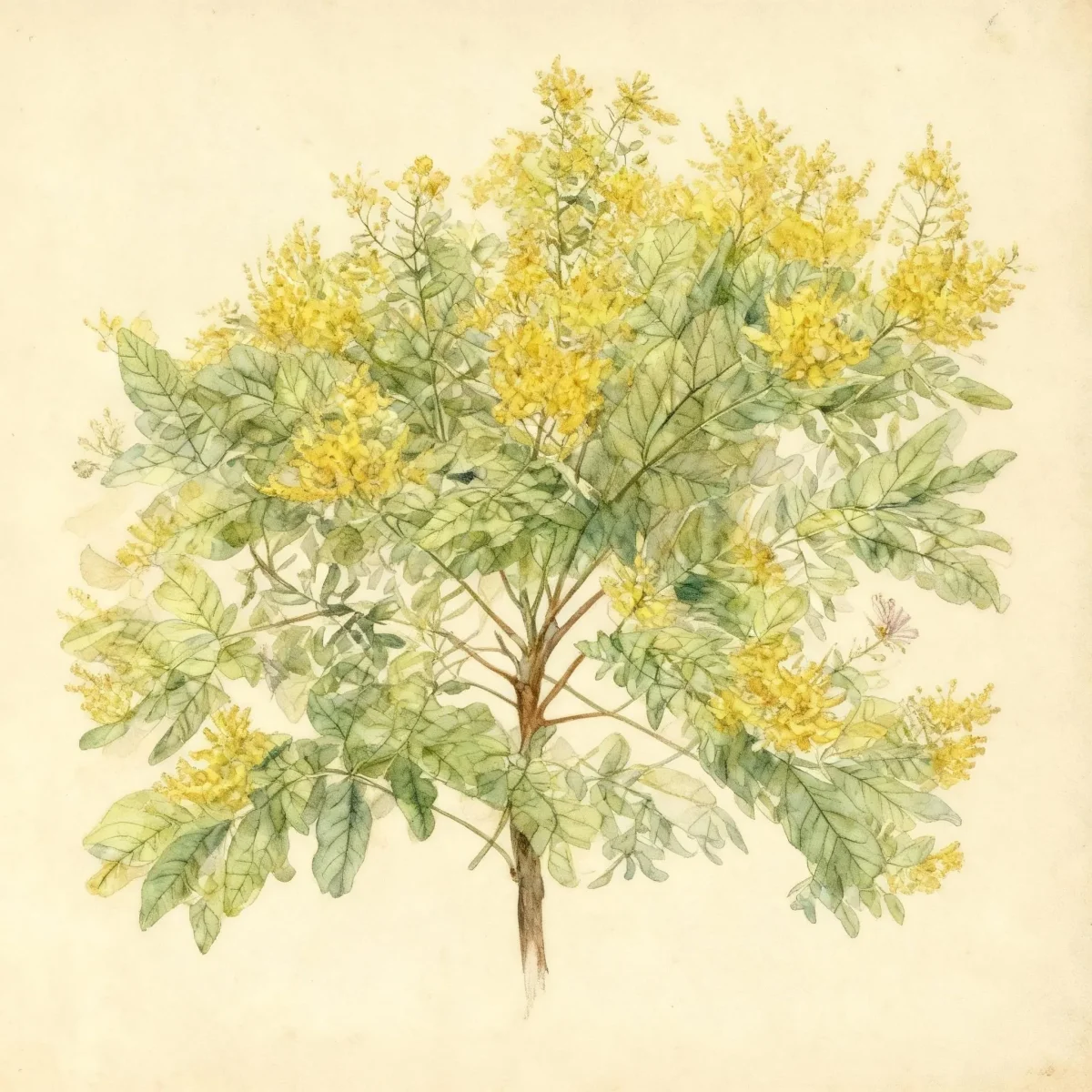
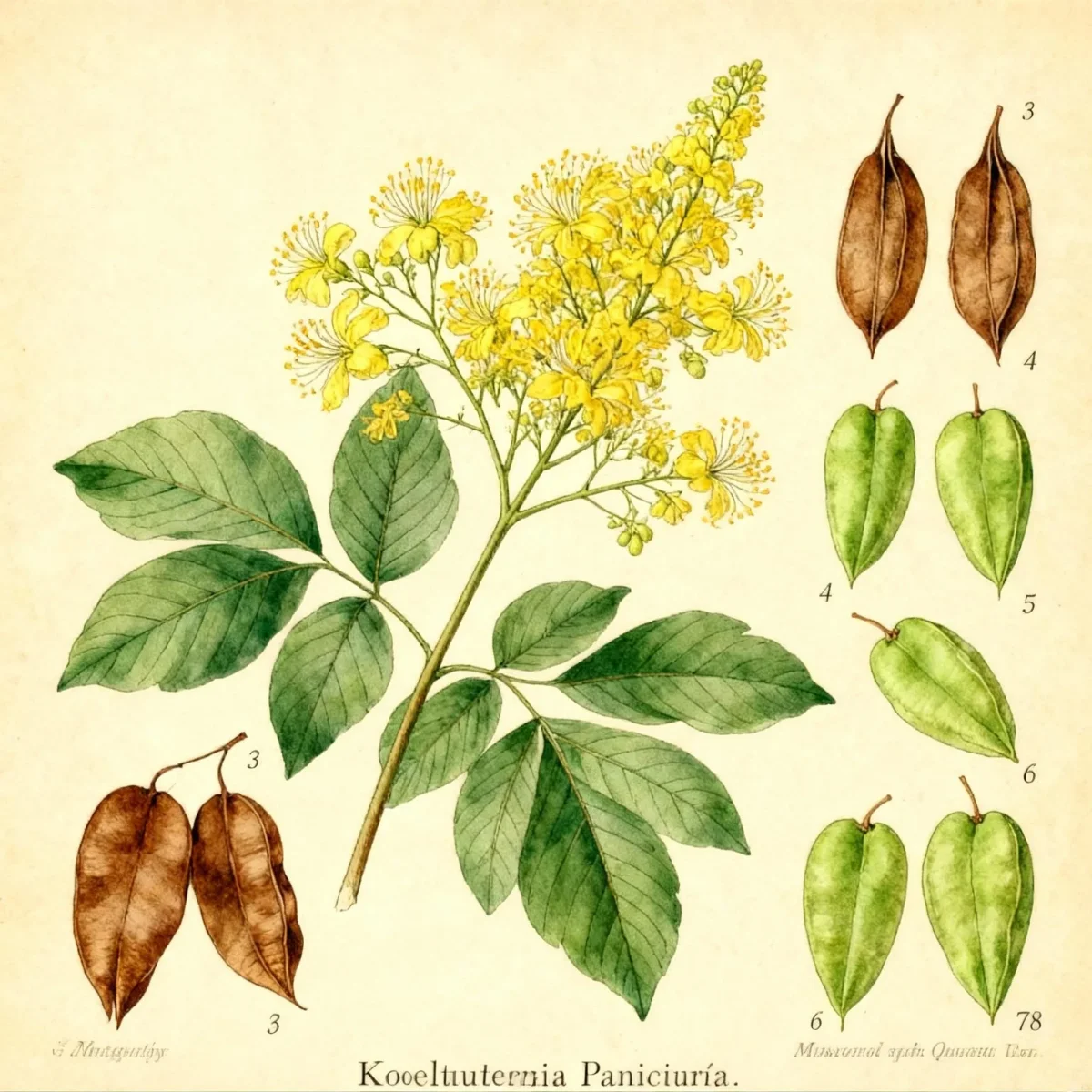
Koelreuteria paniculata ‘Woodlanders Low Form’ offers the reliable beauty of the large Golden rain tree but in a remarkably compact and refined package, perfect for constrained garden settings. This cultivar is valued for its manageable size, typically reaching only 10 to 12 feet tall, making it an excellent specimen tree where space is limited. It produces showy terminal panicles of bright yellow flowers in early summer, followed by intriguing, papery seed capsules that resemble Chinese lanterns.
This variety adapts readily to varied conditions, thriving in full sun and tolerating both dry spells and poorer soils once established. As a low-maintenance staple, the inclusion of Koelreuteria paniculata ‘Woodlanders Low Form’ immediately elevates a landscape with its seasonal interest and urban hardiness. Gardeners appreciate its ability to handle challenging environments while providing long-lasting aesthetic appeal throughout the warm months.
Fast Facts
- Plant Family: Sapindaceae
- Plant Type: Tree
- Hardiness Zones: USDA Zones 5-9
- Size at Maturity:
- Height: 10-12 ft
- Spread: 8-10 ft
- Bloom Time: June to July
- Bloom Description: Yellow
- Sun Exposure: Full sun
- Water Needs: Dry to medium
- Maintenance Level: Low
How to Grow
Plant Koelreuteria paniculata ‘Woodlanders Low Form’ during the fall or early spring while the soil is workable, ensuring it receives full sun exposure for the best flowering performance. This tree adapts easily to a wide range of soils, but thrives in average, well-drained conditions; avoid overly wet sites which can encourage root rot. Good drainage is perhaps the most critical factor for successful establishment.
Once planted, watering should be consistent until the root system is established, switching to deep, infrequent watering, especially during summer droughts, as this variety prefers dry to medium moisture levels. Minimal fertilization is generally required; heavy feeding promotes soft growth that is more susceptible to pests. Pruning is usually light, focusing only on removing crossing or damaged branches to maintain its naturally rounded crown.
The superb drought tolerance of Koelreuteria paniculata ‘Woodlanders Low Form’ means it requires less supplemental water than many ornamental trees. Furthermore, it exhibits high tolerance for many common city air pollutants, making it a superb choice for difficult urban planting sites or along paved areas where other ornamentals might struggle.
Landscape Uses
The compact size of Koelreuteria paniculata ‘Woodlanders Low Form’ opens up many landscape possibilities that the standard Golden rain tree cannot fulfill. It functions perfectly as a small shade tree over patios or small seating areas where overhead canopy is desired without overwhelming the scale of the space. It is also an excellent choice for street tree applications or lining driveways due to its noted tolerance for air pollution.
Consider planting this specimen near lighter-colored hardscaping to highlight the brilliant yellow blooms of June and July, or use its unique architectural form as a structural anchor in mixed perennial borders. Because it remains relatively small, it pairs well with larger shrubs or underplanted specimen grasses that appreciate the dappled summer shade it provides without competing for deep root space. This cultivar excels where a flowering tree is required for specimen interest, lawn accents, or terraces.
Standout Features
Flower Qualities
- Showy
Fruit Qualities
- Showy
Noteworthy Characteristics
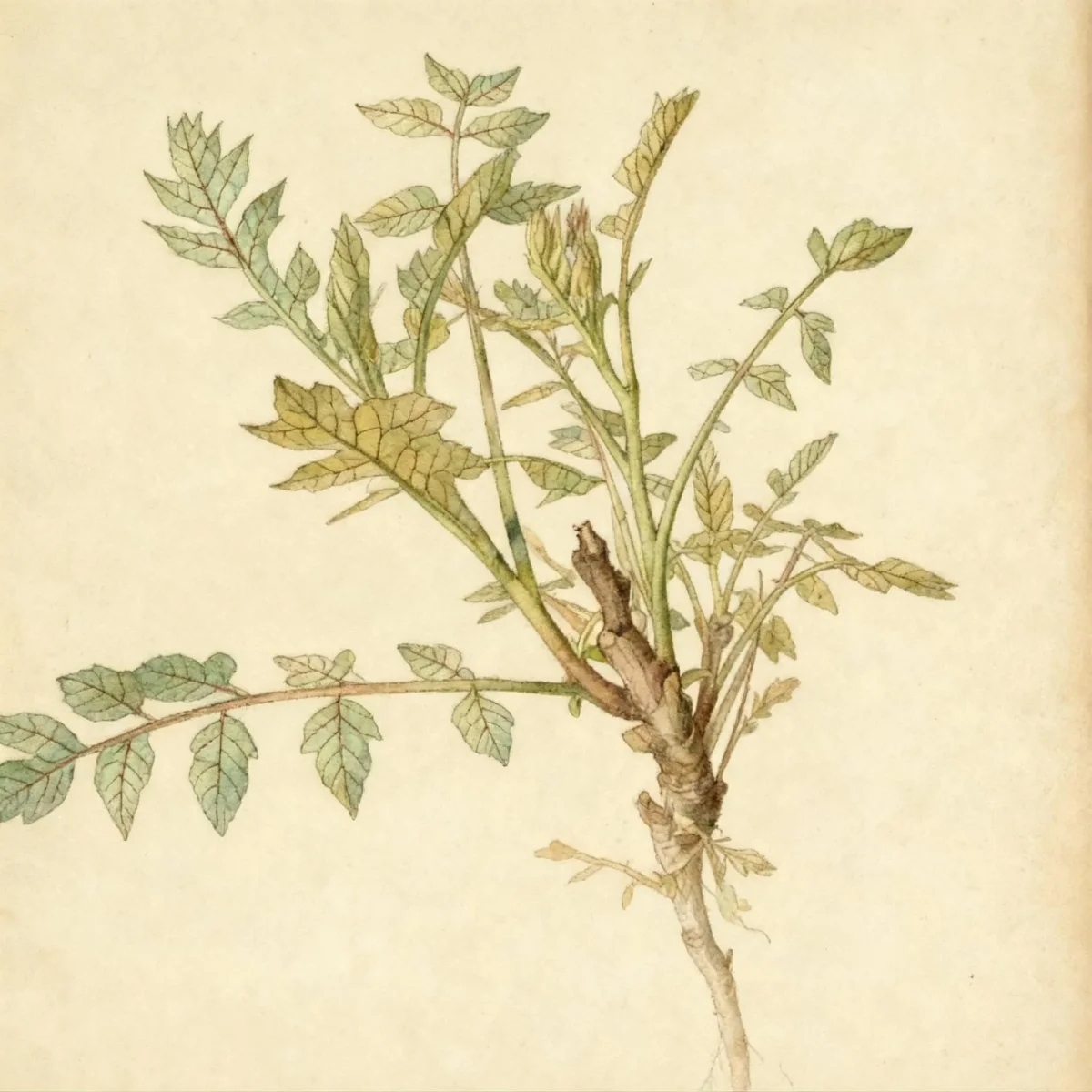
Koelreuteria paniculata, commonly called golden raintree, is characterized by its compound leaves and terminal panicles of mid-summer flowers. The ‘Woodlanders Low Form’ cultivar is significantly reduced in scale compared to the species, growing only 10 to 12 ft tall and 8 to 10 ft wide, making it a true dwarf feature. Its flowers give way to distinctive brown, papery seed capsules often compared to Chinese lanterns, providing autumn interest.
Tolerances
- Drought
- Clay Soil
- Air Pollution
Potential Problems
This cultivar generally faces no serious insect or disease issues, contributing to its low maintenance rating. However, gardeners should be wary of wet soil conditions, as susceptibility to root rot can increase, particularly if drainage is poor. Occasionally, minor problems like leaf spot or canker may manifest, usually in overly humid or crowded conditions. Ensure proper site selection with good air circulation to minimize the risk of these cosmetic issues.
Frequently Asked Questions
What hardiness zones is Golden rain tree suitable for?
The Koelreuteria paniculata ‘Woodlanders Low Form’ is reliably hardy in USDA Zones 5 through 9, allowing for wide applicability across temperate regions.
How large does Koelreuteria paniculata ‘Woodlanders Low Form’ grow?
This specific cultivar is significantly smaller than the standard a tree, maturing to a manageable height of 10 to 12 feet with a spread of 8 to 10 feet.
When does Golden rain tree bloom?
The Golden rain tree displays its bright yellow flowers over a period from June to July, offering excellent mid-summer color.
What sun exposure does Golden rain tree need?
This variety performs best when situated in a location that receives full sun throughout the day, which maximizes bloom production.
Conclusion
The Koelreuteria paniculata ‘Woodlanders Low Form’ is an outstanding choice for gardeners seeking the architectural beauty and resilience of the Golden rain tree in a perfectly scaled size. Its low maintenance, drought tolerance, and attractive seasonal characteristics—from bright yellow flowers to papery seed pods—make it a versatile asset. Before planting, confirm that your growing site aligns with USDA Zones 5-9 and offers full sunlight.
Companion Planting
When planning beds around your Koelreuteria paniculata ‘Woodlanders Low Form’, focus on plants that share similar dry-to-medium water needs and appreciate full sun or very light, dappled shade. Low-growing ornamental grasses, such as Blue Fescue (Festuca glauca), create fine texture contrast beneath its canopy without demanding excessive water. Tough perennials like Russian Sage (Perovskia atriplicifolia) or Coneflowers (Echinacea) thrive in similar sunny, low-moisture conditions and bloom profusely alongside the Golden rain tree.
Seasonal Care Calendar
Spring is the ideal time for a light cleanup, removing any debris left from the previous autumn, though debris from this tree is often minimal and attractive. Focus on scouting for any signs of leaf spot as new growth begins, and prune only lightly to maintain its natural shape. Summer care centers largely on observing water needs; water deeply if prolonged drought occurs, especially while the tree is young.
Fall is when the tree prepares for dormancy—enjoy the variable yellow tones of the foliage before it drops. Because the seed capsules persist, fall cleanup may involve sweeping beneath the crown to enjoy their lantern-like appearance or removing them for a tidier look. Winter protection is rarely needed for the established Koelreuteria paniculata ‘Woodlanders Low Form’ given its strong hardiness rating in Zones 5-9.