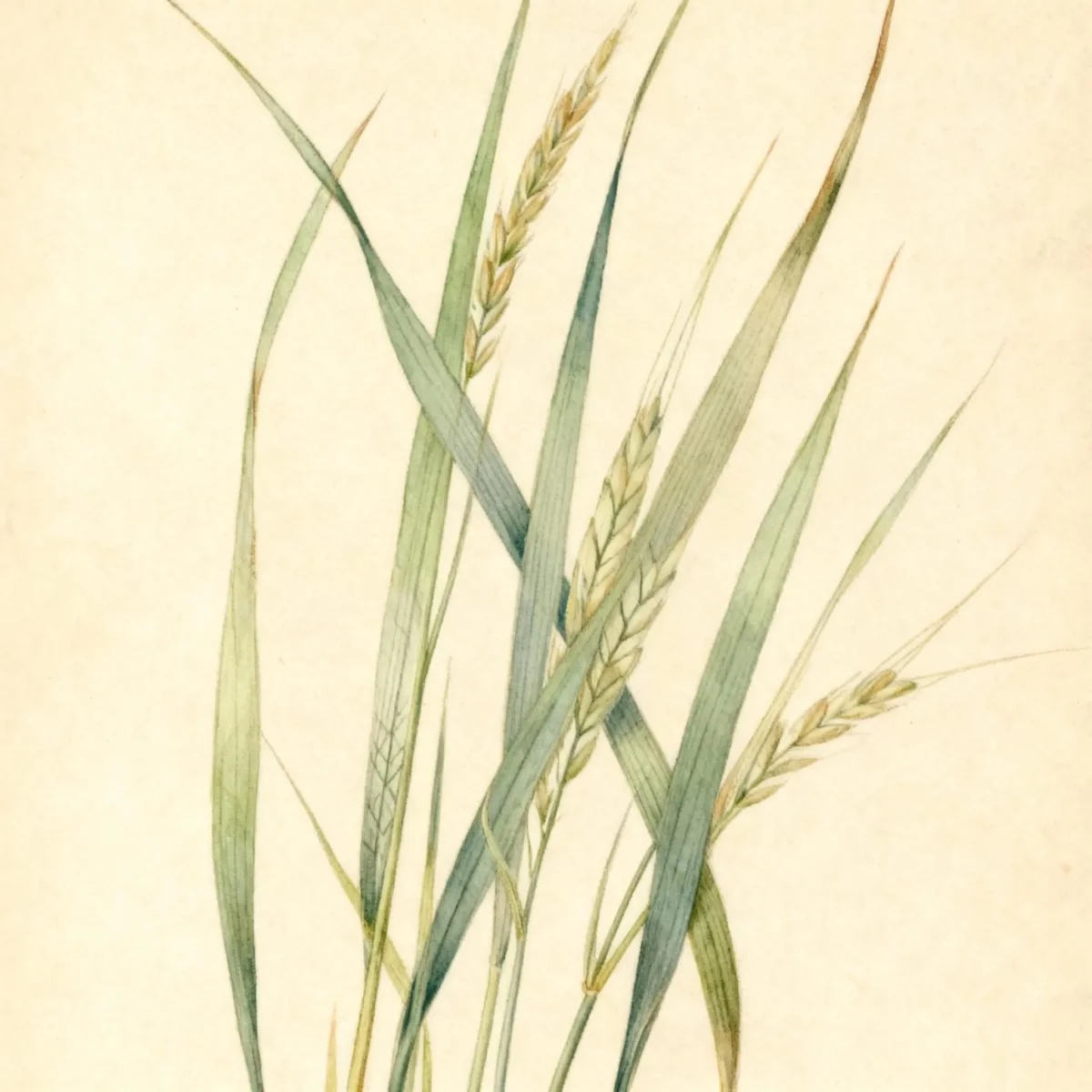
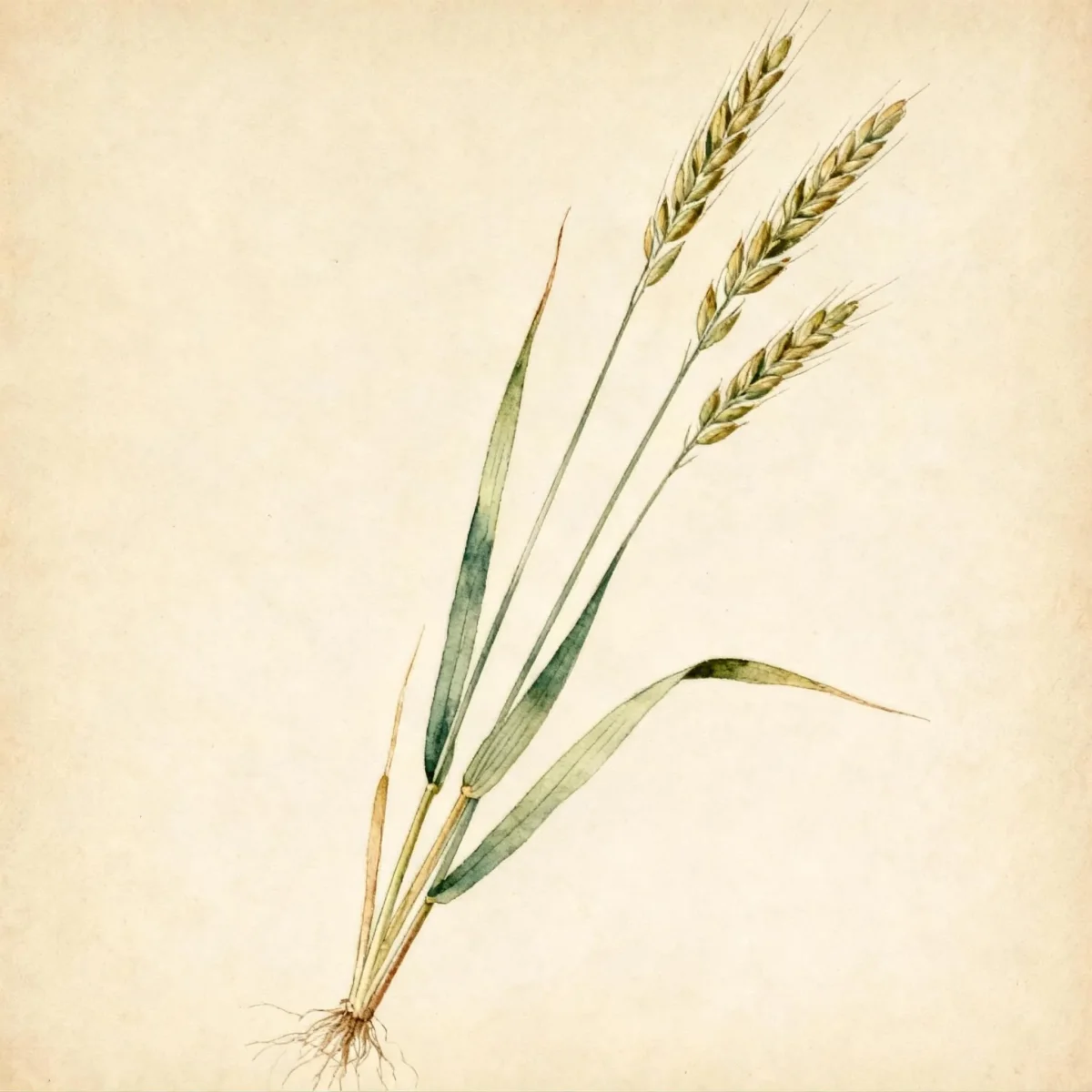
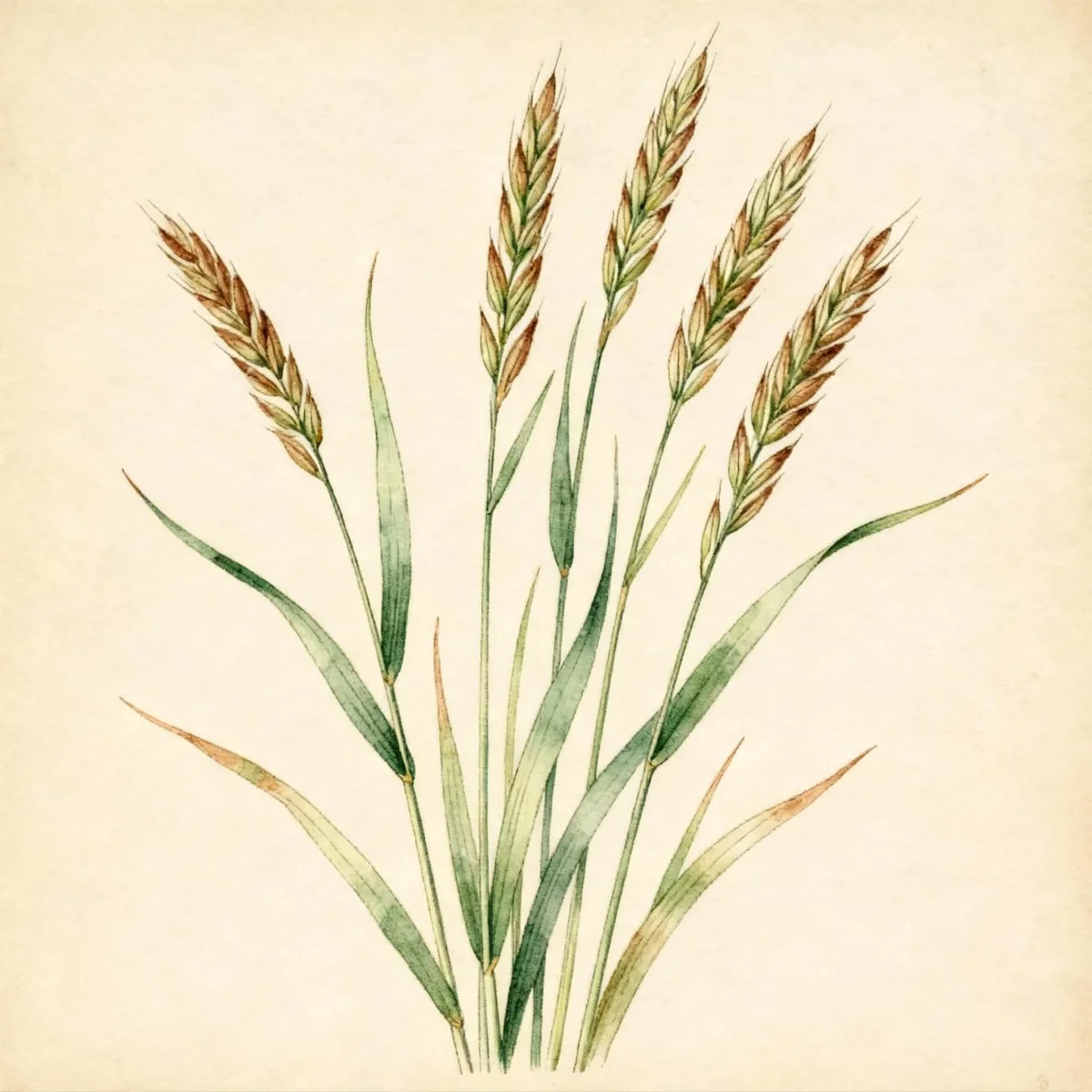
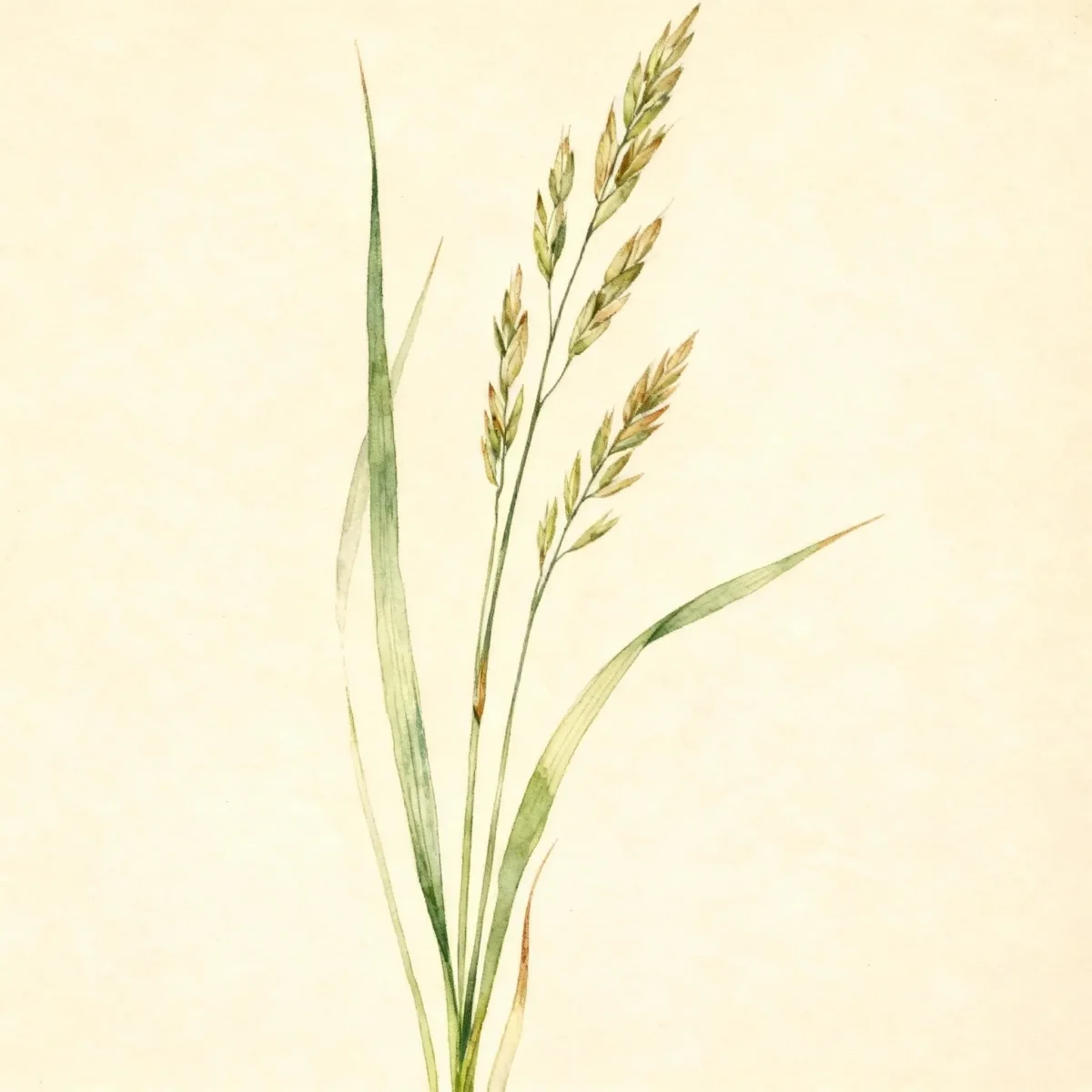
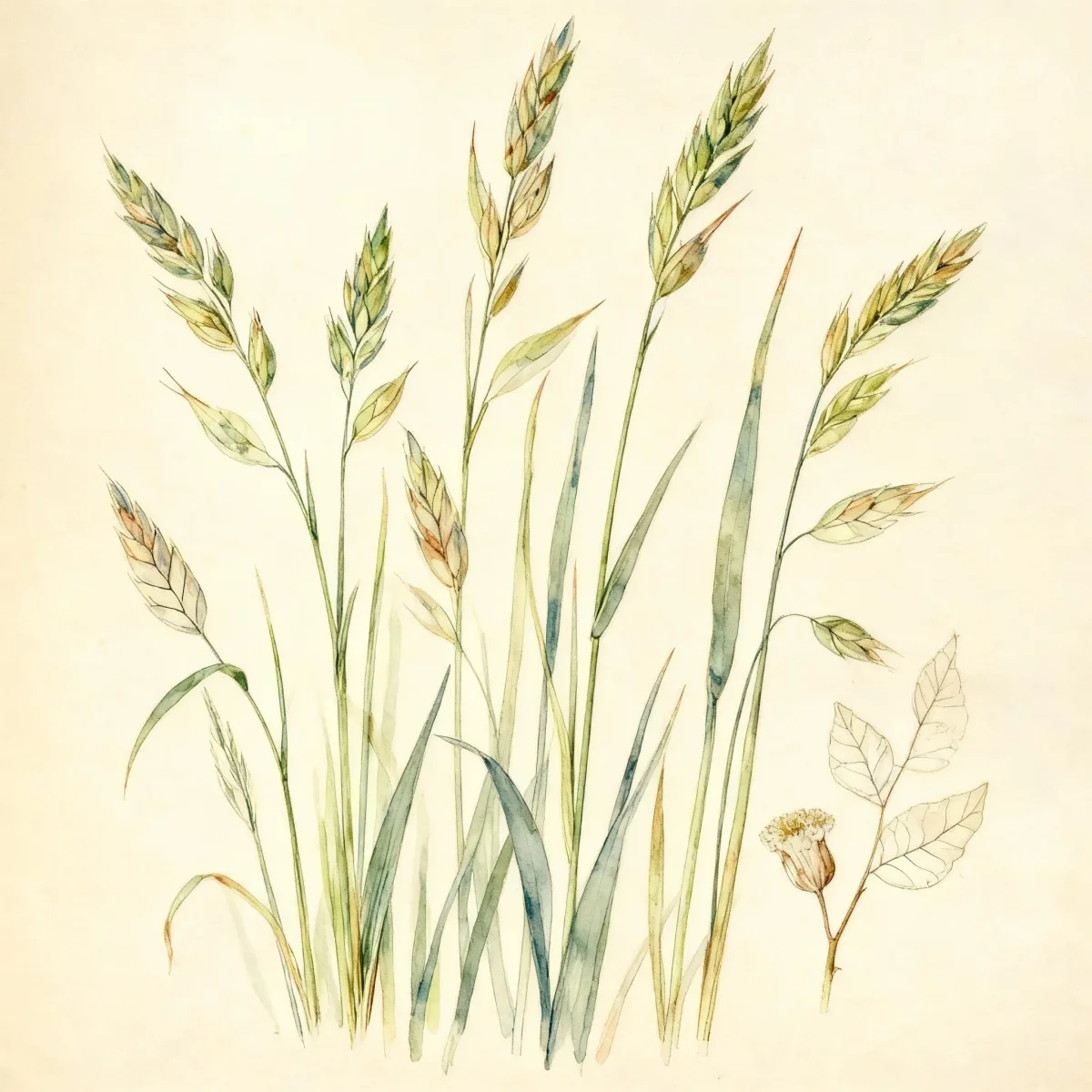
Tall fescue (Festuca arundinacea 'Black Beauty')
Festuca arundinacea 'Black Beauty', or Tall fescue, is a coarse, dark green turfgrass known for its drought tolerance and durability in transition zones.
Scroll down to discover growing tips, care requirements, companion plants, and more
Complete Plant Information
Overview
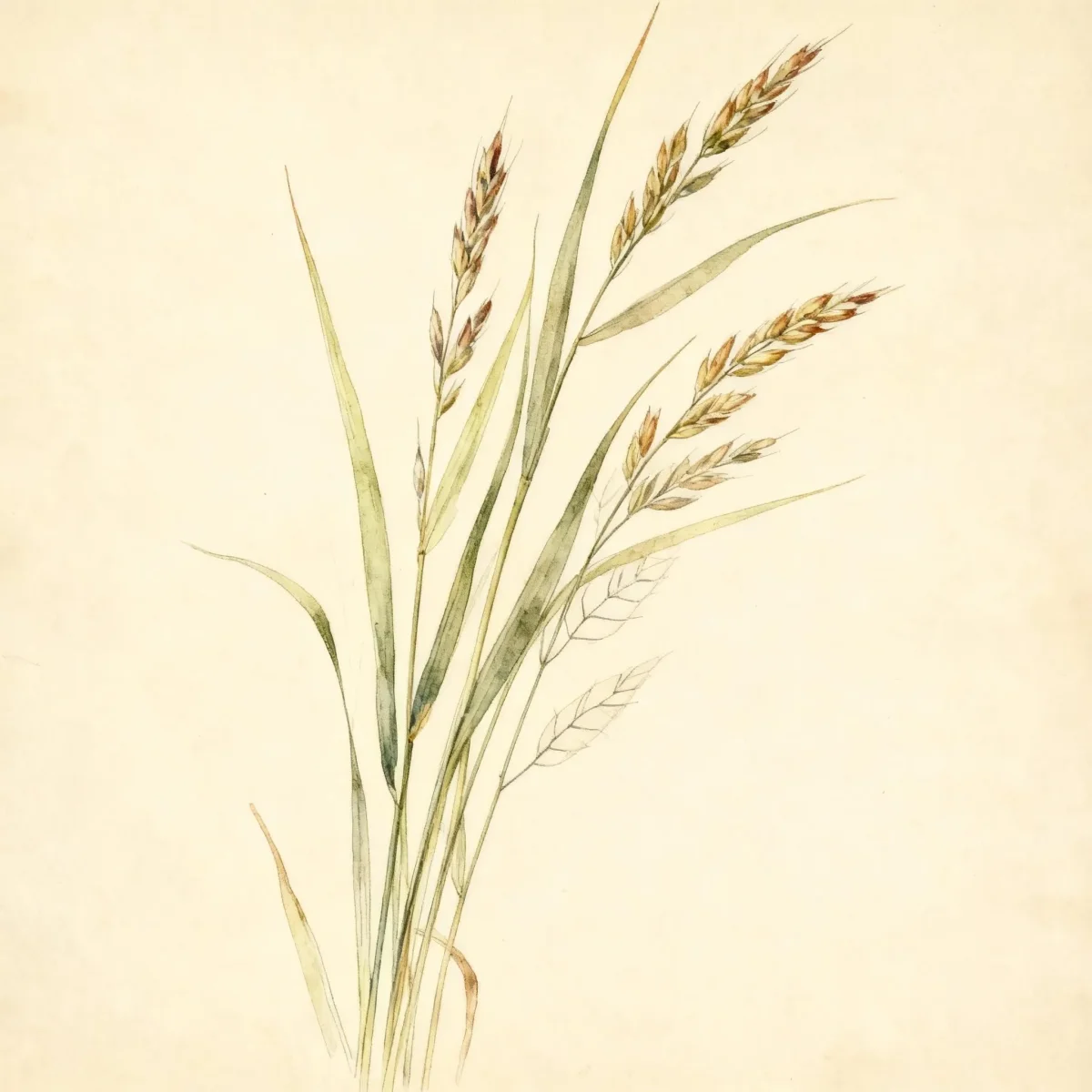
Festuca arundinacea ‘Black Beauty’, commonly known as Tall fescue, offers gardeners a robust and attractive turf option, particularly valued for its deep green color and resilience. This cultivar is noted for outstanding disease resistance and significant drought tolerance, making it a top contender for warm-summer regions within its cool-climate range. As a tough, bunch-type grass, it establishes a durable surface ideal for residential use.
The structure of Festuca arundinacea ‘Black Beauty’ results in an upright, slightly coarse texture, which contributes to its ability to withstand moderate traffic. Its deep root system is a major asset, allowing it to seek moisture far below the surface, reducing stress during dry spells common in the transition zone. While it requires medium maintenance, its hardiness often outweighs supplemental care needs.
Gardeners seeking a dependable lawn that handles temperature fluctuations can confidently choose this variety. Despite being a medium-maintenance grass, its capacity to hold color and remain viable through heat and cold makes Festuca arundinacea ‘Black Beauty’ a practical choice for high-visibility areas needing consistent performance.
Fast Facts
- Plant Family: Poaceae
- Plant Type: Turfgrass
- Hardiness Zones: USDA Zones 3-6
- Size at Maturity:
- Height: 0.25-0.5 ft
- Spread: 0.25-0.25 ft
- Bloom Time: Non-flowering
- Bloom Description: Green
- Sun Exposure: Full sun to part shade
- Water Needs: Medium
- Maintenance Level: Medium
How to Grow
Establishment of Festuca arundinacea ‘Black Beauty’ is best achieved through seeding in early fall or early spring when soil temperatures are optimal for germination. This Tall fescue thrives in well-drained soils, performing reliably across USDA Zones 3 to 6. Aim for a seeding rate between 7 to 10 lbs. Per 1,000 sq. Ft. to achieve adequate density for your new lawn area.
Ongoing care requires a medium commitment, typical for high-quality turf. Apply crucial nutrients, requiring 1 to 3 pounds of nitrogen per 1,000 sq. Ft. Annually. Water regularly, ensuring deep saturation, especially when the plant experiences drought stress common in warmer parts of its range. Mowing height is important; maintain the turf at 2 to 3 inches to allow the coarse blades to shade the soil and conserve moisture.
Because its bunch-type growth habit does not allow for rapid self-repair via underground runners, maintenance plans should include provisions for reseeding damaged patches. This is most effective in the spring or fall during peak growth periods. During the intense heat of summer, the turf may slow growth or enter dormancy if water restrictions are severe.
Landscape Uses
Dwarf fescue varieties, including Festuca arundinacea ‘Black Beauty’, are primarily recommended for residential lawn applications where consistent, durable ground cover is desired. They are exceptionally valuable in the U.S. Transition Zone, which experiences significant temperature swings from mild winters to hot summers, demanding a grass that can tolerate both extremes. Given its clumping nature and relatively slow self-repair, it is less suitable for high-impact sports turf compared to fast-spreading grasses.
Use this Tall fescue blend to create tough, usable play lawns that retain good wearability during the cooler spring and fall months. While it serves perfectly as general ground cover, consider using it in areas where you can easily manage bare spots through spot seeding rather than relying on aggressive spreading to fill in gaps.
For design aesthetics, the darker green color of Festuca arundinacea ‘Black Beauty’ provides excellent contrast against lighter stone patios or perennial borders. It works beautifully when bordered by drought-tolerant ornamental grasses or low-growing groundcovers that share similar sun and water requirements.
Standout Features
Noteworthy Characteristics
Tall fescue is a coarse textured grass tolerant to a wide variation in environmental conditions. It has a bunch-type growth habit that causes it to appear clumped and upright. It does not spread rapidly because of its lack of underground stolons or rhizomes. Therefore, re-seeding is a common practice to repair damaged areas and thin spots. Tall fescue does best where there are mild winters and warm summers. An extensive, deep root system makes tall fescue a good choice for drought-prone sites. The turf-type tall fescues are more dwarf forms and are perhaps the best grass in the transition zone withstanding summer heat and drought as well as periodic cold winter temperatures. It makes a tough play lawn, however, may require reseeding to repair damaged areas. Dwarf fescue, like other tall fescues, has good disease tolerance.Genus name comes from the Latin word meaning a grass stalk or straw.Specific epithet means resembling a reed.‘Black Beauty’ is a blend of tall fescues. It is noted for its good with good disease resistance, a darker green color and good drought tolerance
Tolerances
- Tolerant to a wide variation in environmental conditions.
Potential Problems
Like other fescues, it tends to clump and if used in mixtures, it must predominate. In the spring and fall during the high growth periods, wearability is good. In summer when temperatures rise, it is sensitive to drought and may go dormant. Damaged areas due to weather extremes, pests, diseases etc. Need to be reseeded in the spring or fall. Dwarf fescue is prone to problems caused by the fungal disease called brown patch. It’s slow growth means that brown patch can cause significant problems in mid summer.
Preventative measures against brown patch are crucial; apply fungicides preventatively if the disease is a known issue in your area, especially when summer heat coincides with periods of evening watering. Since Festuca arundinacea ‘Black Beauty’ does not spread via rhizomes, repair of winter damage or summer stress spots must happen proactively in the spring or fall via overseeding to maintain turf uniformity.
Frequently Asked Questions
What hardiness zones is Tall fescue suitable for?
Festuca arundinacea ‘Black Beauty’ is suitable for USDA Zones 3 through 6, offering resilience across a wide range of cool to transition zone climates.
How large does Tall fescue grow?
This variety reaches a mature height between 0.25 and 0.5 feet, with a consistent spread of about 0.25 feet, maintaining a low, dense profile.
What sun exposure does Festuca arundinacea ‘Black Beauty’ need?
It establishes best across a gradient, tolerating conditions from full sun exposure right into partial shade locations.
When does Tall fescue bloom?
This grass is listed as non-flowering, though it may produce inconspicuous green seed heads.
Conclusion
Festuca arundinacea ‘Black Beauty’ stands out as a reliable, low-growing turfgrass offering superior disease resistance and excellent drought endurance due to its deep root system. This desirable blend of durability and dark green aesthetics makes it a superb choice where lawn resilience is key within its temperature range. Before establishing your lawn, confirm your location falls within USDA Zones 3 to 6 and plan for fall seeding for the best establishment results.
Seasonal Care Calendar
Proper timing is key to managing this medium-maintenance turf. Focus your primary efforts during the active growing windows to ensure density and recovery.
Spring care involves preparing the soil for high wear periods and applying necessary nitrogen to encourage robust, dark green growth. Ensure mowing heights are maintained at 2 to 3 inches throughout the spring to promote turf health ahead of summer stress. If bare patches exist from winter die-off, this is the ideal time for overseeding.
Summer management centers on water conservation and monitoring for fungal issues like brown patch, which can become significant due to the grass’s slow recovery rate. While it handles heat well thanks to its deep roots, cease heavy watering late in the evening to reduce humidity around the crown, mitigating fungal risk. Dormancy is possible under extreme heat and drought.
Fall is the most critical time for repair and strengthening before winter dormancy. Conduct any necessary overseeding now to allow roots to develop fully. A final, deep watering before the ground freezes helps the root system withstand winter fluctuations. Avoid heavy fertilization late in the season.
Companion Planting
Since Festuca arundinacea ‘Black Beauty’ is used extensively as a ground cover and lawn substitute, companion planting focuses on mixing it with other resilient, low-growing species that thrive in similar zones. In mixed turf applications, ensure this Tall fescue predominates, as clumping varieties can be overshadowed by vigorous spreaders if present in large numbers.
For edging or borders next to hardscape features, consider pairing it with functionally similar, tough perennials that require medium moisture and tolerate full sun. Plants such as Sedum groundcovers or Creeping Thyme can offer textural contrast while sharing low-water needs once established.
In transition zone gardens, look for low-growing ornamental grasses, such as certain dwarf varieties of switchgrass or blue grama, that can coexist nearby without requiring intense supplemental watering outside of the turf’s medium requirement. This provides visual continuity across different textural elements of the landscape.