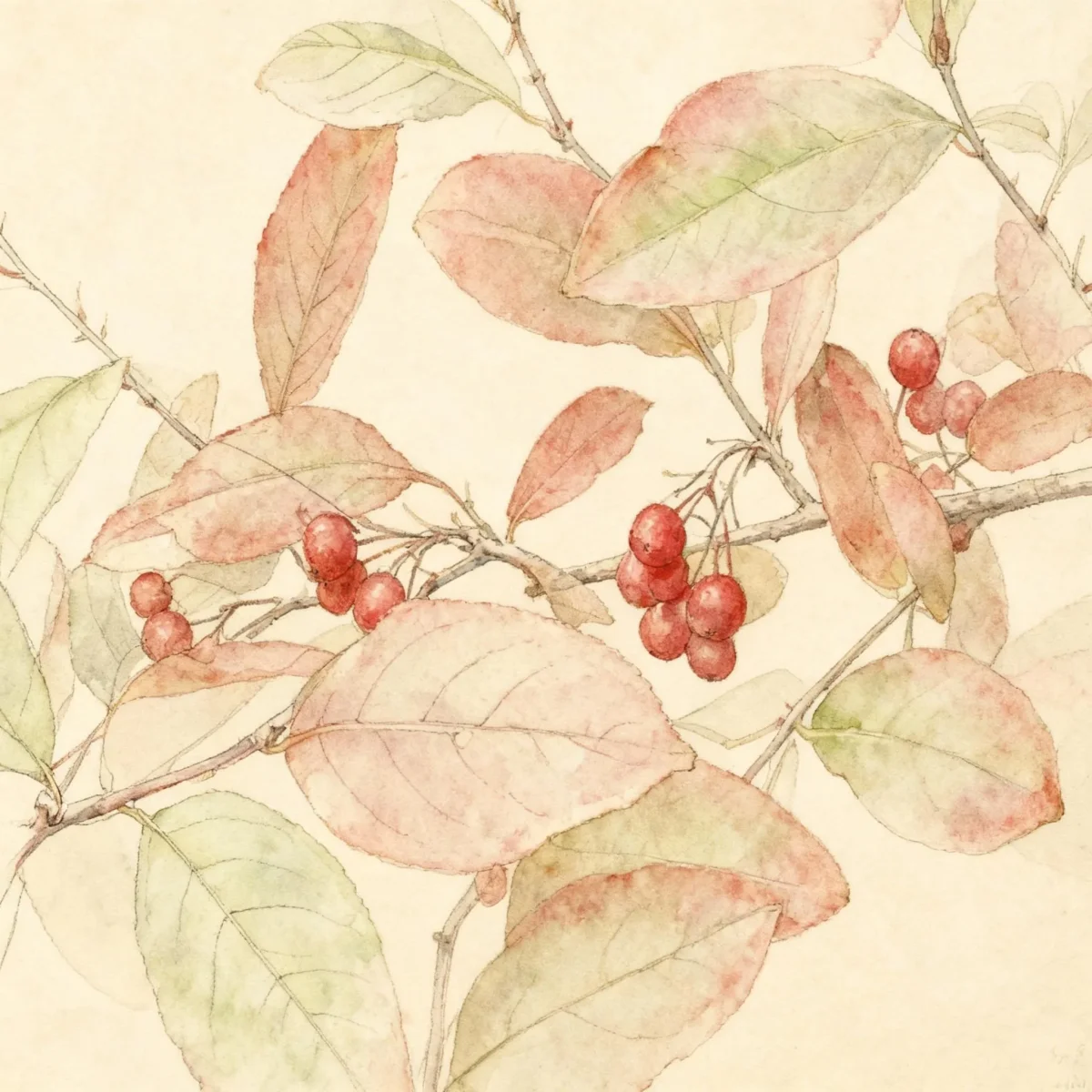
Silver buffaloberry (Shepherdia argentea)
Durable Silver buffaloberry (Shepherdia argentea) features striking silvery foliage, thorny branches, and bright red fruit. Low maintenance shrub.
Scroll down to discover growing tips, care requirements, companion plants, and more
Complete Plant Information
Overview
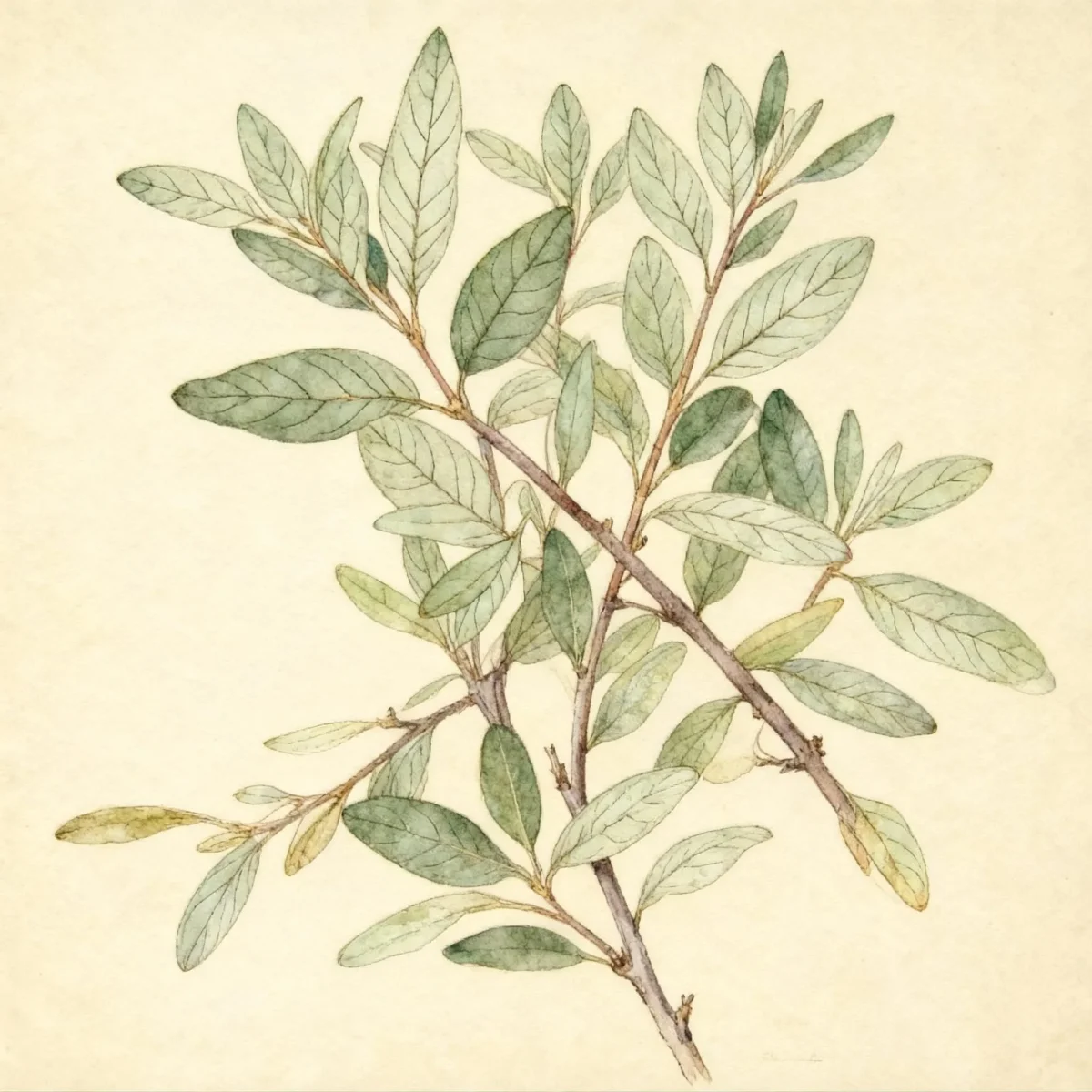
The Silver buffaloberry, scientifically known as Shepherdia argentea, is a highly resilient and visually distinctive deciduous shrub native to the Western United States and Canada. Its most defining feature is the attractive silver scaling covering its foliage and branches, offering year-round visual interest in the landscape. This species is exceptionally tough, thriving in challenging environments where many other ornamentals fail.
Highly valued for its vigorous, thicket-forming nature and hardiness, Shepherdia argentea is ideal for creating dense screens or providing long-term soil stabilization. Female plants provide a welcome surprise with bright red, edible (though tart) fruits that ripen in the fall, often attracting birds before winter sets in.
This plant demonstrates remarkable adaptability, making it a reliable choice for low-maintenance gardens, particularly in areas needing drought tolerance or erosion control. Successfully growing Shepherdia argentea means capitalizing on its toughness while managing its dioecious nature to ensure the production of fruit if desired.
Fast Facts
- Plant Family: Elaeagnaceae
- Plant Type: Deciduous shrub
- Native Range: Western United States and western Canada
- Hardiness Zones: USDA Zones 3-9
- Size at Maturity:
- Height: 8-12 ft
- Spread: 8-12 ft
- Bloom Time: March
- Bloom Description: Yellow
- Sun Exposure: Full sun to part shade
- Water Needs: Medium
- Maintenance Level: Low
How to Grow
For optimal establishment, plant Shepherdia argentea in full sun, though it will tolerate light shade. It thrives in average, moderately fertile, medium-moisture, well-drained soil. Although it prefers moist sites, this shrub is extremely well-adapted to dry, moderately alkaline soils once established, underscoring its excellent drought tolerance.
Water needs are generally medium; provide regular moisture during the initial establishment phase. Because the plant is tolerant of drought and poor, dry soils, supplemental irrigation is usually unnecessary after the first few years. Fertilization is rarely required, keeping maintenance low.
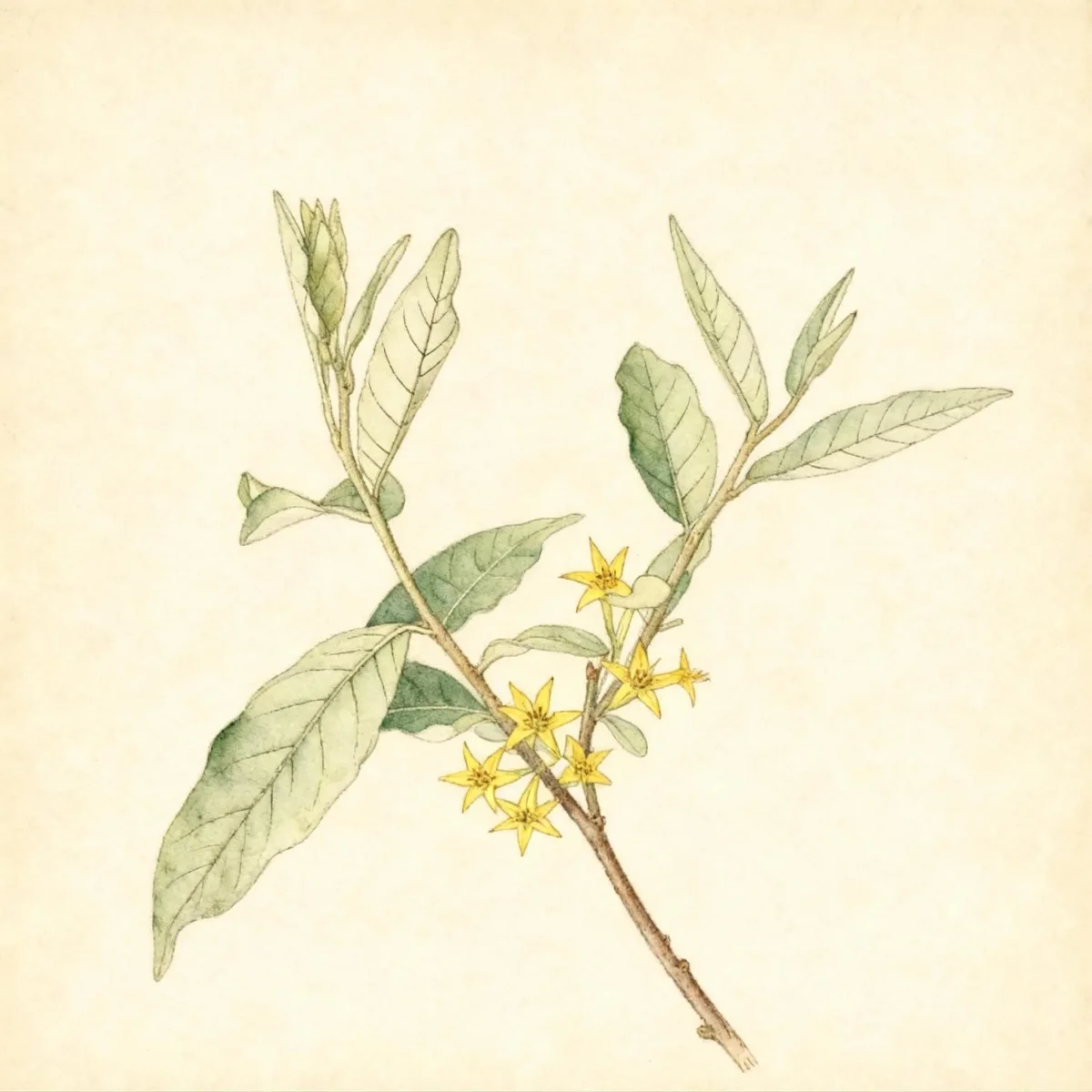
A critical consideration for Silver buffaloberry is that it is dioecious; male and female flowers exist on separate plants. If you wish to enjoy the bright red fruit, you must plant both a male and a female shrub to ensure pollination occurs when the tiny, yellowish flowers bloom in March before the leaves emerge. Mature branches often become spine-tipped, which should be considered when choosing its final location.
Landscape Uses
The inherent toughness and density of Shepherdia argentea make it exceptionally useful in functional plantings. Its primary suggested use is as a robust hedge, where its thorny branches create an effective, nearly impenetrable barrier. It also serves excellently as a windbreak or screen due to its upright, bushy habit, growing up to 12 feet high.
Beyond formal hedging, the Silver buffaloberry provides great textural contrast in the back of mixed shrub borders. Its silvery foliage beautifully complements plants with darker or green leaves. Furthermore, where soil stabilization is a concern, its adaptability to poor, dry soils, coupled with its thicket-forming behavior, makes it a premier choice for erosion control on slopes or banks.
Standout Features
Flower Qualities
- Showy
Noteworthy Characteristics
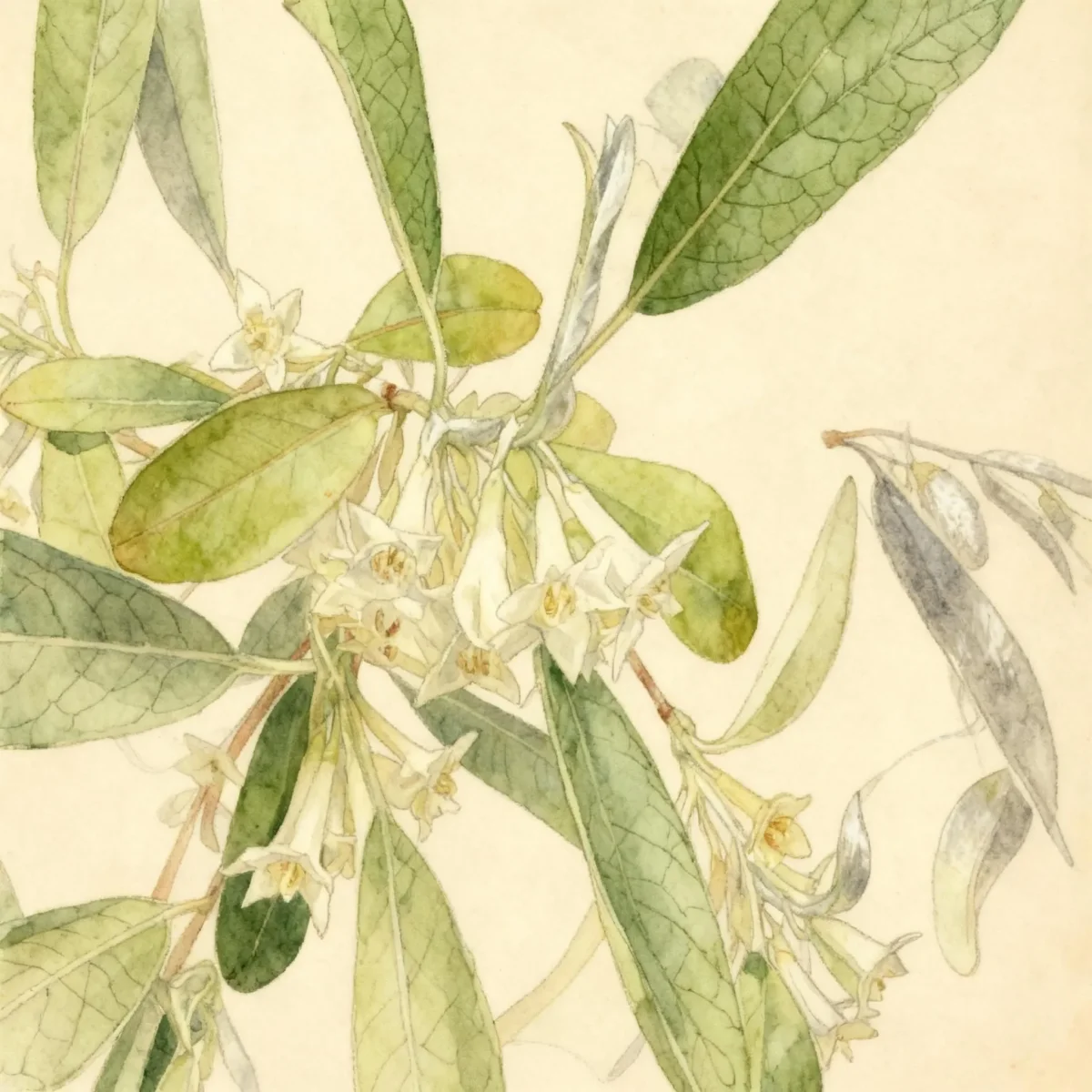
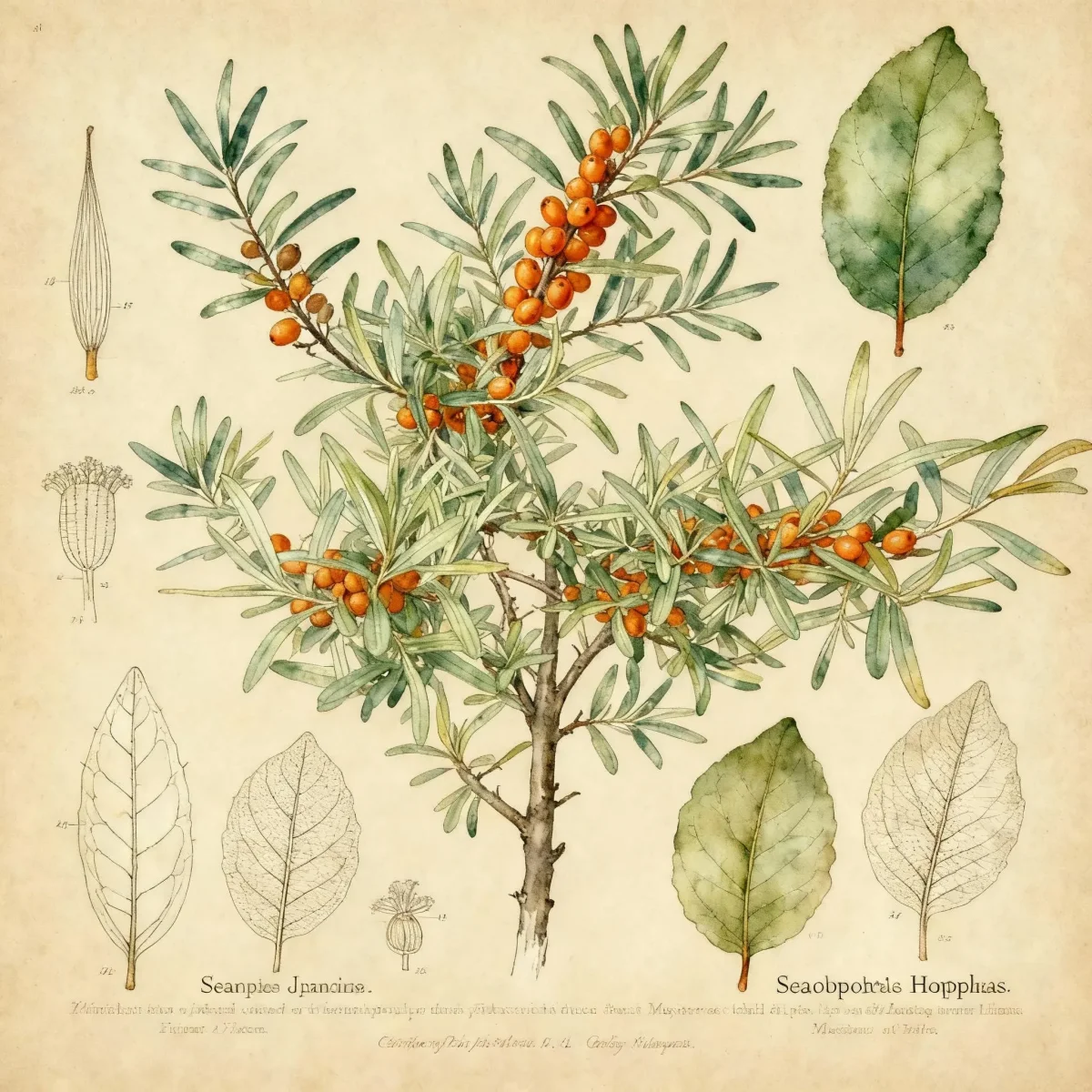
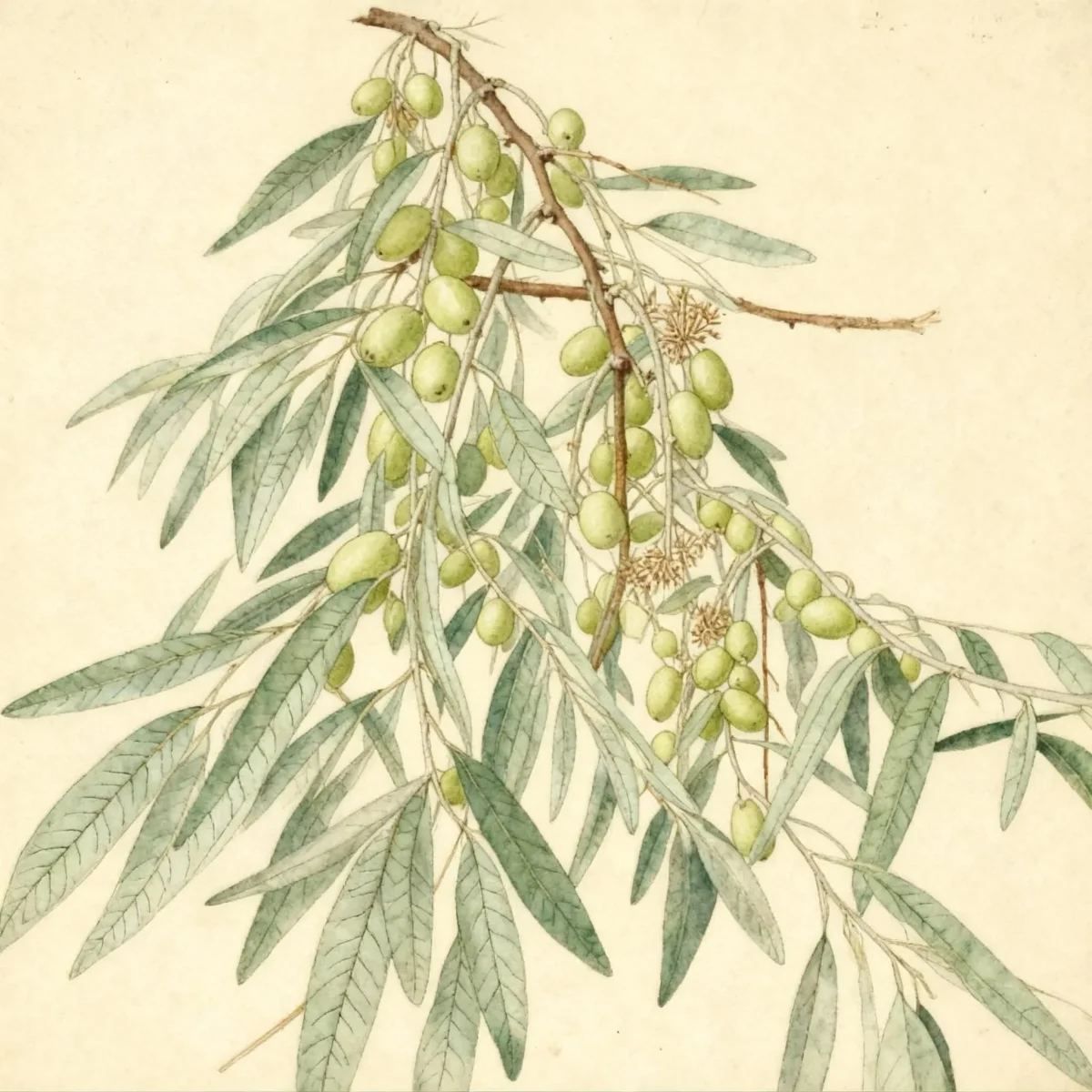
Shepherdia argentea, commonly known as silver buffaloberry, is an upright, bushy, thorny-branched, thicket-forming, deciduous shrub of the Oleaster family. It is noted for its attractive silver-scaled leaves and branches plus its bright red (female plants only) fruit which matures in fall. In the far West, it is often found on dry, sandy, rocky or gravelly (often limestone) soils of plains and canyons.
Tolerances
- Drought
- Erosion
Potential Problems
Shepherdia argentea is generally resistant to serious insect or disease issues, contributing to its low-maintenance profile. However, gardeners should watch for fungal issues such as powdery mildew, rust, and leaf spot, especially in humid conditions or poorly ventilated plantings. Susceptibility to whiteheart rot can occur in overly wet or prolonged flooded areas. While attractive to birds, deer often browse the tender leaves and new branchlets, a factor to consider if planted near browsing areas. Proper drainage is key to avoiding root issues.
Frequently Asked Questions
What hardiness zones is Silver buffaloberry suitable for?
The Silver buffaloberry (Shepherdia argentea) is highly adaptable, thriving in USDA Zones 3 through 9.
How large does Shepherdia argentea grow?
This shrub typically matures to a height and spread of 8 to 12 feet, though specimens can occasionally reach 18 feet tall.
When does Silver buffaloberry bloom?
Flowering occurs early in the season, usually during March, producing very tiny, yellowish flowers before the silvery leaves fully emerge.
What sun exposure does Shepherdia argentea need?
It performs best in full sun but is tolerant of partial shade conditions, making it versatile for various landscape placements.
Conclusion
The Silver buffaloberry (Shepherdia argentea) stands out as an exceptionally tough, low-maintenance native shrub, providing unique silvery texture and vital autumn color from its fruit. Its tolerance for drought and poor soils makes it indispensable for stabilizing difficult sites. Before planting, confirm your site is within USDA Zones 3-9 and plan for both male and female plants if you desire the famous red berries.
Wildlife Benefits
The fruits of the Silver buffaloberry, while tart for human consumption, are a valuable late-season food source for numerous bird species. Birds begin consuming the bright red fruits heavily in late July and August, continuing through the fall and potentially into winter, providing essential sustenance. Planting Shepherdia argentea near natural areas can thus enhance local biodiversity by supporting migratory and resident avifauna.
Companion Planting
Given that Shepherdia argentea thrives in dry to medium moisture conditions and appreciates good drainage, thoughtful companion selection is important. Pair it with other tough, drought-tolerant natives found in similar Western grassland or foothills environments. Excellent companions include various native bunchgrasses or other hardy shrubs that share tolerance for alkaline soils, such as certain species of Ceanothus or Artemisia. Avoid placing it directly next to water-loving bog plants, as the buffaloberry suffers if subjected to prolonged saturated soil conditions.