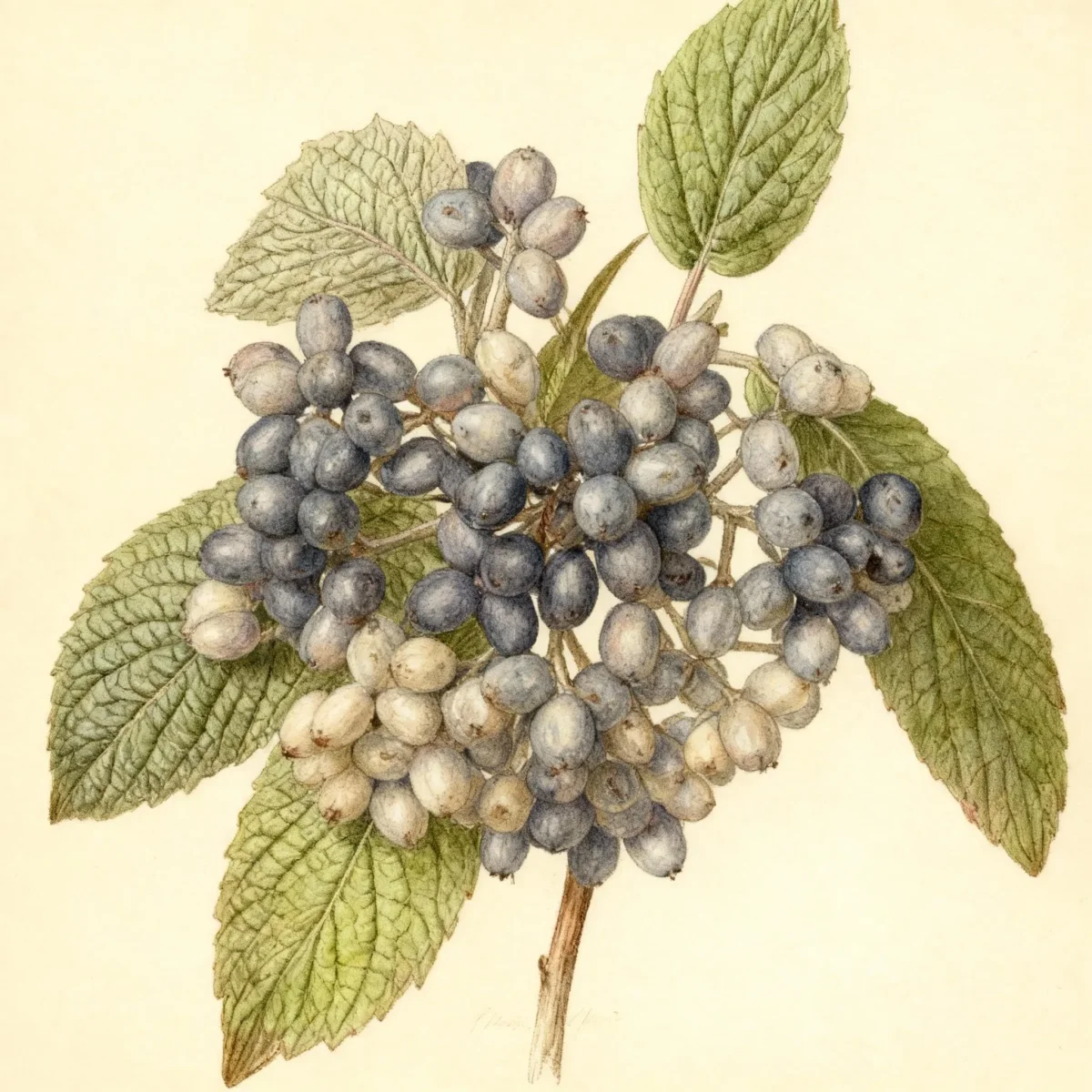
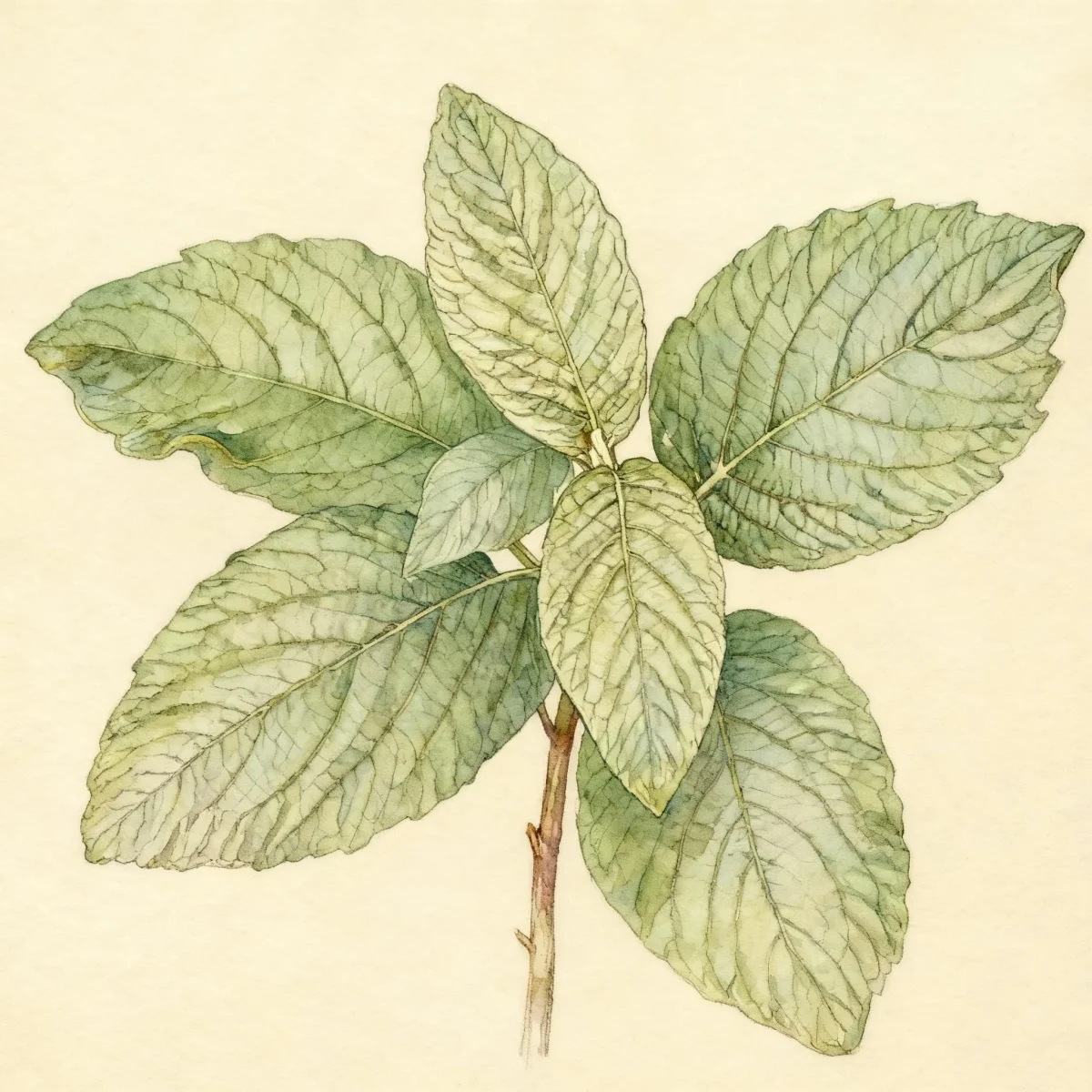
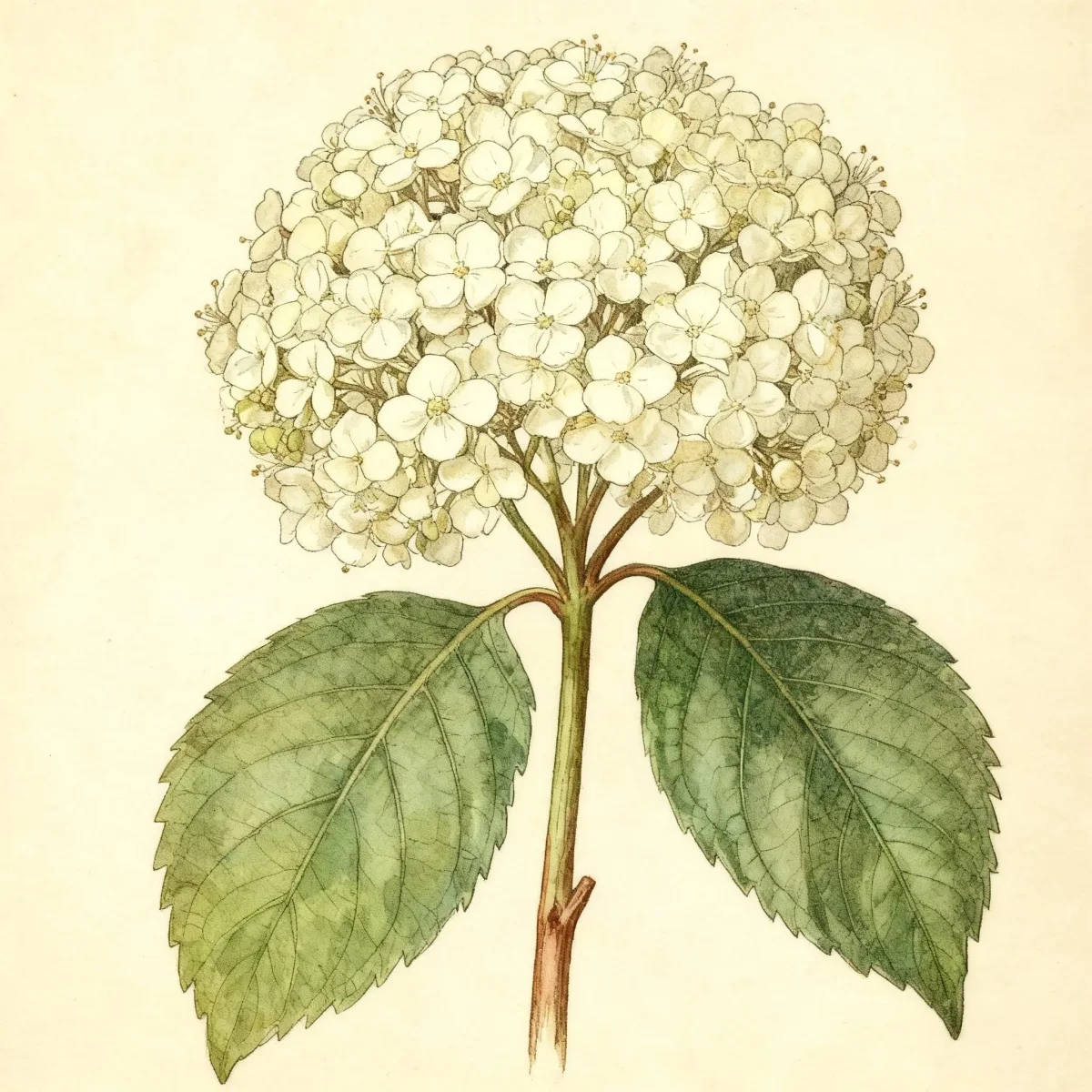
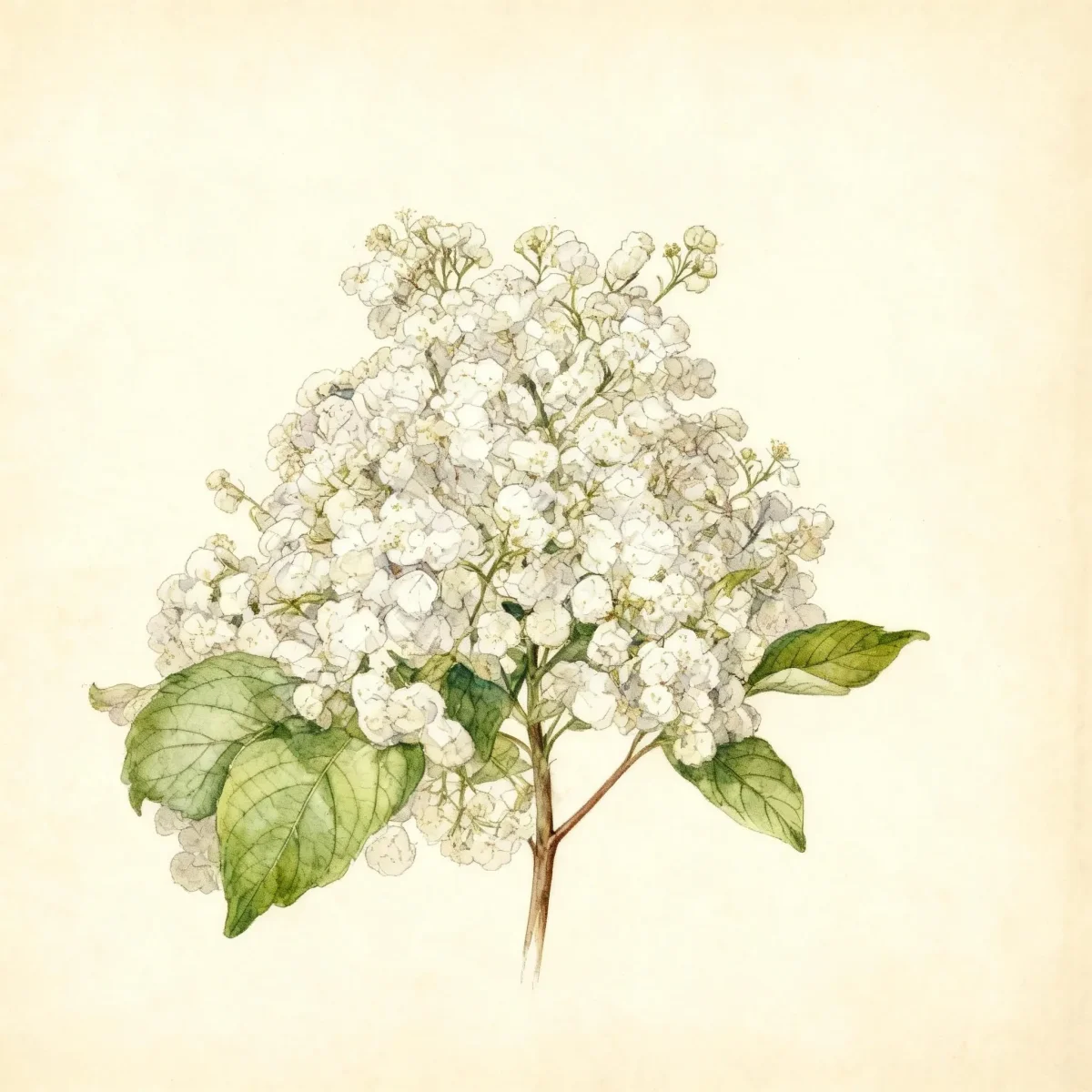
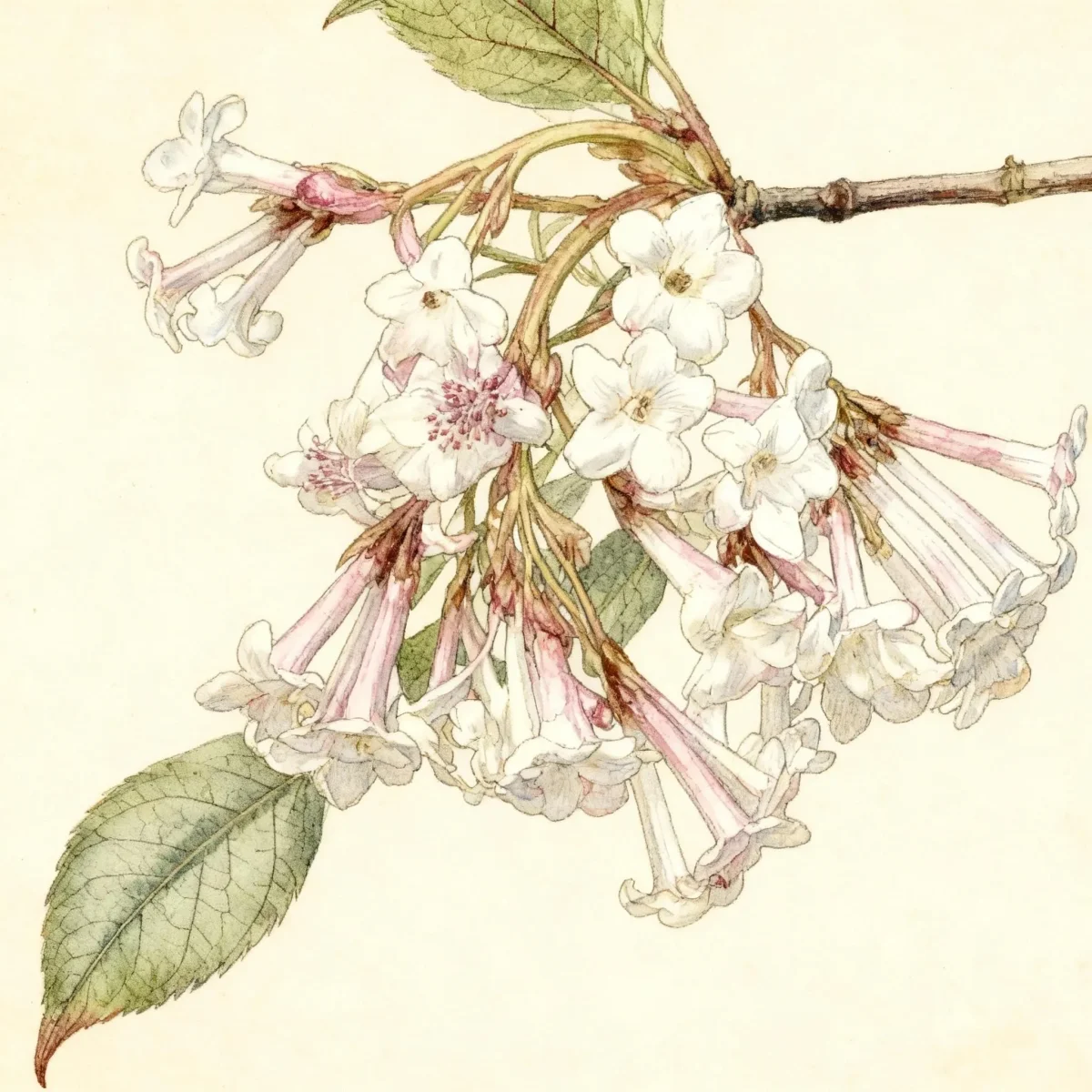
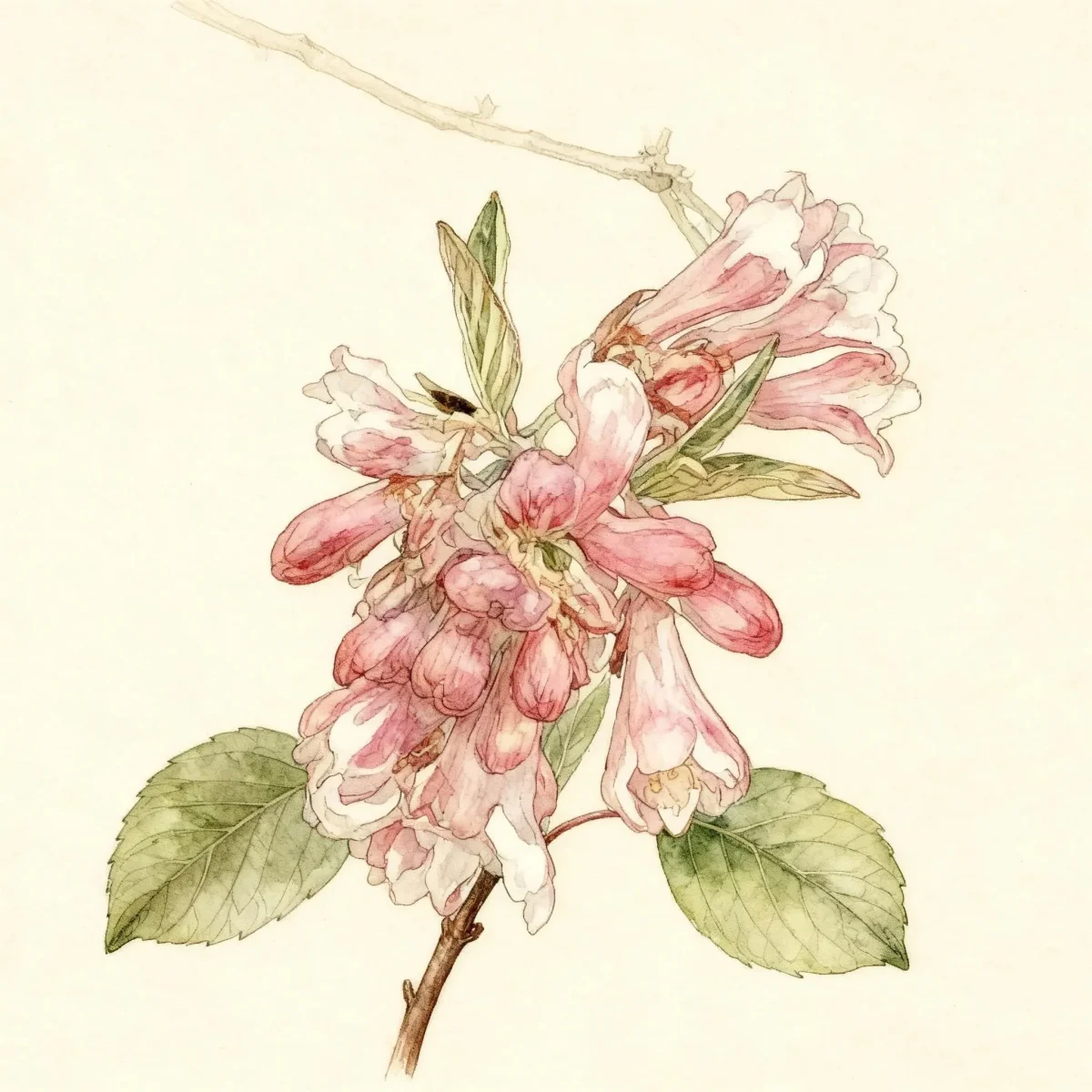
Viburnum (Viburnum 'Fugitive')
Viburnum 'Fugitive' is a stunning deciduous shrub growing 8-10' tall, valued for white May blooms and burgundy fall color.
Scroll down to discover growing tips, care requirements, companion plants, and more
Complete Plant Information
Overview
The Viburnum ‘Fugitive’ hybrid offers gardeners significant visual interest across multiple seasons, establishing itself as a versatile and attractive specimen plant. It brings the inherent reliability of the well-loved Viburnum genus, translating into a robust shrub suitable for defined landscape roles. This cross between V. Japonicum and V. Dilatatum matures beautifully into a rounded dome, offering substantial structure.
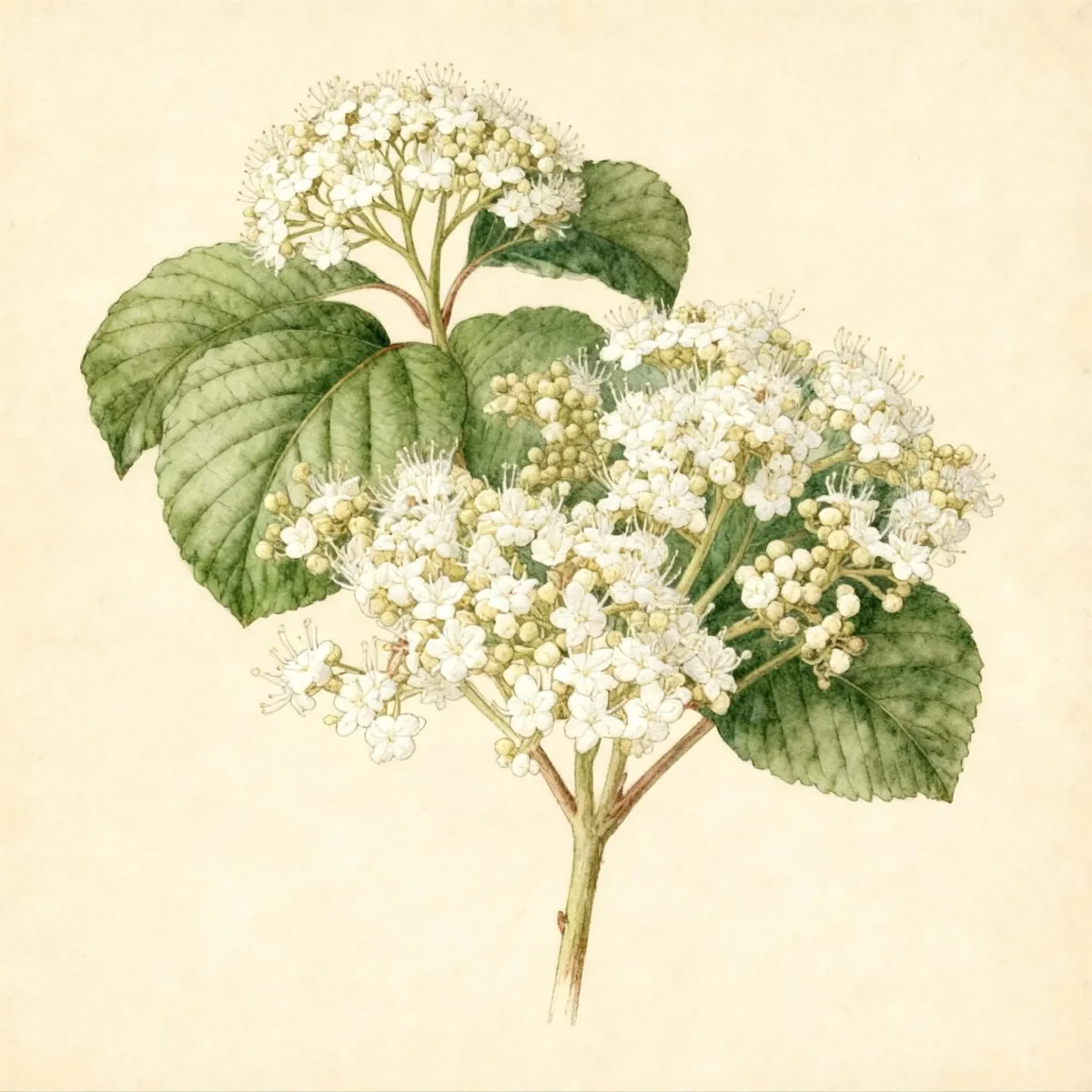
This deciduous shrub is prized for its display in May when it produces large, flat-topped cymes of white flowers, measuring up to six inches across. Foliage contributes further interest, remaining semi-evergreen and providing deep burgundy-purple tones after the initial autumn frost. Understanding the specific needs of Viburnum ‘Fugitive’ ensures it thrives in its designated garden spot.
Viburnum ‘Fugitive’ is generally an easy-to-manage plant, thriving best when provided consistent moisture, making it a reliable choice for mixed borders or as a medium-sized screen. Its established size and attractive form make it an excellent structural element in the landscape design.
Fast Facts
- Plant Family: Adoxaceae
- Plant Type: Deciduous shrub
- Hardiness Zones: USDA Zones 6-8
- Size at Maturity:
- Height: 8-10 ft
- Spread: 10-12 ft
- Bloom Time: May
- Bloom Description: White
- Sun Exposure: Full sun to part shade
- Water Needs: Medium
- Maintenance Level: Medium
How to Grow
Planting Viburnum ‘Fugitive’ should occur during the cooler periods of spring or fall to minimize transplant shock, though it establishes well once situated. It prefers average, well-drained soils, but attention to soil consistency is key; best growth occurs with even moisture. While it tolerates full shade, its architectural form and foliage color are best expressed in locations receiving full sun to part shade.
Watering should remain consistent, especially during establishment and extended dry periods, as this shrub performs best with steady moisture levels. Fertilization is rarely required if the soil is reasonably fertile. As a semi-evergreen shrub, it may benefit from protection or supplemental water in very hot summer climates, where afternoon shade is appreciated.
Pruning needs are usually minimal, focusing primarily on removing any circling or crossing branches immediately after flowering concludes. Monitor for common issues found in the Viburnum genus, though deer tend to avoid this species entirely. Winter hardiness is reliable across USDA Zones 6 through 8.
Landscape Uses
Viburnum ‘Fugitive’ excels in roles requiring substantial, year-round presence. It is highly recommended for use as a shrub in mixed borders, where its May blooms and fall color add seasonal variation among perennials and evergreens. Its substantial size, reaching up to 12 feet wide, also makes it an ideal candidate for use as a natural screen or informal hedge.
For foundation plantings, ensure adequate space is allowed for its mature, rounded dome shape to develop naturally without constant shearing. As a visual specimen, its substantial white flower clusters provide a strong focal point early in the growing season. Consider placing it near walkways where its structure is appreciated throughout the dormant season.
Standout Features
Flower Qualities
- Showy
Noteworthy Characteristics
Viburnum is a genus of about 150 species of deciduous, evergreen and semi-evergreen shrubs and a few trees from chiefly North Temperate regions extending into Southeast Asia and South America. They are grown for their attractive flowers, colorful fruit and attractive foliage. Some species have edible fruit or fragrant flowers. They are very attractive, versatile garden plants.Genus name comes from the Latin name of a species plant.‘Fugitive’ is a V. Japonicum x V. Dilatatum hybrid. It typically matures in the shape of a rounded dome to 8-10’ tall and to 12’ wide. White flowers in flat-topped cymes (each to 6-8” across) bloom in May. This hybrid does not produce fruit. Semi-evergreen leaves (to 6” long) turn attractive shades of burgundy-purple after first fall frost.
Potential Problems
While generally robust, Viburnum ‘Fugitive’ may occasionally encounter typical landscape challenges. Potential disease problems include bacterial leaf spot and various mildews, which are often exacerbated by poor air circulation or overly wet foliage. Ensure adequate spacing, especially when using this shrub densely for a screen or hedge.
Insect issues are usually minor but can include sporadic infestations of aphids or scale insects. Monitoring the undersides of leaves during early spring growth can help catch these pests before they proliferate. The good news for many gardeners is that deer tend to avoid Viburnum ‘Fugitive’, offering protection where browsing is an issue.
Frequently Asked Questions
What hardiness zones is Viburnum ‘Fugitive’ suitable for?
Viburnum ‘Fugitive’ is reliably winter hardy in USDA Zones 6 through 8.
How large does Viburnum ‘Fugitive’ grow?
This shrub typically matures to a height between 8 and 10 feet and spreads 10 to 12 feet wide.
When does Viburnum ‘Fugitive’ bloom?
The attractive white flowers appear in May, carried in large, flat-topped clusters.
What sun exposure does Viburnum ‘Fugitive’ need?
For optimal growth and flowering, site your Viburnum ‘Fugitive’ where it receives full sun to light or partial shade conditions.
Conclusion
The Viburnum ‘Fugitive’ hybrid stands out as a dependable, medium-maintenance shrub, providing structure, bright spring flowers, and excellent burgundy fall color. Incorporating this versatile Viburnum into your plantings as a screen or border specimen will reward you with year-round interest. Before planting, confirm your garden site falls within USDA Zones 6-8 and ensure the site receives adequate water.
Companion Planting
When designing mixed borders around Viburnum ‘Fugitive’, look for companions that thrive under similar sun and moisture regimes. Because Viburnum appreciates well-drained, medium moisture soil, consider pairing it with plants that share these needs, such as Hosta or Coral Bells (Heuchera) in slightly shadier spots. For areas receiving ample sun, late-season bloomers like Russian Sage or Ornamental Grasses can beautifully complement the spring show presented by the white flowers of the Viburnum.
Design Ideas for Structure
The naturally rounded, dome-like habit of Viburnum ‘Fugitive’ means it requires minimal shaping to maintain an attractive silhouette. Use this tendency to your advantage by planting it as a backdrop to lower-growing foundation material that requires more architectural uniformity. Because this hybrid matures quite wide (up to 12 feet), give it plenty of room to breathe to maximize air circulation, which helps deter potential leaf spot issues common to the genus.