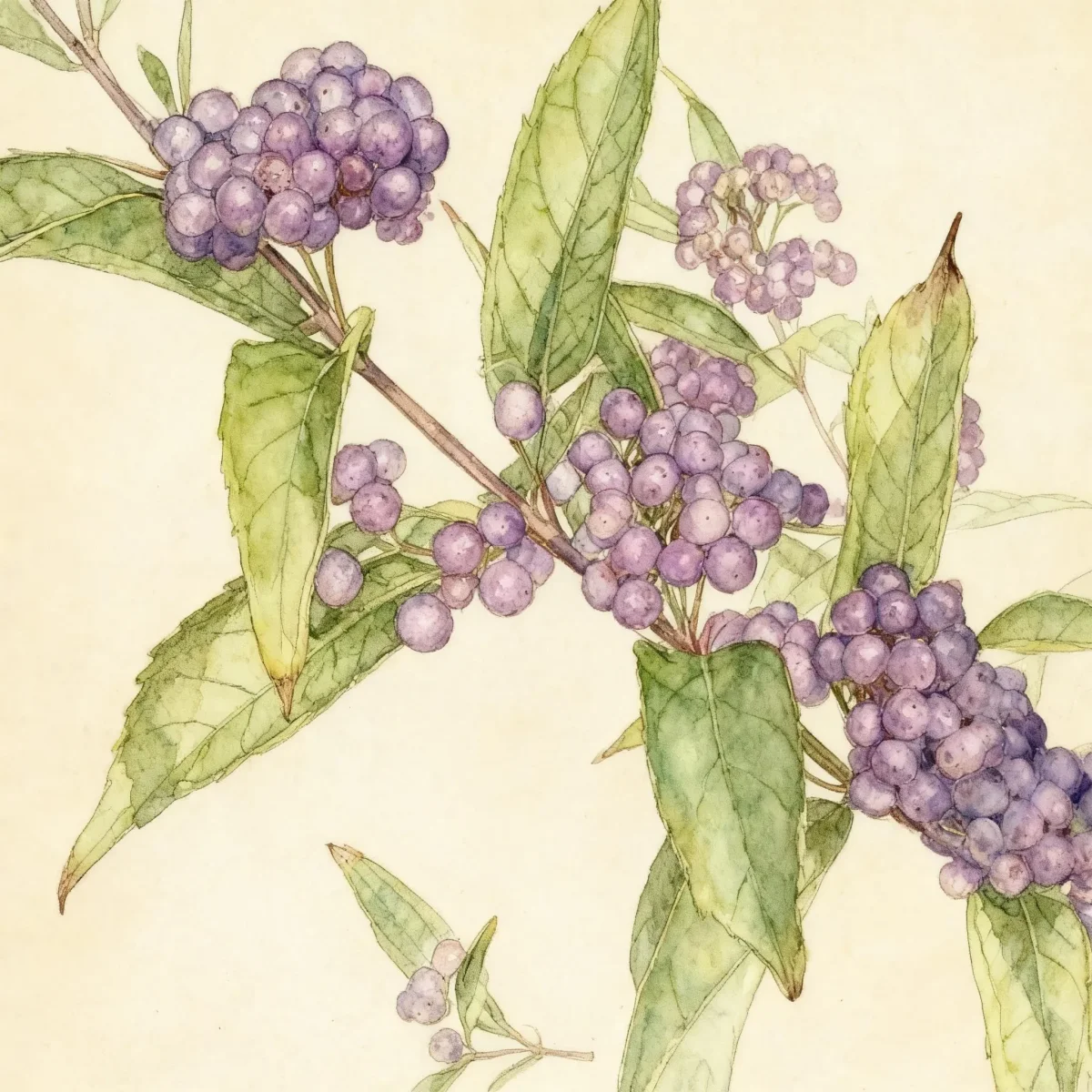
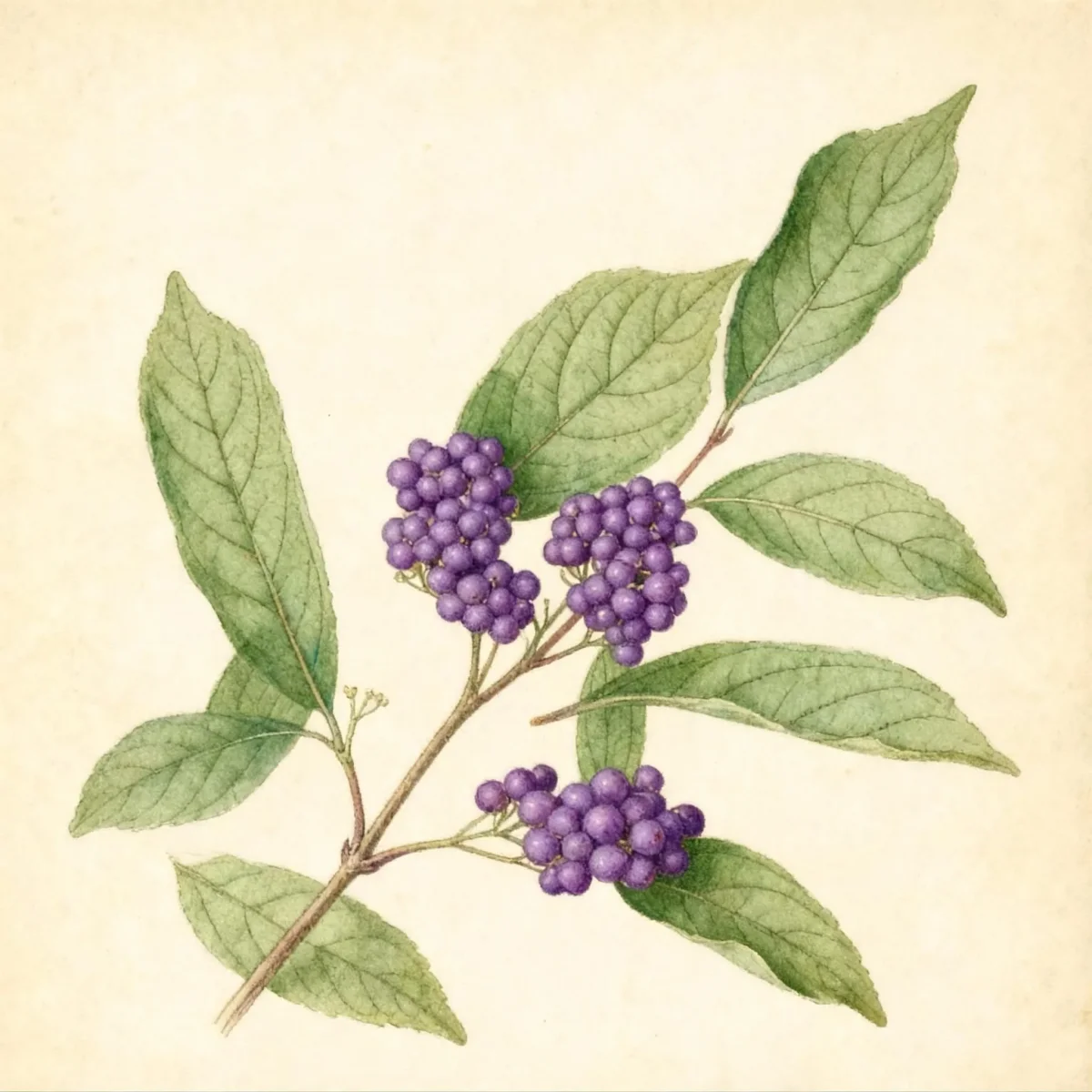
Beautyberry (Callicarpa dichotoma 'Shiji Murasaki' WINE SPRITZER)
Discover Callicarpa dichotoma 'Shiji Murasaki' WINE SPRITZER Beautyberry, a striking low-maintenance shrub valued for its colorful variegated leaves and unique pink blooms.
Scroll down to discover growing tips, care requirements, companion plants, and more
Complete Plant Information
Overview
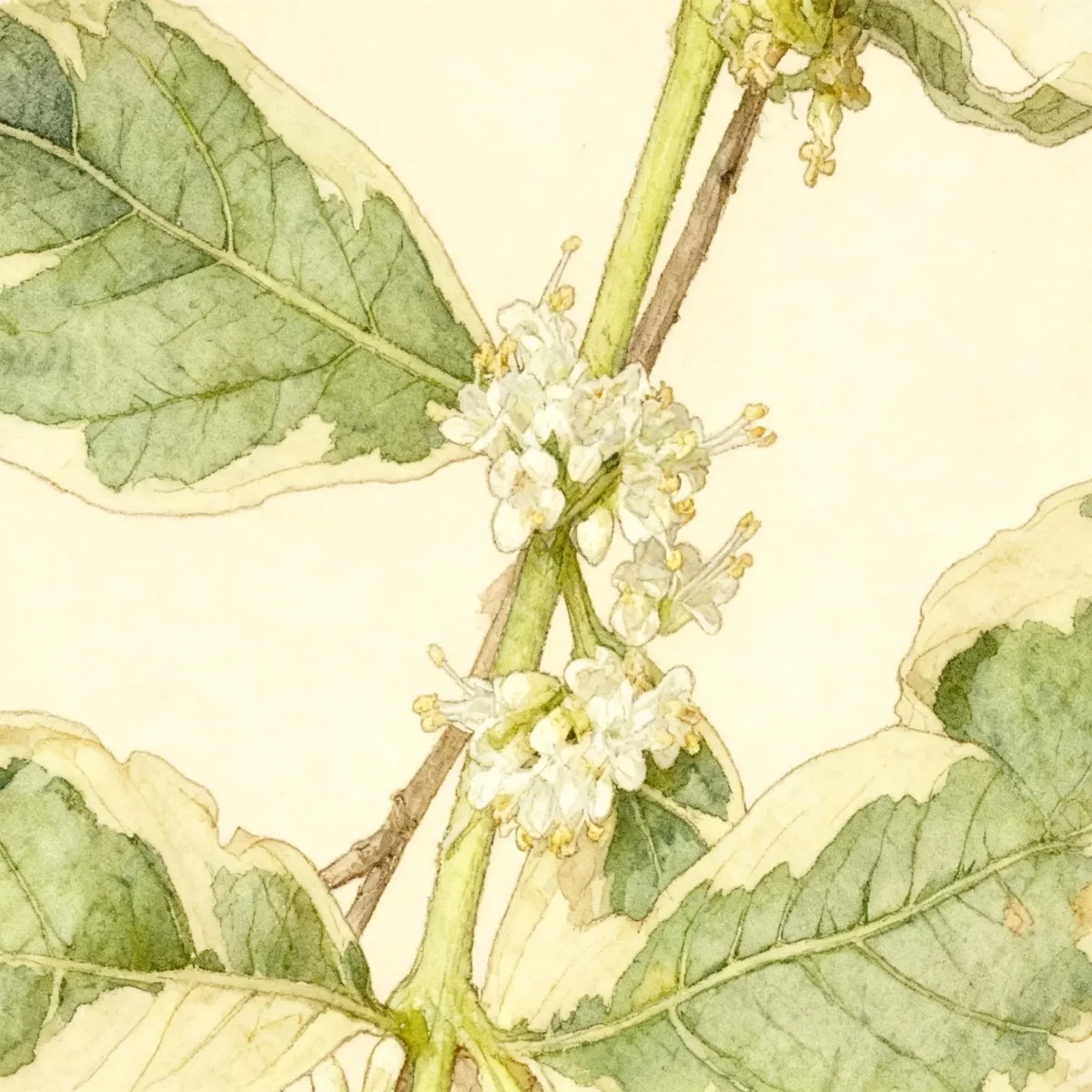
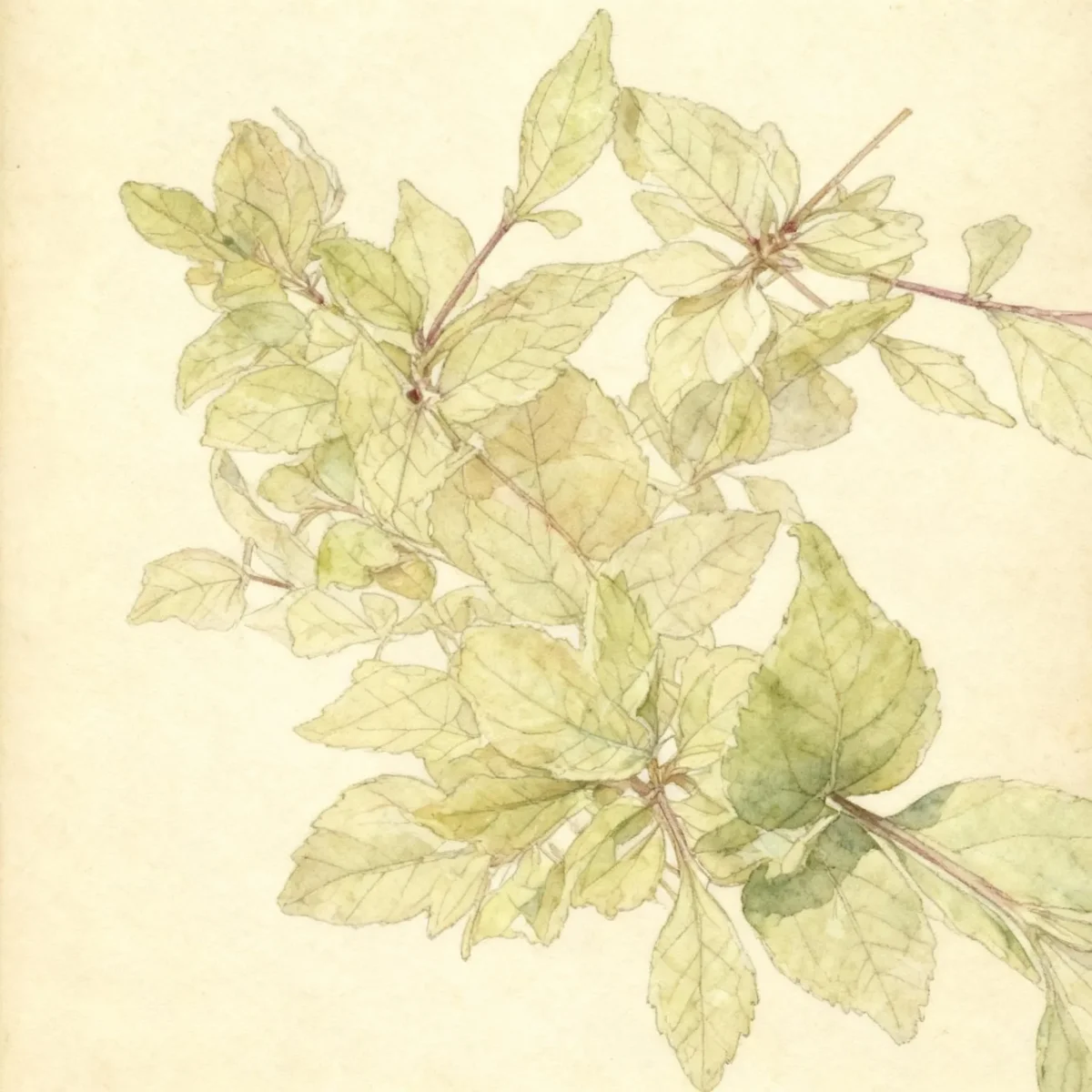
The Callicarpa dichotoma ‘Shiji Murasaki’ WINE SPRITZER, commonly known as Beautyberry, is a spectacular deciduous shrub offering multi-season interest that elevates any garden design. Its primary claim to fame is its exceptional foliage, which features variegation of white and cream splashed across green leaves, often accompanied by pink petioles, making this cultivar highly distinctive. While it produces small summer blooms, the plant is primarily integrated into landscapes for its textural contrast and unique seasonal features.
This variety of Beautyberry adapts well to varying conditions, thriving in full sun where the variegation is most pronounced, though it appreciates partial shade for added drought resistance. Growing to a manageable height and spread, this shrub maintains a compact, rounded form, especially when pruned appropriately, which is key to managing its low maintenance requirements. Gardeners seeking reliable, unique color and visual impact throughout the growing season will find Callicarpa dichotoma ‘Shiji Murasaki’ WINE SPRITZER to be an invaluable addition.
As a versatile landscape component, this Beautyberry provides excellent structure and foliage interest before its flowers mature. It is prized for being relatively easy to integrate, requiring only average water and soil conditions to establish itself as an attractive, low-fuss specimen plant, hedge component, or grouping for mass effect.
Fast Facts
- Plant Family: Lamiaceae
- Plant Type: Deciduous shrub
- Hardiness Zones: USDA Zones 5-8
- Size at Maturity:
- Height: 4-6 ft
- Spread: 4-6 ft
- Bloom Time: June to August
- Bloom Description: Lavender pink
- Sun Exposure: Full sun to part shade
- Water Needs: Medium
- Maintenance Level: Low
How to Grow
Planting your Callicarpa dichotoma ‘Shiji Murasaki’ WINE SPRITZER is best accomplished in the spring after the last frost, or in early fall. Select a site that offers full sun exposure for the best leaf color and optimal flowering, although light shade is tolerated, especially in hotter climates. This shrub thrives in average, well-drained soil with medium moisture levels.
Watering should be consistent to maintain medium soil moisture, especially while establishing. Although it shows some drought tolerance once mature, regular deep watering helps promote robust growth. The shrub blooms and fruits on new wood, making pruning essential for both shape and productivity.
For optimal structure and to encourage compactness, most gardeners aggressively prune the stems back by two-thirds or even to 6 inches in late winter or very early spring before new growth begins. Be aware that in the colder Zone 5 winters, upper stems may die back completely, but new growth will emerge reliably from the base in spring. Planting multiple specimens together is recommended to enhance cross-pollination and increase the sparse fruit production typical of this cultivar.
Landscape Uses
The Beautyberry serves wonderfully in applications requiring structured, low-growing mass plantings, making it an ideal choice for hedges where its architectural form and variegated texture can be appreciated consistently. Because it is valued for its unique summer and fall display, planting it in borders allows it to anchor transitional spaces.
For maximum visual impact during the fruiting season, design areas that combine the Callicarpa dichotoma ‘Shiji Murasaki’ WINE SPRITZER with other shrubs producing contrasting berry colors. Consider pairing it with deciduous hollies (Ilex verticillata) for brilliant red berries, or Pyracantha for vibrant orange hues, creating a striking tapestry of fall color.
The shrub’s moderate size also makes it suitable for underplanting beneath taller, open woodland trees where it can benefit from dappled light. Whether used as a specimen showcasing its unique foliage or massed to line a pathway, this Beautyberry offers reliable, low-maintenance beauty.
Standout Features
Flower Qualities
- Showy
Fruit Qualities
- Showy
Noteworthy Characteristics
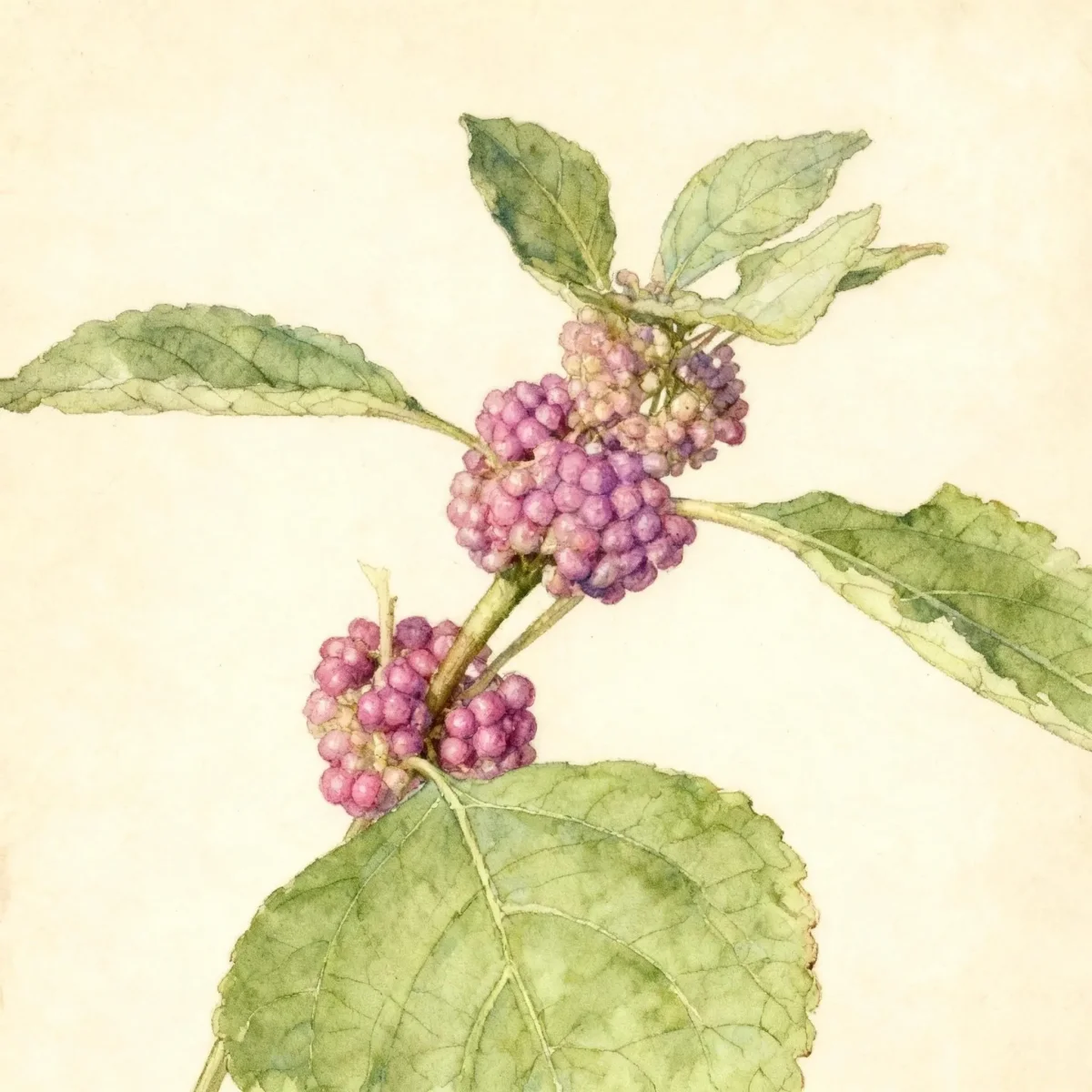
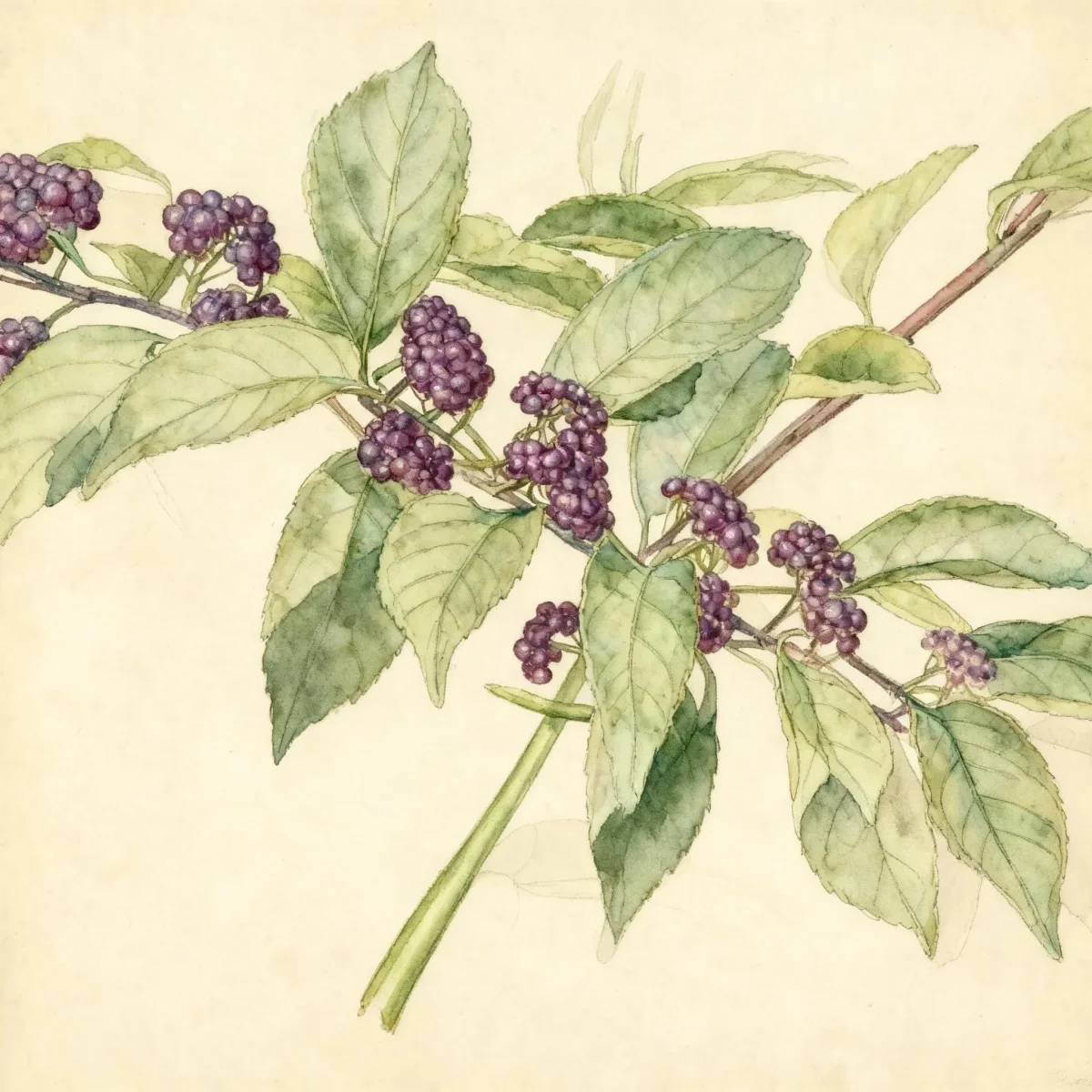
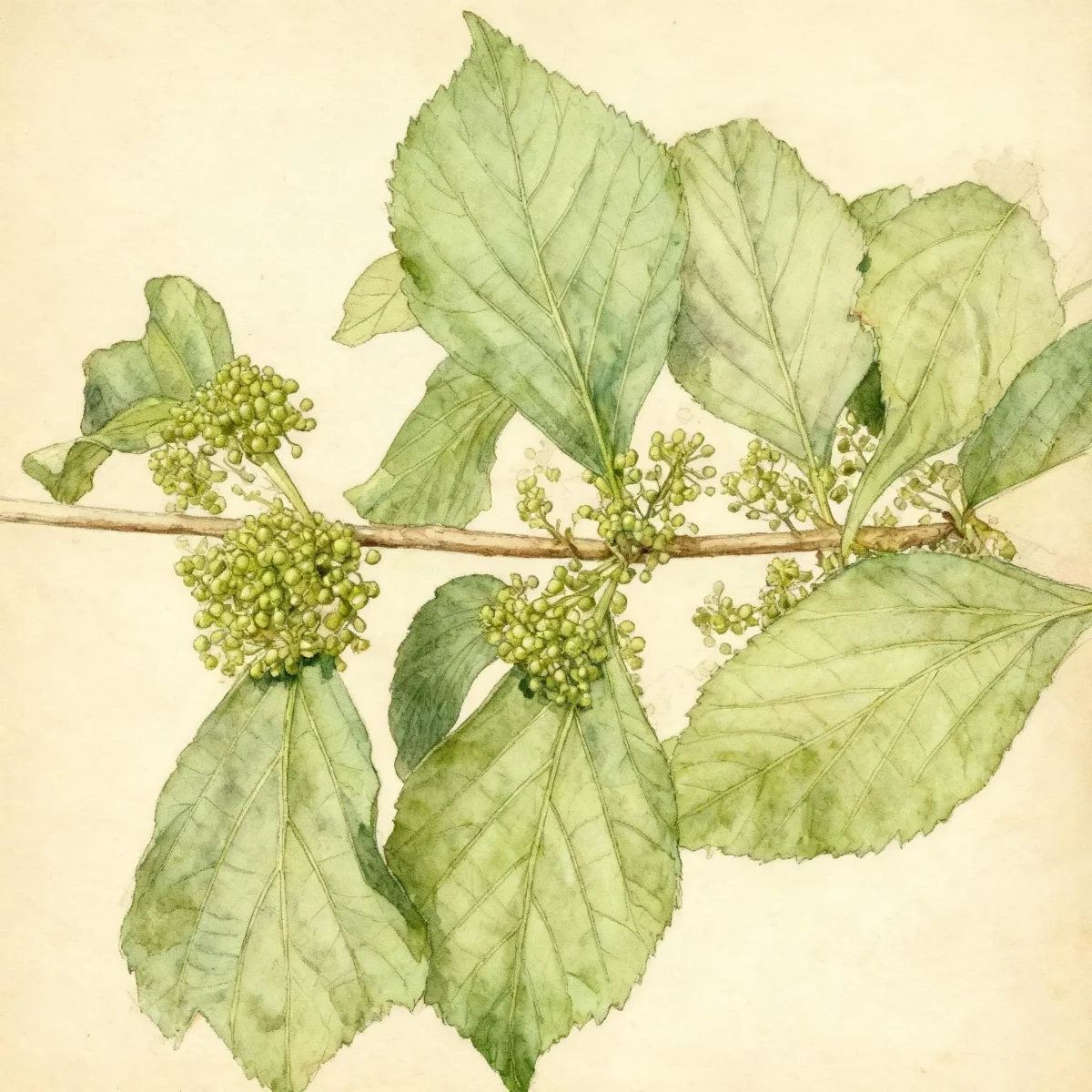
Callicarpa dichotoma, commonly called beautyberry, is a small, rounded, deciduous shrub which typically grows 2-4’ tall and is primarily included in the landscape for its showy fall display of lilac-violet fruit. Long, arching, slender branches dip downward often to touch the ground. Clusters (cymes) of small, pink to lavender flowers bloom in the leaf axils along the stems in summer. Flowers are followed by clusters of lilac-violet fruits (each 1/8” diameter) which ripen in September and put on their best show through October. Genus name comes from Greek meaning beautiful fruit. Specific epithet means forked in pairs. ‘Shiji Murasaki’, sold as WINE SPRITZER, was acquired by Ted Stephens of Nurseries Caroliniana from a nursery in Osaka, Japan and introduced by Southern Plant Group of Atlanta, Georgia. It has colorful variegated leaves that are white with green and cream splashes and pink petioles. Growing multiple plants together may promote fruit production.
Tolerances
- Some tolerance for drought
Potential Problems
Winter dieback is a possibility in the northern limits of its range (Zone 5), though this damage rarely impacts future fruiting success as the plant regenerates from the base. Gardeners should monitor for potential susceptibility to common cosmetic issues like leaf spot, various stem diseases, and the growth of black mold. Good air circulation, achieved through proper pruning, is the best defense against these fungal concerns.
Frequently Asked Questions
What hardiness zones is Beautyberry suitable for?
The Callicarpa dichotoma ‘Shiji Murasaki’ WINE SPRITZER Beautyberry is reliably cold-hardy in USDA Zones 5 through 8.
How large does Beautyberry grow?
This specific cultivar typically matures to a height and spread between 4 and 6 feet tall and wide, especially when pruned strategically each spring.
What sun exposure does Beautyberry need?
For the clearest variegation and best flowering performance, full sun is ideal, though it can handle partial shade, which might slightly dull the leaf coloration.
When does Callicarpa dichotoma ‘Shiji Murasaki’ WINE SPRITZER bloom?
The small, lavender pink flowers appear throughout the summer, generally blooming from June to August, followed later by fruit.
Conclusion
The combination of variegated foliage and unique flower attributes makes the Callicarpa dichotoma ‘Shiji Murasaki’ WINE SPRITZER a standout choice for textural interest in any garden scheme. This low-maintenance Beautyberry rewards proactive early spring pruning with dense, colorful growth. Before planting, confirm that your local USDA hardiness zone falls between 5 and 8 for optimal success.
Companion Planting
When siting your shrub, consider companions that appreciate similar moisture and sun profiles while offering complementary foliage or bloom structures. Plants like various Hydrangea varieties or late-blooming Astilbe perform well near Beautyberry, as they all benefit from medium soil moisture and can tolerate the filtered light that might occur if the Beautyberry is placed near taller structures. For an enhanced fall display, group it near ferns that bronze beautifully or fine-textured ornamental grasses.
Wildlife Benefits
The small pink to light lavender flowers of the Callicarpa dichotoma ‘Shiji Murasaki’ WINE SPRITZER are known targets for local bees and butterflies during the summer months, supporting early season pollinators. While the primary show of this cultivar is visual, the persistence of its berries into early winter, even after leaf drop, provides a secondary food source for birds, especially if planted in a mass grouping, which is known to promote better fruit set.