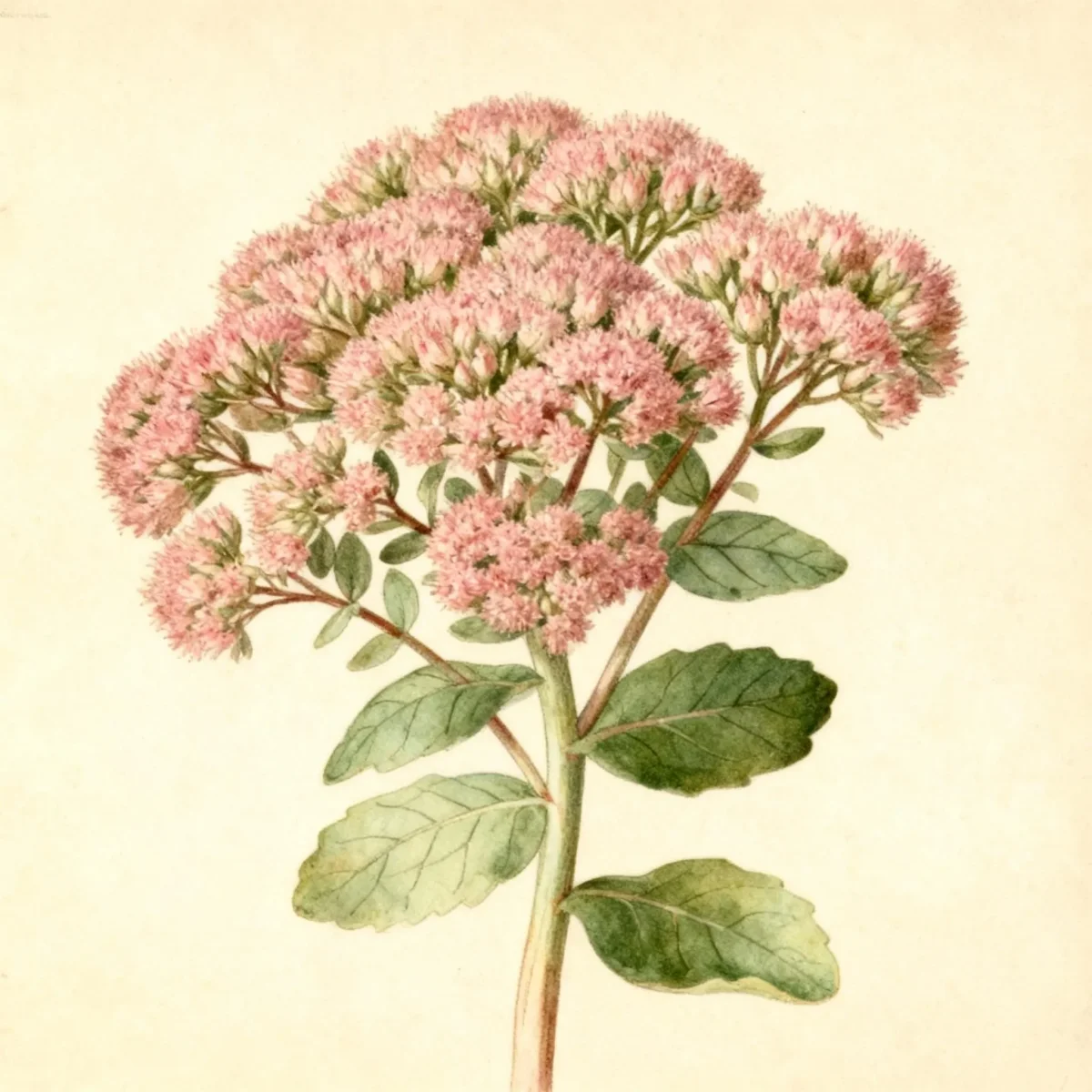
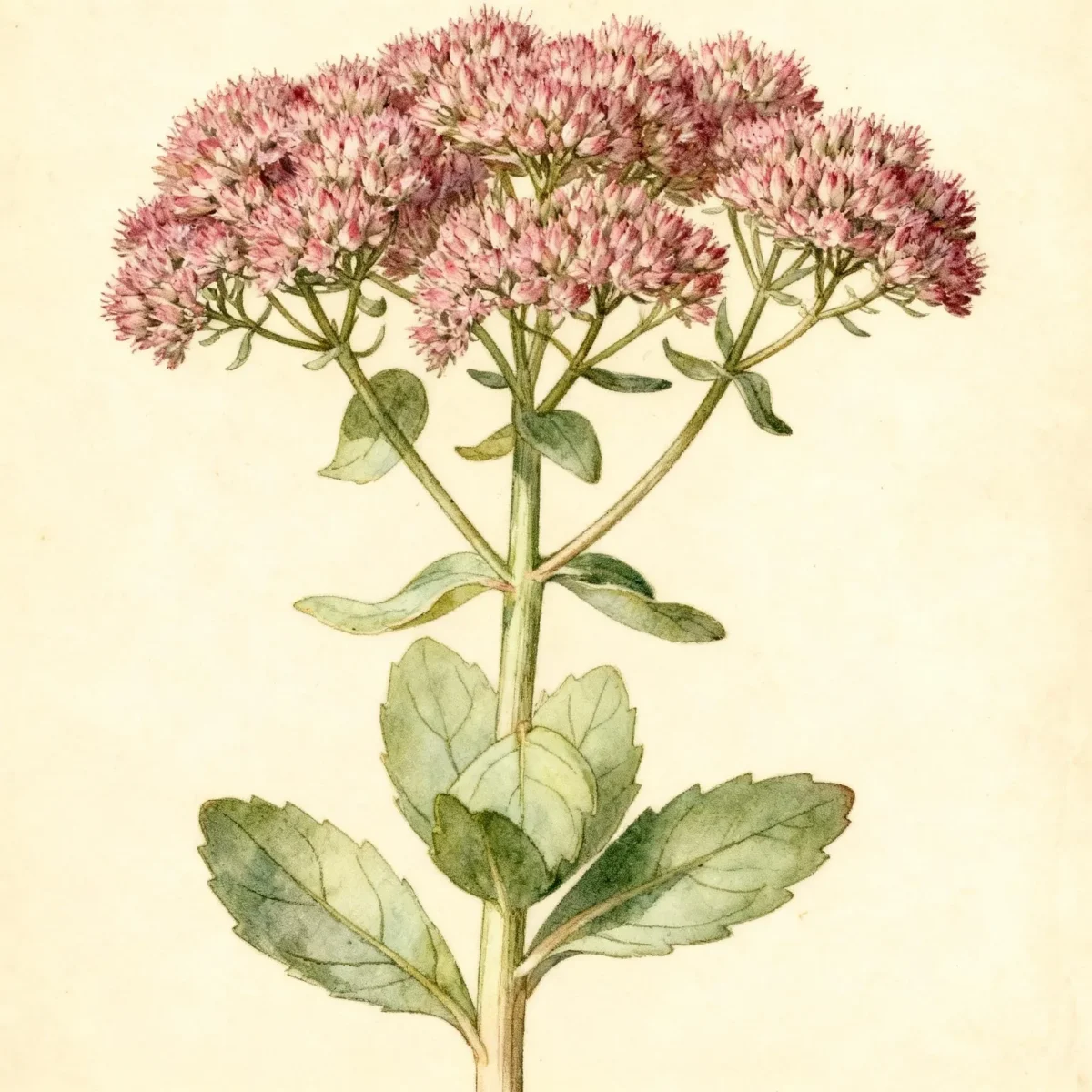
Stonecrop (Sedum 'Firecracker')
Sedum 'Firecracker' Stonecrop offers vibrant cherry-red foliage and late-summer pink blooms. Low maintenance and drought tolerant.
Scroll down to discover growing tips, care requirements, companion plants, and more
Complete Plant Information
Overview
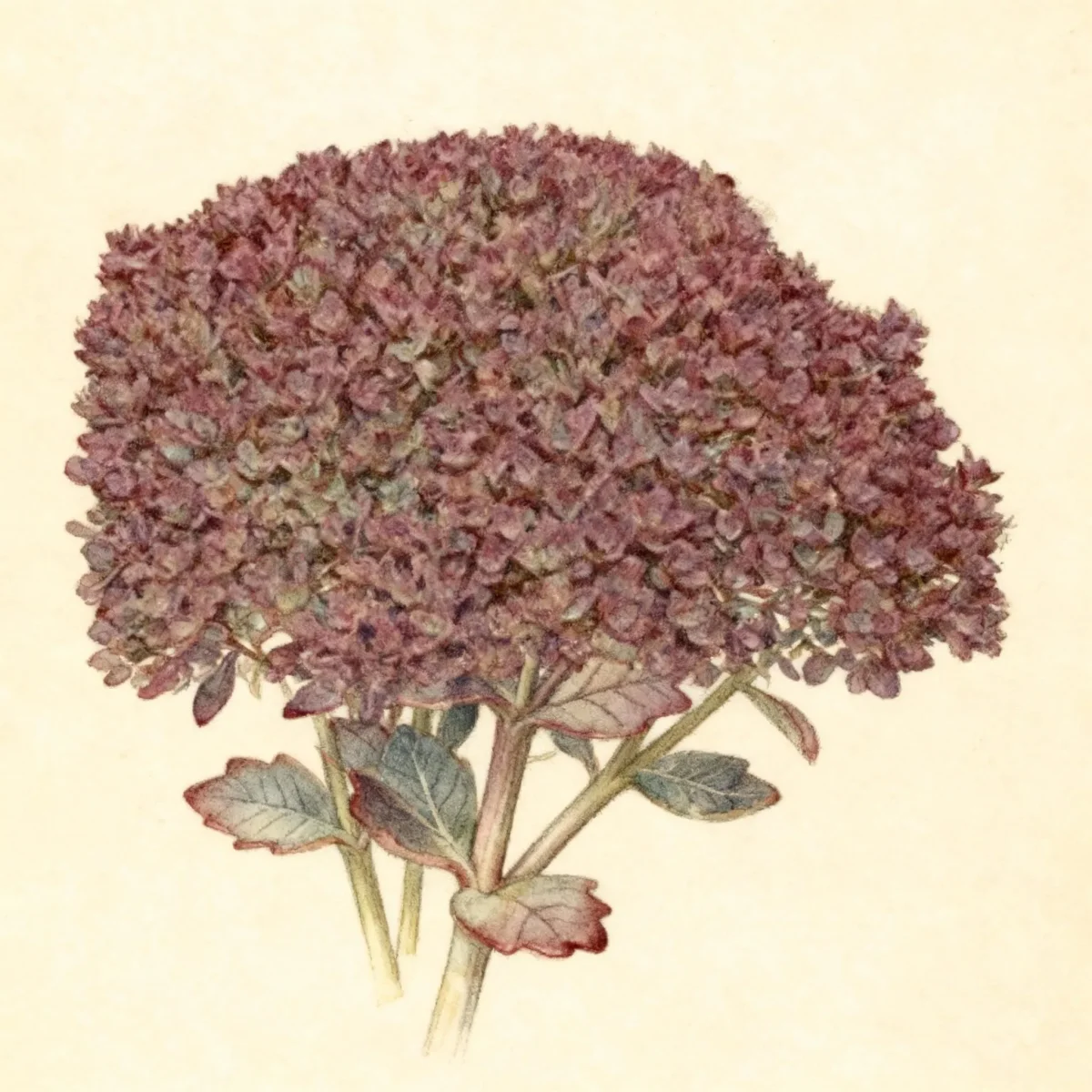
Sedum ‘Firecracker’, a spectacular cultivar of Stonecrop, provides excellent late-season color and texture to the garden. This hardy herbaceous perennial is distinguished by its compact habit and shiny, cherry-red foliage that remains colorful from spring well into the late fall. As part of the SunSparkler® series, Sedum ‘Firecracker’ is bred for structural integrity, resisting the flopping often seen in taller sedums.
This Stonecrop is remarkably tough, thriving even when faced with challenging conditions like drought or clay soil once established. Its late summer bloom of pink flowerheads offers reliable nectar sources when many other perennials are fading, making it a valuable component for continuous garden interest. Gardeners appreciate Sedum ‘Firecracker’ for its exceptional low maintenance needs and reliable performance across a wide range of hardiness zones.
Fast Facts
- Plant Family: Crassulaceae
- Plant Type: Herbaceous perennial
- Hardiness Zones: USDA Zones 4-9
- Size at Maturity:
- Height: 0.5-0.75 ft
- Spread: 1-1.5 ft
- Bloom Time: August to September
- Bloom Description: Pink
- Sun Exposure: Full sun
- Water Needs: Dry to medium
- Maintenance Level: Low
How to Grow
The best time to plant Stonecrop Sedum ‘Firecracker’ is typically in spring after the danger of hard frost has passed, or in early fall. Ensure the chosen location receives full sun exposure for the densest foliage color and strongest stems. Good soil drainage is absolutely critical for this succulent plant; it performs best in average, dry to medium soils, including sandy or gravelly types of average fertility.
Once established, Sedum ‘Firecracker’ is remarkably drought-tolerant, requiring supplemental watering only during extended dry spells. Avoid overly rich soil or excessive shade, as these conditions encourage weak, floppy growth that diminishes the appeal of this compact cultivar. Fertilizing is generally unnecessary; the plant evolved to thrive in lean, rocky conditions.
To maximize bushiness and maintain its upright posture, consider pinching back the stems in the spring before new growth hardens off. This simple technique encourages more branching and leads to a denser mound of foliage, helping the plant support its later summer flower heads. Minimal fall cleanup is required, as the faded flower heads can be left for winter interest.
Landscape Uses
Sedum ‘Firecracker’ excels when used in applications where its compact size and dense texture can be appreciated up close. As a groundcover for small areas, it slowly spreads to suppress weeds while offering reliable color. It is perfectly suited for informal naturalizing, especially on slopes where its root structure aids in erosion control.
Border fronts are ideal sites for massing Sedum ‘Firecracker’, creating a striking, low hedge effect against taller perennials. For rock gardens, its drought tolerance and affinity for well-drained conditions make it a natural fit among alpine plants or gravel pathways. Furthermore, this Stonecrop performs beautifully in containers, offering reliable structure and color throughout the growing season when paired with plants that share its preference for dry feet.
Standout Features
Noteworthy Characteristics
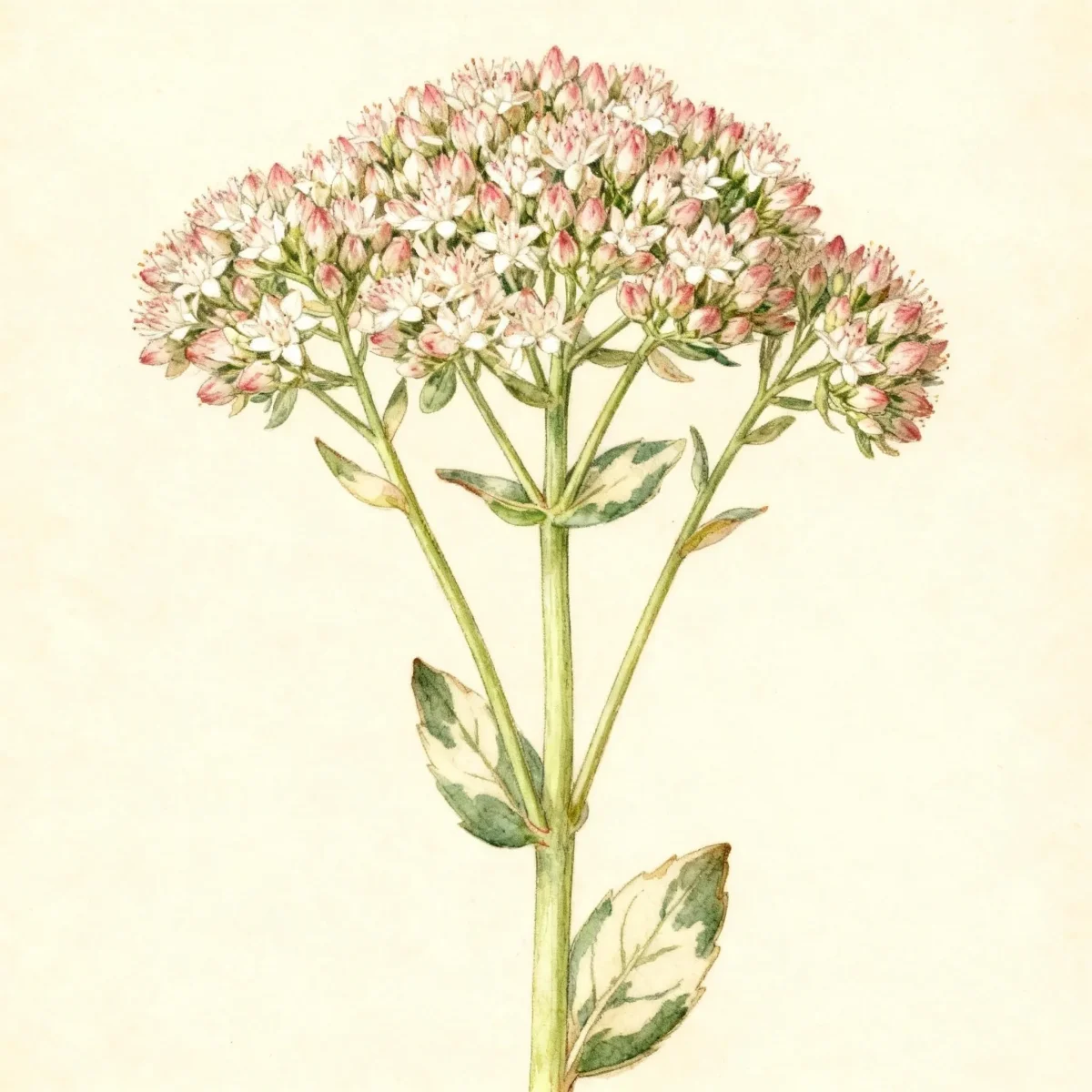
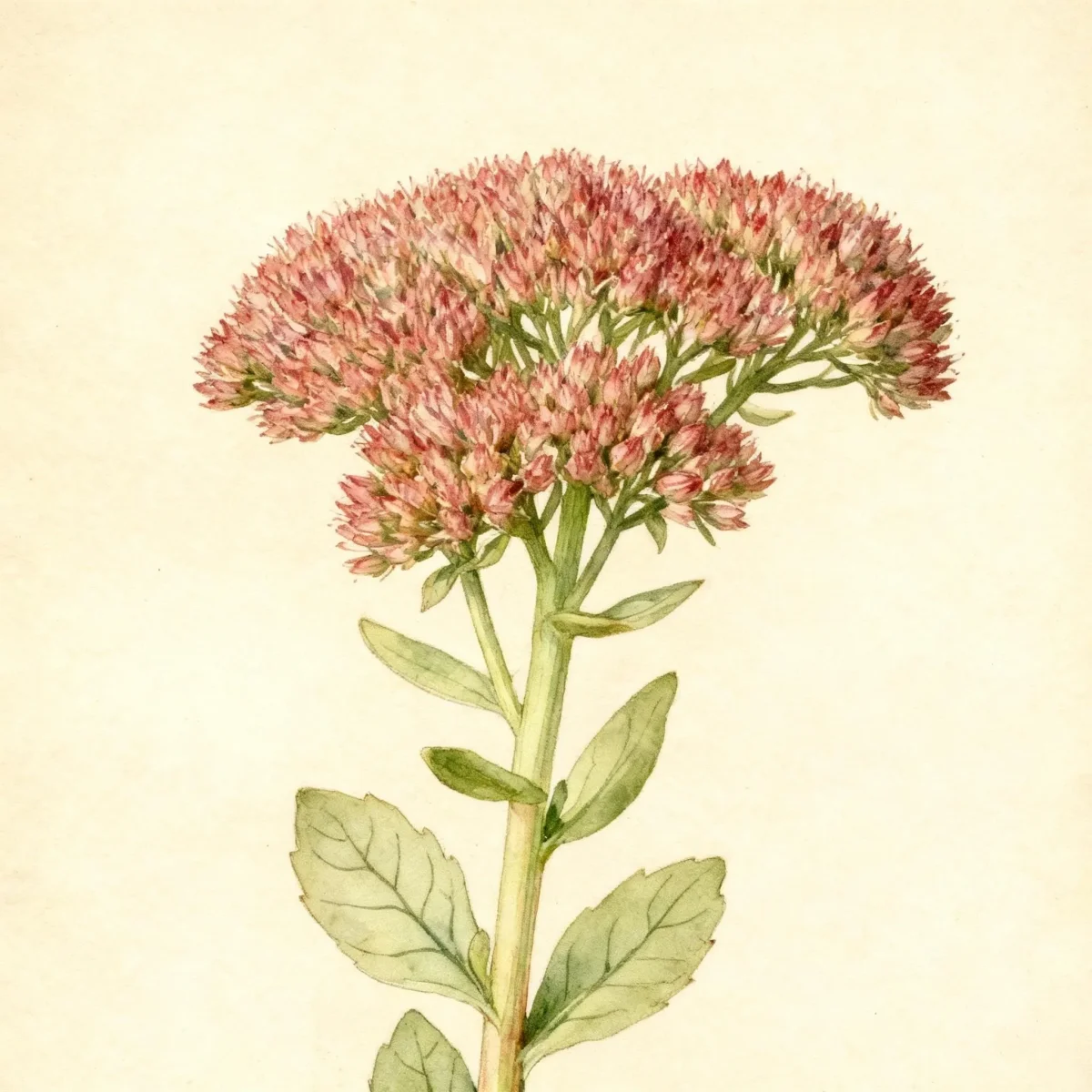
Sedum is a genus of about 400 species found mainly in the mountainous areas of North America but some also in dry area of South America. Most are succulent. They are tough, drought tolerant, easy-to-grow perennials that feature star-shaped flowers in clusters blooming on fleshy-leaved plants ranging from mat-forming ground covers to clump-forming upright mounds. Some of the most popular garden plants are hybrids.Genus name comes from the Latin word sedeo meaning to sit in reference to the general growing habit of many of the sedums (they sit and sprawl over rocks).Plants in the genus Sedum are commonly called stonecrops because they are typically found in the wild growing on rocky or stony areas. ‘Firecracker’ is a hardy, compact cultivar with shiny cherry-red foliage persisting April through November. It has the ability to form many strong multi-branched stems that keep it upright during the summer. Pink flowerheads, about 4 inches in diameter, appear in mid to late August and remain colorful for almost 4 weeks. ‘Firecracker’ is part of the SunSparkler® series from the breeding program of Chris Hansen. U.S. Plant Patent PP#26,595 awarded April 5, 2016.
Tolerances
- Rabbit
- Deer
- Drought
- Erosion
- Clay Soil
- Dry Soil
Potential Problems
The main threats to this tough Stonecrop involve cultural issues, particularly when soil drainage is poor. Rotting out is possible if the plant sits in overly wet conditions, so selecting an appropriate, well-drained site is the best preventive measure. Taller sedum hybrids are sometimes susceptible to flopping, but the compact nature of Sedum ‘Firecracker’ minimizes this risk; however, ensuring full sun exposure is key to keeping stems strong.
Pests are usually minor, though gardeners should watch for slugs and snails, especially when the plant is young or the weather is damp. Scale can occasionally be present. If flopping does occur due to rich soil or too much shade, pinching back the stems in spring will encourage the plant to produce thicker, bushier growth.
Frequently Asked Questions
What hardiness zones is Stonecrop suitable for?
Sedum ‘Firecracker’ is reliably hardy across USDA Zones 4 through 9, offering wide appeal for many gardeners.
How large does Sedum ‘Firecracker’ grow?
This compact perennial typically reaches a height between 0.5 to 0.75 feet tall, spreading out to 1 to 1.5 feet wide.
What sun exposure does Sedum ‘Firecracker’ need?
For optimal performance, this Stonecrop requires full sun, although it can tolerate some light shade, which may slightly reduce foliage intensity.
When does Sedum ‘Firecracker’ bloom?
The distinctive pink flowerheads appear later in the season, typically blooming from August into September.
Conclusion
Sedum ‘Firecracker’ is an outstanding choice for gardeners seeking vibrant foliage color and reliable, low-maintenance late-summer blooms. Its inherent drought tolerance and structural strength, characteristic of the best Stonecrop varieties, make it a foolproof landscape performer. Check your local hardiness zone compatibility and plan to plant Sedum ‘Firecracker’ in the sunniest, best-drained spot available for maximum benefit.
Companion Planting
When selecting companions for Sedum ‘Firecracker’, focus on plants that also prefer lean, dry soils and full sun. Pairing it with ornamental grasses like Little Bluestem (Schizachyrium scoparium) creates a dynamic textural contrast, where the airy plumes rise above the sturdy foliage of the Stonecrop. Low-growing Thyme varieties or low-spreading creeping Phlox also make excellent neighbors, reinforcing the textural tapestry in rock gardens or border fronts.
Another effective strategy is pairing Sedum ‘Firecracker’ with other late-season bloomers that require similar conditions. Russian Sage (Perovskia atriplicifolia) offers height and silvery foliage that complements the red tones of the Sedum foliage beautifully as they both approach their peak in late summer. Consistency in cultural needs ensures that all components of the planting remain healthy and vibrant throughout the season.
Seasonal Care Calendar
Spring preparation for Sedum ‘Firecracker’ involves minimal effort. If winter wind or snow caused any flopping, prune any dead stems or pinch new growth to encourage a bushier habit. This timing aids in preventing the plant from leaning later in the season. No fertilization is generally required, reinforcing its low-input nature.
Summer care centers entirely around moisture management. Once established, this drought-tolerant plant needs little attention; resist the urge to overwater, as moist conditions negate its primary benefit. Monitor for slugs or snails during wetter periods, addressing them promptly if necessary.
By mid-to-late August, the pink flower heads of the Stonecrop will emerge, providing necessary late-season color for pollinators. Deadheading is optional; leaving the seed heads can provide winter texture, though cutting them back after flowering is aesthetically cleaner if desired. Sedum ‘Firecracker’ requires no special winter preparation.