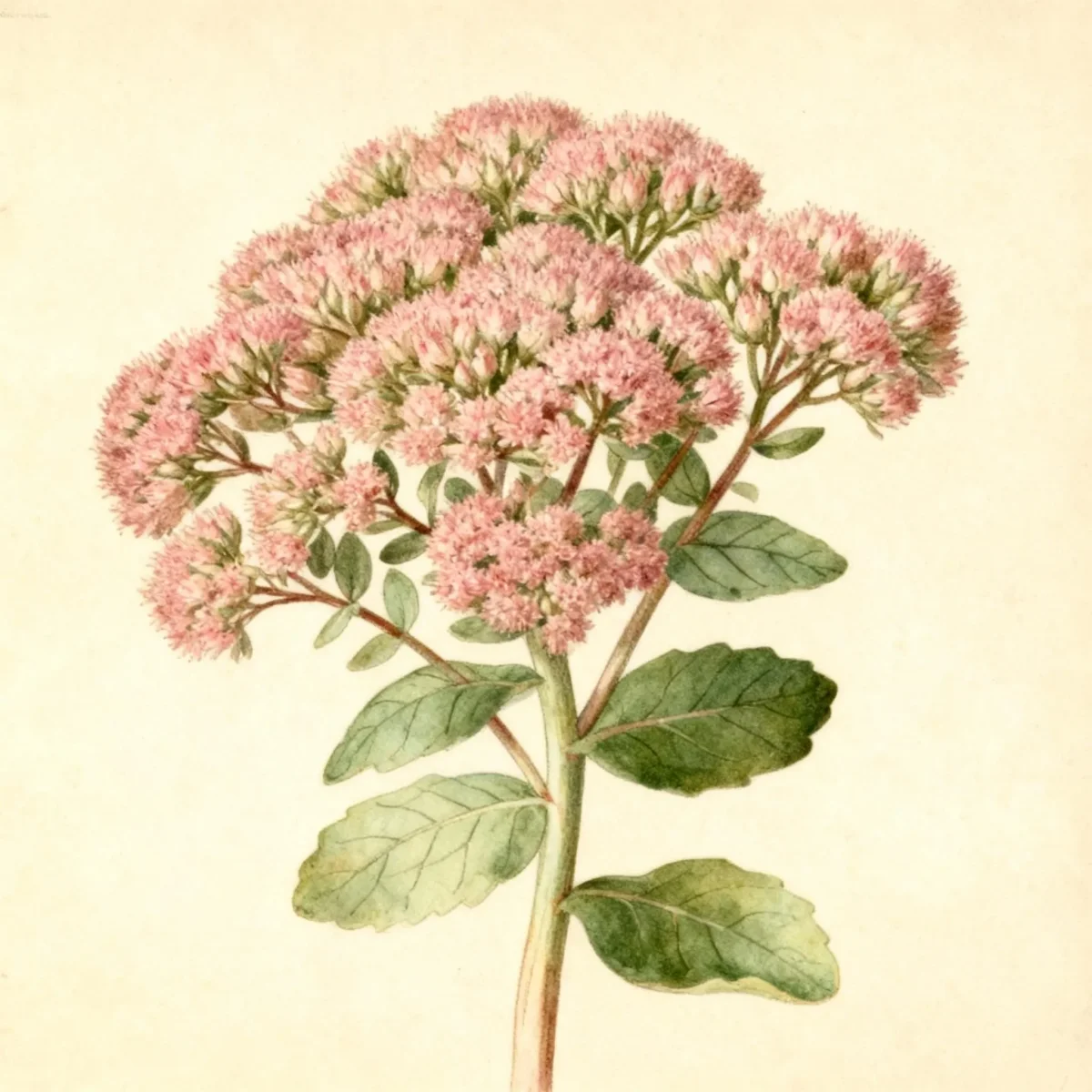
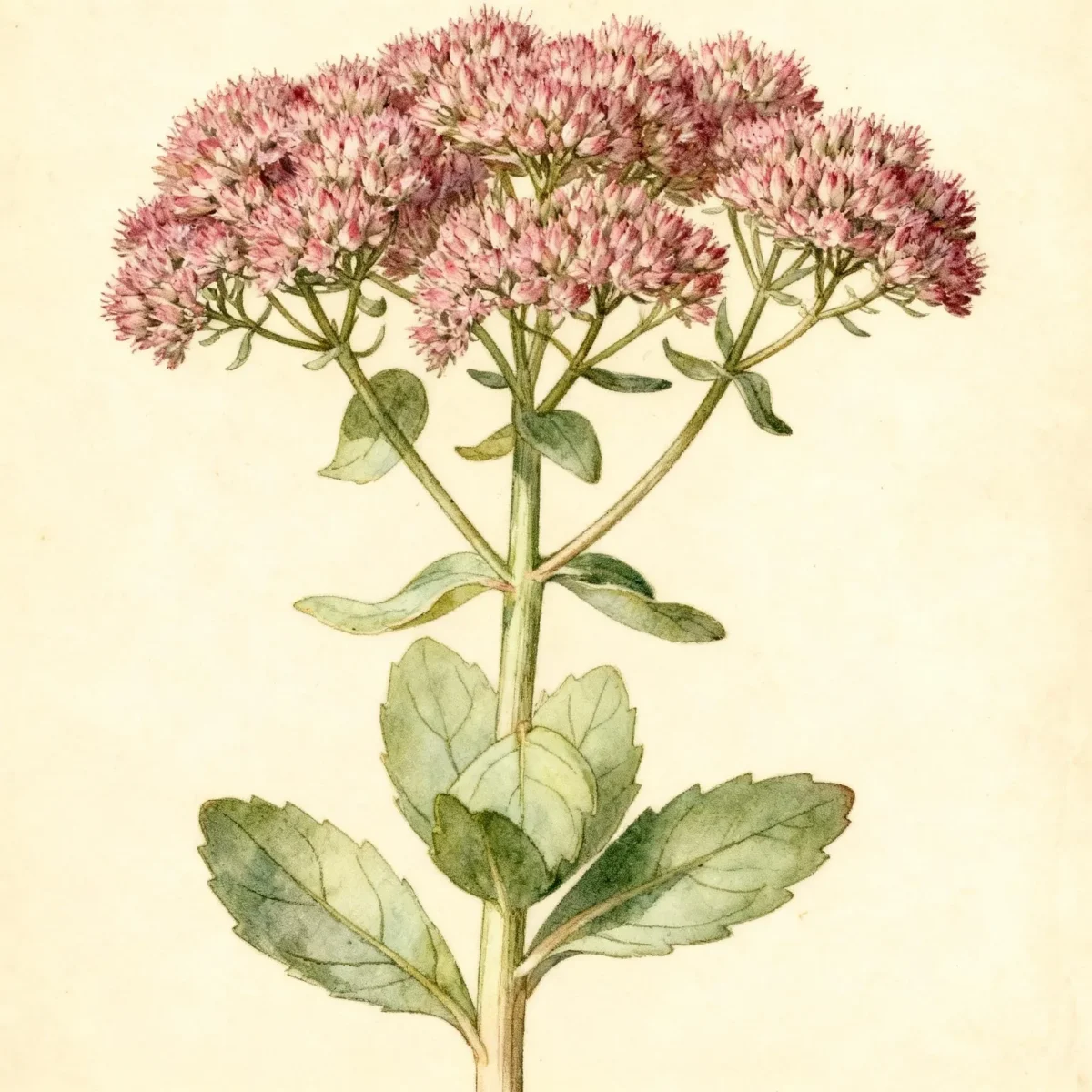
Stonecrop (Sedum 'Lime Twister')
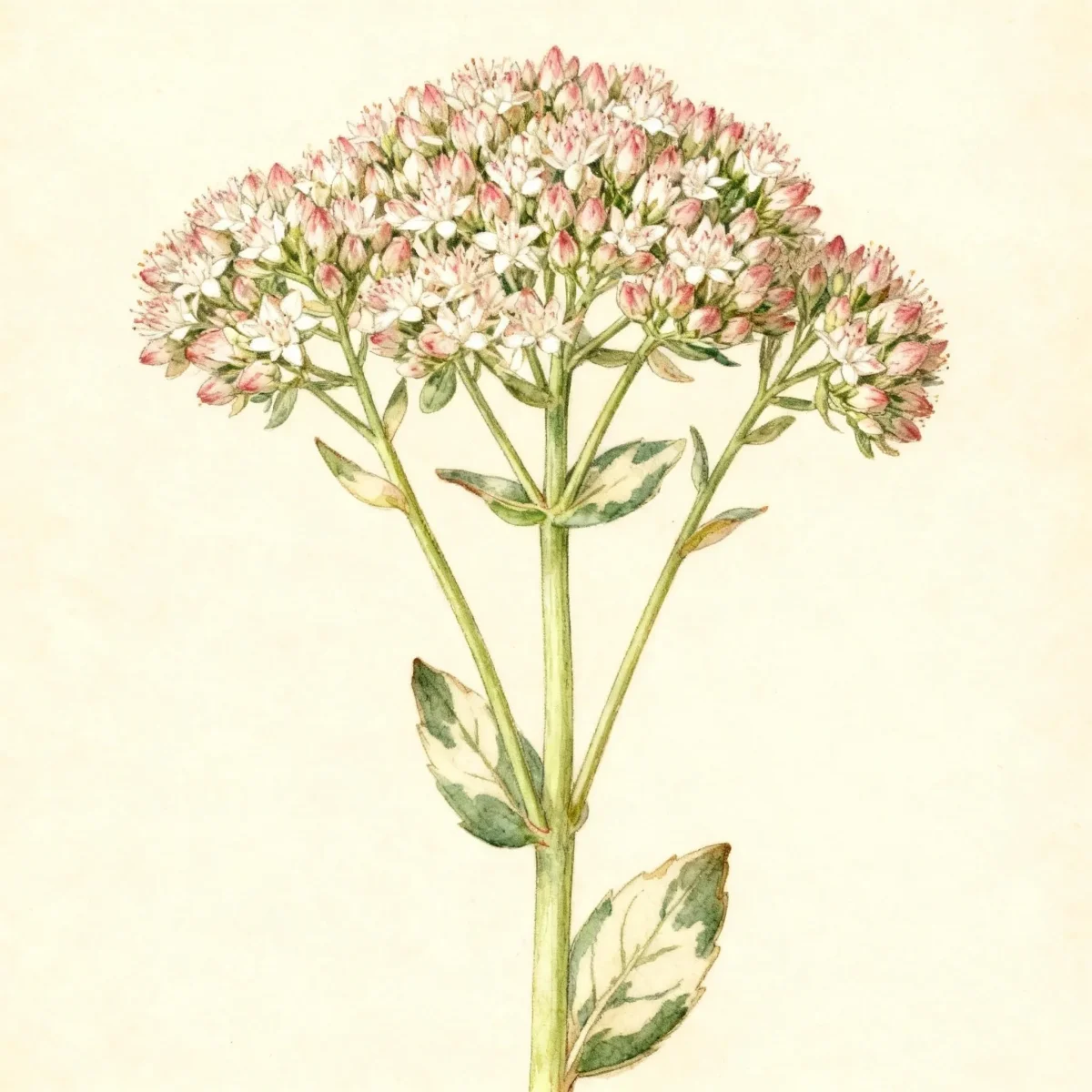
Sedum 'Lime Twister' Stonecrop offers striking cream and green variegated foliage, blooming vibrantly from August to October.
Scroll down to discover growing tips, care requirements, companion plants, and more
Complete Plant Information
Overview
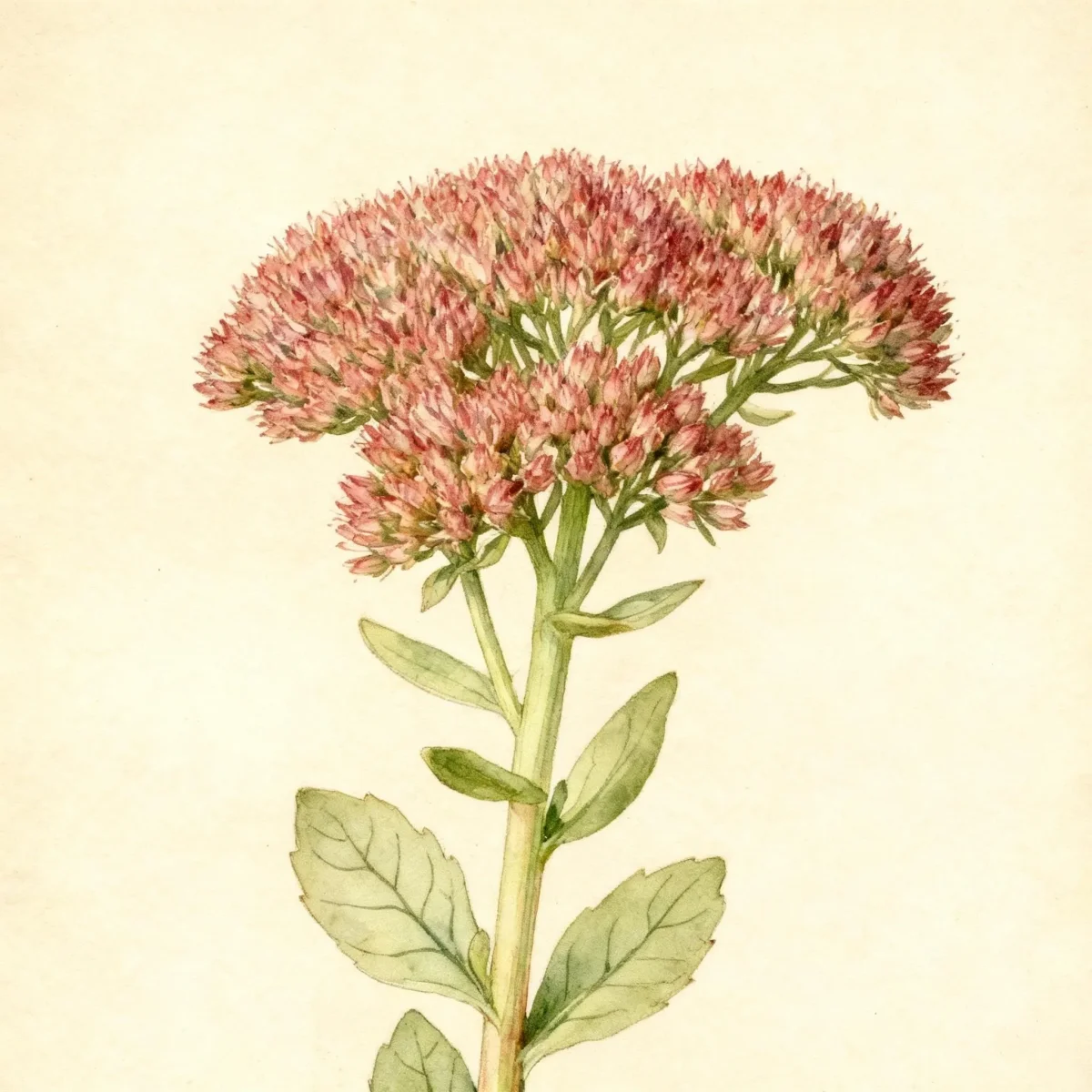
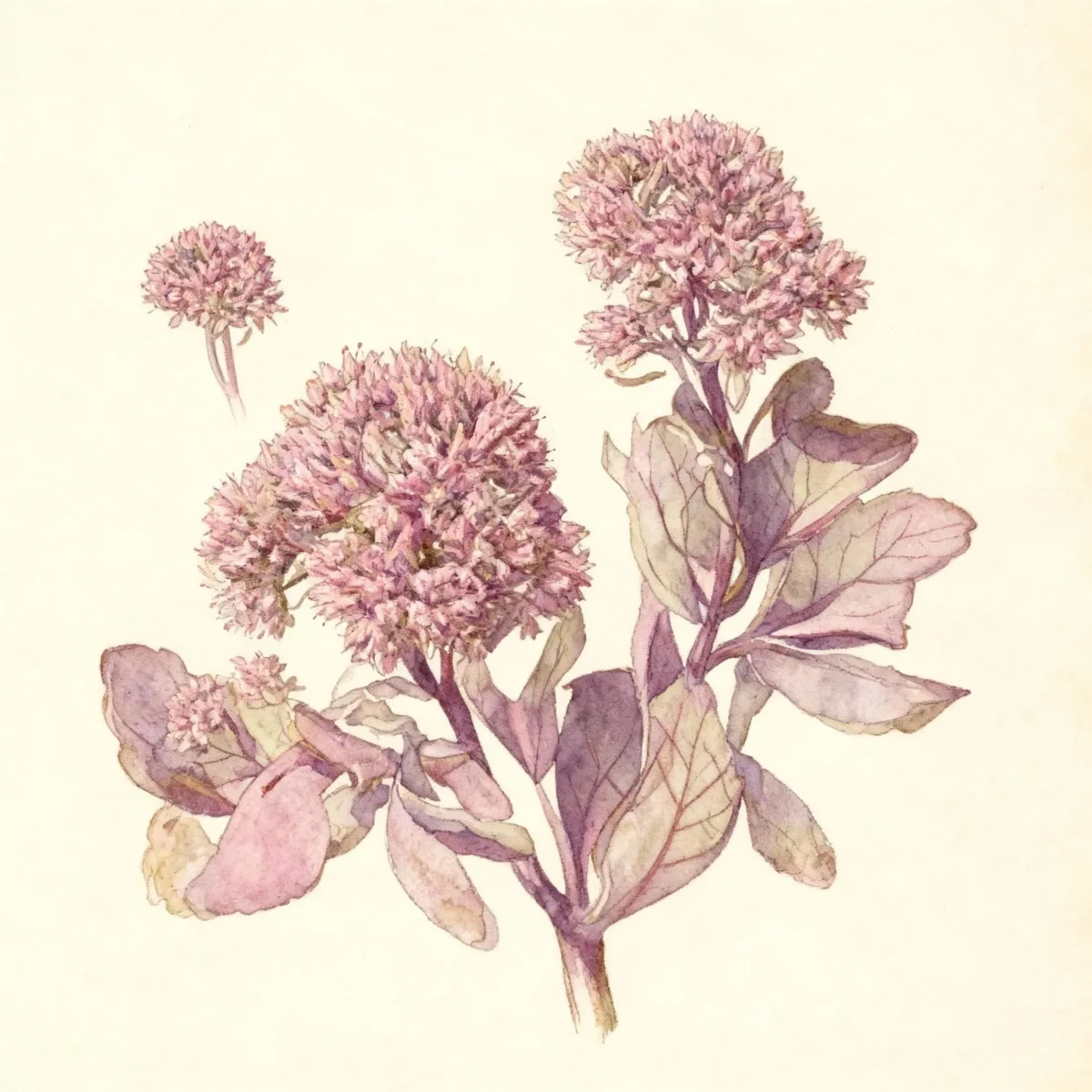
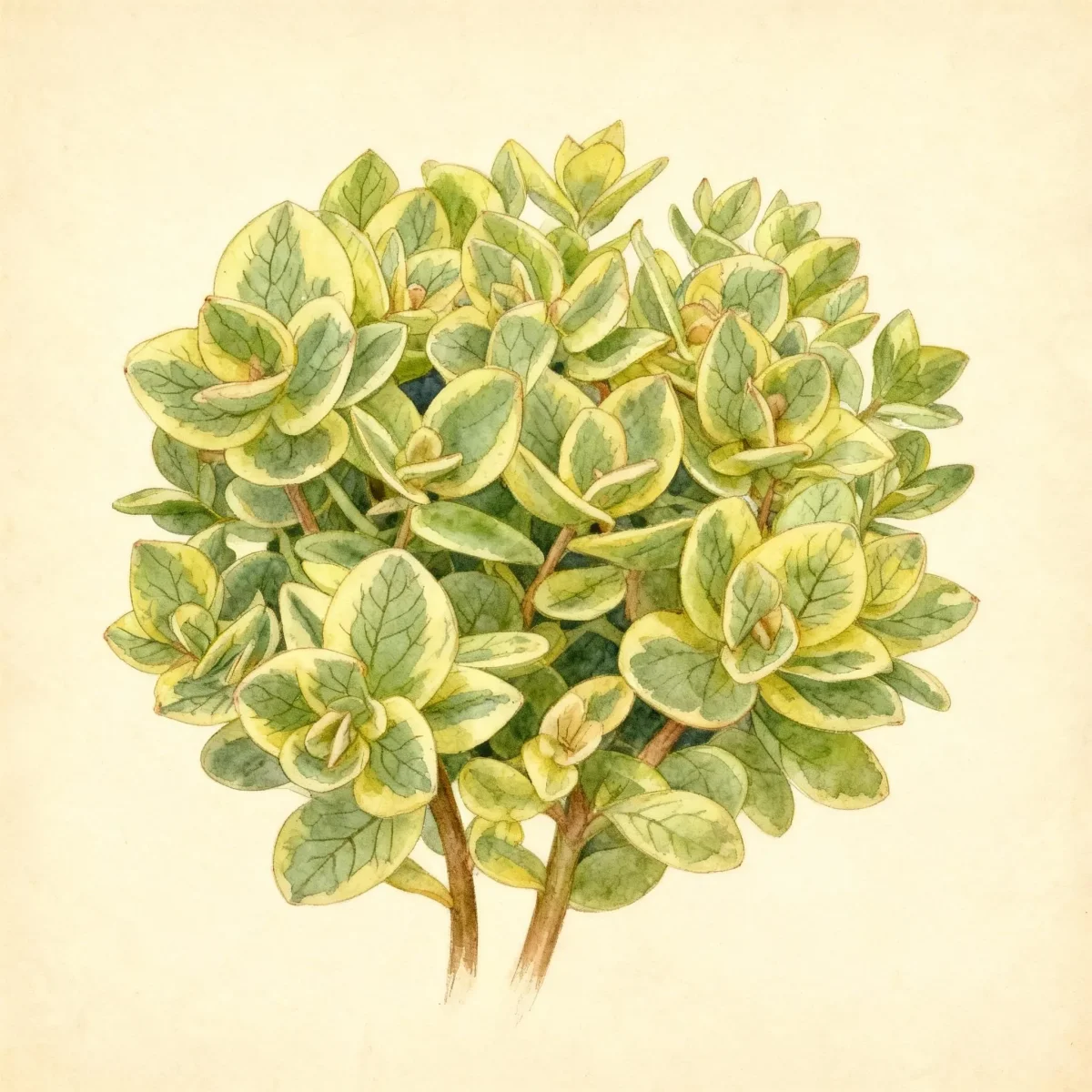
Sedum ‘Lime Twister’ is a highly valued, compact Stonecrop cultivar celebrated for its exceptionally long-lasting variegated foliage. This variety showcases cream and green leaves that turn attractive red margins during cooler spring and fall days, providing visual interest for over seven months of the growing season. The plant produces surprising late-summer color with lovely rose-pink flowers that contrast beautifully against the bright leaves.
As a member of the tough, succulent Sedum family, ‘Lime Twister’ Stonecrop thrives on neglect, making it an ideal addition for low-maintenance gardening spaces. It is naturally drought-tolerant and excels where many other plants struggle, provided its fundamental need for excellent drainage is met.
Gardeners appreciate Sedum ‘Lime Twister’ for its tidy mounding habit, which keeps it perfectly sized for front-of-border plantings or rock gardens without becoming unruly. The combination of season-long foliage color and late-season blooms ensures this Stonecrop offers continuous texture and hue.
Fast Facts
- Plant Family: Crassulaceae
- Plant Type: Herbaceous perennial
- Hardiness Zones: USDA Zones 4-9
- Size at Maturity:
- Height: 0.5-0.75 ft
- Spread: 1-1.5 ft
- Bloom Time: August to October
- Bloom Description: Rose-pink
- Sun Exposure: Full sun
- Water Needs: Dry to medium
- Maintenance Level: Low
How to Grow
Plant Sedum ‘Lime Twister’ in the spring or fall when conditions are mild, ensuring its location receives full sun exposure to promote the best variegation and tight growth habit. The success of this Stonecrop hinges entirely on soil drainage; plants must have well-drained conditions, thriving particularly well in sandy or gravelly soils. Amend heavy clay soils significantly with grit or compost to improve aeration before planting.
Once established, this perennial requires very little supplemental water, tolerating both drought and heat gracefully. Water only sparingly during prolonged dry spells. Fertilizing is generally unnecessary; plants grown in overly rich soils often result in the weak, floppy growth you want to avoid with taller sedums.
Maintenance for Sedum ‘Lime Twister’ is minimal. Annual cleanup involves removing any old dead foliage in early spring before new growth begins. To prevent potential flopping, especially if planted near richer soil areas, consider light pinching of stems in the early spring to encourage a thicker, bushier structure on this sturdy plant.
Landscape Uses
The manageable size and exceptional coloration make Sedum ‘Lime Twister’ a perfect candidate for defining borders or softening the edges of hardscape features. Its suggested use includes landscape designs aiming to Naturalize areas where year-round interest is desired. For bold impact, mass planting the Stonecrop in groups or drifts along walkways highlights the variegation effectively.
This colorful Stonecrop excels as a small area ground cover, slowly spreading to weave through rock gardens that mimic its native, stony environments. Furthermore, Sedum ‘Lime Twister’ is highly effective in containers, where its trailing habit and bright foliage can spill attractively over the rim, adding texture to mixed summer arrangements.
Standout Features
Noteworthy Characteristics
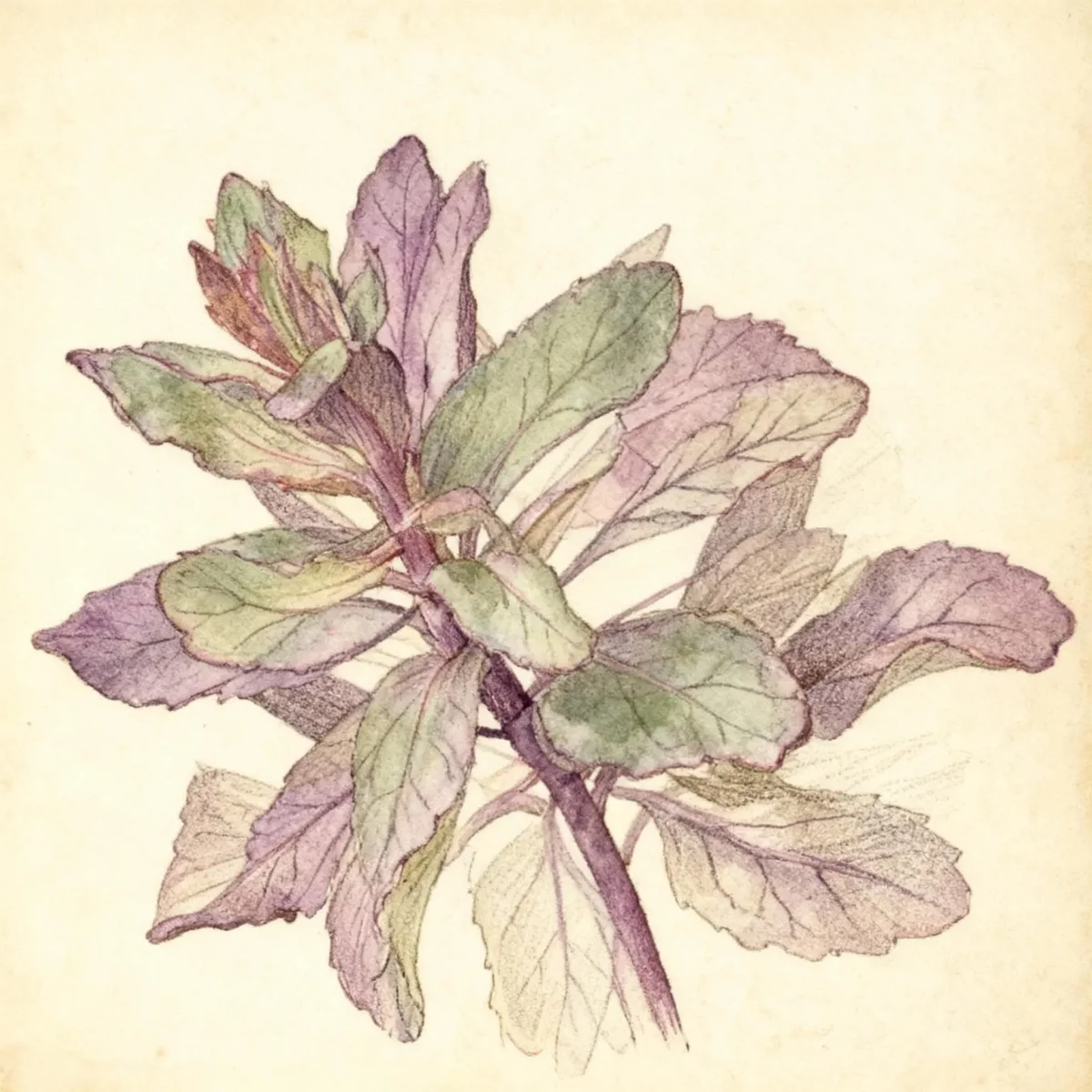
Sedum is a genus of about 400 species found mainly in the mountainous areas of North America but some also in dry area of South America. Most are succulent. They are tough, drought tolerant, easy-to-grow perennials that feature star-shaped flowers in clusters blooming on fleshy-leaved plants ranging from mat-forming ground covers to clump-forming upright mounds. Some of the most popular garden plants are hybrids.Genus name comes from the Latin word sedeo meaning to sit in reference to the general growing habit of many of the sedums (they sit and sprawl over rocks).Plants in the genus Sedum are commonly called stonecrops because they are typically found in the wild growing on rocky or stony areas.‘Lime Twister’ is a compact cultivar with variegated cream and green foliage which persists for 7 months during the growing season. The cream-colored edges turn to red during cool spring and fall weather. Bright pink flowers, similar to the coloration of its original parent plant ‘Lime Zinger’ show in late summer. ‘Lime Twister’ is part of the SunSparkler® series from the breeding program of Chris Hansen. U.S. Plant Patent PP#26,895 awarded June 28, 2016
Tolerances
- Rabbit
- Deer
- Drought
- Erosion
- Clay Soil
- Dry Soil
Potential Problems
A primary concern for succulents like Sedum ‘Lime Twister’ is the risk of rotting out completely if situated in soil that remains consistently wet or poorly drained. Always ensure sharp drainage to mitigate this risk. Garden pests like slugs and snails may chew on the foliage, requiring monitoring, especially when plants are young. While typically hardy, taller sedum hybrids are sometimes susceptible to flopping; for the low-growing ‘Lime Twister’, this can be avoided by planting in full sun and avoiding overly moist or rich soils. A spring pinch can help encourage bushier stems.
Frequently Asked Questions
What hardiness zones is Stonecrop suitable for?
Sedum ‘Lime Twister’ Stonecrop is reliably hardy in USDA Zones 4 through 9.
How large does Sedum ‘Lime Twister’ grow?
This cultivar reaches a modest height between 0.5 and 0.75 feet, spreading outward to between 1 and 1.5 feet wide.
What sun exposure does Sedum ‘Lime Twister’ need?
This plant requires full sun exposure in the garden to maintain its compact form and vibrant foliage coloration.
When does Stonecrop bloom?
Sedum ‘Lime Twister’ produces its characteristic rose-pink flowers throughout the late part of the season, typically from August into October.
Conclusion
The Sedum ‘Lime Twister’ Stonecrop offers unparalleled value by combining distinctive, long-lasting variegated foliage with reliable late-season blooms and exceptional toughness. Its low maintenance requirement and tolerance for poor soils make this plant a practical choice across many landscape situations. Before planting, confirm your site provides the full sun and sharp drainage essential for this beautiful variety to truly shine.
Companion Planting
Pairing Sedum ‘Lime Twister’ with other drought-tolerant perennials creates a cohesive, low-water garden palette. Consider using plants that offer contrasting textures or bloom times to enhance the overall design. For example, plant alongside ornamental grasses whose fine texture contrasts nicely with the succulent leaves of the Stonecrop.
Plants like Coreopsis, hardy Geraniums, or ornamental Alliums share similar sun and soil needs, making them excellent companions in a rock garden setting. These partners won’t compete aggressively for nutrients or water, ensuring the compact Sedum ‘Lime Twister’ remains the star of the show.
Seasonal Care Calendar
Spring is the time for cleanup; clear away any remaining debris from the previous season and pinch back any leggy stems on your Stonecrop to encourage a denser shape. Summer care centers on observation, primarily ensuring that the plant receives supplemental water only during prolonged, severe dry spells, as it handles heat well.
As summer transitions into autumn, enjoy the rose-pink flowers beginning to emerge, which will attract late-season pollinators. In fall and early spring, note how the cream edges of the Sedum ‘Lime Twister’ foliage take on subtle red hues as temperatures drop, providing crucial color when the rest of the garden fades. Winter preparation involves little more than admiring the winter structure, as this perennial requires no significant winter protection in its hardy zones.