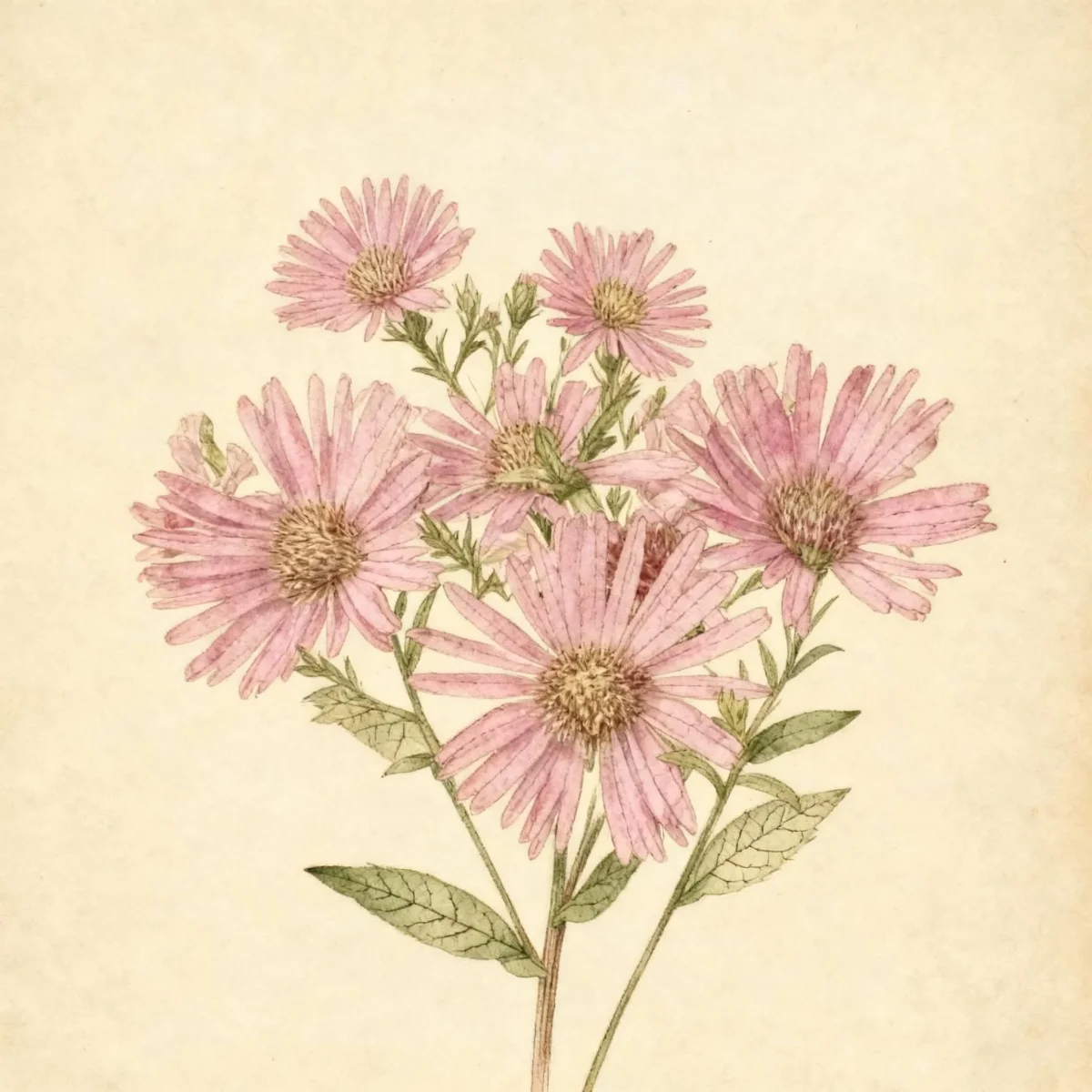
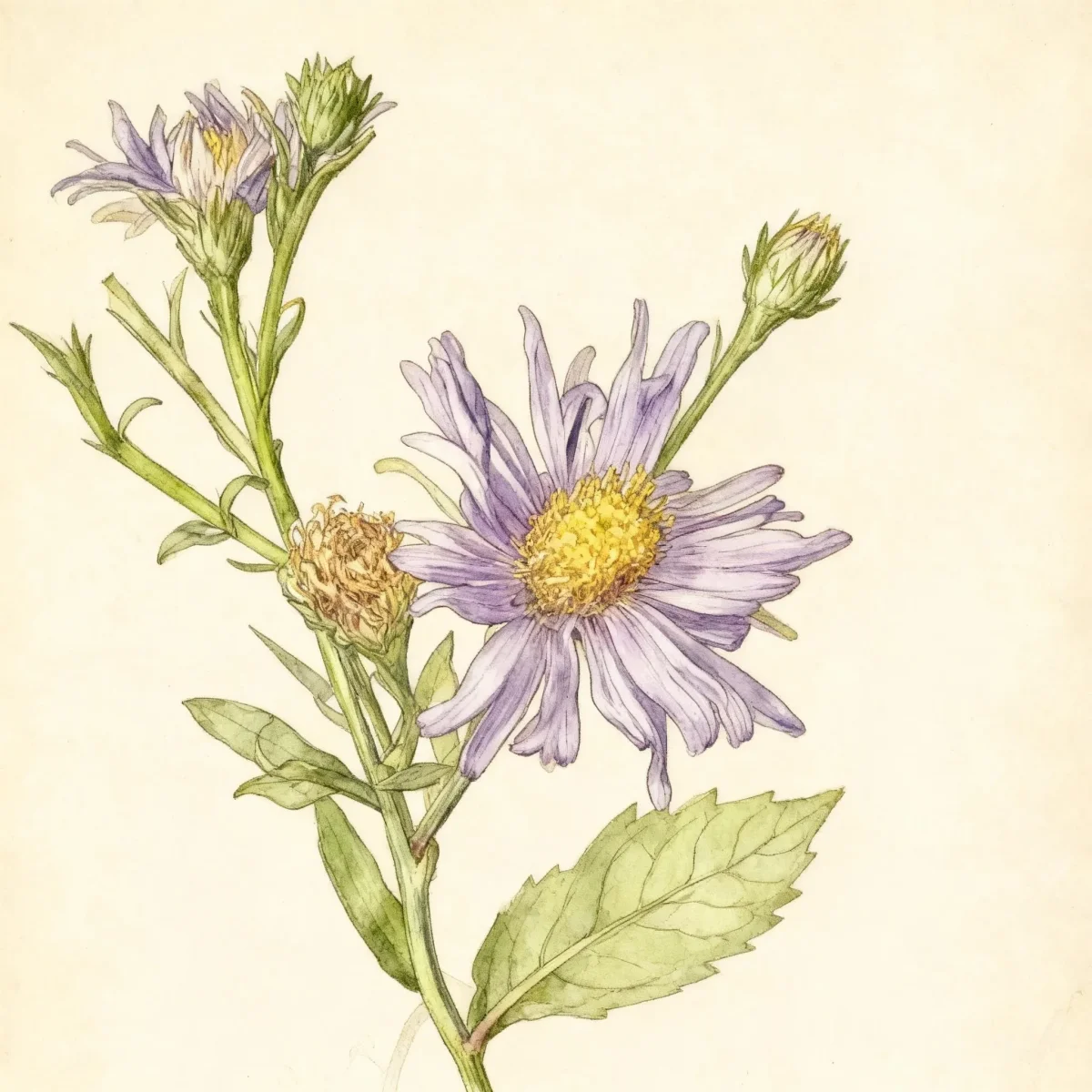
Joe Pye weed (Eutrochium maculatum 'Gateway')
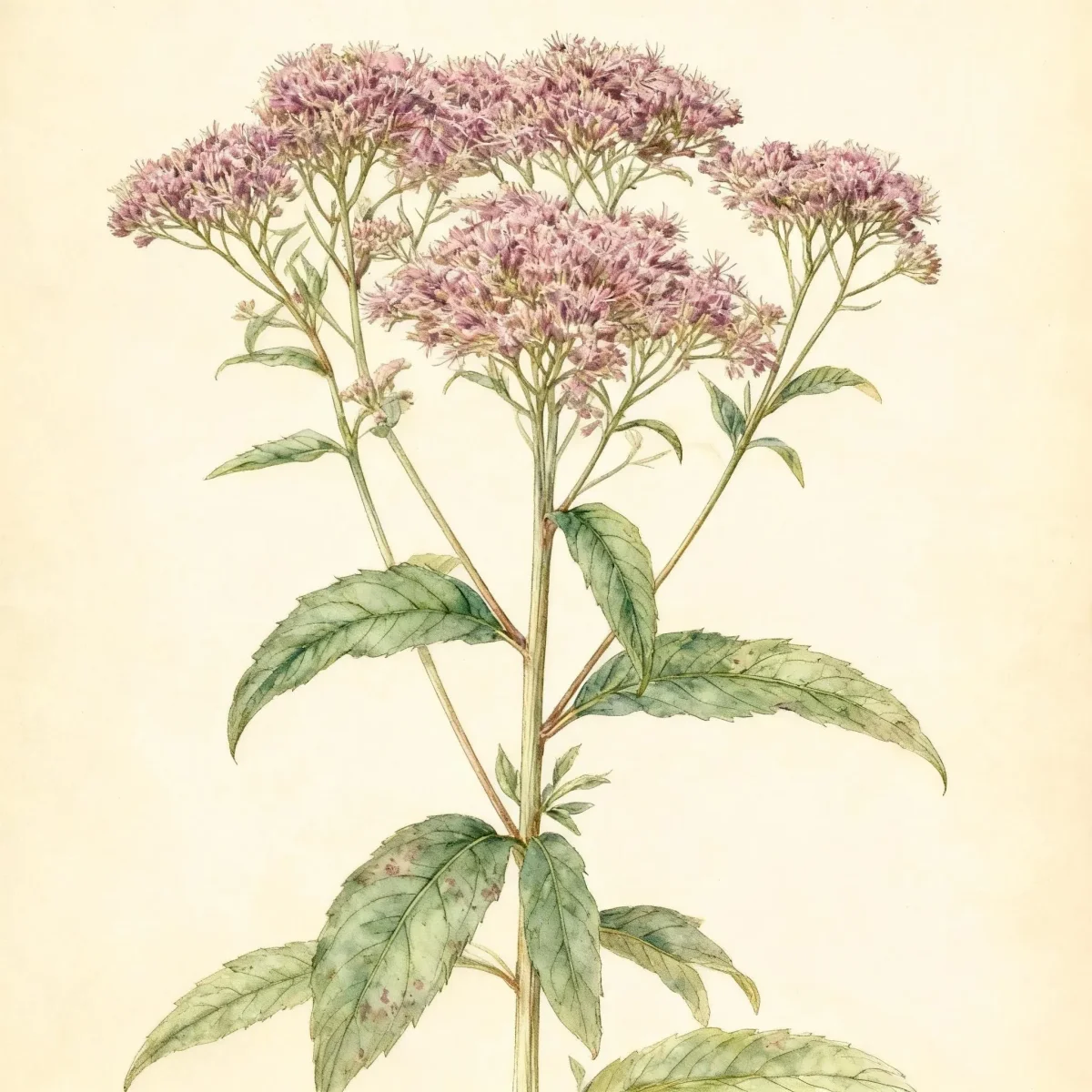
Eutrochium maculatum 'Gateway' is a striking, low-maintenance perennial boasting huge domes of mauve-pink flowers highly attractive to butterflies.
Scroll down to discover growing tips, care requirements, companion plants, and more
Complete Plant Information
Overview
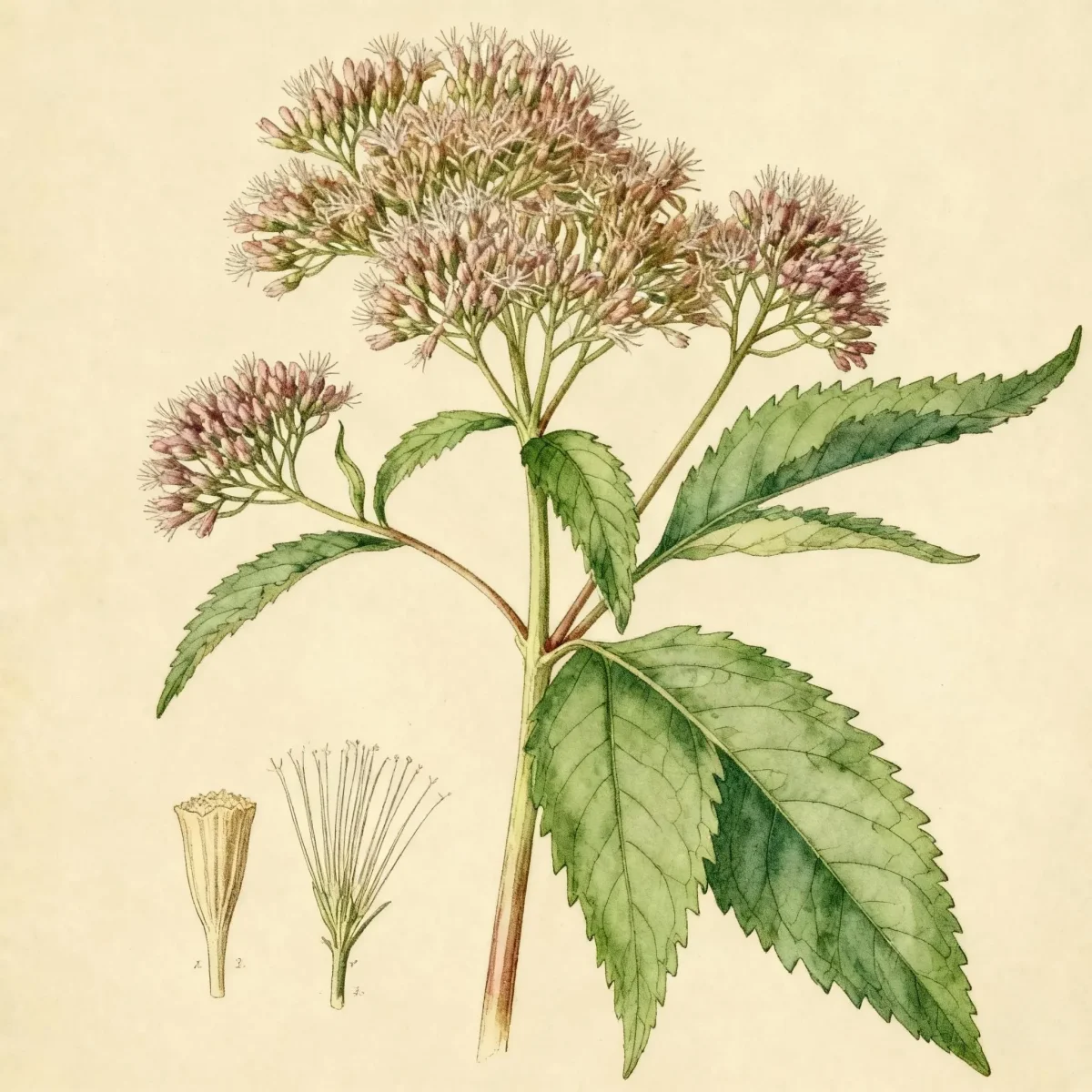
Eutrochium maculatum ‘Gateway’, commonly known as Joe Pye weed, is a fantastic choice for gardeners seeking late-season structure and massive pollinator appeal. This upright, clump-forming perennial delivers huge, domed flower heads that shift to dusky rose-pink, creating a highly showy centerpiece in the summer garden. Its substantial stature and preference for moisture make it an invaluable architectural element where drier perennials often struggle.
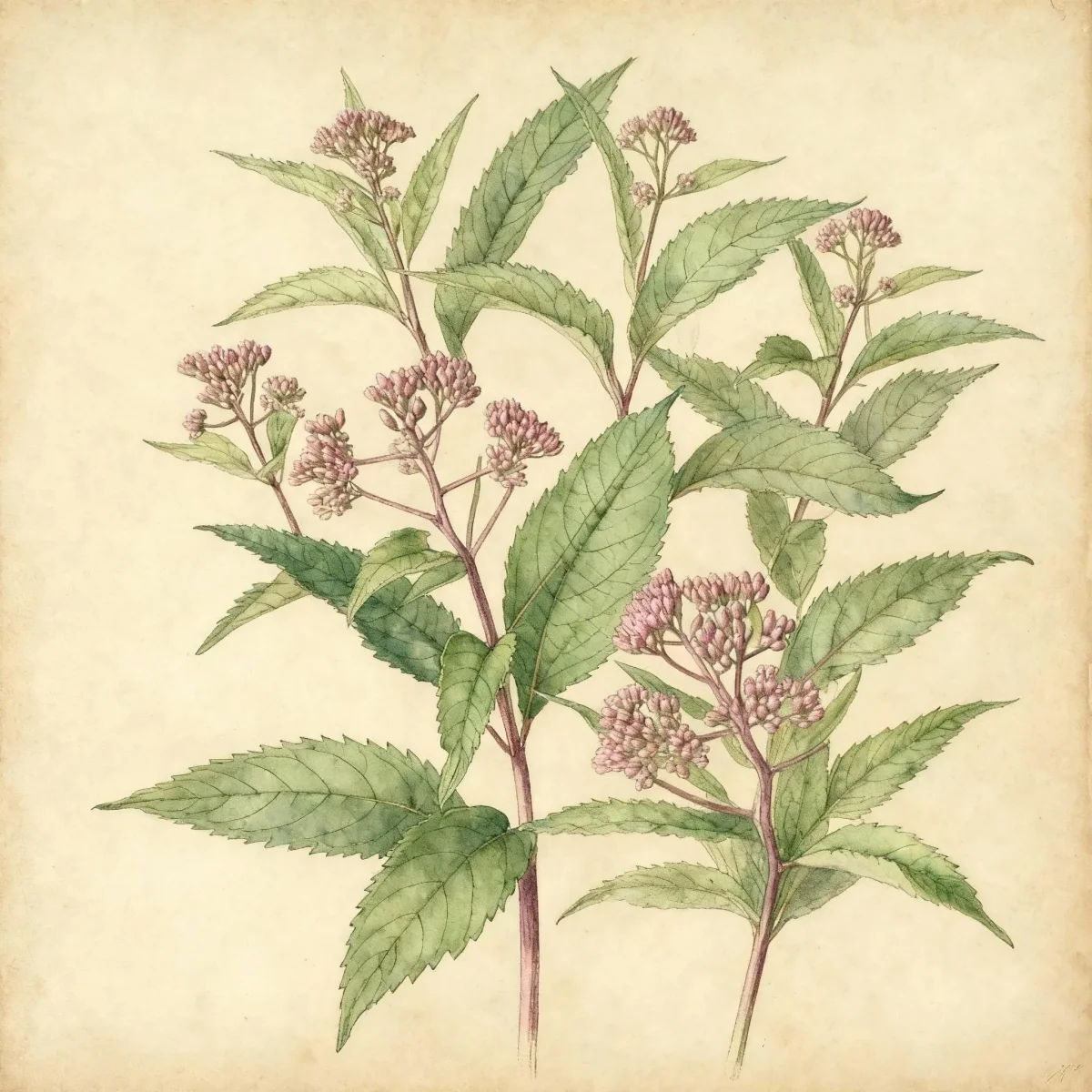
The cultivar ‘Gateway’ offers a more manageable size than the wild species, typically reaching 4 to 5 feet tall on sturdy, wine-red, speckled stems. Beyond its dramatic flowers, Joe Pye weed provides excellent winter interest with its persistent seed heads, earning its keep long past the final bloom. It is a powerhouse native that thrives in difficult, damp spots while simultaneously feeding essential butterfly populations.
Fast Facts
- Plant Family: Asteraceae
- Plant Type: Herbaceous perennial
- Hardiness Zones: USDA Zones 4-8
- Size at Maturity:
- Height: 4-5 ft
- Spread: 1.5-2 ft
- Bloom Time: July to September
- Bloom Description: Mauve/pink
- Sun Exposure: Full sun
- Water Needs: Medium to wet
- Maintenance Level: Low
How to Grow
Plant Eutrochium maculatum ‘Gateway’ in the spring or fall when soils are workable. It performs best when situated in its preferred location: full sun, accompanied by average, medium, or wet soils. While it tolerates some light afternoon shade, especially in very hot climates, maximizing bloom and restricting leaf scorch requires plenty of daylight.
Watering is crucial, particularly during establishment, as Joe Pye weed prefers consistently moist, fertile, and humusy conditions that do not dry out completely. Minimal fertilizer is usually needed if the soil is rich; avoid creating overly rich conditions that might encourage weak, floppy stems.
Maintenance for this perennial is blessedly minimal. Deadheading spent flowers is optional, as the resulting seed heads offer winter visual appeal. The primary annual task involves cutting the entire plant back to the ground in late winter before new spring growth begins to emerge.
Landscape Uses
Eutrochium maculatum ‘Gateway’ excels in moisture-retentive areas of the landscape due to its preference for medium to wet soils. It is an excellent, tall addition to rain gardens, fulfilling its suggested use perfectly by absorbing excess moisture at the edge of a slope or drainage area. Position it toward the back of mixed borders where its height won’t overshadow smaller mid-border plants.
For a naturalized effect, group several Joe Pye weed plants together in meadows or wild garden settings. Their robust presence requires little coddling once established, working well alongside other water-loving natives like bog irises or tall ornamental grasses. The strong vertical accent of the Joe Pye weed makes it a grounding element in cottage garden designs.
Standout Features
Flower Qualities
- Showy
- Fragrant
Noteworthy Characteristics
Eutrochium maculatum, commonly known as Joe Pye weed, is native to damp meadows, thickets and coastal areas in eastern North America. Plants typically grow 4-7’ tall on branched, purple-speckled stems clad with serrate, lance-shaped, medium green leaves (to 8” long) that typically appear in whorls of 3-6. Tiny, light to deep purple flowers in compound inflorescences bloom from mid-summer to early fall. Genus name is derived from the Greek words eu meaning well and troche meaning wheel-like in reference to the whorled leaves. Specific epithet means spottted in reference to the spottted stems. ‘Gateway’ is a popular cultivar that is more compact than the species, typically growing shorter (to 4-5’ tall) and bushier with tighter and thicker inflorescences. It is an erect, clump-forming perennial that features coarsely-serrated, lance-shaped, dark green leaves (to 8” long), typically in whorls of 3-4 on sturdy, wine-red stems. Tiny, dusky rose-pink flowers in huge, terminal, domed, compound inflorescenses (12-18” diameter) bloom in mid-summer to early fall. Flowers are very attractive to butterflies. Flowers give way to attractive seed heads, which persist well into winter.
Tolerances
- Deer
- Clay Soil
- Wet Soil
Potential Problems
Serious insect or disease problems are rare for Eutrochium maculatum ‘Gateway’, making it a reliable selection. The primary care issue gardeners must manage is water availability. Leaves may scorch if the soil is allowed to dry out completely, particularly when the plant is young or exposed to intense, uninterrupted afternoon sun. Ensure consistent moisture, especially through late summer droughts, to maintain that lush, dark green foliage.
Frequently Asked Questions
What hardiness zones is Joe Pye weed suitable for?
Eutrochium maculatum ‘Gateway’ is highly adaptable across USDA Zones 4 through 8.
How large does Joe Pye weed grow?
This specific cultivar typically reaches between 4 to 5 feet tall with a spread of 1.5 to 2 feet, providing significant height for the perennial garden.
What sun exposure does Eutrochium maculatum ‘Gateway’ need?
This plant requires full sun for the best performance, though it can tolerate a little light afternoon shade in warmer regions to prevent drying out.
When does Joe Pye weed bloom?
You can expect the large, fragrant, dusty rose-pink flower heads of this attractive perennial to appear from July extending through September.
Conclusion
The reliability, dramatic height, and exceptional pollinator support offered by Eutrochium maculatum ‘Gateway’ secure its place as a staple in native and water-loving garden designs. This low-maintenance Joe Pye weed brings structure and vibrant late-season color to any landscape where consistent moisture can be provided. Before planting, confirm your site falls within USDA Zones 4-8 and plan for its generous moisture needs for years of beautiful, effortless gardening.
Wildlife Benefits
The massive, domed flower clusters of Joe Pye weed are irresistible landing pads for a vast spectrum of pollinators. These flowers are especially magnets for large butterflies, including Swallowtails and Monarchs, offering crucial late-season nectar when many earlier summer blooms have faded. Planting Eutrochium maculatum ‘Gateway’ directly supports local ecological health by providing this necessary fuel source.
Beyond the summer bloom, the dried seed heads that remain standing through winter offer secondary benefits. These structures provide shelter and foraging opportunities for various beneficial insects and small birds during colder months. Integrating this plant into naturalized areas maximizes its value as both an aesthetic anchor and an ecological resource.
Companion Planting
Because Eutrochium maculatum ‘Gateway’ demands consistently moist to wet conditions, successful companion planting relies on selecting other moisture-loving perennials. Pair it with other tall, late-season bloomers like Japanese Anemone (if soil stays damp) or Astilboides tabularis for textural contrast. For true wet-soil companions, consider native ferns, Caltha (Marsh Marigold) in the spring, or various Iris species which appreciate damp feet. Placing it near a water feature or runnel will help ensure its hydration needs are met.