Deerberry (Vaccinium stamineum)
Discover Vaccinium stamineum, the low-maintenance Deerberry shrub, native to Eastern N. America with greenish-white blooms.
Scroll down to discover growing tips, care requirements, companion plants, and more
Complete Plant Information
Overview
The Deerberry (Vaccinium stamineum) is a valuable addition to native landscapes across Eastern North America, prized for its relatively low maintenance and adaptability. This deciduous shrub exhibits a variable yet generally compact size, making it suitable for various garden settings. Gardeners appreciate its delicate spring flowers and its ecological contributions.
Vaccinium stamineum brings seasonal interest starting with blooms in spring, followed by small, pear-shaped fruits later in the season. Although the fruit is generally sour for human consumption, it is an important food source for local wildlife, lending to its common name, Deerberry.
Established plants are notably resilient, possessing good drought tolerance once settled. This adaptability, combined with lovely fall coloration, makes the Deerberry (Vaccinium stamineum) a superb choice for naturalized areas or those seeking low-input native plantings.
Fast Facts
- Plant Family: Ericaceae
- Plant Type: Deciduous shrub
- Native Range: Eastern North America
- Hardiness Zones: USDA Zones 5-9
- Size at Maturity:
- Height: 3-6 ft
- Spread: 3-6 ft
- Bloom Time: April to June
- Bloom Description: Greenish white
- Sun Exposure: Full sun to part shade
- Water Needs: Medium
- Maintenance Level: Low
How to Grow
Vaccinium stamineum thrives when situated in acidic, organically rich, and sandy soils that offer medium moisture retention and excellent drainage. Planting is best done in spring or fall to minimize transplant shock. Ensure chosen locations receive appropriate sunlight, ranging from full sun to partial shade, depending on your regional climate’s heat intensity.
Caring for established Deerberry requires minimal intervention. Because established plants exhibit good drought tolerance, supplemental watering is usually only necessary during prolonged dry spells outside of the plant’s medium water requirement. Avoid high pH soils, as these frequently lead to iron chlorosis, manifesting as yellowing leaves.
This shrub may spread slowly via underground runners, gradually forming attractive clumps, which is ideal for naturalizing. Pruning is rarely essential; if required for shape or size management, perform any necessary trimming after flowering concludes.
Landscape Uses
The ornamental and ecological appeal of Vaccinium stamineum shines when planted in informal settings. It performs exceptionally well when naturalized within open woodlands or integrated thoughtfully into native plant gardens where its modest size and adaptability can be fully appreciated.
This species shares soil requirements with other acid-loving plants, making it an excellent companion for Azaleas and Rhododendrons. Use the Deerberry (Vaccinium stamineum) to create layered shrub borders or, with consistent shearing, establish low, functional hedges. Its wildlife value is substantial, providing browse for deer and forage for numerous bird species.
Standout Features
Flower Qualities
- Showy
Fruit Qualities
- Showy
- Edible
Noteworthy Characteristics
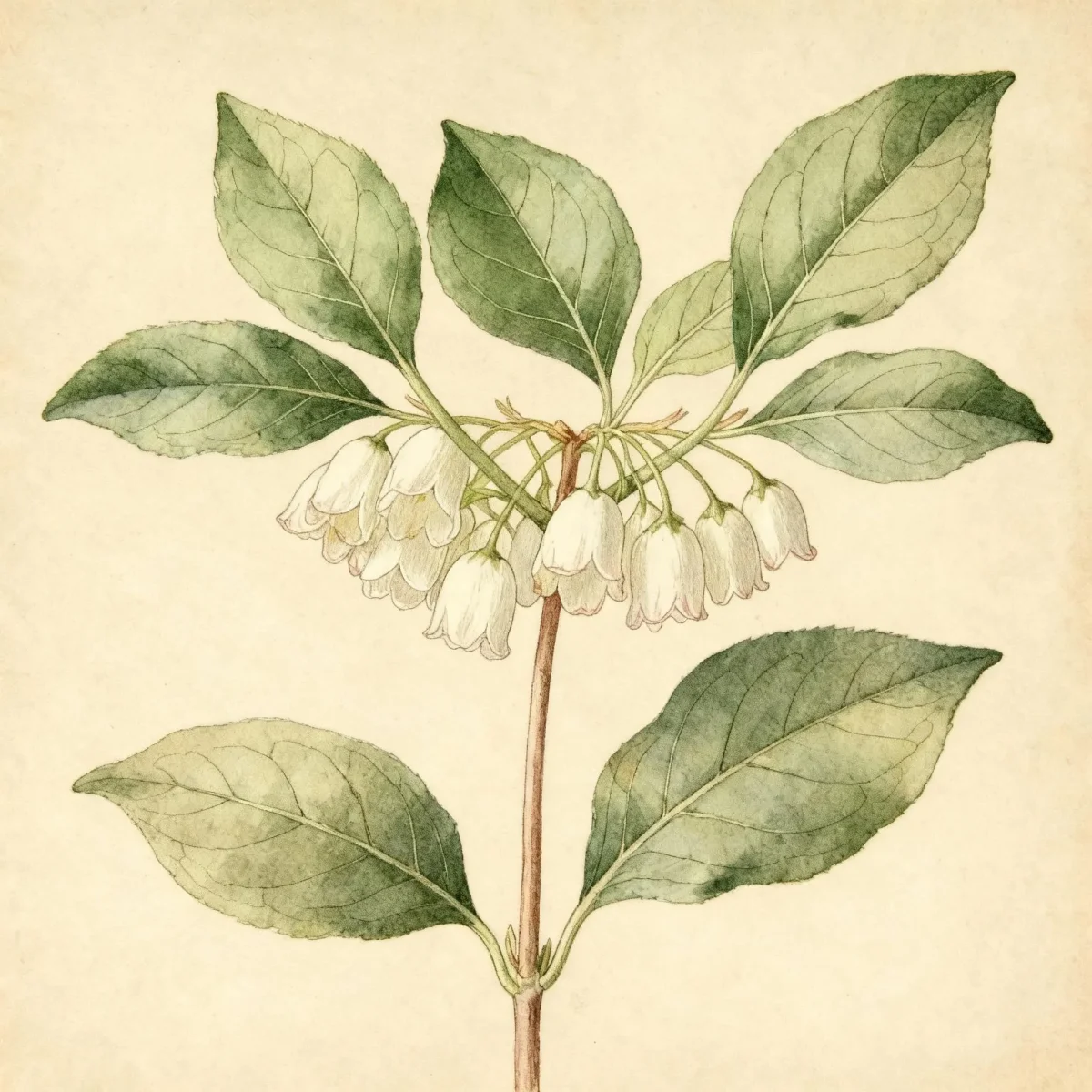
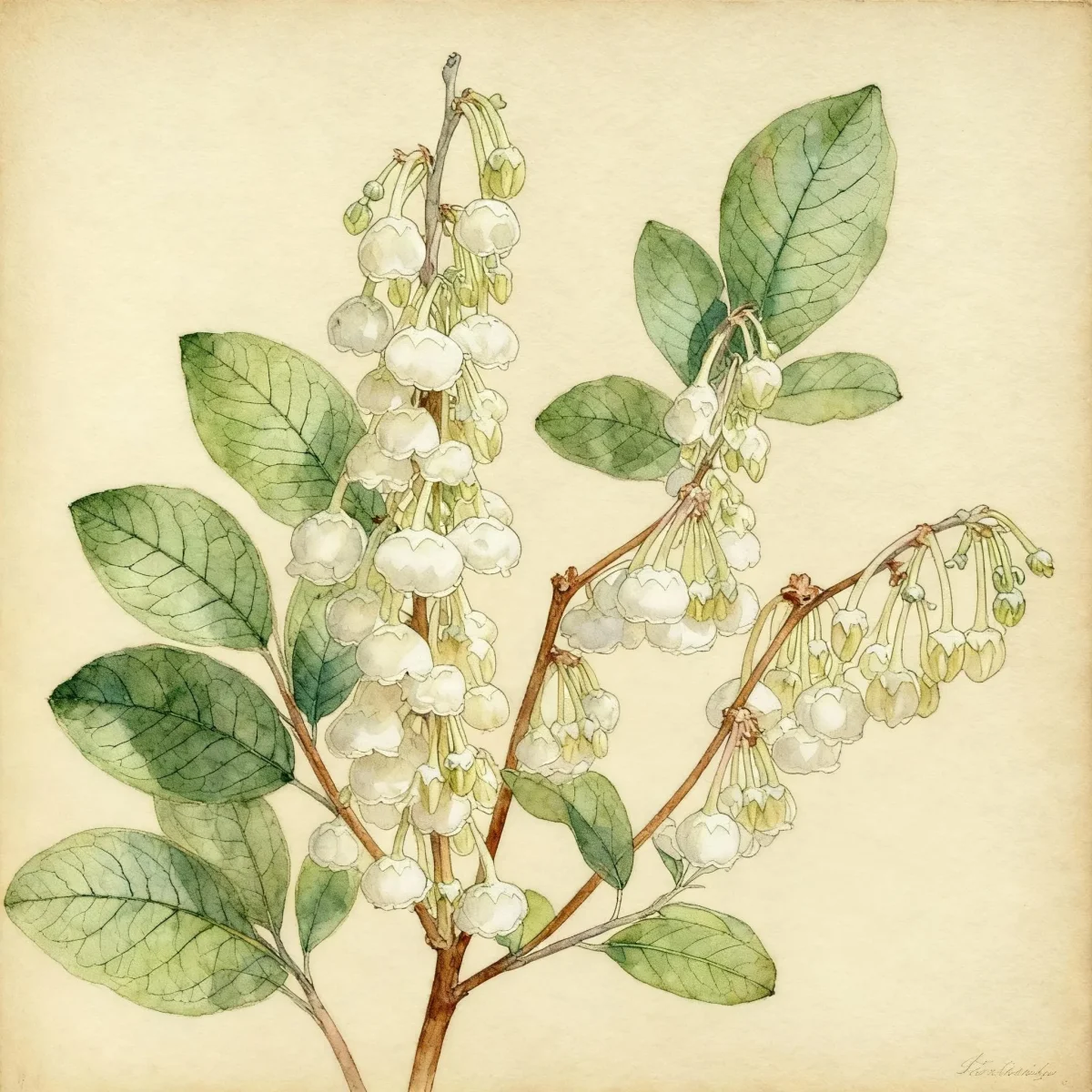
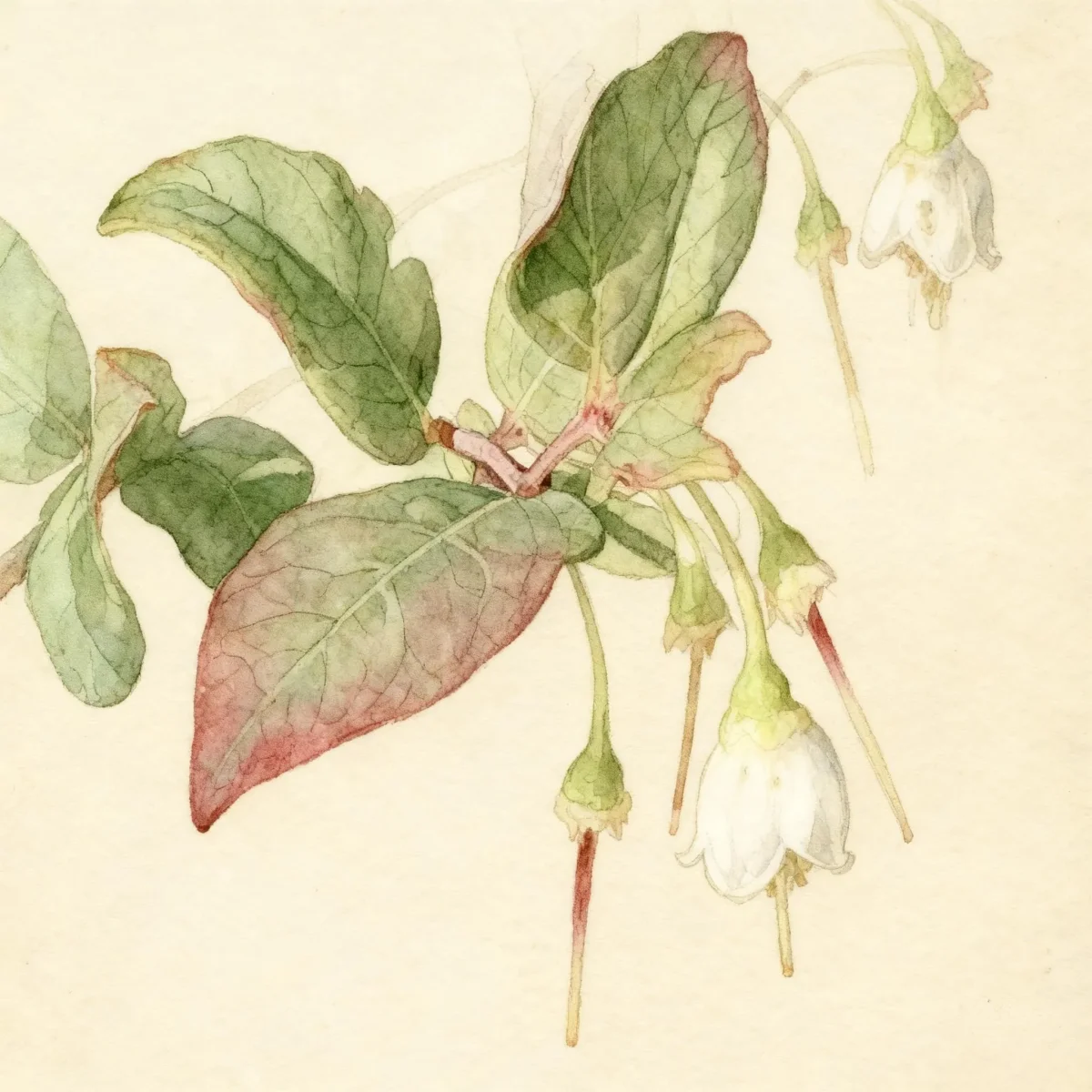
Vaccinium stamineum, commonly called deerberry, highbush huckleberry or squaw huckleberry, is a loosely-branched deciduous shrub of variable size that typically grows to 3-6’ tall. Its elliptic to ovate leaves develop attractive red to maroon-purple fall color, complementing the broad, open bell-shaped, greenish-white flowers that bloom in spring. The resulting pear-shaped berries ripen in late summer and fall, reportedly being heavily consumed by deer, hence the common name.
Tolerances
- Drought
Potential Problems
Vaccinium stamineum generally exhibits few serious insect or disease challenges, though birds are highly attracted to the ripening fruit. A primary concern in overly alkaline environments is chlorosis, where leaves yellow due to nutrient unavailability in high pH soils. Potential, but infrequent, fungal issues include root rot, stem blight, and powdery mildew; these are sometimes less of a concern when the primary goal is ornamental planting. Watch for common pests like scale or tent caterpillars, managing them promptly if infestations occur.
Frequently Asked Questions
What hardiness zones is Deerberry suitable for?
The Deerberry (Vaccinium stamineum) is generally suitable for USDA Zones 5 through 9.
How large does Deerberry grow?
This shrub typically reaches a mature height and spread between 3 to 6 feet tall and wide.
What sun exposure does Vaccinium stamineum need?
Vaccinium stamineum prefers a location receiving full sun to part shade for optimal growth.
When does Deerberry bloom?
Deerberry blooms typically occur from April to June, presenting distinctive greenish-white flowers.
Conclusion
The low-maintenance nature and native adaptability of Deerberry (Vaccinium stamineum) make it a stellar choice for ecological and informal landscape designs. Its spring flowers and wildlife benefits offer year-round interest when cultivated in acidic, well-drained conditions. Assess your soil pH and hardiness zone before incorporating this versatile native shrub into your garden plan.
Companion Planting
Given the strong requirement for acidic soil, companion planting with Vaccinium stamineum should focus exclusively on acid-loving broadleaf evergreens. Pairing it with species like Mountain Laurel (Kalmia latifolia) or evergreen Azaleas creates beautiful, cohesive groupings that share cultural needs. These combinations are particularly effective in borders where the varied textures of the ericaceous family can be juxtaposed.
Wildlife Benefits
The ecological contribution of the Deerberry is significant. While the sour berries are often avoided by humans, they are a crucial late-season food source eagerly consumed by deer (hence the name) and various other forest animals. Furthermore, the shrub’s spring bloom provides necessary nectar and pollen for early-season native pollinators.